

The short answer: Yes—but the sequence is the difference between a restorative breakthrough and a physiological “hangover.”
For high-performance individuals, the intersection of Yoga and Contrast Therapy (heat and cold immersion) is the ultimate frontier of nervous system regulation. As the “longevity economy” grows, practitioners are increasingly searching for the “optimal recovery protocol” to maximize muscle protein synthesis (MPS), mitochondrial health, and growth hormone pulses.
However, at The Barnfield Suites on Bowen Island , we observe that many practitioners struggle with the “dosing logic” of these two powerful modalities. People frequently ask: “Is it safe to do hot yoga and sauna on the same day?” or “How long should I wait to cold plunge after a workout?” Should you heat up before your asanas to increase fascial glide and joint laxity , or save the sauna for post-practice metabolic waste clearance ? Here is the definitive guide to mastering the sauna-yoga fusion for professional-grade results.
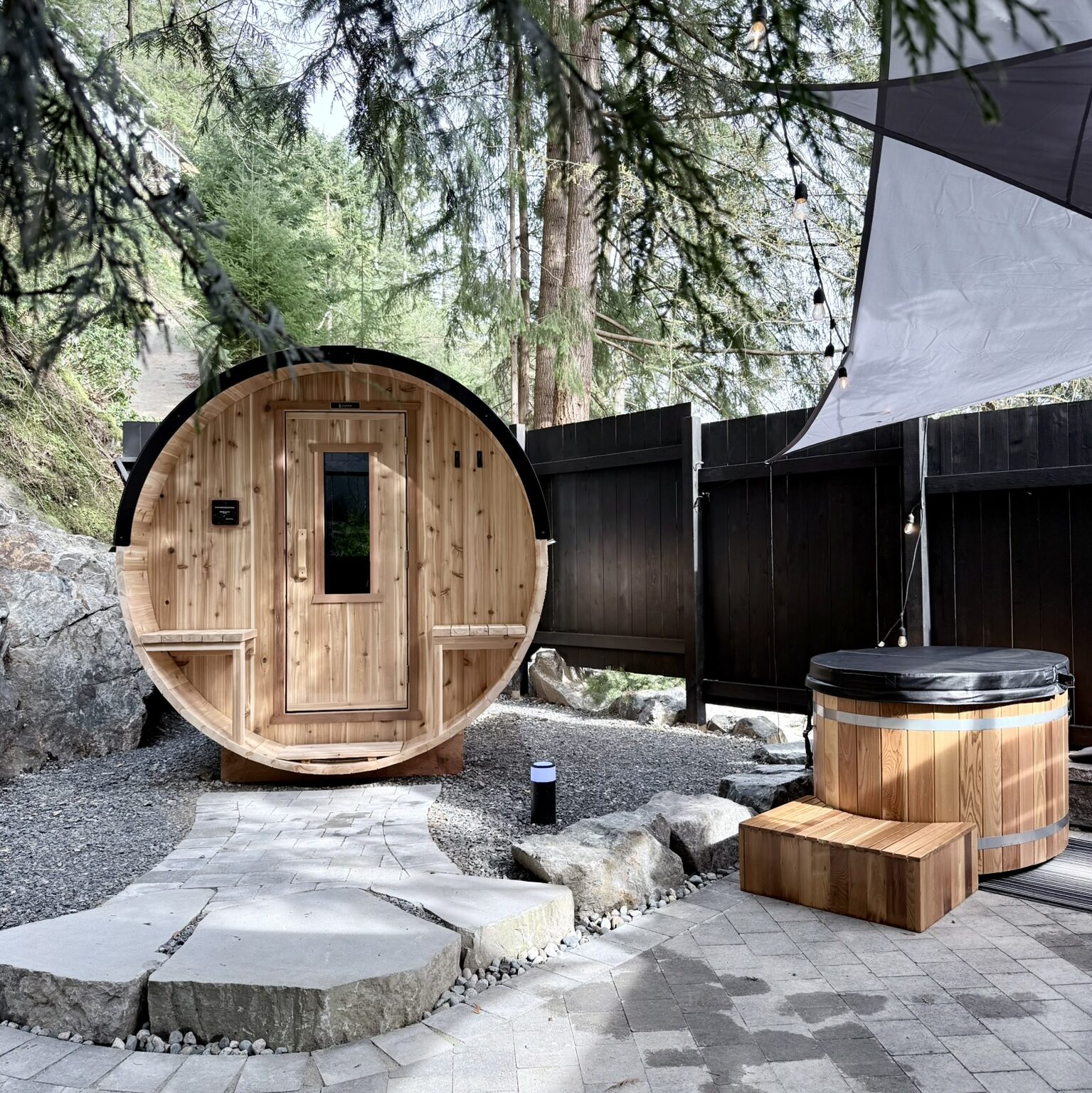
1. The Golden Rule: Lead with Movement, Seal with Heat
When deciding “Is it better to do a sauna before or after yoga?”, our clinical stance is that both work, but the hierarchy depends entirely on your specific biomarker goals and your body’s current allostatic load.
For Recovery, Inflammation Management, & Chronic Pain: Yoga first, Sauna second. This is the preferred protocol for athletes looking to clear blood lactate and downregulate the NLRP3 inflammasome. By moving first, you use yoga to “wring out” the day’s tension and stimulate lymphatic drainage. Finishing with a sauna session locks in that new range of motion and triggers a profound parasympathetic rebound, dropping the nervous system into a state of restorative stillness that movement alone cannot reach.
For Flexibility, Injury Prevention, & Warming Up: Sauna first, Yoga second. Research on “Hyperthermic Conditioning” shows that warm muscles are significantly more supple. One clinical trial observed an 83% improvement in lower-body flexibility when practicing in the heat compared to just 3% in ambient temperatures. If your goal is fascial remodeling or breaking through physical plateaus in Yin Yoga or Vinyasa, using the sauna as a hyperthermic warm-up is superior.
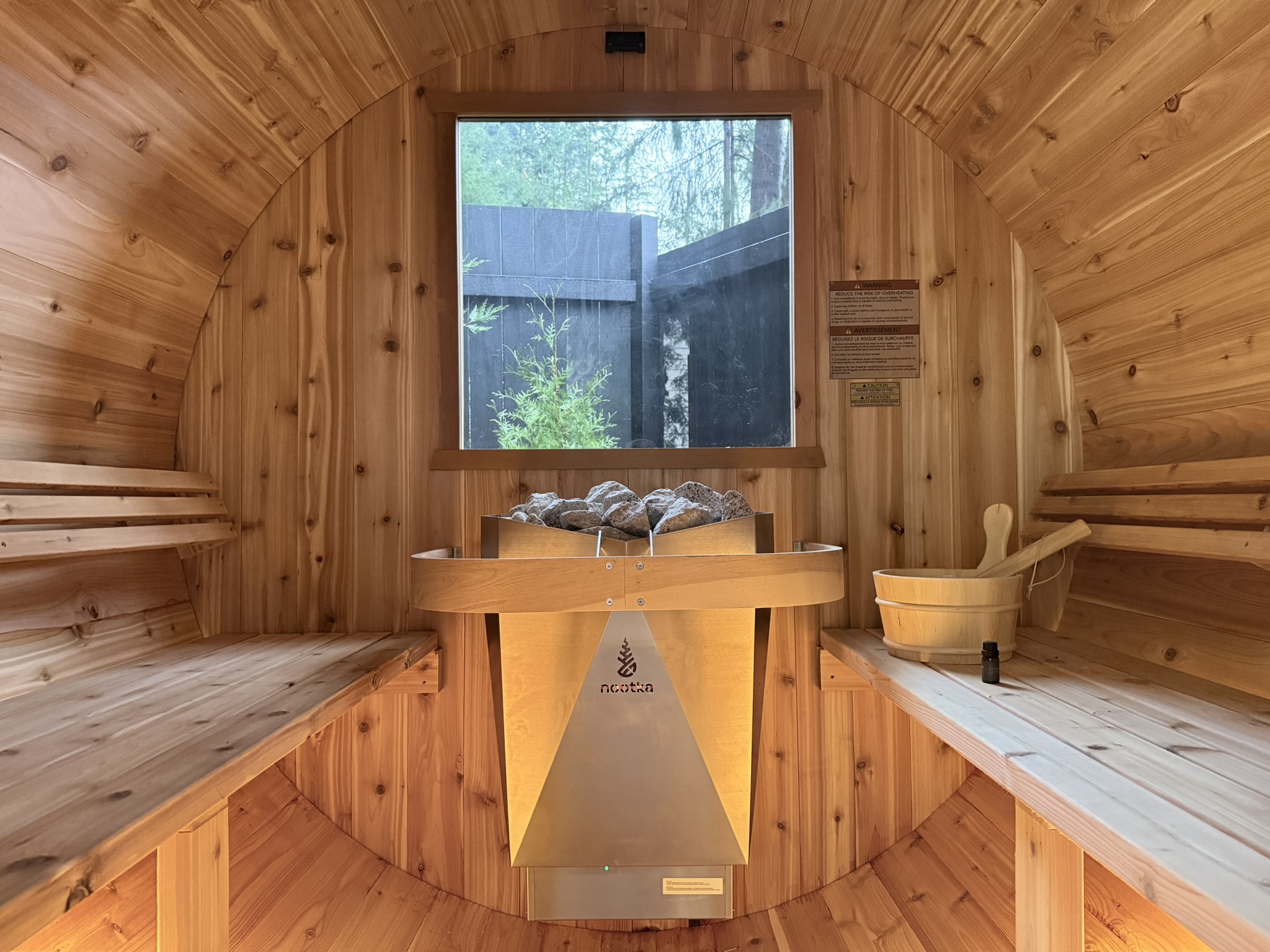
2. Avoiding the “Red Flags” of Combined Practice: Cardiovascular Safety
High-heat, high-sweat rituals like Bikram Yoga or Power Vinyasa combined with a Nootka cedar sauna carry specific risks that must be managed to avoid cardiovascular overload and syncope. We advise guests to watch for these clinical “red flag” symptoms:
- Cardiovascular Overload: Dizziness, lightheadedness, or sudden hypotension (blood pressure drop) upon standing.
- Heat Illness Indicators: Muscle cramps, throbbing headaches, and brain fog, which signal excessive electrolyte loss and sodium depletion.
- Joint Overstretching (The Hypermobility Trap): A sharp, stabbing pain (rather than healthy muscle tension). Because heat increases joint laxity and reduces the “guarding” reflex of the muscles, it is dangerously easy to push past safe anatomical limits, leading to long-term ligamentous damage.
Management Strategy: We recommend a 30-to-60-minute “buffer zone” between your yoga practice and entering the thermal circuit. This prevents the “interference effect” where the body is too overwhelmed to adapt to either stressor. During this window, aggressive hydration with magnesium, potassium, and sodium electrolytes is a non-negotiable requirement.
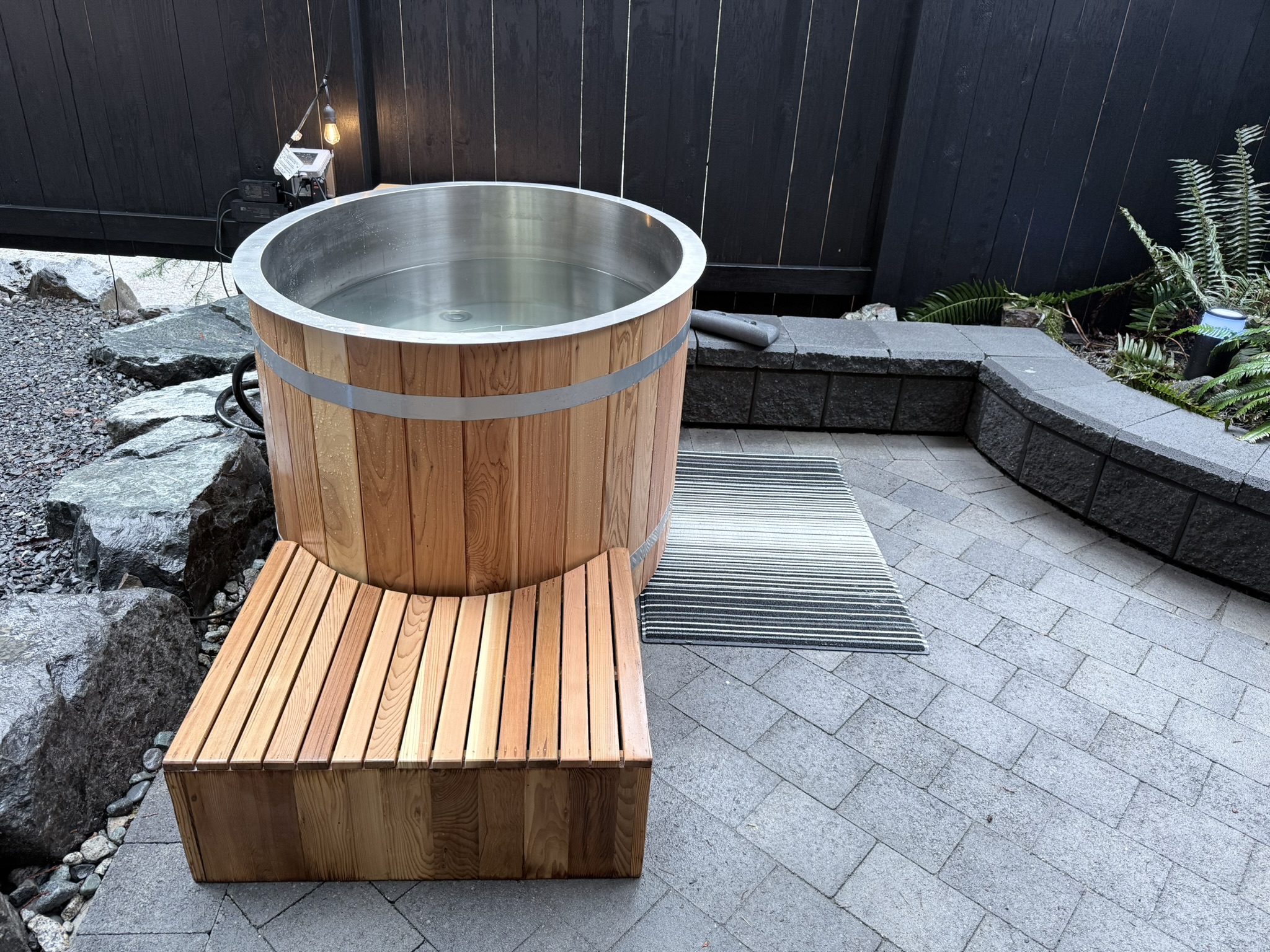
3. The Role of the Cold Plunge: Training “Arousal Flexibility”
Adding a Helius cold plunge to your yoga retreat transforms it from a restorative stay into a resilience training session. While yoga and sauna focus on opening the body and slowing the mind, the cold plunge (3–5°C) introduces a sharp, controlled stressor that trains Top-Down Regulation.
- Vascular Pumping & Cytokine Clearance: After yoga and sauna expand your blood vessels ( vasodilation), the cold plunge causes rapid vasoconstriction . This “push-pull” effect creates a circulatory pump that flushes pro-inflammatory cytokines and metabolic byproducts out of the muscle tissue for efficient filtration.
- Neural Priming & Catecholamine Surge: A single plunge triggers a 250%–300% dopamine spike and a massive release of norepinephrine . This creates a laser-sharp focus and “neurological clearing” that makes your subsequent yoga meditation feel incredibly grounded and intentional.
- Vagal Tone Mastery: Training your brain to maintain calm, rhythmic nasal breathing while in freezing water strengthens your vagus nerve . This increases your Heart Rate Variability (HRV), making the “rest-and-digest” response easier to access during high-stress professional life.
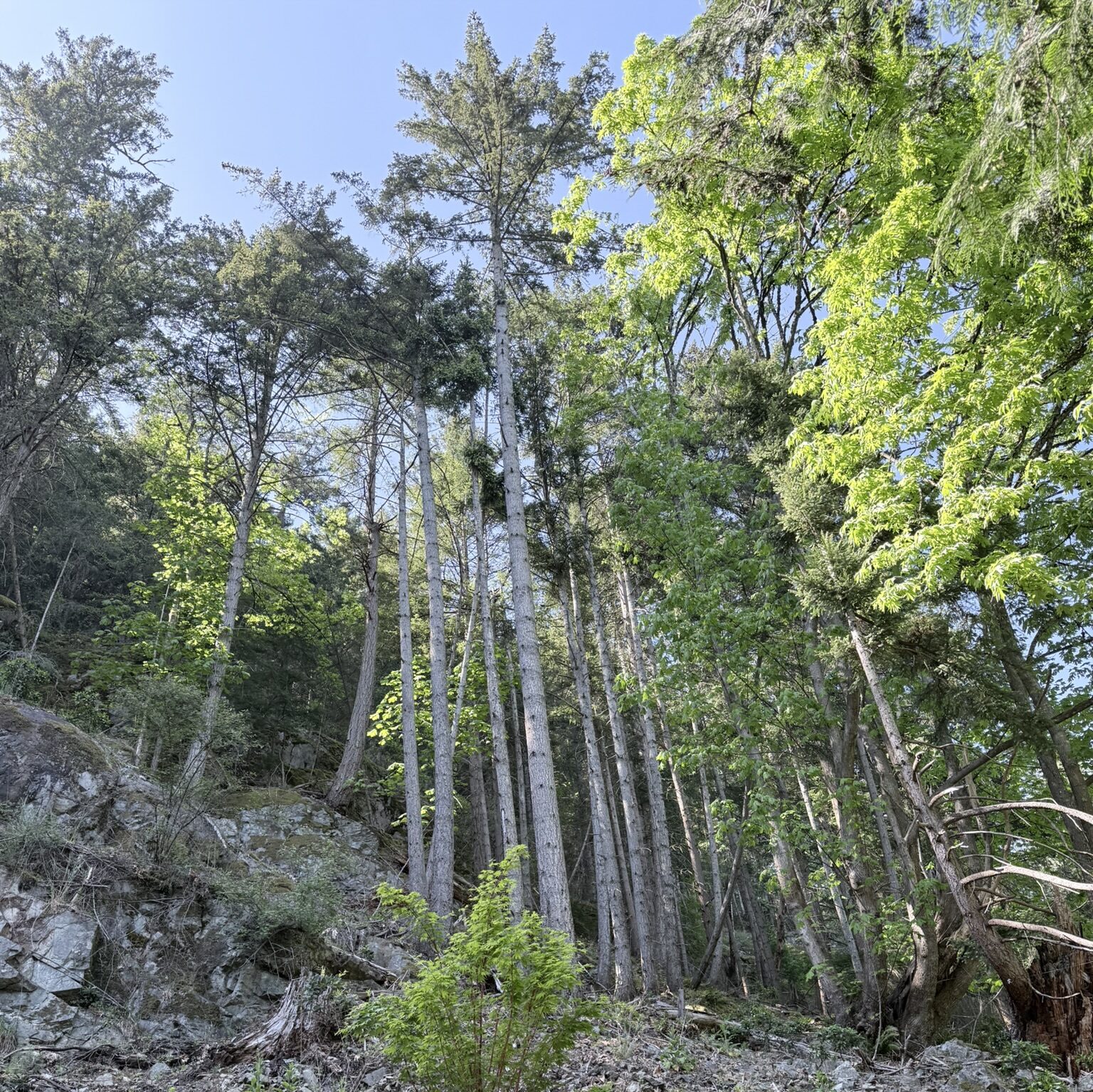
4. The “Environmental Medicine” of Bowen Island: Biophilic Multipliers
A retreat is only as effective as its environment. At The Barnfield Suites, we treat Biophilia (nature immersion) as a biological force multiplier for your yoga and sauna practice.
- Phytoncides & Negative Ions: Inhaling the antimicrobial oils ( phytoncides) from our surrounding Nootka Cedars during or after yoga is clinically proven to boost Natural Killer (NK) cell activity and lower salivary cortisol. The nearby Salish Sea air is rich in negative ions, which help clear “brain fog” and improve mood.
- Auditory Grounding & Pink Noise: The island’s soundscape—wind through the conifers and distant waves—acts as natural “pink noise.” This helps the brain transition from high-alert Beta waves to the Alpha or Theta brainwave states associated with deep cellular repair and the “twilight state” of meditation.
- Soft Fascination: Natural fractals and forest vistas allow the brain to rest from “directed attention” (the focus required for screens and work), significantly reducing mental fatigue and executive burnout.
5. Conclusion: Privacy as a Clinical Requirement for “Totonou”
While many commercial spas promote “Social Heat” and shared community spaces, we believe that true Totonou (a Japanese state of physical and mental harmony) requires Visual Sovereignty.
By removing the “social scanning” stress and the “performance” of being in a public space, your amygdala can finally downregulate. Our 1,000 sq. ft. private sanctuary at Cedarwood Elements ensures that your nervous system can fully surrender to the multi-sensory inputs of the cedar, the cold water, and the yoga practice without interruption.
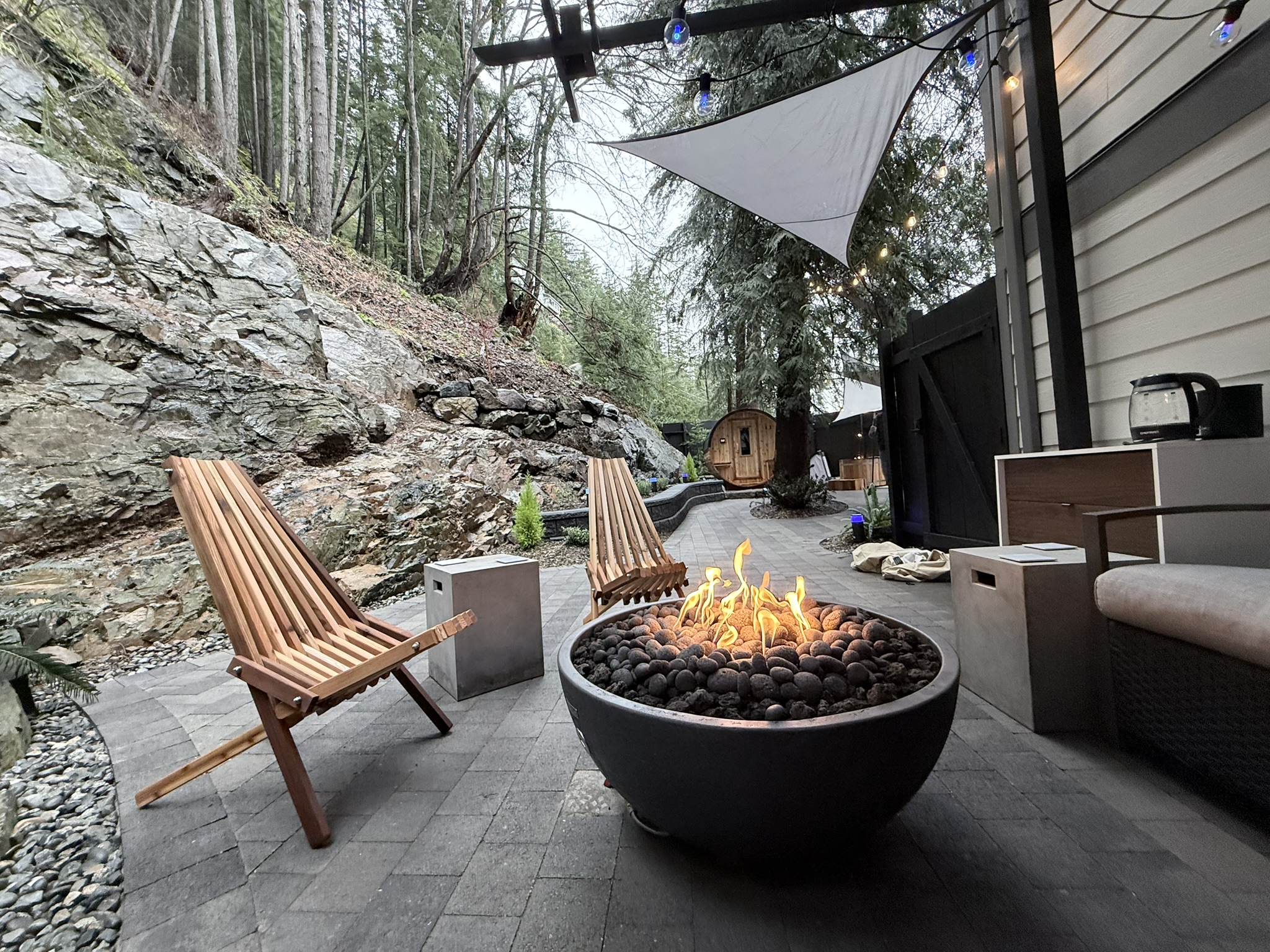
Mastering the 11/57 Protocol
The current gold standard in longevity research (The Søberg Principle) suggests a weekly threshold of 11 minutes of cold and 57 minutes of heat. Combining a yoga retreat with our private circuit is the most efficient way to hit these benchmarks while achieving total nervous system rebalancing.
FAQs: Mastering Yoga and Contrast Therapy Fusion
1. Can I do a sauna session every day during a yoga retreat?
Yes, daily hyperthermic conditioning is a powerful tool for those on a longevity retreat. Daily sauna use has been
shown to increase mitochondrial biogenesis and improve cardiovascular health by mimicking the effects of zone 2
aerobic exercise. At The Barnfield Suites, our 24-hour sovereignty allows guests to hit the Søberg Principle benchmarks
easily. However, we recommend aggressive electrolyte replacement to prevent mineral depletion during consecutive high-heat sessions.
2. Does the sauna blunt muscle growth (hypertrophy) after a yoga session?
No. Unlike immediate cold water immersion, which can attenuate the mTOR signaling pathway required for muscle growth,
heat exposure via a Nootka cedar sauna can actually support muscle protein synthesis (MPS).
The induction of Heat Shock Proteins (HSPs) protects against muscle atrophy and protein degradation. For those practicing
Power Vinyasa or strength-based yoga, the sauna is an excellent post-practice anabolic aid.
3. How long should I stay in the sauna for the best physiological results?
For a professional-grade vascular flush, the clinical “sweet spot” is 12–20 minutes at temperatures between 85°C and 100°C. This duration is required to elevate the core body temperature enough to trigger a growth hormone (GH) pulse and facilitate deep fascial release. In our private sanctuary, we recommend two to three cycles of this duration, interspersed with cold immersion, to achieve a total nervous system reset.
4. Should I cold plunge immediately after a yoga session?
It depends on your biomarker goals. If you are looking for acute pain management or to reduce systemic inflammation after a high-intensity session at Wildwood Yoga, immediate cold immersion in the Helius plunge is highly effective.
However, if your goal is long-term strength adaptation and hypertrophy, research suggests waiting 4 hours to avoid
blunting the natural inflammatory signals that lead to muscle repair.
5. Is it okay to do a sauna on an empty stomach before yoga?
Practicing “fasted” contrast therapy can increase the benefits of autophagy (cellular cleaning) and improve
insulin sensitivity. Thermal stress while fasted encourages the body to recycle damaged proteins more efficiently. If you are prone to low blood sugar, we suggest a light electrolyte drink from our Ritual Bar before entering the heat to maintain cardiovascular integrity during your session.
6. Does contrast therapy help with yoga-related injuries or joint pain?
Yes. The “vascular pump” created by alternating between the Nootka sauna and the Helius cold plunge increases nutrient-rich
blood flow to tendons and ligaments, which typically have poor blood supply. This facilitates faster healing of connective tissue and reduces the hydrostatic pressure of edema on sensitized nerve endings, providing relief for chronic joint pain and DOMS.
7. What is the best breathing technique for the Helius cold plunge?
We recommend Top-Down Regulation through slow, controlled nasal breathing.
By avoiding the “gasp reflex” and hyperventilation, you signal safety to the amygdala and remain in a parasympathetic
state. This improves vagal tone and allows you to stay in the sub-10°C water long enough to trigger the massive
norepinephrine and dopamine surge associated with cold immersion.
8. Can I use the sauna if I have high blood pressure?
Due to the intense systemic vasodilation and subsequent increase in heart rate, individuals with hypertension or
cardiovascular issues must consult a physician. While regular sauna use is often associated with lower blood pressure over time, the acute stress of hyperthermic conditioning requires a healthy baseline of cardiovascular resilience to be practiced safely.
9. How many rounds of hot/cold should I do in a 90-minute session?
A 90-minute ritual at Cedarwood Elements is designed for 2 to 3 full circuits.
Each circuit should consist of 15 minutes of heat, 2–3 minutes of cold, and at least 15 minutes of restorative integration by the fire bowl. This pacing ensures you move through the “hormetic stress” phase into a state of parasympathetic dominance without rushing the nervous system’s recovery.
10. Why should I end on cold (The Søberg Principle)?
Ending on cold—a protocol popularized by researcher Dr. Susanna Søberg—forces the body to reheat itself naturally
through non-shivering thermogenesis. This process activates Brown Adipose Tissue (BAT),
which burns calories to generate heat and significantly spikes the metabolic rate. It ensures that the “metabolic afterburn” of your recovery session continues for hours after you leave the sanctuary.
11. Does the sauna help with flexibility in Yin Yoga?
Absolutely. Hyperthermic conditioning reduces the viscosity of the interstitial fluid and “warms” the collagen fibers
in the fascia. This makes the tissue more compliant and supple, allowing for a deeper, safer fascial glide. Using
the sauna as a “thermal warm-up” before a session with a practitioner can help you break through long-standing physical plateaus in your yoga practice.
12. Will a sauna session help me sleep better during a retreat?
Yes. The rapid drop in core body temperature that occurs after you exit the heat and enter the “integration phase” is a primary biological signal for the brain to initiate melatonin release.
This facilitates a faster transition into Deep and REM sleep cycles, ensuring that the physical work of your yoga
retreat is consolidated through high-quality neurological repair overnight.
13. Can I bring my phone into the sauna to listen to yoga music?
No. High-heat environments will cause permanent damage to electronics and batteries. More importantly, the presence of a digital device triggers “low-level vigilance” in the brain. To achieve a true digital detox and nervous system hard-reset, we provide 600 minutes of original psychoacoustic soundtracks through our integrated suite audio system, removing the need for external technology.
14. What are Heat Shock Proteins (HSPs)?
HSPs are molecular chaperones produced by the body under significant thermal stress. They are responsible for repairing misfolded proteins and ensuring proteostasis within the cells. Regular induction of HSP70 via sauna use is a key longevity strategy, as it helps protect against
protein aggregation—a primary driver of neurodegenerative decline and age-related muscle atrophy.
15. Does contrast therapy increase Growth Hormone (GH) levels?
Yes. Research indicates that intense hyperthermic conditioning can cause a massive Growth Hormone pulse, sometimes
up to 16-fold over baseline. This hormone is vital for tissue repair, collagen synthesis, and bone density. Combining
this GH spike with the physical lengthening of a yoga practice creates a powerful environment for total body remodeling and recovery.
16. Is the Helius cold plunge safe for beginners?
Yes. While the water is calibrated to a clinical sub-10°C, the environment is designed for psychological safety.
We recommend beginners start with a “30-second dip” to conquer the initial cold shock. Over a 24-hour stay, most guests find that their stress resilience increases, allowing them to reach the 2-to-3-minute mark where the full anti-inflammatory benefits occur.
17. Does scent affect my yoga and sauna session?
Yes. The olfactory bulb is directly connected to the limbic system. Inhaling the phytoncides (natural oils) from our Nootka cedar sauna stimulates the “rest-and-digest” response. When combined with the “soft fascination” of the forest view, scent acts as a clinical tool to lower salivary cortisol and enhance the meditative depth of your recovery ritual.
18. Can I do a sauna while on my period during a retreat?
Yes. Many practitioners find that hyperthermic conditioning helps alleviate menstrual cramps through smooth muscle relaxation and increased pelvic blood flow. The privacy of our Cedarwood Elements sanctuary ensures you can manage your comfort
levels in total seclusion, making it a safe and restorative practice during all stages of your cycle.
19. What should I wear for contrast therapy at The Barnfield Suites?
While standard swimwear is common, our True Private 1,000 sq. ft. sanctuary is protected by a 9-foot cedar fence,
making it 100% clothing-optional. Removing synthetic clothing allows for maximum skin-surface contact with the infrared heat and cold water, facilitating better thermoregulation and a more profound sense of “sensory surrender.”
20. Is there a “hangover” effect from too much sauna?
If you fail to replace minerals like magnesium, sodium, and potassium, you may experience “sauna fatigue” or a headache.
This is simply dehydration. We provide a curated Ritual Bar stocked with electrolytes and alkaline water to ensure
your cellular mineral balance is maintained, allowing you to enjoy the “post-plunge glow” without the lethargy.
21. How does the “Vascular Flush” actually work?
It is the mechanical effect of systemic vasodilation (vessels opening in the heat) followed by aggressive
vasoconstriction (vessels slamming shut in the cold). This oscillation acts as a manual pump for the lymphatic system,
which lacks its own pump, helping to move metabolic waste and pro-inflammatory cytokines through the body for
efficient filtration.
22. What exactly is “Arousal Flexibility”?
It is the ability of your autonomic nervous system to pivot quickly and safely between a high-arousal sympathetic
state (stress/cold shock) and a low-arousal parasympathetic state (rest/heat). Training this flexibility through contrast therapy makes you more resilient to “real-world” stressors, allowing you to stay calm and focused under professional
or emotional pressure.
23. Does the sauna help with “Brain Fog”?
Yes. Hyperthermic conditioning increases the production of Brain-Derived Neurotrophic Factor (BDNF). BDNF acts like
“fertilizer” for the brain, supporting the growth of new neurons and improving synaptic plasticity. This results
in enhanced executive function, better memory recall, and the “neurological clearing” often reported by our guests.
24. How long is a standard session at Cedarwood Elements?
Our private sessions are offered in 90-minute blocks. This duration is clinically optimized to allow for a full
3-cycle ritual—including the necessary “integration time” between rounds—without rushing. This ensures you leave the sanctuary in a state of homeostasis rather than feeling over-stimulated by the extremes of heat and cold.
25. Why is privacy better than a public social spa for recovery?
Privacy is a requirement for amygdala downregulation. In a public spa, your brain remains in a state of “social
scanning” or low-level vigilance. By removing the presence of strangers, our Private Forest Sanctuary allows your
nervous system to fully surrender. This is the only way to reach the Theta brainwave state associated with deep
emotional and physical healing.
26. What does the term “Totonou” mean?
Totonou is a Japanese concept used by sauna enthusiasts to describe the state of being “centered,” “set,” or “equilibrated.” it is the profound feeling of physical and mental harmony that occurs when the vascular system is relaxed and the brain is flooded with post-plunge endorphins. It is the ultimate goal of the Cedarwood Elements circuit.
27. Is there a minimum age for contrast therapy?
For safety and cardiovascular integrity, we generally recommend a minimum age of 12 for the sauna. Younger guests
may have difficulty with thermoregulation. All minors must be under constant adult supervision to ensure they are following proper hydration and duration protocols within the thermal circuit.
28. Can I book a yoga session at The Barnfield Suites?
While we do not have an in-house yoga studio, we specialize in facilitating Private Micro-Retreats. We can coordinate
with local practitioners to lead a private session in our 1,800 sq. ft. of outdoor living space. For guests looking for a traditional studio experience, we highly recommend Wildwood Yoga on Bowen Island for their exceptional community classes and diverse practice styles.