

The luxury residential market in the Pacific Northwest is witnessing a fundamental shift in home-based longevity infrastructure. High-end homeowners in West Vancouver, Whistler, and Bowen Island are no longer satisfied with simple outdoor pools or static hot tubs.
This year, the gold standard for high-net-worth real estate is the Backyard Wellness Ecosystem—a seamless, functional, and visually stunning integration of contrast therapy infrastructure into modern landscape architecture.
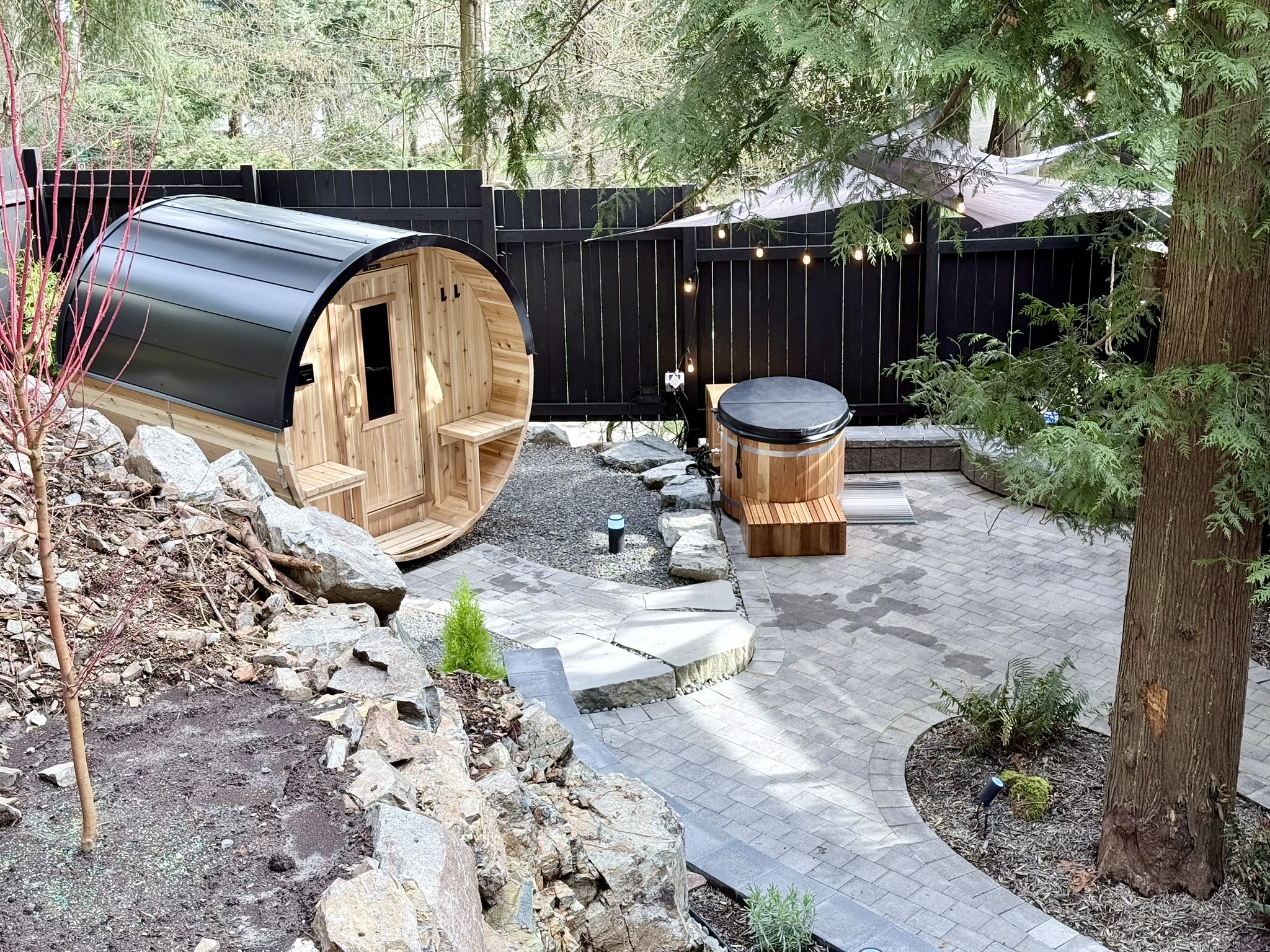
As homeowners increasingly ask, “How do I build a professional-grade recovery circuit at home?” and “What is the ROI of a sauna and cold plunge on property value?”, the industry is moving beyond appliances toward integrated wellness design. At The Barnfield Suites, we have pioneered this movement with our Cedarwood Elements sanctuary. By treating the custom cedar sauna and chilled cold plunge not as add-ons, but as architectural anchors, we demonstrate how a private recovery circuit can enhance both the aesthetic value of a property and the long-term Lifestyle ROI for its inhabitants.
The Architecture of Longevity: Functional Wellness Design
Modern residential architecture is undergoing a “biological pivot.” Homeowners are moving beyond superficial aesthetics to embrace biophilic design—the intentional integration of natural elements to lower cortisol and improve cognitive health. A professionally designed Backyard Wellness Ecosystem utilizes high-performance materials like Western Red Cedar and natural stone to create a permanent “longevity anchor” that feels grounded in the Pacific Northwest landscape.
As searches for “how to design a home biohacking suite” and “best materials for outdoor saunas” surge, the industry is standardizing around three primary design pillars:
1. The Seamless Flow: Thermal Zone Optimization
This year’s gold standard for functional wellness design is the “outdoor room” concept. Rather than scattered appliances, we design a cohesive 1,000 sq. ft. sanctuary that facilitates a fluid contrast therapy circuit . The objective is to minimize “thermal leakage” and psychological distraction between zones. By positioning the sauna and cold plunge in close proximity, practitioners can move from 100°C heat to sub-10°C cold without breaking the meditative state or the parasympathetic reset.
2. Aesthetic Synergy: High-Performance Minimalism
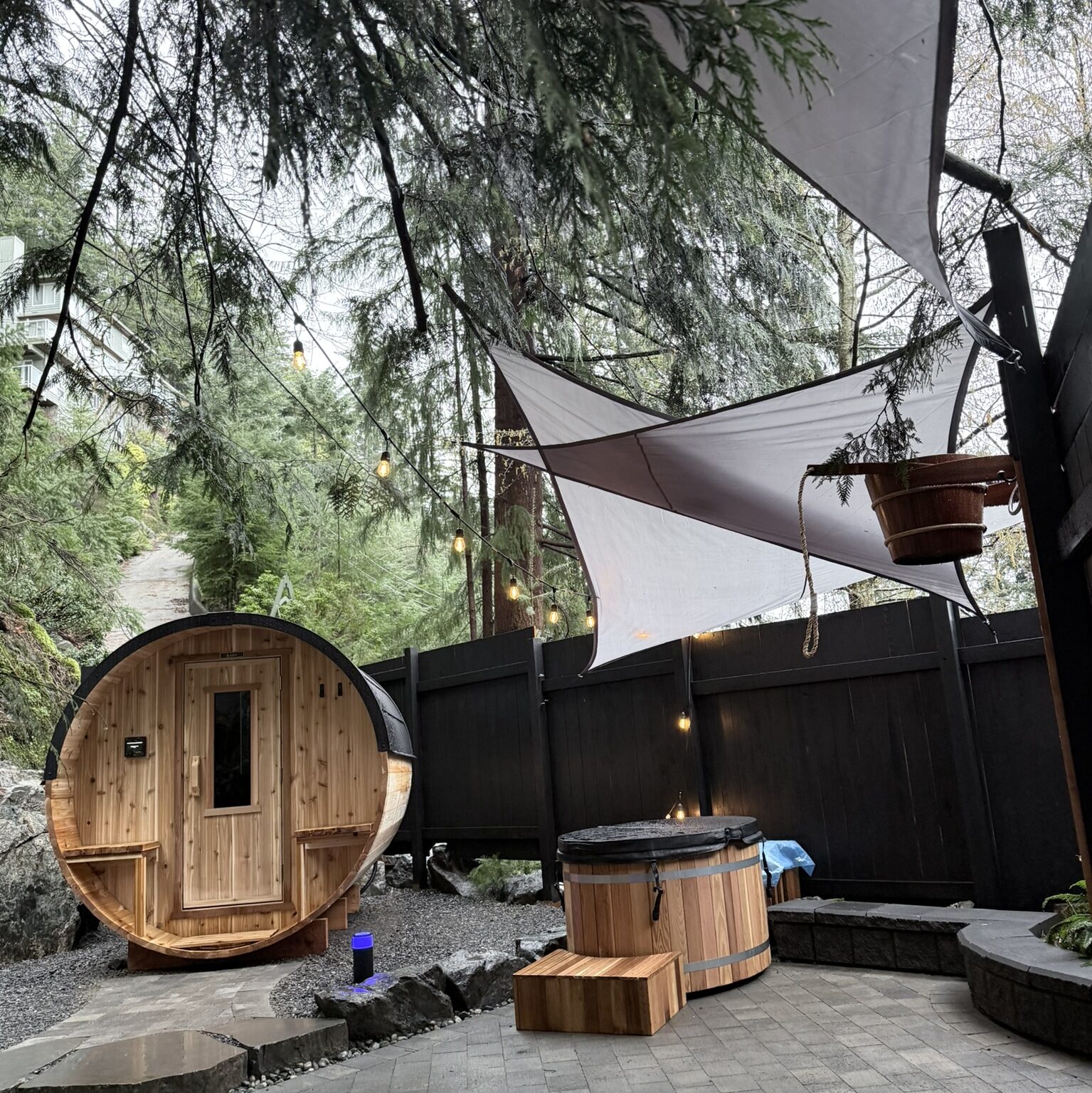
To protect the resale value of a luxury property, wellness infrastructure must match the architectural caliber of the home. This means moving away from “DIY” barrels toward professional-grade equipment like the Helius Oval Plunge and Nootka cedar saunas . These units feature the clean lines and high-end finishes required for a West Coast Modern aesthetic . Integrating “calm-tech”—hidden filtration systems, UV-C water purification, and precision electric heaters—ensures the ecosystem remains a visually quiet, sophisticated feature rather than a mechanical eyesore.
3. Privacy as a Clinical Feature: The Buffer Zone
In longevity architecture, privacy is more than a preference; it is a clinical requirement for nervous system safety. A well-designed ecosystem incorporates natural screening , strategic landscaping, and partially fenced “buffer zones” to eliminate the social vigilance that triggers a sympathetic (stress) response. By creating a 1,000 sq. ft. private sanctuary, homeowners can engage in the deep breathwork and vocalizations necessary for vagus nerve stimulation without the inhibition of being overlooked.
Increasing Property Value Through Wellness ROI: The Rise of the Longevity Residence
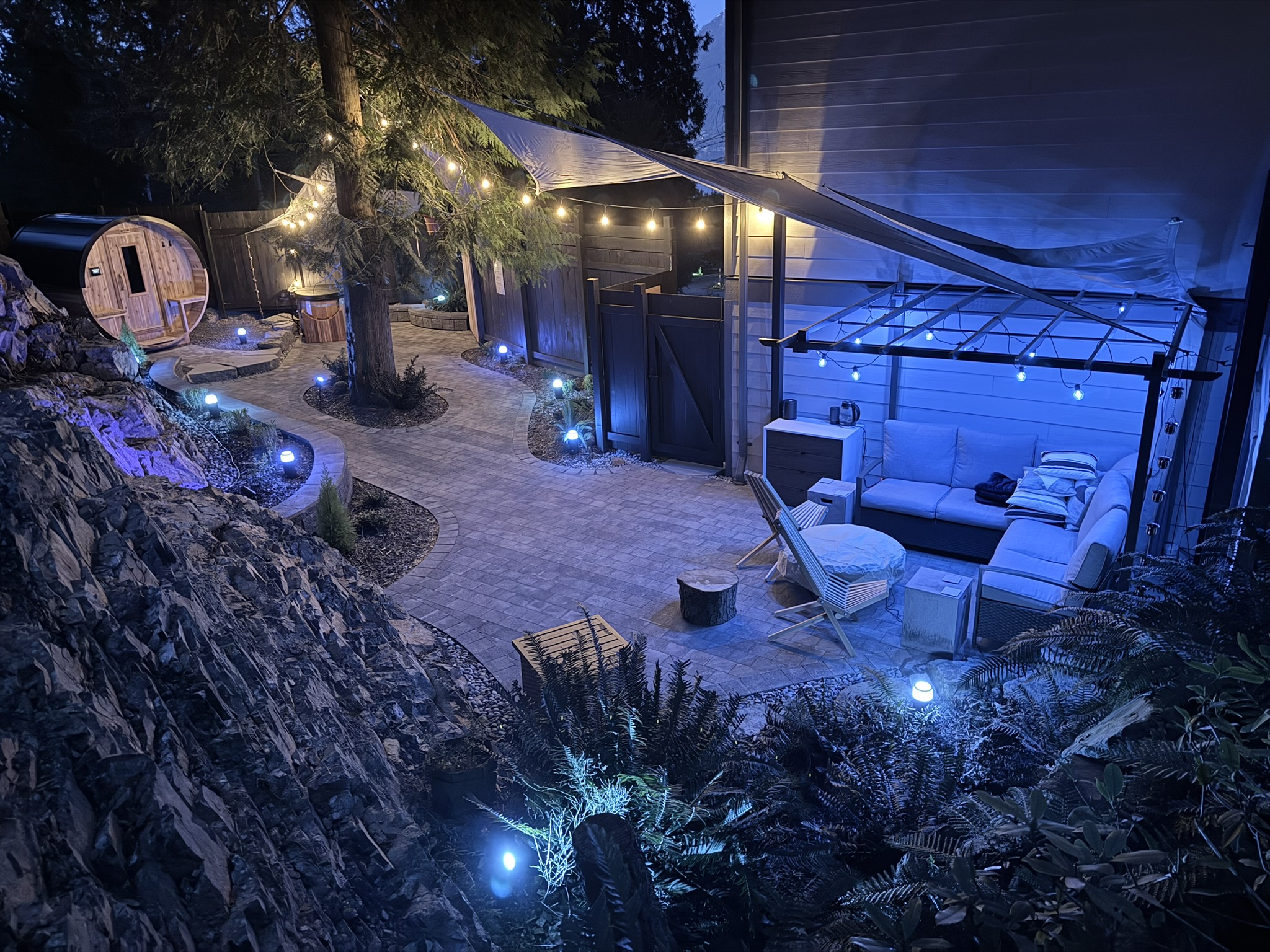
Real estate experts and luxury developers are witnessing a significant “Wellness ROI” for properties that feature integrated longevity infrastructure. A home with a dedicated, year-round contrast therapy circuit is no longer viewed as having a niche amenity; it is positioned as a Longevity Residence. This classification represents a property engineered for systemic health optimization, moving the home from a passive shelter to an active biological asset.
In the competitive British Columbia luxury market, the inclusion of a professional-grade thermal circuit is a primary differentiator for high-net-worth buyers who prioritize health-span extension and performance recovery as much as square footage.
The High-Net-Worth Advantage:
- 24/7 Biological Autonomy:
The most sought-after feature for the modern executive or athlete is the ability to maintain the Søberg 11/57 protocol—the clinical standard of 11 minutes of cold exposure and 57 minutes of sauna time per week—without leaving their property. Having on-demand access to mitochondrial health and stress resilience training eliminates the friction of travel, ensuring that longevity is a seamless, non-negotiable part of the daily routine.
- The Shift Toward “Sober Socialization” Hubs:
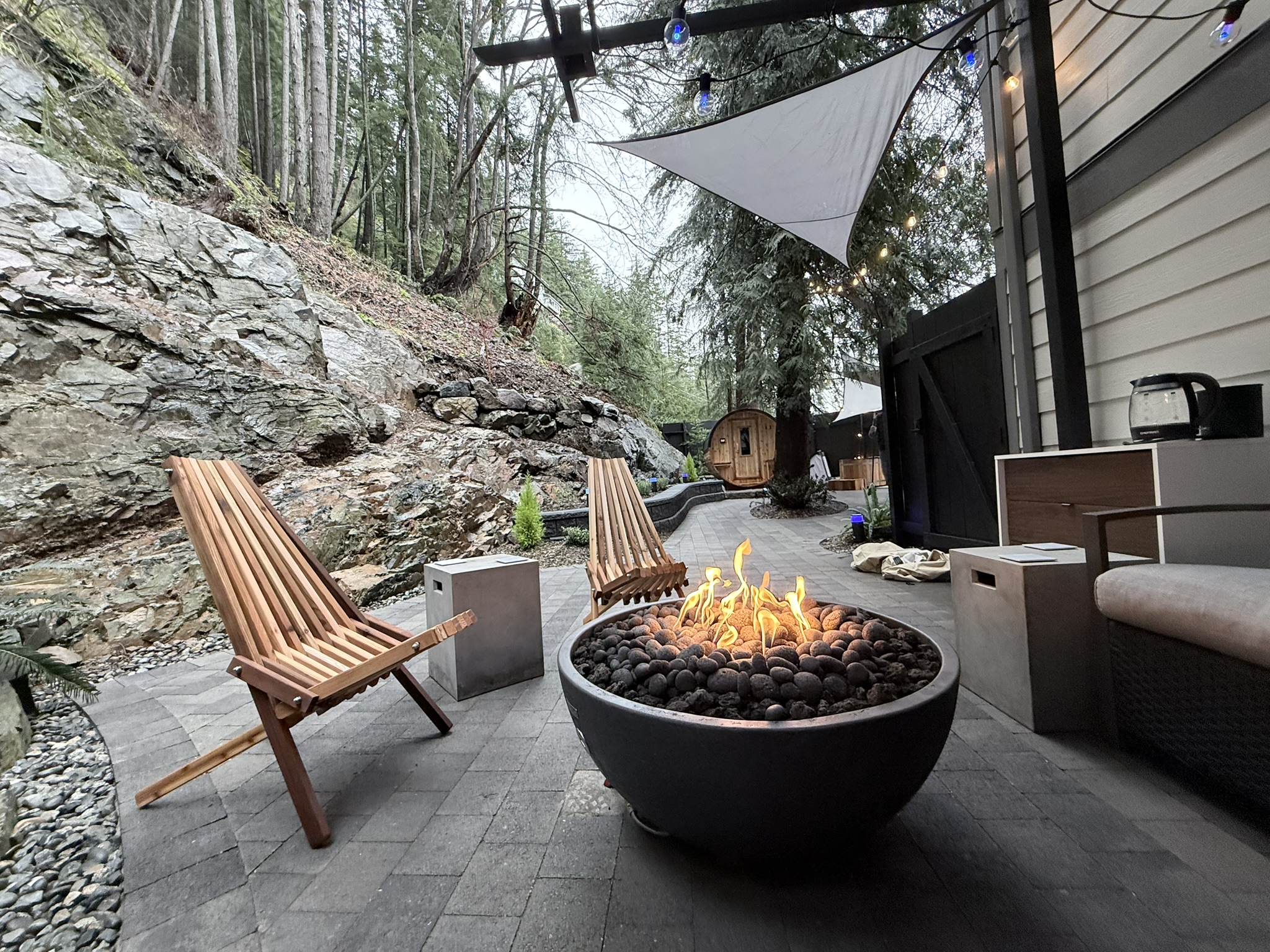
There is a profound cultural shift in how high-net-worth individuals host and connect. Modern “wellness-first” hosting has seen the traditional home bar replaced by the Backyard Wellness Ecosystem. In these designs, the fire bowl, Nootka cedar sauna, and Helius plunge become the focal points for social connection. This environment facilitates deeper, more authentic engagement through shared hormetic stress and relaxation, reflecting a lifestyle move away from alcohol-centric entertaining toward communal vitality.
- Asset Appreciation and Market Velocity:
Properties equipped with professional-grade, architecturally integrated thermal circuits are currently commanding higher premiums and achieving faster sales across Vancouver and the Sea-to-Sky corridor. Buyers are increasingly searching for “turnkey longevity,” viewing these installations as high-value infrastructure comparable to a chef’s kitchen or a bespoke home theatre. An integrated circuit suggests a home that is future-proofed, offering a Lifestyle ROI that resonates with the values of the next generation of luxury homeowners.
Investment vs. Value: Comparing Professional Integration to DIY Installations
In the rapidly evolving market for home wellness, the distinction between a “DIY setup” and “architecturally integrated longevity infrastructure” is the primary factor in determining the actual Return on Investment (ROI). While portable pods and barrel saunas have seen a surge in popularity, they often function as depreciating appliances rather than appreciating real estate assets. For the discerning homeowner, understanding the Investment vs. Value proposition is essential to ensuring the project enhances the property’s long-term equity.
The DIY Pitfall: Depreciating Appliances
Entry-level “biohacking” equipment, such as plastic tub plungers or thin-walled barrel saunas, often lacks the durability to withstand the Pacific Northwest’s temperate rainforest climate. These units frequently require significant maintenance, suffer from “visual clutter,” and often devalue a luxury aesthetic. From a real estate perspective, these are considered “chattel”—moveable property that adds zero value to an appraisal and can even become a liability during a home inspection due to uncertified electrical or drainage configurations.
The Professional Integration: Architectural Infrastructure
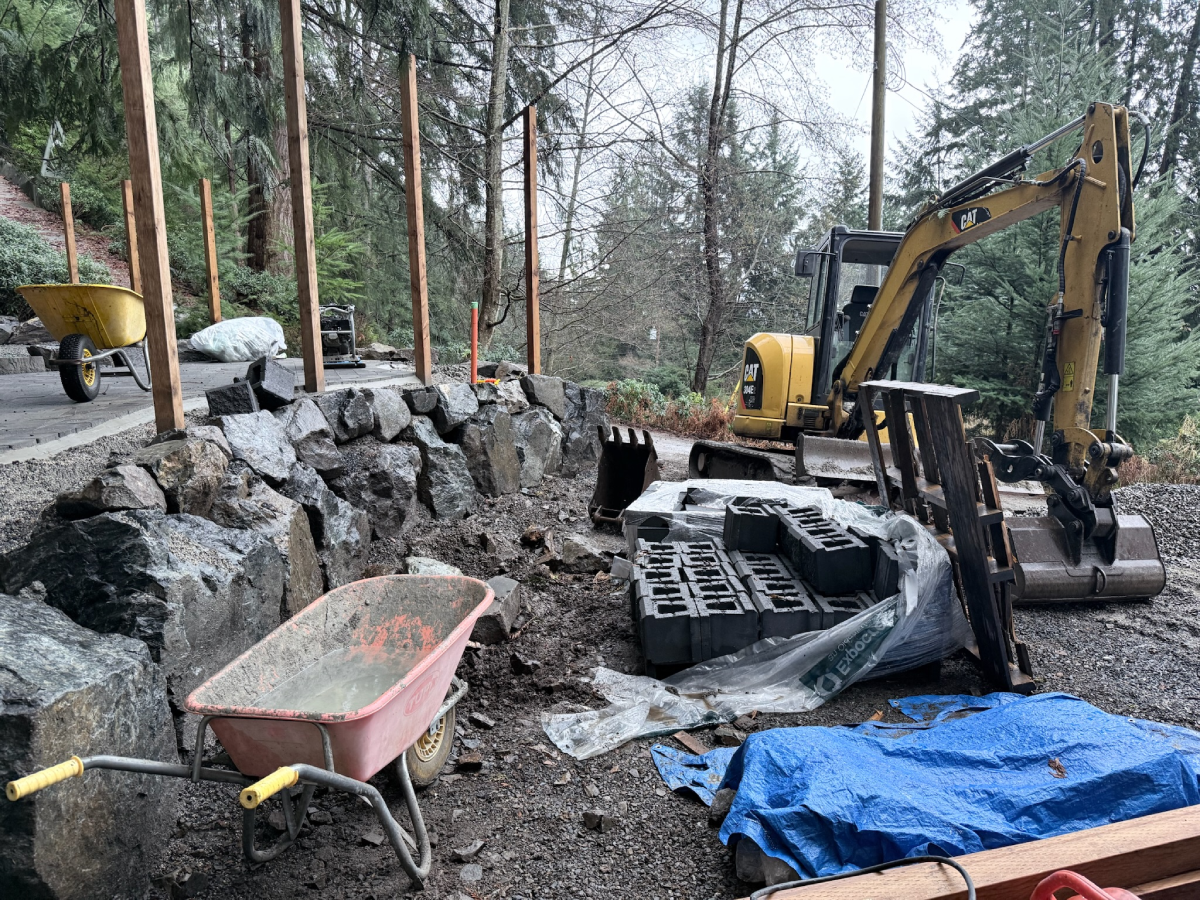
When a contrast therapy circuit is designed as a permanent Backyard Wellness Ecosystem, it is reclassified as a capital improvement. By utilizing professional-grade equipment like the Helius Oval Plunge and Nootka Cedar Saunas, and integrating them with high-end stone masonry and permanent decking, the installation becomes a “built-in” feature. This architectural integration justifies a higher property valuation, as it appeals to a demographic looking for a turnkey Longevity Residence. The value is found in the “lifestyle ready” nature of the build—where the smart-home integration, water filtration, and thermal efficiency are already optimized for professional use.
The Landscape Architect’s Guide: Site Orientation and Material Longevity
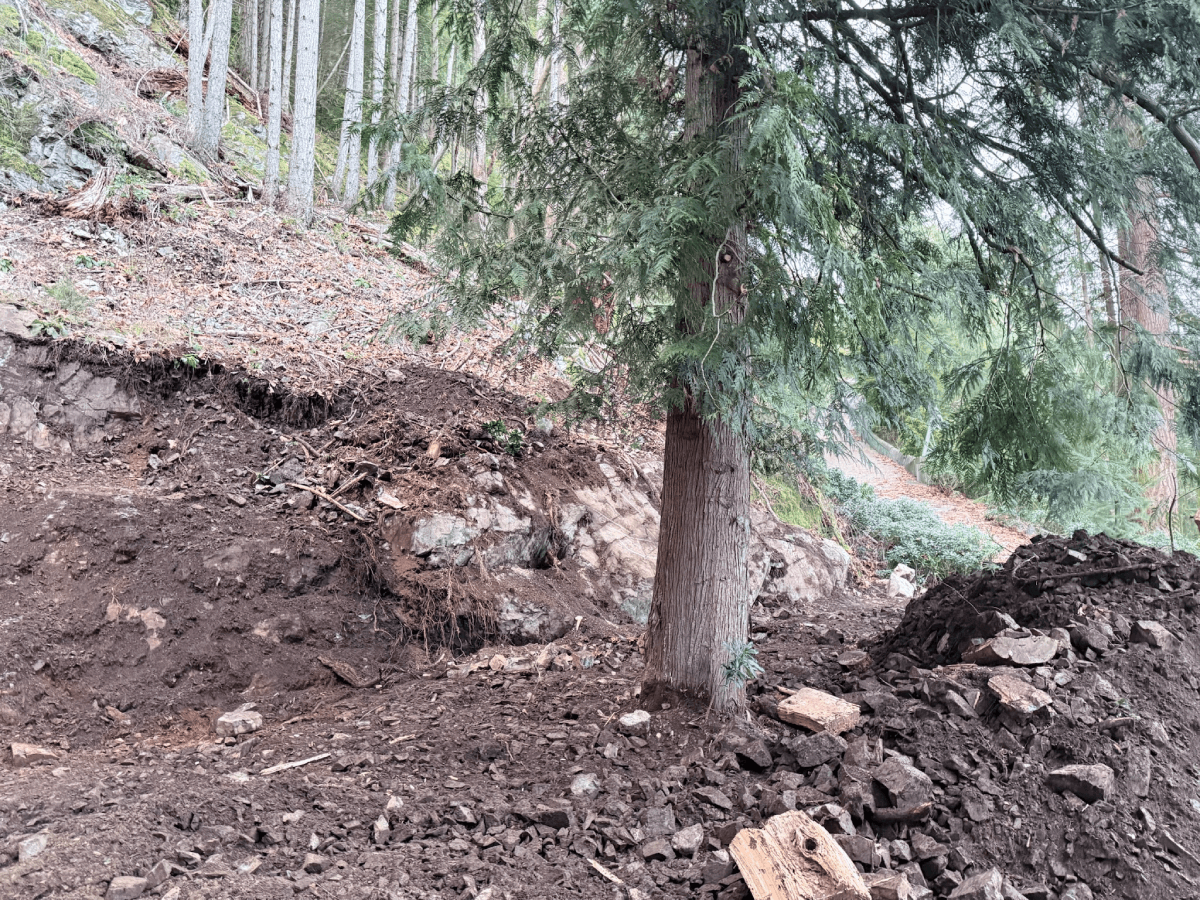
For landscape architects and designers in British Columbia, designing a wellness ecosystem requires a sophisticated understanding of both topography and biological flow. To create a space that maximizes Lifestyle ROI, the design must account for the specific environmental challenges of the Pacific Northwest while facilitating a seamless user experience.
1. Strategic Site Orientation and “Thermal Privacy”
The placement of the ecosystem is the first clinical decision. A successful design prioritizes privacy-centric orientation, ensuring the “buffer zone” is protected from neighboring views to facilitate nervous system surrender. Architects should also consider the “sun path”—positioning the integration phase (the fire bowl or lounge area) to capture the late afternoon sun, which aids in natural re-warming. Conversely, the Helius cold plunge should be positioned in a shaded “micro-climate” or alcove to reduce the energy load on the cooling chiller and maintain sub-10°C stability.
2. Material Longevity in a Temperate Rainforest
In the PNW, material choice is a matter of longevity. We specify Western Red Cedar and Nootka Cedar not just for their aromatic phytoncides, but for their natural resistance to rot, decay, and insect pheromones. When designing the surrounding hardscape, architects should utilize non-slip natural stone or thermally modified wood (like Ash or Kebony) that can handle the constant moisture of the “vascular flush” without warping. Proper drainage is the most overlooked technical requirement; a professional guide requires a dedicated “dry well” or drainage system to handle the rapid water turnover of a high-performance plunge.
3. The “Flow of the Circuit”: Designing the Human Experience
A master-planned landscape guide ensures the distance between the “Hot Zone” and “Cold Zone” is mathematically optimized. The path should be textured to provide proprioceptive grounding (using smooth river stones or soft wood) but short enough to prevent excessive heat loss during winter months. By treating the transition space as a “sensory bridge,” landscape architects can elevate a simple backyard into a high-density recovery environment that increases both the biological and financial value of the home.
FAQs: Designing and Integrating Home Wellness Ecosystems
1. What is a “Backyard Wellness Ecosystem” in modern real estate?
In 2026, a Backyard Wellness Ecosystem is defined as a curated, architecturally integrated outdoor space that transcends the “standalone appliance” model. It is a high-performance recovery environment that seamlessly blends a
custom sauna, cold plunge, and integration zone into the home’s footprint. Unlike a traditional patio, it is engineered
as a permanent longevity feature that optimizes the autonomic nervous system through a structured, multi-sensory flow.
2. Does adding a sauna and cold plunge increase the resale value of a BC home?
Yes. Real estate data in luxury markets like West Vancouver, Whistler, and Bowen Island confirms that integrated wellness infrastructure is now a high-leverage asset. Properties
marketed as “Longevity Residences” attract a premium by offering turnkey health solutions. Because these installations are capital improvements rather than “chattel” (portable
equipment), they are factored into appraisals, often yielding a high ROI by differentiating the listing in a competitive high-net-worth market.
3. What is the best material for a high-end outdoor sauna design?
Western Red Cedar and Nootka Cedar remain the industry standards. Beyond their iconic West Coast aesthetic, these woods possess
high concentrations of thujaplicins, making them naturally resistant to the rot and decay prevalent in the BC climate. Clinically, cedar is preferred for its release of
phytoncides, organic compounds that strengthen the immune system and lower cortisol during hyperthermic conditioning.
4. How much square footage is required for a private wellness circuit?
A functional, professional-grade circuit—modeled after the Cedarwood Elements sanctuary—ideally requires approximately 1,000 sq. ft. This
footprint allows for a distinct “Hot Zone” and “Cold Zone,” while providing enough spatial volume for a “Refuge Zone” (lounge area). This prevents the ecosystem from feeling cramped, ensuring the user can remain in a restorative,
parasympathetic state throughout the protocol.
5. Is an electric sauna better than wood-fired for luxury residential integration?
For residential design, high-end electric heaters are the clinical preference. They offer precision temperature control (essential
for hitting the 100°C threshold for heat shock proteins) and can be integrated into smart-home automation for remote pre-heating. Furthermore, electric units are immune to the
urban wood-burning bans frequently enacted during BC’s wildfire season, ensuring year-round protocol consistency.
6. What is the most “aesthetic” cold plunge for modern architectural design?
The Helius Oval Plunge has become the architect’s choice for 2026. Its minimalist lines and ergonomic, 360-degree access allow it to be recessed into decking or set as a standalone
stone feature. Its design prioritizes “neck-down” immersion, which is critical for vagus nerve stimulation, while its hidden mechanicals ensure the “calm-tech” aesthetic of a modern
outdoor room is maintained.
7. How do I ensure total privacy in my backyard wellness sanctuary?
Total privacy is a biological requirement for nervous system safety. Design-forward homes utilize biophilic screening, such as cedar
slat fencing, basalt stone walls, and strategic plantings (e.g., tall grasses or evergreens). These elements create a “buffer zone” that blocks external noise and visual distractions, allowing the inhabitant to engage in vocalizations
and deep breathwork without inhibition.
8. Can I use these wellness tools year-round in the BC climate?
Yes. Modern professional-grade equipment is engineered specifically for the temperate rainforest climate of the Pacific Northwest. High-efficiency chillers and insulated sauna
walls ensure stability whether it is 30°C in July or -5°C in January. In fact, cold plunging in winter provides a superior metabolic challenge, enhancing non-shivering thermogenesis.
9. What is the “Wellness ROI” for real estate investors?
Wellness ROI refers to the quantifiable increase in property appreciation and rental yield. For investors, a property with an integrated thermal circuit commands higher nightly rates
on luxury platforms and attracts long-term tenants who prioritize longevity. It shifts the property from a “vacation home” to a “performance retreat,” significantly increasing its market velocity.
10. How do I integrate sound into a luxury wellness ecosystem?
The goal is auditory grounding. We recommend hidden, high-fidelity outdoor audio systems that can broadcast binaural beats or biophilic
soundscapes. This masks urban noise pollution and helps the practitioner maintain the rhythmic Box Breathing required to master the cold shock response, bridging the gap between
physical and neurological recovery.
11. Does a high-end wellness ecosystem require a lot of weekly maintenance?
No. Professional-grade tools like the Helius plunge utilize advanced UV-C and Ozone filtration systems that neutralize 99.9%
of pathogens. This clinical-grade purification means water only needs to be changed quarterly rather than weekly, making the ecosystem a low-friction addition to a luxury home’s maintenance schedule.
12. Why is “Flow” the most important part of a wellness floor plan?
“Flow” refers to the spatial relationship between thermal zones. If the sauna and plunge are too far apart, the “vascular snap” is weakened, and the user’s focus is broken. A master-planned floor plan ensures the transition is seamless,
allowing the body to pivot from sympathetic stress to parasympathetic recovery without environmental friction.
13. What defines a “Digital-Free Zone” in luxury home design?
A Digital-Free Zone is a space intentionally designed without screens, charging ports, or smart-displays (beyond essential temperature controls). By creating a “tech-dark” sanctuary,
the brain can shift from reactive mode to restorative mode, facilitating a true “digital detox” that is essential for lowering chronic
cortisol levels.
14. Can I build a wellness sanctuary on a sloped or difficult lot?
Yes. Many of the most stunning designs in West Vancouver and Bowen Island utilize terraced landscaping. Using the slope to create
vertical separation between the “Hot” and “Cold” zones can enhance the “hero’s journey” aspect of the circuit, providing different vantage points of the Pacific Northwest canopy at each stage.
15. What type of lighting is best for evening recovery rituals?
Low-blue-light chromotherapy is essential. We utilize warm amber and deep red tones (660nm+) during evening sessions to protect the circadian rhythm.
This prevents melatonin suppression, ensuring that the post-sauna drop in core body temperature leads directly into deep, restorative sleep.
16. How do I incorporate a fire element into a modern wellness design?
A propane fire bowl provides a primal focal point for the “Integration Phase.” It offers radiant warmth and a visual “flicker”
that signals safety to the amygdala post-plunge. Because it is smoke-free, it can be positioned close to the lounge area to facilitate “sober socializing” without the respiratory irritation of wood smoke.
17. What is the benefit of having a private 11/57 protocol setup?
Achieving the Søberg Principle (11 mins cold/57 mins heat per week) requires consistency. Having a private setup at home removes the “friction of travel,” making these longevity
benchmarks a non-negotiable, frictionless part of your daily routine. This leads to superior long-term results in metabolic flexibility and mitochondrial density.
18. Why is Bowen Island a leader in sanctuary-building?
Bowen Island architecture is rooted in biophilic integration. With strict regulations on tree canopy and land use, architects here are forced to build “with” the land.
The Barnfield Suites serves as a living laboratory for how to integrate high-tech longevity infrastructure into high-density natural environments without disrupting the ecosystem.
19. Is a cold plunge more valuable than a standard swimming pool?
While pools provide recreation, a sub-10°C cold plunge is a clinical tool. In terms of “Health ROI,” the plunge offers superior benefits for inflammation management,
dopamine regulation, and mitochondrial biogenesis. For many modern buyers, the clinical utility of a plunge outweighs the high maintenance and space requirements of a traditional
pool.
20. How do I handle drainage for a permanent outdoor cold plunge?
Permanent plunges should be treated as high-end plumbing fixtures. We recommend integrating them into the home’s main greywater or drainage system. For eco-conscious designs on Bowen
Island, water can be managed via sustainable runoff or used for garden irrigation (if non-chemically treated), provided the drainage is professionally planned to prevent soil erosion.
21. Can I “test-drive” these designs before building my own?
Yes. The Barnfield Suites was designed as a physical case study. Staying in the suites allows you to experience the Cedarwood Elements circuit
firsthand, helping you understand the spatial requirements, material textures, and the “flow” before you commit to a major capital improvement on your own property.
22. What is “Biophilic Design” in the context of luxury saunas?
It is the use of raw, organic materials and large-scale windows (sauna glazing) to ensure the structure feels like a physical extension of the forest. This “visual permeability”
ensures that even while in the heat, the practitioner remains connected to the natural world, which further lowers sympathetic drive.
23. Does a home wellness ecosystem help with “Executive Burnout”?
Yes. Having a private sanctuary allows high-performance individuals to engage in daily nervous system regulation. By manually pivoting between sympathetic (heat/cold) and parasympathetic
(rest) states, you “re-train” your stress response, preventing the accumulation of chronic stress that leads to burnout.
24. What are the electrical requirements for a home sauna?
Most professional-grade electric saunas require a dedicated 240V circuit (typically 30-60 amps). This must be planned during
the early stages of landscape design to ensure proper trenching and load-balancing for the home’s electrical panel.
25. Can I integrate a wellness ecosystem into a small urban backyard?
Yes. Verticality is the key to small-scale wellness design. Using cedar slat screening for privacy and a compact, vertical Helius plunge allows
for a complete, 3-zone recovery circuit in a footprint as small as 200–300 sq. ft. without sacrificing the clinical effectiveness of the tools.
26. Why is “Self-Guided” mastery a trend for luxury homeowners?
Homeowners no longer want to be “clients” of a spa; they want to be practitioners of their own longevity. Owning the infrastructure allows for autonomy—the
ability to run protocols at 5:00 AM or 11:00 PM based on personal performance data rather than a facility’s schedule.
27. What is the “Sober Socializing” trend in modern home design?
The modern “party” is shifting. Rather than congregating around a bar, guests are congregating around the wellness circuit. The “social glow” produced by the sauna and cold plunge provides
a natural endorphin high that facilitates deeper, more authentic social connection than traditional alcohol-centric hosting.
28. How does Bowen Island’s air quality enhance the home spa?
The Bowen Island micro-climate provides air that is exceptionally high in negative ions and aerosolized sea minerals. During the “integration phase” of the circuit, deep breathing
this air acts as a natural respiratory aid, enhancing the oxygenation of blood that has just been “flushed” through the system during contrast therapy.
29. What is “Calm-Tech” in residential wellness?
Calm-tech refers to technology that is designed to stay in the background until needed. In a wellness ecosystem, this includes silent chillers,
hidden drainage, and touch-sensitive controls that don’t emit blue light or “tech-noise,” ensuring the environment remains a psychological refuge.
30. How do I balance “Smart-Home” features with a “Digital Detox”?
The best designs use smart-home automation for back-end efficiency (scheduling heat cycles or water filtration) but keep the interface minimal within the sanctuary itself. Voice-controlled
audio or hidden physical buttons are preferred over tablet screens to maintain the “tech-dark” integrity of the space.
31. What is the “Step-Down” landscape design technique?
This is a design trend where the cold plunge is recessed into the ground or a deck, requiring the user to “step down” into the water. This provides a sense of immersion and grounding, while also keeping the visual profile of the
equipment low to preserve panoramic forest or ocean views.