

For high-performance athletes and chronic pain sufferers in the Pacific Northwest, recovery is no longer a luxury—it is a physiological necessity. At The Barnfield Suites on Bowen Island, we have moved beyond “spa vibes” to address the specific questions driving modern recovery science: “What is the best hot-cold ratio for inflammation?” and “Does contrast therapy increase HGH or testosterone?”
To achieve professional-grade results in mitochondrial biogenesis, muscle protein synthesis (MPS), and systemic inflammation reduction, we utilize standardized, evidence-based protocols rather than general wellness trends. The core of our exclusive Cedarwood Elements circuit is built on Hormetic Stress. This biological phenomenon—a controlled dose of extreme heat followed by deliberate cold exposure—triggers an over-compensation in cellular repair. However, the efficacy of this “vascular flush” depends entirely on clinical variables: the Soberg Principle, the specific temperature delta, and the sequence of the intervention.
The Physiological Mechanism: Hemodynamics of the “Vascular Pump”, Vasodilation vs. Vasoconstriction
To master evidence-based recovery, one must move beyond the feeling of “hot and cold” and examine the hemodynamics of thermal stress. This isn’t just a bath; it is a clinical intervention in blood flow autoregulation.
The Vasodilation Phase: Hyperthermic Conditioning
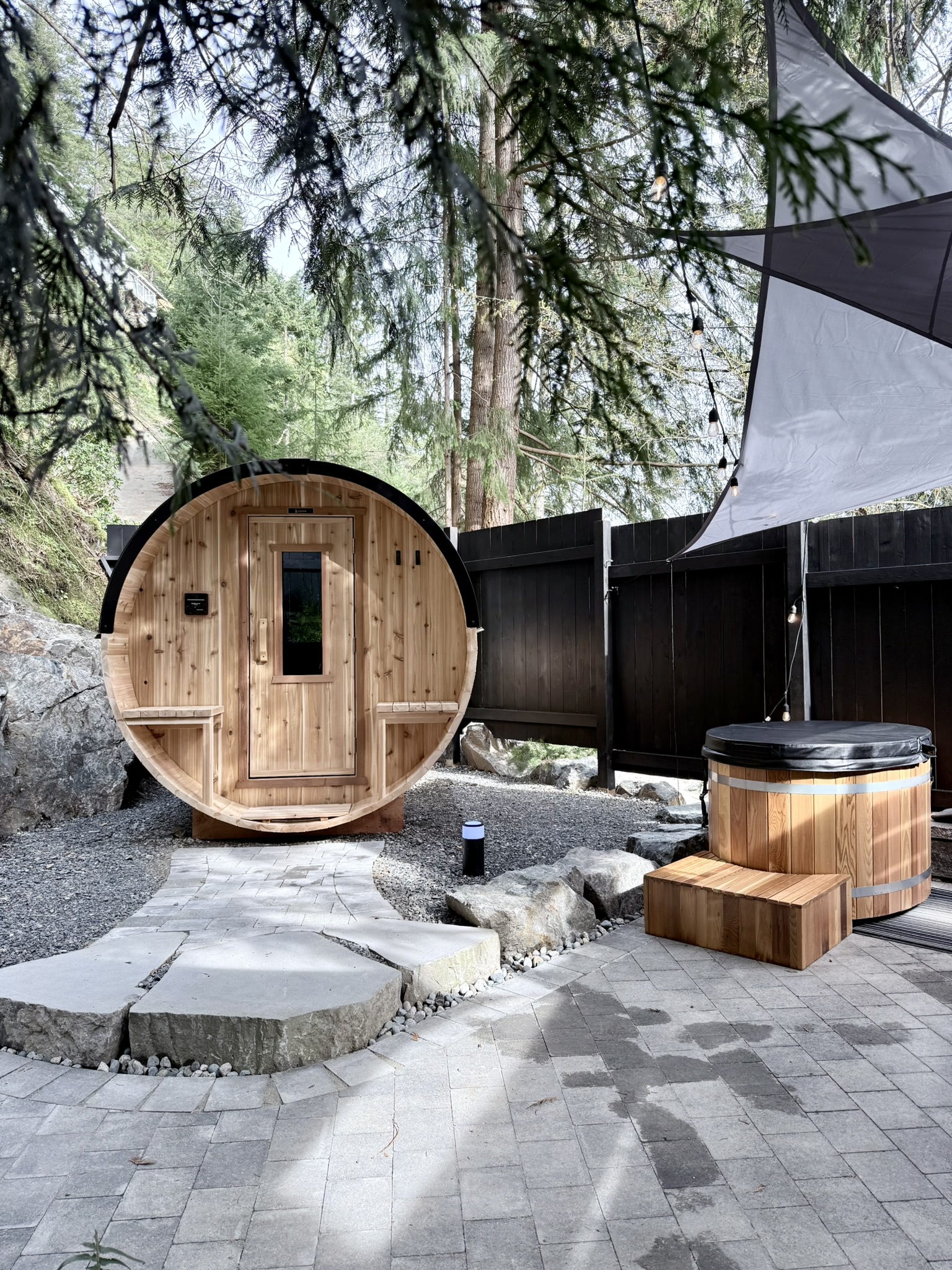
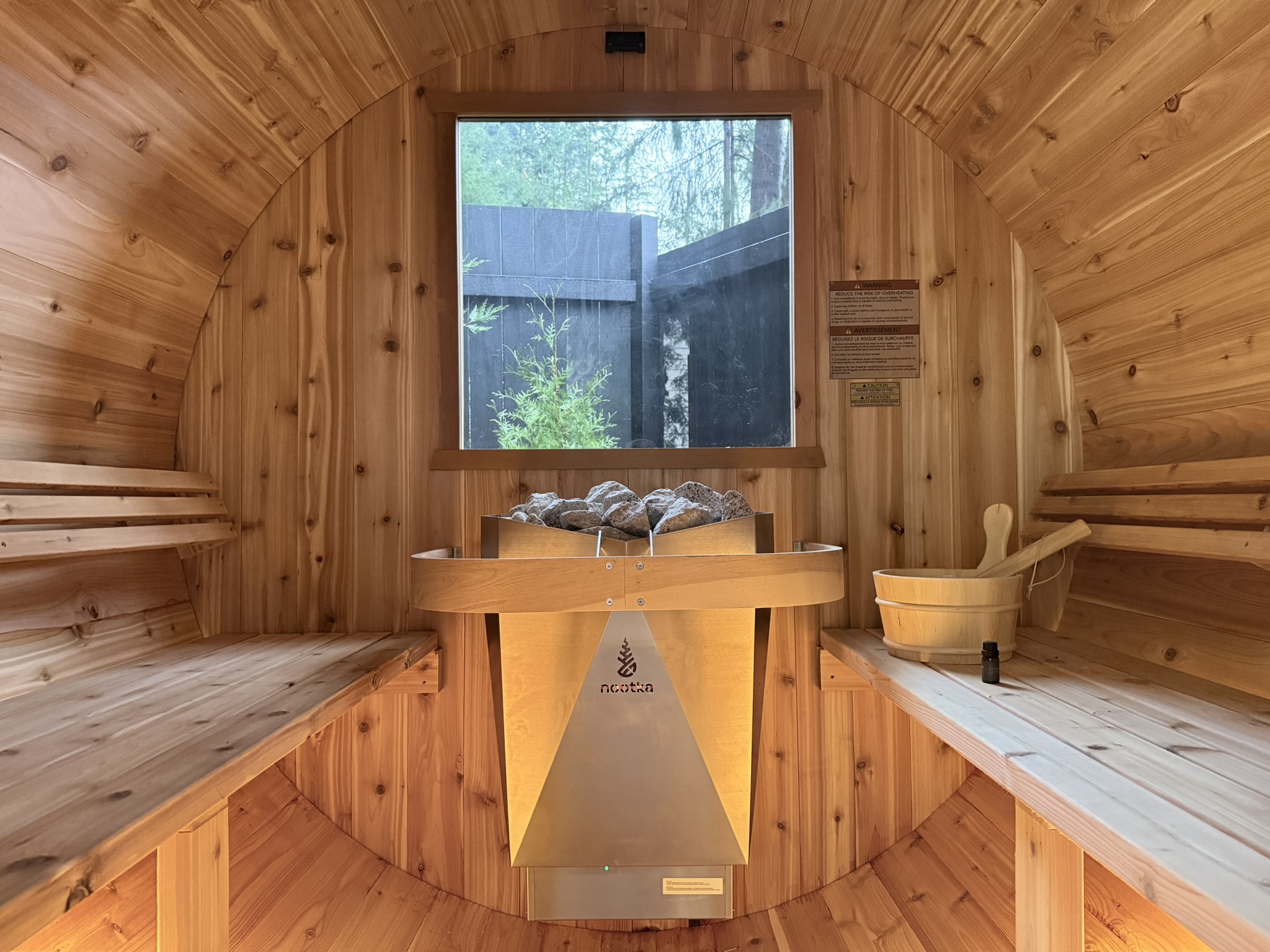
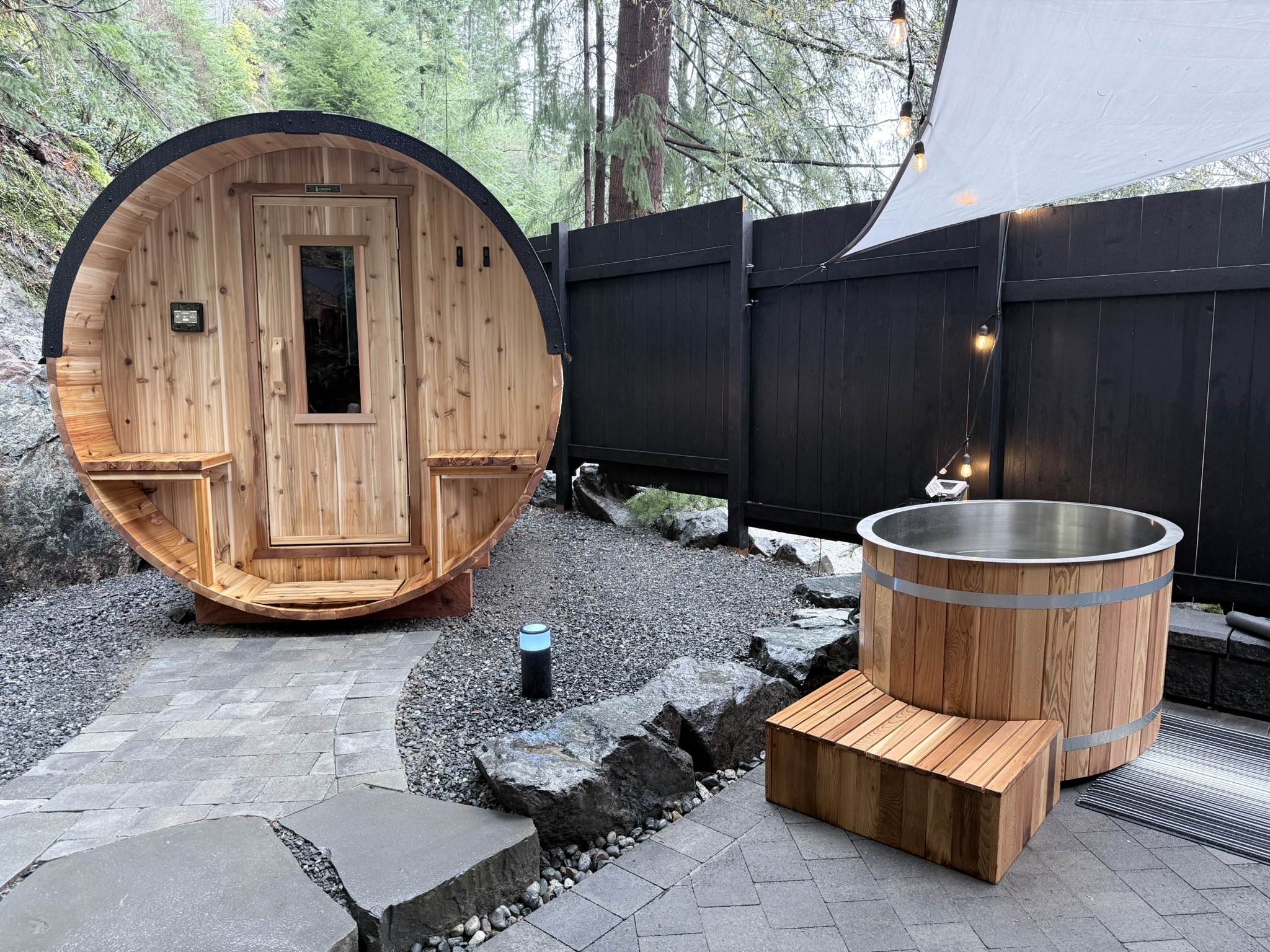
Inside our handcrafted Nootka cedar sauna, the body undergoes profound systemic vasodilation . As core temperature rises, the sympathetic nervous system triggers a “shunting” effect. Blood is redirected from the internal organs to the skin’s surface to facilitate thermoregulation through evaporative cooling. This creates a significant increase in stroke volume and heart rate variability (HRV) while oxygenating peripheral tissues. For those searching for “sauna for cardiovascular health,” this mimics the effects of zone 2 aerobic exercise, inducing heat shock proteins (HSPs) that repair damaged cellular structures.
The Vasoconstriction Phase: The Helius Cold Shock Response
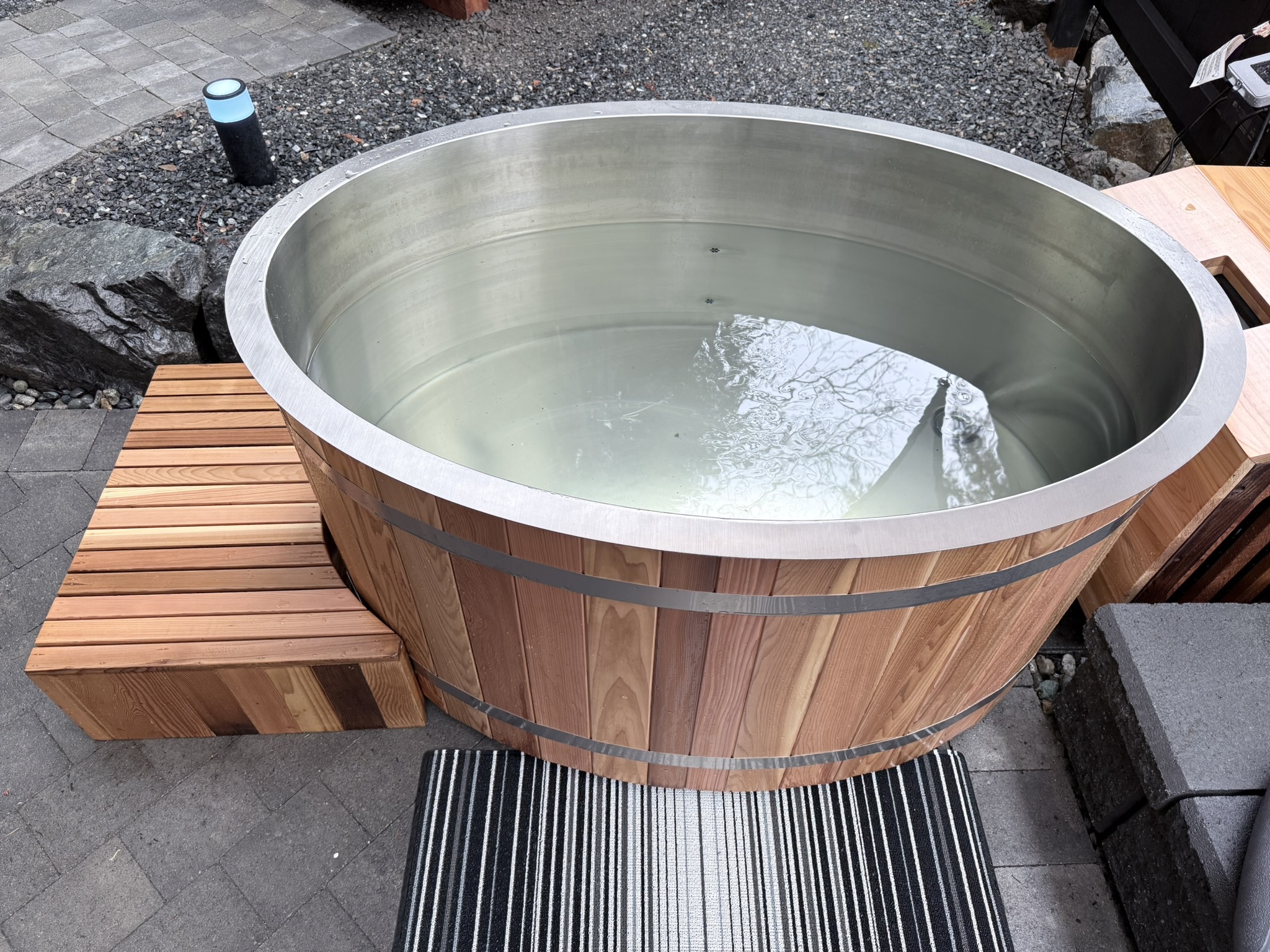
The immediate transition to the Helius oval cold plunge—precisely calibrated to sub-10°C (50°F) —triggers an aggressive vasoconstrictive response. This is the “Cold Shock Response” sought by those researching “vagus nerve stimulation” and “norepinephrine release.” The peripheral vessels constrict instantly, forcing blood back toward the vital organs under high pressure.
The Clinical Result: Lymphatic Drainage and Cytokine Clearance
This rapid oscillation between extreme diameters is what we call the “Vascular Flush.” It acts as a mechanical pump for the lymphatic system, which lacks its own central pump. By standardizing these cycles, we facilitate the rapid clearance of pro-inflammatory cytokines and metabolic byproducts like lactic acid. This is the primary mechanism for:
- Neutralizing Delayed Onset Muscle Soreness (DOMS)
- Reducing C-Reactive Protein (CRP) levels in chronic pain patients
- Downregulating the NLRP3 inflammasome for systemic relief
Dosing Logic for Specific Clinical Outcomes
1. Hypertrophy and Muscle Repair: The Anabolic Window
For athletes focused on muscle protein synthesis (MPS) and hypertrophy, timing is the most searched clinical variable. Modern research often asks: “Does an ice bath after lifting kill gains?”
- The Interference Effect: Post-exercise cold water immersion (CWI) can blunt the activation of satellite cells and the mTOR signaling pathway. To avoid attenuating long-term gains in muscle mass, our evidence-based protocol recommends a 4-hour delay between resistance training and cold exposure.
- Active Recovery Alternative: On heavy lifting days, we prioritize Hyperthermic Conditioning (heat only) or mild contrast to enhance blood flow and nutrient delivery without suppressing the natural inflammatory response required for muscle adaptation.
2. Metabolic Health: The Sōberg Principle and Brown Fat
A primary driver for search intent is “how to increase brown adipose tissue (BAT)” for fat loss and insulin sensitivity.
- The Sōberg Principle: To maximize the metabolic boost, practitioners must end on cold and allow the body to re-warm naturally without a towel or sauna. This “non-rewarming” phase forces the body to trigger thermogenesis, activating brown fat to generate heat.
- Clinical Dosing: Research suggests a minimum threshold of 11 minutes of cold and 57 minutes of heat per week, spread across multiple sessions, to significantly improve glucose homeostasis and lipid metabolism.
3. Nervous System Regulation: Vagus Nerve and Anxiety
Users increasingly search for “cold plunge for vagus nerve stimulation” to manage acute stress and PTSD.
- The Trigeminal-Vagal Reflex: Immersing the face in cold water triggers the Mammalian Dive Reflex, which immediately stimulates the parasympathetic nervous system (PNS). This leads to a controlled reduction in heart rate and an increase in Heart Rate Variability (HRV).
- Neurotransmitter Release: Exposure to sub-10°C water facilitates a massive release of norepinephrine and dopamine—up to 250% and 530% respectively—providing a sustained “mood lift” and mental clarity that lasts for hours.
4. Dosing Logic for Athletes: The “Performance Reset”
For athletes focused on Central Nervous System (CNS) recovery and HRV optimization, we utilize a specific 4:1 clinical ratio to ensure rapid recovery without blunting hormetic adaptation signals.
- Heat (100°C Sauna): 12–15 Minutes
Required duration to trigger HSP70, preventing muscle atrophy and facilitating a Growth Hormone (GH) pulse.
- Cold (5°C–8°C Plunge): 2–3 Minutes
The optimal window for catecholamine release and vasoconstrictive shunting without causing excessive muscular shivering.
- Repetitions: 3–4 Cycles
Maximizes the “Vascular Pump” to clear blood lactate more efficiently than passive rest.
- The Finish: The Søberg Principle
Always end on Cold. By avoiding active rewarming, the body engages Non-Shivering Thermogenesis. This activates Brown Adipose Tissue (BAT), increasing metabolic flexibility and mitochondrial efficiency.
Dosing Logic for Chronic Pain: The “Inflammation Flush”
For individuals managing fibromyalgia, rheumatoid arthritis, or chronic lower back pain, the clinical objective shifts from athletic performance to cortisol mitigation and neuromodulation. This protocol utilizes “vascular gymnastics” to desensitize the peripheral nervous system and downregulate the body’s overactive pain signals.
The Restoration Protocol (3:1 Clinical Ratio)
- Heat (85°C–90°C Sauna): 15 Minutes
- Mechanism: Utilizing a moderate temperature for an extended duration facilitates deeper thermal penetration into joint capsules
and dense connective tissue. This triggers vasodilation to flush ischemic areas (tissues lacking oxygen) and promotes muscle fiber relaxation by
reducing the “muscle guarding” reflex common in chronic pain patients.
- Cold (10°C Plunge): 1–2 Minutes
- Mechanism: We utilize a slightly higher temperature—10°C (50°F)—to prevent a “cold shock” that could trigger painful muscle spasms. This duration is sufficient to stimulate the
Trigeminal-Vagal Reflex, which activates the parasympathetic nervous system to lower heart rate and reduce the production of the stress hormone cortisol.
- The Goal: Hydrostatic Pressure Reduction
- Mechanism: The primary aim is to move lymphatic fluid and reduce the hydrostatic pressure of edema (swelling) on sensitized nerve endings. By oscillating between these temperatures, we stimulate lymphatic drainage and reduce C-Reactive Protein (CRP) levels, providing a biological “reset” for the NLRP3 inflammasome.
- Search Keywords: Edema reduction, lymphatic flushing, CRP lowering protocols, neuropathic pain relief.
Dosing Logic for Longevity: The “Mitochondrial & Cellular Reset”
For those pursuing longevity science and geroprotection, contrast therapy is utilized as a powerful tool for metabolic optimization and the clearance of senescent cells (often called “zombie cells”). This protocol targets the cellular foundations of aging by enhancing mitochondrial health and DNA repair mechanisms.
The Longevity Protocol (The 57:11 Rule)
- Heat (90°C–100°C Sauna): Cumulative 57 Minutes Per Week
- Mechanism: To achieve a significant reduction in all-cause mortality, research suggests a cumulative threshold of 57 minutes of heat per week. This level of Hyperthermic Conditioning stimulates
the expression of FOXO3, a “longevity gene” associated with DNA repair and cellular resilience. It also triggers autophagy—the body’s
way of cleaning out damaged cellular components.
- Cold (8°C–10°C Plunge): Cumulative 11 Minutes Per Week
- Mechanism: Based on the Søberg research, a total of 11 minutes of deliberate cold exposure per week is the “sweet spot” for metabolic
health. This duration is clinically proven to increase Brown Adipose Tissue (BAT) activity and enhance insulin sensitivity.
- The Goal: Mitochondrial Biogenesis and Mitophagy
- Mechanism: The extreme thermal stress forces mitochondria to become more efficient. Old, dysfunctional mitochondria are recycled through mitophagy, while the “hormetic bounce back” triggers mitochondrial biogenesis—the creation of new, energy-dense powerhouses within the cells.
Safety, Contraindications, and Clinical Considerations
Before beginning an Evidence-Based Contrast Therapy circuit, it is vital to respect the physiological strain it places on the cardiovascular system.
- Cardiovascular Integrity: Due to the rapid shifts in blood pressure and heart rate, those with a history of hypertension, arrhythmia, or congestive heart failure must consult a physician.
- The After-Drop Effect: It is critical to monitor for the “after-drop,” where core body temperature continues to fall even after exiting the cold plunge. This is why the Søberg Principle (natural re-warming) should be practiced in a safe, controlled environment.
- Pregnancy and Neuropathy: High-heat environments and extreme cold shocks are generally contraindicated for pregnancy and certain advanced stages of peripheral neuropathy.
Frequently Asked Questions
Mastering the Clinical Mechanics of Recovery
1. What is the scientifically “optimal” temperature for a cold plunge?
Clinical data suggests the “sweet spot” for deliberate cold exposure is between 5°C and 10°C (41°F–50°F). This range is sufficient
to trigger Cold Shock Proteins and a significant norepinephrine surge without the excessive risks of cardiac stress associated
with near-freezing water. This temperature delta ensures maximum vasoconstriction for systemic recovery.
2. How long after a workout should I wait to cold plunge?
For athletes prioritizing hypertrophy (muscle growth), research indicates a 4–6 hour waiting period. This prevents the cold from
blunting the mTOR signaling pathway and natural inflammatory markers required for muscle adaptation. However, for those focused on acute pain management or
nervous system rebalancing, immediate use is superior for flushing blood lactate.
3. Does contrast therapy increase mitochondrial density?
Yes. Through a process known as Mitochondrial Biogenesis, alternating thermal stress forces cells to adapt to energy demands. Studies show that heat-induced mitophagy clears
out damaged mitochondria, while cold-induced metabolic stress encourages the production of new, high-density mitochondria, leading to increased ATP production and baseline energy
levels.
4. Why is the Søberg Principle important for metabolism?
Popularized by Dr. Susanna Søberg, this principle dictates ending on cold. By avoiding an external heat source (like a towel or sauna)
after the final plunge, you force the body to utilize Non-Shivering Thermogenesis. This activates Brown Adipose Tissue (BAT) to
reheat the core naturally, which significantly spikes metabolic rate and improves insulin sensitivity.
5. How does the “Vascular Pump” reduce swelling?
The rapid transition from systemic vasodilation (heat) to vasoconstriction (cold) creates a mechanical pumping action. Because
the lymphatic system lacks a central pump, this “vascular snap” manually moves interstitial fluid and pro-inflammatory cytokines away
from injured tissues toward the lymph nodes for filtration, effectively reducing hydrostatic pressure and edema.
6. Is there a clinical difference between a round tub and an oval plunge?
The Helius Oval Plunge is specifically designed for a reclined, neck-down immersion posture. This is clinically significant
because it allows the guest to fully submerge the vagus nerve and relax the accessory breathing muscles. Full immersion is required to trigger the Mammalian Dive Reflex,
which is the primary driver for lowering heart rate and increasing Heart Rate Variability (HRV).
7. How does the sauna help with “Heat Shock Proteins” (HSPs)?
At temperatures of 85°C+, the body produces HSP70, which acts as a molecular chaperone. These proteins repair misfolded proteins and
assist in proteostasis, preventing the protein aggregation and plaque buildup associated with neurodegenerative decline and age-related
muscle atrophy.
8. Can contrast therapy help with Fibromyalgia?
Yes. Chronic pain conditions like fibromyalgia often involve a dysregulated autonomic nervous system. Contrast therapy improves deep-tissue perfusion and
provides an anti-nociceptive effect, effectively “re-training” the nervous system to handle sensory input. This can lead to a reduction in allodynia (pain
from non-painful stimuli) and systemic inflammation.
9. How many minutes of cold per week are required for clinical benefits?
The current longevity and biohacking consensus is a cumulative total of 11 minutes of cold water immersion per week. This should
be spread across 2–4 sessions to maintain high levels of cold-induced thermogenesis and sustained dopamine elevation.
10. How many minutes of sauna per week are recommended for longevity?
Longitudinal studies (notably from Finland) suggest that 57 minutes of sauna per week, typically spread over 3–4 sessions at 80°C–100°C,
correlates with a 40% reduction in all-cause mortality and significantly lower risks of sudden cardiac event and stroke.
11. Does Nootka cedar wood have medicinal properties?
Yes. Western Red Cedar releases organic compounds called phytoncides. Clinical research in Shinrin-yoku (forest
bathing) shows that inhaling these oils during hyperthermic conditioning increases Natural Killer (NK) cell activity, strengthening the immune system’s ability to target viral-infected
and tumor cells.
12. Why choose electric sauna heaters for clinical protocols?
Precision is vital for evidence-based dosing. Electric heaters allow for exact temperature maintenance (e.g., exactly 90°C), ensuring
the practitioner hits the specific thermal threshold required for growth hormone pulses and HSP activation that wood-fired
units cannot consistently provide.
13. What is “Top-Down Regulation” in the cold?
This is a cognitive training technique where the prefrontal cortex (rational brain) overrides the amygdala’s (fear brain) gasp
response. By maintaining nasal breathing or Box Breathing during the cold shock, you physically strengthen your
stress resilience and executive control over the sympathetic nervous system.
14. Can contrast therapy improve Heart Rate Variability (HRV)?
Yes. By forcing the nervous system to pivot between high-stress (sympathetic) and recovery (parasympathetic) states, you are “exercising” your vagal tone. A higher HRV is
a primary biomarker for recovery, indicating a nervous system that is flexible and resilient to external stressors.
15. Does the cold plunge actually remove Lactic Acid?
While the body clears blood lactate naturally, the cold plunge accelerates the process through peripheral vasoconstriction. This
flushes metabolic byproducts out of the muscle tissue and into the central circulatory system, where they can be filtered by the liver and kidneys more efficiently than through passive rest.
16. What is “Non-Shivering Thermogenesis”?
This is the process of generating heat through metabolically active brown fat rather than muscle friction. Triggered by the Søberg Principle,
it utilizes uncoupling protein 1 (UCP1) within the mitochondria to burn white fat for fuel, making it a high-leverage tool for metabolic health.
17. How does contrast therapy affect “Executive Function”?
The surge in norepinephrine and dopamine—which can stay elevated for several hours post-plunge—acts as a “neurological clearing.”
This catecholamine release improves cognitive endurance, working memory, and focus, often referred to as the “post-plunge high.”
18. Why is “Neck-Down” immersion better than a cold shower?
Cold Water Immersion (CWI) provides hydrostatic pressure, which a shower cannot. This pressure assists in venous return and
provides a more rapid, uniform core cooling. Furthermore, a shower often triggers a “guarding” reflex, whereas full immersion allows for deeper parasympathetic activation.
19. Is contrast therapy safe for high blood pressure?
Because the circuit causes intense vascular shifts, those with hypertension or cardiovascular issues must consult a physician. The
sudden increase in blood pressure during vasoconstriction can place significant strain on the arterial walls.
20. Does contrast therapy aid in sleep for chronic pain?
Yes. A drop in core body temperature is a biological prerequisite for sleep. The rapid cooling following a sauna session mimics the body’s natural circadian rhythm, triggering
the brain to initiate melatonin release and facilitating a faster transition into Deep and REM sleep cycles.
21. What is the “Flush” protocol?
The “Flush” is a 3-cycle sequence designed specifically for lymphatic movement. It utilizes 10 minutes of heat (vasodilation) followed
by 1 minute of intense cold (vasoconstriction) to maximize the “vascular snap,” clearing interstitial waste and reducing systemic edema.
22. How does Barnfield Suites ensure water hygiene?
Our Helius plunges utilize a multi-stage Ozone and UV-C filtration system. This ensures a clinical grade of water purity—neutralizing
99.9% of pathogens—without the high chemical load found in standard pools, making it safe for those with skin sensitivities.
23. Can contrast therapy improve insulin sensitivity?
Research indicates that both Hyperthermic Conditioning and cold-induced brown fat activation improve glucose homeostasis.
Regular exposure can lower fasting blood sugar levels and increase the body’s ability to manage insulin, a key factor in treating metabolic syndrome.
24. What is “Catecholamine” release?
Catecholamines are hormones (adrenaline and norepinephrine) produced by the adrenal glands. The cold plunge triggers a controlled release that acts as a powerful anti-inflammatory for the brain,
reducing neuro-inflammation and providing a sustained mood-stabilizing effect.
25. Why breathe through the nose in the sauna?
Nasal breathing filters and humidifies the hot air, protecting the delicate tissues of the throat. More importantly, it helps maintain vagal tone,
keeping the body in a parasympathetic state even while under significant thermal stress.
26. Why is privacy important for clinical recovery?
Cortisol is the primary inhibitor of cellular repair. Our private 1,000 sq. ft. sanctuary on Bowen Island ensures that “social stress” or self-consciousness doesn’t trigger a sympathetic
response, allowing the body to focus entirely on the physiological reset.
27. Does the “Post-Plunge Glow” have a scientific name?
It is scientifically referred to as post-thermal euphoria. This is caused by the simultaneous surge in dopamine and the sudden relaxation
of the vascular system, resulting in increased blood flow to the skin and a profound sense of psychological well-being.
28. How do I start if I have low cold tolerance?
We recommend an Acclimation Protocol: 15 minutes of sauna followed by a 30-second dip at 12°C. Gradually decreasing the temperature and
increasing duration over your stay allows the nervous system to adapt without triggering a panic response, eventually reaching the clinical sub-10°C threshold.
Clinical Mechanics & Neuro-Optimization FAQs
1. Does cold water immersion blunt muscle hypertrophy and strength gains?
This is a critical concern for resistance-trained athletes. Research indicates that immediate post-workout cold water immersion (CWI) can attenuate muscle protein synthesis (MPS) and
satellite cell activation by suppressing the natural inflammatory response required for adaptation. To avoid “killing your gains,” practitioners should observe a 4–6 hour delay after
strength or hypertrophy training before cold exposure. Conversely, immediate cold exposure is beneficial after cardio or endurance sessions to manage oxidative stress without interfering
with long-term adaptation.
2. Can contrast therapy effectively treat symptoms of Knee Osteoarthritis and joint pain?
Clinical studies show that alternating thermal modalities is superior to single-temperature treatments for managing musculoskeletal pain. For those with osteoarthritis,
the “vascular pump” increases synovial fluid circulation and reduces the concentration of pro-inflammatory cytokines in the joint capsule. This provides significant relief from
stiffness and improves range of motion (ROM), making it an evidence-based alternative to long-term NSAID use.
3. What are the neurotransmitter effects of deliberate cold exposure on mental health?
Immersion in sub-10°C water triggers a massive, sustained release of dopamine (up to 250%) and norepinephrine (up to 530%).
Unlike the “spike and crash” of stimulants, this catecholamine surge remains elevated for several hours, improving executive function, focus, and mood stability. This makes it a high-leverage
tool for managing clinical depression, anxiety, and ADHD symptoms.
4. How does the “After-Drop” affect the safety of contrast protocols?
The “After-Drop” refers to the continued decline in core body temperature after exiting the cold plunge, as cold blood from the extremities returns to the core. To manage this safely, the Søberg Principle advises
ending on cold and allowing for natural re-warming through non-shivering thermogenesis. This prevents a “thermal shock” to the heart and ensures the metabolic benefits of brown fat
activation are fully realized.
5. Is there a gender-specific difference in sauna and cold plunge benefits?
Research suggests women may experience more profound metabolic adaptations from Finnish saunas compared to infrared units due to more efficient core temperature elevation. For
women in perimenopause or menopause, regular sauna use can help regulate the hypothalamus, potentially reducing the frequency and severity of hot flashes and improving serotonin
production in the gut.
6. Does contrast therapy provide “Altitude Training” effects for endurance?
Using a sauna immediately following aerobic exercise can mimic the effects of altitude training. The heat stress causes plasma volume expansion and
stimulates the production of more red blood cells (erythropoiesis). This increases oxygen-carrying capacity and improves cardiovascular efficiency, leading to significant gains in VO2 max and
endurance performance.
7. How does the “Trigeminal-Vagal Reflex” improve stress resilience?
Splashing the face or submerging the head in cold water activates the trigeminal nerve, which directly signals the vagus nerve to
initiate the Mammalian Dive Reflex. This immediately lowers heart rate and shifts the body from a sympathetic (“fight or flight”) to a parasympathetic (“rest and digest”) state, physically
training your brain’s ability to pivot under stress.