

For the modern high-performance individual, the definition of recovery is undergoing a radical evolution. While the physiological benefits of contrast therapy—alternating between extreme heat and cold—are well-documented, the next frontier of longevity science lies in the environment itself. At The Barnfield Suites on Bowen Island, we believe that a therapeutic circuit should do more than just stress the body; it should recalibrate the entire human sensory system.
By integrating photobiomodulation (light therapy), psychoacoustics, and olfactory stimulation into our private sanctuary, we have moved “Beyond the Plunge.” We are addressing the core questions driving modern biohacking: “How does environmental design affect HRV?” and “Can sensory integration accelerate cellular repair?” This holistic approach ensures that our Cedarwood Elements circuit is a multi-sensory ecosystem designed to maximize parasympathetic nervous system regulation, cognitive endurance, and mitochondrial longevity.
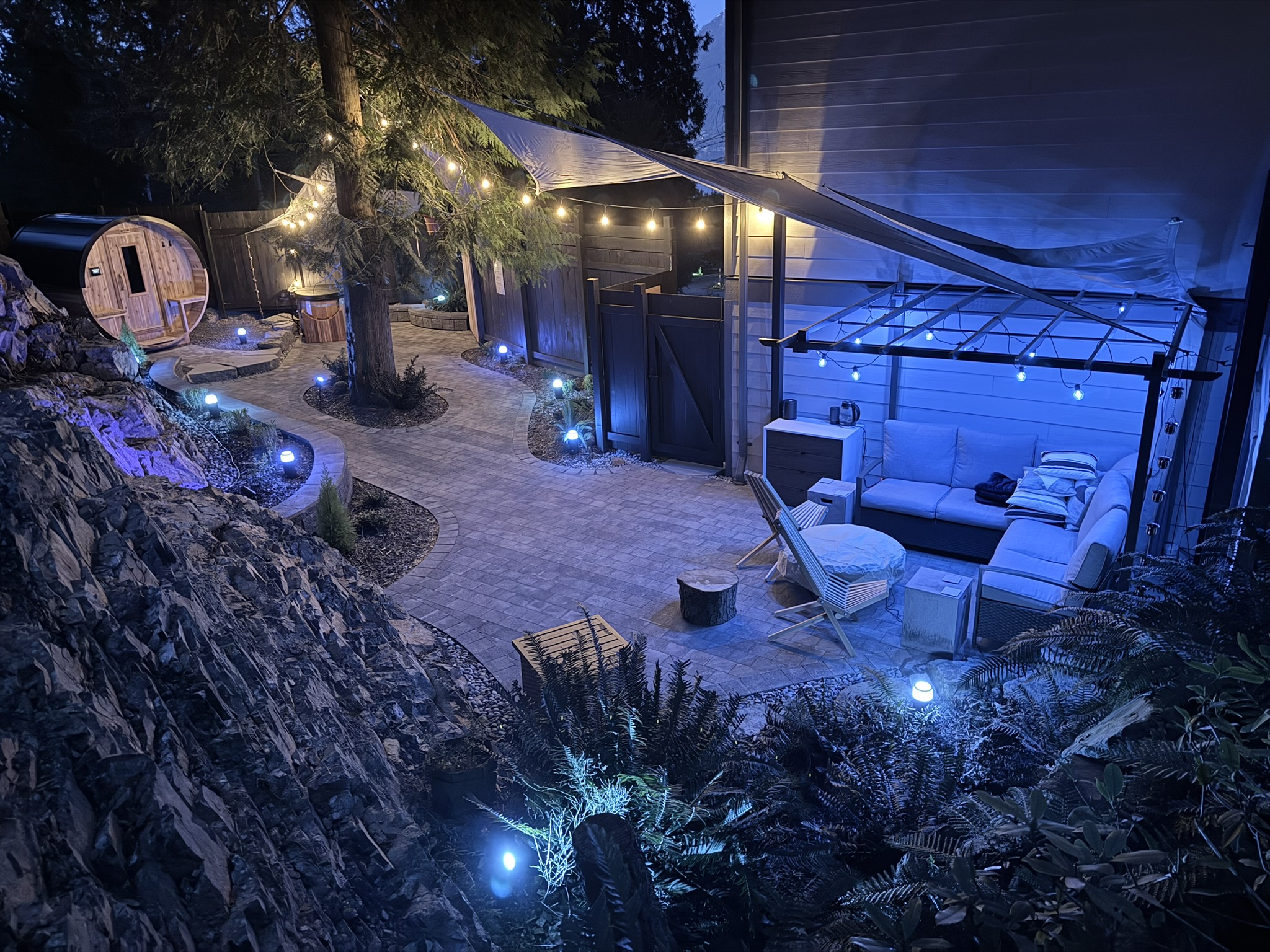
The Science of the “Sensory Reset”
To achieve professional-grade results, we have engineered a space that addresses the three pillars of environmental neuro-optimization:
1. Circadian Lighting & Photobiomodulation
Modern recovery often asks: “Does red light therapy work in a sauna?” By utilizing specific wavelengths of Red and Near-Infrared (NIR) light, we stimulate
cytochrome c oxidase within the mitochondria, accelerating ATP production while the heat handles systemic inflammation. Our lighting is designed for circadian rhythm alignment,
utilizing low-blue-light frequencies to trigger melatonin synthesis, ensuring your recovery session leads to deeper REM sleep.
2. Psychoacoustics & Vagal Tone
The soundscape of a recovery space is a clinical variable. We utilize binaural beats and solfeggio frequencies to encourage
the brain to enter Alpha and Theta wave states. This reduces cortisol production and strengthens vagal tone,
allowing the nervous system to pivot more efficiently from the “cold shock” to a state of profound relaxation
3. Biophilic Design & Phytoncide Inhalation
At the intersection of architecture and biology is Biophilic Design. Our handcrafted Nootka Cedar saunas release phytoncides—natural
essential oils that, when inhaled, have been clinically proven to increase Natural Killer (NK) cell activity and lower blood pressure. This “forest bathing” effect, combined with
the tactile experience of natural stone and wood, reduces sympathetic drive and grounds the user in a high-density sensory environment.
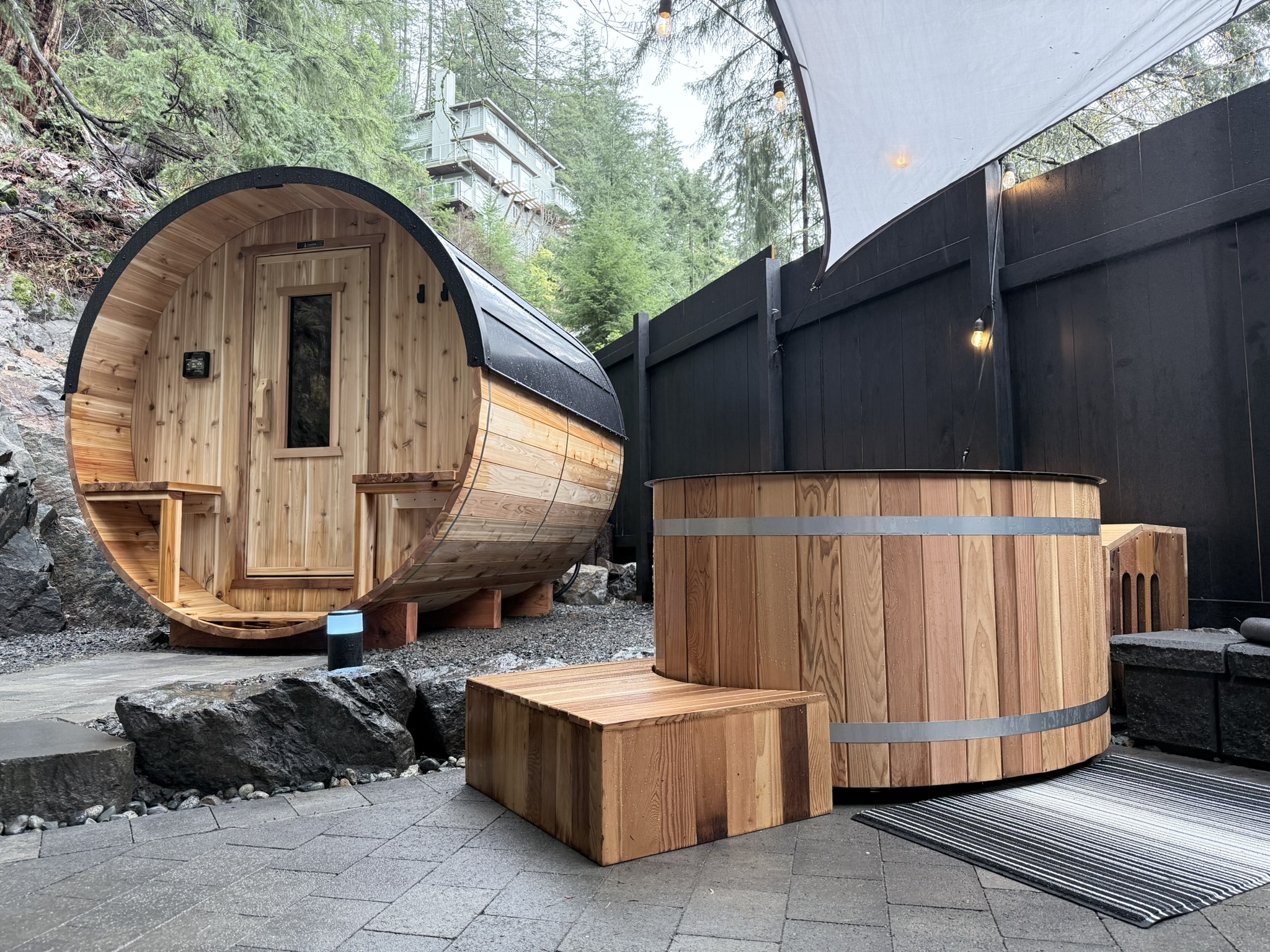
The Biology of the Sensory Circuit: Signaling Safety to the Amygdala
The human nervous system is constantly scanning the environment for cues of safety or threat (neuroception). In public, high-traffic spas, the brain remains in a state of low-level vigilance or “social scanning,” which keeps the sympathetic nervous system engaged. However, in our private 1,000 sq. ft. outdoor sanctuary, every sensory input is curated to signal safety to the amygdala.
This environment is designed to trigger a deeper parasympathetic reset—the specific neurological state where cellular repair, mitophagy, and mitochondrial optimization occur most efficiently. By removing the “cortisol spikes” of public environments, we ensure the body isn’t just enduring stress, but actively entering a state of homeostasis.
Red Light Therapy & Chromotherapy: The Power of the Spectrum
Light is the primary zeitgeber (time-giver) for our circadian rhythm. By integrating specific light frequencies into the thermal experience, we go beyond “vibes” to provide circadian rhythm alignment.
- Red Light Therapy (Photobiomodulation/PBM): Our circuit utilizes medical-grade Red (660nm) and Near-Infrared (850nm) light. These frequencies penetrate the dermis to reach the mitochondria, where they interact with cytochrome c oxidase to stimulate ATP production. When combined with hyperthermic conditioning, it creates a synergistic effect that accelerates collagen synthesis, skin rejuvenation, and muscle fiber repair.
- Chromotherapy & Melatonin Induction: Utilizing deep amber and soft red tones (excluding blue light) during evening sessions prevents melatonin suppression. This signals the brain’s suprachiasmatic nucleus (SCN) to initiate the sleep cycle, preparing the body for the Deep and REM sleep required for long-term cognitive health.
Aromatic Immersion: The Medicine of the West Coast
The olfactory bulb has a direct anatomical link to the limbic system—the brain’s emotional and memory center—bypassing the thalamus. At The Barnfield Suites, scent is a clinical tool for neuromodulation.
- Cedarwood Phytoncides: Our Nootka cedar saunas naturally off-gas phytoncides (wood essential oils). Clinical data from forest-bathing research shows that inhaling these compounds while under thermal stress lowers salivary cortisol and increases the activity of Natural Killer (NK) cells, significantly boosting innate immunity.
- Scent as a “Neurological Anchor”: By engaging with the specific aromas of Western Red Cedar and the salt air of Bowen Island, you develop a sensory anchor. Through Pavlovian conditioning, your brain associates these scents with immediate relaxation, allowing you to bypass the “initial struggle” and “drop in” to a deep recovery state faster with each visit.
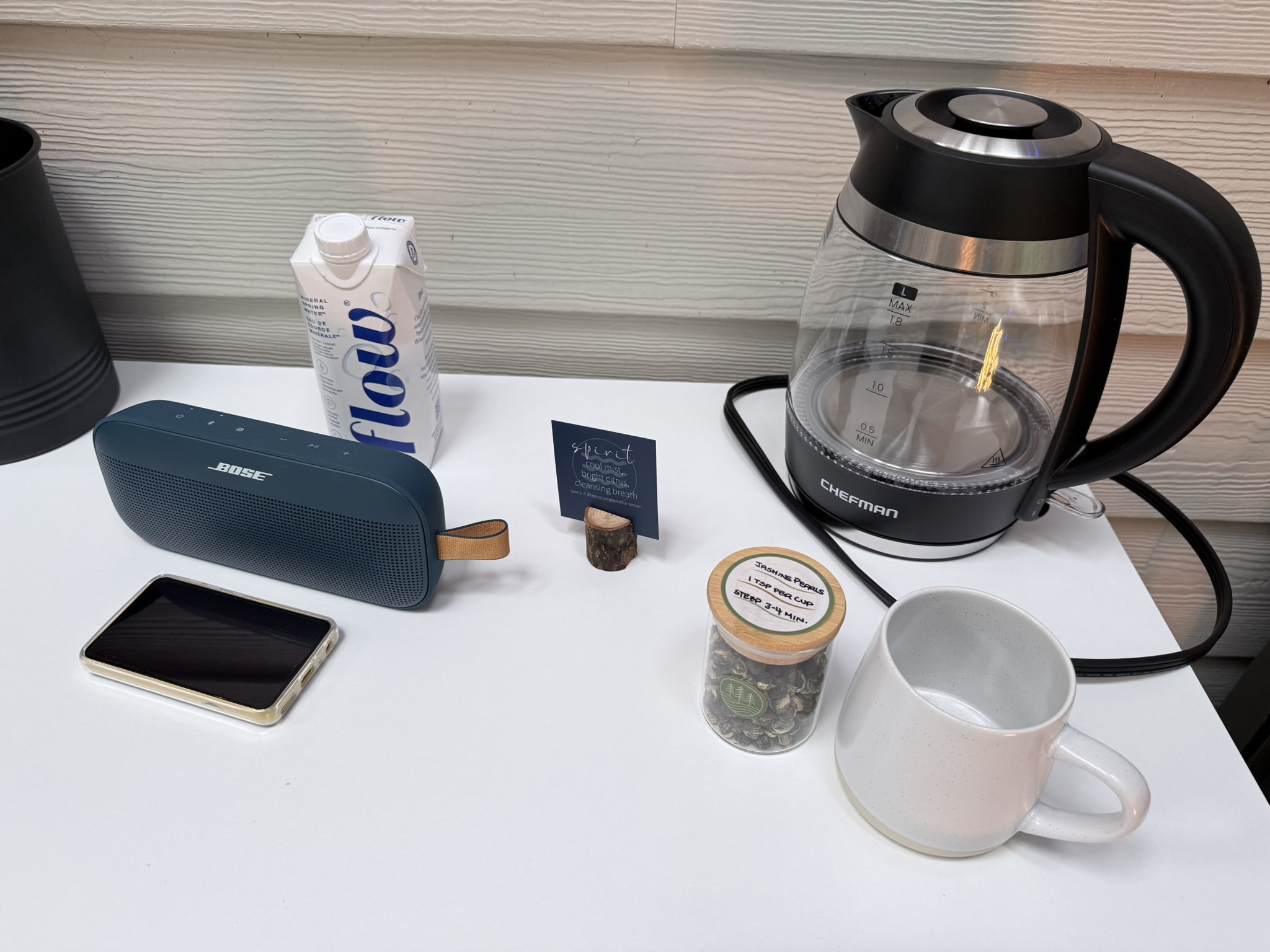
Auditory Grounding: Soundscapes and Vagal Tone
In our private suites, we eliminate urban “noise pollution” which is a known driver of chronic stress and systemic inflammation. The integration of biophilic sound—the natural movement of wind through the trees and the silence of Queen Charlotte Heights—is a core part of the healing process.
- Vagal Tone and Box Breathing: This auditory grounding lowers the resting heart rate and facilitates the vagal tone required for mastered recovery. It creates a “sonic vacuum” that allows guests to focus on the rhythmic Box Breathing (4-4-4-4) or Nasal Breathing required to override the cold-shock response of the Helius plunge. This is the foundation of stress-resilience training and top-down regulation.
The Neuro-Architecture of the Private Suite: Spatial Design for Brain State Optimization
Beyond the biological inputs of light and sound, the physical layout of a recovery environment serves as a “spatial primer” for the brain. At The Barnfield Suites, our 1,000 sq. ft. sanctuary is designed using the principles of Neuro-architecture—the study of how the built environment impacts the brain’s neurochemistry and cognitive performance.
1. Prospect-Refuge Theory: Balancing Vigilance and Safety
Our sanctuary utilizes the Prospect-Refuge Theory, a cornerstone of biophilic design. By providing a “refuge” (the enclosed, protective warmth of the Nootka Cedar sauna) with a “prospect” (the expansive, unobstructed view of the Pacific Northwest canopy), we satisfy an evolutionary requirement for safety. This specific spatial configuration downregulates the HPA axis (Hypothalamic-Pituitary-Adrenal), shifting the brain from a state of external vigilance to internal repair.
2. The Cathedral Effect: Spatial Volume and Abstract Thinking
Research into the “Cathedral Effect” suggests that high ceilings and open outdoor environments encourage abstract thinking, creativity, and a sense of psychological freedom. By moving the recovery circuit out of a cramped, indoor “locker room” setting and into a high-volume outdoor suite, we trigger the prefrontal cortex to move away from detail-oriented stress toward a “big picture” perspective. This is essential for the cognitive endurance sought by high-performance executives and athletes.
3. Privacy-Induced Neuromodulation
In a public spa, the brain is forced to engage in “social monitoring,” which maintains a baseline level of cortisol. Our private-access model ensures the elimination of social judgment, allowing for a total neuromodulation reset. Without the presence of others, the guest can engage in deep vocalizations (humming or groaning to stimulate the vagus nerve) or intense breathwork without inhibition. This total privacy is a clinical requirement for reaching the Theta brainwave state—the “twilight state” associated with deep healing and subconscious processing
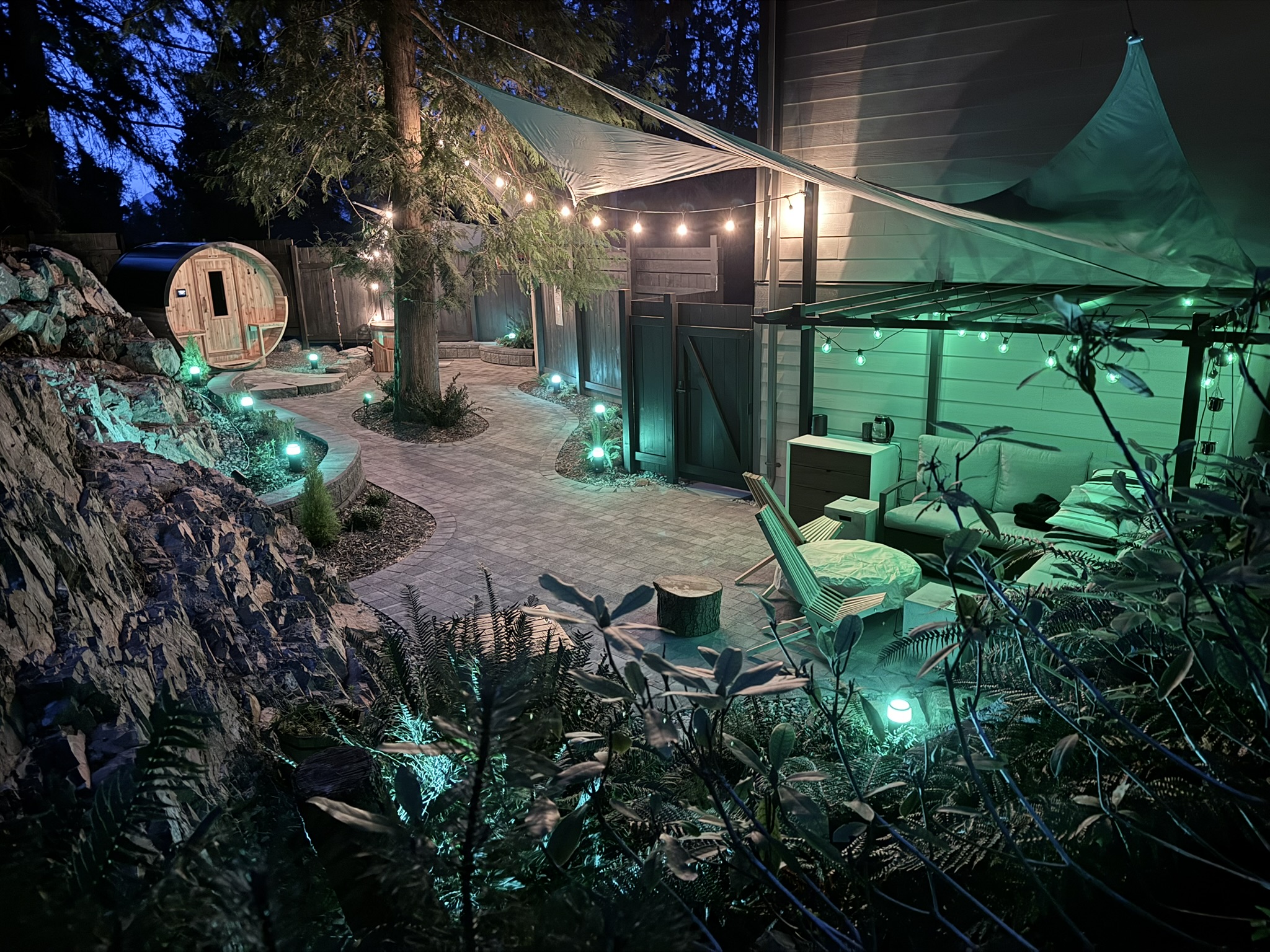
Summary: The Multi-Sensory ROI (Return on Investment)
When you design a recovery circuit that accounts for the entire human sensory stack, the “Return on Investment” moves beyond simple muscle repair. The integration of neuro-architecture, photobiomodulation, and olfactory science yields a compounding effect:
- Physiological ROI: Accelerated mitochondrial biogenesis, reduced systemic inflammation (CRP levels), and enhanced metabolic flexibility.
- Neurological ROI: Immediate elevation in dopamine and norepinephrine, improved vagal tone, and a significant increase in Heart Rate Variability (HRV).
- Cognitive ROI: Reduced “brain fog,” enhanced executive function, and a recalibrated circadian rhythm for superior sleep quality.
FAQs: Multi-Sensory Thermal Environments & Holistic Recovery
1. What is a multi-sensory thermal environment?
It is a recovery sanctuary engineered to harmonize the entire sensory stack. Unlike standard spas, this environment integrates high-heat and sub-10°C cold with clinically curated light, sound, and scent. The goal is to optimize the
autonomic nervous system and leverage the “sensory reset” to enhance the biological effects of contrast therapy.
2. How does Red Light Therapy (RLT) complement the sauna?
Saunas utilize heat to induce vasodilation, but RLT—specifically wavelengths between 660nm and 850nm—works at the cellular level. This Photobiomodulation stimulates cytochrome c oxidase in the mitochondria, accelerating ATP production.
This dual-layered approach triggers both systemic detoxification and localized cellular repair.
3. Does scent actually affect my physical recovery?
Yes. The olfactory bulb is directly wired to the limbic system. Inhaling phytoncides from cedar during a sauna session signals the vagus nerve to initiate a parasympathetic shift. This lowers salivary cortisol levels and has been
clinically shown to boost Natural Killer (NK) cell activity, providing a direct boost to the immune system.
4. Why is privacy essential for a multi-sensory experience?
Neurological surrender requires the absence of social vigilance. In public spas, your brain remains in a “low-level sympathetic” state as it monitors others. In a private sanctuary, the amygdala downregulates, allowing the nervous
system to fully transition into a Theta brainwave state, where deep cellular repair occurs.
5. What is Chromotherapy and how do I use it?
Chromotherapy uses specific light spectrums to influence the suprachiasmatic nucleus. At The Barnfield Suites, we utilize deep amber and soft red tones to encourage circadian rhythm alignment. By avoiding blue light, you protect
your body’s natural melatonin production, ensuring your recovery session facilitates restorative sleep.
6. Can soundscapes improve my cold plunge performance?
Absolutely. Utilizing biophilic sound or binaural beats provides auditory grounding. This allows you to maintain “Top-Down Regulation,” where the prefrontal cortex overrides the “gasp reflex.” Proper auditory inputs help maintain
the steady nasal breathing required to manage the Cold Shock Response in the Helius plunge.
7. Does the smell of cedar wood have medical benefits?
Yes. Studies on Shinrin-yoku (Forest Bathing) demonstrate that the alpha-pinene and limonene found in Western Red Cedar significantly reduce blood pressure and lower sympathetic nerve activity. These compounds act as a natural anti-inflammatory
for the respiratory and nervous systems.
8. How do multi-sensory environments impact longevity?
Longevity is a function of managing allostatic load—the wear and tear on the body from chronic stress. By addressing the nervous system through multiple sensory channels simultaneously, you reduce systemic inflammation and improve
Heart Rate Variability (HRV), which are the primary biomarkers for biological age.
9. Is there “blue light” in the sauna?
No. We prioritize low-blue-light environments. Exposure to blue light in the evening suppresses melatonin and disrupts the sleep-wake cycle. Our suites use warm-spectrum, medical-grade lighting to ensure your sleep hygiene is optimized
post-session.
10. What is “Biophilia” in wellness design?
Biophilia is the innate human tendency to seek connections with nature. In wellness design, it involves integrating raw materials like Nootka Cedar and forest views to lower cortisol and improve cognitive function. It is a transition
from “clinical” to “natural” recovery environments.
11. How does the Bowen Island air contribute to the circuit?
Bowen Island air is rich in negative ions and aerosolized minerals from the ocean. Inhaling this oceanic air during the inter-set rest phase acts as a respiratory reset, improving oxygen uptake and providing a natural magnesium boost
to the lungs and skin.
12. Can I control my own auditory environment?
Yes. While we curate a biophilic soundscape, autonomous control is a key part of psychological safety. Our suites allow for the integration of your own curated recovery soundscapes or complete sensory silence, depending on your specific
protocol needs.
13. What is the “Social Glow” and how does light affect it?
The “glow” is the result of post-thermal euphoria—a mix of a vascular flush and a dopamine surge. We use specific lighting to enhance this effect, making the transition from the stress of the plunge to the relaxation of the integration
phase a visual as well as physical experience.
14. Does heat immersion enhance the sense of smell?
Yes. Hyperthermic environments increase the volatility of essential oils and open the nasal passages. This allows for deeper phytoncide inhalation, ensuring the medicinal properties of the cedar reach the lower lobes of the lungs
for maximum systemic absorption.
15. How does a “digital detox” enhance sensory recovery?
A digital detox removes the constant micro-stressors of notifications and high-intensity blue light. This allows the brain to shift from reactive mode to restorative mode, facilitating the deep focus required for master-level breathwork.
16. What is the “Nervous System Hard-Reset”?
It is the point where the combination of thermal stress and sensory safety causes the body to release “guarded” physical tension. This reset often results in an immediate increase in HRV and a feeling of profound neurological stillness.
17. Why do you use Nootka cedar for your saunas?
Nootka Cedar is the gold standard for thermal therapy due to its extreme durability and high concentration of aromatic oils. Unlike cheaper woods, it maintains its phytoncide-releasing properties for decades, providing a consistent
medical-grade olfactory experience.
18. Can multi-sensory rituals help with seasonal depression (SAD)?
Yes. The combination of full-spectrum light, intense heat, and natural scents can boost serotonin and dopamine production. For those in British Columbia, this is a vital tool for managing Seasonal Affective Disorder during winter
months.
19. What is “Vagal Tone” and how do I improve it here?
Vagal tone refers to the efficiency of the vagus nerve in returning your body to a calm state after stress. By navigating the stressor of the cold plunge while surrounded by safety cues (scent, sound, privacy), you “exercise” your
vagus nerve, increasing your overall stress resilience.
20. Is the Helius plunge light-integrated?
The Helius environment uses calm-tech lighting and natural light integration. This ensures that even during the cold shock, your visual field is grounded in soft, natural tones, preventing the visual system from contributing to the
panic response.
21. How long should a sensory recovery session last?
We recommend a 60–90 minute ritual. This allows enough time for the brain to move through the initial resistance phase and into the deep Theta wave states required for full multi-sensory integration.
22. Does the fire bowl add to the sensory experience?
Yes. The visual flicker of fire and the radiant warmth provide a primal sense of refuge. This warmth is a key part of the post-plunge integration, helping the body return to homeostasis through non-shivering thermogenesis.
23. Can I practice “Forest Bathing” near the suites?
Yes. The suites are positioned adjacent to the old-growth trails of Queen Charlotte Heights. Combining a forest therapy walk with a private thermal circuit creates a compounding effect on immune health and mental clarity.
24. Why is Bowen Island considered a hub for sensory health?
Bowen Island offers a unique micro-climate of silence, clean air, and natural beauty. These biophilic inputs are impossible to replicate in an urban environment, making the island a natural sanctuary for longevity and sensory repair.
25. Does contrast therapy help with sensory processing?
Yes. The “weight” of the cold water (proprioceptive input) and the “envelope” of the heat provide a grounding effect for those with sensory processing sensitivities, helping to quiet an overstimulated mind.
26. How do I access this multi-sensory retreat from Vancouver?
Access is seamless. We are a 20-minute ferry from Horseshoe Bay and a 4-minute drive from the terminal. This proximity makes it the most accessible longevity retreat for high-performance individuals in Vancouver.
27. Is this multi-sensory circuit available for day use?
No. Access is exclusive to overnight guests. This ensures the absolute privacy, silence, and exclusivity required for a true multi-sensory immersion and a deep physiological reset.
28. Why choose The Barnfield Suites over a city spa?
City spas are plagued by noise pollution, blue light, and social stress. We provide an evidence-based, private longevity sanctuary that utilizes the authentic natural world to achieve clinical results that city spas simply cannot
replicate.
FAQs: Neuro-Optimization & Environmental Science
1. What is the “Post-Plunge Dopamine Baseline” and how is it maintained?
Unlike the transient spikes from caffeine or sugar, deliberate cold exposure in the Helius plunge triggers a sustained increase in baseline dopamine that can last for several hours.
This “leveling up” of your neurological baseline improves executive function and motivation without a subsequent crash. By integrating this with the silence and biophilic design
of Bowen Island, we prevent the “sensory noise” that typically depletes dopamine, allowing for a longer period of cognitive clarity and focus.
2. How does “Thermal Squeezing” impact the Glymphatic System?
Recent research into Glymphatic Clearance suggests that the brain’s waste-removal system is most active during deep sleep and periods of high-intensity vascular shifts. The rapid
transition from the 100°C sauna to the sub-10°C plunge creates a “thermal squeeze” that facilitates the movement of cerebrospinal fluid. This helps clear metabolic waste and neurotoxic
proteins, such as beta-amyloid, from the brain—a key mechanism in long-term neuroprotection.
3. What is the role of “Negative Ions” in coastal recovery environments?
The air surrounding Bowen Island is dense with negative ions, particularly near the shoreline of the Salish Sea. Once these ions reach the bloodstream, they are believed to produce
biochemical reactions that increase levels of the mood-stabilizing chemical serotonin. This helps alleviate depression, relieve stress, and boost daytime energy. In our suites, this
“respiratory reset” works in tandem with the thermal circuit to provide a more profound mood-lifting effect than an indoor city spa.
4. Why is “Top-Down Regulation” a vital skill for high-performance individuals?
Top-down regulation is the ability of the prefrontal cortex to override the primitive “fight or flight” signals of the amygdala. The Helius cold plunge serves as a clinical training
ground for this skill. By using Box Breathing to remain calm while the body is under acute cold stress, you are physically strengthening the neural pathways used for high-stakes
decision-making and emotional resilience in professional environments.
5. How does the “Mammalian Dive Reflex” interact with Heart Rate Variability (HRV)?
When the face and neck are submerged in cold water, the trigeminal nerve signals the heart to slow down, a phenomenon known as the Mammalian Dive Reflex.
This immediate shift increases parasympathetic tone. Consistent activation of this reflex during your circuit “exercises” the nervous system, leading to a higher baseline
HRV, which is the gold-standard biomarker for recovery, resilience, and biological age.
6. Can multi-sensory contrast therapy improve “Mitochondrial Coupling”?
Yes. Mitochondrial coupling refers to the efficiency with which mitochondria convert oxygen and nutrients into ATP. Thermal stress (heat and cold) combined with Red Light Therapy reduces
“proton leak” and oxidative stress within the cell. This optimization ensures that your cellular “power plants” are not just more numerous, but also more efficient, resulting in higher sustained energy levels and reduced cellular
aging.
7. What is “Neuro-Aesthetic Grounding” and why does it matter?
Neuro-aesthetics is the study of how the brain responds to beauty and spatial harmony. The use of raw Nootka Cedar, natural stone, and forest vistas in our suites provides “visual grounding.”
This reduces the cognitive load on the brain, as natural fractals and textures are easier for the visual cortex to process than the sharp lines and artificial surfaces of urban
environments. This reduced processing load allows more energy to be diverted toward physiological repair.
8. How does the “Vascular Flush” impact the NLRP3 Inflammasome?
Chronic pain is often driven by the NLRP3 inflammasome, a protein complex that triggers the release of pro-inflammatory cytokines. The intense vascular flush induced
by our contrast protocol has been shown to downregulate this inflammasome. By mechanically “cleaning” the interstitial space and lowering systemic inflammation markers like C-Reactive Protein (CRP),
the circuit provides a biological reset for those suffering from chronic inflammatory conditions.