

Explore the neurobiological frontier of cold immersion and how structured “shock” therapy acts as a clinical-grade reset for emotional regulation and psychiatric resilience.
In the evolving landscape of holistic psychiatry, a powerful, non-pharmacological intervention is gaining significant clinical traction: Cold Water Therapy (CWT). While often discussed in athletic circles for muscle recovery and reducing inflammation, the mental health benefits of cold plunging are profound. At The Barnfield Suites on Bowen Island, we recognize that “the Chill” is more than a physical challenge; it is a sophisticated tool for neurochemical regulation, emotional resilience, and psychiatric restoration.
Many people seeking natural remedies for depression ask: “Can cold water therapy help alleviate symptoms of depression and anxiety?” By integrating regular, self-guided cold plunging into a Longevity Residence stay, guests can leverage emerging clinical evidence suggesting that cold water immersion (CWI) modulates the autonomic nervous system.
This process triggers a massive release of dopamine (up to 250%) and norepinephrine, effectively resetting the brain’s mood-regulating neurotransmitters and offering a “biological reset” similar in mechanism to traditional hydrotherapy for mental health.
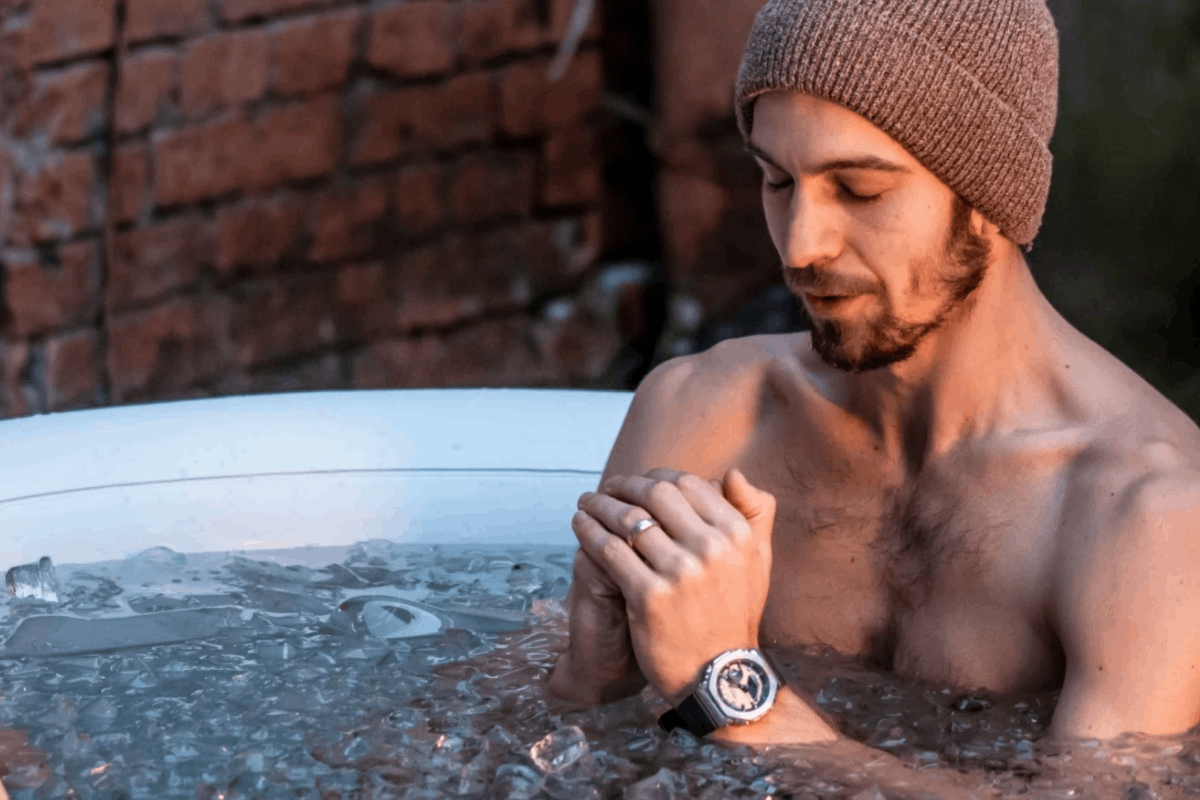
The Neurochemistry of the Cold: Dopamine, Norepinephrine, and the “Mood Spike”
One of the most debilitating symptoms of clinical depression is anhedonia—the inability to feel pleasure or motivation. In holistic psychiatry, this is often linked to a baseline depletion of dopamine and serotonin. Many people searching for natural depression treatments ask: “How long does a cold plunge take to release dopamine?”. Unlike the short-lived spikes from chemical stimulants or digital notifications, the neurochemical response from a 3-minute immersion in our oval plunge is sustained for several hours, providing a reliable brain reset.
The 250% Dopamine Baseline Shift
Clinical studies from institutions like the National Institutes of Health (NIH) show that immersion in water at sub-10°C triggers a massive, immediate release of catecholamines. Research indicates a 250% increase in baseline dopamine levels following cold immersion—a shift that rivals the neurochemical peak of certain pharmacological stimulants but without the crash. This is a form of hormetic stress (hormesis), where controlled exposure to the cold trains the brain to improve mood regulation, cognitive focus, and reward processing.
Norepinephrine: The Brain’s Natural Anti-Inflammatory
Modern medicine increasingly views Major Depressive Disorder (MDD) as a disease of neuro-inflammation. A surge in norepinephrine (often up to 500% above baseline) acts as a powerful, endogenous anti-inflammatory for the central nervous system. By clearing the “mental fog” and systemic inflammation that accompany depressive episodes, cold water immersion (CWI) stimulates the locus coeruleus, allowing executive function to come back online. Guests often report that this vagus nerve stimulation and sympathetic nervous system activation make daily tasks feel manageable again while building long-term psychological resilience.
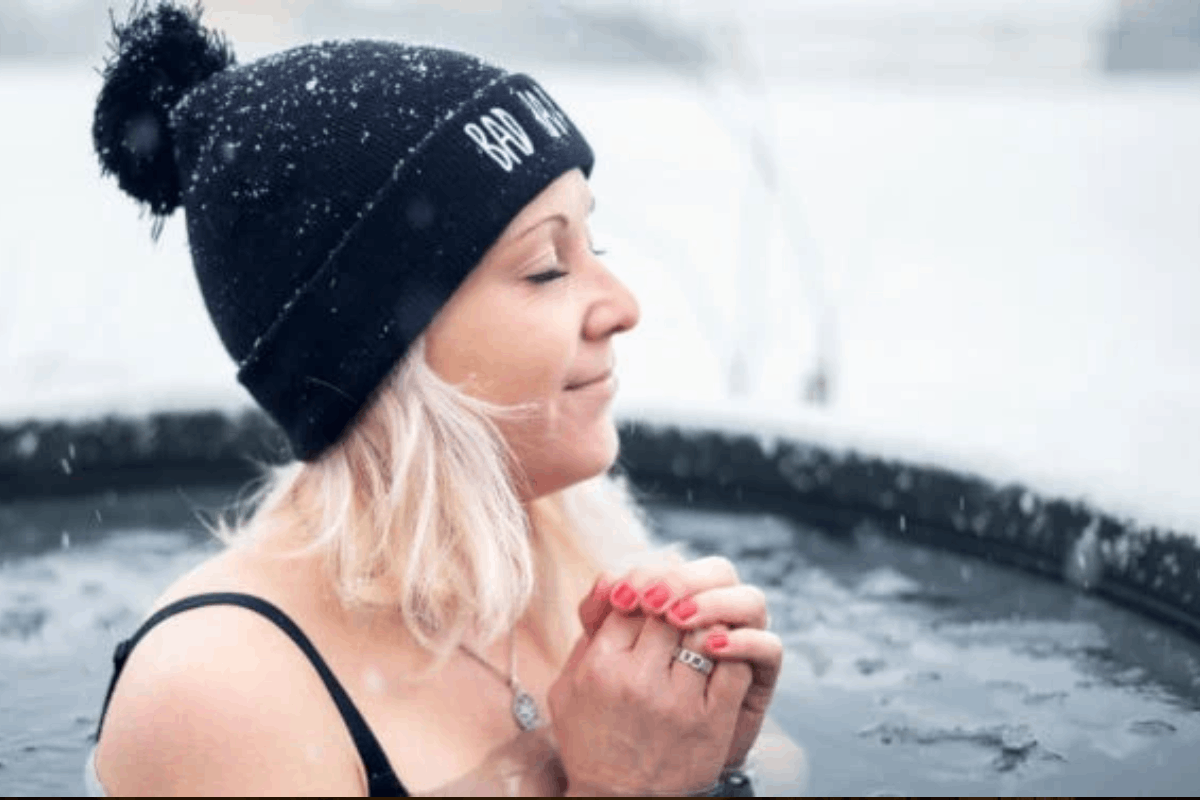
Emotional Regulation through “Top-Down” Stress Inoculation via Cold Plunging/Immersion
Depression and anxiety are often characterized by “low vagal tone,” a physiological state where the body remains trapped in a chronic sympathetic “fight-or-flight” response. This persistent state of high-alertness—frequently searched as “nervous system dysregulation”—exhausts the adrenal system and leads to the profound emotional numbness, cortisol fatigue, and cognitive burnout common in high-pressure environments. For those asking, “how to reset my nervous system,” cold water immersion offers a biological shortcut to emotional homeostasis.
Vagal Tone Activation and Heart Rate Variability (HRV)
The extreme temperature of a cold plunge immediately stimulates the vagus nerve, the primary superhighway of the parasympathetic nervous system. At The Barnfield Suites, our self-guided protocols emphasize Vagal Tone Activation as a clinical-grade tool for mental health recovery. By intentionally entering the cold and utilizing Box Breathing or parasympathetic breathing techniques to remain calm, guests significantly improve their Heart Rate Variability (HRV). As the “gold-standard” metric for psychological resilience and autonomic flexibility, a higher HRV is directly correlated with a reduced risk of Major Depressive Disorder (MDD) and improved emotional regulation.
Cross-Stress Adaptation: Training the Prefrontal Cortex
By intentionally facing the “cold shock response” in the private, serene environment of our Bowen Island retreat, guests engage in what neuroscientists call Top-Down Regulation. This is the critical process of using the prefrontal cortex (the brain’s executive center) to override the amygdala (the primitive fear and threat center).
This practice, often referred to in biohacking and longevity circles as “Stress Inoculation Training,” builds a robust neurobiological buffer. By mastering the “shock” of the water, you are effectively training your brain to remain calm under pressure—a form of cross-stress adaptation that translates directly to managing high-stakes professional stressors in Vancouver and beyond. For those seeking non-drug treatments for anxiety, this “biological courage” helps rewire the brain’s stress response pathways, fostering long-term psychiatric resilience and mental toughness.
By intentionally facing the “cold shock response” in the private, serene environment of our Bowen Island retreat, guests engage in what neuroscientists call Top-Down Regulation. This is the critical process of using the prefrontal cortex (the brain’s executive center) to override the amygdala (the primitive fear and threat center).
This practice, often referred to in biohacking and longevity circles as “Stress Inoculation Training,” builds a robust neurobiological buffer. By mastering the “shock” of the water, you are effectively training your brain to remain calm under pressure—a form of cross-stress adaptation that translates directly to managing high-stakes professional stressors in Vancouver and beyond. For those seeking non-drug treatments for anxiety, this “biological courage” helps rewire the brain’s stress response pathways, fostering long-term psychiatric resilience and mental toughness.
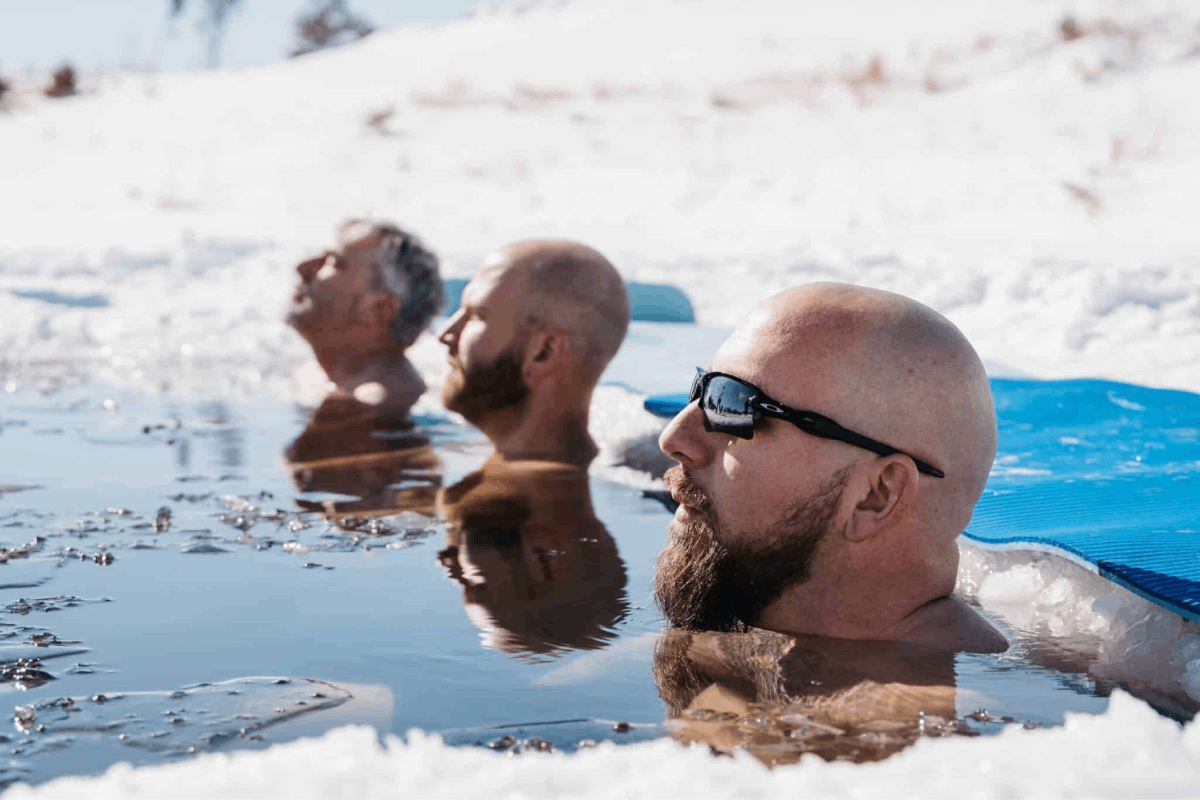
The Role of “Cold Shock Proteins” and Neurogenesis: Rewiring the Depressed Brain
Emerging research in molecular psychiatry and longevity science indicates that the “Cold Shock Response” triggers the acute production of RNA-binding motif protein 3 (RBM3), a specific cold-shock protein that serves as a molecular mediator for synaptic regeneration.
For those asking, “Can cold plunging cure brain fog?” or “How does cold water affect neuroplasticity?”, the answer lies in the brain’s ability to “re-wire” its own architecture through neurogenesis—the creation of new neurons—and the repair of damaged dendritic spines.
Synaptic Protection and the RBM3 Pathway
Research at institutions like the University of Cambridge suggests that RBM3 induction may prevent the neuronal loss typically seen in neurodegenerative conditions and chronic, untreated Major Depressive Disorder (MDD).
- Synaptic Plasticity: Chronic depression is often characterized by “synaptic pruning,” where connections between brain cells wither due to sustained cortisol exposure.
- The Rewiring Effect: Cold exposure acts as a hormetic stressor, signaling the brain to ramp up protein synthesis, which stabilizes mRNA and facilitates the “re-growth” of these vital connections.
Boosting BDNF: “Miracle-Gro” for the Brain
Beyond RBM3, cold immersion is a potent stimulus for Brain-Derived Neurotrophic Factor (BDNF).
- What is BDNF? Often called “Miracle-Gro for the brain,” BDNF is a protein that supports the survival of existing neurons and encourages the growth of new ones in the hippocampus—the brain’s hub for memory and emotion.
- Neuroprotective Shielding: By elevating BDNF levels, guests at The Barnfield Suites are not just “chilling”; they are engaging in a biological neuroprotective strategy that shields the brain from cognitive decline and the “mental aging” associated with recurrent depressive episodes.
Can Cold Plunging Prevent Alzheimer’s and Cognitive Decline?
One of the most trending questions in the biohacking community is whether cold water immersion (CWI) can slow neurodegeneration. While human trials are ongoing, animal models have shown that RBM3 can restore brain activity and protect against synaptic loss. This makes the Helius oval plunge more than a wellness amenity; it is a tool for cognitive resilience, helping to clear the “mental sludge” of neuro-inflammation and keeping the brain sharp, adaptable, and neurochemically balanced.
Frequently Asked Questions:
Cold Water Therapy for Mental Health & Emotional Resilience
1. How exactly does cold water therapy alleviate symptoms of clinical depression?
Cold plunging sends electrical impulses from peripheral nerve endings to the brain. This may result in an anti-depressive effect. This process triggers a systemic release of beta-endorphins and dopamine while decreasing cortisol,
the primary stress hormone. Cold water immersion is a non-pharmacological intervention that helps break the cycle of ruminative thoughts and lethargy associated with Major Depressive Disorder (MDD).
2. What is the “Cold Shock Response” and is it safe for my mental health?
The Cold Shock Response is a massive, immediate sympathetic nervous system spike. It is characterized by a sudden gasp and increased heart rate. When managed with self-guided breathwork and Vagal Tone techniques in a private sanctuary,
it becomes a form of Stress Inoculation Training (SIT). This teaches the prefrontal cortex to override the amygdala’s “panic” signals, building lasting emotional grit, psychiatric resilience, and the ability to remain calm under
pressure.
3. Can cold plunging replace my current anti-depressant medication (SSRIs/SNRIs)?
No. Cold Water Therapy (CWT) is a complementary and integrative therapy. It is designed to work alongside traditional psychiatric care, not as a substitute. You should never alter, taper, or stop prescribed medication—such as SSRIs
or SNRIs—without the direct medical supervision of your psychiatrist or physician.
4. How does the “Vagus Nerve” connect the cold to my emotional state?
The vagus nerve is the “superhighway” of the parasympathetic nervous system, and it is directly stimulated by cold water exposure (specifically via the face and neck). Achieving a high Vagal Tone is a primary goal in holistic psychiatry.
It is associated with better emotional regulation, higher social engagement, and the biological ability to “down-regulate” and recover after a stressful event.
5. Why is a private setting at Barnfield better for mental health than a public spa?
Vulnerability is an essential component of neurobiological healing. In a public spa, the “social brain” remains on high alert, monitoring the environment and other people. Our private sanctuary—featuring the Helius oval plunge—ensures
the absolute safety, psychological safety, and silence required for the nervous system to truly surrender and transition into a state of deep recovery and somatic release.
6. Does the cold plunge help with Generalized Anxiety Disorder (GAD) and panic attacks?
Yes. By improving Heart Rate Variability (HRV), cold plunging helps the body “practice” the physiological transition from high-intensity stress back to a state of homeostasis. This autonomic conditioning lowers your baseline anxiety
over time, helping to prevent the physical symptoms of Generalized Anxiety Disorder (GAD) from escalating into full-blown panic attacks.
7. What is “Cross-Stress Adaptation” in psychological and biological terms?
Cross-Stress Adaptation is the neurobiological concept that by training your body to handle a specific physical stressor (like cold water), you are simultaneously strengthening your resilience to all other forms of stress—whether
they are professional, emotional, or physical. This hormetic response creates a “toughness” that makes the brain less reactive to daily stressors in Vancouver’s high-performance professional world.
8. How many minutes in the cold are needed to trigger a dopamine boost?
Clinical evidence, popularized by researchers like Dr. Susanna Søberg, suggests that just 2 to 3 minutes at temperatures below 10°C (50°F) is the “sweet spot” for triggering the sustained neurochemical surge required for mood elevation.
Unlike a caffeine or sugar spike, this dopamine release is steady, lasting several hours without a crash.
9. Can cold water therapy help with the symptoms of PTSD and trauma?
Emerging research in somatic experiencing suggests the intense “grounding” effect of cold water—which forces the mind into the absolute present moment—can help break the cycle of trauma-induced flashbacks. By resetting the autonomic
nervous system (ANS), cold immersion helps individuals move out of a “frozen” or “dissociative” state, providing a safe way to reconnect with the body.
10. What is the link between “Brain-Derived Neurotrophic Factor” (BDNF) and the chill?
Cold exposure is believed to stimulate the production of BDNF, a vital protein often called “Miracle-Gro for the brain.” BDNF supports the survival of existing neurons and encourages neurogenesis—the growth of new neural connections.
This is particularly important for combating the hippocampal shrinkage often seen in chronic depression and cognitive decline.
11. Why is the “Helius Oval Plunge” design important for my mental health ritual?
The ergonomic oval design is specifically chosen for psychological comfort. It allows for a reclined, supported posture, ensuring you can focus entirely on diaphragmatic breathing and parasympathetic activation rather than tensing
your muscles to stay upright in a cramped, vertical tub.
12. Does “Forest Bathing” on Bowen Island enhance the anti-depressant effect?
Absolutely. Combining nature-based Shinrin-yoku (Forest Bathing) with cold therapy provides a dual-layered neuro-reset. The trees on Bowen Island release phytoncides that naturally lower cortisol and boost Natural Killer (NK) cell
activity, while the plunge provides the high-intensity dopamine boost, creating a synergistic biophilic healing effect.
13. How does the sauna complement the mental health benefits of the plunge?
Using a sauna for Contrast Therapy (the “Nordic Cycle”) provides a warm, parasympathetic “embrace” following the cold’s sympathetic intensity. This rapid expansion and contraction of the vascular system—known as vascular gymnastics—keeps
the nervous system flexible and prevents the “wired-but-tired” state of chronic burnout.
14. What is the “Post-Plunge Glow” from a biological perspective?
The “glow” is a result of a simultaneous surge in endorphins and dopamine, combined with vasodilation as the body warms back up. This creates a state of thermal euphoria, reduced systemic inflammation, and a profound sense of mental
clarity that can last for the remainder of the day.
15. Can the cold help with Seasonal Affective Disorder (SAD) in British Columbia?
Yes. For those living in the Pacific Northwest, Seasonal Affective Disorder (SAD) is often caused by a lack of light and subsequent low neurotransmitter activity. The intense sensory input of the cold plunge acts as a powerful “biological
alarm clock,” counteracting the lethargy, “heavy limbs,” and low mood associated with BC’s winter months.
16. How does “Self-Sovereignty” impact my mental health recovery?
By self-guiding your therapy in our Longevity Residence, you shift from a passive “patient” to an active master of your own biology. This builds self-efficacy—the internal belief that you have the tools to regulate your own mood
and physiology—which is a cornerstone of lasting recovery from depression.
17. What is “Inflammaging” and how does it relate to my mood?
Inflammaging is the chronic, low-grade inflammation that accelerates aging and drives neuro-inflammation—a leading theory for the cause of depression. The full-body vascular flush of the cold plunge helps clear inflammatory markers,
essentially “cleaning” the biological environment of the brain to improve mood and cognitive speed.
18. Does the cold plunge improve “Decision Fatigue” for high-performance professionals?
Yes. By clearing “mental clutter” through a massive norepinephrine spike, the cold plunge restores executive function and cognitive focus. This “brain fog” reduction allows professionals to return to their work with renewed clarity,
objectivity, and energy.
19. Why is the “11/57 Protocol” effective for mood stabilization?
Based on the research of Dr. Susanna Søberg, maintaining a cumulative 11 minutes of cold immersion per week (often split into three sessions) ensures that your baseline dopamine and norepinephrine levels remain elevated, preventing
the deep “lows” that characterize depressive cycles.
20. Why is Bowen Island considered a “Sanctuary” for psychiatric resets?
The combination of silence, the 20-minute ferry “buffer zone” from Vancouver, and our private, high-end residences creates a unique micro-climate of peace. This environmental “liminal space” allows the brain to finally drop its guard,
moving from a state of hyper-vigilance to a state of profound healing.
21. Can children use the cold plunge for focus or emotional regulation?
While some find the sensory grounding of cold water helpful for ADHD or sensory processing, children’s thermoregulation systems are much more sensitive than adults. We require significantly shorter durations and strict parental supervision
for anyone under 18 using our facilities.
22. How does the “Søberg Principle” impact my energy and mood?
The Søberg Principle suggests that you should “end on cold” and allow your body to reheat naturally (the after-drop). This forces the body to activate Brown Adipose Tissue (BAT) and increase metabolic rate, a highly energizing process
that directly combats the “heaviness” and fatigue associated with clinical depression.
23. What exactly is a “Vagal Reset”?
A Vagal Reset is the immediate sensation of groundedness and “quiet mind” that occurs once the initial cold shock passes. It signals to the brain’s limbic system that the “threat” is over and it is safe to enter a state of deep rest,
stillness, and emotional clarity.
24. Does contrast therapy help with “Executive Burnout”?
Burnout is characterized by chronic sympathetic overdrive. Our hot-and-cold circuit force-pivots your nervous system into a restorative, parasympathetic state. This allows for adrenal recovery and helps prevent the emotional exhaustion
that leads to professional collapse.
25. Can I practice “Box Breathing” effectively in the cold plunge?
Yes. We encourage and provide protocols for Box Breathing (4 seconds in, 4 hold, 4 out, 4 hold) during immersion. This specific technique is used by Navy SEALs to maintain “top-down” emotional control, and it is the most effective
way to master the cold plunge ritual.
26. How do I get to The Barnfield Suites from Vancouver?
The journey from Horseshoe Bay is the first step in your recovery. The ferry ride provides a natural “psychological transition,” allowing you to leave the noise of the city behind and enter the restorative energy of Bowen Island.
27. Is the water in the Helius plunge continuously purified?
Yes. To meet the highest standards of clinical hygiene, all our plunges utilize advanced Ozone and UV-C filtration systems. This ensures your mental health journey is conducted in pristine, medical-grade water that is continuously
purified.
28. Why choose The Barnfield Suites over a public spa for emotional healing?
Public spas are designed for “wellness tourism” and social interaction, which can trigger the social anxiety or “performative” brain. True emotional healing and psychiatric restoration require the absolute safety, silence, and luxury
of a private sanctuary where you can be entirely yourself.
29. What are “Cold Shock Proteins” like RBM3, and why do they matter for my brain?
RNA-binding motif protein 3 (RBM3) is a specific cold-shock protein that is upregulated during immersion in water below 10°C. Emerging
research in molecular psychiatry suggests that RBM3 plays a critical role in synaptic regeneration—effectively helping to “re-wire”
the brain’s connections that may have withered due to the neurotoxicity of chronic stress or clinical depression. By stimulating
this pathway, you are engaging in a biological strategy that protects against cognitive decline and supports long-term brain health.
30. How does cold water immersion trigger “Neurogenesis” and increase BDNF?
Neurogenesis is the process by which the brain grows new neurons. Cold exposure is believed to stimulate the release of Brain-Derived Neurotrophic Factor (BDNF),
often described as “Miracle-Gro” for the brain. Increased BDNF levels are associated with improved neuroplasticity, better memory, and a more resilient hippocampus—the
region of the brain most impacted by Major Depressive Disorder (MDD).
31. Can cold plunging help with “Brain Fog” and “Executive Dysfunction”?
Yes. For many, depression manifests as brain fog or an inability to focus on complex tasks (executive dysfunction).
The massive spike in norepinephrine (up to 530%) during a cold plunge acts as a powerful chemical stimulant for the locus coeruleus in
the brain. This surge clears neuro-inflammation, sharpens cognitive focus, and restores the executive function needed
for professional decision-making.
32. Is it better to cold plunge in the morning or the evening for mental health?
For mood and energy, the morning is generally superior. Because cold plunging triggers a powerful dopamine surge and
an increase in core body temperature as you warm up, it acts as a natural wake-up signal for your circadian rhythm. For those struggling
with the “morning heaviness” of depression, a morning plunge provides the alertness and purpose-driven energy needed
to start the day.
33. What is the “Søberg Principle” and why should I not use a towel immediately?
The Søberg Principle, named after researcher Dr. Susanna Søberg, suggests that to maximize metabolic and mental health benefits, you
should end on cold and allow your body to reheat naturally (the “end on cold” rule). This forces your body to activate Brown Adipose Tissue (BAT) to
generate its own heat, a process that is highly energizing and helps solidify the resilience training of the nervous system.
34. How does “Hormesis” explain the benefit of being uncomfortable?
Hormesis is a biological phenomenon where a brief, controlled stressor—like the “shock” of cold water—triggers a massive, beneficial adaptation response in the body. In
holistic psychiatry, we call this Stress Inoculation. By voluntarily choosing to face a physical stressor, you are training your brain’s stress response system to
be less reactive to emotional and psychological stressors in your daily life.
35. Can cold plunging help with “Anhedonia” (the loss of pleasure)?
Anhedonia is often caused by a “flat” dopamine system. Because cold immersion can increase baseline dopamine by
up to 250% for several hours, it provides a powerful “kickstart” to the brain’s reward pathways. This helps guests move out of the “gray” state of depression and back into a state where
they can once again feel motivation, vigor, and interest in life.
36. Does head immersion (the “Diving Reflex”) increase the mental health effect?
Yes. While full-body immersion is powerful, briefly submerging the face or head activates the Mammalian Dive Reflex, which immediately slows the heart rate and stimulates the
vagus nerve more intensely than body immersion alone. This can be a high-speed tool for interrupting a panic attack or a cycle of high-anxiety thoughts.