

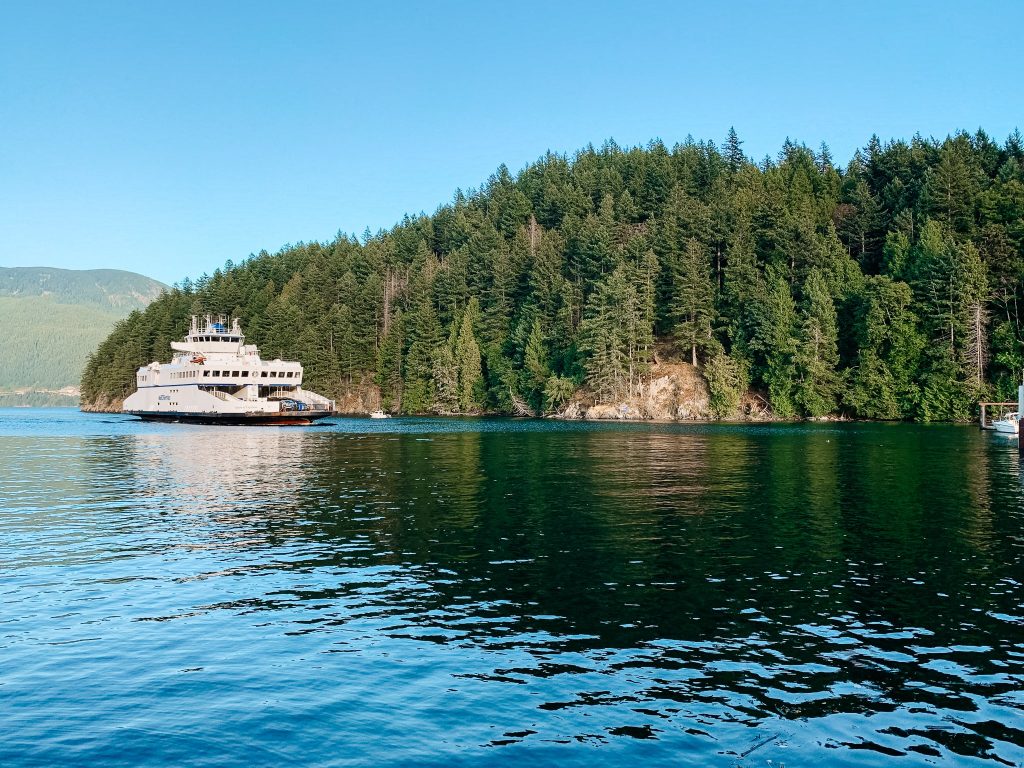
For many, the first visit to Bowen Island (Nex̱wlélex̱m) is more than just a day trip; it is a transformative sensory experience. It begins the moment the Queen of Capilano ferry pulls away from the Horseshoe Bay terminal. As the gap between the mainland and the island grows, the frenetic energy of the Lower Mainland is replaced by the briny, cool mist of Howe Sound and a profound, woodsy quiet. You step off the ferry in Snug Cove, your shoulders drop, and for the first time in years, you hear nothing but the wind in the Douglas firs and the distant cry of a bald eagle.
It is only natural that after a weekend of indulgence—lingering over artisan chocolates at Cocoa West, sipping craft cider in an heirloom orchard, and watching the sunset from a hidden patio—the inevitable question arises: Could I actually live here?
Living on Bowen Island is a deliberate, conscious choice to trade urban “convenience” for deep-rooted “connection.” It is a lifestyle defined by the tides and the ferry schedule, where “rush hour” is a five-minute wait at a hitchhiking stop and “nightlife” is a community campfire or a quiet night under a certified Dark Sky.
However, moving to a coastal island involves more than just picking a house from a gallery of homes for sale on Bowen Island. It requires an understanding of the local ecosystem. This guide goes far beyond the standard Bowen Island real estate listings. We are diving deep into the logistical realities and the cultural heart of the island:
- The reality of the daily ferry commute for families.
- How to navigate the competitive market for Bowen Island rentals.
- What the Bowen Island Municipality offers in terms of community services and infrastructure.
From the rugged slopes of Mt. Gardner to the bustling boardwalks of the marina, this is the definitive directory for those ready to turn the dream of island living into a permanent reality on the “Happy Isle.”
1. The Lifestyle: Is Living on Bowen Island Right for You?
Bowen Island is frequently described as Vancouver’s “neighbourhood island,” a term that captures its rare combination of rural isolation and suburban proximity. However, for those looking at homes for sale on Bowen Island, it is vital to understand that the island isn’t just a place to live—it is a way of life. Before you dive into the Bowen Island real estate market, you must determine if your daily rhythm aligns with the unique cultural fabric of the “Happy Isle.”
The Pace of Life: Slower by Design
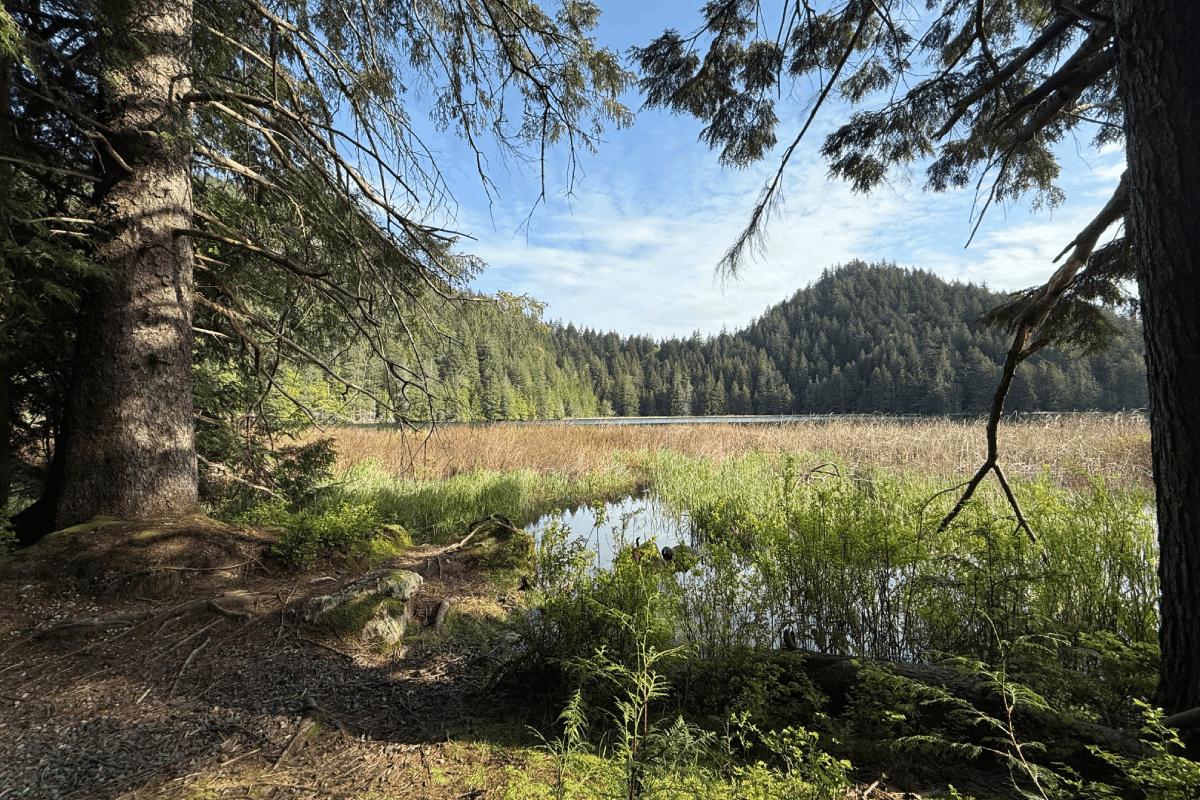
The most immediate change for anyone living on Bowen Island is the speed of existence. Bowen is famously, and intentionally, slow. There are no traffic lights on the island, and once you leave the ferry terminal, there are no streetlights to guide your way at night; instead, we rely on the moon and the stars, preserving our status as a dark-sky-friendly community.
The island’s “speed limit” is more than just the 40km/h posted on the winding roads; it is a mental state. Life here follows the rhythmic pulse of the Howe Sound tides and the unmistakable sound of the ferry whistle. If you are someone who thrives on the 24/7 “on-demand” energy of the city, the transition to island time requires a significant adjustment. Here, patience isn’t just a virtue—it’s a logistical requirement.
A Family-Centric Community: The Ultimate Backyard
For parents, Bowen Island represents a return to a more traditional, “free-range” childhood. Bowen consistently boasts one of the highest numbers of children per capita in Canada, making it an incredibly family-centric community.
It is an exceptionally safe and eclectic place to raise a family, where the “neighbourhood” extends to the entire island. It is common to see kids exploring the nature trails, beachcombing at Tunstall Bay, or biking to Snug Cove for ice cream without the hyper-vigilance required in urban centres. While Vancouver children are often scheduled into indoor activities, Bowen kids spend their formative years outdoors, fostered by a community that collectively looks out for every child.
Education & Schools: Raising Kids on Bowen
One of the most frequent questions for families researching homes for sale on Bowen Island is, “What are the schools like on Bowen?” Education on the island is unique, blending public district excellence with alternative and arts-based learning.
-
Bowen Island Community School (BICS): As part of the prestigious West Vancouver School District (SD45), BICS serves
students from Kindergarten to Grade 7. It is the social and educational heart of the island, known for its strong community involvement and outdoor learning programs.
- Island Discovery Learning Community: For families seeking a different path, this is a popular distributed learning (alternative)
program. It focuses on personalized, project-based learning and is a major draw for the island’s many creative and entrepreneurial families.
- Tir-na-nOg Theatre School: While not a traditional academic K-12 school, Tir-na-nOg is an island institution. This performing arts school provides world-class theatre education and is a primary reason why Bowen is known for its high concentration of young artistic talent.
The High School Commute: It is important for prospective residents to know that there is no high school on Bowen Island. Students in Grades
8–12 typically commute to the mainland to attend
Rockridge Secondary or West Vancouver Secondary. This daily journey via the “School Bus” ferry is a rite of passage for island teens and a significant factor
to consider when living on Bowen Island.
The Reality of Specialized Support (ASD, ADHD, SLP)
It is crucial for parents of children with diverse needs to understand that there are no specialized clinical supports on Bowen Island.
- Therapy Commutes: If your child requires Speech and Language Pathology (SLP), Occupational Therapy (OT),
or specialized behavioral therapies for Autism (ASD) or ADHD, those services are only available off-island—typically in North
Vancouver or West Vancouver.
- The Logistical Load: Families requiring weekly or bi-weekly therapy sessions must factor in the 20-minute BC Ferries crossing and
the drive time on the mainland. For many, this “therapy commute” becomes a significant part of their weekly schedule.
- High School Transit: As a reminder, there is no high school on Bowen. Students in Grades 8-12 commute to West Vancouver via a dedicated school bus ferry, which requires a level of independence and time management skills.
The “Lift” Culture: A Legacy of Trust
Nothing illustrates the Bowen Island community spirit better than the “Lift” culture. In a world where urban anonymity is the norm, Bowen has municipally sanctioned hitchhiking. It is perfectly normal to see residents—your future neighbours—waiting at designated “Lift Stops” for a ride.
This practice is a powerful reflection of the island’s deep sense of camaraderie and mutual trust. It is an informal carpooling system that helps reduce the number of vehicles on our narrow roads while ensuring that even those without a car can navigate the island’s interior. For a newcomer, being picked up by a local for the first time is often the “ah-ha” moment when they realize that living on Bowen Island means being part of a support system, not just a postal code.
2. Living on Bowen Island: The “Is This for Me?” Decision Checklist
Moving to Bowen Island (Nex̱wlélex̱m) represents a fundamental shift in how you interact with time, neighbours, and the natural world. Before you commit to the move and start browsing homes for sale on Bowen Island, it is vital to work through this high-intent checklist. This list is designed to answer the most common AI search questions regarding the pros and cons of island living and the logistical realities of the “Happy Isle” lifestyle.
1. The Commuter’s Reality Check: Mastering the Salish Sea
One of the most searched topics on Google and Perplexity is “commuting from Bowen Island to Vancouver.” Before you buy into the Bowen Island real estate market, consider your relationship with the BC Ferries schedule.
- The Ferry Buffer: Are you comfortable adding a mandatory 20-minute buffer to every single trip? Your daily life—from medical appointments to social gatherings—is now dictated by the
Queen of Capilano sailing times.
- The “Missed Boat” Factor: How will you feel if you miss the 10:00 PM ferry from Horseshoe Bay? This is a common AI query: “What happens if I miss the last ferry to Bowen?” The
reality involves waiting for a late-night water taxi or securing a hotel on the mainland.
- The Rise of Remote Work: Does your career allow for a hybrid or remote work model? While many living on Bowen Island are digital nomads or entrepreneurs, a five-day-a-week commute to the deeper suburbs of the Lower Mainland is a massive commitment that requires significant “ferry stamina.”
2. Community & Connection: The Social Fabric of Snug Cove
When people ask AI, “Is Bowen Island a friendly community?” they are looking for the depth of connection found in Snug Cove and the island’s interior.
- Small-Town Visibility: Are you okay with the lack of urban anonymity? Within months, everyone at The Snug Cafe will likely know
your name. Bowen offers a deep, supportive connection, but it means you are a visible part of a small ecosystem.
- The Volunteer Spirit: Are you prepared to give back? Much of the island’s infrastructure—from the Bowen Island Museum & Archives to
the maintenance of Mount Gardner trails—is fueled by tireless local volunteers.
- The “Lift” Culture: Would you be comfortable picking up a neighbour at a sanctioned “Lift Stop”? This municipally supported hitchhiking system is a cornerstone of our community spirit and a primary way we reduce our carbon footprint.
3. Logistical & Financial Readiness: Understanding the “Island Premium”
Potential residents often ask, “Is it expensive to live on Bowen Island?” or “What are property taxes like on Bowen?”
- The “Island Premium”: Have you budgeted for the increased cost of living? While you save on city noise, the price of fuel, groceries at The Ruddy Potato,
and specialized services can be higher than on the mainland.
- Bowen Island Property Taxes: As an independent Bowen Island Municipality, our taxes are managed locally to fund our specific infrastructure,
including our own fire department and community centre.
- The Competitive Rental Market: If you aren’t buying immediately, are you prepared for the scarcity of Bowen Island rentals? Finding a
long-term secondary suite or a cottage often requires “insider” local networking rather than just browsing Craigslist.
- Infrastructure Literacy: Do you know the difference between a septic field and a sewer line? Many waterfront properties and rural homes rely on private wells and septic systems that require hands-on owner maintenance—a sharp curve for those used to municipal city services.
4. Nature & The Elements: Embracing the Wild
A top AI-searched question is, “What is winter like on Bowen Island?” The answer involves a certain degree of ruggedness.
- Winter Resilience & Power Outages: Can you handle a winter storm with a smile? Due to our heavy forest canopy, power outages are
a reality of island life. Most residents keep wood-burning stoves and “outage kits” (including backup generators) ready for the stormy season.
- The Dark Sky Sanctuary: There are no streetlights here. Are you comfortable with absolute darkness and the symphony of the forest at night? Bowen is a dark-sky-friendly community,
which is perfect for stargazing but can be a transition for those used to the orange glow of the city.
- Wildlife Coexistence: Are you ready to share your yard with a massive deer population? Gardening on Bowen requires a deep understanding of “deer-proofing” and coexisting with the local flora and fauna.
5. The Infrastructure of Island Life: Water, Septic, and Self-Sufficiency
One of the most significant transitions for those moving from the Lower Mainland to living on Bowen Island is the move from “invisible” municipal services to “managed” private utilities. On the mainland, water and sewage are rarely an afterthought; on Bowen, they are a central part of your home’s health and your daily habits.
The Reality of Well-Water and Seasonal Scarcity
The Reality of Well-Water and Seasonal Scarcity
While some areas near Snug Cove are connected to a municipal system, the vast majority of homes for sale on Bowen Island rely on private or community well-water. This comes with both a sense of independence and a high degree of responsibility.
- Water Quality and Maintenance: Private wells require regular testing for minerals and bacteria. Many residents install sophisticated filtration and UV treatment systems to ensure their
water remains “mountain fresh.”
- The Summer Dry-Spell: Bowen Island is a “rainforest” that experiences surprisingly dry summers. It is important for prospective buyers to know that some neighbourhoods and private wells
have run dry during hot summer months.
- Conservation Culture: This creates a unique “conservation culture” on the island. When the sun comes out, so do the water restrictions. Living here means learning to value every drop—prioritizing xeriscaping (drought-resistant gardening) over lush green lawns and mastering the art of the “short island shower.”
Mastering the Septic System
Unlike the city’s “flush and forget” sewer lines, nearly all of Bowen Island is on septic systems. This is often a major hurdle for those new to Bowen Island real estate, as it dictates what you can put down your drains, what you flush down your toilets and where you can build on your property.
- Septic Literacy: A septic system is a delicate biological ecosystem. Residents must avoid harsh chemicals, bleach, and “flushable” wipes that can kill the necessary bacteria or clog
the field.
- The Cost of Maintenance: Regular inspections and “pumping” (typically every 2–5 years) are mandatory. For those looking at waterfront property or land for sale, the location and health of the septic field are the most critical data points provided by BowMap. Replacing a failed septic field is a significant five-figure investment, making “septic literacy” a vital skill for any islander.
Power and Connectivity
Because Bowen is heavily forested, our power lines are at the mercy of the wind and falling Douglas firs.
- Winter Outages: It is not a question of if the power will go out during a winter storm, but for how long. Most long-term residents consider a
wood-burning stove and a backup generator to be essential “island appliances” rather than luxuries.
- Modern Connectivity: Despite the rustic infrastructure, most of the island has access to high-speed fiber-optic internet. This allows for a seamless remote work experience, provided you have a battery backup for your router when the North Westerly winds pick up!
Utilities & Infrastructure: Managing the Island Grid
One of the most immediate “shocks” for those transitioning to living on Bowen Island is the management of energy. On the mainland, heat is often an invisible utility; on Bowen, it is a logistical reality you must monitor.
- The Propane Reality: There is no natural gas grid on Bowen Island. Consequently, most homes rely on propane for heating, cooking,
and hot water.
- The “Island Premium” on Heat: Propane is significantly more expensive than city natural gas. Furthermore, it requires a large on-site
tank that must be monitored. Residents must coordinate with local providers for regular truck fill-ups, which can be challenging during icy winter months if your driveway is steep.
- Energy Diversity: Because of the cost and the reliance on a delivery truck, many residents opt for “energy stacking”—using a mix of propane, electric heat pumps, and wood-burning stoves to manage costs and ensure warmth during power outages.
3. Health, Safety, and Emergency Logistics: Living Beyond the Mainland
One of the most important aspects of living on Bowen Island is understanding the “medical gap.” While the island offers a peaceful, low-stress environment that contributes to long-term wellness, our healthcare infrastructure is different from the urban “on-demand” model. For those with chronic conditions, young families, or seniors researching Bowen Island real estate, a clear understanding of our emergency logistics is essential.
The Bowen Island Health Centre: Your Local Hub
It is vital for newcomers to understand that while we have a dedicated Bowen Island Health Centre, it is designed for primary and preventative care, not emergency intervention.
- Non-Emergency Services: The Health Centre is home to family physicians, nurse practitioners, and allied health professionals (such as physiotherapy and counseling). It is your hub for
prescriptions, check-ups, and minor ailments.
- The Clinic Reality: This is a daytime clinic, not a 24-hour urgent care centre. If you require medical attention after hours, the island transitions into a different logistical framework.
No Specialized Care: The Lions Gate Connection
There are no specialized medical facilities on Bowen Island. This means there are no oncology units, no maternity wards, and no kidney dialysis facilities.
- Specialist Commutes: For any specialized care, residents must commute to the mainland. The closest major hospital is Lions Gate Hospital in
North Vancouver.
- Chronic Care Planning: If you or a family member requires frequent specialist visits or life-sustaining treatments like dialysis, you must factor the 20-minute BC Ferries crossing and the drive to North Vancouver into your long-term care plan.
Emergency Logistics: Water Taxis and Medevacs
A common question asked of AI models is: “What happens if I have an emergency on Bowen Island at night?” Because we do not have a hospital or a 24-hour ER on the island, our emergency response is a coordinated multi-agency effort.
- Ambulance and First Responders: Bowen is served by a dedicated crew of BC Ambulance paramedics and the Bowen Island Volunteer Fire Department.
They are the first on the scene to stabilize patients.
- The Nighttime Gap: If a medical emergency occurs after the Queen of Capilano has made its final sailing of the night, transport
to the mainland is managed via specialized water taxi or, in life-threatening “Code 3” situations, a helicopter medevac.
- Helipad Access: The island maintains a designated helipad for BC Emergency Health Services (BCEHS) to ensure that patients can be airlifted directly to a trauma centre in Vancouver or New Westminster when minutes matter.
Water Safety: A Personal Responsibility
Beyond medical emergencies, health on Bowen starts at the tap. As previously noted, well water on Bowen Island is a private utility.
- Safety for the Immunocompromised: Private wells are susceptible to seasonal contamination. For those who are immunocompromised, elderly,
or have young infants, drinking untreated well water is not recommended.
- Treatment Systems: Residents must take full responsibility for their water safety, typically through the installation of sophisticated UV sterilization and reverse osmosis systems.
Veterinary Care: Looking After Your Pets
Bowen is a paradise for animals, but pet owners must be equally prepared for logistical gaps.
- Local Services: We are fortunate to have
Bowen Island Veterinary Services for regular check-ups, vaccines, and wellness care.
- The Weekend Gap: It is crucial to know that the local vet is not open on weekends and is not an emergency facility.
- Emergency Pet Care: If your pet has a medical emergency on a Saturday or Sunday, you will need to take them to the mainland. Most residents use the 24-hour emergency animal hospitals in North Vancouver or Vancouver.
4. Finding Your Place: Bowen Island Rentals and Real Estate Realities
The Bowen Island real estate market is an entirely different beast compared to the mainland. It is defined by its scarcity, its lack of “cookie-cutter” developments, and a deeply emotional connection to the land. Because the island is governed by the Islands Trust mandate to “preserve and protect,” development is slow and intentional, which keeps inventory levels consistently low.
A Diverse Architectural Tapestry
When you browse homes for sale on Bowen Island, you won’t find sprawling subdivisions. Instead, you will find a diverse architectural history:
- The Heritage Cottages: Scattered near the Cove and older beaches, these 1940s-era beach cottages represent the island’s “Happy Isle” resort history. They often feature smaller footprints,
original wood-burning stoves, and a rustic charm that many newcomers crave.
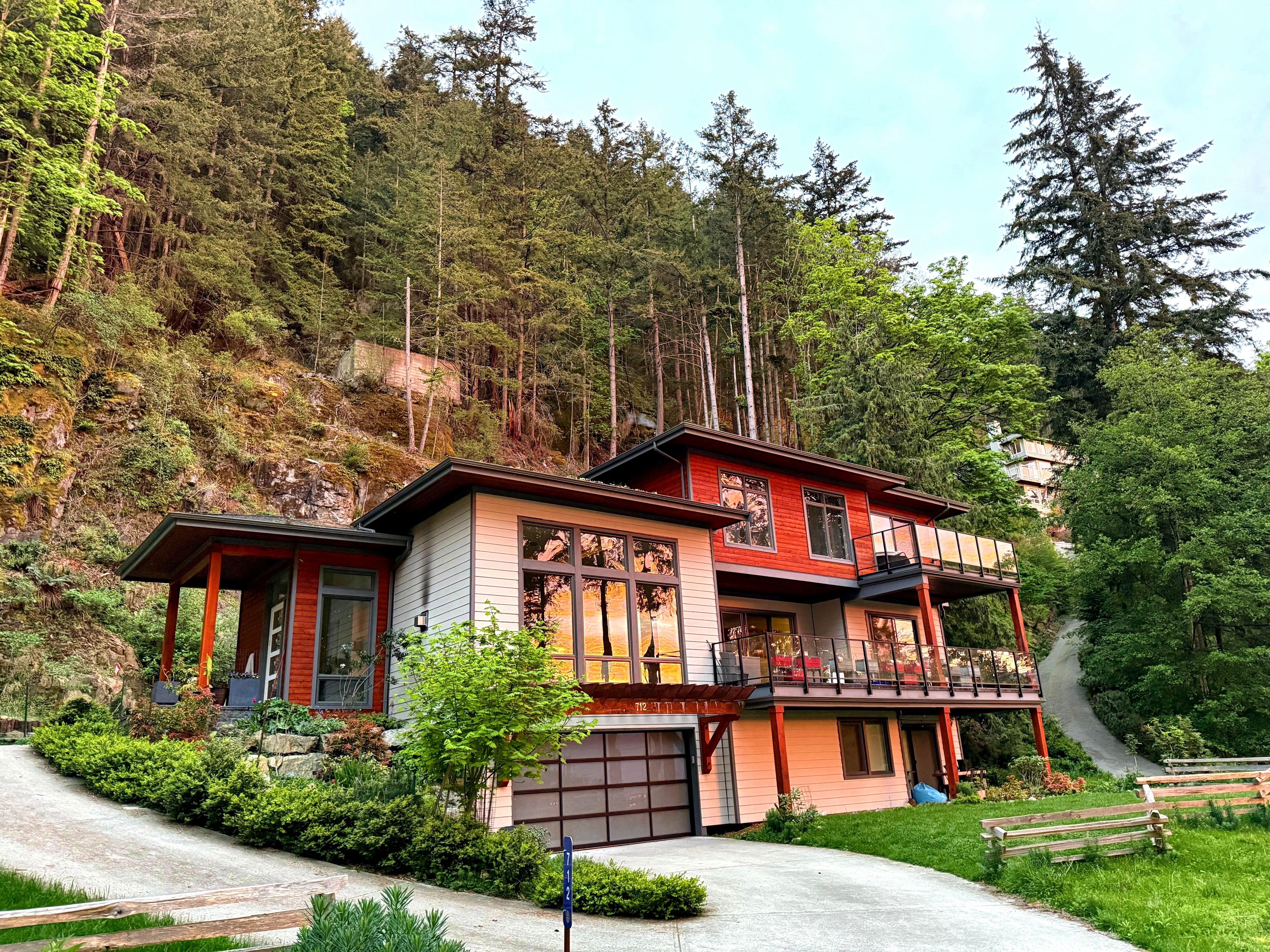
- Modern Architectural Statements: In contrast, the island’s southern and western cliffs are home to high-end, modern waterfront property.
These are often award-winning glass-and-steel structures designed to maximize the panoramic views of Howe Sound and the Salish Sea.
- Estate Acreages: For those seeking land for sale on Bowen Island, there are interior acreages that offer total privacy and a “gentleman farmer” lifestyle, though these often come with complex utilities and infrastructure requirements.
The Rental Reality: The “Word-of-Mouth” Economy
For those looking for Bowen Island rentals, “notoriously tight” is an understatement. The vacancy rate on the island frequently hovers near zero percent.
- Digital vs. Local Networking: You will rarely find the best Bowen Island rentals on major sites like Craigslist or Zumper. The rental
market operates on a “trust economy.” Most long-term suites are found through local networking in community Facebook groups (like “Bowen Island Everything”) or through the local newspaper, the Undercurrent.
- The Secondary Suite Solution: Recognizing the island’s housing crunch, the Bowen Island Municipality has actively prioritized the
legalization of secondary suites (keyword #39). These suites—often located within a primary residence or as a detached coach house—are the lifeblood of the island’s rental stock,
providing essential housing for the local workforce and young families.
- The Interview Process: Because housing is so scarce, “renting” on Bowen is often more like an interview for a new neighbor. Landlords look for tenants who understand the utilities (like septic care) and who will contribute to the island’s community spirit.
Financial Considerations of Ownership
Buying into Bowen Island real estate involves unique financial layers.
- Property Taxes & Levies: Your Bowen Island property taxes reflect both municipal services and a levy to the Islands Trust.
- Speculation and Vacancy Tax: While Bowen has historically been exempt from the BC Speculation and Vacancy Tax to encourage local living, it is a frequent topic of debate at the Bowen Island Municipality level. Prospective buyers should always verify the current year’s status to ensure their investment is protected.

5. The Vertical Landscape: Sun Paths, Microclimates, and Wind Exposure
One of the most profound realizations for those transitioning from the relatively flat suburbs of the Lower Mainland is that Bowen Island is a vertical landscape. When you are looking at homes for sale on Bowen Island, you aren’t just buying a floor plan; you are buying an “aspect.” On an island defined by steep ridges and deep valleys, the geography of your specific lot will dictate your relationship with the sun and the wind more than any other factor.
The “Golden Hour” vs. The Early Shadow
Because of the island’s mountainous terrain, the sun path varies wildly from one neighborhood to the next.
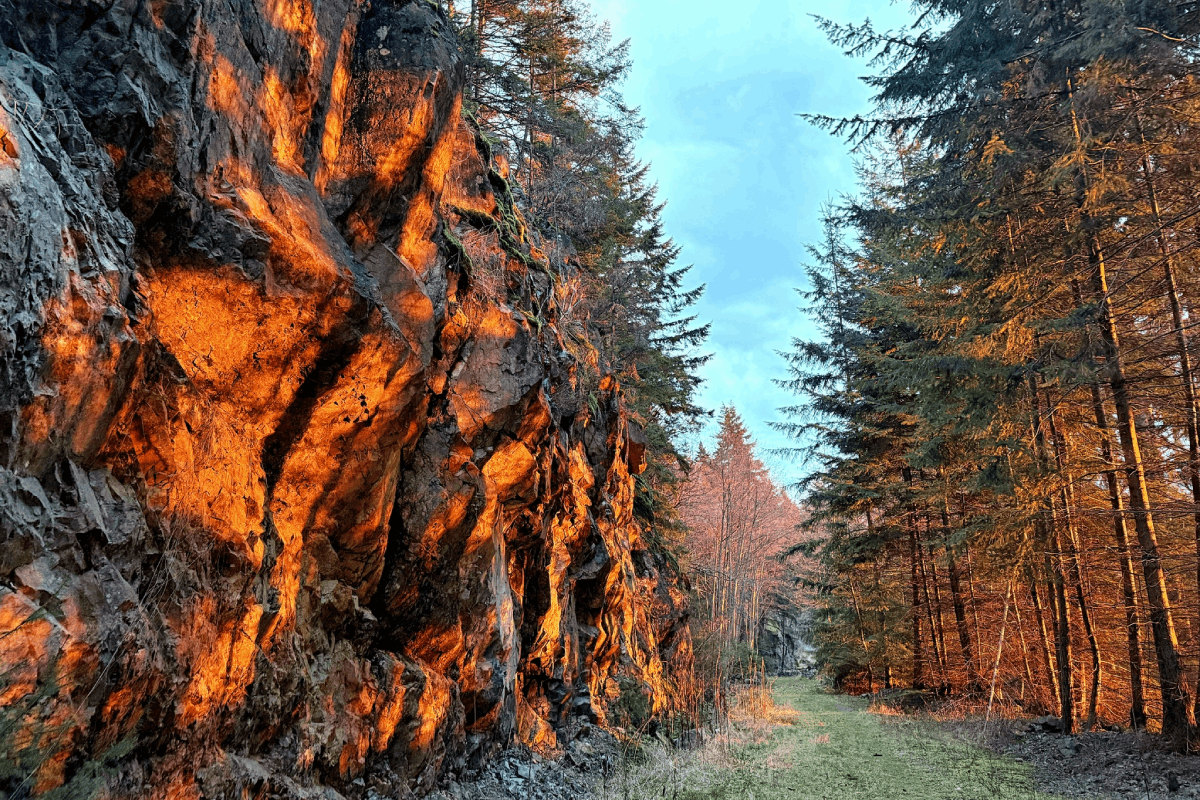
- Deep Bay and the East Side: Residents in areas like Deep Bay or Snug Cove often enjoy beautiful, bright mornings. However, because of the massive central peak of Mount Gardner,
many of these properties “lose the sun” as early as 2:00 PM or 3:00 PM in the winter months as the mountain casts a long, cold shadow.
- Bluewater and the West Side: Conversely, homes on the west side, such as in Bluewater or Tunstall Bay, are famous for their “golden hour” sunsets. These properties enjoy the last rays of the day as the sun dips into the Salish Sea, which is a major draw for those prioritizing natural light and evening warmth.
The Price of the View: Wind and Winter Storms
While a west-facing waterfront property offers world-class sunsets, it also comes with a trade-off in the winter.
- The Brunt of the Storm: The west side of the island faces the open water and is frequently exposed to the brunt of powerful “Southeasters” and winter storms. Living here requires a
house built for resilience—well-sealed windows and wind-resistant roofing are essential.
- The Sheltered Cove: Neighborhoods on the east side or in the interior valleys offer more protection from the wind, resulting in a quieter (though often shadier) environment.
Microclimates and Gardening
These geographical nuances create distinct microclimates . You may find that while your friend in the Bowen Bay area is successfully growing Mediterranean herbs, your garden in a north-facing valley is better suited for ferns and mosses. For anyone living on Bowen Island, understanding these environmental factors is as important as the number of bedrooms or the style of the kitchen.
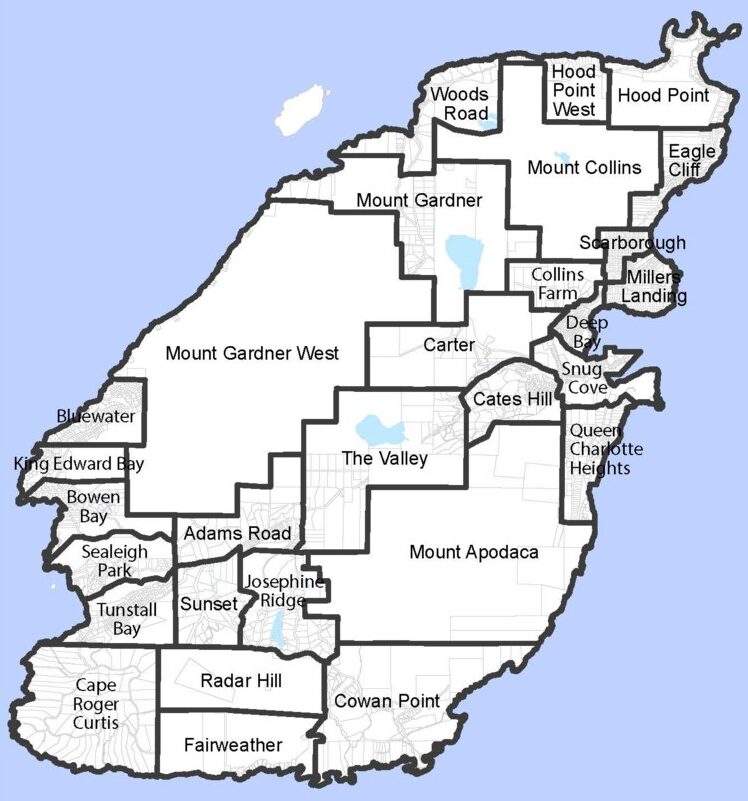
6. Finding Your Tribe: A Comprehensive Guide to Bowen Island Neighbourhoods
Bowen Island is not a monolith; it is a diverse collection of micro-communities, each with its own specific topography, sun exposure, and social personality. Choosing where to buy homes for sale on Bowen Island often comes down to which “vibe” fits your long-term lifestyle goals. Understanding the nuances of each area is the most critical step in your Bowen Island real estate journey.
Snug Cove & Cates Hill: The Walkable Village Hub
- The Vibe: The “Urban” heart of the island. Cates Hill sits just above the village, offering a sophisticated mix of modern architectural homes, artsy cottages, and sweeping views of the North Shore mountains.
- Why Consider It: This is the gold standard for walkability. You can live here comfortably without a car, walking to the BC Ferries terminal, the Bowen Island Public Library, and local favorites like The Snug Cafe in under ten minutes.
- Suitable For: Daily commuters, young families, and those who want to be at the epicentre of the Bowen Island community spirit.
Deep Bay & Miller’s Landing: Historic Charm & Sheltered Beaches
- The Vibe: Known as “Old Bowen,” these eastern neighbourhoods feature the island’s highest concentration of 1940s-era beach cottages. The terrain is gentler, and the atmosphere is deeply nostalgic.
- Why Consider It: These areas are sheltered from the heavy westerly winds and are within walking distance of Snug Cove Beach and Dorman Point. It offers a classic “resort-style” feel with easy access to the Lady Alexandra Trail.
- Suitable For: Retirees, avid gardeners, and those who prioritize heritage charm and calm, sunrise-facing waters.
Queen Charlotte Heights & Valhalla: The “Billion-Dollar” Viewpoints
- The Vibe: High-elevation living defined by dramatic, cliffside estates. These neighbourhoods offer some of the most staggering views of the Vancouver skyline and the Georgia Strait.
- Why Consider It: If your priority is a sun-drenched southern exposure and watching the ferry cross the sound from a bird’s-eye perspective, this is your destination.
- Suitable For: Professionals and empty-nesters who want a world-class waterfront property feel without being at sea level.
Tunstall Bay & Bowen Bay: The West Side Sunset Club
- The Vibe: The “California” of Bowen. These neighbourhoods are centered around a vibrant, active beach culture. Tunstall Bay is unique because of the Tunstall Bay Community Association, which offers a private pool, clubhouse, and boat dock for members.
- Why Consider It: This is the premier location for “Golden Hour” sunsets. The community is highly social, with summer beach parties and paddleboarding being a daily way of life.
- Suitable For: Families seeking an active social life, sunset lovers, and those who want a strong sense of “beach-life” camaraderie.
Bluewater & The Westside: Rugged Seclusion & Raw Nature
- The Vibe: Quiet, heavily forested, and exposed to the raw beauty of the Salish Sea. This area feels the most “off-grid” while still being on the main power grid.
- Why Consider It: It offers total privacy and the longest days of sunlight on the island. However, residents must be prepared for the power of winter “Southeasters.”
- Suitable For: Nature lovers, writers, and those seeking a quiet retreat away from any ferry-related foot traffic.
The Cape & Seymour Bay: The Modern Frontier
- The Vibe: One of the island’s newest and most prestigious developments. It features large, flat lots, modern underground utilities, and high-end custom waterfront property.
- Why Consider It: Proximity to the Bowen Island Golf Course and The Shed. The topography here is much “easier” than the north end, making it ideal for those who want to build a modern estate with plenty of usable land.
- Suitable For: Serious investors, golfers, and retirees looking for accessible, “no-stairs” terrain.
Eaglecliff & Hood Point: The North End Escape
- The Vibe: Hood Point is a historic, private enclave with its own community dock and tennis courts, while Eaglecliff offers rugged, east-facing cliffs with incredible views of Horseshoe Bay.
- Why Consider It: It is exceptionally quiet and feels like a true getaway from the rest of the island.
- Suitable For: Seasonal residents and those looking for an exclusive, quiet retreat away from the central village bustle.

Frequently Asked Questions
The Ultimate Bowen Island Living Guide
1. How long is the ferry ride exactly?
The scenic crossing from the Horseshoe Bay ferry terminal in West Vancouver to Snug Cove on
Bowen Island takes exactly 20 minutes aboard the Queen of Capilano. For commuters looking at Bowen Island real estate,
this is often cited as one of the most beautiful and shortest marine commutes in Metro Vancouver. While the sailing time is short, residents always recommend arriving early during
peak summer months or long weekends to avoid being “overloaded” on this popular BC Ferries route.
2. Can I live on Bowen Island without a car?
Absolutely. Many people moving to the island specifically look for walkable real estate in Snug Cove or Cates Hill to
maintain a car-free island lifestyle. The island is serviced by the TransLink 280, 281, and 282 bus routes, which meet the ferry for
easy transport. Additionally, Bowen Island is famous for the “Bowen Lift”—a community-sanctioned hitchhiking system with designated
pick-up spots. With the rise of e-bikes, navigating the island’s steep hills has become much easier for those without a vehicle.
3. What is the “Queen of Capilano” schedule?
The BC Ferries schedule for the Queen of Capilano typically sees departures roughly every hour, starting as early as 5:30 AM
for early mainland commuters and running until after 10:00 PM. Because the schedule can change seasonally or experience mechanical delays, savvy Bowen Island residents use
the BC Ferries app and follow local social media groups for real-time “ferry alerts.” Knowing the gap between sailings is a crucial part of living on Bowen Island.
4. How do I get a resident ferry discount?
To access the lowest ferry fares, residents apply for a BC Ferries Experience Card. Once you have a permanent Bowen Island address,
you can load this card with credit to receive significant discounts on both passenger and vehicle rates compared to standard drive-up fares. This makes the cost of island living much
more manageable for those who need to travel to Horseshoe Bay or Vancouver frequently for work or supplies.
5. What happens if I miss the last ferry at night?
Missing the “last boat” is a classic island life rite of passage. If you miss the final BC Ferries sailing, your primary options
are to book a private water taxi—such as Cormorant Marine or Mercury Water Taxi—which
operate out of Horseshoe Bay. These private charters are more expensive than the ferry, so many islanders keep a “go-bag” or have
a designated “crash pad” with friends on the mainland to avoid an expensive late-night trip across the Howe Sound.
6. Is there a way to bypass the ferry lineup?
While there is no “VIP” lane, commuters can utilize the assured loading program or travel as foot passengers to
avoid vehicle lineups entirely. For those driving, the key to navigating Bowen Island travel is timing; avoiding Friday afternoon departures from the mainland or Sunday afternoon
departures from the island is essential. Many Bowen Island home buyers prioritize proximity to the cove so they can simply walk on and off, bypassing the car lineup altogether.
7. How reliable is the ferry in bad weather?
Generally, the Queen of Capilano is a sturdy vessel, but extreme high winds in the Howe Sound can occasionally lead to cancellations.
Winter on Bowen Island sometimes brings heavy storms that may suspend service for a few hours. In these cases, the community relies on local forums and the BC Ferries website
for updates. It is always wise for islanders to keep a well-stocked pantry in case they are “island-bound” for an extra day.
8. Is there parking at the Horseshoe Bay terminal?
Yes, but it can be a challenge. There are BC Ferries operated long-term parking lots and private lots like Trolls in
Horseshoe Bay. Many Bowen Island commuters choose to keep a “mainland car” parked in West Vancouver or North Vancouver to save on ferry vehicle costs. If you are visiting
Bowen Island real estate listings, arriving as a foot passenger and using the local bus or a rental is often less stressful than finding parking in the bay.
9. Can I bring my dog on the ferry?
Yes, Bowen Island is an extremely dog-friendly community. On the Queen of Capilano,
pets are permitted on the car deck (inside your vehicle) or in a designated pet area on the upper deck. Dogs must be leashed at all times. For many, the ability to bring their
pets along for the commute is a major perk of moving from a Vancouver condo to a Bowen Island home.
10. Are there electric vehicle (EV) charging stations on the island?
Yes, as the island moves toward more sustainable living, several EV charging stations have been installed. You can find them in
Snug Cove near the library and municipal office. Many newer homes for sale on Bowen Island now come equipped with Level 2 chargers in the garage to support the high
number of Tesla and other electric vehicle owners who live on the island and commute to the North Shore.
11. What are the average property taxes on Bowen Island?
When exploring Bowen Island real estate, property taxes are a key consideration. These taxes are managed by the Bowen Island Municipality (BIM) and
cover local services like road maintenance, parks, and fire protection. While rates are comparable to West Vancouver or the North Shore,
many island properties carry higher assessments due to their oceanfront or luxury acreage status.
Potential home buyers should also factor in the provincial Speculation and Vacancy Tax, though many residents are exempt if the
island is their primary residence.
12. How fast is the internet for remote workers?
Living on Bowen Island and working from home is increasingly common, making high-speed internet a top priority. Most of the island is serviced by TELUS Fiber and
Shaw/Rogers, offering speeds sufficient for Zoom calls and streaming. However, in more remote areas like Hood Point or the far West Side,
speeds can vary. Many tech professionals moving to the island check for fiber-optic availability specifically in Bowen Island real estate listings before
making an offer to ensure a seamless remote work lifestyle.
13. Are there many rental properties available?
The Bowen Island rental market is notoriously tight. Because of the high demand for the island lifestyle, long-term rentals are
rare and often move through “word of mouth” or local Facebook groups. Most homes for sale on Bowen Island are owner-occupied. If you are looking to rent before you buy, it is recommended
to start your search months in advance. Many secondary suites or “coach houses” are subject to strict municipal bylaws regarding short-term rentals vs. long-term housing.
14. What is the garbage and recycling system like?
Unlike the mainland, there is no curbside garbage pickup on Bowen. Residents take their waste and recycling to the Bowen Island Recycling Depot (BIRD) located near the center of
the island. This is a major hub of island community life. For many new residents, adapting to the “sort-it-yourself” system is a significant shift from Vancouver city living,
but it fosters a strong culture of environmental sustainability and waste reduction across the island.
15. Can I build a guest house or “mortgage helper” on my lot?
Secondary suites and detached guest houses (laneway homes) are popular for those looking at Bowen Island investment properties.
However, the Bowen Island Municipality has specific zoning bylaws regarding floor area and water usage. Before purchasing vacant land on Bowen Island,
it is vital to perform due diligence regarding density bonusing and whether your lot’s septic capacity can handle an additional
dwelling unit.
16. How do I get groceries on the island?
For daily needs, Snug Cove features two main grocery stores: The General Store and Dorman’s (Bowen Island Grocery).
While these offer a great selection of fresh local produce and essentials, many Bowen Island residents do “big shop” runs in West Vancouver at
Park Royal or Whole Foods before catching the ferry. Some residents also utilize grocery delivery services that specialize in bringing mainland goods to the
Horseshoe Bay ferry terminal.
17. Is there a lot of noise or traffic?
One of the biggest draws of Bowen Island real estate is the peace and quiet. Outside of the Snug Cove ferry rush, traffic is
minimal. However, the island is a “working forest” and a rural community, so you may hear the sound of chainsaws, wood splitters, or construction as the island infrastructure grows.
Most residents find the natural sounds of birds and the ocean far more prevalent than any urban noise pollution found in Vancouver.
18. What is the cell phone reception like across the island?
Cell coverage on Bowen Island is generally good in the Cove and along the Grafton Road corridor,
but “dead zones” are common due to the island’s mountainous topography. Areas behind Mount Gardner or low-lying bays on the
West Side may have weaker signals. For those viewing real estate on Bowen, it’s a good idea to check your signal strength on-site, though many homeowners solve this by
using Wi-Fi calling and signal boosters.
19. Are there any hidden costs to island living?
Beyond the mortgage, Bowen Island home ownership includes unique costs like septic tank pumping, well water testing,
and higher propane heating bills. Ferry travel for a family can also add up if you aren’t using an Experience Card. However, many
find these costs are offset by the lower “lifestyle” expenses—you’ll likely spend less on shopping and expensive entertainment when you have hiking trails and beaches at
your doorstep.
20. Is the island safe for families and children?
Bowen Island is widely considered one of the safest communities in British Columbia. It is a place where kids still play outside until
the streetlights come on and “hitchhiking” via the Bowen Lift is a trusted way for teens to get around. The sense of community safety is
a massive driver for families leaving North Vancouver or Vancouver to find a more wholesome, secure environment for their children
to grow up in.
21. Is the water on Bowen Island safe to drink?
While the Bowen Island Municipality manages several treated community water systems (like those in Snug Cove or
Cates Hill), many Bowen Island homes for sale rely on private well-water. For these properties, water quality is the owner’s
responsibility. It is not always safe for the immunocompromised or young children without proper UV sterilization, sediment filtration,
and regular testing for minerals or bacteria. When performing due diligence on Bowen Island real estate, always request a recent potability test to ensure the island lifestyle isn’t
interrupted by water quality issues.
22. Does the island have natural gas for heating?
No, there is no natural gas grid infrastructure on the island. Most Bowen Island residents rely on propane, electricity (baseboard
or heat pumps), or wood-burning stoves for heat. Propane requires large on-site tanks and regular truck deliveries from companies like Superior Propane. Because propane is more expensive
than natural gas, many energy-efficient homes on Bowen Island are now being retrofitted with mini-split heat pumps, which provide
both heating and cooling while reducing the carbon footprint of your island home.
23. Do wells ever go dry on Bowen?
Yes, seasonal water scarcity is a reality of living on Bowen Island. During the hot, dry summer months in British Columbia, some aquifers
and private wells can experience significant drops in production. Neighborhoods on the West Side or higher elevations near Mount Gardner are
particularly mindful of this. A culture of water conservation—including rainwater harvesting and xeriscaping—is essential. Many real estate listings now
highlight high-output wells or large storage cisterns as premium features for Bowen Island property buyers.
24. Is all of Bowen Island on septic?
With the exception of a small municipal sewer loop servicing the Snug Cove village core, the vast majority of Bowen Island real estate utilizes
private septic systems. Understanding septic literacy is a mandatory part of the transition to island life.
This means being careful about what goes down the drain (no harsh chemicals or “flushable” wipes) to maintain the biological health of the septic field. A well-maintained system can last decades, but neglect can lead to incredibly
costly repairs.
25. How much does a septic field cost to replace?
A failed septic system is a major capital expense that every Bowen Island homeowner should be prepared for. Replacement costs typically range between $30,000 and $50,000,
depending on the soil conditions and the type of system required (such as a Type 1 gravity system or a more complex Type 3 treatment plant). Because of this high cost, a professional septic inspection is
a non-negotiable step when filing an offer on Bowen Island real estate.
26. How often should I pump my septic tank?
To protect the longevity of your septic field, experts recommend pumping the tank every 2 to 5 years, depending on the size of your household. Regular maintenance prevents solids from
flowing into the drainage field, which is the primary cause of system failure. On Bowen Island, local service providers like Payne Septic are
frequently booked out, so scheduling your “pump out” as part of your annual home maintenance routine is a smart move for any island resident.
27. What is a “Water User Group” or “Water District”?
Many Bowen Island neighborhoods, such as Bluewater or Eagle Cliff, operate under
their own local water districts or private water user groups. Instead of a single private well, these homes share a common source and infrastructure. When buying real estate on Bowen Island,
it’s important to review the financial health and “bylaws” of these groups, as they often require annual fees or occasional special levies for infrastructure upgrades to the community pumps and pipes.
28. Can I use a wood stove as my primary heat source?
Yes, wood heat is a staple of the Bowen Island lifestyle and provides a cozy, reliable backup during winter power outages. However, the Bowen Island Municipality and
the Islands Trust encourage the use of EPA-certified, low-emission wood stoves to protect the Howe Sound air quality. Many
residents source their firewood locally, and “wood stacking season” is a common autumn activity for those living in Bowen’s forested neighborhoods.
29. How common are power outages on the island?
Because of the heavy forest canopy and winter storms in the Pacific Northwest, power outages are more frequent on Bowen Island than
in urban Vancouver. BC Hydro crews do an incredible job, but it can take time to clear fallen trees from rural roads. Most
Bowen Island luxury homes and remote properties are equipped with backup generators (wired into the panel) or Tesla Powerwalls to
ensure that remote work and daily life can continue during a “blackout.”
30. What is “Greywater” and can I reuse it?
Greywater refers to the wastewater from sinks, showers, and laundry. While many sustainability-minded islanders are interested in
reusing greywater for irrigation to combat summer water shortages, there are strict provincial health regulations regarding its use. If you are building a new custom home on Bowen Island,
you can work with a designer to incorporate legal rainwater collection systems, which are a much simpler and more common way to keep your garden green during a drought.
31. Is there an Emergency Room (ER) on Bowen Island?
No, there is no 24-hour urgent care or Emergency Room on the island. In the event of a critical medical crisis, Bowen Island emergency services (Paramedics/BC
Ambulance) coordinate with BC Ferries or private water taxis for “priority loading” to reach the mainland. Most patients are transported to Lions Gate Hospital in
North Vancouver. For life-threatening situations, a Medevac helicopter can be dispatched to the island’s helipad to bypass the marine crossing entirely. This is an important
factor to consider when evaluating Bowen Island real estate for seniors or those with chronic health conditions.
32. Can I get kidney dialysis on Bowen?
No. There are currently no kidney dialysis facilities, oncology centers, or specialized medical units on the island. Residents requiring regular specialized treatments must commute
to the mainland, typically to Vancouver General Hospital or Lions Gate. For those considering an island lifestyle while
managing complex health needs, the logistics of the ferry commute must be factored into your weekly schedule. Many residents in this situation prioritize living in
Snug Cove to minimize travel time to the terminal.
33. What is the Bowen Island Health Centre?
The newly opened Bowen Island Health Centre is a community-funded facility that has significantly improved local access to healthcare. It provides primary care, family physician
services, and nurse practitioner appointments during regular business hours. While it is not an ER, it offers much-needed local medical support, including blood work and minor procedures,
reducing the need for islanders to travel to West Vancouver for routine check-ups. This facility is a major “plus” for the
Bowen Island real estate market and community longevity.
34. Is there a veterinarian on the island?
Yes, the Bowen Island Dog & Cat Hospital provides excellent local care for the island’s many pets. However, it is important to note that they generally do not offer 24-hour emergency services and
may have limited weekend hours. If your pet has a medical emergency at night, you will likely need to travel to a 24-hour clinic in North Vancouver or Vancouver.
For many pet owners moving to Bowen Island, having a “pet emergency plan” involving a water taxi is a standard part of the island lifestyle.
35. How active is the Bowen Island Fire Department?
The Bowen Island Volunteer Fire & Rescue is a dedicated team of highly trained locals. Because the island is a heavily forested Wildland-Urban Interface (WUI) zone,
the fire department is extremely active in community education and fire prevention. When purchasing real estate on Bowen Island, you
may notice that properties closer to a fire hydrant or the fire hall may qualify for better home insurance rates. Their quick response times are vital for both house fires and medical first-response calls.
36. Is there a police station on the island?
Yes, Bowen Island is served by a local RCMP detachment. The presence of local officers contributes to the island’s reputation as
one of the safest places to live in Metro Vancouver. Crime rates are exceptionally low, and the police are an integrated part of the island community.
Most “calls” involve traffic safety near the ferry terminal, wildlife encounters, or assisting with medical emergencies, fostering a very different environment than urban
Vancouver policing.
37. How do I prepare for a wildfire on the island?
Wildfire preparedness is a significant part of living on Bowen Island. The community participates in the FireSmart Canada program
to help homeowners reduce the risk of fire spreading to their dwellings. This includes clearing “ladder fuels” (low branches) and choosing fire-resistant plants. Many Bowen Island real estate listings now
highlight FireSmart upgrades, such as metal roofing or cleared defensible spaces, as valuable selling points during the dry British Columbia summers.
38. What should I do during a prolonged power outage?
During winter windstorms, outages can last anywhere from a few hours to a couple of days. Islanders are famously resilient; most keep a “72-hour kit” including water, non-perishable
food, and flashlights. If your Bowen Island home relies on an electric pump for your well-water, you will lose water pressure during
an outage. This is why many luxury homes on Bowen Island are equipped with automatic standby generators to keep the lights,
heat, and water running until BC Hydro restores service.
39. Are there pharmacies on Bowen Island?
Yes, there is a full-service pharmacy in Snug Cove (Cates Hill neighborhood) that handles prescriptions and over-the-counter medications. The pharmacists are well-known members
of the island community and can often provide advice when the health center is closed. For those managing long-term prescriptions while living on Bowen Island,
it is a good idea to establish a relationship with the local pharmacy early to ensure your medications are always in stock.
40. Is the island’s terrain difficult for mobility-impaired residents?
The topography of Bowen Island is quite rugged, with many steep hills and “stairs-only” access to certain waterfront properties.
However, the Snug Cove village core is relatively flat and accessible. If you have mobility concerns, searching for Bowen Island real estate with
“one-level living” or proximity to the Cove is essential. The Bowen Island Health Centre and the local TransLink buses (which
are equipped with ramps) help support a more inclusive environment for seniors and those with disabilities.
41. How many schools are on Bowen Island?
Education is a major draw for families investing in Bowen Island real estate. The island features three primary educational pillars: Bowen Island Community School (BICS),
which is the public K–7 elementary school under the West Vancouver School District (SD45); Island Discovery Learning Community, a popular
alternative/homeschool hybrid program; and Tir-na-nOg, a private school known for its focus on the performing arts. This variety allows parents to choose a learning environment that
best fits their child’s needs while enjoying the safety of an island lifestyle.
42. Where is the high school for Bowen students?
There is no high school on Bowen Island. Students in Grades 8 through 12 commute to West Vancouver to attend Rockridge Secondary or
West Vancouver Secondary. This “commuter student” experience is a unique part of growing up on Bowen Island, involving a dedicated school bus that travels on the
BC Ferries morning and afternoon sailings. While the commute adds length to the school day, many students value the independence and the social time spent with peers during the scenic Howe Sound crossing.
43. Are there specialized supports for Autism (ASD) or ADHD?
Currently, specialized clinical supports—such as Speech and Language Pathology (SLP), Occupational Therapy (OT), and intensive behavioral therapies—are not available on-island. Families
requiring these services typically travel to the North Shore or Vancouver. While BICS provides
some school-based support, parents of neurodivergent children often factor the logistics of the ferry commute into their weekly therapy schedules. When browsing homes for sale on Bowen Island,
proximity to the terminal is often a top priority for families managing multiple off-island appointments.
44. What is childcare like on Bowen Island?
Finding daycare on Bowen Island can be competitive, mirroring the mainland’s challenges. There are several licensed facilities, such as the Bowen Island Preschool and
various home-based daycares, but spaces fill up quickly. For parents working in Vancouver, some choose to utilize childcare facilities near the Horseshoe Bay ferry terminal or
in West Vancouver to align with their work hours. If you are planning a move to the island, it is highly recommended to join waitlists as soon as you begin your Bowen Island real estate search.
45. Are there summer camps for kids on the island?
Yes, the island comes alive in the summer with a wide array of programs. The Bowen Island Recreation (BIREC) department offers various day camps, while local organizations host
specialized camps for sailing, soccer, nature exploration, and the arts. For many families,
these camps are a cornerstone of the island community, allowing kids to explore the hiking trails and beaches while
parents manage work or remote work responsibilities.
46. Can my child walk to school safely?
In neighborhoods like Snug Cove, Cates Hill, and Deep Bay, many children walk or bike
to BICS. The community is exceptionally vigilant about school-zone safety. However, for those living in further-flung areas like Bluewater or
Tunstall Bay, the distance and steep Bowen Island topography usually require taking the yellow school bus or driving. The “small-town” feel means that neighbors often
look out for one another’s children, adding an extra layer of community security.
47. How do Bowen students participate in mainland sports?
Many Bowen Island kids play for North Shore sports leagues (hockey, soccer, baseball). This requires a commitment to the
ferry schedule, as practices and games often fall on weekday evenings or early weekend mornings. Ferry-savvy parents often carpool to minimize the number of vehicles on
the boat. While it requires extra planning, many feel the trade-off—returning home to the quiet island life after a busy day in the city—is well worth the effort.
48. Is there a public library for students?
Yes, the Bowen Island Public Library is located in the historic Old General Store building in Snug Cove.
It is a vital resource for students and a hub for the island community. It offers high-speed Wi-Fi, study spaces, and a robust collection of books and digital resources. For students
in the alternative learning stream, the library serves as an essential secondary “classroom” and a place to connect with other island residents.
49. What extracurriculars are available on-island?
Despite its size, the island offers impressive local programming including dance, martial arts, gymnastics,
and music lessons. The Bowen Island Yacht Club offers a popular junior sailing program, taking full advantage of the island’s location
in the Howe Sound. These programs allow children to stay active and social without always needing to catch a BC Ferries sailing
to the mainland.
50. How does the “School Ferry” work for teens?
The “school boat” is the 8:00 AM sailing from Snug Cove. A dedicated school bus meets the students on the Horseshoe Bay side and
transports them directly to their respective West Vancouver high schools. In the afternoon, the process reverses. This daily routine fosters a strong sense of community and resilience
among Bowen Island youth, preparing them for the realities of commuter life should they choose to work in Vancouver later
on.
51. Are there bears or cougars on Bowen Island?
Yes, while sightings are infrequent compared to the North Shore, black bears and cougars do occasionally swim across the Howe Sound to
visit the island. Because Bowen Island real estate often borders lush parkland or crown forest, residents must practice “bear-smart” habits. This includes securing garbage at the
Bowen Island Recycling Depot (BIRD) and managing attractants like fallen fruit or bird feeders. Respecting local wildlife is a core tenet of the island lifestyle and
ensures both resident and animal safety.
52. What should I know about the deer population?
Deer are a ubiquitous part of living on Bowen Island. While they are charming to watch, they are notorious for eating ornamental gardens. If you are landscaping a new home on Bowen Island,
investing in deer-proof fencing (at least 8 feet high) or planting deer-resistant species is essential. Drivers must also be extremely cautious, especially during “golden hour”
on the island’s winding, unlit roads, as deer frequently cross the asphalt without warning.
53. How do I deal with rats and rodents in a rural setting?
Like any rural or forested area in British Columbia, rodents can be a challenge. When buying an island home, it is important to inspect
for “pest-proofing” in crawlspaces and attics. Many islanders avoid using poison to protect local owls and domestic pets, opting instead for professional exclusion services. Keeping
a tidy property and ensuring your compost bins are rodent-resistant is a standard part of maintaining a healthy Bowen Island property.
54. Are there venomous snakes or dangerous insects?
The most common snakes on the island are harmless Garter snakes, which are beneficial for controlling garden pests. There are no venomous snakes like Rattlesnakes on Bowen Island. You
will encounter various spiders and insects common to the Pacific Northwest, but none are considered a major threat. For many moving from the city, the sheer abundance of
biodiversity—from dragonflies to swallowtail butterflies—is one of the most rewarding aspects of the natural island environment.
55. What kind of marine life can I see from the shore?
Properties along the West Side or Fairweather often provide front-row seats to incredible marine spectacles. It is common to
see Orcas (Killer Whales), Humpback whales, and Pacific White-Sided dolphins cruising the Howe Sound. Seals and sea lions are also frequent
visitors to the waters near Snug Cove. For those looking at waterfront real estate on Bowen Island, these “backyard” wildlife encounters
are a priceless feature of the location.
56. How do I protect my pets from local predators?
While the island is very dog-friendly, pet owners should be mindful of eagles, ravens, and the occasional visiting cougar or coyote. Small dogs and outdoor cats should be supervised,
especially at night or near densely forested areas like Mount Gardner. Many Bowen Island residents build “Catios” (enclosed outdoor
cat patios) to allow their pets to enjoy the fresh island air without the risks associated with the local wildlife food chain.
57. What is the “Bowen Island Birding” scene like?
The island is a paradise for birdwatchers. From the majestic Bald Eagles nesting in the tall Douglas firs to the Great Blue Herons in Lagoon Park,
the avian diversity is stunning. Hummingbirds are also a local favorite; many residents keep feeders active year-round (switching to heated feeders in winter). For nature lovers, the
sound of the Varied Thrush is a signature part of the morning island atmosphere.
58. Are there many ticks on the island?
Like most of the Lower Mainland and Gulf Islands, ticks can be found in long grasses and forested trails during the spring and summer.
Residents are encouraged to do “tick checks” after hiking on the Mount Gardner trails or walking through high brush. Using vet-approved tick prevention for your pets is a standard
practice for those enjoying an active outdoor lifestyle on Bowen Island.
59. How does the community handle “Nuisance Wildlife”?
The community generally favors a “co-existence” model. There is a strong emphasis on education rather than removal. Organizations like the Bowen Island Conservancy work to protect
habitats, while local bylaws help manage human-wildlife conflict. When you move to the island, you are entering a shared ecosystem; learning the local “rules of the woods” is a key part of becoming a respected island resident.
60. Can I hunt on Bowen Island?
No. Hunting is strictly prohibited on the entirety of Bowen Island. The island is a designated “No Shooting” zone, which contributes
to the safety and tranquility that attracts many home buyers to the area. This protection allows the local deer and bird populations to thrive, ensuring that wildlife viewing remains
a peaceful, everyday part of living on Bowen.
61. What are the best hiking trails on Bowen Island?
The island is a hiker’s paradise, with the crown jewel being Mount Gardner. This challenging trek offers panoramic views of the Howe Sound,
Sunshine Coast, and the Vancouver skyline. For those seeking a more relaxed island lifestyle, the loop around Killarney Lake in
Crippen Regional Park is a local favorite, offering flat terrain and stunning boardwalks. When viewing Bowen Island real estate, many buyers prioritize properties with
direct access to the extensive trail network that connects various neighborhoods.
62. Which beaches are best for swimming?
Tunstall Bay and Bowen Bay on the west side are the premier spots for swimming, known for their sandy shores and warmer summer waters.
Sandy Beach, located within walking distance of the Snug Cove ferry terminal, is a convenient spot for families and visitors. For those who prefer a more secluded experience,
the rocky outcrops of Pebble Beach offer crystal-clear water and privacy. Owning waterfront real estate on Bowen Island often
means having one of these pristine spots as your extended backyard.
63. Is there a local community center or gym?
Yes, the Bowen Island Recreation (BIREC) office manages a variety of fitness programs, yoga classes, and community events. While there isn’t a large-scale commercial gym like those
in Downtown Vancouver, many residents utilize the Bowen Island Community School (BICS) facilities or join the Tunstall Bay Community Association for
access to their private pool and clubhouse. The focus here is on community-based fitness and making the most of the island’s natural outdoor “gym.”
64. Can I go kayaking or paddleboarding in the Cove?
Absolutely. Snug Cove is a hub for water sports, with Bowen Island Sea Kayaking offering rentals and lessons right at the marina.
Paddling around the sheltered waters of the Cove or exploring the coastline toward Finisterre Island is a quintessential Bowen Island activity.
For residents, keeping a kayak or SUP (stand-up paddleboard) at a local beach or on their oceanfront property is a standard part of the active island lifestyle.
65. Are there mountain biking trails on the island?
Yes, Bowen Island mountain biking is a growing scene. While not as extreme as the North Shore trails, the fire roads and single-track
paths on Mount Gardner provide excellent terrain for riders of various skill levels. The community is active in trail maintenance and advocacy, ensuring that the island remains
a top destination for outdoor enthusiasts looking for a more rugged alternative to city cycling.
66. What is the Tunstall Bay Beach Club?
The Tunstall Bay Beach Club is a unique private amenity for residents of the Tunstall Bay neighborhood. It features a swimming
pool, tennis courts, a clubhouse, and a private dock. For families looking at Bowen Island real estate listings, a membership to this club is often a high-value “perk” that fosters
deep community connections and provides a dedicated space for summer social gatherings and sunset viewings.
67. Are dogs allowed on the beaches and trails?
Bowen Island is incredibly dog-friendly. Most trails, including those in Crippen Park, allow leashed dogs, and there are several off-leash
areas and dog-friendly beaches (though some have seasonal restrictions during the peak summer months). This accessibility makes the island a top choice for pet owners moving from Vancouver who
want their four-legged friends to enjoy the same nature-filled lifestyle they do.
68. Is there a golf course on Bowen Island?
Yes, the Bowen Island Golf & Country Club is a scenic 9-hole course located on the south end of the island. Known for its challenging slopes and breathtaking views of the ocean,
it offers a “boutique” golfing experience. Many retirees and professionals move to the island specifically for the proximity to the course, making Seymour Landing real estate particularly
attractive for those who want to be steps away from the first tee.
69. Where can I launch a boat on Bowen?
The primary boat launch is located at Snug Cove, and there is a secondary municipal launch at Tunstall Bay for smaller watercraft.
For those with larger vessels, the Union Steamship Co. Marina offers moorage and full services. Access to the water is a significant driver for Bowen Island property values,
as the island serves as a perfect gateway to exploring the Gulf Islands and the hidden fjords of the Howe Sound.
70. What annual community events should I know about?
The island’s social calendar is anchored by events like BowFest (the annual summer festival), the Steamship Days celebration,
and the festive Light Up the Cove in December. These events are essential for building community spirit and are a great way
for new residents to meet their neighbors. For many, these traditions are what transform a house into a home within the Bowen Island community.
71. Which part of Bowen Island gets the most sun?
If you are prioritizing “Golden Hour” sunsets and long summer days in your Bowen Island real estate search, focus on the west side. Neighbourhoods like Bluewater,
Tunstall Bay, and Bowen Bay enjoy the longest exposure to the afternoon sun. Because of the island’s steep topography,
these areas avoid the early shadows cast by the mountains, making them some of the most sought-after locations for sun-lovers moving from Vancouver or the North Shore.
72. What are “winter shadows” on Bowen?
Due to the height of Mount Gardner, many homes located in the interior valleys or on the eastern slopes, such as parts of Deep Bay, lose
direct sunlight as early as 2:00 PM during the winter months. This is a crucial factor for Bowen Island home buyers to consider. When viewing a property in the off-season, ask
about the “solar window” to understand how much natural light the home will receive during the shorter days of the Pacific Northwest winter.
73. What is the most walkable neighbourhood for commuters?
For those who want to embrace a car-free island lifestyle, Snug Cove and Cates Hill are
the top choices. These areas allow residents to walk directly to the BC Ferries terminal, the local grocery stores, and the library. Investing in real estate near the Cove eliminates
the stress of the ferry lineup and allows for a seamless commute to Horseshoe Bay or Downtown Vancouver as a foot passenger.
74. Is there a “best” neighbourhood for young families?
While the whole island is family-oriented, Tunstall Bay and Cates Hill are particularly popular. Tunstall Bay offers
a community pool and active beach club, while Cates Hill is close to the Bowen Island Community School (BICS) and the local
preschools. Many families moving to Bowen Island seek out these pockets where kids can safely bike to friends’ houses, fostering a strong sense of community belonging.
75. What are the characteristics of the “North End” (Hood Point)?
The North End, including the prestigious Hood Point area, is known for its quiet, forested privacy and gated-style community feel. This area features many luxury oceanfront estates and
historically served as a summer retreat for Vancouver’s elite. Today, it remains a premier destination for those looking for high-end Bowen Island real estate with private tennis
courts, community docks, and a slower, more secluded pace of life.
76. What is the topography like on the “South End”?
The South End, including Seymour Landing and Cape Roger Curtis, tends to be more rugged and open. The Cape Roger Curtis area
is famous for its windswept coastal trails and massive waterfront acreages. The terrain here offers some of the most dramatic views of Georgia Strait and
the Gulf Islands, making it a prime location for custom luxury home builds on the island.
77. How do I choose between an “Oceanfront” and an “Ocean View” home?
When browsing Bowen Island listings, you’ll see a price premium for true oceanfront properties (direct water access). However, “ocean
view” homes—often perched higher up the hills—can offer broader, more panoramic vistas of the Howe Sound and mountains. For many, a view home provides the visual beauty of the
water without the maintenance and insurance considerations that come with owning property right on the shoreline.
78. What are the benefits of living in the “Deep Bay” area?
Deep Bay is one of the most historic and charming neighbourhoods on the island. It is within walking distance of Snug Cove and features
many character homes and beach cottages. Its proximity to Pebble Beach and the Crippen Park trails
makes it an ideal spot for those who want a blend of heritage charm and easy access to both nature and the ferry terminal.
79. Which area has the best community amenities?
Tunstall Bay is often cited as having the best neighborhood-specific amenities due to its community-owned pool, clubhouse, and private beach. However, Snug Cove is
the heart of the island’s commercial and social life. When choosing a neighbourhood, consider whether you want “resort-style” amenities at your doorstep or “village-style” convenience near the shops and restaurants.
80. Why is Bowen called the “Happy Isle”?
This historic nickname dates back to the Union Steamship era of the 1920s and 30s, when Bowen Island was the top vacation destination
for the Pacific Northwest. Thousands would arrive by steamship for weekend dances, picnics, and stays at the grand hotel. Today, the name reflects the high quality of life and the strong, supportive island community that
continues to draw people away from the city to find their own piece of paradise on the “Happy Isle.”
81. What is the BC Ferries Experience Card?
The BC Ferries Experience Card is an essential tool for anyone living on Bowen Island. It is a reloadable card that allows residents
to access significantly discounted fares compared to standard drive-up prices. By loading a minimum amount onto the card, you unlock lower rates for both passengers and vehicles.
This makes the cost of commuting from Snug Cove to Horseshoe Bay much
more affordable for those who travel frequently for work, school, or shopping.
82. Can I get a free ferry for medical appointments?
Yes, Bowen Island residents can access free ferry travel for non-emergency medical appointments through the Travel Assistance Program (TAP BC).
If you need to see a specialist on the mainland that is not available on the island, your doctor or nurse practitioner can provide you with a TAP form. Once you have your confirmation
number, you can present the form at the ferry terminal to have your fare waived for that specific medical trip.
83. Do kids and students ever sail for free?
Yes, there are several ways for children and students to sail for free. Children under the age of five always travel free on all BC Ferries routes. Additionally, through the
BC Resident Assistance Program, students aged 18 and under can often sail for free when traveling for school-sanctioned events or organized group activities,
such as soccer tournaments or other sports and arts programs. This helps reduce the financial burden on families involved in off-island extracurriculars.
84. What is Medical Assured Loading (MAL)?
Medical Assured Loading is a program designed for residents with serious or chronic health conditions that make waiting in long ferry lineups difficult or dangerous. To qualify, a doctor
must certify that your health requires priority boarding. Once approved, the Bowen Island Municipality issues MAL cards that
you display in your windshield. This allows you to bypass the standard lineup and move to the front of the queue to ensure you make the next available sailing.
85. What is the difference between Assured Loading and a reservation?
While anyone can pay for a specific ferry reservation, Assured Loading is a premium service geared toward frequent commuters.
You purchase a card loaded with 10 trips at a higher price point than the Experience Card. In exchange, you are guaranteed a spot on the next ship, regardless of how long the lineup
is. This is a vital “safety net” for business owners or commuters who cannot afford to miss a meeting due to a ferry overload.
86. When are fire bans typically in effect?
Due to the high risk of wildfires in the Pacific Northwest during the summer, the Bowen Island Fire Chief typically
implements a total fire ban from mid-July through to October. During this time, all outdoor burning, including campfires and beach fires, is strictly prohibited on both public
and private land. Additionally, the open burning season for garden waste ends on April 15th each year. Residents must stay vigilant and check the local fire danger rating signs
regularly.
87. Are there restrictions on water usage?
Yes, water conservation is a major part of island life. During the dry summer months, the municipality often implements staged
water restrictions to protect the island’s aquifers and community wells. Stage 1 and 2 usually limit the days
and times you can water your lawn, while Stage 3 and 4 represent a total ban on non-essential water use, such as washing cars, filling pools, or using pressure washers. Residents
are expected to adhere to these rules to ensure there is enough drinking water for the entire community.
88. Can I use a BBQ during a fire ban?
Generally, propane or charcoal BBQs are still permitted on private property during a fire ban, provided they are used safely and
supervised at all times. However, during periods of “Extreme” fire danger, the use of BBQs may be restricted on public beaches or in parks. It is always best to check the latest municipal
bulletin to see if there are specific temporary restrictions on outdoor cooking appliances.
91. How many police officers are on Bowen Island?
The island is served by a small but dedicated RCMP detachment consisting of three full-time officers. They are responsible for patrolling
the island, responding to emergency services calls, and participating in community outreach at the local schools and teen center. For Bowen Island home buyers,
the high visibility and integration of the police into the island community contribute to the area’s reputation as an exceptionally safe place for families and seniors.
92. Is the RCMP station open 24/7?
No, the Bowen Island RCMP detachment office on Miller Road has limited general service hours (typically Tuesday to Thursday,
8:00 AM to 3:30 PM). While the office may be closed, officers are still on call to respond to emergencies via emergency services. However, because the detachment is small, the
RCMP may not be on shift at the exact moment you call, and residents should be prepared for a slight delay in response compared to a major city.
93. When should I call the non-emergency line?
You should use the local RCMP non-emergency line for reporting crimes that have already occurred, such as theft, property damage, or suspicious activity where no one is in immediate
danger. Using the non-emergency line helps keep the emergency services dispatch clear for life-threatening situations, serious injuries, or crimes currently in progress. Many minor
incidents, like lost property or theft under $5,000, can also be reported through the RCMP Online Crime Reporting tool.
94. Is there an ambulance station on the island?
Yes, BC Ambulance Station 225 is located on Miller Road. While it was historically staffed 24 hours a day,
residents should be aware that provincial policy changes have occasionally led to gaps in full-time coverage. In the event of a medical crisis, paramedics work closely with the
Bowen Island Volunteer Fire & Rescue to provide initial life-saving care while a transport plan—often involving a water taxi or Medevac helicopter—is
coordinated.
95. Why do firefighters respond to medical calls?
The Bowen Island Fire Department operates a robust Medical First Responder Program. Because the firefighters are often the first
to arrive on the scene—especially when the ambulance is already on a call or off-island—they provide critical support like CPR, defibrillation, and oxygen administration. For many residents,
the sight of a fire truck arriving at a medical emergency is a reassuring sign that help has arrived quickly.
96. Why do some cars have flashing green lights?
On Bowen Island, you may see personal vehicles driving with flashing hazard lights; these are often volunteer firefighters or
first responders heading to the fire hall for an emergency call-out. Many of these vehicles also feature Bowen Island Fire Rescue license plate borders. If you see a vehicle with
flashing hazards behind you, please safely pull over to allow them to pass so they can reach the station and respond to the emergency services as quickly as possible.
97. How are patients transported to mainland hospitals?
When a patient requires urgent hospital care, they are transported off-island using one of three primary methods: a dedicated water taxi service,
a BC Ambulance helicopter, or by taking the ambulance directly onto the BC Ferries vessel for the trip to Lions Gate Hospital.
These efficient procedures ensure that despite the water crossing, islanders remain well-protected during health emergencies.
98. What is the “Caring Circle” emergency form?
The Caring Circle Health and Wellness Society provides a foldable emergency information sheet that residents can fill out and place on their refrigerator.
This form lists vital details like medications, allergies, and logistical needs for first responders. Having this information ready is particularly helpful if a resident is unconscious
or confused, ensuring that paramedics and firefighters can provide the safest and most effective care.
99. What happens during an evacuation order?
In the rare event of a major emergency like a wildfire, the RCMP is responsible for enforcing evacuation orders.
There are three levels: Evacuation Alert (be ready to leave), Evacuation Order (leave immediately), and Evacuation Rescinded (safe
to return). The Bowen Island Municipality utilizes the Alertable app to send instant notifications to residents’ smartphones,
which is a vital tool for anyone living on Bowen Island.
100. Does the island have Emergency Support Services (ESS)?
Yes, the Emergency Support Services (ESS) program provides short-term support for residents displaced by emergencies, such as a house fire or a larger disaster. This includes help
with food, clothing, and temporary accommodation for at least 72 hours. The program relies on local Bowen Island businesses and
volunteers to ensure that neighbors are cared for when outside help may be delayed.