
Contrast therapy is a transformative wellness practice that alternates between heat and cold exposure, harnessing the restorative powers of nature and modern wellness techniques.
At The Barnfield Suites and Cedarwood Elements on Bowen Island, contrast therapy is more than a treatment — it’s a carefully curated experience designed to support your health, restore energy, and enhance mental clarity.
Whether you are seeking deep relaxation, recovery from activity, or a mindful wellness reset, our contrast therapy journeys are safe, effective, and tailored to your needs. Explore the fundamentals, benefits, and practical guidance through our six focus areas, each designed to guide you toward a complete contrast therapy experience.
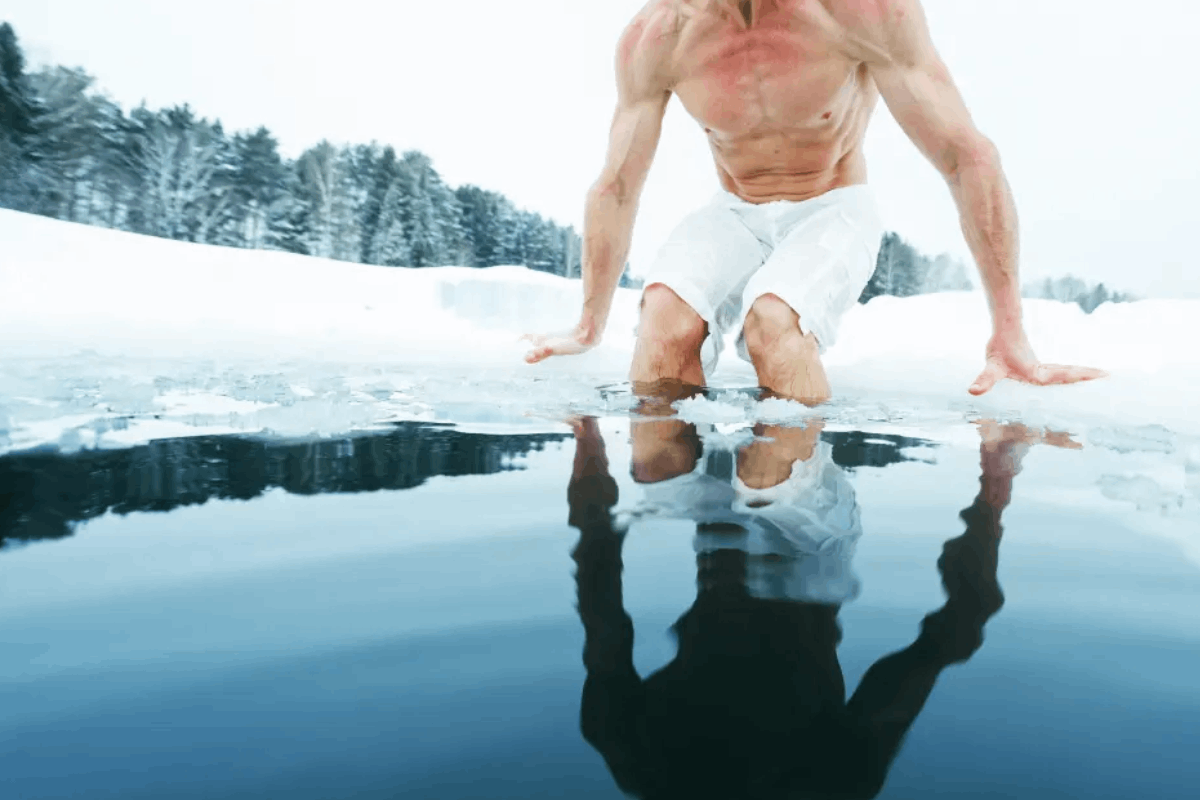
What: Understanding Contrast Therapy
Learn the basics of contrast therapy — what it is, how it works, and why it’s gaining popularity among wellness seekers, athletes, and health enthusiasts. This section guides you to understand the science and principles behind alternating heat and cold exposure.
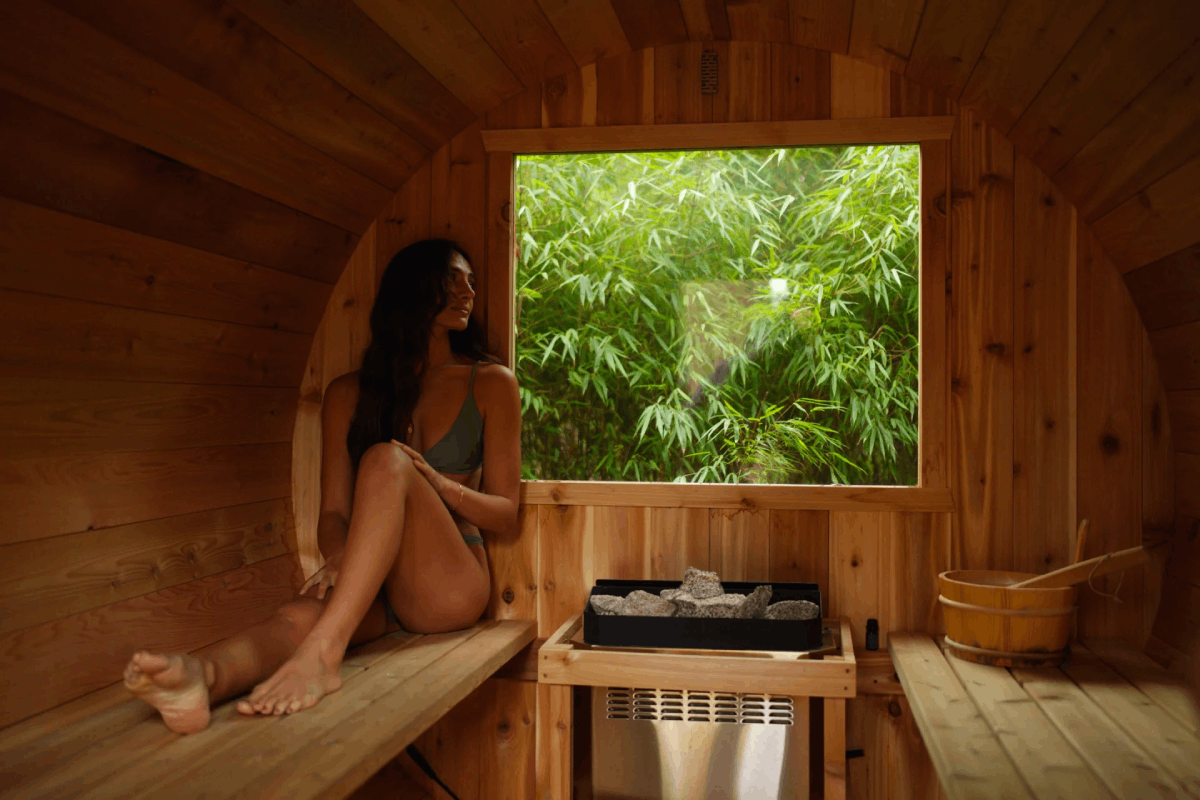
Where: Best Locations & Circuits
Discover the most effective and scenic locations for contrast therapy, from private Bowen Island circuits to Vancouver-area wellness retreats. Safety, accessibility, and the natural environment are emphasized for optimal experiences.
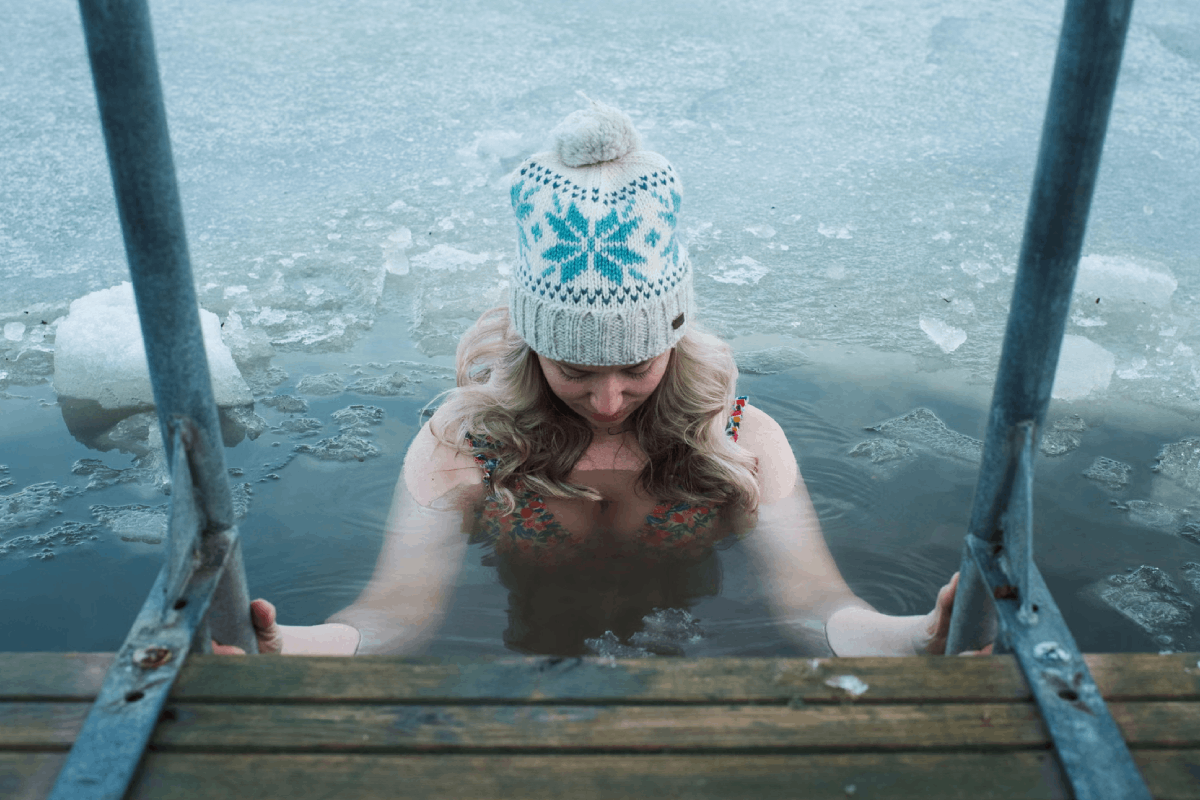
When: Best Times & Frequency
Timing is key. Learn the ideal times of day, recommended frequency, and seasonal considerations to get the most out of your contrast therapy sessions, whether at home, on vacation, or in curated retreats.
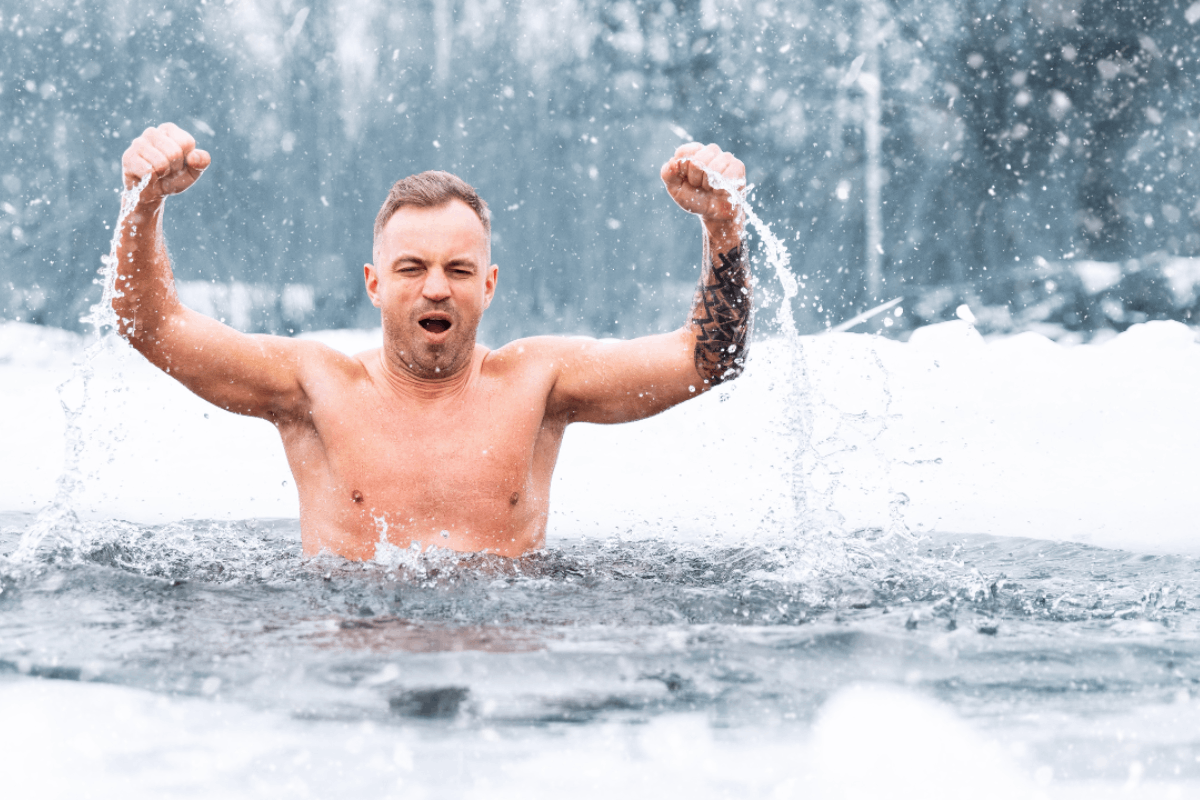
Who: Who Can Benefit
Contrast therapy is suitable for a wide range of people, from active individuals and wellness seekers to those pursuing recovery or stress relief. Safety considerations and guidance ensure everyone enjoys a secure, restorative experience.
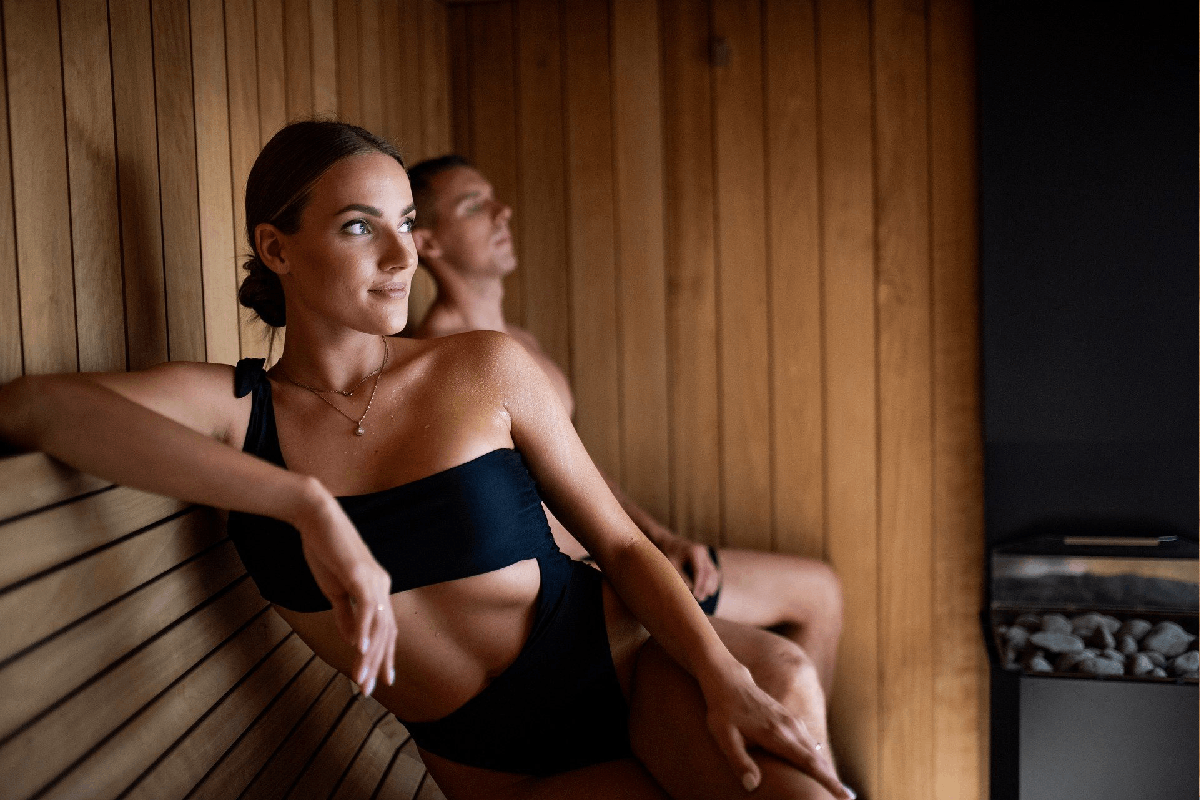
Why: Benefits of Contrast Therapy
Explore the many advantages of contrast therapy, from improved circulation, enhanced recovery, and immune support to mental clarity, reduced stress, and restorative wellness.
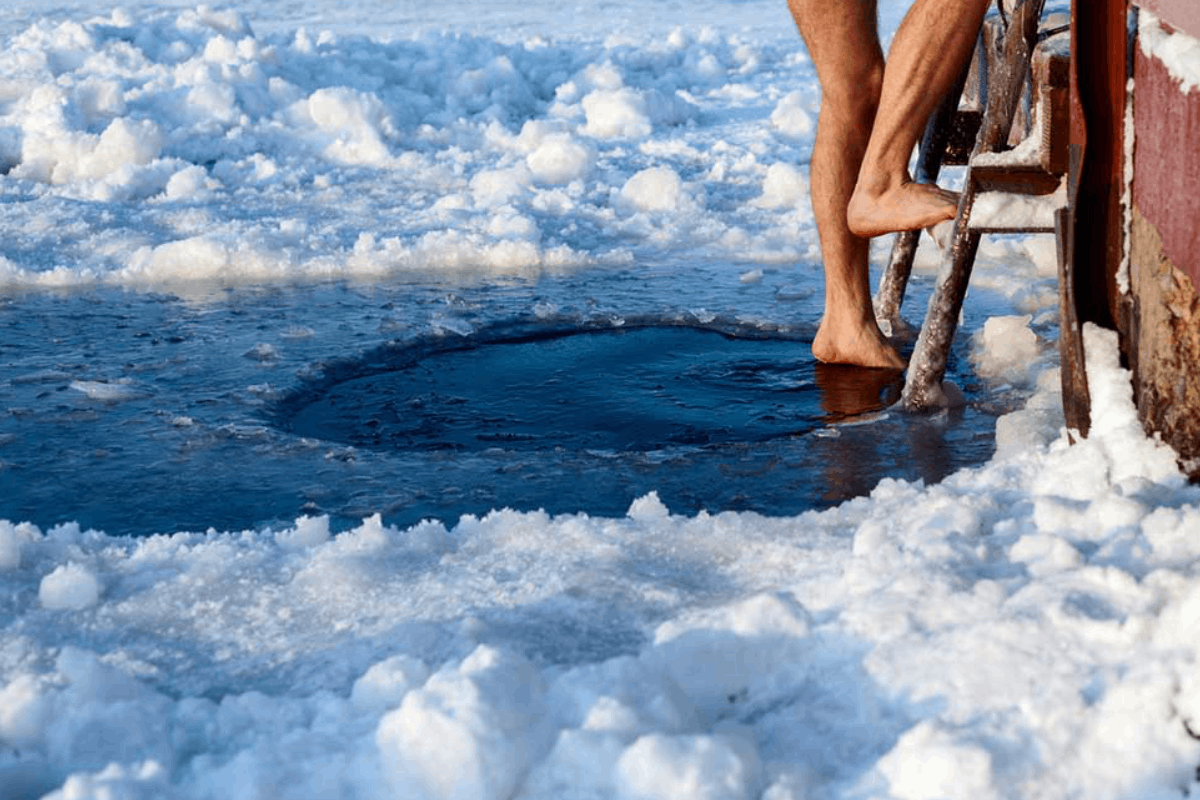
How: Step-by-Step Contrast Therapy
A practical guide for getting started with contrast therapy safely. Understand the basic steps, recommended duration, and preparation tips for a safe and effective experience.
Contrast Therapy: Frequently Asked Questions
Q: What is contrast therapy?
A: Contrast therapy is a therapeutic practice that involves alternating the body between extreme heat and extreme
cold—most commonly using a traditional cedar sauna and a cold plunge pool.
This technique, often referred to as Contrast Water Therapy (CWT), works by creating a “vascular pump.” The heat
causes your blood vessels to dilate (vasodilation), while the cold causes them to constrict (vasoconstriction). This cycle stimulates the lymphatic system, flushes metabolic waste, and triggers a powerful hormonal response that benefits
the heart, brain, and immune system.
Q: How often should I do contrast therapy?
A: Frequency depends on your individual wellness goals, but for long-term physiological changes, consistency is
key. To see improvements in nervous system regulation and immune function, many experts recommend 2–4 sessions per
week. Following the Soberg Principle, a common weekly target for “metabolic health” is a cumulative 11 minutes of
cold exposure and 57 minutes of heat exposure. However, even a single weekly session can provide immediate relief from stress and muscle tension.
Q: What are the primary benefits of contrast therapy?
A: The benefits are multi-dimensional, affecting both physical and mental health. Physically, it is a world-class
tool for muscle recovery and reducing inflammation. It improves circulation, boosts the immune system, and can even
improve skin health by increasing blood flow to the surface. Mentally, the “cold shock” triggers a massive release of dopamine and norepinephrine,
which can elevate mood and focus for several hours. Regular users also report significantly improved sleep quality and a higher tolerance for everyday stress.
Q: How long should each session last and what is the protocol?
A: A standard contrast therapy protocol usually consists of 2 to 3 cycles. A typical cycle includes 10–15 minutes in the sauna followed by 1–3 minutes in the cold plunge. For beginners, we recommend starting with shorter durations in the cold and gradually increasing your
time as your body adapts. To maximize the metabolic benefits—such as brown fat activation—it is often recommended
to end your session on “cold” and allow your body to warm up naturally.
Q: Can contrast therapy help with recovery from workouts?
A: Absolutely. Professional athletes use sauna and cold plunge circuits to combat Delayed Onset Muscle Soreness (DOMS). The heat increases the production of heat shock proteins that repair
cellular damage, while the cold immersion reduces the inflammatory response in the muscle tissue. This combination allows for faster turnaround between intense training sessions and helps prevent injury by keeping the vascular system
flexible and efficient.
Q: Is contrast therapy safe for everyone?
A: While contrast therapy is safe for most healthy individuals, it does put a temporary “healthy stress” on the
cardiovascular system. People with a history of heart disease, high blood pressure, or circulatory issues should consult a medical professional before starting. Additionally, if you have any open wounds or are currently fighting
a high fever, it is best to wait until you are fully recovered. We always encourage guests to “listen to their bodies” rather than pushing through extreme discomfort.
Q: Can I do contrast therapy if I’m pregnant?
A: We advise pregnant individuals to avoid the high-heat environment of a sauna, as raising the core body temperature
can be risky for fetal development. While cold immersion has different effects, the extreme “shock” of the contrast is generally not recommended during pregnancy. Always seek specific guidance from your healthcare provider or midwife
regarding temperature-based wellness practices.
Q: What should I wear and bring for a session?
A: Most guests wear lightweight swimwear or quick-dry athletic gear. Since you will be moving between extreme temperatures,
comfort is key. We recommend bringing a water bottle to stay hydrated throughout the cycles. At Cedarwood Elements,
we provide the essentials like towels and robes, but you may also want to bring flip-flops for the outdoor paths and a sauna hat to protect your head from the intense heat, which allows for longer, more comfortable sauna sessions.
Q: How soon will I feel the benefits?
A: You will likely feel the “mental” benefits—clarity, invigorated energy, and deep relaxation—immediately after
your first cold plunge. However, the “physical” benefits, such as improved immune resilience, metabolic efficiency,
and chronic pain reduction, are cumulative. Most people notice a significant shift in their baseline well-being after 3 to 4 weeks of consistent practice.
Q: Is there an age limit for contrast therapy?
A: There is no strict age limit, but we recommend that children and older adults use shorter durations and lower
temperatures. Children have a harder time regulating their body temperature than adults and should always be closely supervised. Older adults should be mindful of how the rapid change in temperature affects their blood pressure and
may want to consult a doctor if they have underlying health conditions.
Q: Can I combine contrast therapy with other wellness practices?
A: We highly recommend it. Contrast therapy is a “bio-stackable” habit. Many of our guests combine their circuit
with breathwork (to manage the cold shock) or meditation (to take advantage of the post-sauna relaxation). It also pairs perfectly with yoga or mindful forest walks, as the physical “reset” provided by the sauna and plunge makes the body more receptive to stretching and mental stillness.
Q: Should I end on hot or cold? (Understanding the Soberg Principle)
A: This is one of the most common questions in modern contrast therapy.
While there is no “wrong” way to do it, the Soberg Principle suggests that if your goal is metabolic health and
weight management, you should always end on cold. By allowing your body to reheat itself naturally through “non-shivering
thermogenesis,” you force your metabolism to work harder and activate brown adipose tissue (brown fat). However,
if your primary goal is deep relaxation or improving sleep, ending on the heat of the cedar sauna can help relax
your muscles and prepare your nervous system for rest.
Q: Is it better to sauna before or after a cold plunge?
A: For a true contrast therapy circuit,
we recommend starting with the sauna. Heat primes the cardiovascular system by dilating your blood vessels (vasodilation) and initiating a deep sweat. When you transition immediately to the cold plunge, the rapid constriction of
those vessels (vasoconstriction) creates a powerful “vascular pumping” effect that flushes the lymphatic system. Starting with heat makes the cold shock more effective and ensures you get the maximum release of norepinephrine and dopamine.
Q: Why is breathwork so important during the cold plunge?
A: When you first enter cold water immersion,
your body naturally reacts with a “cold shock response”—a gasp followed by rapid breathing. The goal of contrast therapy breathwork is to consciously override this response. By focusing on slow, deep “box breathing” (inhaling for 4 seconds, holding for 4, exhaling for 4), you signal to your brain that you are safe. This practice of “calm amidst the storm” is
what strengthens your vagal tone and builds the mental resilience that biohackers call nervous system training.
Q: How does contrast therapy help with skin health and anti-aging?
A: The combination of heat and cold is a powerful natural facial for the whole body. The intense heat of a
traditional cedar sauna opens the pores and encourages deep sweating, which helps purge impurities and dead skin cells. Following this with a cold plunge immediately “tightens” the skin and closes the pores, which can improve
skin elasticity and tone. Furthermore, the massive increase in blood circulation delivers more oxygen and nutrients to the skin’s surface, often resulting in what users call a “post-plunge glow” that can last for hours.
Q: Does contrast therapy help with weight loss and burning calories?
A: While it isn’t a “magic pill” for weight loss, contrast therapy can significantly boost your basal metabolic rate.
Research suggests that the process of your body struggling to maintain its core temperature (thermogenesis) can increase calorie burn by up to 350% during and immediately after the session. Regular exposure to the cold also helps
convert “white fat” (which stores energy) into “brown fat” (which burns energy to create heat), making your body more metabolically efficient over time.