

Not every LGBTQ getaway needs nightlife, crowds, or spectacle. Increasingly, queer travelers near Vancouver are seeking something different: privacy, emotional safety, and restorative wellness experiences that feel intentional rather than performative.
This shift has given rise to a new category of travel — gay-friendly wellness getaways near Vancouver — designed for rest, nervous system regulation, and reconnection. These retreats prioritize calm over chaos, safety over visibility, and depth over excess.
This guide explores why LGBTQ travelers are choosing quieter escapes close to home, what defines a truly inclusive wellness staycation, and why destinations like Bowen Island — and private experiences such as Cedarwood at The Barnfield Suites — are becoming trusted sanctuaries.
Why LGBTQ Travelers Are Rethinking the “Gay Getaway”
For decades, gay travel marketing emphasized energy: beach parties, nightlife districts, and high-visibility social scenes. While these spaces remain important, they no longer represent the full spectrum of LGBTQ needs.
Many queer travelers — particularly professionals, couples, creatives, and those navigating burnout — are seeking travel that supports mental health rather than overstimulation.
Search trends show rising interest in phrases like gay-friendly retreats, LGBTQ wellness travel, and quiet gay getaways near Vancouver, reflecting a broader cultural pivot toward nervous system care and intentional rest.
The Role of Safety in LGBTQ Wellness Travel
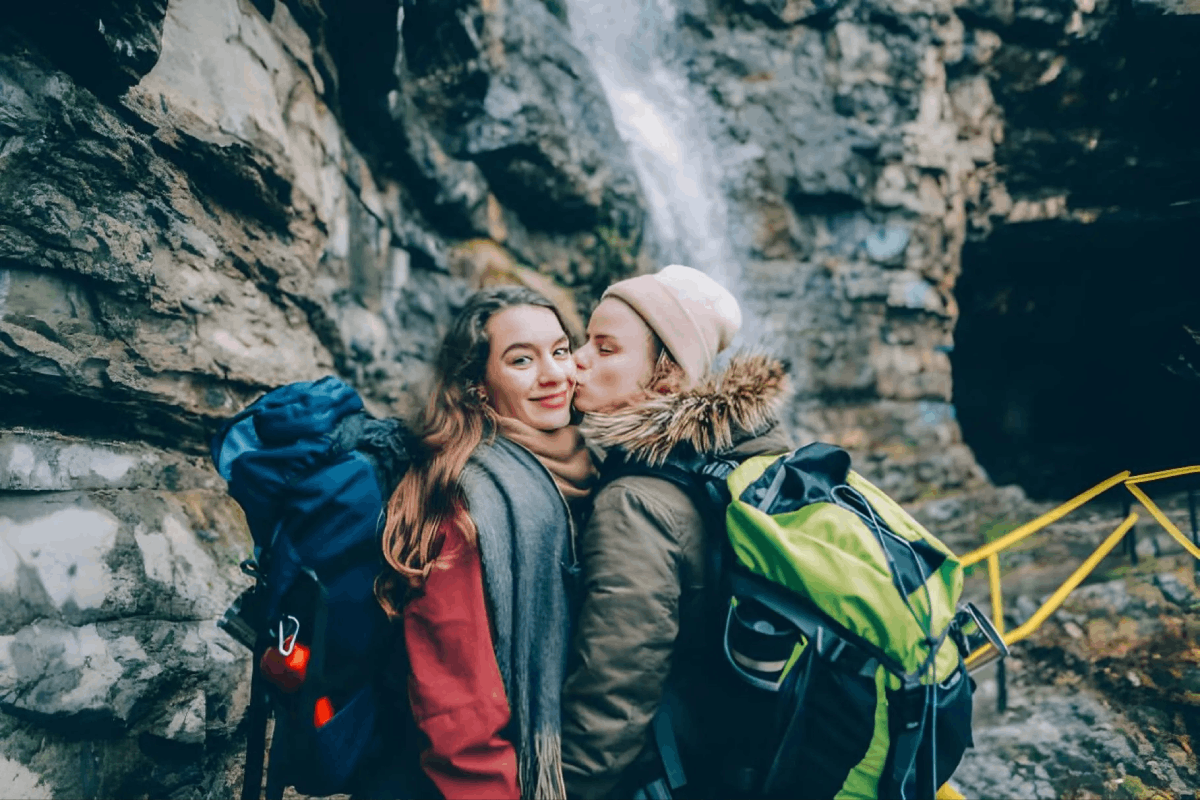
Safety in LGBTQ travel is not only physical — it is psychological.
Research on minority stress demonstrates that LGBTQ individuals experience higher baseline stress due to social vigilance, even in seemingly neutral environments [1]. This means that true relaxation often requires environments explicitly designed to feel safe.
Wellness getaways that succeed with LGBTQ guests typically offer:
• Private accommodations
• Non-gendered or self-guided wellness experiences
• Hosts who understand boundaries
• Environments free from voyeurism or pressure
When safety is present, the body can finally downshift.
Why Proximity Matters: The Rise of LGBTQ Staycations
Travel does not need to be far to be transformative.
For Vancouver-based LGBTQ travelers, nearby destinations offer a powerful advantage: reduced logistical stress. No airports, no customs, no unfamiliar social dynamics.
This has fueled demand for gay staycations, LGBTQ wellness retreats near Vancouver, and overnight queer escapes in British Columbia.
Short-distance travel allows the nervous system to relax faster — a critical factor in effective recovery [2].
Bowen Island: An Ideal LGBTQ Wellness Escape
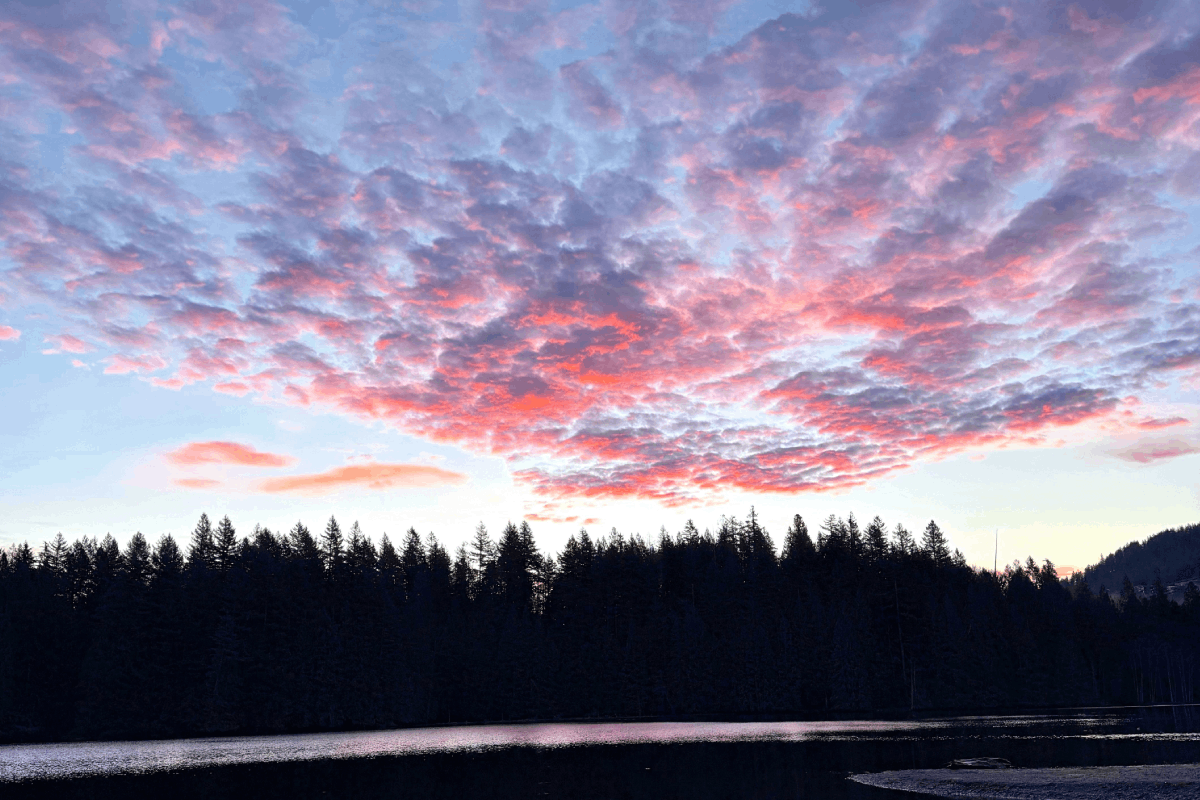
Located just 20 minutes by ferry from Vancouver, Bowen Island offers a rare combination of accessibility and seclusion.
The island is:
• Quiet and residential
• Surrounded by forest and ocean
• Free from nightlife tourism
• Known for its creative and inclusive community
For LGBTQ guests, Bowen Island feels less like a destination and more like a temporary return to balance.
What Makes a Getaway Truly Gay-Friendly?
Not all “gay-friendly” listings are equal.
In the context of wellness travel, true inclusivity is subtle, not performative. It is expressed through design, language, and experience structure.
Key indicators include:
• Respect for privacy and autonomy
• Absence of gendered expectations
• Calm, non-sexualized environments
• Hosts who prioritize comfort over assumptions
These factors are particularly important for LGBTQ couples and solo travelers seeking restoration.
Cedarwood at The Barnfield Suites: A Private Alternative
Cedarwood at The Barnfield Suites represents a different model of gay-friendly wellness near Vancouver.
Rather than operating as a public spa or bathhouse, Cedarwood is a private, self-guided contrast therapy sanctuary reserved exclusively for guests.
The experience includes:
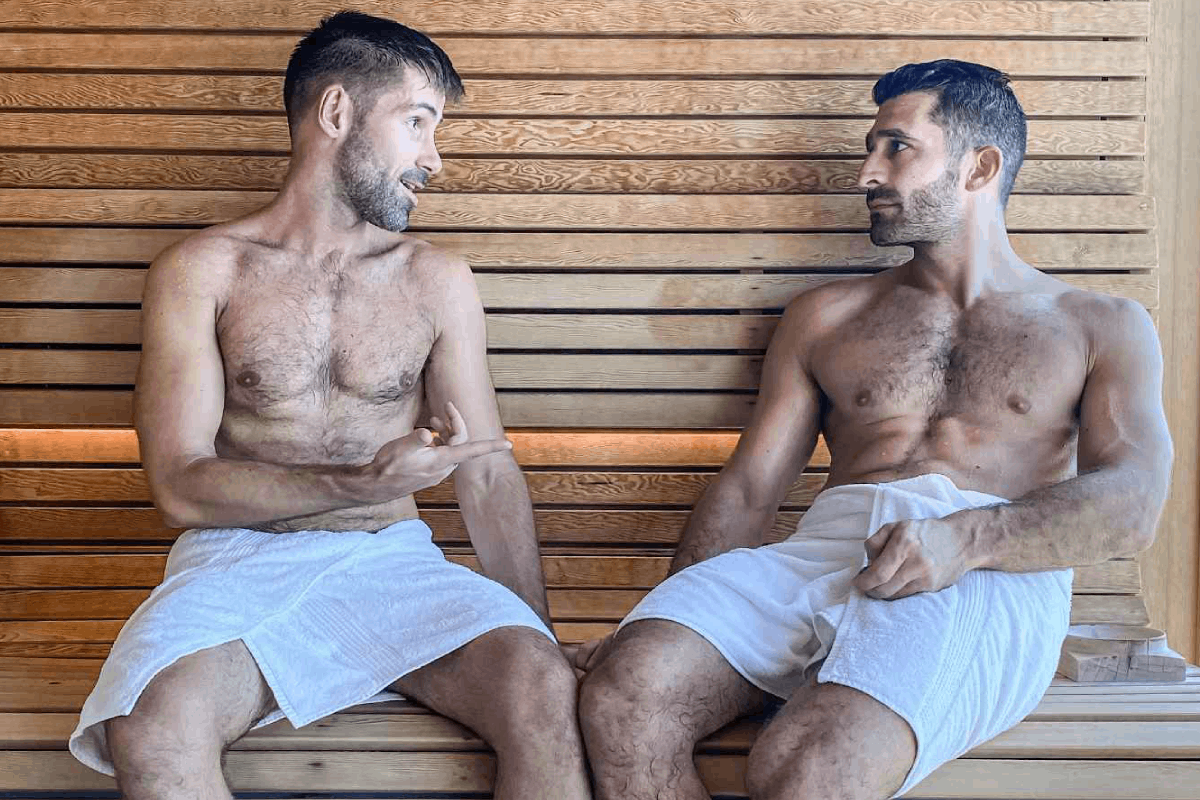
• A handcrafted electric cedar sauna
• Cold or warm plunge options
• Outdoor air exposure
• A fireside lounge for integration
This structure removes social pressure and allows LGBTQ guests to engage with wellness on their own terms.
Why Contrast Therapy Resonates with LGBTQ Guests
Contrast therapy — alternating heat and cold — is increasingly recognized for its effects on circulation, inflammation, mood, and nervous system regulation [3].
For LGBTQ individuals, these benefits intersect with lived experience in meaningful ways.
Cold exposure has been shown to increase dopamine and norepinephrine, improving mood and resilience [4]. Sauna use supports cardiovascular health and relaxation [5]. Together, they form a ritual that grounds the body in the present moment.
When practiced privately, contrast therapy becomes not just physical, but deeply psychological.
Couples, Burnout, and Reconnection
LGBTQ couples often carry compounded stress — from careers, social dynamics, and navigating public space.
Wellness getaways near Vancouver offer couples the chance to:
• Disconnect from digital noise
• Reconnect physically and emotionally
• Share restorative rituals without distraction
Private wellness circuits support intimacy without expectation.
Moving Beyond Party-Centric Gay Travel
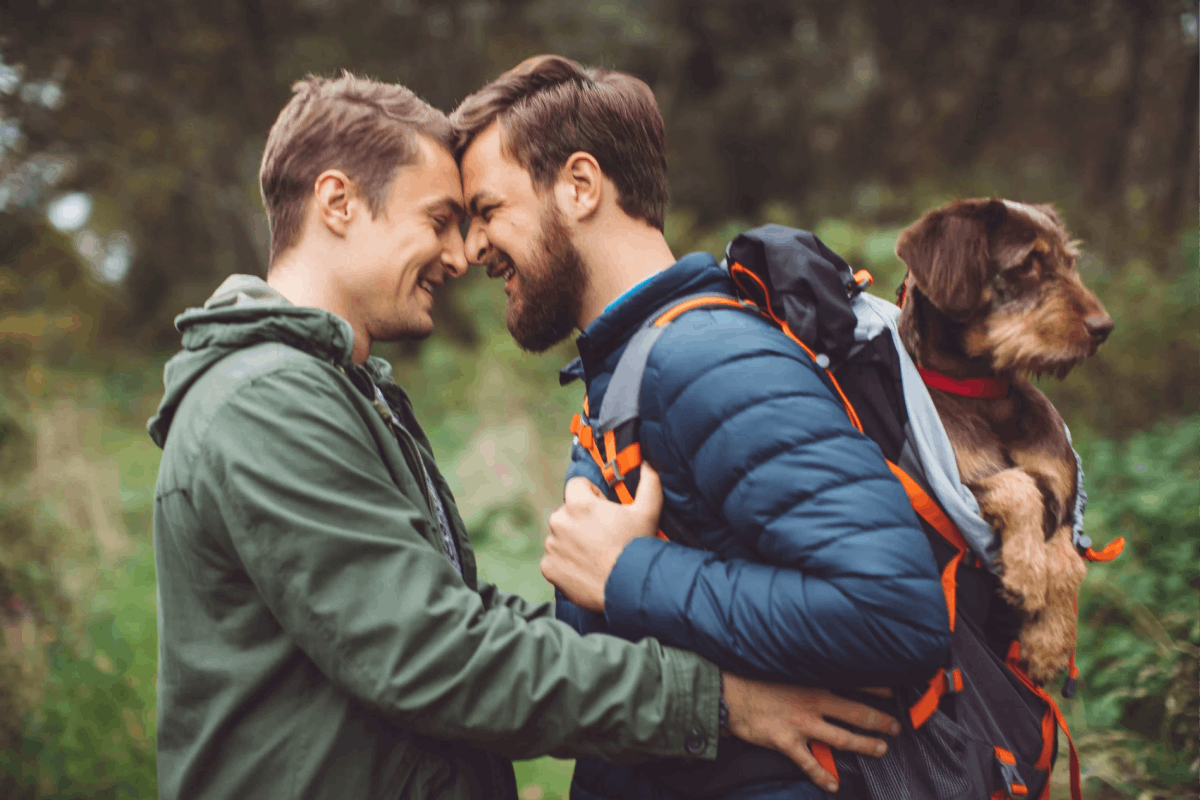
The growth of LGBTQ wellness travel does not reject queer culture — it expands it.
Many LGBTQ travelers now seek:
• Sober-friendly escapes
• Nature immersion
• Evidence-based wellness practices
• Experiences that support longevity and mental health
This evolution mirrors broader wellness trends while honoring LGBTQ-specific needs.
How to Choose the Right LGBTQ Wellness Getaway Near Vancouver
Ask these questions:
• Is the experience private or shared?
• Is wellness self-guided or performative?
• Does the environment encourage slowing down?
• Are inclusivity and safety clearly intentional?
Destinations that answer thoughtfully tend to foster deeper restoration.
Frequently Asked Questions
Q: What is a gay-friendly wellness getaway?
A: A retreat designed to offer emotional safety, privacy, and inclusive wellness experiences for LGBTQ guests.
Q: Are there gay-friendly wellness retreats near Vancouver?
A: Yes, particularly on Bowen Island and other nearby regions.
Q: Is Bowen Island LGBTQ-friendly?
A: Bowen Island is widely regarded as welcoming, quiet, and inclusive.
Q: What makes a wellness retreat LGBTQ-safe?
A: Privacy, respectful language, autonomy, and non-judgmental environments.
Q: Are these retreats suitable for couples?
A: Yes, especially couples seeking reconnection and rest.
Q: Is contrast therapy evidence-based?
A: Yes, research supports benefits for circulation, mood, and stress regulation.
Q: Are gay-friendly retreats sexualized?
A: No. Reputable wellness retreats focus on health, not sexualization.
Q: Do I need wellness experience?
A: No. Most retreats welcome beginners.
Q: Is cold immersion safe?
A: When practiced mindfully, cold immersion is generally safe for healthy individuals.
Q: Can wellness travel support mental health?
A: Yes, especially when focused on nervous system regulation.
Q: Are these retreats sober-friendly?
A: Many modern wellness retreats are intentionally sober or low-alcohol.
Q: How long should a wellness getaway be?
A: Even 1–2 nights can be restorative.
Q: Are private saunas better for LGBTQ guests?
A: Many LGBTQ guests prefer private environments for comfort and safety.
Q: Is Cedarwood self-guided?
A: Yes, allowing guests to move at their own pace.
Q: Is this type of travel growing?
A: Yes. LGBTQ wellness travel is one of the fastest-growing segments.
Q: Is this suitable for solo travelers?
A: Absolutely.
Q: Does proximity reduce travel stress?
A: Yes. Short travel distances support faster relaxation.
Q: Is this a replacement for therapy?
A: No. Wellness travel is supportive, not clinical.
References
[1] Meyer, I. H. Minority Stress and Mental Health.
[2] Porges, S. The Polyvagal Theory.
[3] Tipton, M. et al. Cold exposure research.
[4] Huberman, A. Dopamine and cold immersion.
[5] Laukkanen, T. Sauna and cardiovascular health.