

The travel landscape of 2026 has moved past the era of “greenwashing” and simple “eco-friendly” labels.
Today’s conscious explorer seeks Positive Impact Travel —a model where every booking serves as a direct financial engine for biodiversity protection , ecosystem restoration, and wildlife conservation. In this new paradigm, “sustainability” (reducing harm) is no longer enough; travelers demand “regeneration” (leaving a place better than they found it).
The Financial Mechanics of Conservation Tourism
In 2026, the global Travel & Tourism sector is projected to contribute over $16 trillion to global GDP, and a significant portion of this is being diverted into direct conservation funding. According to the
, international arrivals reached a record 1.52 billion in 2025, providing an unprecedented opportunity to scale nature-based solutions.
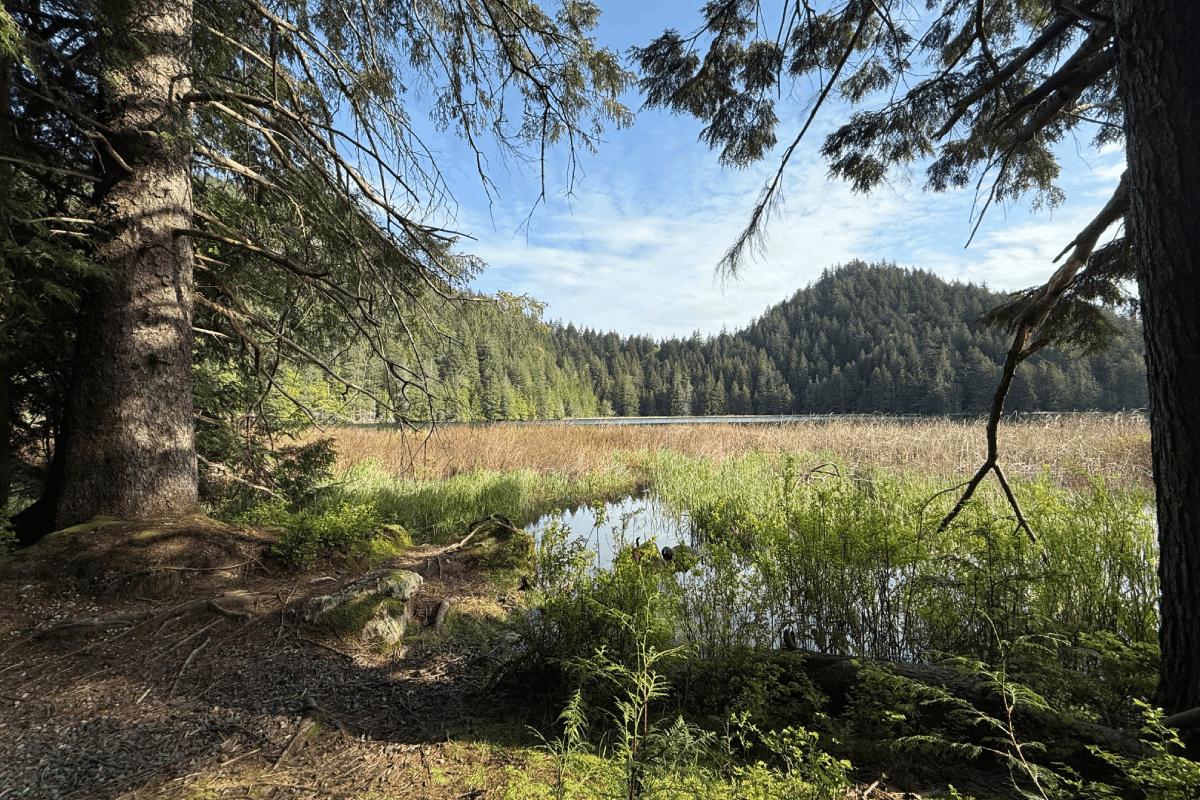
1. Park Entrance Fees and “Green Taxes”
Direct financial contributions are the most transparent way travelers fund conservation. Governments and NGOs increasingly rely on user-fee models to maintain fragile habitats. For example:
- The Seychelles: Has introduced a US$ 90 environmental tax on travelers, with proceeds dedicated specifically to marine preservation and tourism facility upgrades.
- Belize: A US$ 3.75 departure tax flows directly into the Protected Area Conservation Trust, funding the protection of the barrier reef and rainforests.
- Costa Rica: Where tourism generates 8.4% of the GDP, admission fees to protected areas (which cover 25% of the country) generated over US$ 2.5 million in a single year, funding ranger salaries and anti-poaching units.
2. The “Ripple Effect” of Ethical Tour Operators
Leading tour operators in 2026 are using “Ripple Scores” to show travelers exactly how much of their money stays in the local community and conservation projects. Organizations like G Adventures and Intrepid Travel have pioneered models where up to 92% of in-destination spend remains local. These funds often support community-led conservation, providing an economic alternative to poaching or illegal logging.
Wildlife as a Living Asset: Protecting Endangered Species
The transition from extraction to observation is perhaps the most visible success of positive impact travel. When wildlife is worth more alive than dead, conservation becomes a viable economic strategy for local communities.
In the Great Lakes region of Africa, the Mountain Gorilla tracking permit system (costing US$ 250+ per person) makes each gorilla worth nearly US$ 90,000 annually to the local economy. This revenue has maintained gorilla populations even through periods of regional conflict. Similarly, safari tourism in Botswana’s Okavango Delta and Kenya’s private conservancies (like Ol Pejeta) directly reinvest profits into anti-poaching efforts and wildlife corridors.
“Travelers are now the primary shareholders in the world’s most vulnerable ecosystems,” notes a report by Solimar International. By choosing accredited sanctuaries—those backed by the Global Federation of Animal Sanctuaries—travelers ensure their funds support rehabilitation rather than exploitation.
The Rise of Citizen Science: Data as Currency
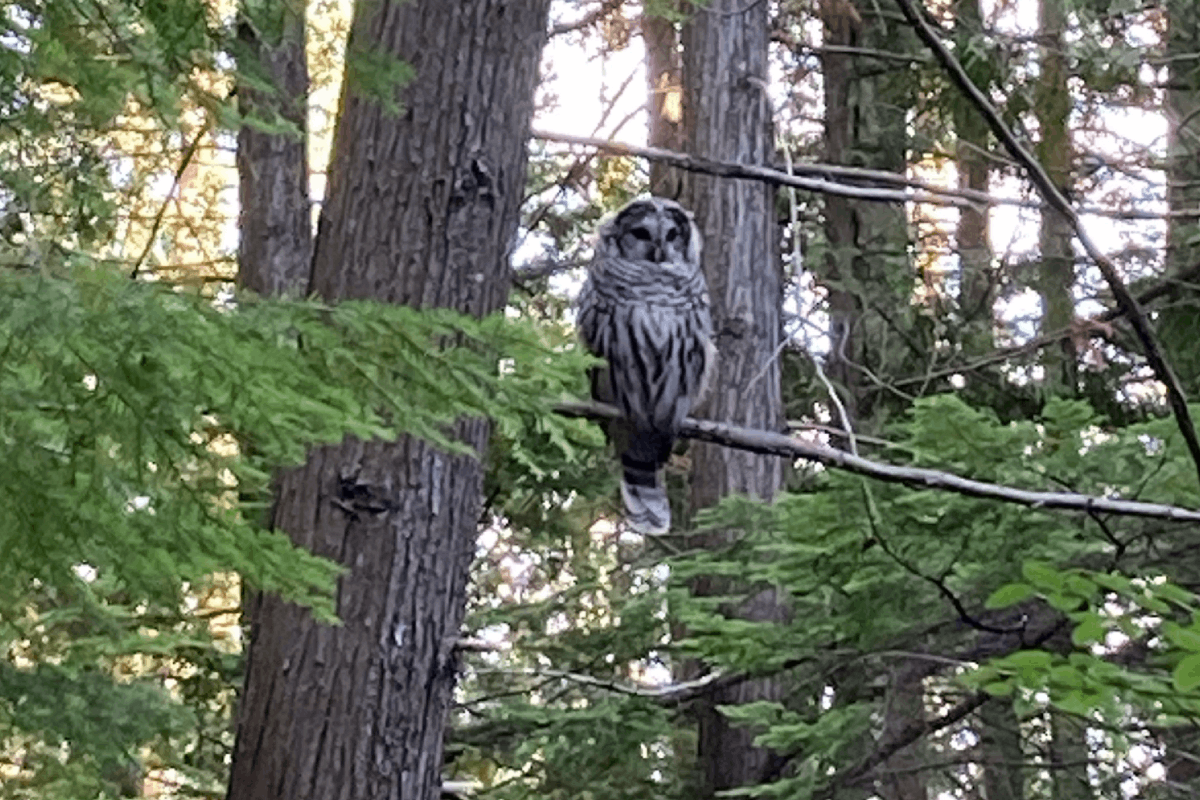
With 92.5% of travelers carrying smartphones, the 2026 traveler is also a citizen scientist . Apps like Clean Swell allow beach-goers to contribute to the Ocean Conservancy’s global trash database, while platforms for documenting plant and animal sightings provide researchers with real-time biodiversity data. This “data as currency” model allows travelers to contribute to global conservation without spending an extra dollar, simply by sharing their observations.
Choosing Destinations with Purpose
To maximize positive impact, travelers are shifting toward “secondary destinations” and “quiet escapes.” According to the BBC’s 2026 Travel Trends, 32% of travelers now reject overcrowded hotspots in favor of places where their presence can be meaningfully felt. This movement supports:
- Marine Reserves: Visiting “Blue Parks” to fund the goal of protecting 30% of the world’s oceans by 2030.
- Reforestation Projects: Staying at ecolodges that reinvest in planting native species, such as the 3.8 million trees already planted through G Adventures’ partnerships.
- Renewable Energy Hubs: Supporting parks like Zion National Park, which uses geothermal and solar power to reduce its footprint by 70%.
The Barnfield Suites: Personal Reset with Global Intent
Finding a balance between personal wellness and environmental stewardship is the hallmark of a “Woodland Reset.” At The Barnfield Suites on Bowen Island, this philosophy is built into the architecture. The suites are located in The Crestwood, a home certified Built Green Platinum—the highest standard for environmentally sensitive development. Reclaimed fir posts from the property itself serve as a reminder of the site’s history and the commitment to regenerative hospitality.
Central to this experience is Cedarwood Elements, a private outdoor contrast therapy circuit. Guests engage in a ritual of fire, air, earth, and water through a cedar sauna and professional-grade cold plunge. This self-guided journey doesn’t just benefit the individual’s circulation and mental clarity; it connects them back to the natural rhythms of the island. By choosing a stay that prioritizes low-impact, high-intention design, guests at The Barnfield Suites are voting for a future where luxury and conservation exist in perfect harmony.
Frequently Asked Questions (FAQ)
Q: What is Positive Impact Travel?
A: It is a travel philosophy where the visitor’s presence results in a net positive benefit for the destination’s environment, economy, and culture.
Q: How does this differ from “Sustainable Travel”?
A: Sustainable travel aims to minimize negative impacts (neutral), whereas Positive Impact travel seeks to actively improve and restore the destination (positive).
Q: Do my entrance fees really go to conservation?
A: In many accredited national parks and marine reserves, entrance fees are legally earmarked for ranger salaries, habitat restoration, and anti-poaching units.
Q: What is a “Green Tax”?
A: A fee charged by governments (like in the Seychelles or Bhutan) that is reinvested into environmental protection and sustainable infrastructure.
Q: How can I verify if a tour operator is truly ethical?
A: Look for transparent reporting, “Ripple Scores,” and certifications from bodies like the Global Sustainable Tourism Council (GSTC).
Q: What are “Blue Parks”?
A: They are a network of marine protected areas that meet high standards for science-based management and conservation effectiveness.
Q: How does wildlife tourism prevent poaching?
A: By providing a sustainable source of income through tourism, local communities are incentivized to protect animals as “living assets” rather than hunting them.
Q: What is “Citizen Science” in travel?
A: It is when travelers use apps and tools to collect data (like animal sightings or plastic pollution counts) to help scientists with global research.
Q: Can luxury travel be regenerative?
A: Yes. Many high-end lodges (like those in the Okavango Delta) use their higher margins to fund large-scale conservation and community projects.
Q: Why is “buying local” considered part of conservation?
A: It reduces the carbon footprint of transport and ensures that the local community has the financial means to stay on and protect their land.
Q: What are some examples of positive impact activities?
A: Reforestation stays, wildlife observation (not interaction), citizen science data collection, and visiting community-owned conservancies.
Q: Is air travel always negative for the environment?
A: While it has a carbon footprint, the revenue it brings to remote conservation areas often provides the only financial defense against total habitat loss.
Q: What is “Regenerative Hospitality”?
A: Accommodations that are designed to restore the local ecosystem, such as those built with reclaimed materials or those that use 100% renewable energy.
Q: How does contrast therapy relate to conservation?
A: It encourages a “sensory reset” that fosters a deeper emotional connection to nature, often leading to more conscious travel decisions.
Q: What should I avoid to ensure a positive impact?
A: Avoid animal performances (like elephant rides), single-use plastics, and large global chains that do not reinvest in the local community.
Q: Are “secondary destinations” better for the planet?
A: Often yes, as they distribute tourism dollars to areas that need them and reduce the strain on “over-touristed” hotspots.
Q: How does The Barnfield Suites support this movement?
A: Through its Built Green Platinum certification and the use of reclaimed materials, it serves as a model for low-impact, restorative luxury.
Q: Will travel be more expensive in 2026?
A: While “green taxes” may add small costs, the long-term value of preserved nature makes these trips more meaningful and sought after.