

Cold water immersion has evolved from an extreme athletic recovery method into one of the most respected nervous system regulation tools in modern wellness. Across Canada and globally, cold plunging has become central to contrast therapy rituals, nervous system healing, and preventative health.
As popularity grows, so does the importance of understanding cold plunge etiquette. Cold immersion is not simply stepping into cold water. It is a physiological stressor that requires awareness, respect, and intentional use.
When practiced correctly, cold plunge therapy improves circulation, strengthens stress tolerance, enhances emotional regulation, and supports recovery. When practiced without etiquette or safety awareness, it can disrupt both your experience and the recovery of others.
This guide explains everything you need to know about cold plunge etiquette in Canada, including safety, cultural traditions, nervous system science, and how to integrate cold immersion properly into a wellness ritual.
Why Cold Plunge Etiquette Exists
Cold immersion triggers a powerful physiological response. Within seconds of entering cold water, the nervous system activates a stress adaptation process known as the cold shock response.
This response includes:
- Rapid breathing
- Increased heart rate
- Vasoconstriction
- Heightened nervous system alertness
According to research published by the National Center for Biotechnology Information, cold water immersion activates the autonomic nervous system and improves stress adaptation over time.
https://www.ncbi.nlm.nih.gov/pmc/articles/PMC4049052/
Etiquette exists to protect this process. Calm entry, quiet environments, and respectful behavior allow the nervous system to regulate safely and effectively.
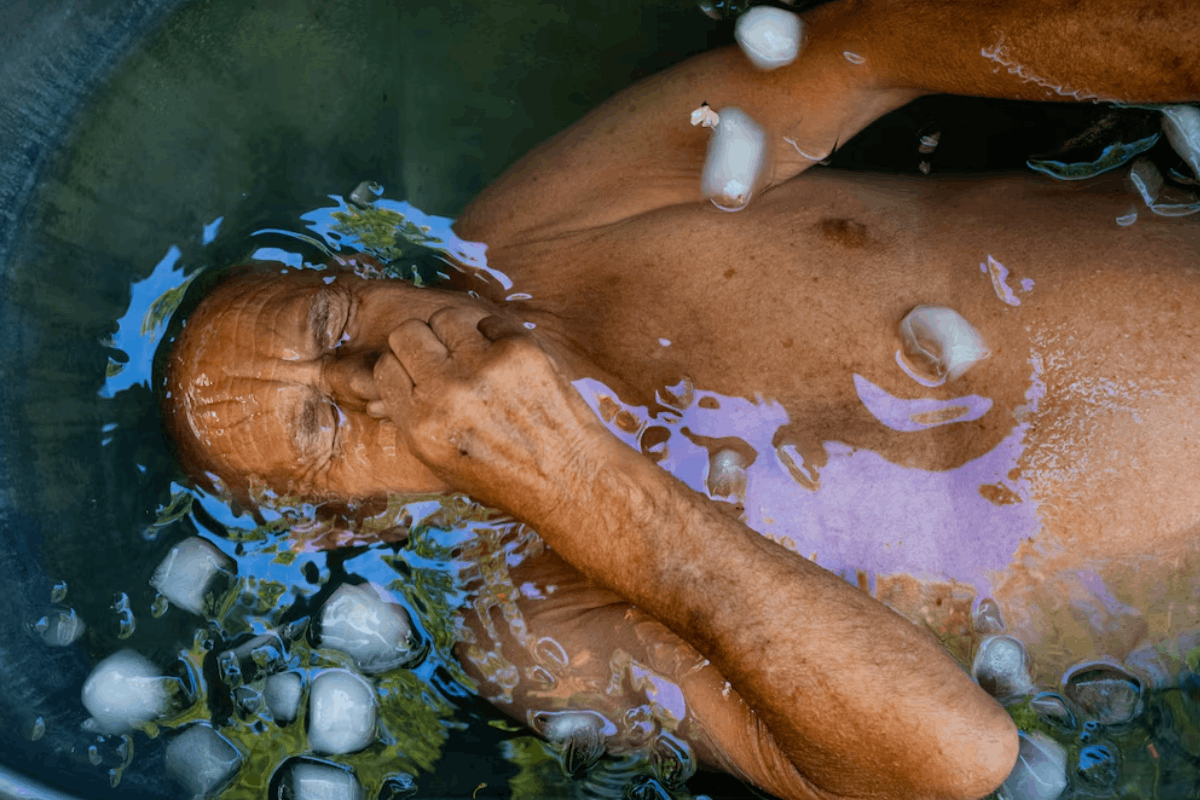
Understanding the Purpose of Cold Plunge Therapy
The goal of cold plunge therapy is not endurance or toughness. The goal is nervous system adaptation and recovery.
Cold exposure improves:
- CirculationInflammation regulation
- Mental resilience
- Emotional regulation
- Recovery from stress
Research published in the journal Physiology & Behavior found cold exposure may help regulate mood and improve nervous system balance.
https://pubmed.ncbi.nlm.nih.gov/17993252/
Etiquette protects the effectiveness of this recovery process.
Cold Plunge Temperature Awareness
Most cold plunges range between 5°C and 15°C (41°F to 59°F).
Colder temperatures increase nervous system stimulation. However, colder is not always better.
Appropriate temperature depends on:
- Experience level
- Health status
- Session duration
- Recovery goals
Respecting temperature conditions is part of proper cold plunge etiquette.
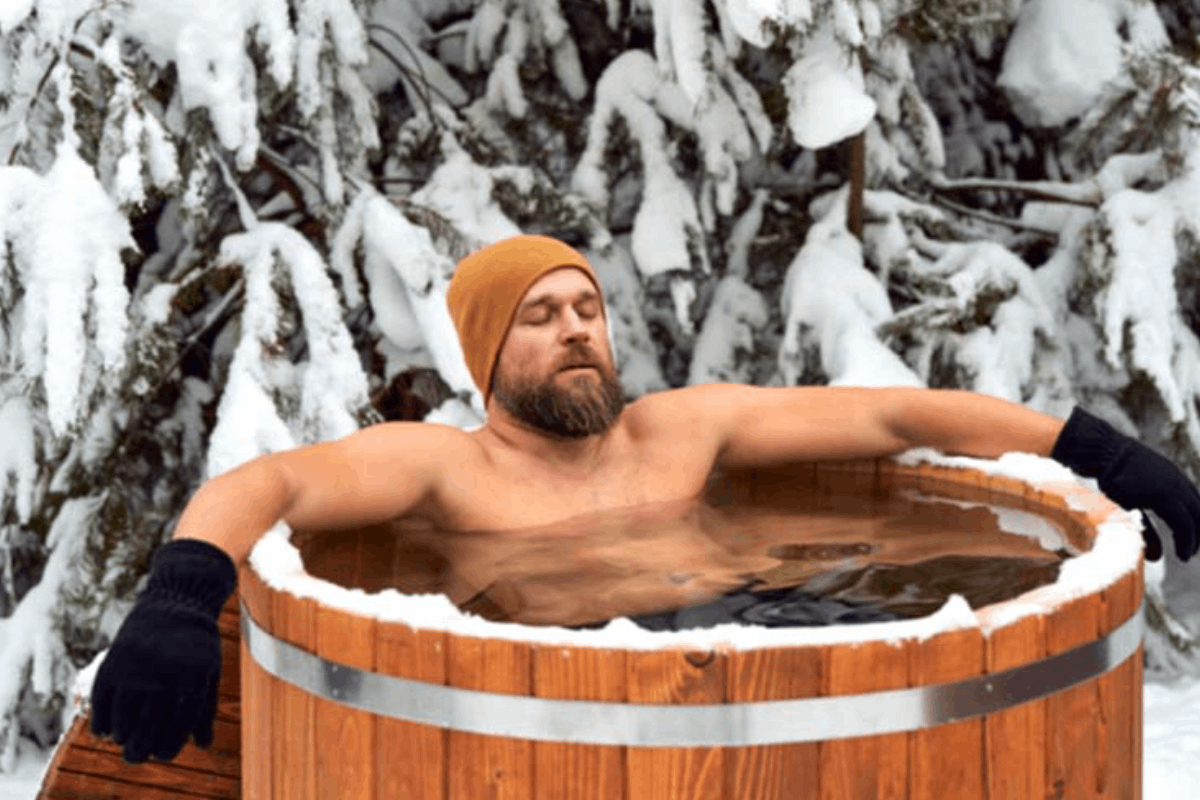
How Long Should You Stay in a Cold Plunge?
Most cold plunge sessions last between 30 seconds and 3 minutes.
Longer sessions are not necessary to achieve benefits.
According to research published in Sports Medicine, short cold exposure provides significant recovery benefits without excessive stress.
https://pubmed.ncbi.nlm.nih.gov/24668303/
Cold plunge etiquette emphasizes listening to your body rather than forcing duration.
Proper Entry Etiquette: Enter Slowly and Calmly
How you enter the cold plunge affects both safety and experience.
Proper etiquette includes:
- Entering slowly
- Avoiding splashing
- Maintaining calm breathing
- Respecting others’ space
Sudden or aggressive entry can disturb others and disrupt your nervous system adaptation.
Breathing Etiquette: Control Before Immersion
Breathing is the most important safety factor during cold immersion.
Controlled breathing prevents panic and improves adaptation.
According to research published in Frontiers in Physiology, controlled breathing improves autonomic nervous system balance.
https://www.frontiersin.org/articles/10.3389/fphys.2018.01084/full
Calm breathing protects both physical and emotional safety.
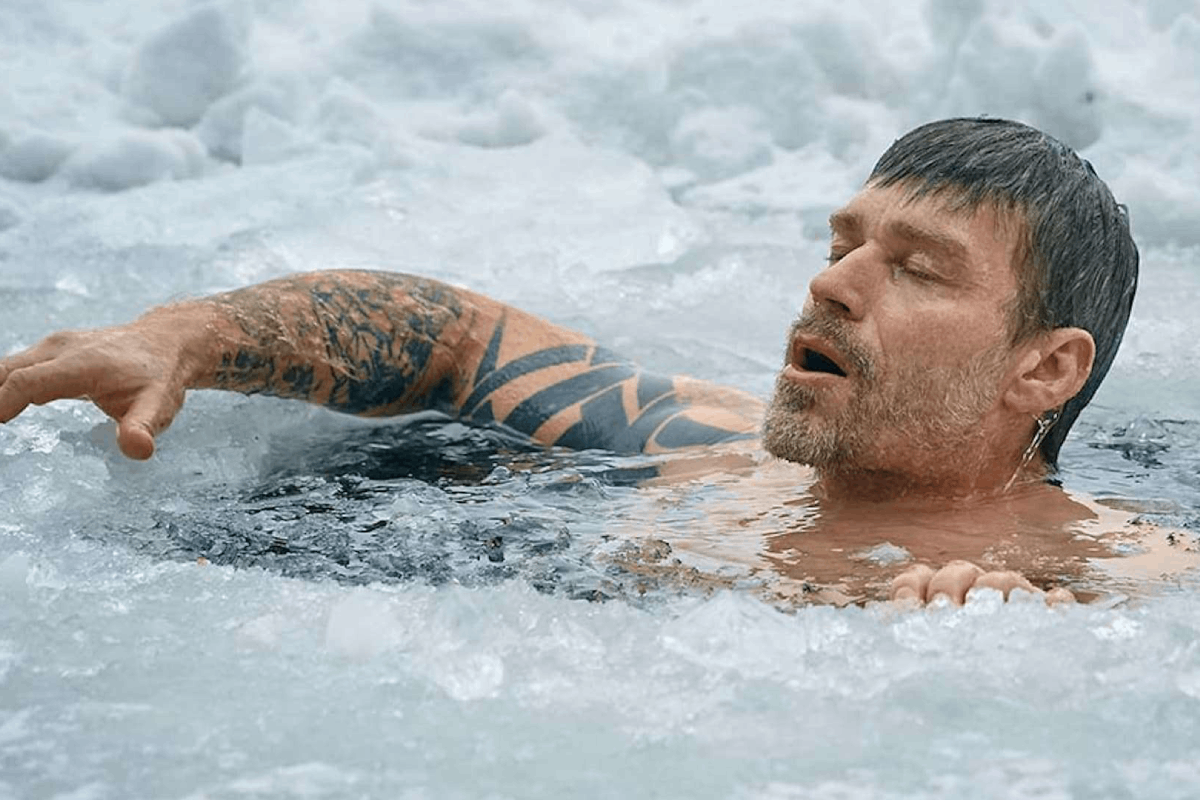
Exit Etiquette: Leave Calmly and Safely
Exiting cold water should be slow and controlled.
Rapid exit can cause dizziness due to blood pressure shifts.
Proper etiquette includes:
- Standing slowly
- Avoiding sudden movement
- Drying off calmly
- Allowing gradual rewarming
Hygiene Etiquette: Always Shower Before Entering
Cleanliness protects water quality and shared environments.
Showering removes:
- Oils
- Sweat
- Lotions
- Contaminants
This protects both hygiene and water clarity.
Respect Silence and Personal Space
Cold immersion activates deep nervous system responses.
Many individuals use cold plunge as a meditative practice.
Silence supports:
- Breathing control
- Emotional regulation
- Mental clarity
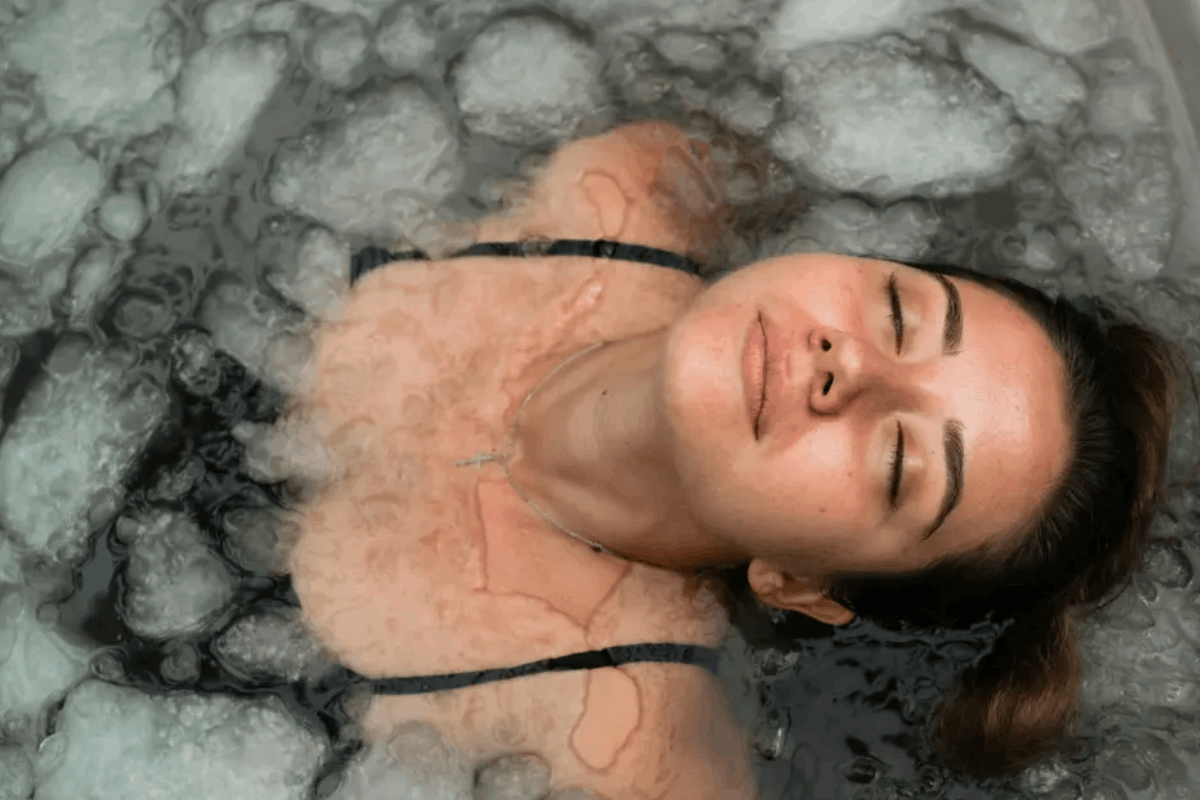
Cold Plunge Etiquette During Contrast Therapy
Contrast therapy combines sauna heat and cold immersion.
This improves:
- Circulation
- Recovery
- Nervous system flexibility
According to the European Journal of Applied Physiology, contrast therapy improves vascular function.
Cultural Cold Plunge Traditions
Nordic Traditions
Cold immersion is central to Scandinavian sauna rituals.
Cold exposure is seen as essential for recovery and resilience.
https://www.visitfinland.com/en/articles/finnish-sauna-etiquette/
Japanese Traditions
Cold immersion is used to balance heat exposure and restore nervous system balance.
Cold Plunge Safety for Beginners
Beginners should start gradually.
Best beginner practices include:
- Short sessions
- Controlled breathing
- Warmer cold temperatures
- Gradual adaptation
Psychological Benefits of Cold Immersion
Cold immersion improves emotional resilience.
Research shows cold exposure increases norepinephrine levels.
FAQ: Cold Plunge Etiquette Questions Answered
Q: How cold should a cold plunge be?
A: Most cold plunges range between 5°C and 15°C.
Q: How long should I stay in cold water?
A: Most sessions last between 30 seconds and 3 minutes.
Q: Should I shower before cold plunging?
A: Yes. Showering protects hygiene.
Q: Is cold plunge safe?
A: It is safe when used responsibly.
Q: Should beginners start slowly?
A: Yes. Gradual exposure is safest.
Q: Can cold plunge improve mental health?
A: Research suggests it improves stress tolerance.
Q: Is silence important?
A: Silence supports nervous system recovery.
Q: Can I use cold plunge daily?
A: Yes, if done safely.
Q: Should I combine sauna and cold plunge?
A: Yes. Contrast therapy enhances benefits.
Q: Is private cold plunge better?
A: Private environments enhance relaxation.
Q: Should I control breathing?
A: Yes. Breathing is critical.
Q: Is cold plunge good for recovery?
A: Yes. It improves circulation.
Q: Can cold plunge improve sleep?
A: Yes. It supports nervous system regulation.
Q: Should I dry off immediately?
A: Yes. Gradual warming is important.
Q: Is cold plunge part of wellness rituals?
A: Yes. It is central to contrast therapy.
Q: Should I avoid splashing?
A: Yes. Calm entry is proper etiquette.
Q: Can cold plunge reduce inflammation?
A: Research supports inflammation reduction.
Q: Why does etiquette matter?
A: Etiquette protects safety and recovery.
Conclusion: Cold Plunge Is a Ritual of Respect and Recovery
Cold plunge is more than cold exposure. It is a nervous system training practice.
Respectful cold plunge etiquette protects safety, recovery, and emotional restoration.
When practiced intentionally, cold immersion becomes one of the most powerful wellness tools available.