

Deep inside every cell of the human body exists a powerful repair system designed to protect, rebuild, and strengthen tissues under stress. This system is governed by a special family of proteins known as heat shock proteins (HSPs).
Once largely unknown outside scientific circles, heat shock proteins are now recognized as one of the most important biological mechanisms for recovery, resilience, and longevity. These proteins are activated by specific environmental stressors—most notably heat exposure through sauna therapy and, to a complementary extent, cold exposure through contrast therapy.
For biohackers, athletes, and longevity-focused individuals, heat shock proteins represent one of the most powerful tools available for accelerating muscle recovery, reducing inflammation, improving metabolic health, protecting brain function, and slowing cellular aging.
This guide explains the science of heat shock proteins, how sauna therapy activates them, and how structured heat and cold exposure protocols can optimize recovery and long-term health.
What Are Heat Shock Proteins?
Heat shock proteins are specialized protective proteins produced by cells in response to stress. Their primary function is to maintain cellular integrity by protecting, repairing, and rebuilding other proteins.
Proteins are essential to nearly every biological function. They regulate muscle contraction, metabolism, hormone signaling, immune function, and cellular repair. However, proteins are vulnerable to damage from stress, aging, inflammation, toxins, and metabolic dysfunction.
Heat shock proteins act as cellular repair specialists.
Their key functions include:
- Repairing damaged proteins
- Preventing protein misfolding
- Removing damaged cellular components
- Protecting cells from oxidative stress
- Supporting mitochondrial function
- Enhancing cellular resilience
Without sufficient heat shock protein activation, cellular damage accumulates over time, contributing to aging, muscle loss, reduced recovery capacity, and chronic disease.
Why Heat Shock Proteins Are Critical for Recovery
Every time the body experiences physical stress—exercise, injury, inflammation, or metabolic strain—cells sustain microscopic damage.
Recovery depends on the body’s ability to repair this damage efficiently.
Heat shock proteins accelerate recovery by:
- Repairing muscle fibers after exercise
- Reducing inflammation
- Improving cellular regeneration
- Protecting mitochondria
- Enhancing protein synthesis
This process allows the body to rebuild stronger, more resilient tissue.
Without sufficient activation of these repair pathways, recovery slows, increasing injury risk and reducing physical performance.

How Sauna Therapy Activates Heat Shock Proteins
Heat exposure is the most effective natural activator of heat shock proteins.
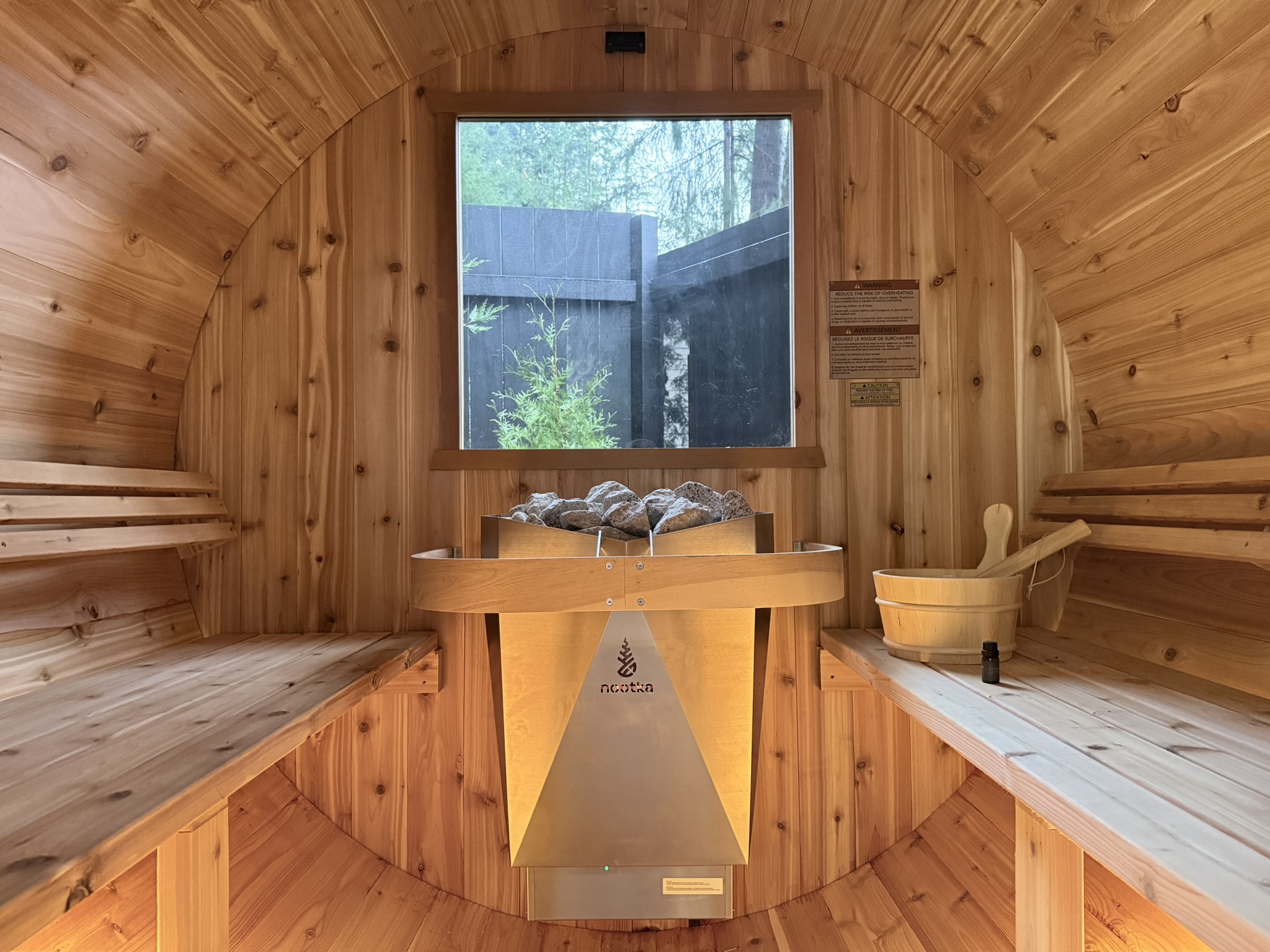
When the body enters a sauna, core temperature rises. This temperature increase creates controlled cellular stress, triggering a protective response.
In response to heat stress, cells rapidly increase production of heat shock proteins.
This activation initiates multiple recovery and protection mechanisms.
Sauna-induced heat shock protein activation supports:
- Muscle repair
- Inflammation reduction
- Improved metabolic efficiency
- Enhanced immune function
- Neuroprotection
- Longevity pathways
This process mimics the beneficial stress response triggered by exercise, amplifying recovery and adaptation.
Heat Shock Proteins and Muscle Recovery
Exercise creates microscopic damage in muscle fibers. This damage is necessary for muscle growth and strengthening.
Heat shock proteins accelerate muscle repair by:
- Repairing damaged muscle proteins
- Supporting mitochondrial recovery
- Reducing inflammation
- Improving circulation
This accelerates recovery and enhances muscle growth and strength development.
Sauna therapy is particularly effective when used after exercise.

Heat Shock Proteins and Mitochondrial Health
Mitochondria produce energy for every cellular function.
Mitochondrial decline contributes to fatigue, aging, and reduced physical performance.
Heat shock proteins protect mitochondrial function by:
- Preventing mitochondrial damage
- Supporting mitochondrial repair
- Improving energy production efficiency
This improves energy levels and metabolic function.
Heat Shock Proteins and Inflammation Reduction
Chronic inflammation accelerates aging and contributes to disease.
Heat shock proteins reduce inflammatory signaling, protecting tissues from damage.
This improves recovery, reduces pain, and enhances overall health.
Heat Shock Proteins and Brain Protection
Heat shock proteins protect neurons from damage.
This supports cognitive function, memory, and mental clarity.
Sauna therapy has been associated with reduced risk of neurodegenerative diseases.
Heat Shock Proteins and Longevity
Heat shock proteins protect cellular integrity, slowing biological aging.
This improves long-term health and lifespan.

Contrast Therapy Enhances Heat Shock Protein Activation
Cold exposure complements heat therapy by improving circulation and reducing inflammation.
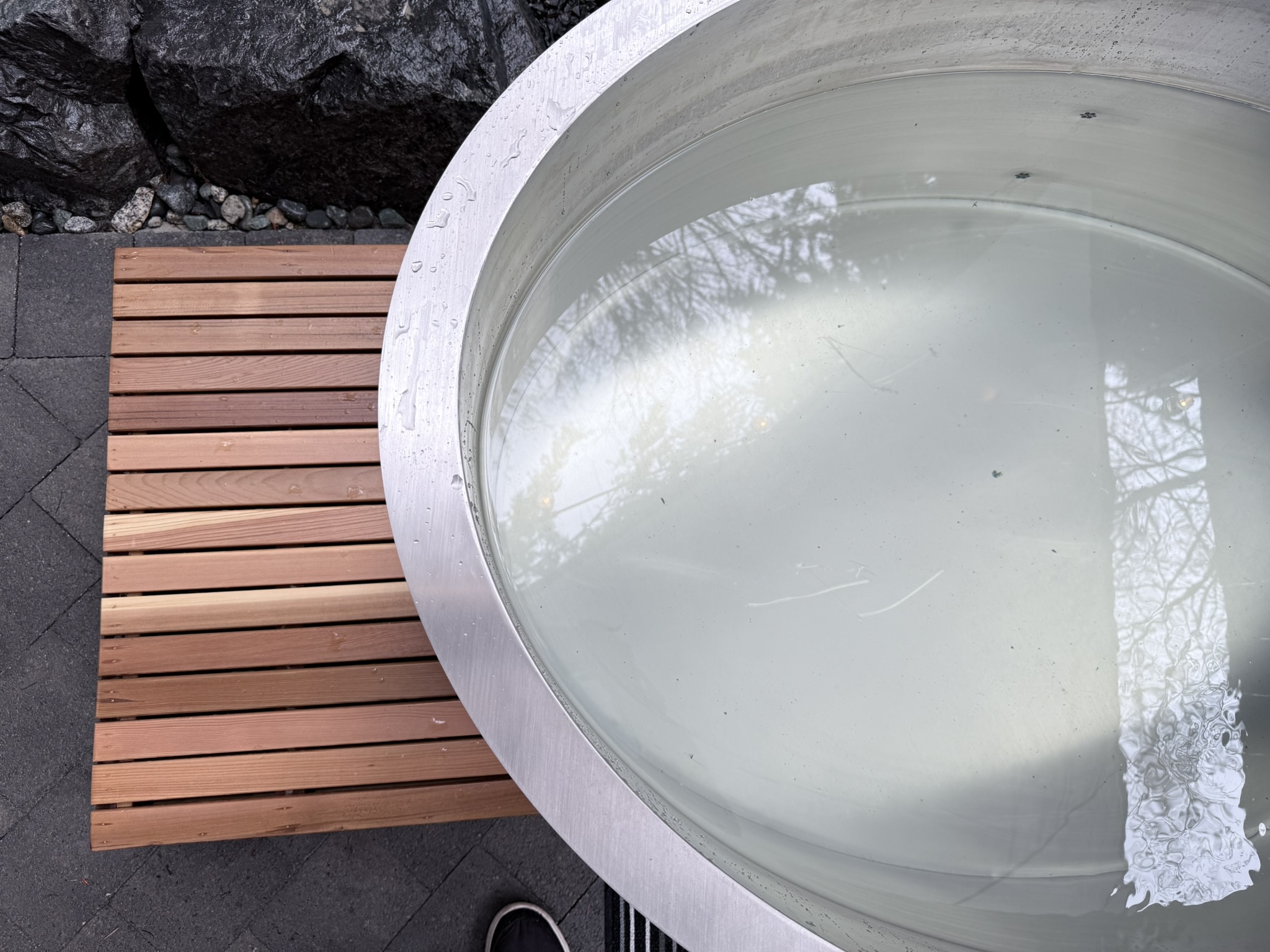
Alternating heat and cold enhances recovery mechanisms.
Optimal Sauna Protocol for Heat Shock Protein Activation
Recommended protocol:
- Temperature: 70–100°C
- Duration: 15–30 minutes
- Frequency: 3–5 times per week
Contrast therapy can further enhance benefits.
Contrast Therapy Protocol
- Sauna: 15–20 minutes
- Cold immersion: 1–3 minutes
- Rest: 5 minutes
- Repeat: 2–4 cycles
Heat Shock Proteins and Athletic Performance
HSP activation improves endurance, strength, and recovery.
Heat Shock Proteins and Metabolic Health
HSPs improve insulin sensitivity and metabolic efficiency.
Heat Shock Proteins and Hormonal Balance
Sauna supports growth hormone production and hormonal health.
Nature and Environmental Amplification
Natural environments enhance recovery by reducing stress.
Retreat Environments Optimize HSP Activation
Dedicated contrast therapy environments provide optimal conditions.
Example Biohacker Recovery Protocol
Day 1–3:
- Daily sauna sessions
- Cold immersion
- Nature immersion
Long-Term Adaptation and Cellular Resilience
Regular sauna use improves resilience and longevity.
Conclusion: Heat Shock Proteins Are the Foundation of Recovery and Longevity
Heat shock proteins represent one of the most powerful biological repair systems available.
Sauna therapy activates these mechanisms, accelerating recovery, protecting health, and supporting longevity.
By incorporating regular heat and contrast therapy into wellness routines, individuals can significantly improve recovery, performance, and long-term vitality.