On Bowen Island, stillness has texture.
It exists in the pause between wind moving through cedar branches. In the gentle rhythm of water touching shoreline stone. In the quiet moments when the nervous system realizes it is safe.
Sound bathing begins here—not as performance, but as experience.
Sound bathing is a form of vibrational therapy that uses sustained tones and frequencies to guide the nervous system into deep parasympathetic activation. Unlike music, which engages attention, sound bathing engages the body directly. The nervous system responds automatically to frequency, rhythm, and resonance.
This is not something you listen to. It is something you enter.
FAQ: What Is Sound Bathing?
Q: What exactly is a sound bath?
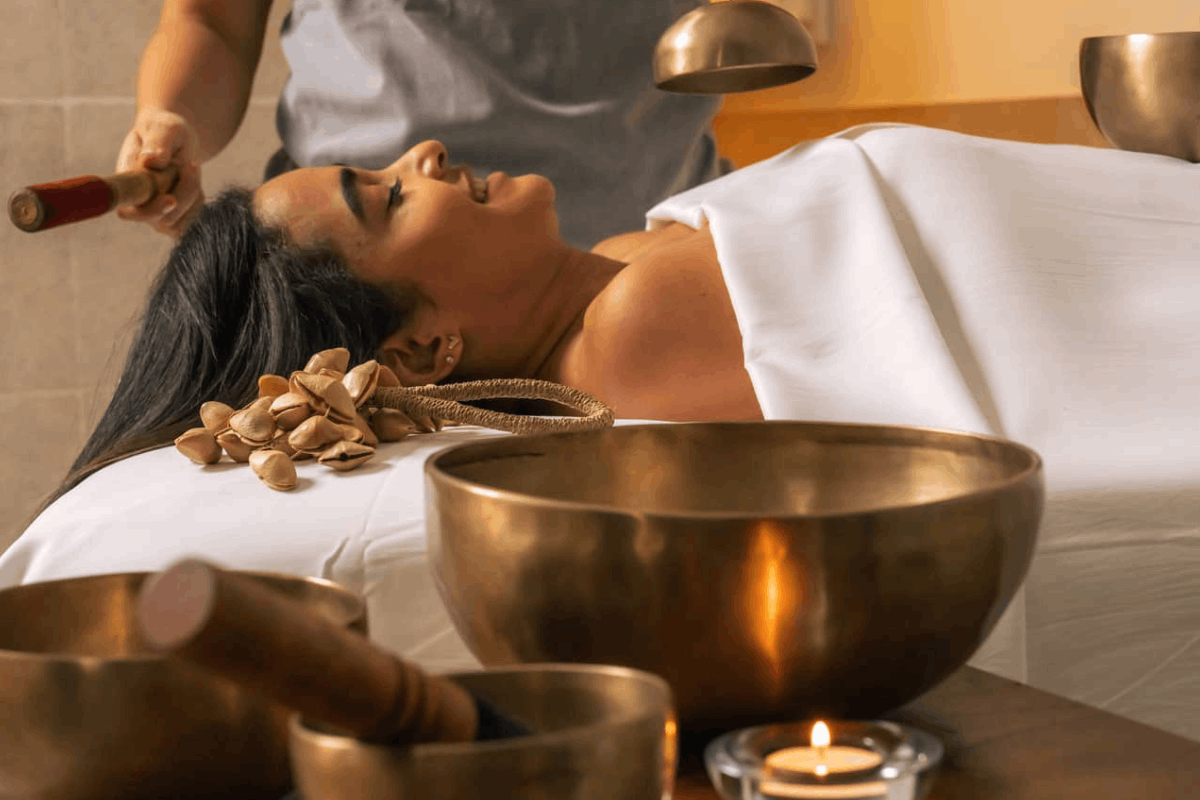
A: A sound bath is a therapeutic experience where participants are immersed in sustained, resonant sound frequencies produced by instruments such as crystal singing bowls, gongs, chimes, and natural acoustic elements. The purpose is not entertainment, but nervous system regulation.
The term “bath” refers to immersion. The listener is surrounded by sound, allowing the body and nervous system to respond passively.
Research has shown that sound meditation can reduce tension, anxiety, and negative mood states. A peer-reviewed study published by the National Institutes of Health found participants experienced significant reductions in tension, anger, and fatigue following sound meditation sessions ( https://www.ncbi.nlm.nih.gov/pmc/articles/PMC5871151/).
The nervous system recognizes sound as information. When the information signals safety, the body responds accordingly.
Q: How is sound bathing different from music?
A: Music engages the cognitive brain. Sound bathing engages the nervous system.
Music contains rhythm, melody, and structure designed to stimulate emotional and intellectual engagement. Sound bathing uses sustained tones, harmonic resonance, and slow frequency patterns designed to reduce mental activity.
Instead of following a melody, the brain gradually releases its need to analyze.
This allows the nervous system to shift into parasympathetic activation—the state responsible for rest, repair, and recovery.
The Cleveland Clinic explains that the parasympathetic nervous system controls relaxation, digestion, and recovery functions ( https://my.clevelandclinic.org/health/body/23273-parasympathetic-nervous-system).
Sound bathing helps facilitate this shift naturally.
Q: What instruments are used in sound bathing?
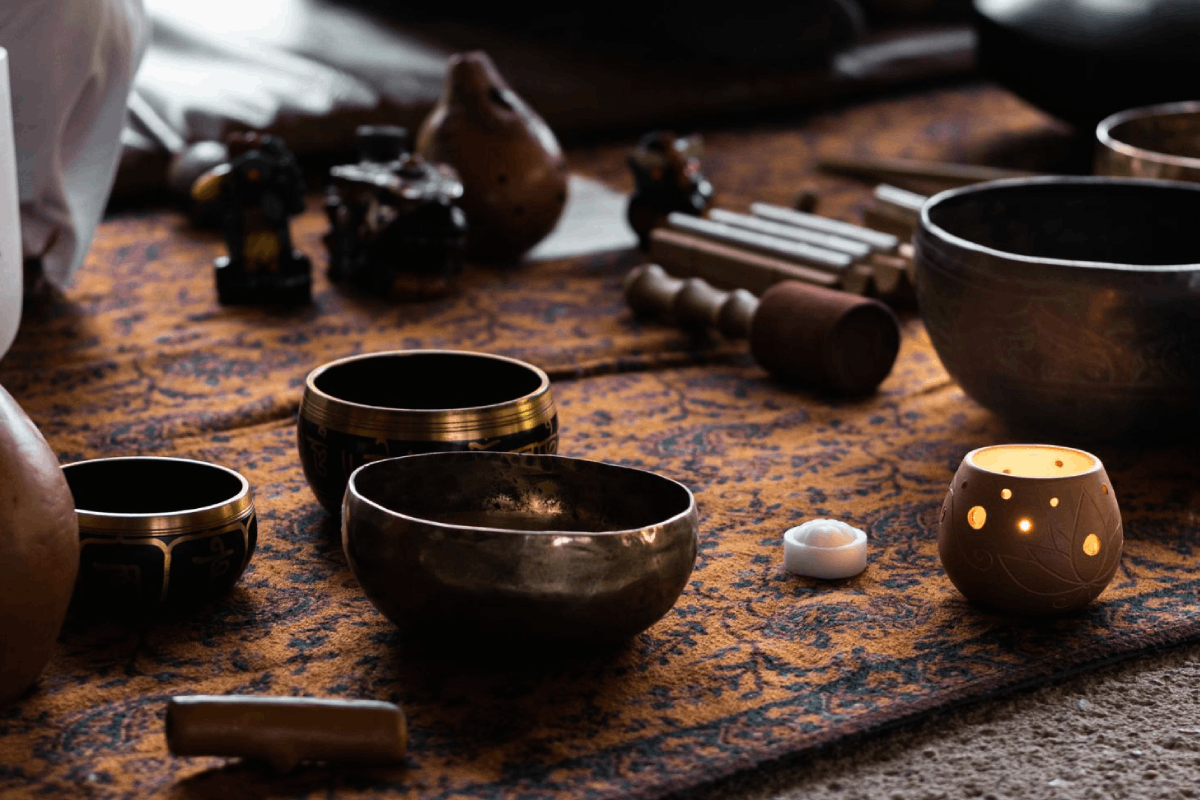
A: Common sound bathing instruments include:
- Crystal singing bowls
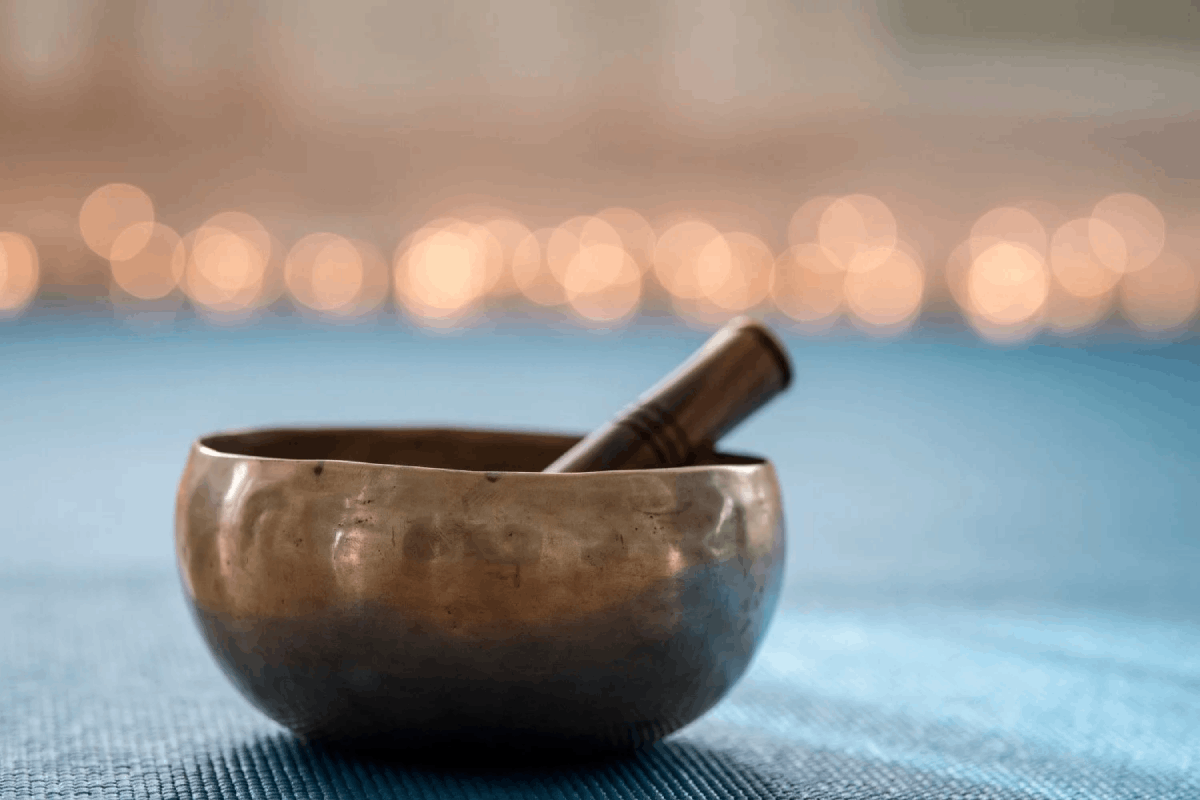
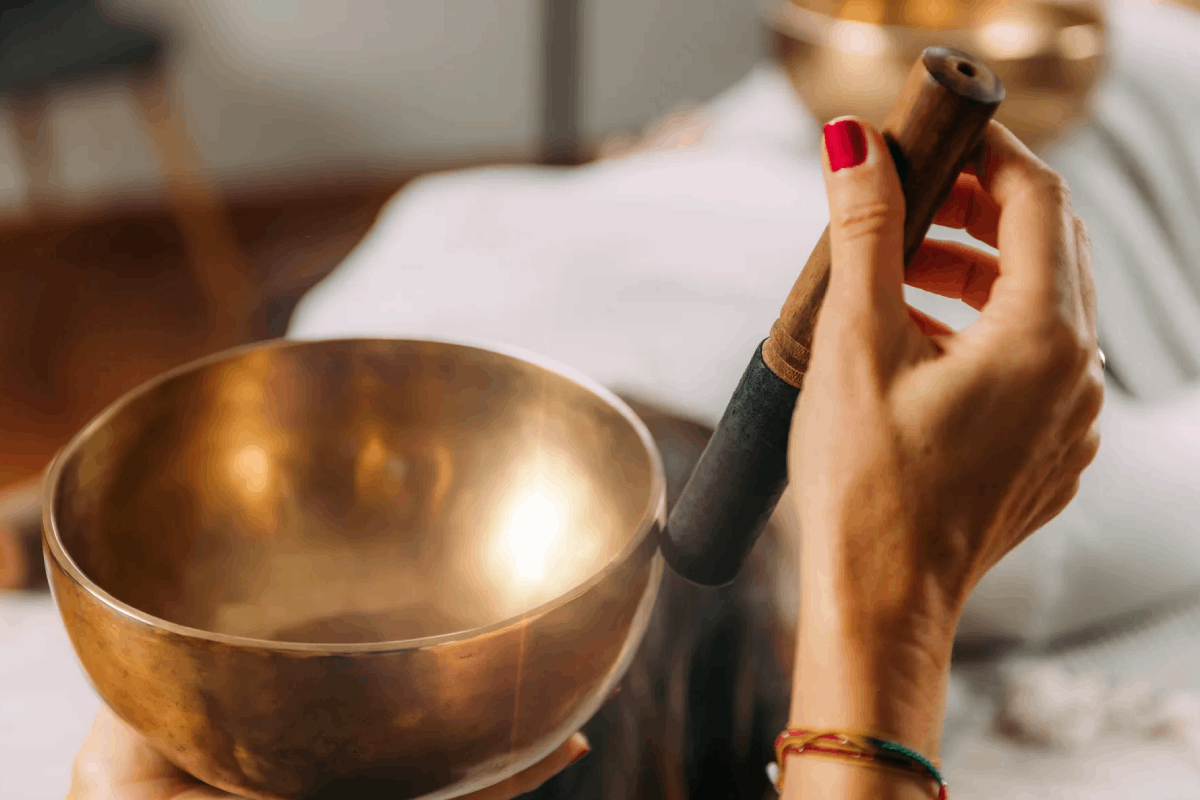
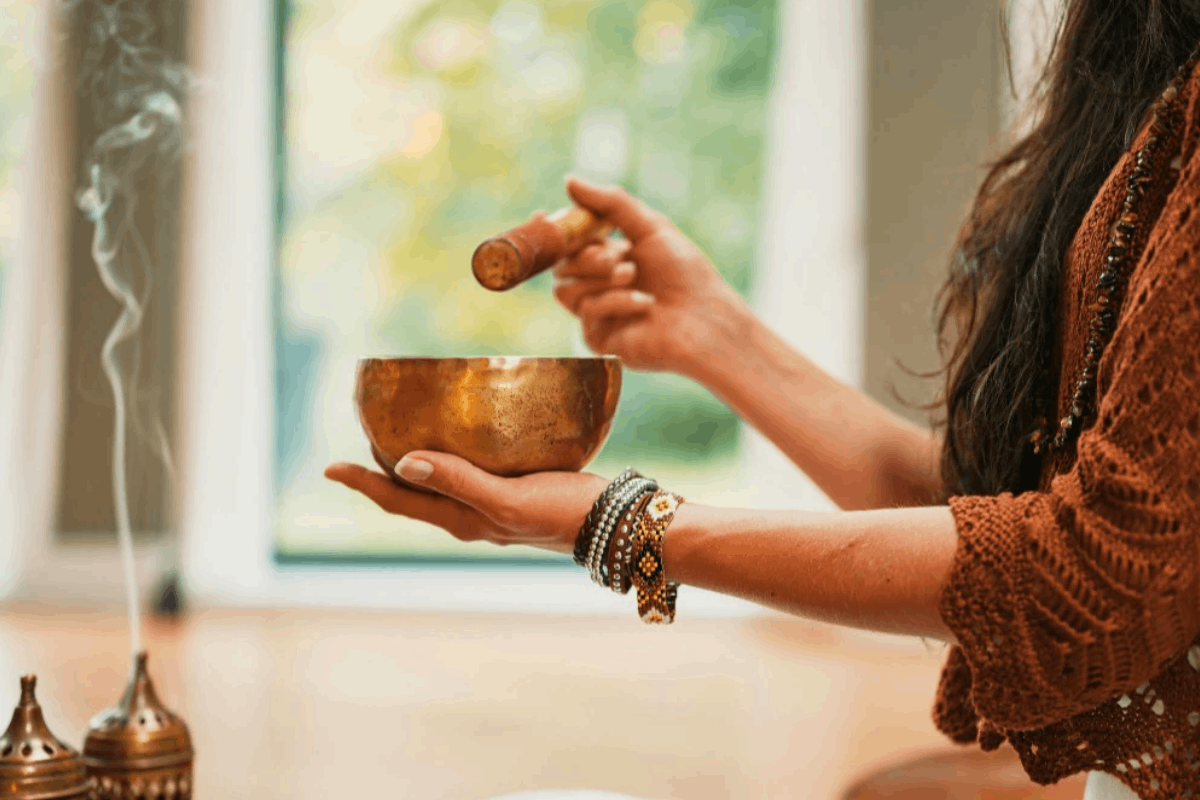
- Tibetan singing bowls
- Gongs
- Wind chimes
- Tuning forks
- Ocean drums
- Natural environmental sounds
Each instrument produces frequencies that interact with the nervous system differently. Crystal bowls, for example, produce pure harmonic tones that encourage brainwave slowing. Gongs produce complex overtones that help disrupt repetitive mental activity.
Nature itself is also an instrument.
Wind, water, and birds produce non-repetitive acoustic patterns that help regulate brain activity.
Q: What happens in the brain during a sound bath?
A: During sound bathing, brainwave activity slows from beta waves into alpha and theta states.
Beta waves are associated with alert thinking and stress. Alpha and theta waves are associated with relaxation, emotional processing, and restorative states.
Harvard Medical School explains that relaxation techniques help reduce sympathetic nervous system activity and promote recovery ( https://www.health.harvard.edu/mind-and-mood/relaxation-techniques-breath-control-helps-quell-errant-stress-response).
Sound bathing facilitates this transition without effort.
The nervous system follows frequency.
Q: Why is sound bathing often done lying down?
A: Lying down removes muscular effort and signals safety to the nervous system.
When muscles relax, the brain receives feedback that the body is not in danger. This allows deeper parasympathetic activation.
The absence of movement allows full immersion in sound frequency.
Q: Why is nature the ideal environment for sound bathing?
A: Natural environments provide acoustic safety.
A study published in Frontiers in Psychology found that natural sounds increase parasympathetic nervous system activity and reduce stress responses ( https://www.frontiersin.org/articles/10.3389/fpsyg.2017.01093/full).
Nature reduces sensory threat signals.
The nervous system relaxes more deeply.
Q: Why do people feel deeply calm during sound bathing?
A: Sound bathing activates the vagus nerve, which regulates the parasympathetic nervous system.
The vagus nerve controls:
- Heart rate
- Breathing
- Emotional regulation
- Recovery processes
When activated, the nervous system shifts out of stress mode.
Q: Is sound bathing scientifically supported?
A: Yes. Research shows sound meditation can reduce anxiety, improve mood, and regulate nervous system activity.
Sound influences physiological processes through frequency entrainment and autonomic nervous system regulation.
This is measurable, repeatable, and supported by neuroscience.
Why Sound Bathing Is Returning Now
Modern life exposes the nervous system to constant stimulation.
Traffic, screens, notifications, and artificial noise prevent the nervous system from entering restorative states.
Sound bathing restores what modern environments disrupt.
It creates conditions where the nervous system can return to baseline.
This is why sound bathing is becoming central to holistic wellness retreats and nervous system healing environments.
Experience Sound Bathing in Its Natural Environment
Sound bathing is most powerful when combined with privacy, nature, and stillness.
On Bowen Island, sound does not compete with noise.
It becomes part of the environment itself.
The nervous system recognizes this.
And begins to rest.
Experience Stillness — In Every Sense
Benefits of Sound Bathing: Nervous System Healing, Emotional Release, and Deep Recovery
The nervous system remembers safety.
But modern life rarely allows it.
Sound bathing provides the conditions where the body can release tension, regulate emotional patterns, and return to parasympathetic balance.
This is not relaxation alone.
This is nervous system repair.
FAQ: Benefits of Sound Bathing
Q: How does sound bathing heal the nervous system?
A: Sound bathing activates the parasympathetic nervous system, which controls recovery and repair.
This system slows heart rate, reduces cortisol, and restores physiological balance.
The Cleveland Clinic explains that parasympathetic activation supports recovery, digestion, and healing ( https://my.clevelandclinic.org/health/body/23273-parasympathetic-nervous-system).
Sound bathing helps trigger this state naturally.
Q: Can sound bathing reduce stress and anxiety?
A: Yes. Sound meditation has been shown to significantly reduce tension, anxiety, and negative mood states.
A National Institutes of Health study found measurable reductions in anxiety and emotional distress after sound meditation ( https://www.ncbi.nlm.nih.gov/pmc/articles/PMC5871151/).
The nervous system shifts out of fight-or-flight mode.
Q: Why do people sleep better after sound bathing?
A: Sound bathing slows brainwave activity into alpha and theta states, which are associated with sleep preparation.
This allows the nervous system to enter restorative sleep more easily.
Q: Can sound bathing release emotional tension?
A: Yes. Emotional tension is stored in the nervous system.
When parasympathetic activation occurs, the nervous system releases stored stress.
This can result in emotional clarity and relief.
Q: Why does sound bathing improve mental clarity?
A: Chronic stress impairs cognitive function.
Sound bathing reduces stress load, allowing clearer thinking and improved focus.
Q: How does sound bathing improve physical recovery?
A: Parasympathetic activation supports tissue repair, immune function, and cardiovascular recovery.
This allows the body to heal more efficiently.
Q: Why is sound bathing powerful when combined with sauna and cold plunge?
A: Sauna relaxes the body. Sound regulates the nervous system. Cold plunge strengthens nervous system resilience.
Research shows sauna bathing improves autonomic nervous system balance ( https://www.mayoclinicproceedings.org/article/S0025-6196(18)30275-1/fulltext).
Cold exposure improves autonomic nervous system regulation ( https://www.ncbi.nlm.nih.gov/pmc/articles/PMC4049052/).
Together, they create full nervous system reset.
Q: Why does privacy improve healing?
A: The nervous system releases tension only when it perceives safety.
Private environments reduce vigilance and allow deeper relaxation.
Long-Term Benefits of Sound Bathing
- Improved sleep quality
- Reduced anxiety
- Improved emotional regulation
- Enhanced mental clarity
- Improved nervous system resilience
- Better recovery from stress
Why Nature Enhances These Benefits
Natural environments reduce sensory threat signals.
This allows deeper nervous system release.
The nervous system trusts nature.
Sound Bath + Sauna + Cold Plunge: The Complete Nervous System Reset Protocol
The nervous system resets through contrast.
Heat expands. Cold contracts. Sound regulates.
When used together intentionally, sauna, cold immersion, and sound bathing form one of the most powerful protocols available for nervous system recovery. Each element affects the autonomic nervous system differently. Combined, they restore balance between sympathetic activation (stress response) and parasympathetic activation (recovery state).
This protocol is not simply relaxing. It recalibrates how the nervous system responds to stress itself.
On Bowen Island, where environmental noise is replaced by wind, water, and stillness, this reset occurs more completely.
Why Contrast Therapy Works at the Nervous System Level
The autonomic nervous system regulates survival functions, including heart rate, breathing, and stress response. Modern life often locks the nervous system into sympathetic dominance — the fight-or-flight state.
Contrast therapy helps restore flexibility.
Sauna activates controlled stress, increasing heart rate and circulation. Cold exposure activates protective reflexes and vagus nerve regulation. Sound bathing then stabilizes the nervous system into parasympathetic recovery.
This sequence teaches the nervous system to move fluidly between activation and recovery.
Research published in Mayo Clinic Proceedings found sauna bathing improves cardiovascular function and autonomic nervous system balance ( https://www.mayoclinicproceedings.org/article/S0025-6196(18)30275-1/fulltext).
Cold exposure research published in the National Institutes of Health demonstrates improved autonomic nervous system regulation and stress adaptation ( https://www.ncbi.nlm.nih.gov/pmc/articles/PMC4049052/).
Sound meditation research shows reduced tension, anxiety, and sympathetic nervous system activity ( https://www.ncbi.nlm.nih.gov/pmc/articles/PMC5871151/).
Together, these create complete nervous system recalibration.
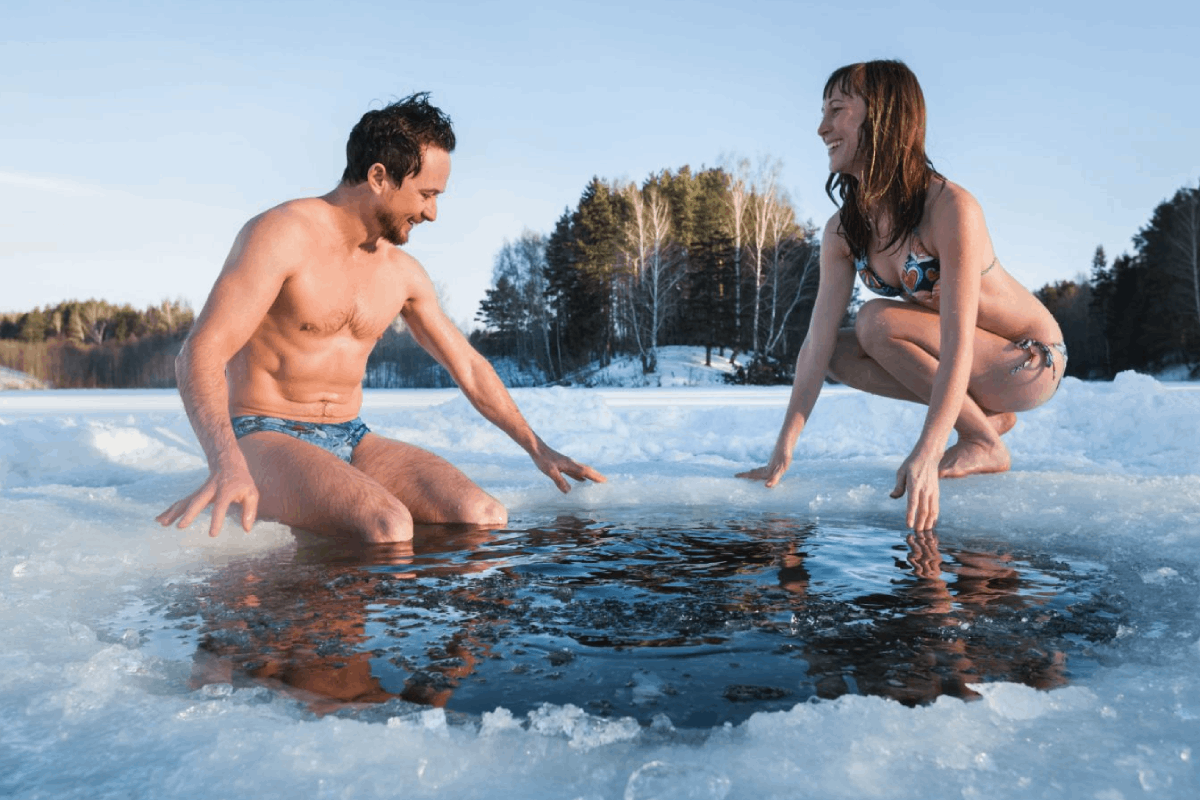
The Ideal Sequence: Heat → Cold → Sound
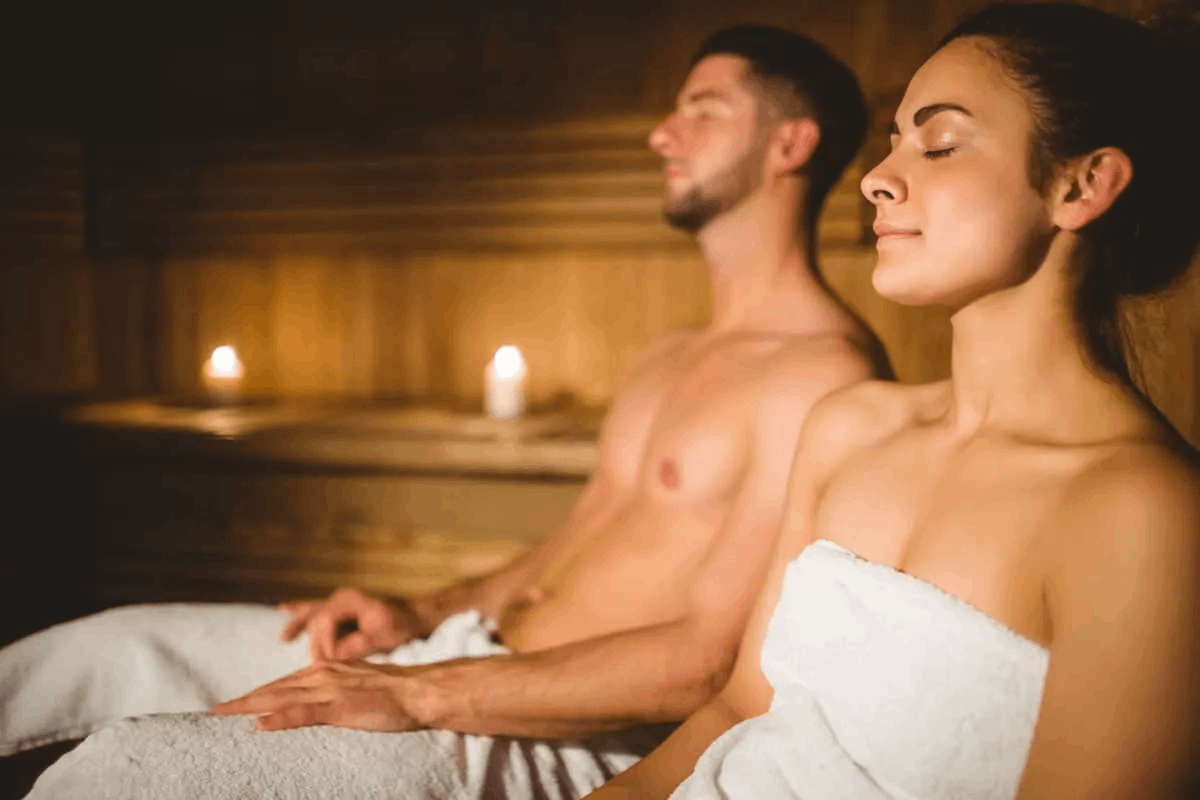
Phase 1: Sauna (Activation and Circulation)
Sauna exposure increases core body temperature and circulation. Blood vessels dilate, heart rate increases, and muscular tension decreases.
This prepares the nervous system for deeper regulation.
Sauna bathing has been associated with improved cardiovascular health and reduced stress markers ( https://www.health.harvard.edu/blog/sauna-use-linked-longer-life-fewer-fatal-heart-problems-201502257755).
Recommended duration: 15–20 minutes.
Phase 2: Cold Plunge (Resilience and Nervous System Training)
Cold exposure activates the vagus nerve and strengthens autonomic regulation.
The nervous system learns to remain calm under controlled stress.
Cold exposure has been shown to increase norepinephrine and improve stress resilience ( https://www.ncbi.nlm.nih.gov/pmc/articles/PMC5025014/).
Recommended duration: 30 seconds to 3 minutes.
Phase 3: Sound Bath (Integration and Parasympathetic Activation)
After heat and cold, the nervous system becomes highly receptive.
Sound bathing stabilizes the nervous system into parasympathetic dominance.
This is where recovery occurs.
Why This Protocol Is So Effective
Each phase affects the nervous system differently:
- Sauna increases circulation and releases muscular tension
- Cold plunge improves autonomic resilience
- Sound bathing stabilizes nervous system recovery
The nervous system learns flexibility.
This improves long-term stress tolerance.
FAQ: Sound Bath + Sauna + Cold Plunge Protocol
Q: Why combine sound bathing with sauna and cold plunge?
A: Sauna and cold exposure activate the nervous system. Sound bathing stabilizes it into recovery. This sequence restores autonomic balance more completely than any single therapy alone.
Q: Why does sauna come first?
A: Heat relaxes muscles, improves circulation, and prepares the nervous system for contrast exposure.
Q: Why is cold plunge necessary?
A: Cold exposure strengthens autonomic nervous system resilience and improves stress adaptation.
Q: Why is sound bathing done last?
A: Sound stabilizes the nervous system into parasympathetic recovery after activation phases.
Q: How many rounds should be performed?
A: Two to three rounds provide optimal nervous system reset.
Q: How does this improve sleep?
A: Sauna, cold, and sound regulate nervous system balance, which improves sleep quality.
Q: Is this safe for beginners?
A: Yes, when performed gradually and comfortably.
Q: Why does nature improve this protocol?
A: Natural environments reduce stress signals and enhance parasympathetic activation.
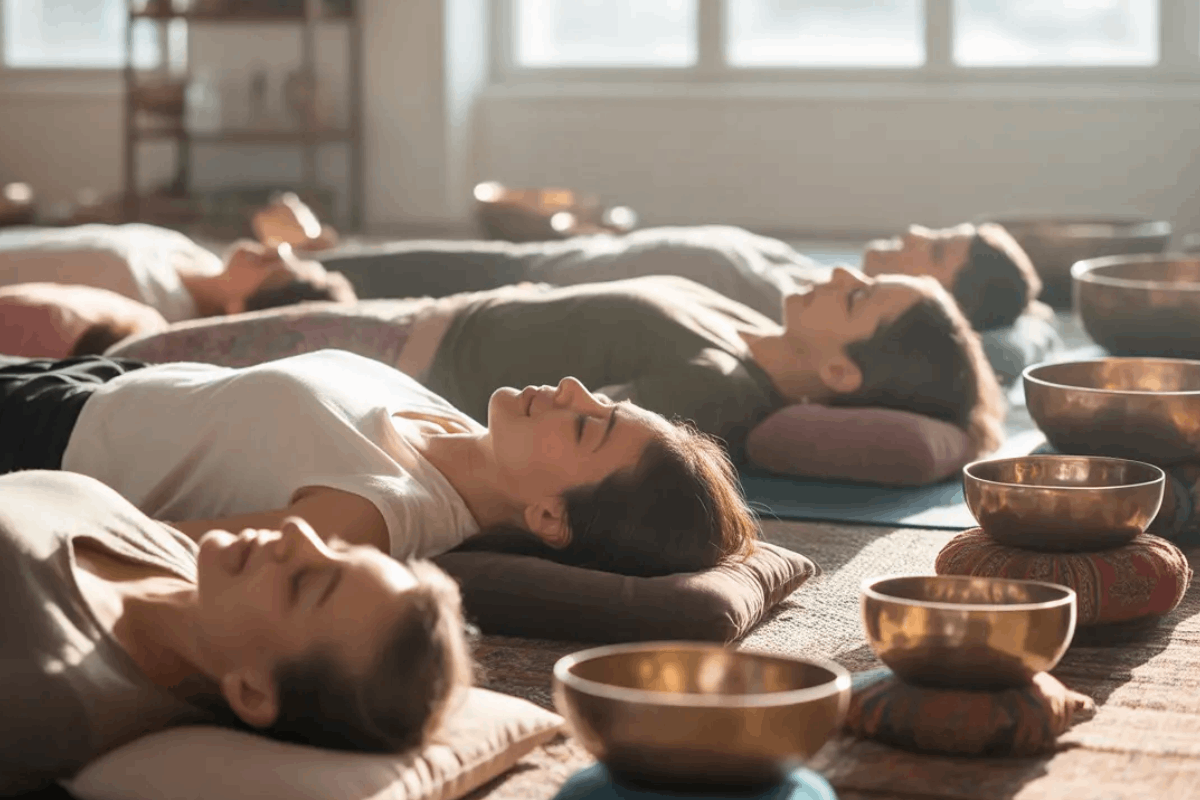
The 48-Hour Sound Healing Retreat: A Complete Nervous System Recovery Itinerary
The nervous system does not reset instantly.
It resets gradually, through repeated signals of safety.
A 48-hour retreat provides enough time for the nervous system to shift from chronic sympathetic activation into parasympathetic recovery.
This transition cannot be forced.
It must be allowed.
Day 1: Arrival and Decompression
The first phase is decompression.
The nervous system needs time to release environmental vigilance.
Nature accelerates this transition.
Research shows natural environments reduce cortisol and sympathetic activation ( https://www.frontiersin.org/articles/10.3389/fpsyg.2017.01093/full).
Evening Protocol
- Sauna session (15–20 minutes)
- Cold plunge (1–3 minutes)
- Sound bathing session (20–30 minutes)
- Sleep
Day 2: Nervous System Regulation
By the second day, the nervous system begins deeper recovery.
Sound bathing enhances emotional processing.
Sauna improves circulation.
Cold exposure strengthens resilience.
Day 3: Integration and Return
The nervous system stabilizes into its new baseline.
Stress tolerance improves.
Sleep deepens.
FAQ: 48-Hour Sound Healing Retreat
Q: Why does nervous system recovery take 48 hours?
A: The nervous system requires sustained safety signals to shift out of chronic stress patterns.
Q: Why is sleep improved during retreats?
A: Reduced cortisol allows deeper parasympathetic activation.
Q: Why combine sound bathing with nature?
A: Nature enhances nervous system safety signals.
Q: Is one retreat enough?
A: Benefits occur immediately and improve with repetition.
Q: Why is privacy important?
A: Privacy allows deeper nervous system release.
The Result: Lasting Nervous System Change
The nervous system remembers safety.
And carries it forward.
Experience Stillness — In Every Sense