

Contrast therapy is a powerful practice that involves alternating between heat and cold exposure to stimulate circulation, accelerate recovery, reduce inflammation, and promote mental clarity.
To perform contrast therapy effectively, it’s important to understand the correct sequence, duration, and safety measures. Beginners should start with shorter exposures, gradually increasing intensity and duration as tolerance improves. Typical sessions involve moving between a hot environment—such as a sauna, steam room, or warm bath—and a cold environment, like a cold plunge, ice bath, or cold shower. The contrast between hot and cold triggers a “vascular pump” effect, promoting blood flow, reducing muscle soreness, and activating the nervous system.
For structured sessions, high-end contrast therapy circuits, like Cedarwood on Bowen Island, provide an ideal template. A standard sequence might begin with a brief cold bucket shower (10 seconds) to awaken the body, followed by 10–15 minutes in a high-end sauna to relax muscles and open blood vessels. Next, a 1–5 minute cold plunge reduces inflammation and flushes metabolic waste. This is followed by 10–15 minutes in a fireside lounge for recovery, allowing the body to normalize and integrate the benefits. Repeating this cycle 2–3 times, depending on experience and tolerance, ensures maximum physiological and mental effects. Adjustments in temperature, timing, and sequence can be made based on individual goals and comfort levels, making contrast therapy highly customizable.
Safety and mindfulness are critical. Always listen to your body, remain hydrated, and consult a physician if you have cardiovascular conditions, respiratory issues, or other medical concerns. Beginners should start with 1–2 cycles, while intermediate users may progress to 3–4 cycles, and advanced users can safely extend durations or repetitions under supervision. Incorporating mindful breathing, meditation, or guided visualization during sessions can enhance relaxation, stress relief, and mental clarity. Proper preparation, awareness, and progression make contrast therapy a safe, effective, and transformative tool for athletes, wellness enthusiasts, and anyone seeking elevated recovery and overall health benefits.
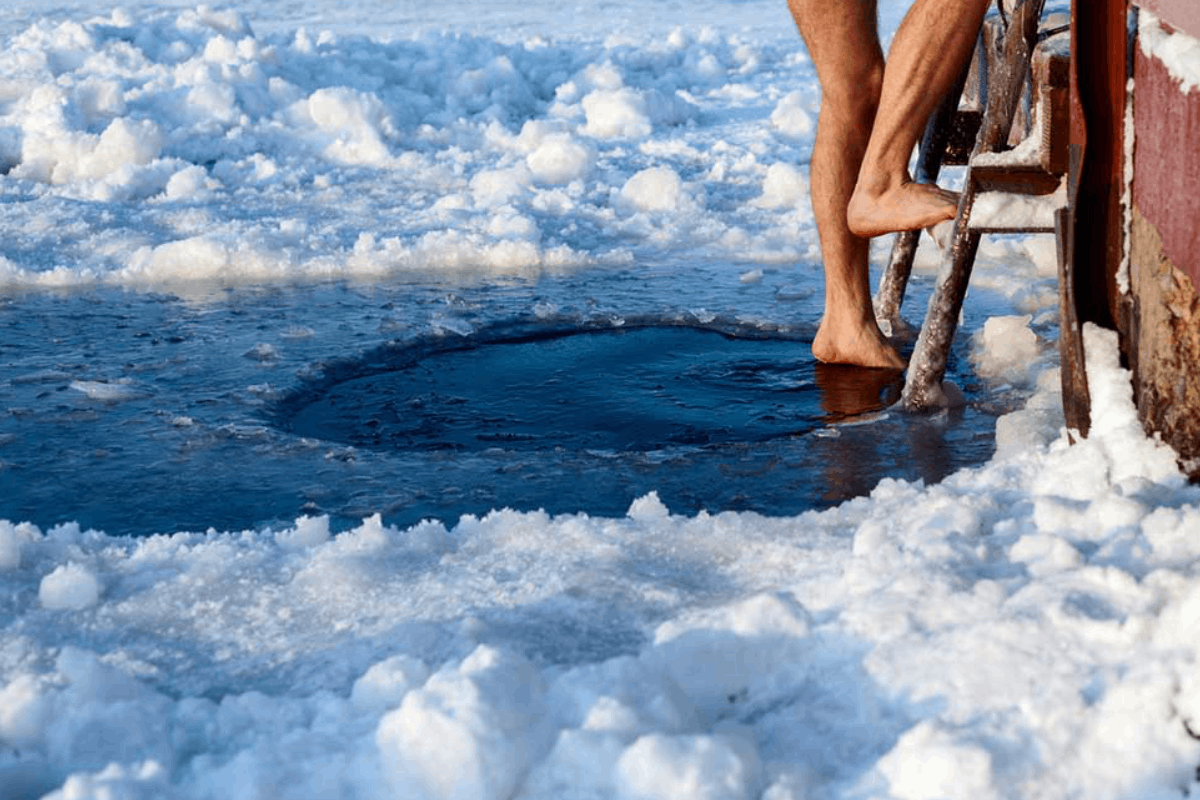
Contrast Therapy Do’s and Don’ts
Learn the essential contrast therapy best practices to maximize benefits while staying safe. This guide covers optimal timing, temperature awareness, hydration, breathing, and common mistakes to avoid for a balanced heat-cold experience.
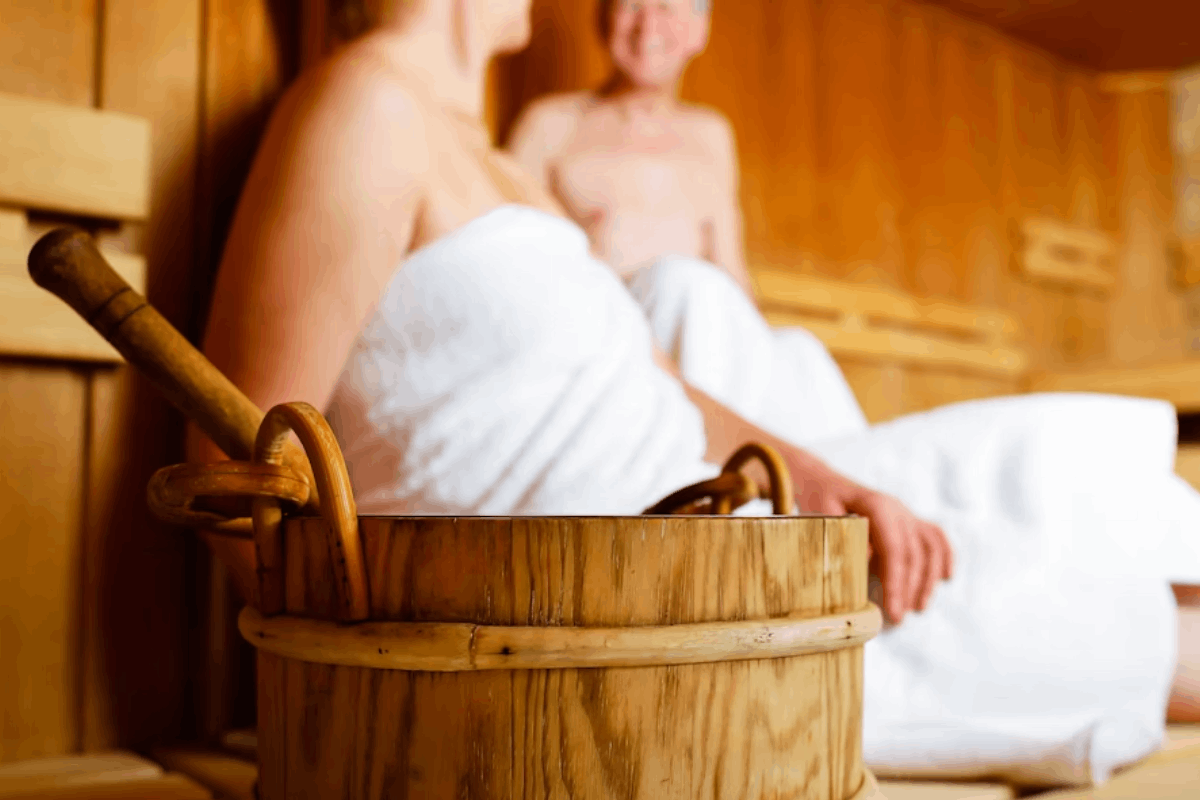
Contrast Therapy for Beginners
New to contrast therapy? This introduction explains how to start gently, build tolerance, and listen to your body while experiencing the proven mental, physical, and nervous system benefits of contrast therapy.
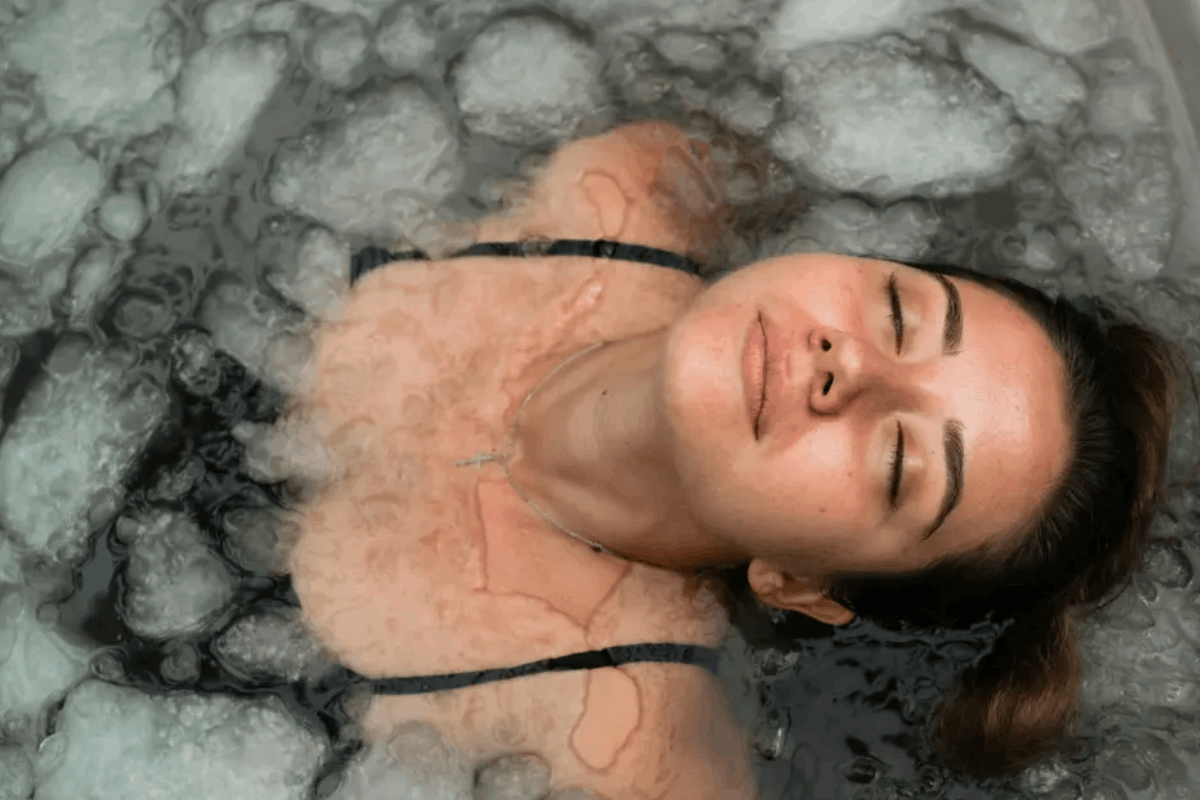
Cold Plunge for Beginners
Cold plunging doesn’t have to be extreme to be effective. Discover how short, controlled cold exposure supports stress resilience, circulation, inflammation reduction, and nervous system regulation, especially for first-time plungers.
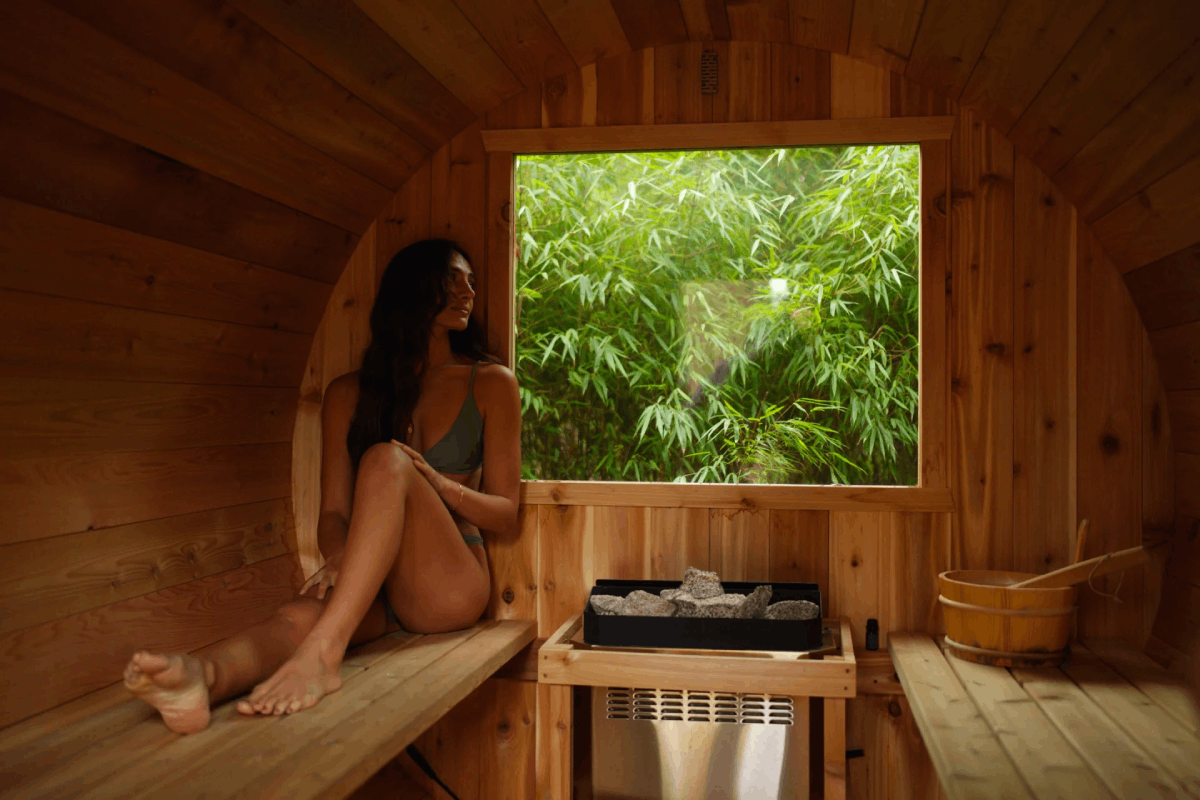
Electric vs Wood Sauna: What’s Better
Both sauna types offer benefits, but electric saunas provide precision, safety, and consistency ideal for structured contrast therapy. Learn how heat quality, temperature control, sustainability, and fire-ban reliability influence the modern wellness experience.
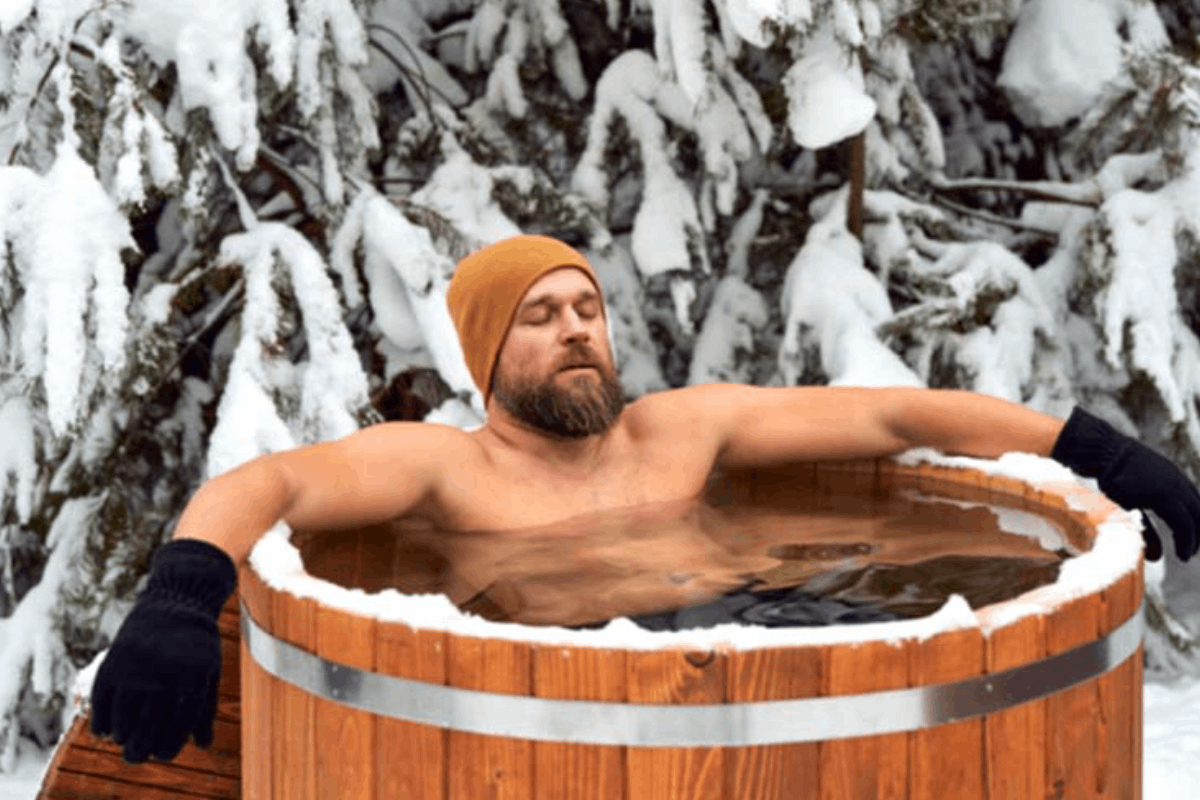
Why Oval Plunge Pools Are Superior
Oval plunge pools support a more natural body position, allowing full submersion without compression or discomfort. Their ergonomic design enhances relaxation, breath control, and circulation during both cold and warm immersion.
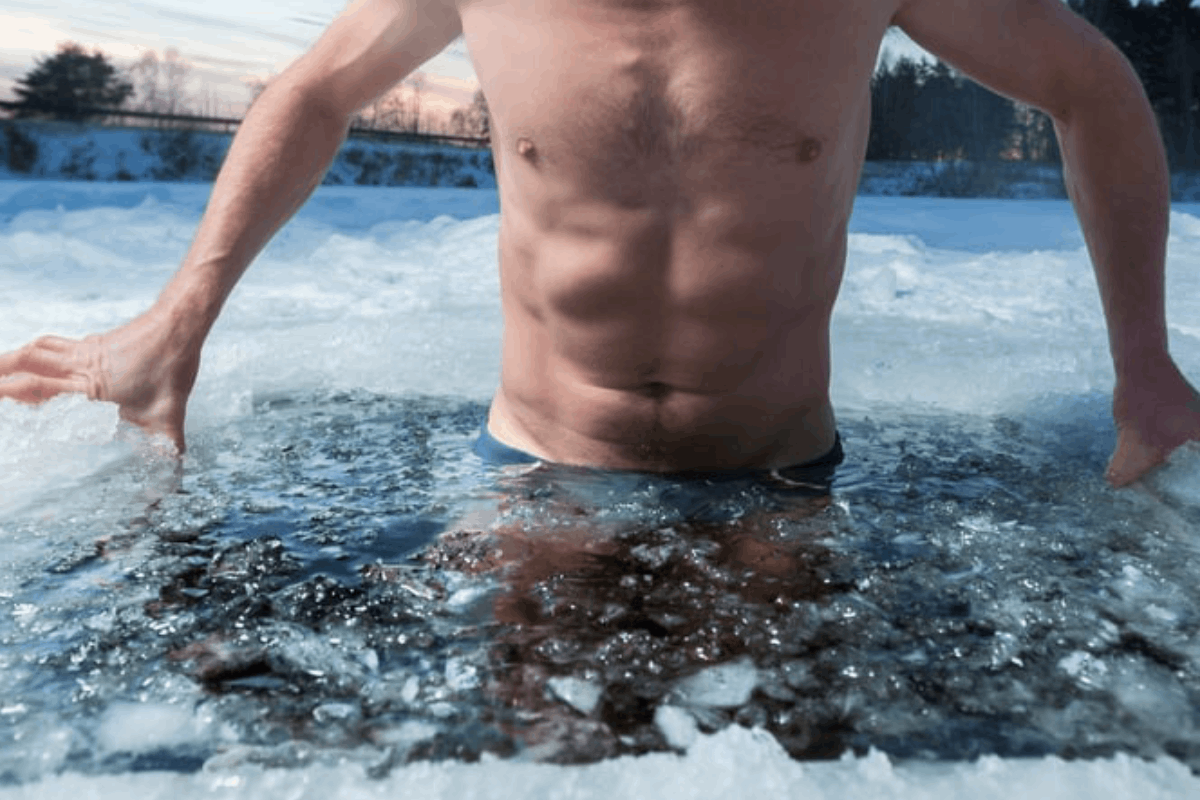
Cold Plunge vs Warm Plunge
Cold plunges activate alertness, recovery, and stress adaptation, while warm plunges promote muscle relaxation, parasympathetic response, and emotional calm. Understanding when to use each allows you to customize your contrast therapy journey for recovery, reset, or deep restoration.
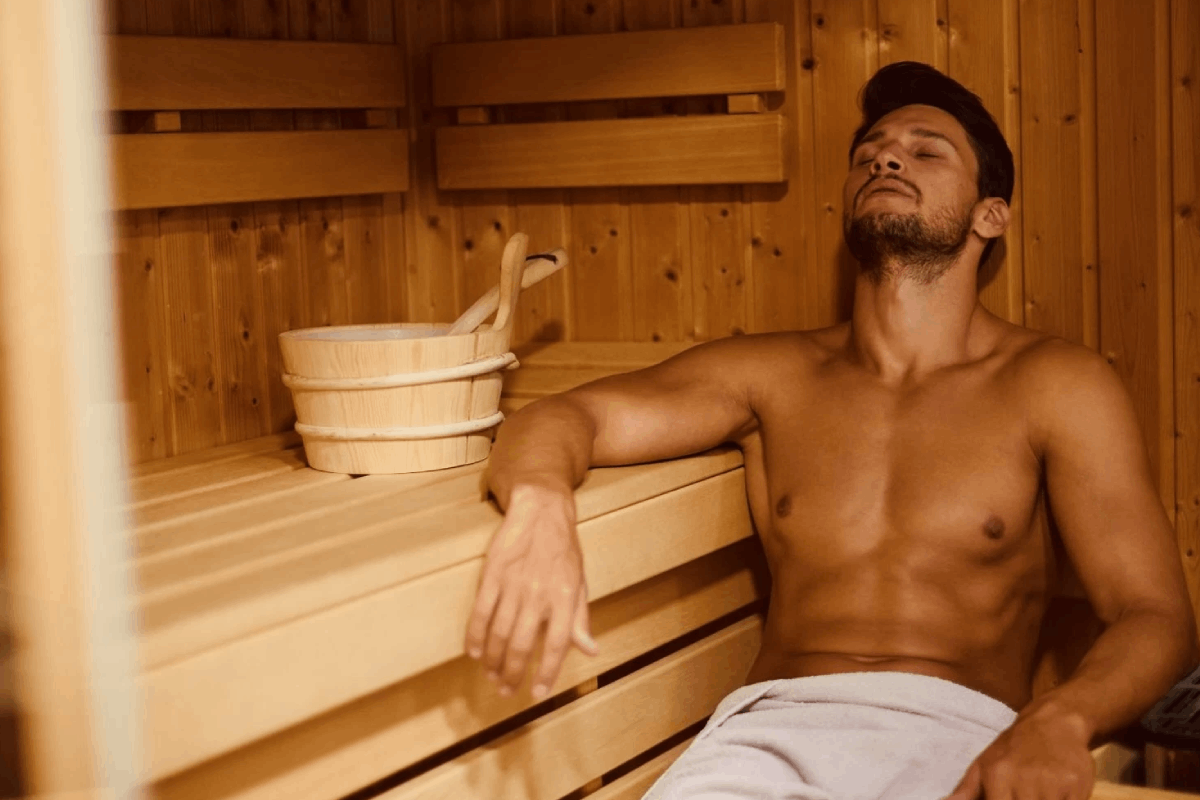
Master Contrast Therapy: Tips for Maximum Recovery and Nervous System Reset
Learn how to optimize your contrast therapy routine with science-backed sequencing of sauna, cold plunge, and rest phases. This ultimate guide helps you improve circulation, reduce inflammation, and fully reset your nervous system for peak wellness.
Cold Plunge Without the Gym Bros: A Mindful, Beginner-Friendly Approach to Cold Therapy
Experience the benefits of cold immersion without intimidation or competition. This guide shows how a gentle, intentional approach to cold plunges improves circulation, mood, and nervous system resilience while creating a safe and calming environment.

Sauna Hats: Protect Your Head, Improve Your Sauna Experience, and Boost Recovery
Discover why sauna hats are more than just a traditional accessory — they help regulate head temperature, prevent dizziness, and enhance your sauna ritual. Learn which materials, types, and usage tips maximize comfort and recovery during heat therapy sessions.
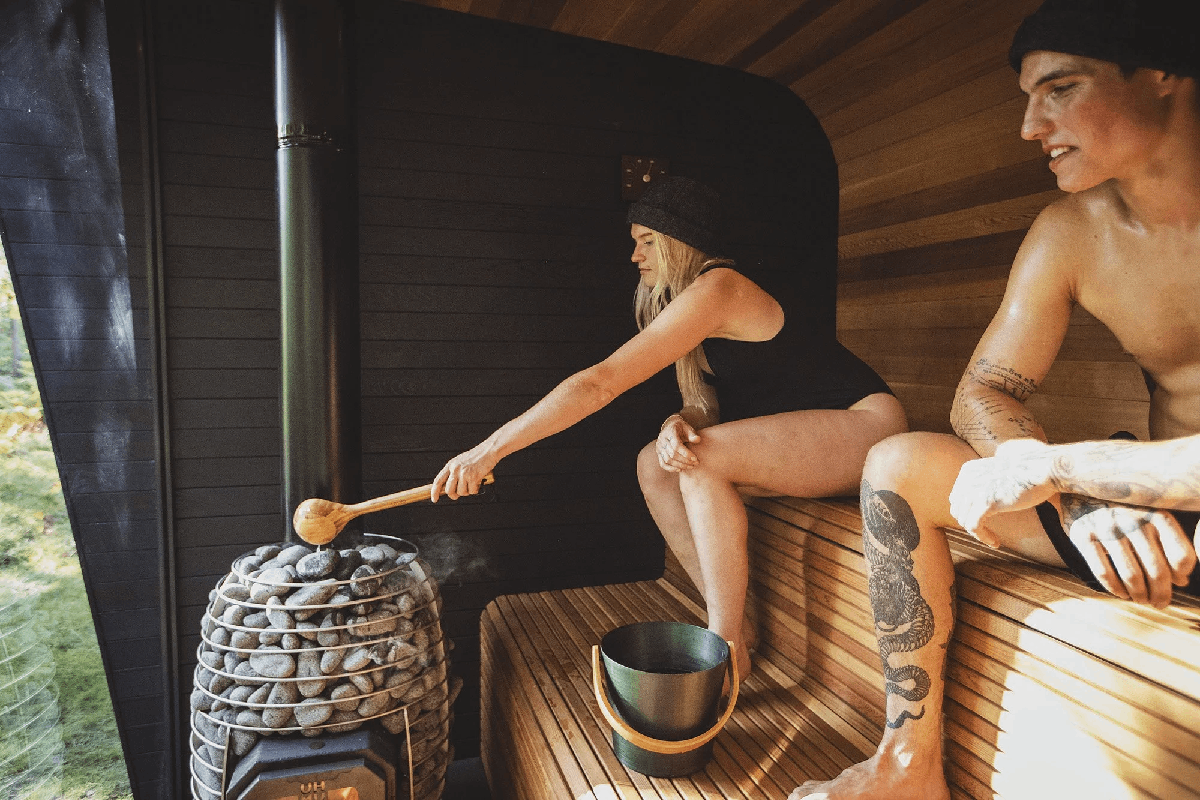
Sauna Etiquette: What You Should Know Before Your Next Session
Discover the simple guidelines that make sauna sessions relaxing, respectful, and restorative for everyone. From proper preparation to mindful behavior inside the heat, these small practices ensure a safe and peaceful shared experience.
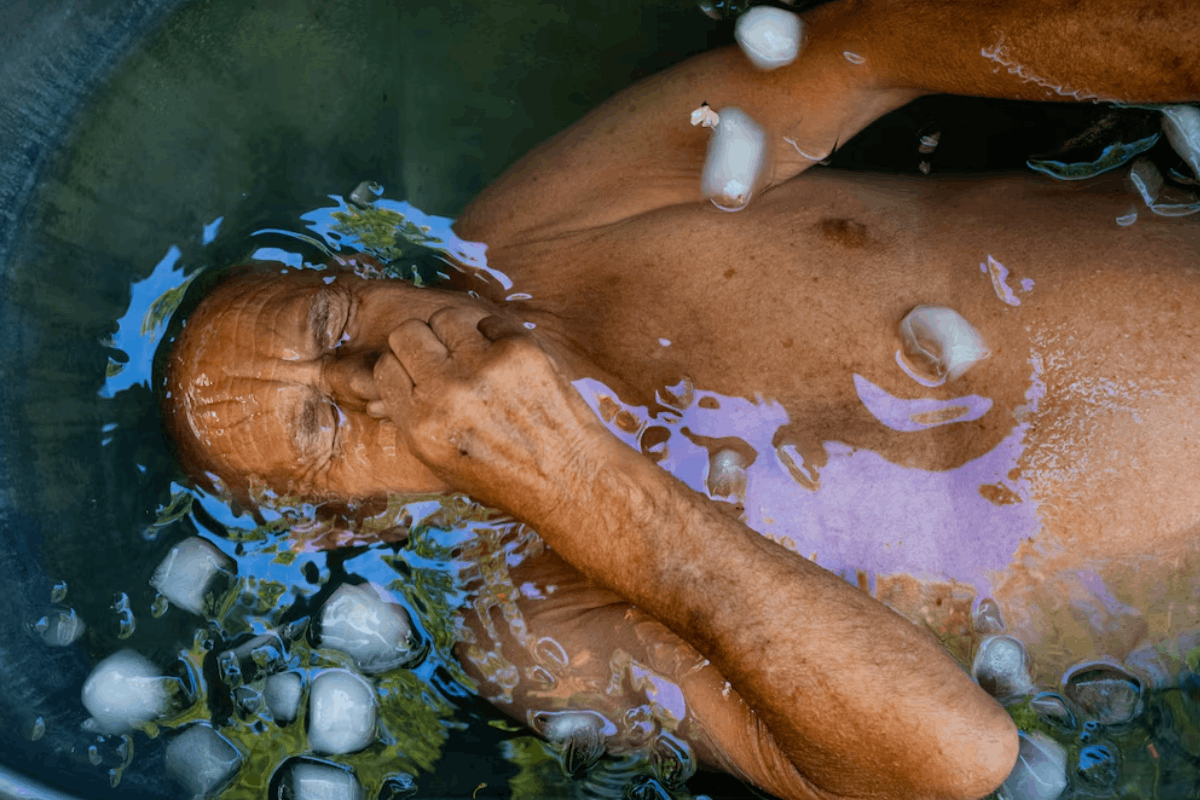
Cold Plunge Etiquette: How to Safely and Respectfully Enjoy Your Ice Bath
Cold plunging is powerful—but it works best when practiced with awareness and respect for others sharing the space. Learn the essentials of safe immersion, mindful breathing, and proper plunge etiquette to make every cold session invigorating and enjoyable.
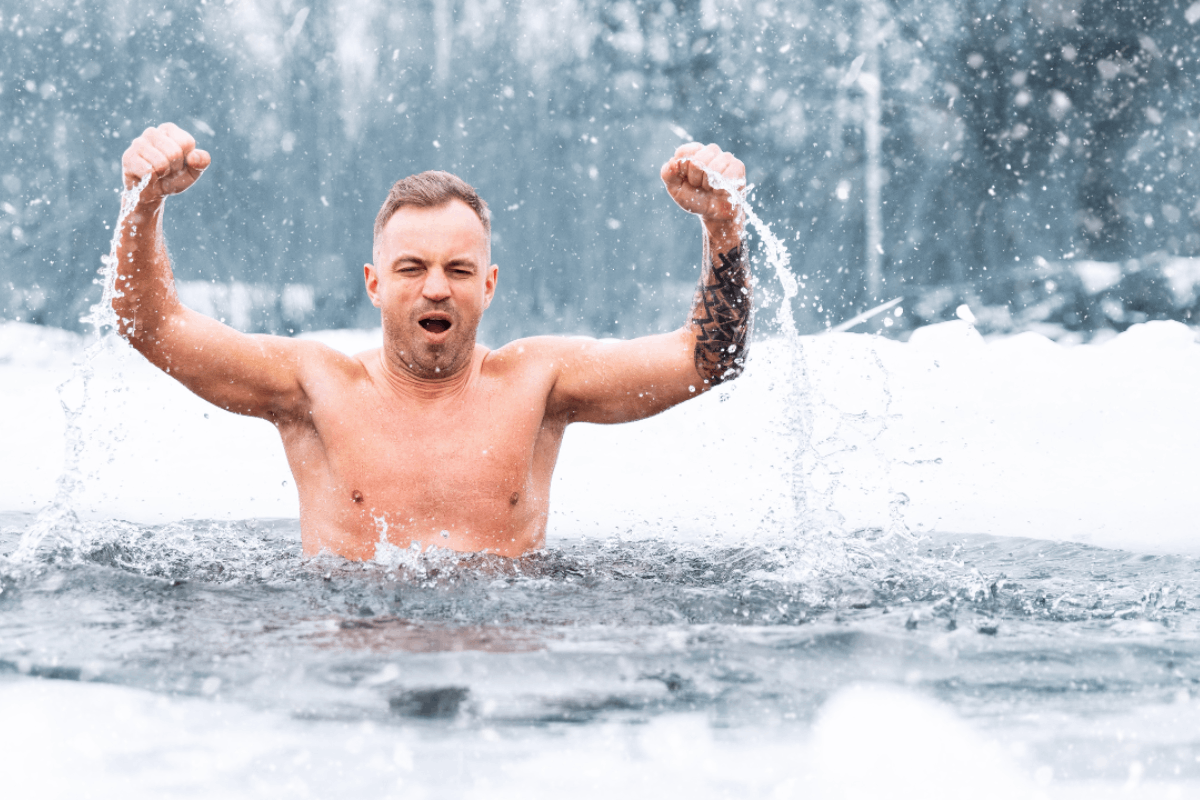
The Warrior Reset: Thermal Contrast Therapy for Peak Male Performance
Harness the ancient power of heat and cold to restore strength, sharpen focus, and accelerate recovery. This guide explores how thermal contrast therapy can help men optimize performance, resilience, and overall vitality.
FAQs about How to Do Contrast Therapy
Q: What is contrast therapy?
A: A practice alternating heat and cold exposure to improve circulation, recovery, and mental clarity.
Q: How do beginners start?
A: Start with shorter durations and mild temperatures, gradually increasing intensity as tolerance improves.
Q: What is a typical sequence?
A: Cold bucket shower, sauna, cold plunge, fireside lounge, repeated 2–3 times.
Q: How long should each stage last?
A: Cold shower: 10 sec; sauna: 10–15 min; cold plunge: 1–5 min; lounge: 10–15 min.
Q: How many cycles per session?
A: Beginners: 1–2; intermediate: 2–3; advanced: 3–4 or more based on tolerance.
Q: Can I practice contrast therapy at home?
A: Yes, using showers, bathtubs, or portable saunas, but professional facilities offer controlled environments.
Q: Is mindfulness recommended?
A: Yes, incorporating breathing, meditation, or visualization enhances benefits.
Q: Are there safety considerations?
A: Hydrate, listen to your body, and consult a doctor if you have medical conditions.
Q: Can athletes benefit?
A: Yes, contrast therapy reduces DOMS, accelerates recovery, and supports performance.
Q: How often should sessions occur?
A: 2–3 times per week for general wellness; frequency can increase for advanced athletes.
Q: Can I adjust temperature?
A: Yes, temperature can be modified based on comfort, goals, and experience level.
Q: Should I hydrate?
A: Yes, hydration before and after sessions is important.
Q: Can I combine with other wellness practices?
A: Yes, yoga, stretching, or massage complement contrast therapy benefits.
Q: Is it suitable for all ages?
A: Generally adults and older teens; children and those with medical conditions should consult a doctor first.
Q: How do I progress?
A: Gradually increase duration, temperature, and cycles as tolerance improves.
Q: Are there advanced techniques?
A: Yes, techniques include longer cold immersions, heat acclimation, and specialized breathing exercises.
Q: Can contrast therapy improve mental clarity?
A: Yes, alternating temperatures stimulates the nervous system and promotes focus.
Q: Can it support longevity?
A: Regular practice may enhance cardiovascular, immune, and circulatory health over time.