For years, the “Third Place”—that vital social space outside of home and work—was the local coffee shop, the pub, or the traditional gym.
But as we move through the year, a significant cultural shift is occurring. We are witnessing the rise of the Social Recovery Movement. Contrast therapy is no longer a solitary endurance test performed in a dark bathroom; it has become a communal ritual that combines physiological optimization with deep human connection.
This trend is driven by the “loneliness epidemic” and a growing desire for high-vibration social environments that don’t revolve around alcohol or late nights. According to the latest wellness sociology reports, communal thermal bathing—a practice deeply rooted in Finnish and Roman history—is being reinvented for the modern era as the ultimate tool for collective resilience.
Beyond Solitude: The Power of “Shared Stress”
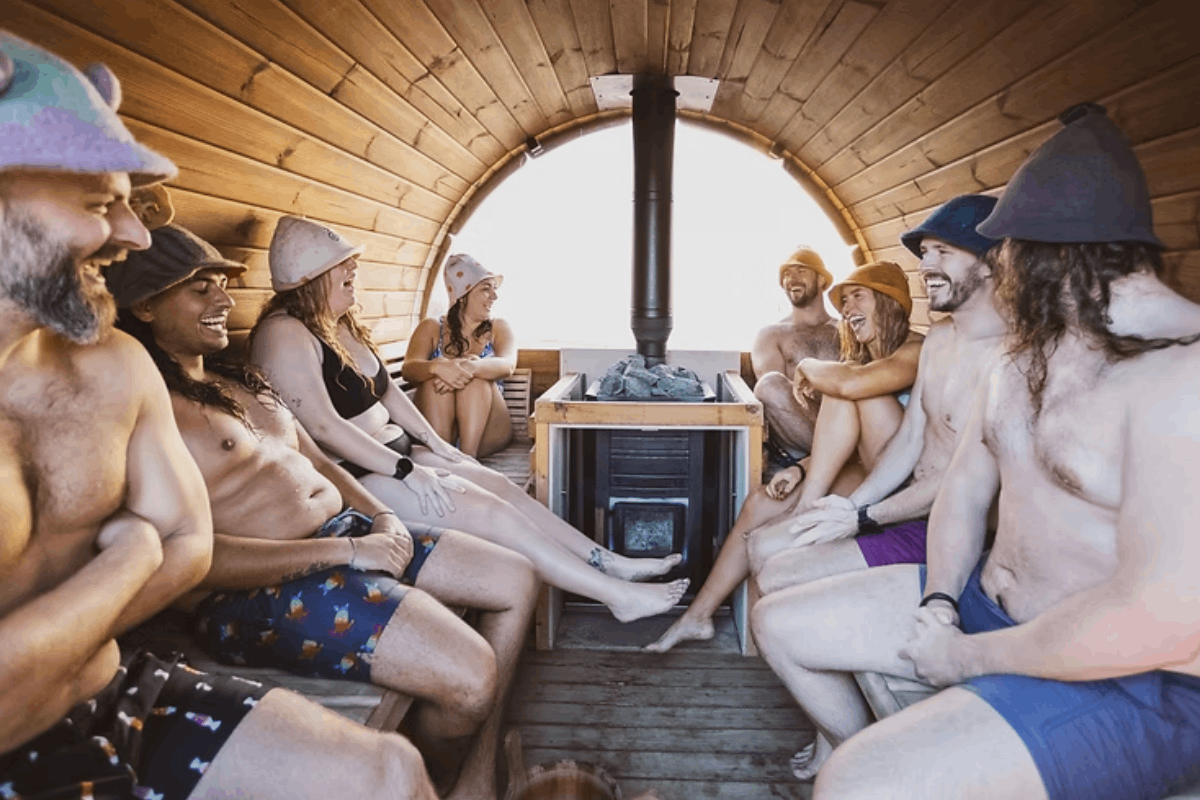
The core of the Social Recovery Movement is the concept of shared hormetic stress. When individuals experience the intensity of a 90°C sauna or a 5°C plunge together, it triggers a unique psychological phenomenon known as “identity fusion.”
1. Co-Regulation of the Nervous System
In a group contrast circuit, a process called nervous system co-regulation occurs. When one person maintains calm, deep breathing during a cold plunge, it serves as a non-verbal cue to others in the group to stay out of a “fight-or-flight” state. This collective calm makes the physiological challenge easier to endure and fosters a profound sense of trust and safety among participants. This is the new “team building” for the longevity generation.
2. The “Oxytocin Stack”
While solo contrast therapy releases dopamine and norepinephrine, social contrast therapy adds a layer of oxytocin—the “bonding hormone.” The laughter, encouragement, and shared post-plunge “high” create a neurochemical cocktail that dramatically lowers cortisol levels more effectively than solo sessions. Recent insights from Psychology Today suggest that these “high-arousal social rituals” are among the most effective ways to combat modern anxiety.
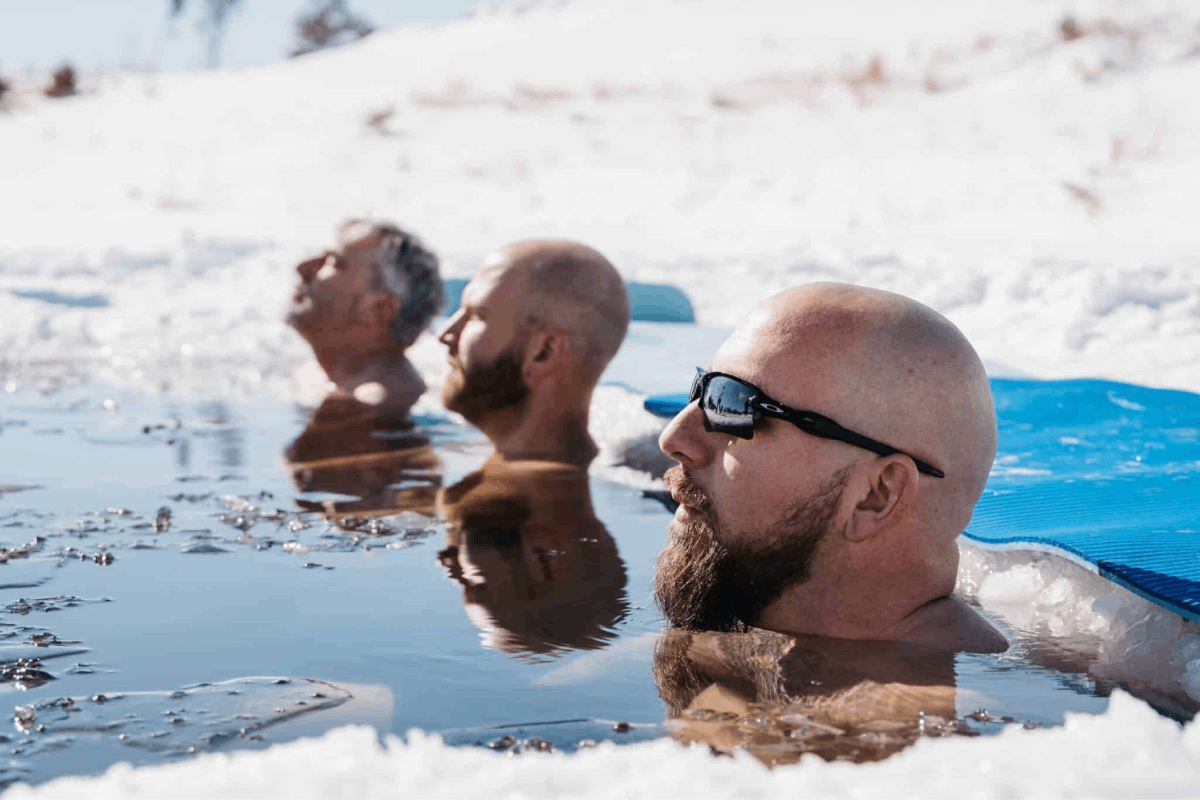
New Trends: Guided Social Circuits and “Plunge Clubs”
The trend is manifesting in the rise of Guided Social Circuits. These aren’t just facilities with equipment; they are curated experiences led by “Circuit Masters” who facilitate breathwork, group humming (which stimulates the vagus nerve collectively), and structured transition periods. This move toward facilitated community ensures that the social element doesn’t distract from the physiological benefits, but rather amplifies them.
We are also seeing the emergence of “Silent Socials,” where groups move through the heat and cold in intentional silence, focusing on the collective energy and shared presence without the need for small talk, allowing for a deeper meditative state.
The Barnfield Suites: A Sanctuary for Collective Healing
While urban “plunge clubs” are popping up in major cities, they often suffer from the very noise and frantic energy that wellness seekers are trying to escape. The Social Recovery Movement finds its most authentic expression in destination-based wellness like The Barnfield Suites on Bowen Island.
At the heart of their philosophy is the Cedarwood Elements circuit. Designed specifically to accommodate small, intentional groups, it allows for a “Boutique Social” experience. Surrounded by the ancient trees and ocean air of Bowen Island, the social experience at The Barnfield Suites isn’t about being seen—it’s about being connected. The aromatic cedarwood saunas create a warm, inviting communal space that encourages the kind of deep, vulnerable conversation that only happens after the “ego-death” of a cold plunge. It is here that contrast therapy returns to its roots: a sacred space for the community to heal, reset, and strengthen their bonds in nature’s embrace.
Frequently Asked Questions (FAQ)
Q: What is “Social Recovery” in the context of contrast therapy?
A: It is the practice of performing hot and cold circuits in a group setting to enhance the psychological and hormonal benefits through community and shared experience.
Q: Does being with others make the cold plunge easier?
A: Yes, through a process called “co-regulation,” seeing others remain calm helps your own nervous system mirror that state, making the cold more tolerable.
Q: Is oxytocin released during contrast therapy?
A: When done socially, yes. The bonding and shared achievement of the group trigger oxytocin, which helps counteract the stress hormone cortisol.
Q: What is a “Third Place”?
A: A “Third Place” is a social environment outside of home (first place) and work (second place). Contrast therapy circuits are becoming the premier wellness-focused third place.
Q: Can social contrast therapy help with social anxiety?
A: Many find it helpful because the focus is on a shared physical task, which removes the pressure of traditional social interaction while providing a shared sense of accomplishment.
Q: Why is “humming” used in group sessions?
A: Group humming or chanting creates a vibration that stimulates the vagus nerve, promoting a parasympathetic (relaxed) state for the entire group simultaneously.
Q: Is it better to be silent or talkative during the circuit?
A: Both have benefits. “Silent Socials” focus on collective meditation, while talking and laughter can help distract from the initial shock of the cold and boost mood.
Q: How large are the groups at The Barnfield Suites?
A: The Barnfield Suites focuses on “Boutique Social” experiences, favoring small, intimate groups to ensure the environment remains a sanctuary rather than a crowded gym.
Q: Does the “social high” last longer than the “solo high”?
A: Often yes, as the positive social memories and the release of oxytocin provide a sustained emotional lift that complements the dopamine spike from the cold.
Q: Is social contrast therapy replacing “Happy Hour”?
A: For many in the longevity and biohacking communities, “sweat and plunge” sessions are replacing alcohol-based social gatherings as a way to unwind and connect.
Q: What is “Identity Fusion”?
A: It is a psychological state where individuals feel a deep sense of oneness with a group after surviving a challenging or stressful experience together, such as extreme cold.
Q: Can I book the Cedarwood Elements circuit for a private group?
A: Yes, private group bookings are a cornerstone of the Social Recovery trend, allowing for personalized, shared wellness journeys.
Q: Does social therapy improve empathy?
A: Engaging in “shared vulnerability”—like being in a bathing suit in extreme temperatures—can lower social barriers and increase empathetic connection between participants.
Q: Why is Bowen Island ideal for social recovery?
A: The island’s natural beauty provides a “neutral ground” away from city life, allowing groups to disconnect from digital distractions and reconnect with each other.
Q: What should a group bring to a session?
A: Just swimwear and an open mind. Facilities like The Barnfield Suites provide the elemental atmosphere and specialized equipment needed for the ritual.
Q: Is social recovery good for corporate teams?
A: It is becoming a top-tier choice for executive retreats, as it builds resilience and authentic connection far more effectively than traditional “icebreakers.”
Q: How long does a typical social circuit last?
A: Most social sessions last between 60 and 90 minutes, allowing for multiple rounds of hot and cold with integrated “integration” periods for conversation.
Q: Can social contrast therapy help with grief or emotional trauma?
A: The combination of the physical “reset” and the presence of a supportive community can provide a powerful container for emotional release and healing.