

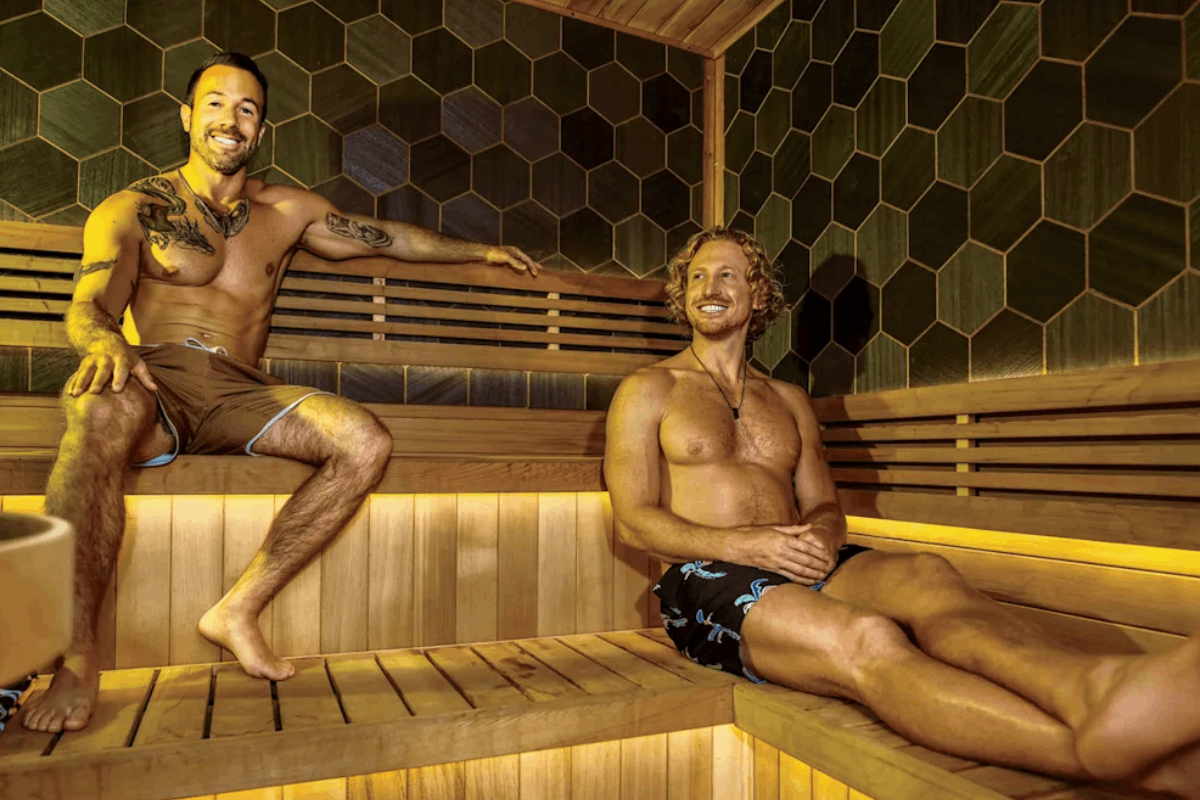
For thousands of years, people have sought the power of extreme temperatures. The practice of moving between intense heat and cold is a ritual as old as civilization.
Today, this practice is known as Contrast Therapy.
What is Contrast Therapy?
Contrast therapy (also known as contrast immersion) involves alternating between heat immersion and cold immersion. The underlying science points to hormetic stress.
Why Do People Use a Sauna and Cold Plunge Together?
The goal of contrast immersion is to create a “vascular pump.” Moving from the heat of a sauna to the cold water of a cold plunge causes blood vessels to dilate and constrict. This process flushes the lymphatic system, reduces systemic inflammation, and triggers a release of mood-elevating neurotransmitters.
The Power of Hormetic Stress
Hormesis is the biological phenomenon where a brief dose of a stressor, such as extreme temperature, triggers a cellular response that makes the body stronger. By reintroducing these thermal extremes, the body may improve cardiovascular health and build mental toughness.
What is Hormetic Stress and Why is it Essential for Health?
Hormetic stress is the biological phenomenon where a brief, controlled dose of a stressor—such as extreme temperature (like contrast therapy)—triggers a cellular response that makes the body stronger, more resilient, and more efficient. When you step into a sauna (heat immersion) or submerge yourself in a cold plunge (cold immersion), you aren’t just experiencing heat or cold; you are engaging in a process of hormesis.
This “good stress” signals the body to activate protective genes and cellular repair pathways. By “tuning” your nervous system through these thermal extremes of hot and cold immersion through contrast therapy, you force your cells to repair damaged proteins and strengthen your mitochondrial health. In a world of constant comfort, hormetic stress provides the necessary challenge to keep our biological systems functioning at their peak.
Defining the Pillars of the Practice:
Heat, Cold, and Contrast
To understand the full scope of contrast therapy, we must break down the three primary components of contrast immersion. Each pillar offers unique physiological benefits that contribute to total body recovery:
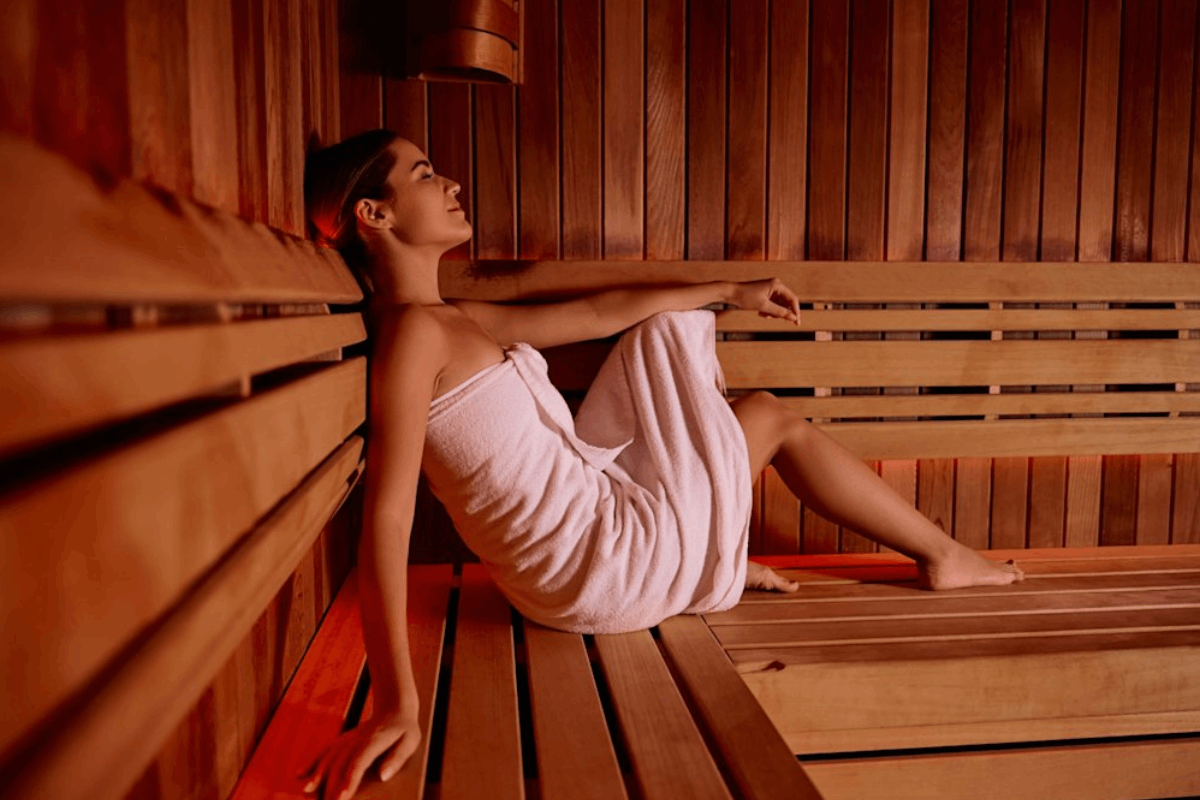
- Heat Immersion (The Sauna): By using dry heat or steam to raise the core body temperature, heat immersion forces blood vessels to
dilate (vasodilation). This heating process triggers the production of heat shock proteins, which act as molecular chaperones to repair cellular damage. A hot sauna immersion
session effectively mimics the cardiovascular load of moderate exercise, improving heart health while promoting deep relaxation and detoxification.
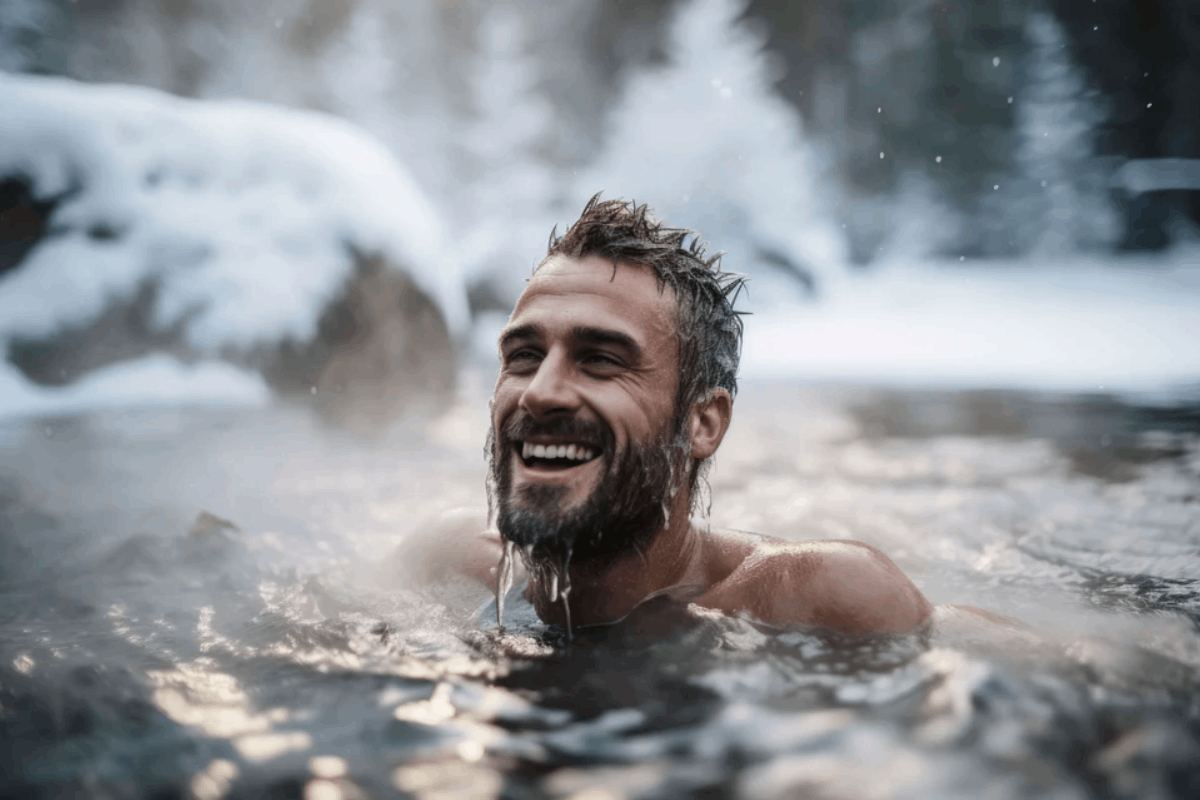
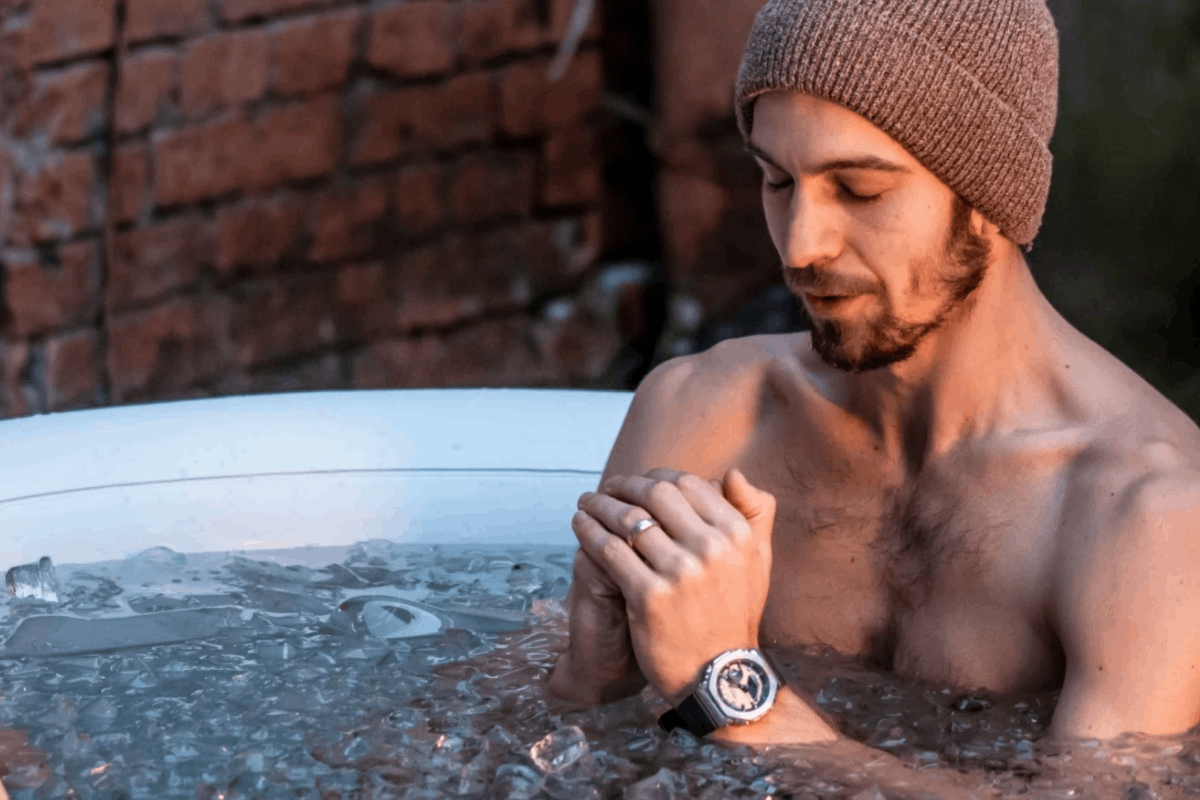
- Cold Immersion (The Cold Plunge): Submerging in water typically below 15°C (59°F) triggers a powerful cold shock response. This results
in rapid vasoconstriction, which moves blood toward the internal organs. Cold immersion or cold therapy also releases a massive spike of norepinephrine and dopamine—improving
mood and focus—while activating brown adipose tissue (healthy fat) to burn calories and generate internal heat.
- Contrast Immersion Therapy (The Cycle): This is the deliberate act of moving between heat and cold. This alternating or contrast immersion cycle creates a vascular pump effect. As blood vessels rapidly expand and contract, the body flushes the lymphatic system and accelerates the removal of metabolic waste from muscle tissue. Contrast therapy or immersion is the “gold standard” for total circulatory reset.
Why Contrast Therapy Now?
The Modern Need for Thermal Extremes
In our modern, climate-controlled world, we rarely experience true thermal discomfort. Most of us live in a narrow band of 21°C (70°F) comfort, which has made our internal regulatory systems “lazy” and inefficient. This lack of environmental stress is a primary reason why many people suffer from sluggish metabolisms and low stress tolerance. By reintroducing contrast therapy (both heat and cold immersion therapies) into our weekly routines, we are reclaiming our biological edge.
Whether you are an elite athlete looking to shave hours off your recovery time, or a high-performer seeking mental clarity and stress resilience, the sauna and cold plunge combination
offers a physiological reset that few other modalities can match. In this comprehensive contrast therapy guide, we will answer over 100 of the most searched questions regarding contrast immersion,
providing you with the protocols, safety guidelines, and scientific evidence needed to master the elements.
1. Introduction: The Science of Stress
2. Deep Dive into the Sauna & Heat Immersion
3. Deep Dive into the Cold Plunge & Cold Immersion
4. Mastering the Cycle of Contrast Therapy
5. The Art of Relaxation and Gentle Rewarming
6. Dr. Susanna Søberg & The Søberg Principle
7. Dr. Andrew Huberman & Huberman Lab Protocols
8. Wim Hof & The Wim Hof Method
9. Safety, Common Myths, and Advanced Biohacking
10. Home Setup and Equipment Guide
11. Targeted Recovery for Pain Management
12. Women’s Health, Hormones, and Contrast Therapy
13. Men’s Health, Vitality, and Thermal Optimization
14. Athletes, Peak Performance, and Recovery Science
Section 1: Deep Dive into the Sauna & Heat Immersion
How does a sauna session improve cardiovascular health and blood pressure?
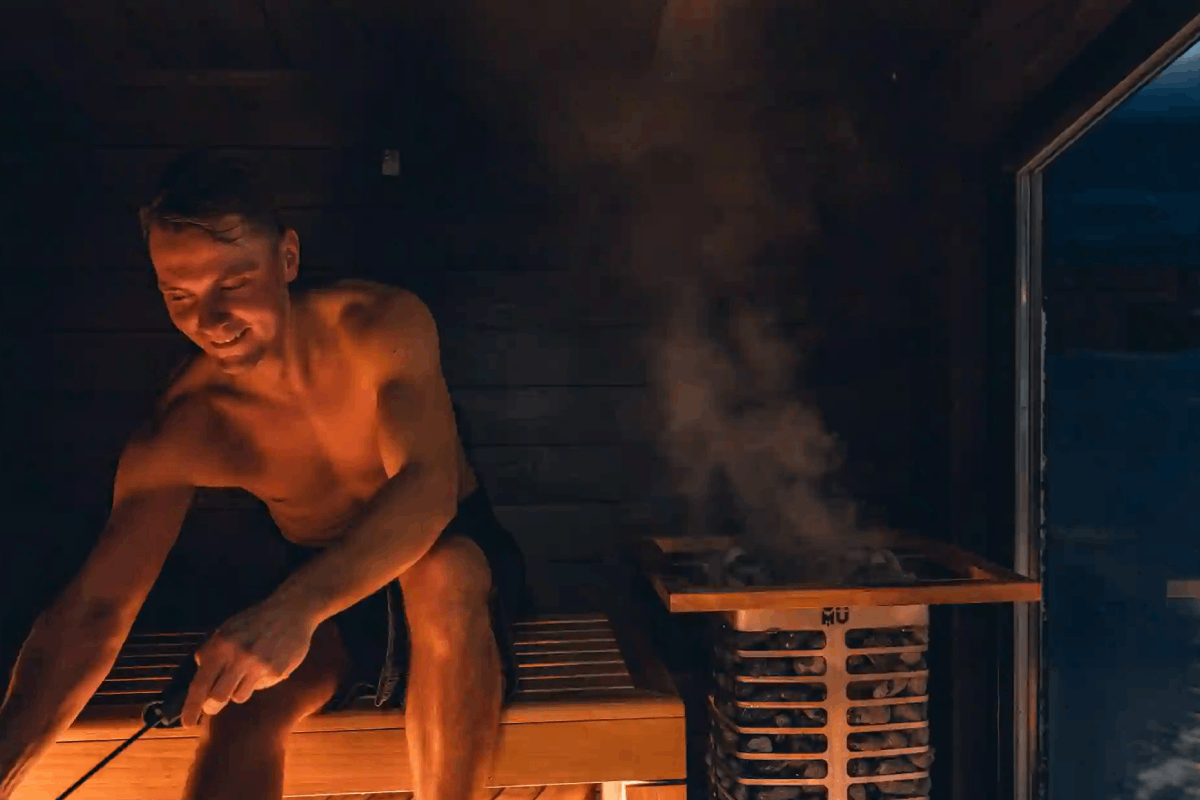
Regular sauna use acts as a “passive workout” for the cardiovascular system. During heat immersion, your heart rate increases to
levels similar to moderate aerobic exercise (120–150 bpm), while your blood vessels dilate (vasodilation). This process improves arterial compliance, lowers systemic blood pressure, and
reduces the workload on the heart over time. Research shows that frequent sauna bathers have a significantly lower risk of sudden cardiac death and stroke because
heat immersion effectively “trains” the heart and blood vessels to be more resilient.
What are heat shock proteins (HSPs) and why are they triggered in a sauna?
Heat shock proteins are “molecular chaperones” that repair damaged or misfolded proteins within your cells. When you undergo heat immersion in
a sauna, your body perceives the thermal load as a survival threat and produces these proteins to protect your cellular architecture. This cellular repair mechanism is linked to increased
longevity, enhanced muscle protein synthesis, and a lower risk of neurodegenerative diseases like Alzheimer’s and Parkinson’s. By triggering HSPs regularly through contrast therapy,
you are essentially performing “cellular housekeeping.”
What is the ideal sauna temperature for maximum health benefits?
For traditional sauna use, the most research-backed temperature range for effective heat immersion is between 170°F and 195°F
(77°C – 90°C). This level of heat is necessary to raise your core body temperature by approximately 1.5 to 2 degrees Fahrenheit, which is the threshold required to trigger the biological “reset” sought in contrast immersion.
While lower temperatures offer relaxation, the 170°F+ range is where the most significant cardiovascular and metabolic adaptations occur.
How long should you stay in a sauna for optimal recovery results?
Most clinical studies, particularly the landmark 20-year studies from Finland, suggest that 15 to 20 minutes is the “sweet spot” for a single sauna session. This duration allows
for significant heat immersion benefits, such as heavy sweating, increased stroke volume, and the activation of longevity genes, without causing excessive dehydration or heat exhaustion.
When practicing contrast therapy, this 20-minute heat block is perfectly balanced by a subsequent 2-to-3-minute cold plunge.
Is an infrared sauna or a traditional sauna better for heat immersion?
Traditional saunas (Finnish style) are generally preferred for contrast therapy because they reach much higher ambient temperatures (190°F+), creating a stronger “vascular pump”
effect when moving to a cold plunge. However, an infrared sauna uses light waves to provide heat immersion that
penetrates deeper into the muscle tissue at lower ambient temperatures (120°F–150°F). While traditional saunas are better for cardiovascular “training,” infrared saunas are excellent for localized pain relief and those who are heat-sensitive.
Can sauna use naturally increase human growth hormone (HGH)?
Yes, research shows that intense heat immersion can lead to a massive, though temporary, spike in growth hormone—sometimes up to 200–300% above baseline. To maximize this effect,
some athletes use specific sauna protocols involving two 20-minute high-heat sessions separated by a 30-minute cooling period. This “hormetic spike” helps naturally boost muscle
recovery, fat metabolism, and tissue repair signals.
Does using a sauna actually help with detoxification?
While the liver and kidneys are the primary detox organs, the heavy sweating induced by heat immersion in a sauna is a vital
secondary pathway. Sweat analysis has shown the presence of trace heavy metals like arsenic, cadmium, lead, and mercury that are often difficult to clear otherwise. Furthermore, sauna therapy stimulates
the lymphatic system and increases skin blood flow, assisting the body’s natural waste-removal processes and clearing the “interstitial fluid” between cells.
Can a sauna session improve insulin sensitivity and metabolic health?
Emerging science suggests that heat immersion can significantly improve metabolic health. Regular sauna use increases blood
flow to the skeletal muscles and stimulates the expression of GLUT4 glucose transporters. This helps the body manage blood sugar levels more efficiently and improves insulin sensitivity, making contrast therapy a
powerful tool for those looking to optimize their metabolism or manage Type 2 diabetes risk factors.
How does the sauna affect brain health and BDNF levels?
Heat immersion increases the expression of Brain-Derived Neurotrophic Factor (BDNF), a protein often called “Miracle-Gro for the brain.”
BDNF supports the growth of new neurons and strengthens existing synaptic connections. This neuroplasticity is why regular sauna users often report improved mood, sharper focus,
and a lower long-term risk of age-related cognitive decline.
How many times a week should I use the sauna for longevity benefits?
The most famous studies on sauna use and longevity show a “dose-dependent” relationship: the more you go, the better the results. The greatest benefits occur with 4 to 7 sessions
per week. Frequent heat immersion is associated with a 40% reduction in all-cause mortality and a 50% reduction in fatal heart disease when compared to once-a-week users. For maximum
longevity, consistency is more important than the intensity of a single session.
Should I hydrate with electrolytes before or after a sauna?
Hydrating with electrolytes is vital. Because heat immersion leads to significant mineral loss through sweat—specifically sodium, magnesium, and potassium—drinking only plain water
can dilute your remaining minerals and lead to an electrolyte imbalance or “hyponatremia.” To avoid headaches and fatigue, drink an electrolyte-rich beverage both before and after your sauna and cold plunge routine.
Does sauna use help reduce systemic inflammation and CRP?
Yes, regular heat immersion has been clinically shown to lower markers of systemic inflammation, such as C-reactive protein (CRP).
By suppressing inflammatory cytokines, a sauna session can help alleviate chronic joint pain, reduce the severity of autoimmune flare-ups, and speed up the healing of soft tissue
injuries. This is a primary reason why contrast immersion is the preferred recovery method for professional athletes.
Is it better to use the sauna before or after a workout?
For recovery and muscle relaxation, heat immersion is most effective after a workout. Using a sauna post-exercise
leverages the already-elevated heart rate to extend the cardiovascular benefit and helps flush metabolic waste. While a very short 5-minute session can serve as a metabolic warm-up, a full session before exercise can be dehydrating
and may lead to premature fatigue during your lift or run.
Can the sauna help with weight loss and burning calories?
While much of the immediate weight loss in a sauna is “water weight,” the process of heat immersion significantly increases
your basal metabolic rate (BMR). Your body must expend significant energy (calories) to activate cooling mechanisms like sweating and increased heart rate. When paired with a cold plunge,
the metabolic demand is even higher as the body works to achieve homeostasis after being pushed to both thermal extremes.
Does sauna use improve athletic endurance and plasma volume?
Yes. Heat immersion is one of the best ways to trigger “hypervolemia,” or an increase in blood plasma volume. This allows the heart to pump more blood with less effort, improving
oxygen delivery to muscles. Athletes who use a sauna for “heat acclimation” see significant improvements in their “Time to Exhaustion” and overall endurance performance in both
hot and temperate conditions.
Why do I feel so relaxed and “zen” after a sauna session?
The intense heat of heat immersion initially spikes cortisol and adrenaline (the sympathetic state). However, once you exit the sauna,
the body over-corrects into a deep parasympathetic (rest and digest) state. This shift, combined with the release of dynorphins (which sensitize your opioid receptors), creates
a profound sense of relaxation and prepares the body for high-quality, deep sleep.
Can a sauna help clear my skin and improve collagen?
Regular sauna use increases capillary blood flow to the skin’s surface, delivering vital oxygen and nutrients to the dermis. The deep sweating associated with heat immersion helps
clear pores of embedded toxins and dead skin cells. Furthermore, some studies suggest that thermal stress can stimulate collagen production, leading to firmer, more resilient skin—often referred to as the “sauna glow.”
Does heat immersion help with muscle soreness and DOMS?
Heat increases circulation to tired or damaged muscles, helping to flush out metabolic byproducts like lactic acid and delivering repair nutrients. This makes the sauna an excellent
tool for reducing the severity of Delayed Onset Muscle Soreness (DOMS). By increasing muscle elasticity, heat immersion also prevents
the “stiffness” that typically follows a high-intensity training session.
What is the difference between a dry sauna and a steam room for recovery?
A dry sauna uses very low humidity (5–15%) and high heat, allowing the body to tolerate temperatures up to 200°F. A steam room uses
100% humidity and lower heat (110°F–120°F). While both provide heat immersion, dry saunas are generally preferred for contrast therapy because
they allow the body to reach higher core temperatures more quickly, leading to a more intense “vascular pump.”
Is it safe to use a sauna if you have high blood pressure or heart issues?
While heat immersion can lower blood pressure over the long term by improving vessel elasticity, individuals with existing hypertension should consult a doctor first. The initial
heat of the sauna can cause a temporary spike in heart rate and a drop in blood pressure that may cause lightheadedness or “orthostatic hypotension” in sensitive individuals.
Can sauna use help you fall asleep faster and stay asleep?
Yes. To fall asleep, your core body temperature must drop by about 2 degrees. Heat immersion raises your core temperature, and the subsequent rapid cooling that happens after you
leave the sauna signals to your brain that it’s time to produce melatonin. This “temperature crash” facilitates a faster onset of sleep and increases the time spent in restorative
deep sleep phases.
How does sauna use affect the immune system and white blood cells?
Acute heat immersion has been shown to stimulate the production of white blood cells, including neutrophils and lymphocytes. Regular sauna sessions
act as a “fire drill” for the immune system, reducing the frequency of the common cold and other respiratory infections by “priming” your body’s defense mechanisms before an actual pathogen arrives.
Can I use a sauna or do contrast therapy if I am pregnant?
Most medical professionals advise against intense heat immersion during pregnancy—especially in the first trimester—due to the risk of hyperthermia, which can affect fetal development.
While some women in cultures like Finland continue to use saunas at lower temperatures, you must consult your healthcare provider before using a sauna or starting
contrast therapy while pregnant.
What are the risks of staying in a sauna for too long?
Excessive heat immersion can lead to severe dehydration, electrolyte depletion, heat exhaustion, or heat stroke. Warning signs include dizziness, nausea, throbbing headache, or
an absence of sweating. It is vital to listen to your body’s signals and exit the sauna immediately if you feel any discomfort. “More” is not always better when it comes to thermal
stress.
How exactly does the “vascular pump” work in contrast therapy?
The vascular pump is the mechanical benefit of moving from heat immersion (which causes vasodilation, or the opening of vessels)
to cold immersion (which causes vasoconstriction, or the tightening of vessels). This rapid “opening and closing” of the circulatory system acts as a manual pump, moving blood
and lymph through the body more efficiently than rest alone. This is the “secret sauce” of contrast therapy, as it flushes toxins and floods the muscles with fresh, oxygenated blood.
Section 2: Deep Dive into the Cold Plunge & Cold Immersion
What is the ideal temperature for a cold plunge to trigger health benefits?
For effective cold immersion, most medical experts and researchers recommend a temperature range between 38°F and 59°F (3°C – 15°C).
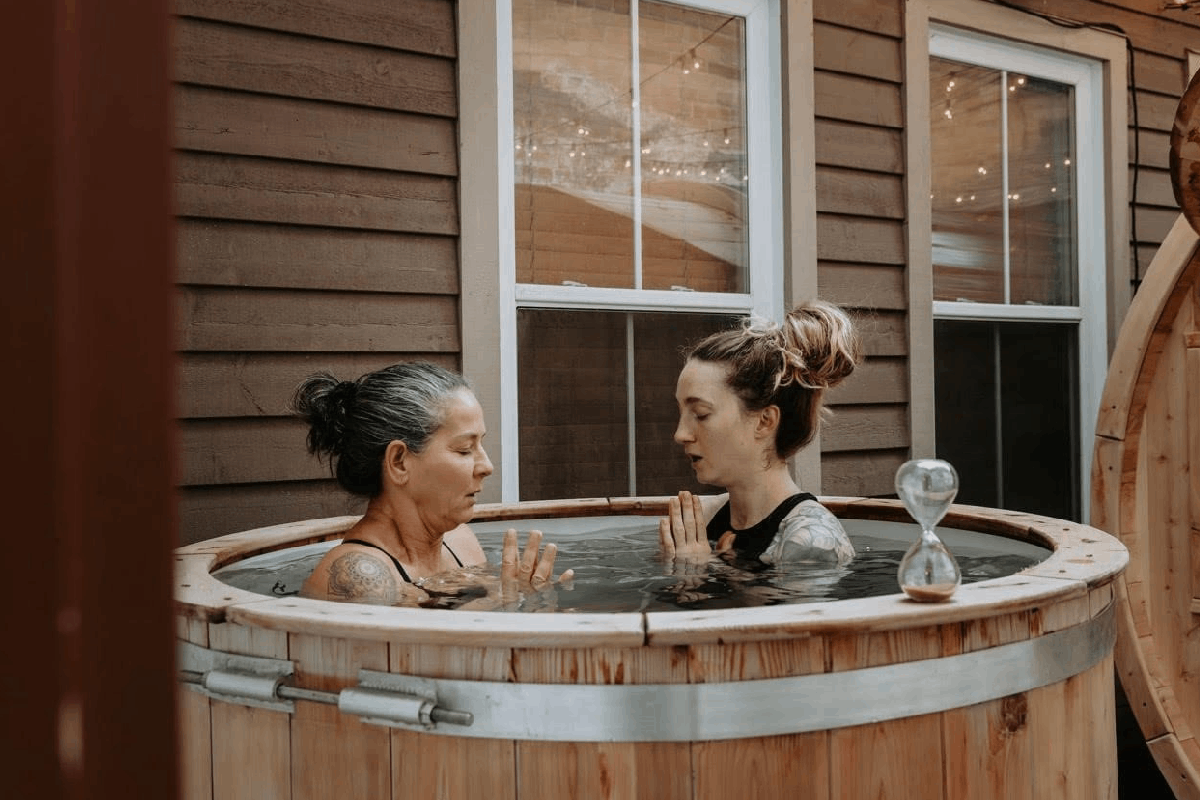
Beginners should start at the higher end (55°F–59°F) to build tolerance, as cold plunging triggers a significant “cold shock response.” This
response involves a sudden spike in heart rate and blood pressure, requiring both mental focus and physical adaptation. The goal is not to find the coldest water possible, but to find a temperature that is “uncomfortably cold” while
remaining safe for your current level of cold adaptation.
How long should you stay in a cold plunge for optimal recovery?
Scientific research, popularized by the Huberman Lab, suggests that the “minimum effective dose” for cold immersion is
roughly 11 minutes total per week, spread across 2 to 4 sessions. Individually, a cold plunge session of 2 to 5 minutes is
typically sufficient to trigger a massive release of norepinephrine and long-term metabolic benefits. Staying longer than 5 to 10 minutes does not necessarily increase the biohacking
benefits and may increase the risk of hypothermia or “after-drop,” where the core temperature continues to fall after you exit.
Does cold plunging help with fat loss, brown fat, and metabolism?
Yes. Cold immersion is one of the most effective ways to activate “brown fat” (brown adipose tissue or BAT). Unlike white fat, brown
fat is metabolically active and burns calories to generate heat through a process called non-shivering thermogenesis. Regular cold plunging can
increase your resting metabolic rate and improve insulin sensitivity over time. By forcing the body to work to maintain its core temperature, you essentially turn your body into
a more efficient furnace, aiding in long-term weight management and metabolic health.
Why do I feel a “high” or “rush” after a cold plunge session?
The famous “cold plunge high” is caused by a massive, sustained spike in dopamine and norepinephrine. Data shows that
cold immersion in water at 57°F can increase blood dopamine levels by up to 250%. Unlike the “crash” associated with caffeine or sugar, this dopamine increase is steady
and can last for several hours, providing a natural feeling of focus, energy, and elevated mood. This neurochemical surge is why many people use cold plunging as a natural tool
for combating lethargy and brain fog.
Does a cold plunge blunt muscle growth (hypertrophy) for lifters?
This is a critical consideration for strength athletes. Cold immersion immediately after a heavy lifting session (within 4 hours) may reduce the inflammatory signaling—specifically
the mTOR pathway—needed for muscle hypertrophy (growth). If your primary goal is maximum muscle size, it is generally recommended to wait at least 4 to 6 hours after
training before cold plunging, or save your cold sessions for recovery days. However, for endurance athletes, the cold is highly beneficial for immediate use to reduce tissue damage.
How does cold immersion improve the immune system and white blood cells?
Regular cold plunge sessions act as an “exercise” for the immune system. Exposure to the cold has been shown to increase the count of white blood cells,
including cytotoxic T-lymphocytes and natural killer (NK) cells. By exposing the body to the controlled, hormetic stress of
cold immersion, you effectively “prime” your immune system to be more resilient and responsive against common viral infections and pathogens.
Should I hold my breath or breathe deeply while cold plunging?
Mastering your breath is the secret to successful cold immersion. The initial entry causes a “gasp reflex”—a sympathetic nervous system
response. By focusing on slow, deep, exhaled breaths (ideally through the nose), you activate the vagus nerve and the
parasympathetic nervous system. This helps you manage the stress of cold plunging, lowers your heart rate, and prevents the onset of panic, hyperventilation, or a “fight or
flight” emergency response.
What is the Soberg Principle and “Ending on Cold”?
The Soberg Principle, named after researcher Dr. Susanna Søberg, suggests that to maximize the metabolic benefits of contrast therapy,
you should always end your session on cold and allow your body to reheat naturally. This is known as the “End on Cold” rule. By
avoiding an immediate hot shower or returning to the sauna after your final plunge, you force your body to expend significant energy to return to its baseline temperature, which maximizes brown fat thermogenesis.
Can a cold plunge help with chronic pain, arthritis, and inflammation?
Yes. Cold immersion is a powerful, non-pharmacological tool for reducing systemic inflammation. The act of cold plunging causes
rapid vasoconstriction, which manually moves inflammatory markers and fluids away from damaged joints and muscles. This provides significant symptomatic relief for those suffering from
rheumatoid arthritis, fibromyalgia, and general joint pain, often outperforming traditional over-the-counter anti-inflammatories.
Is it better to do a cold plunge in the morning or at night?
For the vast majority of people, morning cold plunging is superior. Cold immersion naturally increases cortisol and core body
temperature after you exit, which aligns with the body’s natural circadian rhythm for alertness. Using a cold plunge late at night can interfere with sleep because
the body needs a dropping core temperature to initiate deep sleep, and the dopamine spike may keep the brain too stimulated for rest.
What is the difference between a DIY ice bath and a dedicated cold plunge tub?
A traditional ice bath is a manual process involving bags of ice, which is difficult to regulate and leads to “thermal layering” (where a warm layer of water forms around your
skin). A dedicated cold plunge tub uses a digital chiller and a circulation pump to maintain a precise, constant temperature.
This ensures a more reliable “shock” to the system and a more convenient cold immersion experience for daily health routines.
Should I submerge my head or face during cold immersion?
Submerging the face—specifically the area around the eyes and forehead—activates the “Mammalian Dive Reflex.” This reflex significantly lowers the heart rate and triggers a unique
calming effect on the nervous system. While highly beneficial for HRV (Heart Rate Variability), head submersion should be done with caution to avoid the initial shock causing a gasp
while underwater.
How does cold plunging affect Heart Rate Variability (HRV)?
Regular cold immersion is one of the most effective ways to increase HRV over time. A higher HRV is a key marker of a healthy,
resilient autonomic nervous system. Cold plunging essentially “trains” your heart and nerves to transition quickly between a high-stress sympathetic state and a relaxed parasympathetic
state, leading to better stress management in all areas of life.
Can cold immersion help with clinical anxiety, depression, and PTSD?
Many users and therapists find that cold plunging acts as a form of “forced mindfulness.” The sheer intensity of
cold immersion requires total presence—it is impossible to worry about the future when in 40°F water. The resulting surge in norepinephrine—which is often low in people
with depression—can provide significant symptomatic relief and build the “top-down” mental control needed to manage anxiety.
Is it safe to do a cold plunge alone or in nature?
Safety is paramount. While generally safe for healthy individuals, the “cold shock response” can lead to temporary loss of breath control. It is always recommended to have a partner
nearby, especially when attempting cold plunging in extreme temperatures or open water for the first time. For those with heart conditions, cold immersion should
never be practiced without medical clearance.
Does cold immersion help with skin health, acne, and hair?
Cold water causes immediate vasoconstriction, which helps tighten the pores and reduces puffiness and redness in the skin. Unlike hot water, which can strip the skin and hair of natural
oils, cold plunging helps seal the hair cuticles—leading to shinier, stronger hair—and can improve the overall “glow” and firmness of the skin by boosting surface-level circulation
once you exit.
How do I stop shivering after a cold plunge and what is “after-drop”?
Shivering is your body’s natural way of generating heat. To stop, dry off immediately, put on warm layers, and engage in “active rewarming” like air squats or walking. “After-drop” is
a phenomenon where your core temperature continues to fall after you exit the water. To minimize this, dry your head and torso first and avoid jumping directly into a hot shower, which can cause blood to rush to the skin too quickly,
leading to fainting.
Who should avoid cold immersion and what are the contraindications?
Individuals with cardiovascular issues, Raynaud’s disease, or heart arrhythmias should avoid cold immersion unless specifically
cleared by a cardiologist. The sudden demand on the heart and the rapid narrowing of blood vessels can be dangerous for those with underlying circulatory conditions. Additionally, those with a history of stroke or high blood pressure
should use caution.
Can I do a cold plunge while pregnant or nursing?
Most medical professionals advise against intense cold immersion during pregnancy due to the risk of inducing a shock response and potential changes in fetal blood flow. While
some “cold-adapted” women continue their practice, the general consensus is to avoid starting a cold plunge routine while pregnant. Always consult your OBGYN before attempting
any thermal therapy.
How many times a week should I engage in cold immersion for best results?
For consistent physiological and mental results, 3 to 4 cold plunge sessions per week are recommended. This frequency allows for the “11-minute weekly total” to be reached while
ensuring your body has enough recovery time to adapt to the hormetic stress provided by the cold.
How does cold plunging help with a “digital detox” and focus?
Because cold immersion requires your absolute focus to manage your breath and the cold sensation, it is one of the most effective ways to “unplug.” A 2-minute cold plunge acts
as a hard “reset” for the brain, clearing the “mental clutter” and brain fog associated with excessive screen time and digital overstimulation.
Can cold immersion reduce the frequency of chronic migraines?
Some users find that cold plunging helps reduce migraine frequency by calming the overactive nervous system and inducing vasoconstriction.
By narrowing the blood vessels in the head and neck and reducing systemic inflammation, cold immersion can act as a preventative measure for certain types of vascular headaches.
Do you burn more calories in a cold plunge than in a sauna?
While both burn calories through metabolic stress, the cold plunge typically has a higher acute metabolic demand because the body must burn significant energy
to generate its own heat (thermogenesis). However, the long-term caloric benefit of cold immersion comes from the development of
brown fat, which burns energy around the clock.
Does cold plunging help with DOMS (Delayed Onset Muscle Soreness)?
Yes. Cold immersion is widely considered the “gold standard” for treating DOMS. By reducing the local temperature of the muscle
tissue and suppressing the inflammatory response, cold plunging can significantly decrease the pain and stiffness felt 24-48 hours after an intense athletic event or workout.
What is the “Minimum Effective Dose” of cold plunging for beginners?
The minimum effective dose for cold immersion is generally reached when you start to feel the “shiver response.” For most beginners,
this occurs after 2 minutes of cold plunging at roughly 50°F (10°C). Beyond this point, you are primarily building mental toughness
rather than additional metabolic benefits.
Section 3: Mastering the Cycle of Contrast Therapy
What is contrast therapy and how does it work for total body recovery?
Contrast therapy, also scientifically known as contrast immersion, is a therapeutic protocol that involves alternating the body between periods
of high heat immersion (typically in a sauna) and extreme cold immersion (in
a cold plunge). It works by exploiting the body’s natural response to thermal stress. The primary mechanism is the “vascular pump,” which
forces blood vessels to rapidly dilate and constrict, significantly enhancing systemic circulation, reducing muscle edema, and accelerating lymphatic drainage.
Should I start with the sauna or the cold plunge during contrast immersion?
In a standard, high-authority contrast therapy protocol, you should almost always start with the sauna. Beginning with heat immersion serves
several purposes: it raises the core body temperature, increases the elasticity of muscle fibers, and initiates vasodilation. This “primes” the circulatory system, making the subsequent “shock” of the cold plunge more
effective for triggering the desired hormetic stress response.
Is it better to end on hot or cold in contrast therapy? (The Soberg Principle)
To maximize metabolic benefits, brown fat activation, and post-session alertness, you should end on cold. This is a cornerstone of the Søberg Principle.
Ending your contrast immersion session with a cold plunge forces your body to undergo “active rewarming,” where it must generate
its own heat to return to baseline temperature. This increases your resting metabolic rate and keeps the vascular pump active for longer after you exit the water.
How many rounds of heat and cold are best for an effective contrast immersion session?
A professional-grade contrast therapy session typically consists of 3 to 5 rounds. A popular and effective protocol is the “20-3-5”
method: 15–20 minutes of heat immersion in the sauna, followed by 2–3 minutes of cold immersion in
the cold plunge, repeated for 3 full cycles. This ensures a deep physiological “flush” of the circulatory and lymphatic systems, providing a total reset for the nervous system.
What exactly is the “Vascular Pump” and why is it the “secret sauce” of contrast therapy?
The vascular pump is the engine behind the benefits of contrast immersion. When you are in the sauna,
your blood vessels undergo vasodilation (opening wide). When you hit the cold plunge, they undergo vasoconstriction (tightening
shut). Alternating these states acts like a manual mechanical pump for your blood and lymph. This moves nutrient-dense blood into the deep tissues while aggressively pushing metabolic waste products—like lactate and CO2—out of the
muscle tissue and into the filtration organs.
Does contrast therapy help with athletic recovery and clearing lactic acid?
Yes. Contrast therapy is the “gold standard” for professional athletes looking to reduce Delayed Onset Muscle Soreness (DOMS) and
speed up recovery timelines. By utilizing contrast immersion, athletes can clear lactic acid and pro-inflammatory cytokines from their muscle tissue significantly faster than through
passive rest or active recovery alone. It is the most efficient way to “freshen the legs” after a high-intensity training block or competition.
Can contrast immersion improve mental resilience and grit?
Absolutely. Contrast therapy is as much a mental discipline as it is a physical one. Successfully transitioning from a 190°F sauna to
a 40°F cold plunge requires intense “top-down” mental control. This practice trains the brain to manage the acute stress response (fight-or-flight),
building significant mental toughness, emotional regulation, and the ability to stay calm under pressure in daily life.
How long should the transition be between the sauna and the cold plunge?
For the highest therapeutic efficacy in contrast therapy, the transition should be as quick and seamless as possible. Moving directly
from the heat immersion of the sauna to the cold immersion of the
cold plunge maximizes the “thermal shock” to the nervous system. This immediate shift ensures the most powerful vascular pump effect and prevents the body from slowly
acclimating to the air temperature in between.
Is contrast therapy better than just doing a standalone cold plunge?
While both have unique benefits, contrast immersion is physically superior for total-body circulation and lymphatic clearing. A
standalone cold plunge is better for a targeted 250% dopamine spike and immediate inflammation suppression. However, for general longevity, heart health, and a balanced nervous
system reset, the sauna and cold plunge combination—contrast therapy—is considered the comprehensive gold standard.
Can contrast therapy help with chronic joint pain, inflammation, and arthritis?
Yes. Contrast immersion helps by reducing localized joint inflammation and increasing the flow of synovial fluid (the joint’s
natural lubricant). The sauna heat relaxes the connective tissues and muscles surrounding the joints, while the cold plunge acts
as a natural analgesic to numb pain receptors and suppress systemic inflammation, providing long-lasting relief for those with arthritis or fibromyalgia.
How many times a week should I perform a full contrast therapy session?
For most individuals looking for “maintenance,” 2 to 3 full contrast therapy sessions per week provide significant, cumulative benefits. This frequency allows the body to adapt
to the hormetic stress of both heat and cold immersion without overtraining the central nervous system. Elite athletes or those
in a high-stress phase of life may benefit from up to 4 or 5 sessions per week.
Does contrast immersion burn more calories than a single-modality session?
Yes. Contrast therapy is significantly more metabolically demanding than a standalone sauna or cold plunge.
The body has to work exponentially harder to achieve homeostasis (internal thermal balance) after being pushed to both thermal extremes in a single session. This “thermal workout”
increases caloric expenditure both during the session and for several hours afterward.
Is it safe to go directly from a 200°F sauna to a 40°F cold plunge?
For healthy individuals, this rapid shift is not only safe but is the primary goal of contrast therapy. However, it causes a significant, temporary spike in blood pressure. Individuals
with a history of heart disease, hypertension, or fainting should move slowly and consult a physician. For the average healthy biohacker, this “shock” is exactly what builds cardiovascular resilience.
What is the “Nordic Cycle” and how does it relate to modern contrast therapy?
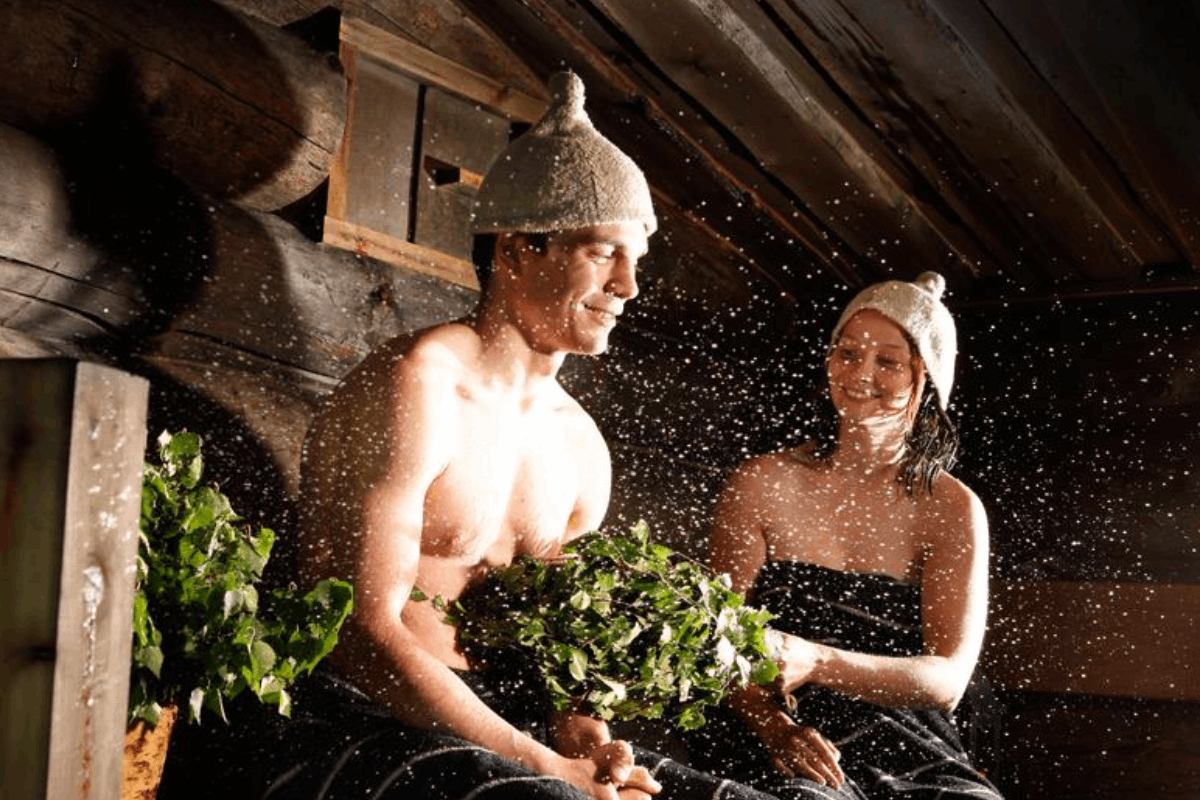
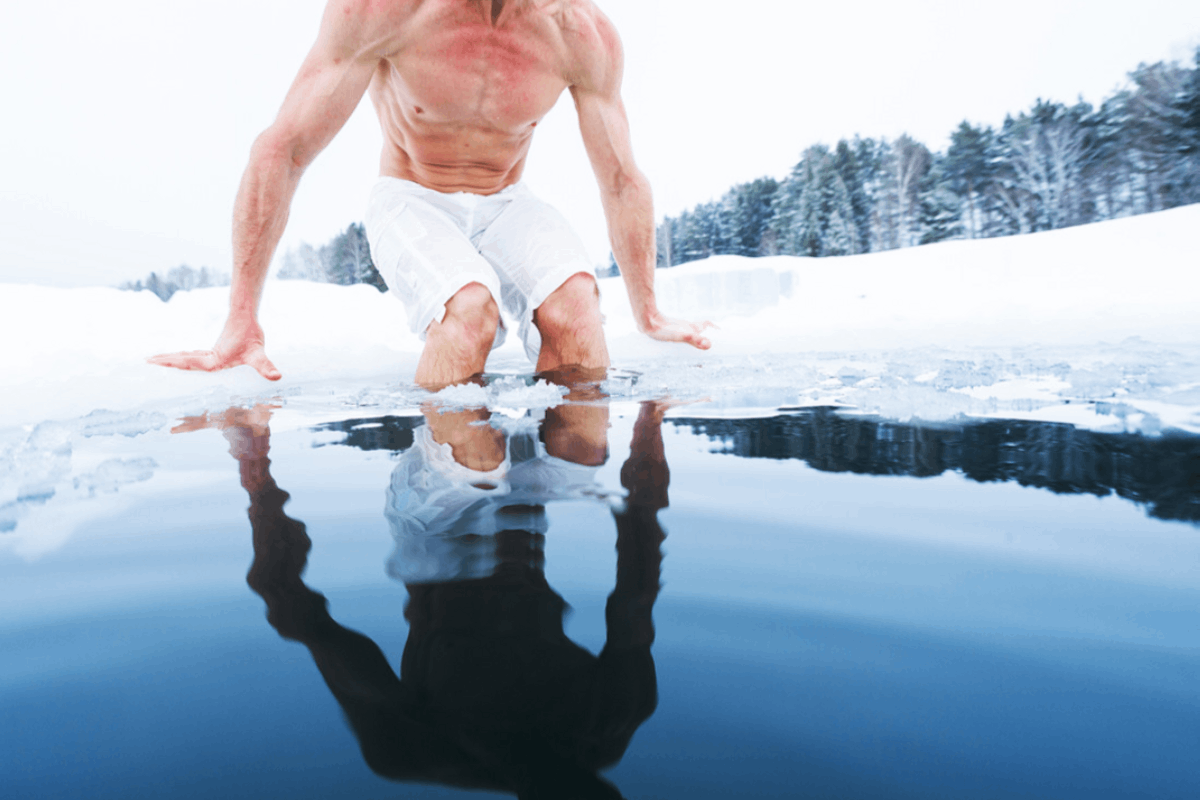
The Nordic Cycle is the traditional, cultural ancestor of modern contrast therapy. Traditionally, it involves alternating
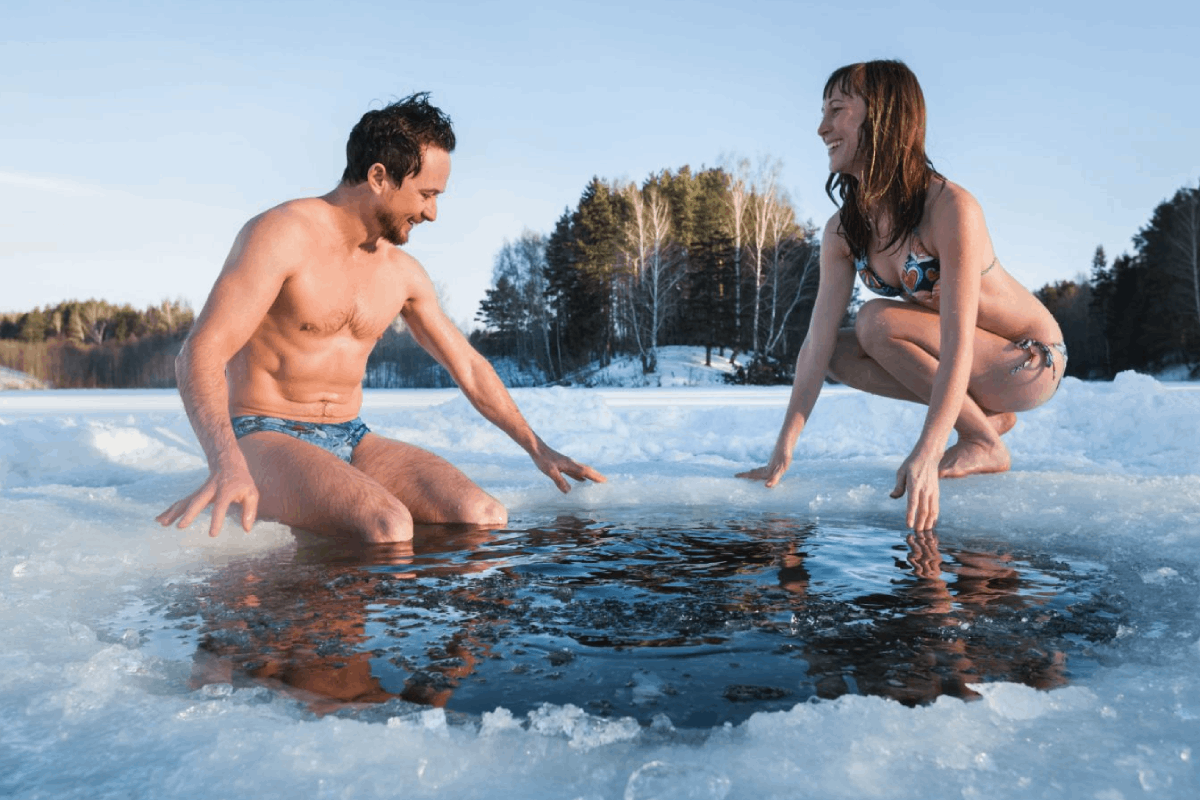
sauna use with a dip in a frozen lake or a roll in the snow. Modern contrast immersion replicates this ancient wisdom using precision-engineered cold plunges and
saunas to ensure consistent, repeatable, and safe therapeutic results regardless of the season.
Can contrast therapy improve skin elasticity and anti-aging?
Yes. The rapid expansion and contraction of the skin’s blood vessels during contrast immersion improves blood flow to the dermis (the deeper layer of the skin). This increased
micro-circulation delivers collagen-boosting nutrients and oxygen, which can lead to firmer, more resilient skin, reduced appearance of pores, and a more vibrant, youthful complexion.
How does contrast therapy affect the lymphatic system and edema?
Unlike the heart, the lymphatic system does not have its own pump; it relies on muscle movement and vessel pressure. Contrast immersion provides
a powerful manual stimulus that “squeezes” the lymph vessels. This helps flush lymph fluid toward the nodes, aiding in deep detoxification, reducing edema (swelling), and strengthening
the immune system’s surveillance capabilities.
Does contrast therapy help with chronic fatigue and brain fog?
Many people report that contrast immersion provides a significant, immediate energy boost. By “restarting” the autonomic nervous system and aggressively clearing metabolic waste
from the blood, contrast therapy can mitigate the symptoms of brain fog, lethargy, and the “mid-day slump.” It is a potent tool
for cognitive performance.
Should I shower or rinse between the sauna and the cold plunge?
From a hygiene perspective, a quick rinse is recommended to keep your cold plunge water clean. However, from a physiological perspective, you want to maintain your core
heat immersion as much as possible until the very moment you enter the cold water. Use a lukewarm or cool rinse rather than a long, cold shower in between rounds to preserve the “shock” effect.
Can I perform an effective version of contrast therapy in my own bathroom?
While a commercial-grade sauna and cold plunge are ideal, you can perform a “Level 1” version of contrast therapy in a shower.
By alternating between the hottest water you can handle and the coldest water your shower provides for 30–60 second intervals, you can achieve a milder version of the contrast immersion effect
and stimulate the vascular pump.
How does contrast therapy influence Heart Rate Variability (HRV) and stress tolerance?
Contrast immersion is one of the most effective ways to “train” the autonomic nervous system. By forcing the body to rapidly toggle between the sympathetic (fight-or-flight)
state in the heat and the parasympathetic (rest-and-recovery) state in the cold, contrast therapy significantly improves your
baseline HRV, making you more resilient to daily psychological stress.
Does contrast immersion increase white blood cell count and immunity?
Yes. Research into thermal stress has shown that regular exposure to the “shocks” of contrast therapy can lead to a transient increase in circulating white blood cells (leukocytes).
This “priming” effect means your immune system is more alert and ready to respond to actual infections, effectively lowering the frequency of the common cold.
What is the “Golden Ratio” for contrast therapy timing (Heat vs. Cold)?
While protocols vary, a popular “Golden Ratio” for contrast immersion is 5:1. This means five minutes of heat immersion (sauna)
for every one minute of cold immersion (cold plunge). For a standard 20-minute sauna session, a 4-minute cold plunge provides the perfect balance to reset the system without over-chilling
the core.
Should I eat before or after a contrast therapy session?
It is best to perform contrast immersion on a relatively empty stomach (fasted or 2 hours after a light meal). The vascular pump effect
of contrast therapy diverts blood flow away from the digestive organs and toward the skin and muscles. Exercising your circulatory system with a full stomach can lead to cramping
or nausea.
Can contrast therapy help with the appearance of varicose veins?
Contrast immersion can improve overall circulatory efficiency, which is beneficial for vascular health. However, heat is a vasodilator, which can temporarily make varicose veins more
prominent. If you have severe vascular issues, consult a specialist before starting contrast therapy, as the intense heat immersion may
be contraindicated.
Is contrast therapy a good tool for high-stress professionals and executives?
Yes. Contrast immersion is a “forced meditation.” Because the physical sensations of the sauna and cold plunge are so intense,
they require 100% of your focus, providing a powerful mental break from work-related ruminations. The physiological result is a massive drop in cortisol and a long-term improvement
in emotional stability and focus.
Section 4: The Art of Relaxation and Gentle Rewarming
Why is the relaxation phase important for nervous system regulation in contrast therapy?
The relaxation phase is the final, essential step of contrast immersion, often referred to as the “fourth pillar.” After the intense hormetic stress of
the sauna and cold plunge, your nervous system requires a deliberate “buffer zone” to transition from a sympathetic (fight-or-flight)
state to a parasympathetic (rest-and-digest) state. Skipping this phase can lead to “autonomic overstimulation,” leaving you feeling jittery or anxious rather than rejuvenated.
Proper relaxation allows your heart rate and blood pressure to reach homeostasis safely.
Should I use fire or external heat to rewarm after a cold plunge?
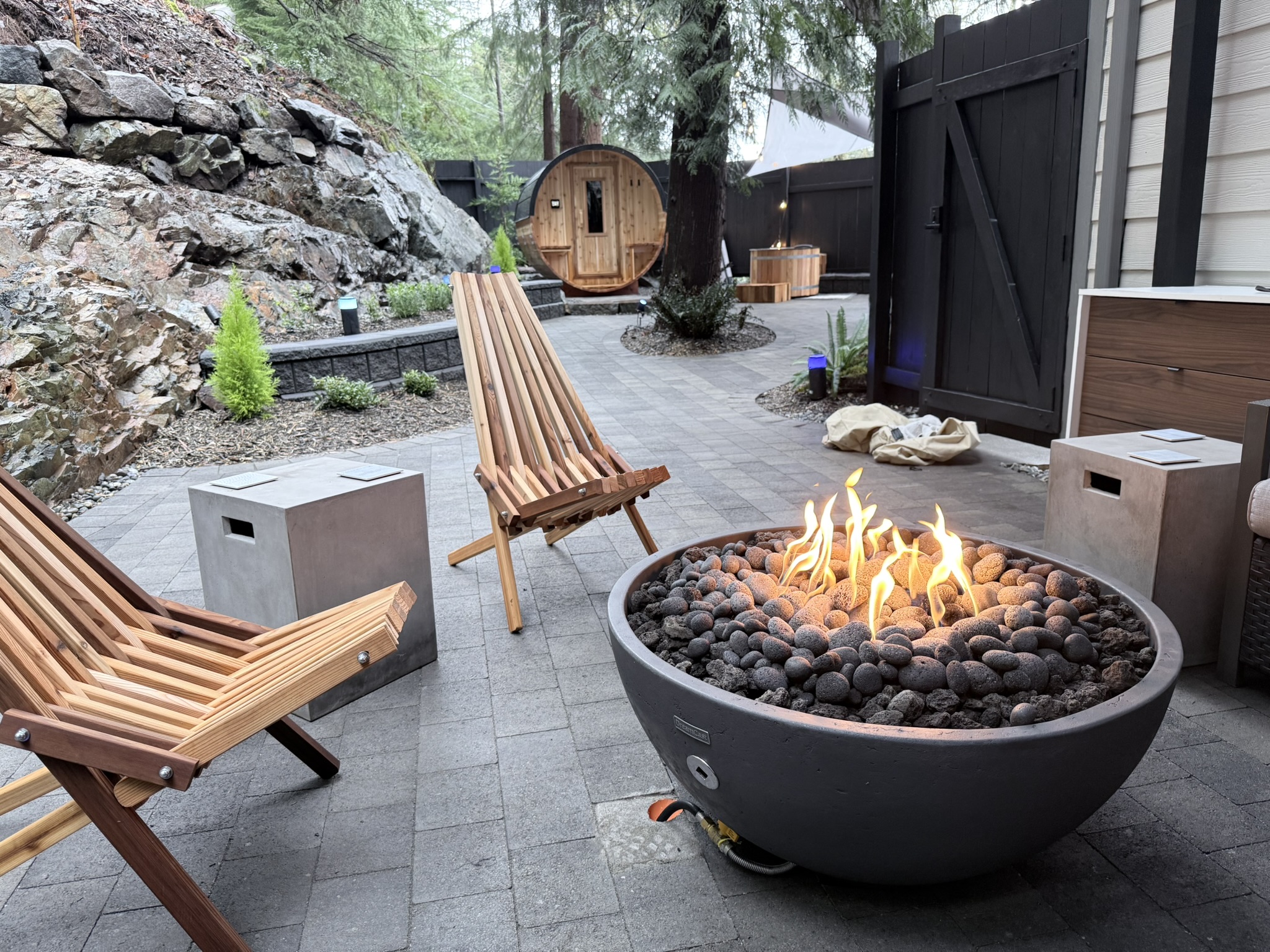
Gentle warming from a fire, a heated lounge, or even sunlight is a traditional part of the contrast therapy cycle. While the Søberg Principle suggests
letting the body rewarm itself naturally to maximize calorie burn through non-shivering thermogenesis, gentle external heat can help soothe the “cold shock” response. Using a low-intensity
heat source like a fire promotes a deeper sense of well-being and prevents the “after-drop” phenomenon where your core temperature continues to plummet after exiting the cold plunge.
What are the best beverages for hydration and rewarming after contrast immersion?
Hydration is critical after the heavy sweating of heat immersion. Warm, non-caffeinated herbal teas—such as ginger, peppermint, or chamomile—are the “gold standard” after
contrast therapy. These beverages provide internal hydrotherapy, gently warming the core from the inside out and supporting the natural transition back to baseline temperature.
Avoid caffeine immediately after a session, as your dopamine and norepinephrine levels are already naturally peaked from the cold immersion.
How long should I rest between contrast therapy rounds for safety?
A dedicated rest period of 10 to 15 minutes is highly recommended between cycles of contrast immersion. This allows your cardiovascular
system to stabilize and your blood pressure to normalize before you subject the body to another round of thermal stress. Rushing back into the sauna immediately after a
cold plunge without a rest period can cause dizziness or “orthostatic hypotension” due to the rapid shift in blood flow.
Why is sitting by a fire a traditional practice after cold plunging?
Sitting by a fire provides radiant heat, which gently rewarms the skin’s surface without the aggressive intensity of a sauna. This traditional
“Nordic” practice helps the body safely exit the intense vasoconstriction phase of cold immersion. Beyond the physical benefits,
the flickering light of a fire provides a meditative focal point, aiding in mental recovery and helping the brain process the intense sensory input of the cold plunge.
Can drinking warm tea before or after the sauna improve detoxification?
Yes. Drinking warm tea before heat immersion helps “pre-heat” the body, promoting a faster and more efficient sweat response. Teas rich in polyphenols and antioxidants also complement
the autonomic “cleanup” and cellular repair (autophagy) triggered by the sauna. Post-session, warm tea supports the lymphatic system
as it continues to flush metabolic waste moved during the vascular pump phase.
Why should I avoid alcohol during the contrast therapy relaxation phase?
It is strongly advised to avoid alcohol before, during, and immediately after contrast therapy. Alcohol is both a vasodilator and
a diuretic. When combined with the intense heat immersion of a sauna, it can lead
to dangerous drops in blood pressure, increased heart strain, and severe dehydration. Furthermore, alcohol blunts the hormetic benefits and the natural dopamine spike you receive
from cold immersion.
What is “Mindful Rewarming” and how does it build mental resilience?
Mindful rewarming is the practice of focusing entirely on your breath and the physical sensation of blood returning to your extremities after cold immersion.
Instead of rushing to a hot shower or a heater, staying present with the “tingle” and the internal heat your body is generating enhances the neuroplasticity and mental resilience
benefits of the cold plunge. This practice teaches your brain to remain calm in the aftermath of a high-stress event.
How does a relaxation phase help prevent a “dopamine crash” after cold plunging?
The 250% dopamine spike from cold immersion is powerful and sustained, but a sudden return to a high-stress environment (like checking emails or driving) can lead to an abrupt
“crash.” A gentle relaxation phase “levels out” the neurochemical return to baseline. This ensures that the feeling of calm and focus lasts for several hours, preventing the “over-stimulated” feeling that can occur after intense
contrast therapy.
Should I wrap myself in a wool blanket after a contrast therapy session?
Yes. Using a wool or heavy cotton blanket during the relaxation phase is a highly effective way to manage thermogenesis. It helps trap a thin layer of air that your body has naturally
warmed, facilitating a gradual, comfortable return to baseline temperature. This is especially helpful in preventing the “shiver response” from becoming uncomfortable or exhausting after a deep cold immersion session.
Section 5: Dr. Susanna Søberg & The Søberg Principle
Who is Dr. Susanna Søberg and why is her research on thermal therapy important?
Dr. Susanna Søberg is a world-leading researcher, PhD, and founder of the Søberg Institute. Her landmark studies in functional medicine
and metabolism, particularly her research on “winter swimmers” in Denmark, have revolutionized our understanding of how heat immersion and cold immersion affect
human health. Her work is the scientific foundation for the “minimum effective dose” required to trigger significant metabolic and cardiovascular improvements through thermal stress.
What is the “Søberg Principle” in contrast therapy and why must you end on cold?
The Søberg Principle states that to maximize the metabolic benefits of contrast immersion, you should always end your session with cold and
avoid immediate external heat (like a hot shower or sauna). By “ending on cold,” you force the body to undergo active rewarming. This process triggers non-shivering thermogenesis,
forcing your body to burn stored energy to restore its core temperature. This “Søberg Principle” is essential for those using contrast therapy specifically for weight management
and metabolic flexibility.
What is the “Minimum Effective Dose” for cold immersion (The 11-Minute Rule)?
Dr. Søberg’s research, published in Cell Reports Medicine, discovered that just 11 minutes of cold immersion per week is the threshold for significant health changes.
This total time should be spread across 2 to 3 sessions. This specific duration is enough to significantly increase brown fat activation, improve insulin sensitivity,
and lower systemic inflammation. This “11-minute rule” has become the gold standard for biohackers and health enthusiasts globally.
What is the “Minimum Effective Dose” for sauna use (The 57-Minute Rule)?
According to Dr. Søberg’s findings, the minimum dose for heat immersion (sauna) is 57 minutes per week, divided into 2 or 3 sessions.
Reaching this weekly threshold is linked to optimized cardiovascular health, improved heart rate variability (HRV), and increased longevity. This protocol ensures that the body is exposed to enough thermal stress to produce
heat shock proteins without overtaxing the heart.
How does Dr. Susanna Søberg define “Brown Fat” activation and “White Fat Browning”?
Brown adipose tissue (BAT), or “brown fat,” is a mitochondria-rich, healthy fat that burns energy (glucose and white fat) to produce heat. Dr. Søberg’s work demonstrates that regular
cold plunging not only increases the activity of existing brown fat but also promotes the “browning” of white fat. This increases the body’s overall metabolic rate and
helps regulate blood sugar, making cold immersion a powerful tool against metabolic syndrome and obesity.
Why does Dr. Søberg suggest “embracing the shiver” after a cold plunge?
The shivering response is a sign that the body is working at its maximum metabolic capacity to stay warm. Dr. Søberg suggests that leaving the cold plunge and allowing yourself
to shiver—rather than immediately reaching for a towel or heat—is key to the metabolic advantages of cold therapy. This shivering triggers the release of succinate from
the muscles, which further stimulates brown fat thermogenesis and increases the calorie-burning potential of the session.
Does Dr. Søberg recommend sauna and cold plunge specifically for women’s health?
Yes. Dr. Søberg’s research highlights how contrast therapy can support hormonal balance and reduce the systemic inflammation associated with the menstrual cycle and menopause.
However, she emphasizes that women often have different thermal thresholds and higher percentages of brown fat than men. Her protocols encourage women to listen to their bodies’ “thermal comfort” while still hitting the 11/57-minute
weekly targets for long-term health.
What is the connection between the Søberg Principle and dopamine longevity?
While the cold triggers a massive 250% spike in dopamine, the Søberg Principle focuses on how the body returns to baseline. By ending
on cold and allowing for a natural rewarming process, the dopamine and norepinephrine levels stay elevated for a longer, steadier duration. Reheating immediately in a
sauna can blunt this neurochemical “high,” whereas the Søberg method ensures a sustained state of focus and energy.
How does cold immersion help move the nervous system out of the “Fawn” or “Freeze” response?
Dr. Søberg discusses how cold plunging acts as a training ground for the autonomic nervous system. By deliberately entering cold water, you move through the initial “fight or flight”
shock into a state of regulated resilience. This process helps “reset” a nervous system that may be stuck in a chronic freeze or fawn response due
to modern stress, teaching the brain that it can remain calm and functional under intense physical pressure.
Is Dr. Søberg’s protocol safe for beginners and the “cold-curious”?
Yes. One of the reasons Dr. Søberg’s work is so popular is that her minimum effective dose is relatively low. Beginners do not need to stay in a cold plunge for
10 minutes at a time; doing 2 or 3 minutes a few times a week is sufficient. Her science-based approach provides a safe, accessible entry point that prioritizes long-term consistency over short-term intensity.
What was “The Winter Swimming Discovery” and why did it change science?
This refers to Dr. Søberg’s landmark study of a group of Danish winter swimmers who transitioned between saunas and the cold sea. The discovery was that these individuals had significantly higher metabolic rates and better insulin
sensitivity than a control group. This proved that cold adaptation is a trainable human trait and that we can “re-prime” our metabolisms by reintroducing the “metabolic winter”
through cold immersion.

Section 6: Dr. Andrew Huberman & The Huberman Lab Protocols
Who is Dr. Andrew Huberman and why is his research on thermal therapy significant?
Dr. Andrew Huberman is a tenured neuroscientist and professor in the Department of Neurobiology at Stanford University School of Medicine.
Through his Huberman Lab Podcast, he has become the leading voice in translating complex science into actionable protocols for heat immersion and
cold immersion. His focus is on how temperature extremes influence the brain, the nervous system, and human performance.
What is the “Huberman Protocol” for a deliberate cold plunge?
The Huberman Protocol for cold immersion focuses on finding a temperature that is “uncomfortably cold, but safe to stay in.”
He generally recommends 1–5 minutes per session. The key is deliberate cold exposure—the mental act of choosing to enter the cold—which
builds “top-down” control over the brain’s stress centers. Huberman emphasizes that the mental benefits are often more significant than the physical ones.
How does Huberman suggest using the sauna to maximize Growth Hormone (HGH)?
To trigger a massive spike in Growth Hormone, Dr. Huberman suggests an infrequent, high-intensity heat immersion protocol:
20 minutes in a hot sauna (175°F–210°F), followed by a 10-minute cooling break, repeated 4 times in a single afternoon.
This “high-dose” metabolic stress has been shown in studies to increase HGH levels by up to 16-fold, though Huberman notes this should be done sparingly (once a week or once a month) to maintain the body’s sensitivity to the stimulus.
What is the “Thermal Layer” and why does Huberman recommend “breaking it”?
When you remain perfectly still in a cold plunge, your body warms a microscopic “thermal layer” of water immediately surrounding your skin, which insulates you from the cold. Dr. Huberman
suggests moving your limbs or using a circulating cold plunge to “break the thermal layer.” This ensures that the cold water
is constantly in contact with your skin, making the cold immersion significantly more challenging and more effective at triggering epinephrine release.
Why does Dr. Huberman warn against cold plunging immediately after weightlifting?
Huberman frequently warns that cold immersion within the first 4 hours of a hypertrophy-focused workout can blunt the mTOR (mammalian target of rapamycin) pathway.
This pathway is responsible for the inflammatory signaling that triggers muscle growth. To avoid “canceling out” your muscle gains, he recommends waiting at least 4 to 6 hours after strength training before
using a cold plunge, or performing your cold exposure before the workout.
What does Huberman Lab say about the “Long-Tail” Dopamine spike from cold immersion?
One of Huberman’s most famous insights is that cold plunging can increase blood dopamine levels by 250%.
Unlike the quick “spike and crash” seen with nicotine or sugar, the dopamine increase from cold immersion is sustained, rising slowly and staying elevated for several hours. This
provides a “long tail” of elevated mood, motivation, and mental energy, making it a powerful tool for productivity.
Does Dr. Huberman recommend Infrared saunas or Traditional saunas for longevity?
While he acknowledges the convenience of infrared saunas, Huberman points out that the vast majority of the “longevity data” from Finnish studies was conducted in traditional saunas at
high temperatures (175°F+). For the specific cardiovascular benefits and the production of heat shock proteins, the high ambient heat of a traditional heat immersion session
remains the scientific gold standard.
What is the “Counting Walls” technique for mental toughness?
The “Counting Walls” technique is a mental tool Huberman uses to build resilience. During a cold plunge, each time your brain screams
“get out,” you have hit a “wall.” By deciding to stay and overcome a specific number of walls (e.g., “I will stay through three walls”), you strengthen the Prefrontal Cortex and
increase your capacity for “top-down” control over limbic friction (the urge to quit).
How does heat immersion affect sleep according to Huberman’s research?
Dr. Huberman explains that the body needs its core temperature to drop by roughly 1–3 degrees to initiate deep sleep. By using a sauna 1–2 hours before bed, you trigger a “compensatory
cooling” mechanism. As your body works to shed the heat from the sauna, your core temperature drops more rapidly and deeply than it would naturally, signaling the brain to enter a deep,
restorative sleep state.
Can cold immersion help with ADHD, focus, and norepinephrine?
Yes. Cold plunging causes a massive release of norepinephrine and epinephrine (adrenaline). Because many symptoms of
ADHD are associated with low levels of these neuromodulators, Dr. Huberman suggests that deliberate cold immersion can act as a natural “reset” for focus. The increased
baseline of these chemicals helps improve alertness and “attentional gating” for several hours after the session.
What is the “11-minute rule” for weekly cold exposure?
Synthesizing his own research with that of Dr. Susanna Søberg, Huberman advocates for a total of 11 minutes of cold immersion per week.
He suggests that this total time, spread across 2–4 sessions, is the “minimum effective dose” to achieve the full spectrum of metabolic, mitochondrial, and mood-enhancing benefits without overtaxing the system.
Section 7: Wim Hof & The Wim Hof Method
Who is Wim Hof and what is his contribution to cold immersion science?
Wim Hof, widely known as “The Iceman,” is a Dutch extreme athlete and global wellness icon who has broken dozens of world records related
to cold exposure. His primary contribution is proving to the scientific community that humans can consciously influence the autonomic nervous system and
innate immune response—systems previously thought to be beyond our control—through a specific combination of breathing and cold immersion.
What are the Three Pillars of the Wim Hof Method (WHM)?
The Wim Hof Method is built on three essential pillars designed to unlock your biological potential:
- Breathing Exercises: Specialized deep breathing that shifts the body’s chemistry.
- Cold Immersion (Cold Plunge/Showers): The primary stressor used to build cardiovascular and mental resilience.
- Commitment/Mindset: The focus and willpower required to master the first two pillars.
Together, these pillars provide a comprehensive framework for contrast therapy and extreme temperature adaptation.
How does Wim Hof breathing help you manage the shock of a cold plunge?
The specialized Wim Hof breathing technique creates a temporary state of respiratory alkalosis (an increase in blood pH) and
“controlled hypoxia.” This biochemical shift helps desensitize the body to the cold shock response. By oxygenating the blood and alkaline-priming the body, practitioners can remain
calm and focused in freezing water, significantly reducing the “panic reflex” associated with cold immersion.
Can the Wim Hof Method actually influence the immune system?
Yes. A landmark study at Radboud University proved that Wim Hof and a group of trained students could consciously suppress an inflammatory response. After being injected with an
endotoxin, the group used WHM breathing and cold immersion to increase epinephrine levels and suppress pro-inflammatory cytokines (like
IL-6 and TNF-alpha). This proved that cold plunging and breathwork can be powerful tools for managing autoimmune conditions and chronic inflammation.
What is Wim Hof’s advice for beginners starting a cold plunge routine?
Wim Hof’s primary rule is “listen to the body.” He advocates for a gradual “hormetic” approach: start with 30-second cold showers at
the end of your regular shower to build vascular tone. Once you are comfortable, you can move to a full cold plunge. He emphasizes that cold immersion should
never be a competition with others; it is an internal journey of deliberate cold exposure.
Does Wim Hof support the use of saunas and contrast therapy?
While he is the “Iceman,” Wim Hof is a strong supporter of contrast therapy. He views the transition from heat immersion to
cold immersion as a “gymnastic workout” for the vascular system. The heat opens the vessels while the cold closes them, making the veins and arteries more “supple” and
efficient at transporting oxygen and nutrients throughout the body.
How does Wim Hof define the “Mind over Matter” philosophy?
Wim Hof teaches that cold immersion is a gateway to “the inner power.” By facing the extreme stress of a cold plunge, you learn
to override the primary “fight or flight” response with your conscious mind. This builds a “bridge” between the conscious brain and the brain stem, allowing you to regulate your
internal temperature and heart rate through sheer focus and mindful rewarming.
Is it safe to do Wim Hof breathing inside the cold plunge tub?
No. Wim Hof and all certified instructors strongly warn against performing “power breathing” or breath-retention cycles while in water or driving. This is because the technique can
cause lightheadedness or temporary loss of consciousness (shallow water blackout). In the cold plunge, you should only practice calm, slow, rhythmic nasal breathing to
signal safety to your nervous system.
How does the Wim Hof Method build resilience to daily stress?
By exposing the body to the “controlled stress” of cold immersion, you develop stress resilience (hormesis). The body and brain
learn to remain calm in a high-adrenaline environment. Over time, this “thermal conditioning” translates to daily life; when you face a stressful situation at work or home, your nervous system is already trained to stay regulated
rather than reactive.
Does Wim Hof believe that cold immersion is for everyone?
Wim Hof famously says, “What I can do, anyone can do.” He believes that modern humans have lost their “natural edge” because we live in a “comfort zone” of clothes and indoor heating.
He views cold plunging as a way to reclaim our ancient biological hardware, improving our energy, sleep, and metabolic health.
What is the long-term impact of the Wim Hof Method on systemic inflammation?
Regular practice of cold immersion and WHM breathing has been shown to lower baseline levels of systemic inflammation. By training the body to produce norepinephrine and
anti-inflammatory markers, the Wim Hof Method has become a popular alternative therapy for those dealing with arthritis, fibromyalgia, and chronic pain syndromes.
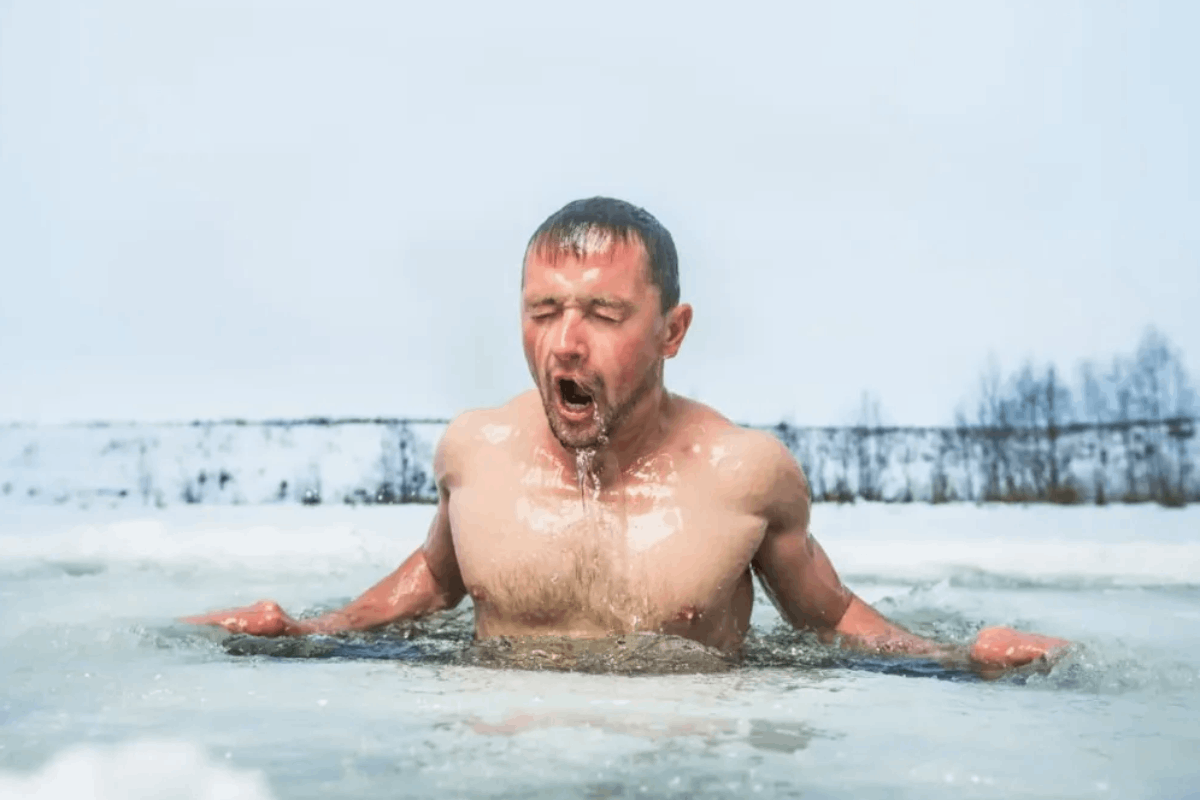
Section 8: Safety, Common Myths, and Advanced Biohacking
Is it dangerous to go directly from a hot sauna to a cold plunge?
For healthy individuals, moving directly from heat immersion to cold immersion is safe and is the exact mechanism that triggers
the beneficial “vascular pump.” This rapid transition forces the circulatory system to work at its maximum capacity. However, the sudden shift causes a significant spike in blood
pressure and heart rate. While this “shocks” the system into a state of resilience, it can be risky for those with undiagnosed heart conditions or extreme hypertension. Always consult a physician before attempting intense
contrast therapy to ensure your cardiovascular system can handle the load.
Myth: Does the sauna actually “detox” your body through sweat?
This is one of the most common misconceptions in the wellness world. The primary organs for detoxification are the liver and kidneys, not the skin. However, sauna use absolutely
supports these organs. Heat immersion increases blood flow to the liver and kidneys, helping them filter blood more efficiently. Furthermore, research has shown that heavy sweating
in a sauna can eliminate trace amounts of heavy metals like lead, cadmium, and arsenic, which are often stored in fat cells and difficult to clear through other means.
Myth: Is “colder always better” when it comes to cold plunging?
In the world of cold immersion, colder is not always superior. While extreme cold (32°F–40°F) provides a massive, acute dopamine spike,
many of the long-term metabolic benefits—such as reduced inflammation, improved insulin sensitivity, and brown fat activation—occur
at temperatures as high as 55°F (13°C). The goal of cold therapy is to find a temperature that is “uncomfortably cold but safe”
for your current level of adaptation. Pushing too cold too fast can lead to injury or a panic response that negates the mental benefits.
What is the “After-Drop” and why is it a cold immersion safety concern?
The “after-drop” is a phenomenon where your core body temperature continues to fall even after you exit the cold plunge. This happens
because as you rewarm, cold blood from your extremities begins to circulate back to your warm core. To safely manage this, avoid jumping immediately into a hot shower, which can cause blood to rush to the skin too quickly and lead
to fainting. Instead, practice active rewarming—pat yourself dry, put on warm clothes, and move your body gently to generate internal heat.
Can I use a cold plunge if I have Raynaud’s disease or poor circulation?
Individuals with Raynaud’s disease, which causes extreme vasoconstriction and sensitivity in the fingers and toes, should approach cold immersion with
extreme caution. The intense cold can be painful and may trigger a prolonged “attack” where blood flow to the extremities is severely restricted. Many biohackers with mild Raynaud’s use neoprene booties and gloves during
their cold plunge to protect the most sensitive areas while still receiving the systemic benefits of the cold on their core and brain.
Myth: Do saunas help you lose significant body fat and weight?
The immediate drop in weight you see on the scale after a sauna session is almost entirely water weight from sweating. However, heat immersion does
increase your heart rate and metabolic demand, similar to a moderate walk. When paired with cold plunging, which activates brown fat thermogenesis,
the combination can support long-term weight management by improving metabolic flexibility and increasing your basal metabolic rate (BMR).
What is the “Thermal Shock” protocol for advanced biohackers?
Advanced users often utilize a maximum-spread contrast immersion protocol to trigger the highest possible levels of norepinephrine and
Heat Shock Proteins (HSPs). This involves 20 minutes in a 200°F sauna immediately followed by 3 minutes in a 34°F–38°F cold plunge.
This extreme temperature differential is designed to maximize cellular repair and “stress-test” the autonomic nervous system. This should only be attempted by those who have spent months acclimating to both heat and cold.
Is it true that cold plunging can cause a dangerous “Cold Shock Response”?
Yes. The “cold shock response” is the initial, involuntary gasp and rapid heart rate you feel the moment you hit cold water. If not managed, this can lead to hyperventilation or
a “panic” state. Advanced cold immersion training focuses on mastering this response through slow, deliberate nasal breathing. By
controlling your breath, you signal to your brain that you are safe, shifting the body from a “panic” state to a “resilient” state and strengthening the vagus nerve.
Can I drink coffee or take stimulants before a sauna or cold plunge?
Caffeine is a stimulant that raises your baseline heart rate and blood pressure. Combining it with the intense cardiovascular strain of heat immersion or the sharp shock of a
cold plunge can lead to heart palpitations or excessive lightheadedness in some individuals. For the best experience, it is generally recommended to enjoy your coffee after your contrast therapy session
to complement the natural dopamine and norepinephrine boost you receive from the water.
What are “Cold Shock Proteins” (CSPs) and how do they differ from HSPs?
While Heat Shock Proteins (HSPs) are produced in the sauna to repair misfolded proteins, Cold Shock Proteins (specifically RBM3) are
triggered during cold immersion. CSPs have been linked to neuroprotection and the prevention of muscle atrophy. Interestingly, RBM3
is particularly active in the brain, where it helps maintain synaptic connections. This is one of the primary reasons cold plunging is being studied as a potential preventative
tool for neurodegenerative diseases.
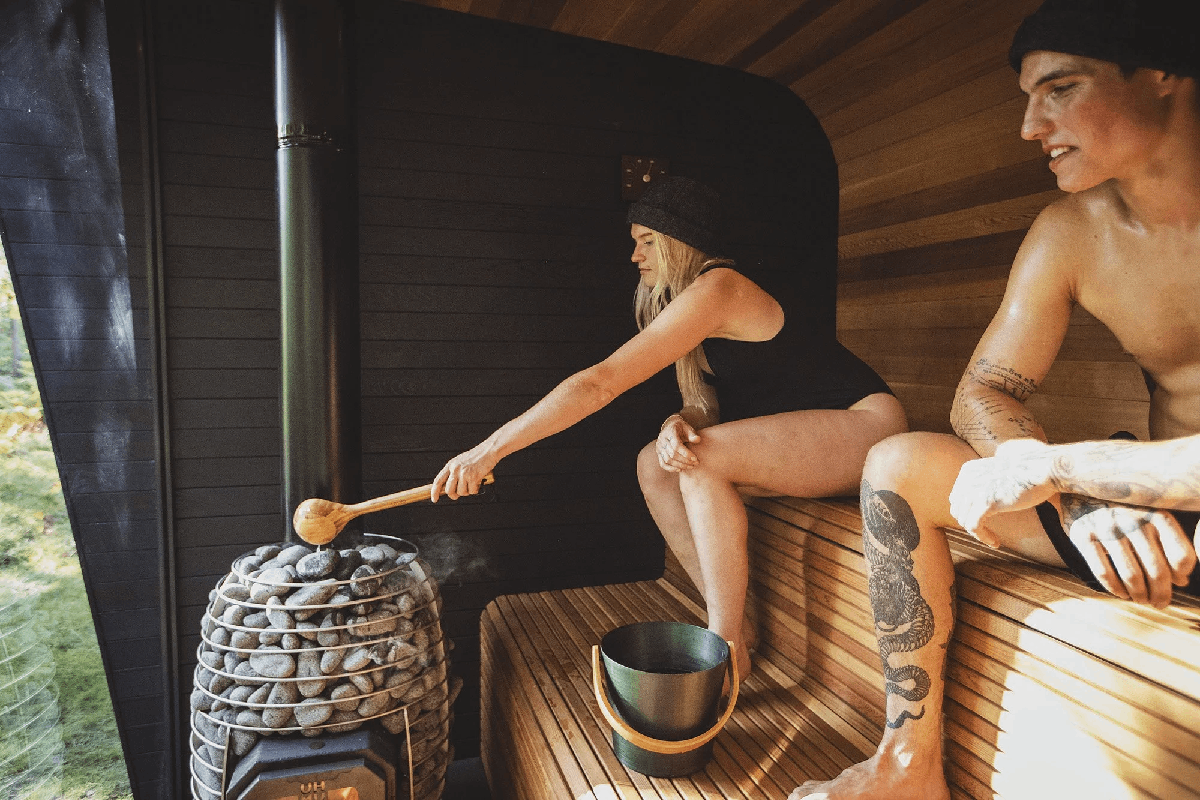
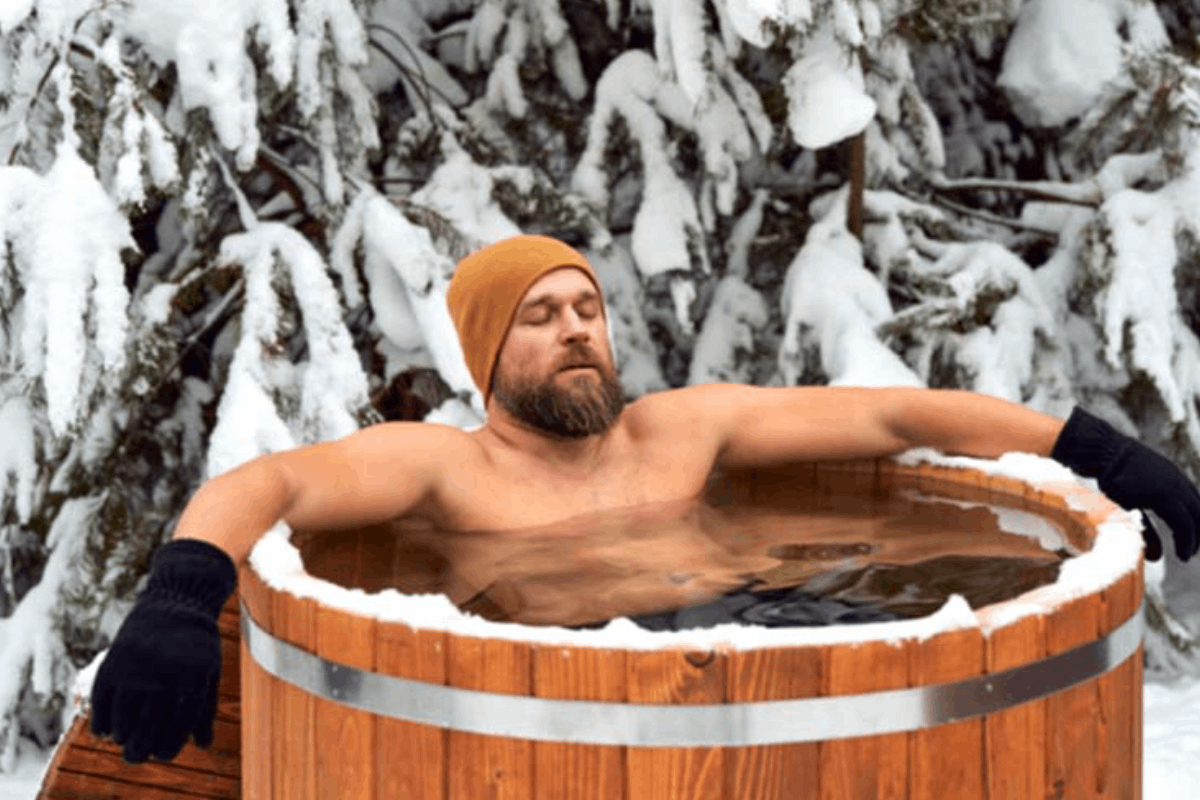
Section 9: Home Setup and Equipment Guide (2026 Buying Trends)
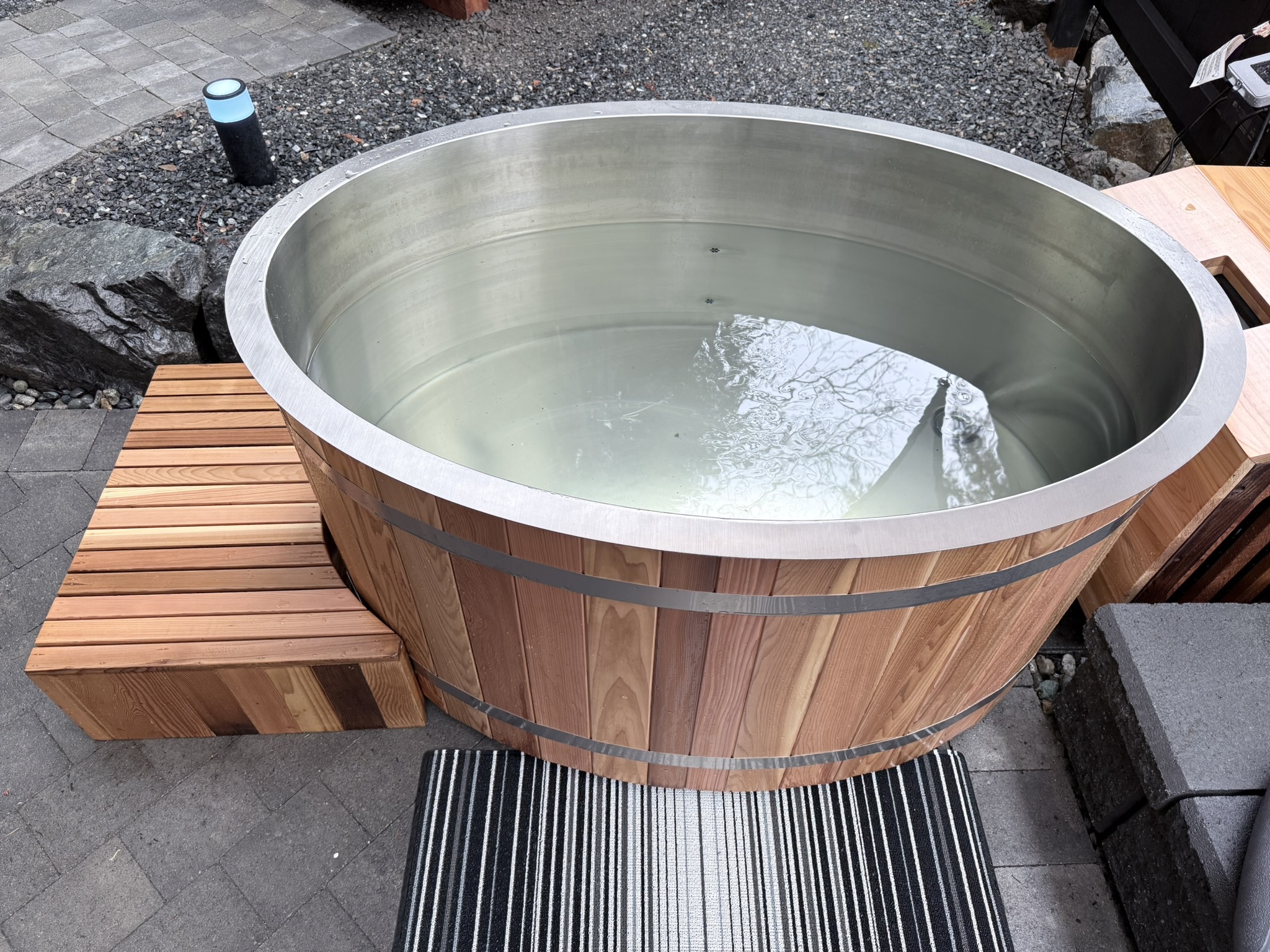
What should I look for when buying a home cold plunge in 2026?
In 2026, the market for cold immersion equipment has shifted toward all-in-one systems with integrated chillers and medical-grade
filtration. When shopping for a cold plunge, prioritize units that offer a “Plug-and-Play” setup with a cooling capacity of at least 0.5 to 1 HP (Horsepower) to ensure it can maintain
37°F (3°C) even in high ambient temperatures. Look for advanced sanitation features such as Ozone generators or UV-C light to
keep the water crystal clear without excessive chemical use. High-end units now feature app-controlled scheduling, allowing you to save on energy costs while ensuring your cold immersion tank
is ready the moment you wake up.
Traditional Sauna vs. Infrared Sauna: Which is better for a home contrast therapy setup?
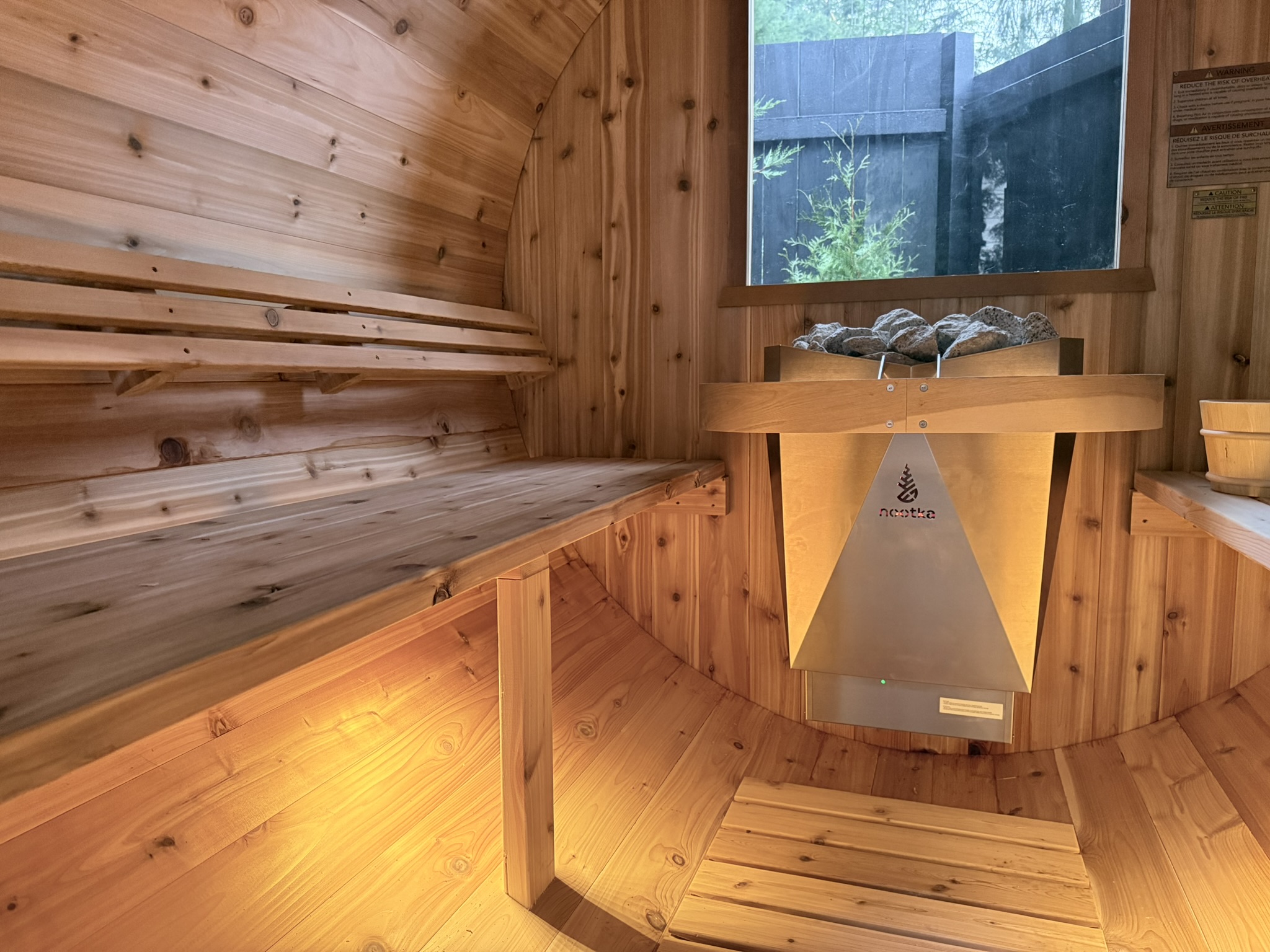
For the most effective contrast therapy, traditional saunas (electric or wood-burning) remain the gold standard. They reach the
180°F–200°F (82°C–93°C) temperatures required to trigger a true cardiovascular “shock” and the vascular pump when moving to a cold plunge.
However, an infrared sauna is an excellent alternative for those focusing on heat immersion for detoxification and joint
pain relief at lower, more tolerable temperatures (120°F–150°F). If your goal is athletic recovery and maximum hormetic stress, go traditional; if it is daily relaxation and skin
health, infrared is a powerful choice.
How do I maintain water quality and hygiene in my cold plunge tub?
Modern cold immersion systems have revolutionized water maintenance. Most professional units utilize a multi-stage process: a 20-micron filter to
catch physical debris and a secondary UV-C or Ozone sanitation system to kill bacteria and pathogens. Even with these systems, you should check the water’s pH and alkalinity weekly.
For a safe cold plunge environment, it is recommended to perform a full water change every 3 to 6 months depending on usage. Using a “non-chlorine shock” or a silver-sphere mineral
sanitizer can further extend water life without the harsh smell of traditional pool chemicals.
Do I need a special electrical setup or 240V circuit for a sauna and cold plunge?
Electrical requirements depend on the power of your equipment. Most luxury sauna heaters (above 4.5kW) require a dedicated 240V circuit with
a 30-to-60 amp breaker, similar to an electric oven or dryer. Conversely, many modern cold plunge chillers are designed to run on a standard 110V/120V outlet.
However, for safety around water, both the sauna and the cold plunge must be connected to a GFCI (Ground Fault Circuit Interrupter) outlet.
Always consult a licensed electrician to ensure your home’s panel can handle the continuous load of thermal therapy equipment.
Are “Inflatable” cold plunges worth the investment for beginners?
Inflatable cold plunge tubs are an excellent, budget-friendly entry point for those new to cold immersion or those with limited
space. In 2026, many high-quality inflatable units use “drop-stitch” technology, making them surprisingly rigid and durable. However, they lack the high-density insulation of permanent acrylic, fiberglass, or stainless steel units.
If you live in a warm climate and want to maintain consistent near-freezing temperatures for contrast therapy, you will likely need to upgrade to a hard-shell insulated unit with a
dedicated chiller to prevent the motor from overworking.
What are the benefits of a “Dual Zone” hot/cold tub for contrast immersion?
Emerging 2026 wellness trends have introduced the Dual Zone system—a single unit that contains both a hot tub and a cold plunge.
This is the ultimate space-saving solution for contrast therapy, allowing for the most immediate transition between heat immersion and
cold immersion. While convenient, many purists still prefer a separate sauna and cold plunge because the dry heat
of a sauna provides a different physiological stimulus than hot water, and separate units allow multiple people to move through a circuit at once.
Should I install my sauna and cold plunge indoors or outdoors?
This depends on your climate and lifestyle. Outdoor setups are highly popular for the “Nordic” aesthetic and provide natural ventilation for saunas. If choosing an outdoor
sauna, ensure it is constructed from high-quality Grade A Cedar or thermally treated wood to prevent rotting. For an outdoor cold plunge,
a heavy-duty, locking insulated cover is essential to keep the water cold during summer months and prevent debris from entering. Indoor setups offer
more privacy and climate control but require proper ventilation and drainage to manage the humidity and water splash-out.
How much does it cost to run a sauna and cold plunge monthly?
With 2026 improvements in energy-efficient insulation and variable-speed chillers, operating costs have dropped significantly. A daily contrast therapy routine (using the units
4–5 times a week) typically adds between $30 and $60 to your monthly utility bill. Traditional electric saunas are the largest energy consumers, but since they are only turned
on during use, the cost is manageable. Cold plunge chillers use very little energy once the water reaches the target temperature, provided the tub is well-insulated.
Can I build my own DIY cold plunge using a chest freezer?
While “DIY chest freezer” conversions were popular in the early days of the biohacking movement, they carry significant risks in 2026. The main concerns are electrical safety (water
and non-grounded appliances), potential refrigerant leaks, and the lack of filtration. Professional cold plunge units are specifically engineered for cold immersion safety,
featuring waterproof components, UL-listed electronics, and built-in sanitation. For long-term peace of mind and water hygiene, a purpose-built unit is a far safer investment than a DIY conversion.
What are the most popular and reliable sauna and cold plunge brands in 2026?
In 2026, brands like Sun Home Saunas, Plunge (formerly Cold Plunge), and AlphaSauna lead
the industry in reliability and technological integration. Many of these top-tier brands now offer “Full-Spectrum” heating in their saunas and chillers that can reach as low as 34°F. When choosing a brand, prioritize those that offer
a comprehensive 3-to-5-year warranty on both the structural components and the mechanical chillers/heaters, as these are the most critical parts of your contrast therapy investment.
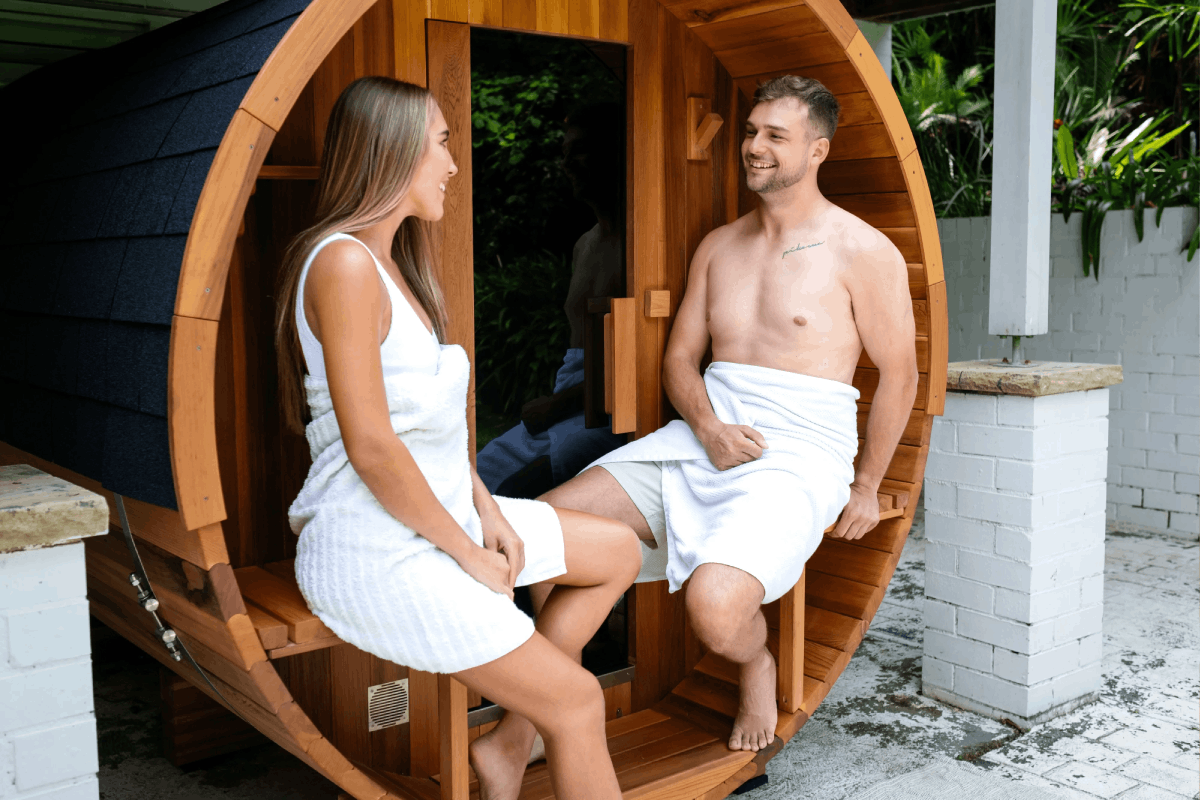
Section 10: Targeted Recovery Protocols for Every Body
How should marathon runners use contrast therapy for post-race recovery?
For marathoners and long-distance runners, contrast immersion is most effective when utilized 24 to 48 hours after a race or high-mileage long run. The sauna assists
in relaxing tight calves, hamstrings, and hip flexors by increasing blood flow to micro-damaged tissues. Following this with a cold plunge helps reduce the systemic inflammation
and “pounding” trauma caused by thousands of foot strikes. This specific cycle of contrast therapy flushes lactic acid and interstitial fluid, allowing runners to return to their
training block with significantly less leg heaviness.
Is cold plunging beneficial for weightlifters, bodybuilders, and powerlifters?
Weightlifters must be strategic with timing. Using a cold plunge immediately after a strength session can blunt the hypertrophy (muscle
growth) response by suppressing the necessary inflammatory signaling (mTOR pathway). For those focused on maximum muscle mass, the best protocol is to use the sauna for
heat immersion post-lift to improve blood flow, while saving the cold plunge for rest days. This helps manage systemic inflammation and joint health without interfering
with the muscle-building signals triggered by heavy lifting.
Can contrast therapy help manage chronic lower back pain and sciatica?
Yes. Contrast immersion is highly effective for managing chronic back pain and disc-related issues. The sauna heat penetrates
deep into the paraspinal muscles, easing the protective guarding and spasms often associated with back injuries. The subsequent cold plunge acts as a powerful natural
analgesic, numbing overactive pain receptors and reducing the localized inflammation around the spinal discs or the sciatic nerve. This “thermal flush” can provide relief where traditional stretching often fails.
What is the best contrast therapy protocol for Rheumatoid Arthritis (RA)?
For those with Rheumatoid Arthritis or other autoimmune joint conditions, a “gentle” contrast therapy protocol is recommended
to avoid triggering a flare. Most specialists suggest 10–15 minutes of moderate heat immersion to reduce joint stiffness, followed by just 60 seconds of “cool” rather than “freezing”
cold immersion (around 55°F). This provides the anti-inflammatory benefits and reduces joint swelling without the extreme cardiovascular shock that can sometimes be counterproductive for sensitive individuals.
How does cold immersion help with IT Band Syndrome and Runner’s Knee?
IT Band Syndrome is primarily an inflammatory condition where the band rubs against the lateral epicondyle of the knee. Targeted cold plunging helps
by rapidly reducing the swelling and heat at the friction site. By pairing this with heat immersion to loosen the gluteus medius and TFL (the muscles that pull on the IT band),
you create a comprehensive contrast therapy cycle that addresses both the symptom (knee inflammation) and the cause (hip tightness).
Does contrast therapy provide relief for Fibromyalgia and Chronic Fatigue?
Many patients report that contrast immersion significantly reduces the “all-over” body pain and “fibro-fog” associated with Fibromyalgia.
The sauna provides deep tissue warmth that eases the chronic muscle tension and “tender points.” The cold plunge then helps
“reset” the central nervous system’s overactive pain signaling. This thermal shift can improve sleep quality and daily energy levels for those dealing with chronic pain syndromes.
Should I use a cold plunge if I have DOMS (Delayed Onset Muscle Soreness)?
Yes, cold immersion is one of the most clinically proven treatments for DOMS. By lowering the temperature of the muscle tissue and
inducing vasoconstriction, a cold plunge slows the inflammatory process and limits the infiltration of white blood cells into the muscle, which reduces the peak soreness typically
felt 48 hours after an intense workout. It is the preferred method for athletes who need to perform in multi-day tournaments.
Can contrast therapy improve flexibility, mobility, and range of motion?
Heat immersion in a sauna is excellent for increasing “tissue extensibility”—the ability of muscles and tendons to stretch without
injury. Following a sauna session with light, dynamic stretching before entering the cold plunge can help “lock in” these gains
in range of motion. The cold then reduces any minor inflammation caused by the deep stretching, making it a powerful routine for those with chronic mobility restrictions.
What is the best “morning routine” for a high-performance executive?
The “10-3-1” protocol is the trending standard for high-performers. It involves 10 minutes of sauna, 3 minutes of cold plunge,
and 1 minute of box breathing or mindfulness. This provides the massive dopamine and norepinephrine spike needed for elite
mental clarity while the heat immersion provides a cardiovascular boost that replaces the need for a morning “caffeine jolt,” keeping you focused and resilient throughout a high-stress
workday.
Is contrast therapy safe for post-surgical recovery and wound healing?
Contrast immersion should only be attempted after surgical incisions have completely closed and your surgeon has provided an explicit clearance. Once safe, the vascular pump effect
can be incredibly beneficial for reducing post-surgical edema (swelling) and improving the delivery of oxygenated blood to the repair site. This can potentially accelerate the rehabilitation process for ACL repairs, joint replacements,
and other orthopedic surgeries.
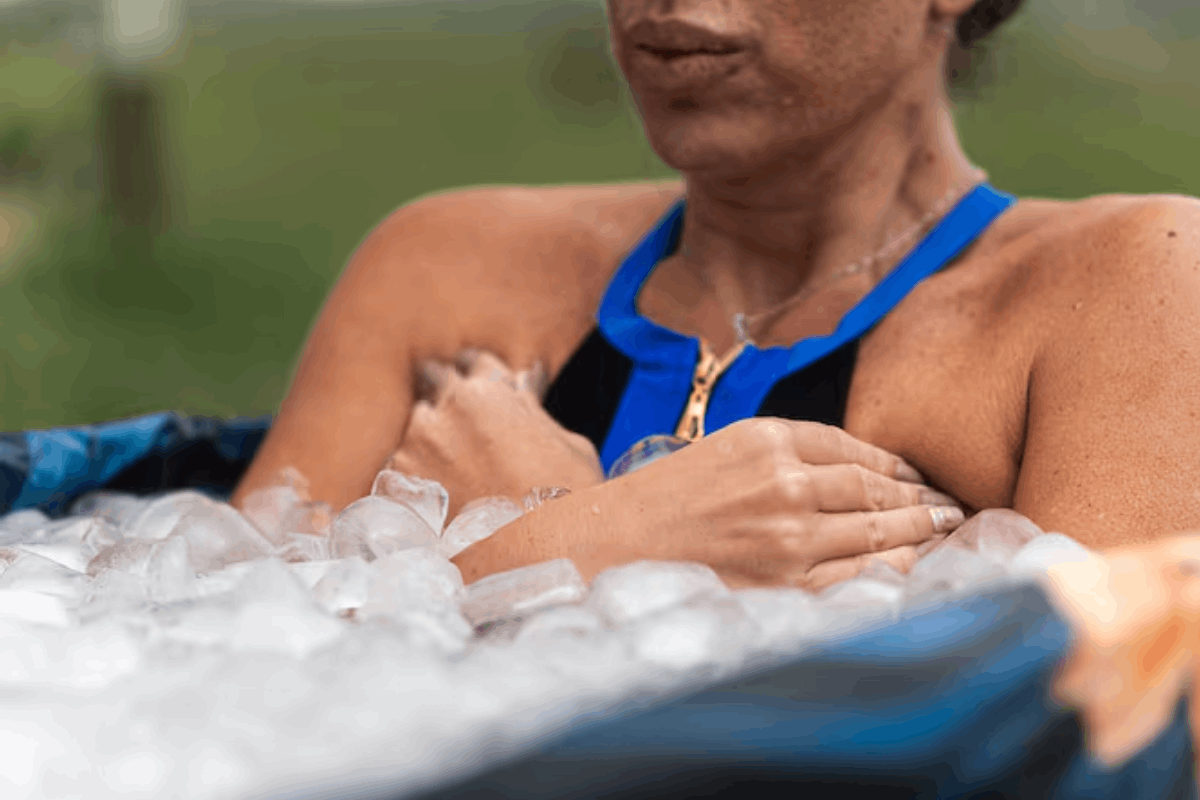
Section 11: Women’s Health, Hormones, and Contrast Therapy
How does thermal therapy specifically affect the female endocrine system?
Thermal therapy affects the female endocrine system differently than the male system because women’s bodies are more sensitive to internal temperature shifts and stress signals. Understanding the nuances of the menstrual cycle and
hormonal fluctuations is key to optimizing contrast immersion for women. By aligning sauna and cold plunge sessions
with specific cycle phases, women can support their hormones rather than overtaxing them.
How does cold plunging affect the menstrual cycle and period health?
The cold plunge is a significant physiological stressor. Many women find they are more sensitive to cold during the luteal phase (the
week before your period) when core body temperature is naturally higher and progesterone is peaking. During this time, experts suggest shorter cold immersion sessions to avoid
overtaxing the adrenals. Conversely, during the period itself, many find that cold plunging provides natural relief for menstrual cramps (dysmenorrhea) due
to the systemic anti-inflammatory effects of the cold.
Can sauna use help with Menopause and perimenopause symptoms like hot flashes?
Yes. Regular heat immersion in a sauna has been shown to help regulate the autonomic nervous system and
improve “thermoregulation.” This can reduce the frequency and severity of vasomotor symptoms (hot flashes and night sweats) and improve the sleep quality often disrupted during
menopause. By training the body to manage heat in a controlled environment, women often find their “internal thermostat” becomes more resilient.
Does cold immersion impact thyroid function and T3/T4 levels?
Cold plunging stimulates the production of thyroid hormones (T3 and T4) as the body attempts to generate internal heat (thermogenesis). For
those with hypothyroidism or a sluggish metabolism, cold immersion can act as a helpful metabolic stimulant. However, it should
be introduced gradually, as the thyroid is closely linked to the adrenal glands, and excessive “cold shock” can be counterproductive if the system is already under high stress.
Is contrast therapy or sauna use safe during the first trimester of pregnancy?
Most medical professionals and OBGYNs advise avoiding intense heat immersion and high-intensity cold plunging during the first
trimester. The risk of raising the core body temperature (hyperthermia) or inducing a sharp, catecholamine-heavy shock response can potentially interfere with early fetal development. While
mild “contrast showers” may be acceptable, always consult your healthcare provider before attempting any form of contrast therapy while pregnant.
Can sauna use help reduce PMS-related bloating and water retention?
The sauna is an excellent tool for managing PMS-related edema (bloating). The heat promotes vasodilation and
heavy sweating, which helps the body flush excess sodium and fluid that often accumulates in the premenstrual phase. Pair your heat immersion with high-quality electrolytes to
ensure you are flushing the bloat without depleting vital minerals.
Does contrast therapy help with Hormonal Anxiety and mood swings?
Yes. By triggering a massive spike in norepinephrine and then inducing a deep parasympathetic “reset” during the relaxation
phase, contrast immersion can help stabilize mood swings. This process helps lower the baseline anxiety associated with hormonal fluctuations by “priming” the nervous system to
handle stress more effectively, preventing the “emotional overwhelm” often felt during different stages of the cycle.
What is the “Follicular Protocol” for cold immersion?
During the follicular phase (the first half of the cycle, starting on day 1), estrogen levels are rising, and the female body is generally more resilient to external stressors.
This is the optimal time for women to push the boundaries of their cold plunge duration and lower temperatures. High-intensity cold immersion during
this phase can maximize the dopamine and metabolic benefits when the body is naturally geared toward energy and strength.
Does heat immersion in a sauna improve bone density in post-menopausal women?
Emerging research suggests that sauna use may support bone health by increasing blood flow and the delivery of vital minerals to bone tissue. While not a replacement for weight-bearing
exercise, the increased circulation and production of heat shock proteins during heat immersion may help mitigate bone loss
in post-menopausal women, especially when used as a recovery tool following resistance training.
How does a cold plunge affect cortisol levels and the HPA axis in women?
While cold immersion causes an immediate, temporary cortisol spike, regular practice helps “train” the HPA axis (hypothalamic-pituitary-adrenal
axis). For women, this leads to better cortisol regulation throughout the day, helping to prevent the “tired but wired” feeling. Over time, cold plunging can improve the body’s
ability to “turn off” the stress response, leading to better sleep and more stable energy.
Is it safe to cold plunge while on your period?
It is physically safe and often highly beneficial. Beyond the analgesic effect on cramps, cold immersion during your period can help manage the systemic inflammation and “brain
fog” that many women experience during menstruation. Most women find that a 2-minute cold plunge provides an immediate lift in mood and physical comfort during the first few days
of their cycle.
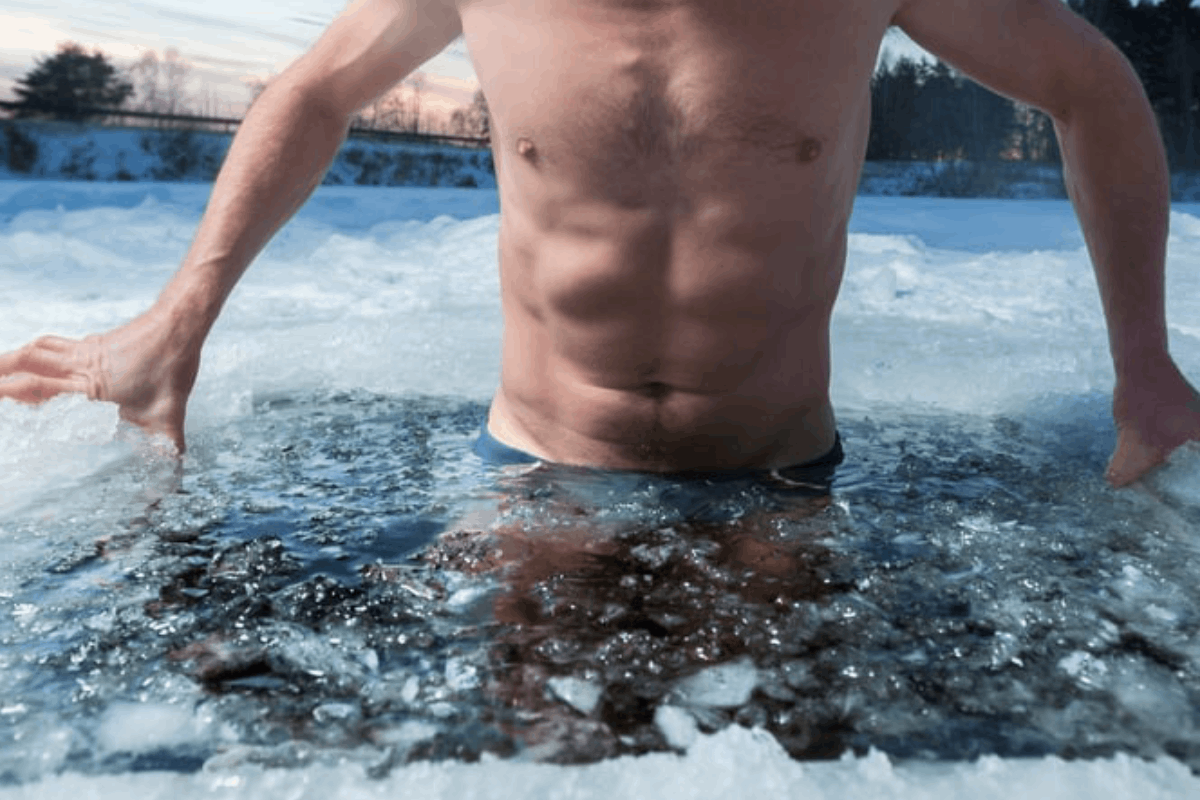
Section 12: Men’s Health, Vitality, and Thermal Optimization
How does thermal therapy specifically benefit the male physiology?
For men, contrast therapy is a cornerstone of “hormetic biohacking.” It is primarily used to optimize hormonal health, accelerate physical recovery from high-intensity training,
and support long-term cardiovascular resilience. By strategically using heat immersion and cold immersion, men can influence their
endocrine and circulatory systems to maintain a biological “edge” as they age.
Does sauna use increase testosterone levels in men?
The relationship between sauna use and testosterone is foundational to stress management. While heat immersion causes a massive
temporary spike in growth hormone, its effect on testosterone is indirect but powerful. Chronic stress leads to high cortisol; because cortisol and testosterone have an inverse relationship,
the deep relaxation of a sauna session lowers cortisol, creating the ideal hormonal environment for natural testosterone production and improved androgen receptor sensitivity.
Does a cold plunge affect male fertility and sperm count?
Yes, and the science is clear: cold immersion is highly beneficial for male fertility. Spermatogenesis requires a temperature
roughly 2–4 degrees lower than core body temperature. While excessive, prolonged heat immersion in a sauna can temporarily
lower sperm count, regular cold plunging helps maintain optimal scrotal temperature. Fertility specialists often recommend cold exposure to improve sperm quality, count, and motility.
Can regular sauna use reduce the risk of prostate issues and enlargement?
Emerging longitudinal studies from Finland suggest that frequent sauna bathers have a significantly lower incidence of systemic inflammation, a primary driver of prostate enlargement (BPH) and
associated issues. The increased pelvic circulation triggered by heat immersion supports healthy blood flow to the prostate and surrounding tissues, while the systemic anti-inflammatory
effect helps manage long-term prostate health.
How does cold immersion help men lose “visceral fat” and the “Dad Bod”?
Men are biologically predisposed to carry visceral fat (fat stored around the internal organs). Cold plunging is one of the
most effective ways to activate brown adipose tissue (BAT), which specifically targets these energy stores to generate heat. Regular cold immersion improves
insulin sensitivity and helps men manage midsection weight gain by increasing their daily basal metabolic rate (BMR) through non-shivering thermogenesis.
Should men use the cold plunge specifically for mental toughness and willpower?
Many men utilize cold plunging as a modern “stoic” discipline. Entering a 38°F cold plunge requires overcoming significant
“limbic friction”—the brain’s hardwired desire to avoid discomfort. This act of “deliberate cold exposure” builds the anterior mid-cingulate cortex (aMCC), a part of the brain
that researchers have linked to willpower, tenacity, and the literal “will to live.”
Can contrast therapy help with male-pattern hair loss and scalp health?
While contrast immersion isn’t a direct cure for male-pattern baldness, it is a powerful tool for scalp health. The vascular pump effect—moving
from the sauna to the cold plunge—massively increases blood flow to the hair follicles. This ensures that the scalp receives a fresh
supply of oxygenated blood and nutrients while clearing metabolic waste, which is essential for maintaining hair density and follicle longevity.
Is it safe for middle-aged men with heart disease to use a sauna?
Long-term studies show that men who use a sauna 4–7 times a week have a 50% lower risk of fatal cardiovascular disease. However, for men with diagnosed heart
conditions, the intense heat immersion must be cleared by a cardiologist. The sauna increases stroke volume and heart rate,
which acts as a “cardiovascular stress test” that requires a healthy heart to manage safely.
How does heat immersion affect muscle protein synthesis and aging?
Heat immersion triggers the release of Heat Shock Proteins (HSPs), which act as cellular bodyguards. They prevent muscle atrophy by repairing
damaged proteins and protecting against oxidative stress. For men focused on longevity, regular sauna use helps preserve lean muscle
mass and “muscle quality” as they age, preventing the typical age-related decline in physical strength.
Can cold immersion improve erectile function and vascular health?
Vascular health is the foundation of erectile function. Contrast therapy “trains” the endothelial lining of the blood vessels to dilate and constrict efficiently. By improving
nitric oxide production and overall circulatory health through the sauna and cold plunge cycle, many men report significant improvements in vascular responsiveness,
sexual health, and performance.
What is the best “Men’s Vitality Protocol” for contrast therapy?
The “Gold Standard” for men is the “Rule of 3”: 15 minutes of heat immersion in the sauna, followed by 3 minutes of
cold immersion in the plunge, repeated for 3 rounds. This protocol provides the ideal balance of cardiovascular strain, hormonal stimulus (HGH spike), and metabolic activation to optimize the male physiology for both
performance and longevity.

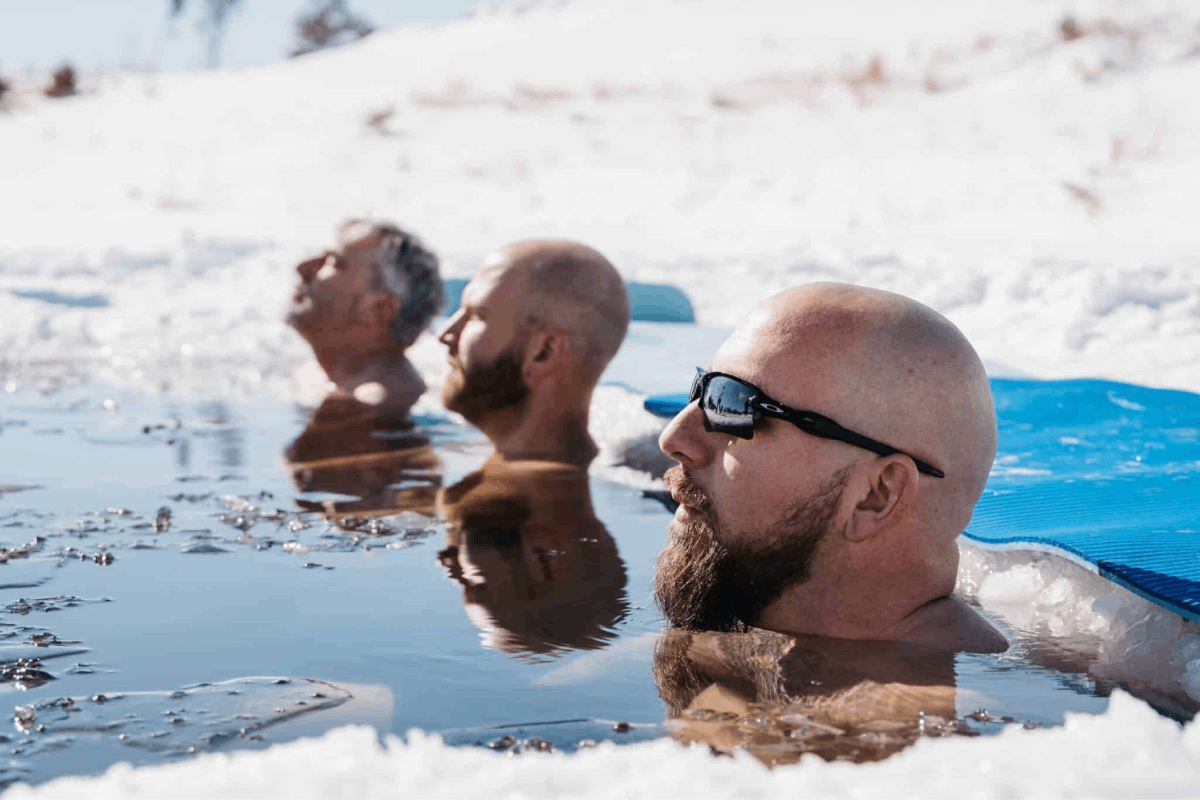
Section 13: Athletes, Peak Performance, and Recovery Science
How does contrast therapy physically accelerate athletic recovery?
The primary benefit of contrast immersion for athletes is the “metabolic flush.” By alternating between the sauna (which triggers
vasodilation) and the cold plunge (which triggers vasoconstriction), the body manually pumps out metabolic byproducts like
lactate and CO2. This “vascular gymnastics” floods the muscles with oxygenated, nutrient-rich blood, which is essential for repairing the micro-tears in muscle tissue caused by high-intensity interval training (HIIT) or competition.
Does cold plunging blunt muscle growth and hypertrophy for lifters?
This is a critical distinction for strength athletes. Cold immersion immediately after a resistance training session can suppress the mTOR (mammalian target of rapamycin) pathway,
which is the primary inflammatory signal required for muscle protein synthesis and hypertrophy. To avoid “blunting” your gains, high-level lifters and bodybuilders should wait at least 4 to 6 hours after weightlifting before
cold plunging. Alternatively, performing your cold session before training or on rest days allows you to manage inflammation without sacrificing muscle size.
Should endurance athletes use the sauna for “heat acclimation” and blood volume?
Absolutely. Heat immersion in a sauna is one of the most effective legal performance enhancers for endurance athletes. Regular
sessions trigger plasma volume expansion, which increases the amount of blood the heart can pump per beat (stroke volume). For marathoners, cyclists, and triathletes, this “heat conditioning”
reduces cardiovascular strain and lowers core temperature during races, effectively mimicking the performance benefits of high-altitude training.
Can contrast therapy help with Central Nervous System (CNS) fatigue and overtraining?
Yes. Heavy training loads often leave an athlete’s Central Nervous System (CNS) in a state of chronic sympathetic (fight-or-flight) arousal. Contrast immersion helps
recalibrate the autonomic nervous system by forcing the athlete into a restorative parasympathetic state during the cooling and relaxation phases. This shift is reflected in improved
Heart Rate Variability (HRV), which is the gold-standard metric for measuring an athlete’s readiness to train at high intensities.
Is a dedicated cold plunge or a traditional ice bath better for game-day recovery?
A dedicated cold plunge with a powerful chiller and circulation pump is significantly superior to a static ice bath. In a still
ice bath, the body warms a “thermal layer” of water around the skin, which insulates the athlete from the cold. A circulating cold plunge breaks this layer, ensuring continuous,
aggressive cold immersion. This provides a much deeper and more consistent recovery shock, ensuring that the core temperature and tissue inflammation are reduced effectively.
How does heat immersion in a sauna assist with injury prevention?
Regular sauna use increases the elasticity and “extensibility” of connective tissues, tendons, and muscles. By maintaining more “supple” and well-perfused tissues through
heat immersion, athletes can improve their functional range of motion. This reduces the likelihood of acute strains, ligament tears, and “stiffness-related” injuries during the explosive movements required in sports like
basketball, soccer, or sprinting.
Why are “Rest Days” the ideal time for intense contrast therapy?
Rest days are the perfect opportunity for high-volume contrast immersion. Since there is no acute muscle-building signal to protect (unlike immediately post-lift), athletes can perform
3 to 5 full rounds of sauna and cold plunge. This maximizes systemic recovery, flushes the lymphatic system, and provides a mental “reset,” allowing the athlete to enter their next
training block with a fresh nervous system and reduced muscle heaviness.
Does cold immersion help with chronic tendonitis, bursitis, and joint inflammation?
Yes. Chronic overuse conditions like “jumper’s knee” (patellar tendonitis) or “tennis elbow” involve persistent, localized inflammation. Cold plunging provides systemic anti-inflammatory
benefits that help dampen the “inflammatory fire” in these poorly vascularized tissues. By reducing the temperature of the joint capsule, cold immersion provides significant pain
relief and slows the progression of chronic wear and tear.
What is the recommended “Post-Game” protocol for contact sports like MMA or Football?
In contact sports, the goal is to manage blunt-force trauma and hematomas. Athletes often use 10 minutes of continuous cold immersion immediately after a match to cause massive
vasoconstriction, which minimizes bruising and secondary tissue damage. This is followed by a very gentle, lukewarm relaxation phase. Avoiding extreme heat immediately after a concussion or heavy head contact is vital; always prioritize
cold immersion for acute trauma management.
Can contrast therapy improve “Top-Down” mental control and game-day grit?
The psychological edge is perhaps the most underrated benefit for athletes. The ability to stay calm and control your breathing in a 38°F cold plunge directly translates to the
ability to stay calm under the high-pressure “crunch time” of a game. Contrast therapy is a form of adversity training that
builds the mental resilience and “grit” required to perform at an elite level when the body is fatigued and the mind is screaming to quit.
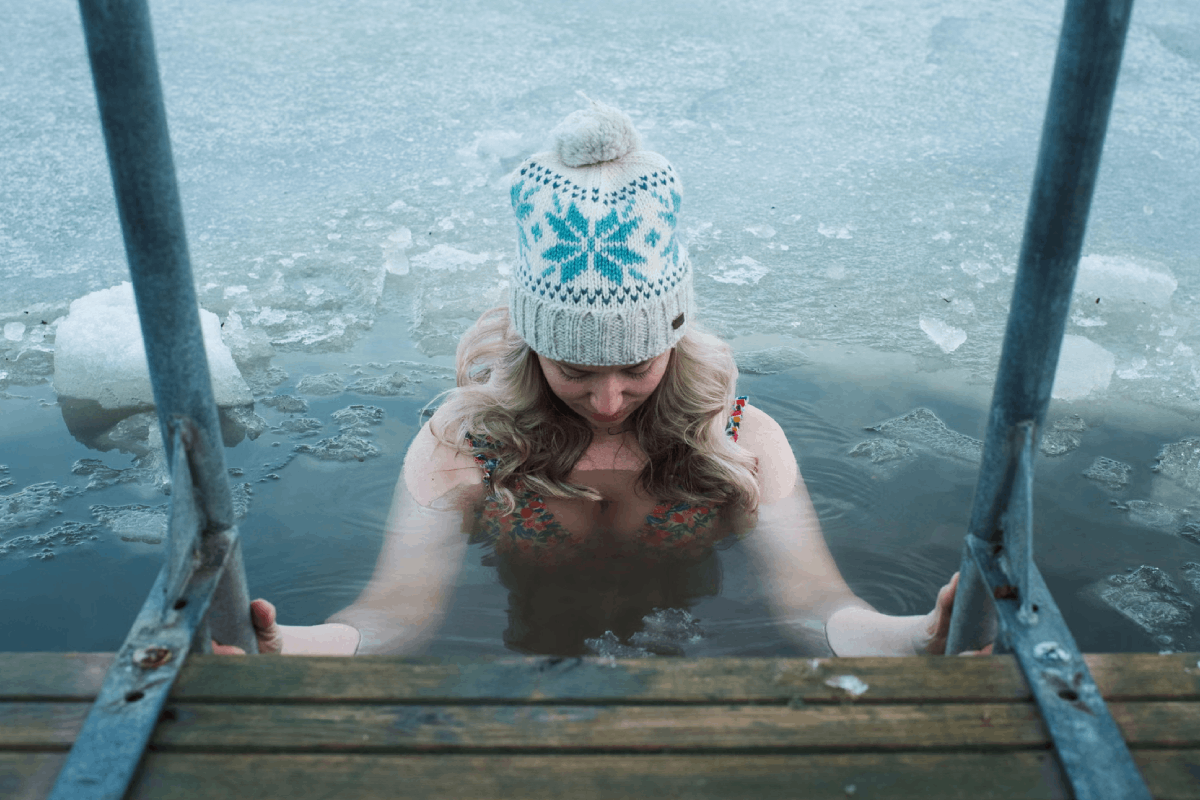
The Final Reset: Embracing the Elements for Longevity
The journey through contrast therapy—the deliberate dance between fire and ice—is more than a modern wellness trend; it is a return to our ancestral biological roots. By utilizing heat immersion in the sauna and cold immersion in the cold plunge, we are providing our bodies with the hormetic stress necessary to thrive in an otherwise over-comforted world.
Whether your goal is to accelerate athletic recovery, find relief from chronic pain, or tap into the profound dopamine spike that resets your mental state, contrast immersion offers a physiological reset that few other modalities can match. From the metabolic “Søberg Principle” to the neurobiological protocols of the “Huberman Lab,” the science is clear: brief, controlled exposure to temperature extremes builds a body and mind that are more resilient, focused, and alive.
As you begin your own contrast therapy practice, remember that consistency is the ultimate key. Start slow, master your breath, and listen to your body’s signals. By reclaiming your biological edge through the power of the sauna and cold plunge, you aren’t just recovering—you are optimizing your human potential.