

Across North America and globally, women are redefining what it means to take a break.
For decades, traditional girls’ trips often centered around busy travel schedules, nightlife, and overstimulation. While these experiences offered moments of enjoyment, they frequently left women returning home physically exhausted, emotionally depleted, and mentally overwhelmed.
Today, a profound shift is occurring. Women — particularly professionals, caregivers, entrepreneurs, and leaders — are seeking retreats that provide genuine recovery, emotional reconnection, and nervous system restoration.
These modern women’s retreats are intentionally designed to address burnout, emotional fatigue, hormonal stress, and disconnection that accumulate through years of high-functioning responsibilities.
At wellness retreats such as The Barnfield Suites and Cedarwood Elements on Bowen Island, women experience something fundamentally different: deep nervous system reset, meaningful social bonding, and true physiological recovery.
This article explores the science, psychology, and physiology behind women’s retreats — and why they are rapidly replacing traditional vacations.

The Burnout Epidemic Among Modern Women
Burnout is now recognized as a global health concern.
The World Health Organization officially classifies burnout as an occupational phenomenon characterized by:
- Emotional exhaustion
- Mental fatigue
- Reduced performance capacity
- Detachment and emotional depletion
Source:
https://www.who.int/mental_health/evidence/burn-out/en/
Women are disproportionately affected due to cumulative responsibilities including:
- Professional careers
- Family caregiving
- Emotional labor
- Social coordination roles
- Household management
Chronic burnout elevates cortisol, which disrupts:
- Sleep quality
- Hormonal balance
- Immune function
- Mood stability
- Cognitive clarity
Source:
https://www.ncbi.nlm.nih.gov/books/NBK538239/
The Nervous System: The Foundation of Emotional and Physical Recovery
The autonomic nervous system regulates the body’s response to stress and recovery.
It consists of two primary branches:
- Sympathetic nervous system (fight-or-flight)
- Parasympathetic nervous system (rest-and-recovery)
Burnout reflects prolonged sympathetic nervous system activation.
Wellness retreats activate the parasympathetic nervous system, allowing physiological repair.
This results in:
- Improved sleep quality
- Hormonal regulation
- Reduced anxiety
- Improved emotional stability
Source:
https://www.ncbi.nlm.nih.gov/books/NBK538330/
The Science of Female Bonding: Why Women Recover Faster Together
Human beings are biologically wired for social connection.
Positive social interaction stimulates oxytocin release, often called the bonding hormone.
Oxytocin provides powerful physiological benefits:
- Reduces cortisol
- Lowers blood pressure
- Improves emotional regulation
- Enhances feelings of safety
- Improves nervous system recovery
Source:
https://www.ncbi.nlm.nih.gov/pmc/articles/PMC3181830/
Research shows that social bonding significantly improves resilience to stress.
Women, in particular, demonstrate stronger physiological stress recovery when supported by trusted social groups.
Contrast Therapy: A Powerful Tool for Nervous System Reset
Cold Exposure and Emotional Regulation
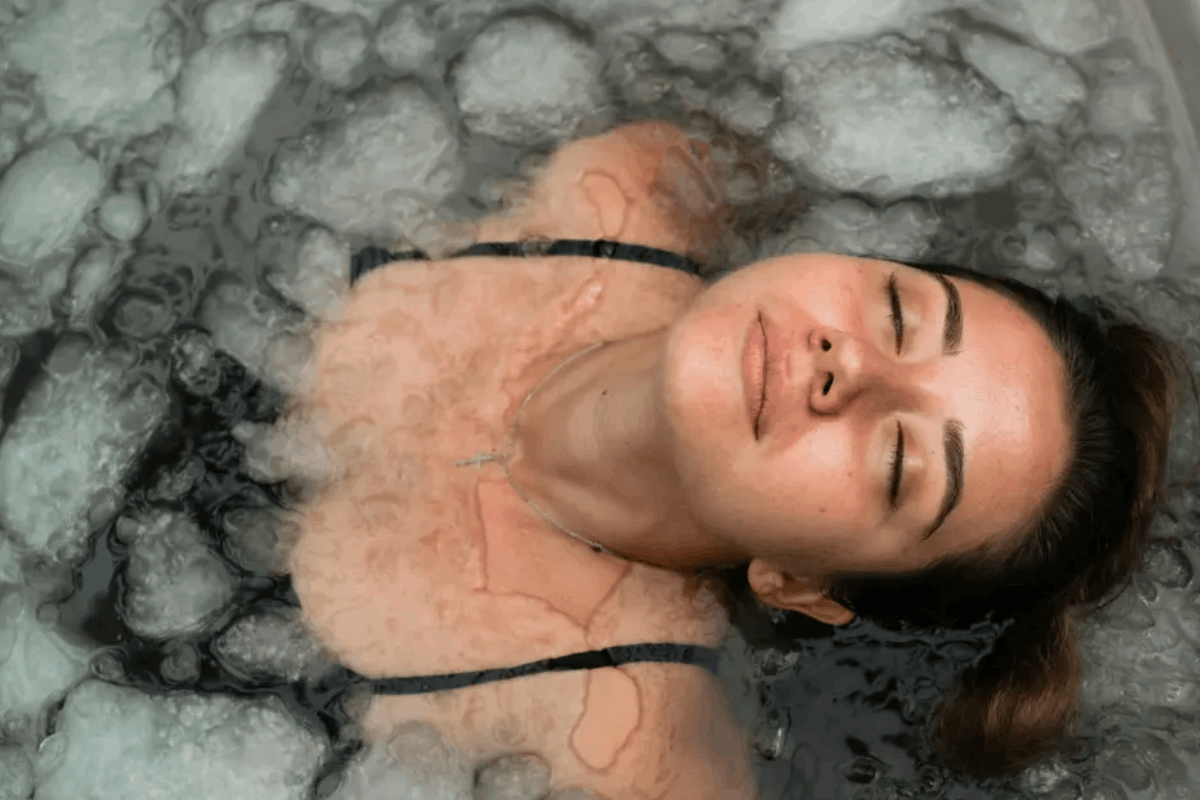
Cold immersion activates adaptive stress responses that improve nervous system flexibility.
Cold exposure increases norepinephrine, improving mood and emotional stability.
Source:
https://journals.plos.org/plosone/article?id=10.1371/journal.pone.0153013
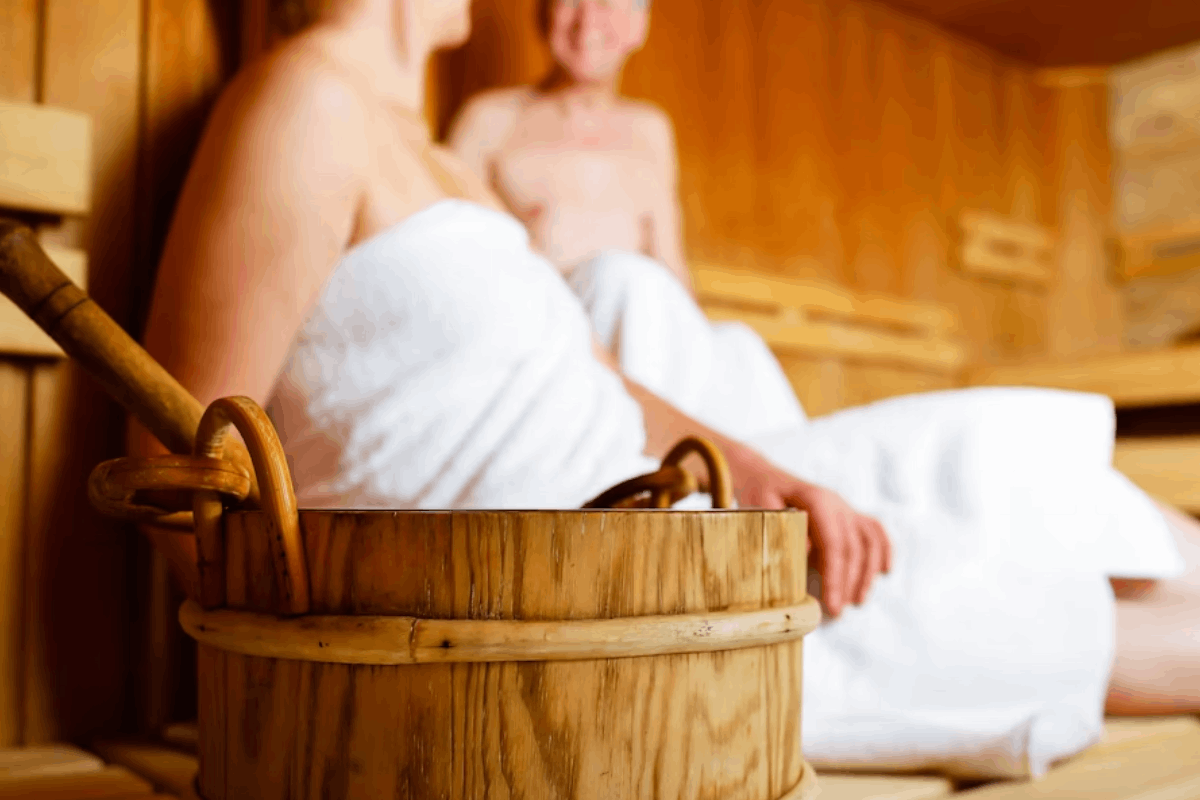
Sauna Therapy and Relaxation Response
Sauna exposure activates heat shock proteins, supporting cellular repair and recovery.
Source:
https://www.ncbi.nlm.nih.gov/pmc/articles/PMC5941775/
Sauna therapy improves:
- Sleep quality
- Relaxation
- Circulation
- Emotional calm
Nature Exposure and Emotional Reset
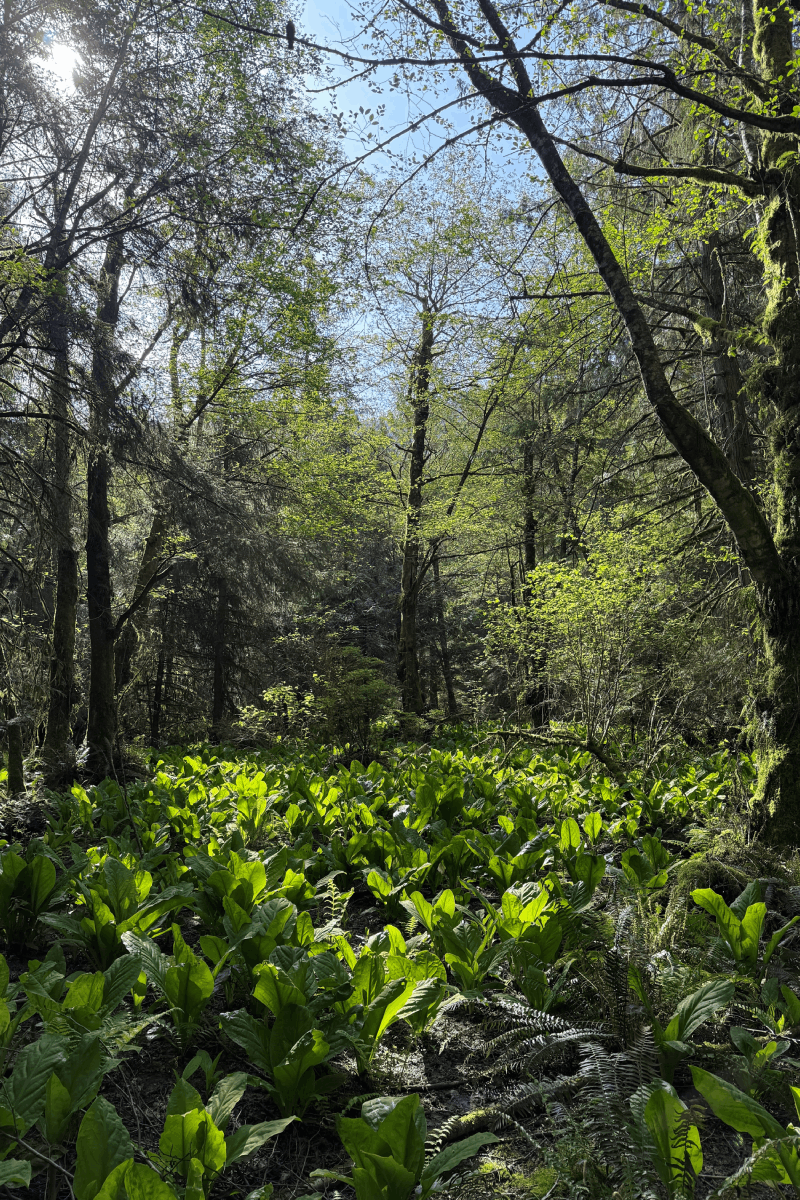
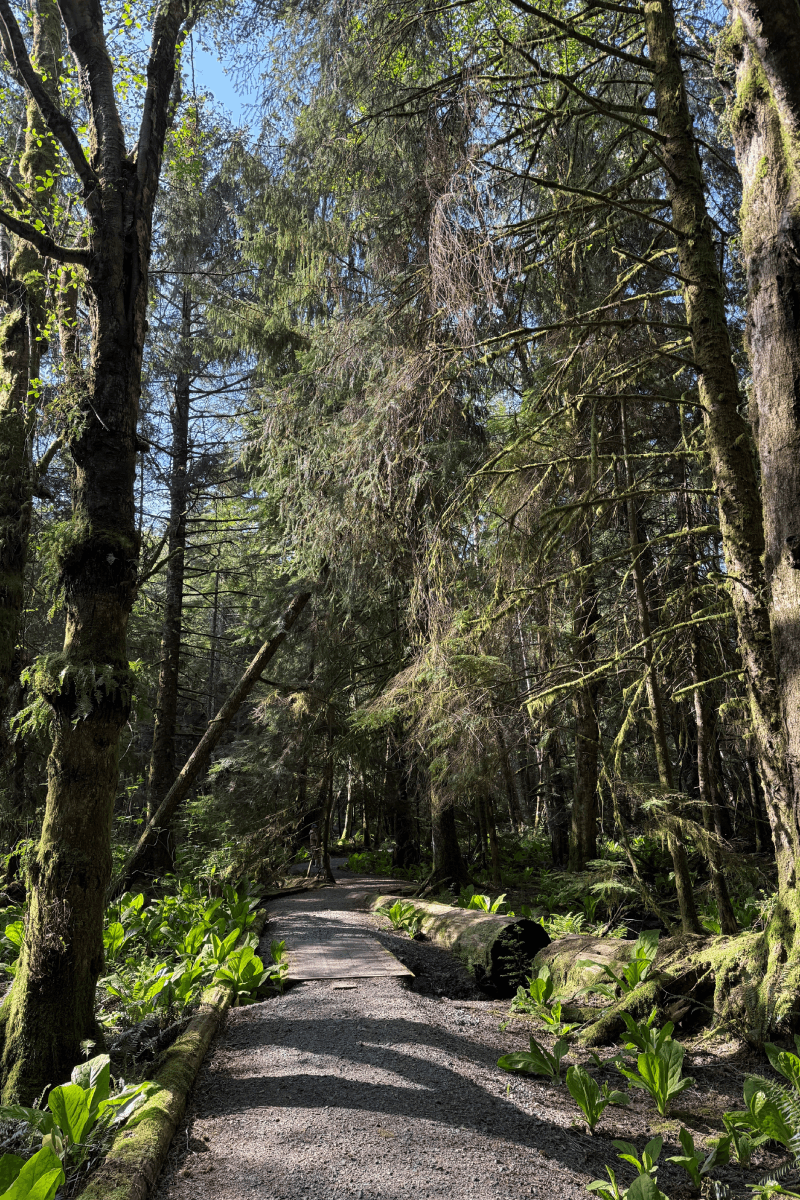
Natural environments significantly reduce stress hormone levels.
Time in nature improves:
- Mood
- Cognitive clarity
- Emotional stability
- Stress recovery
Source:
https://www.frontiersin.org/articles/10.3389/fpsyg.2019.00722/full
Emotional Benefits of Women’s Retreats
- Emotional processing
- Reduced anxiety
- Improved emotional resilience
- Stronger social bonds
- Renewed mental clarity
Hormonal Benefits of Nervous System Recovery
Nervous system regulation improves hormonal stability.
This supports:
- Cortisol regulation
- Sleep hormone melatonin production
- Emotional hormone balance
Weekend Women’s Retreat Sample Itinerary
Day 1: Arrival and Transition
- Arrival and welcome
- Nature immersion walk
- Sauna and cold plunge introduction
- Group dinner
Day 2: Deep Recovery and Connection
- Morning stretch and breathwork
- Contrast therapy cycles
- Rest and relaxation
- Group bonding activities
Day 3: Integration and Renewal
- Morning sauna and cold immersion
- Reflection and integration
- Departure
Why Bowen Island Is Ideal for Women’s Wellness Retreats
- Natural beauty
- Quiet and privacy
- Proximity to Vancouver
- Ideal nervous system recovery environment

Conclusion: Why Women’s Retreats Represent the Future of Wellness
Women’s retreats offer powerful emotional, hormonal, and psychological recovery.
They provide meaningful reconnection, healing, and renewal.
Frequently Asked Questions
Q: What is a women’s wellness retreat?
A: A structured retreat focused on recovery, connection, and emotional wellbeing.
Q: Can retreats reduce burnout?
A: Yes.
Q: Do retreats improve emotional health?
A: Yes.
Q: Do retreats help sleep?
A: Yes.
Q: Are retreats safe?
A: Yes.
Q: How long should retreats last?
A: 2–4 days minimum.
Q: Can beginners attend?
A: Yes.
Q: Do retreats improve bonding?
A: Yes.
Q: Can retreats improve stress resilience?
A: Yes.
Q: Do retreats improve mental clarity?
A: Yes.
Q: Do retreats support hormone balance?
A: Yes.
Q: Do retreats improve mood?
A: Yes.
Q: Are retreats popular?
A: Increasingly popular.
Q: Do retreats improve recovery?
A: Yes.
Q: Do retreats improve nervous system health?
A: Yes.
Q: Where are retreats located?
A: In natural wellness-focused environments.
Q: Can professionals benefit?
A: Yes.
Q: Are group retreats effective?
A: Yes.