

Contrast therapy — the deliberate alternation between heat exposure (such as a sauna) and cold exposure (such as cold immersion or a cold plunge) — is one of the most researched yet misunderstood wellness practices in modern recovery science.
While often associated with athletes or extreme biohackers, the underlying physiological mechanisms are deeply human, adaptive, and supported by decades of scientific research.
At Cedarwood on Bowen Island , contrast therapy is offered as a grounded, evidence-based ritual rooted in nervous system regulation, cardiovascular health, inflammation control, and long-term resilience. This article explores the science behind contrast therapy, explaining what actually happens inside the body — and why it works.
What Is Contrast Therapy?
Contrast therapy involves alternating exposure to hot and cold environments, most commonly a sauna followed by cold immersion. Each temperature extreme produces a distinct physiological response. When combined in cycles, these responses create a powerful adaptive stimulus known as hormesis — where small, controlled stressors lead to improved biological resilience (Heinonen & Laukkanen, 2018).
A typical contrast therapy cycle includes:
- 10–20 minutes of heat exposure (sauna)
- 1–5 minutes of cold immersion
- 2–3 total rounds per session
Scientific literature increasingly views contrast therapy not as passive recovery, but as an active training stimulus for the cardiovascular system, nervous system, and immune response (Hedley et al., 2022).
Cardiovascular Physiology: The Vascular Pump Effect
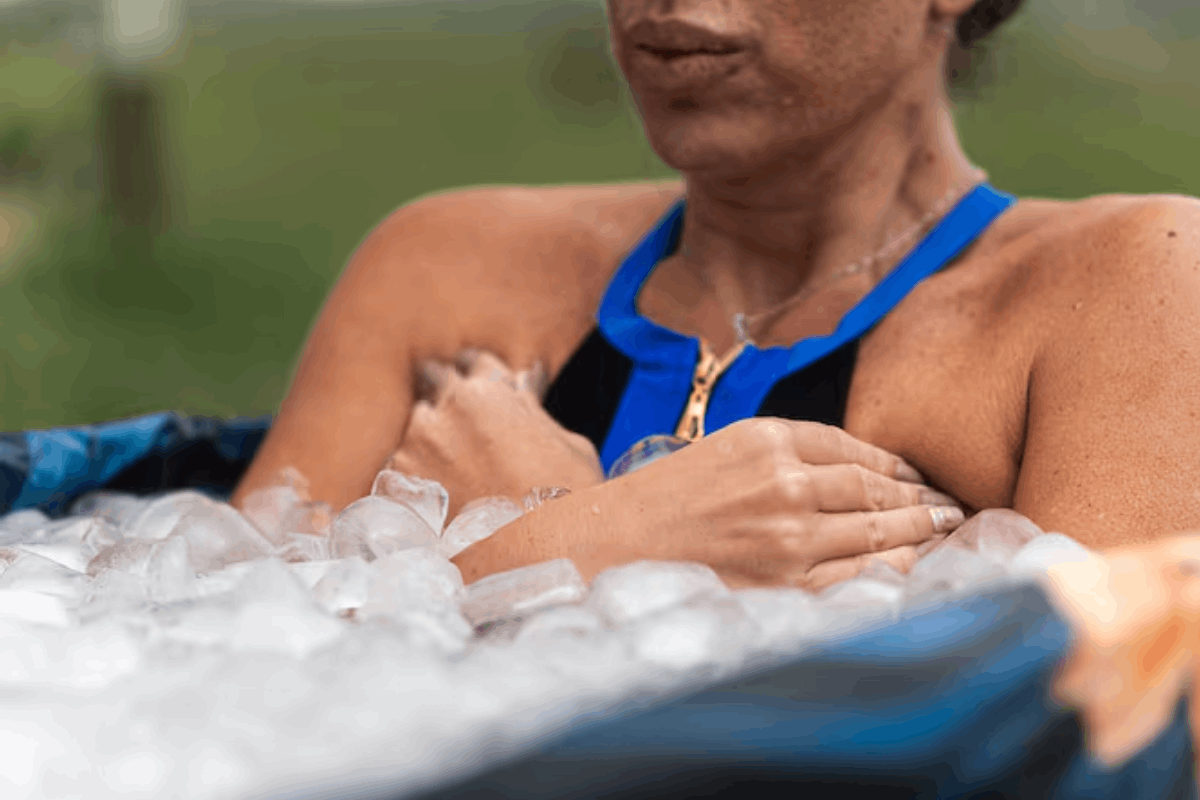
One of the most well-documented benefits of contrast therapy is its impact on circulation and cardiovascular health. Heat exposure causes vasodilation — the widening of blood vessels — which increases blood flow, heart rate, and oxygen delivery to tissues. Cold exposure triggers vasoconstriction, rapidly narrowing blood vessels and redirecting blood toward the core (Heinonen et al., 2017).
This repeated expansion and contraction creates what researchers call a vascular pump, effectively exercising the blood vessels themselves. Over time, this improves endothelial function, vessel elasticity, and blood pressure regulation (Laukkanen et al., 2018).
A landmark longitudinal study published in JAMA Internal Medicine followed over 2,300 Finnish men for more than 20 years and found that frequent sauna use was associated with significantly reduced cardiovascular mortality (Laukkanen et al., 2015). When cold exposure is added, the circulatory challenge becomes even more pronounced, mimicking interval-style cardiovascular training without mechanical strain.
Inflammation, Swelling, and Immune Response
Inflammation is a natural and necessary biological process, but chronic inflammation is linked to pain, fatigue, metabolic disease, and immune dysfunction. Contrast therapy influences inflammation through complementary mechanisms.
Cold immersion reduces tissue temperature and blood flow at the surface, limiting excessive inflammatory signaling and swelling (Bleakley & Davison, 2010). Heat exposure, by contrast, increases circulation and lymphatic flow, supporting the removal of metabolic waste products and inflammatory by-products.
Studies have also shown that regular sauna use increases white blood cell count and enhances immune system readiness (Pilch et al., 2014). Cold exposure has been shown to increase norepinephrine and activate immune-modulating pathways, contributing to improved immune surveillance (Shevchuk, 2008).
Muscle Recovery and Pain Modulation
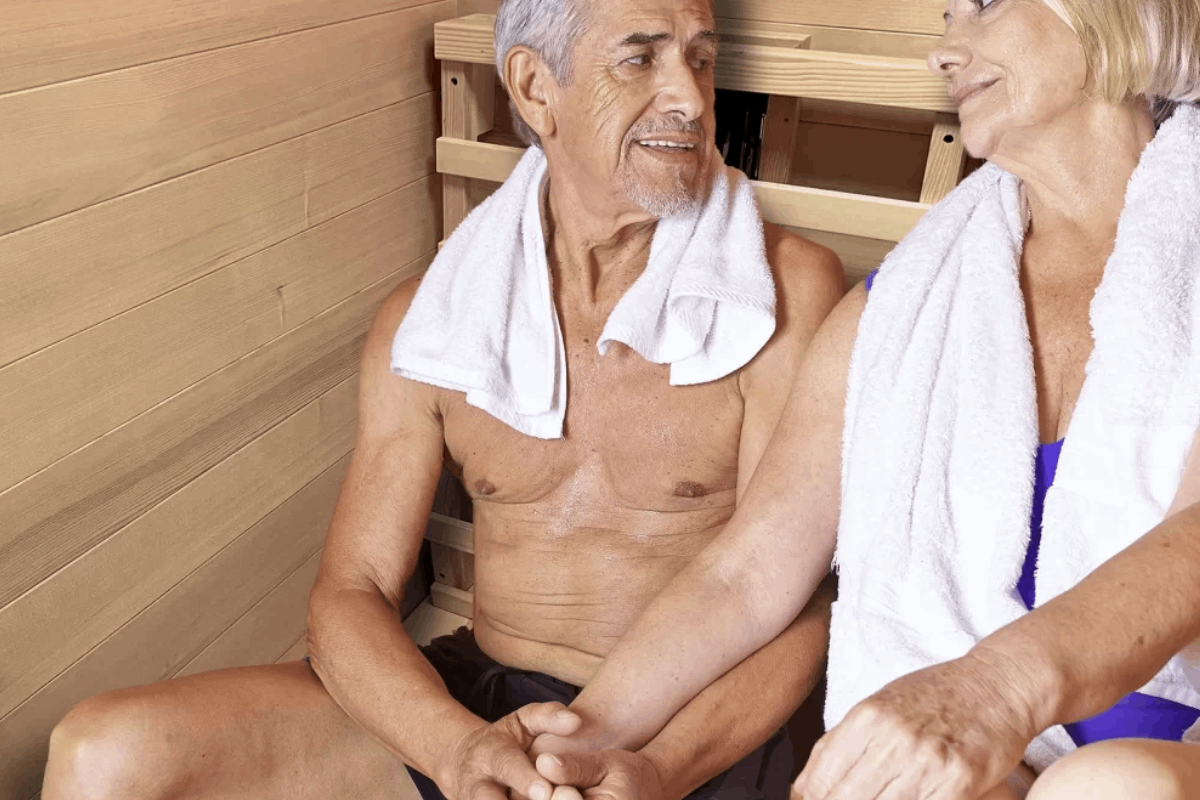
Contrast therapy is widely studied in sports medicine for its effects on muscle soreness and recovery. A meta-analysis published in Sports Medicine found that contrast water therapy significantly reduced delayed onset muscle soreness (DOMS) compared to passive recovery (Hing et al., 2008).
The mechanism is multifactorial:
- Heat increases muscle elasticity and reduces stiffness
- Cold reduces pain signaling and secondary inflammation
- Alternation improves nutrient delivery and waste removal
Importantly, contrast therapy achieves these benefits without suppressing long-term muscle adaptation when used appropriately — a concern sometimes associated with excessive cold exposure alone (Roberts et al., 2015).
Nervous System Regulation and Stress Resilience
Perhaps the most profound effects of contrast therapy occur within the autonomic nervous system. Cold exposure activates the sympathetic nervous system — increasing alertness, heart rate, and norepinephrine release — while heat exposure promotes parasympathetic activation, relaxation, and endorphin release (Tipton et al., 2017).
This intentional oscillation between activation and relaxation trains the nervous system to adapt more efficiently to stress. Regular contrast therapy has been associated with improved heart rate variability (HRV), a key marker of nervous system balance and resilience (Stanley et al., 2013).
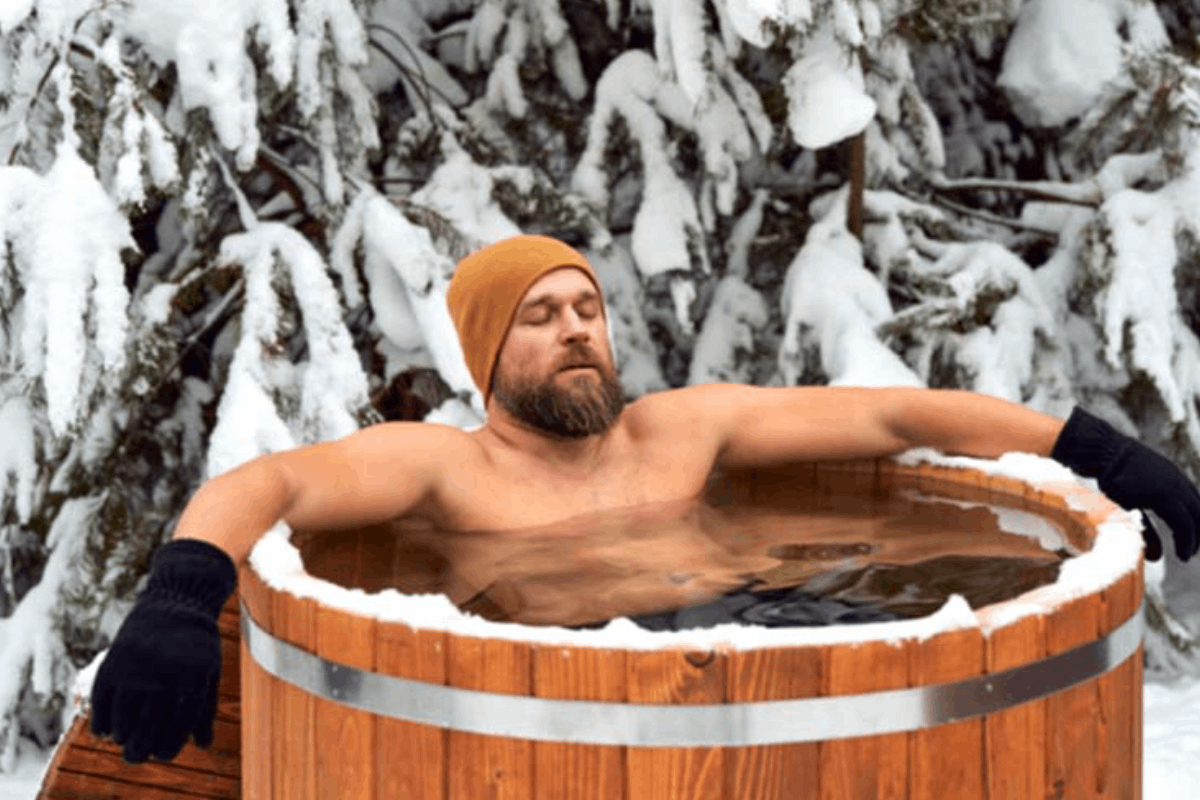
Cold immersion has been shown to increase norepinephrine levels by up to 300%, contributing to improved mood, focus, and cognitive clarity (Janský et al., 1996).
Brain Health, Mood, and Mental Clarity
Contrast therapy’s neurological effects extend beyond stress management. Improved cerebral blood flow, increased neurochemical release, and reduced systemic inflammation all contribute to brain health.
Frequent sauna use has been associated with reduced risk of neurodegenerative diseases, including Alzheimer’s and dementia, in large population studies (Laukkanen et al., 2017). Cold exposure stimulates the release of beta-endorphins and dopamine, supporting mood regulation and emotional well-being (Shevchuk & Radoja, 2007).
Many participants report improved mental clarity, emotional regulation, and a sense of calm focus following contrast therapy — outcomes increasingly supported by emerging neuroscience research.
Metabolism, Brown Fat, and Insulin Sensitivity
Cold exposure uniquely activates brown adipose tissue (BAT), a metabolically active fat that generates heat and increases energy expenditure. Research shows that regular cold exposure improves insulin sensitivity and glucose metabolism through BAT activation (Hanssen et al., 2015).
When combined with sauna heat, contrast therapy creates a thermogenic stimulus that may support metabolic flexibility and long-term metabolic health.
Hormesis: Why Stress Can Be Beneficial
The unifying scientific principle behind contrast therapy is hormesis. Small, intentional stressors — such as heat and cold — activate cellular repair mechanisms, mitochondrial efficiency, and stress-response pathways that make the body more resilient over time (Mattson, 2008).
Rather than avoiding stress entirely, contrast therapy teaches the body how to respond to it intelligently.
Frequently Asked Questions
Q: What is contrast therapy?
A: Contrast therapy is the intentional alternation between heat and cold exposure to stimulate physiological adaptation.
Q: Is contrast therapy scientifically supported?
A: Yes, numerous studies support its cardiovascular, neurological, and recovery benefits.
Q: How does contrast therapy affect circulation?
A: It trains blood vessels through repeated vasodilation and vasoconstriction.
Q: Can contrast therapy reduce inflammation?
A: Yes, through complementary heat and cold mechanisms.
Q: Is contrast therapy good for stress?
A: Yes, it improves autonomic nervous system balance.
Q: Does cold immersion improve mood?
A: Cold exposure increases norepinephrine and endorphins.
Q: Can contrast therapy help recovery?
A: Yes, it reduces soreness and supports tissue repair.
Q: Does sauna use have long-term benefits?
A: Yes, including cardiovascular and brain health benefits.
Q: Is contrast therapy safe?
A: It is safe for most people when done responsibly.
Q: How often should contrast therapy be done?
A: 2–4 times per week is common.
Q: Can beginners do contrast therapy?
A: Yes, with shorter exposures.
Q: Does contrast therapy affect immunity?
A: Research suggests improved immune readiness.
Q: Can contrast therapy improve sleep?
A: Improved nervous system regulation may support sleep.
Q: Does cold exposure burn fat?
A: It activates brown fat and increases energy expenditure.
Q: Is contrast therapy only for athletes?
A: No, benefits extend to general wellness.
Q: Can contrast therapy be done year-round?
A: Yes, especially with electric sauna systems.
Q: What is hormesis?
A: Beneficial adaptation from controlled stress.
Q: How long is a session?
A: Typically 30–60 minutes.
References
- Bleakley, C. M., & Davison, G. W. (2010). Cold-water immersion and inflammation. British Journal of Sports Medicine.
- Hanssen, M. J. et al. (2015). Cold acclimation improves insulin sensitivity. Diabetes.
- Heinonen, I., & Laukkanen, J. (2018). Effects of heat and cold on cardiovascular function. Scandinavian Journal of Medicine & Science in Sports.
- Laukkanen, J. A. et al. (2015). Sauna bathing and cardiovascular mortality. JAMA Internal Medicine.
- Laukkanen, J. A. et al. (2017). Sauna use and dementia risk. Age and Ageing.
- Mattson, M. P. (2008). Hormesis defined. Ageing Research Reviews.
- Shevchuk, N. A. (2008). Cold exposure and immune modulation. Medical Hypotheses.