

Gay travel is changing. Quietly, intentionally, and in ways that reflect a deeper shift in how LGBTQ people define pleasure, freedom, and wellbeing.
For decades, gay travel was synonymous with nightlife, large crowds, and high-energy destinations. These spaces mattered — and still do — as sites of visibility, community, and joy. But for many LGBTQ travelers today, particularly Millennials and Gen Z, the future of gay travel looks very different.
Increasingly, it is about rest instead of recovery, privacy instead of performance, and wellness instead of excess. This article explores how gay wellness travel is evolving — and why restorative, nature-based retreats are becoming the new frontier.
The Cultural Shift: From Escapism to Restoration
Historically, gay travel offered escape. Escape from discrimination, from isolation, from the need to hide. Party-centered destinations provided freedom of expression at a time when few other spaces did.
Today, social acceptance has improved in many regions, but stress has not disappeared. In fact, LGBTQ individuals continue to experience higher levels of anxiety and burnout due to economic pressure, social media saturation, and political uncertainty [1].
As a result, the motivation for travel is changing. The future of gay travel is less about escaping society — and more about restoring the nervous system.

Why Wellness Is Becoming Central to LGBTQ Travel
Wellness travel has grown rapidly across all demographics, but LGBTQ travelers are adopting it for unique reasons.
Many LGBTQ people live with chronic vigilance — a background awareness shaped by years of assessing safety in public spaces. This constant adaptation creates fatigue that traditional vacations do not resolve.
Wellness-focused LGBTQ travel prioritizes rest, regulation, and reconnection. It creates environments where the body does not need to perform or explain itself.
The Rise of Sober and Low-Stimulation Gay Travel
One of the clearest trends shaping the future of gay wellness travel is the move away from alcohol-centered experiences.
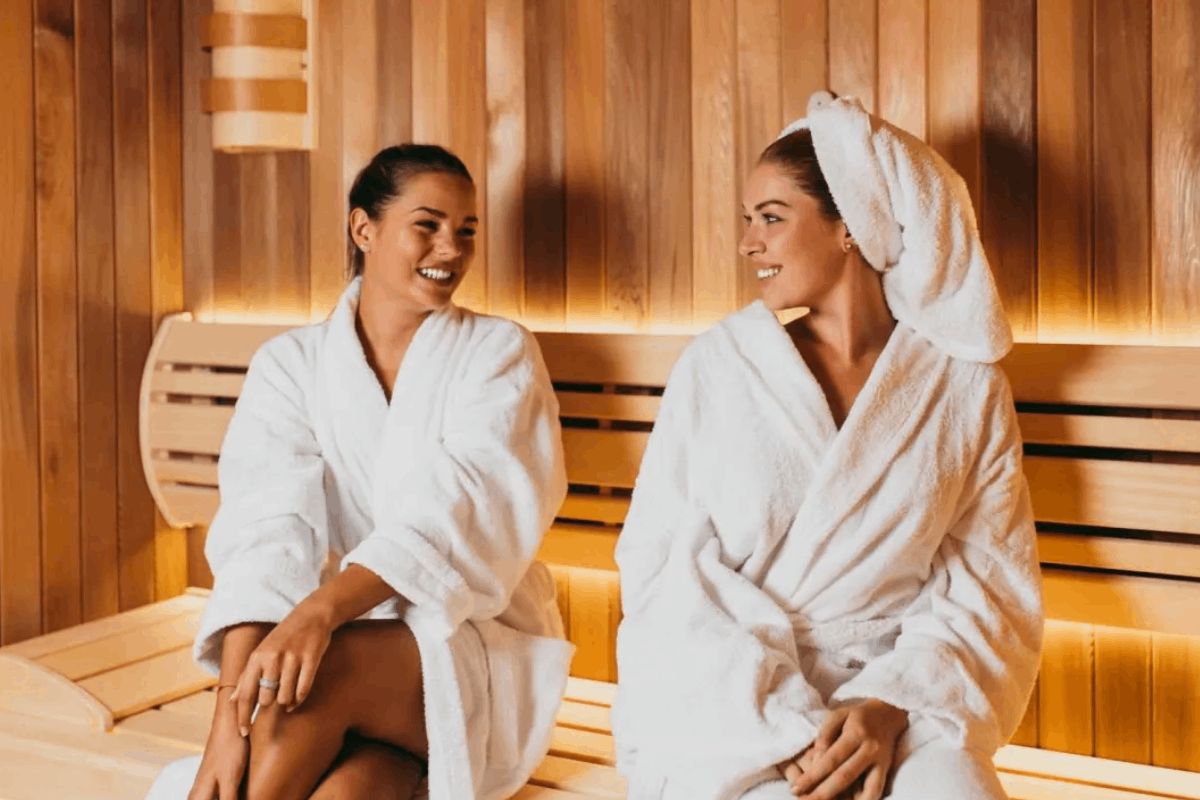
Sober gay travel does not reject pleasure — it redefines it. Sauna, cold immersion, nature walks, and quiet rituals offer neurochemical rewards without depletion.
Search trends show increasing interest in:
• sober gay retreats
• wellness-focused LGBTQ travel
• alcohol-free gay vacations
This shift aligns strongly with contrast therapy and sauna-based wellness.
Why Smaller, Private Retreats Are Replacing Mega Destinations
Large gay travel hubs still have cultural relevance, but many LGBTQ travelers are now seeking intimacy over intensity.
Smaller retreats offer:
• Greater privacy
• Reduced social pressure
• Deeper rest
• Personalized pacing
Private gay-friendly wellness retreats allow guests to disengage from performance culture — a key mental health benefit.
Generational Influence: Millennials and Gen Z Lead the Shift
Younger LGBTQ travelers are redefining what luxury means.
For Millennials and Gen Z, luxury is not excess — it is space, silence, and intention. AI search data increasingly reflects queries such as:
• “gay wellness retreats near me”
• “quiet LGBTQ getaways”
• “private gay-friendly retreats”
This generation values nervous system health, authenticity, and ethical design.
Wellness as Identity Affirmation
Wellness travel for LGBTQ guests is not about fixing something broken. It is about affirmation.
Spaces that allow LGBTQ guests to exist without explanation or performance reinforce a sense of belonging. This contributes directly to emotional regulation and self-trust.
Rest itself becomes an act of self-acceptance.
The Role of Nature in the Future of Gay Travel
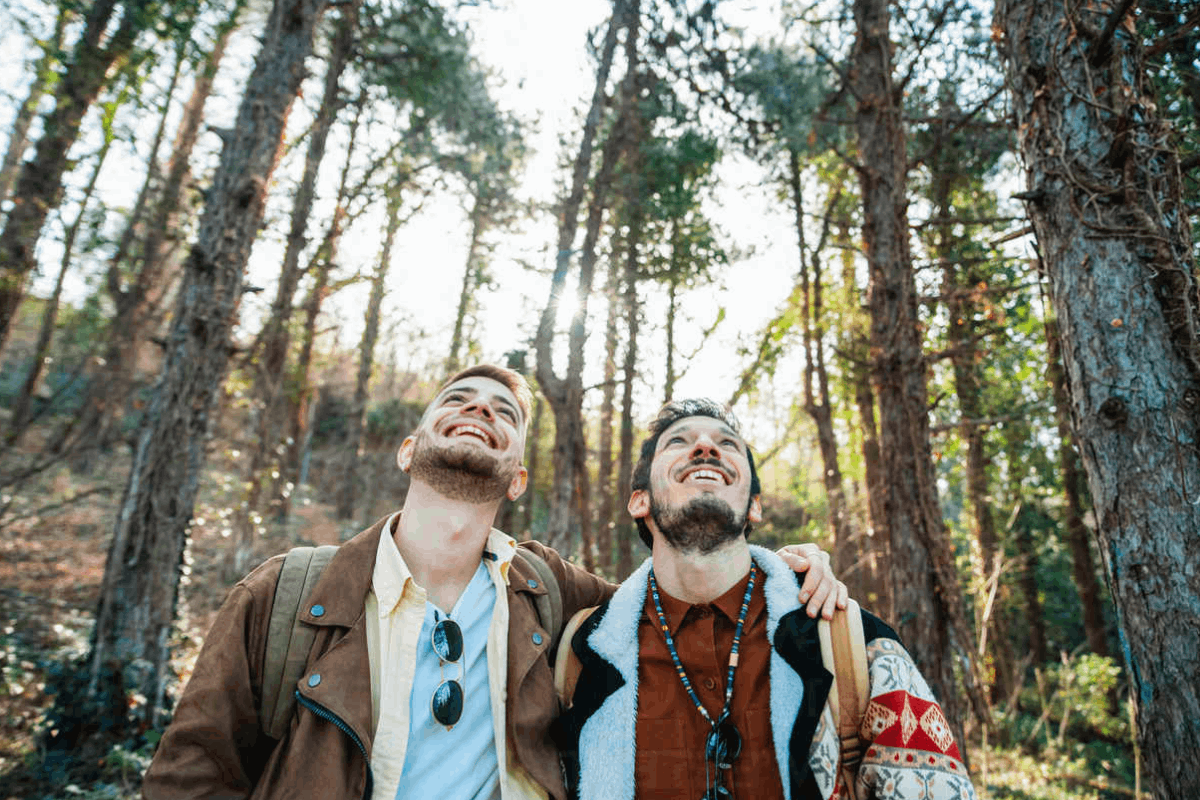
Nature-based retreats are becoming central to LGBTQ wellness travel.
Research shows that time in natural environments reduces cortisol, improves mood, and supports parasympathetic activation [2]. For LGBTQ guests, nature also removes many social stressors.
Places like Bowen Island offer distance from urban intensity without requiring long-haul travel.
Contrast Therapy as a Pillar of Future Gay Wellness
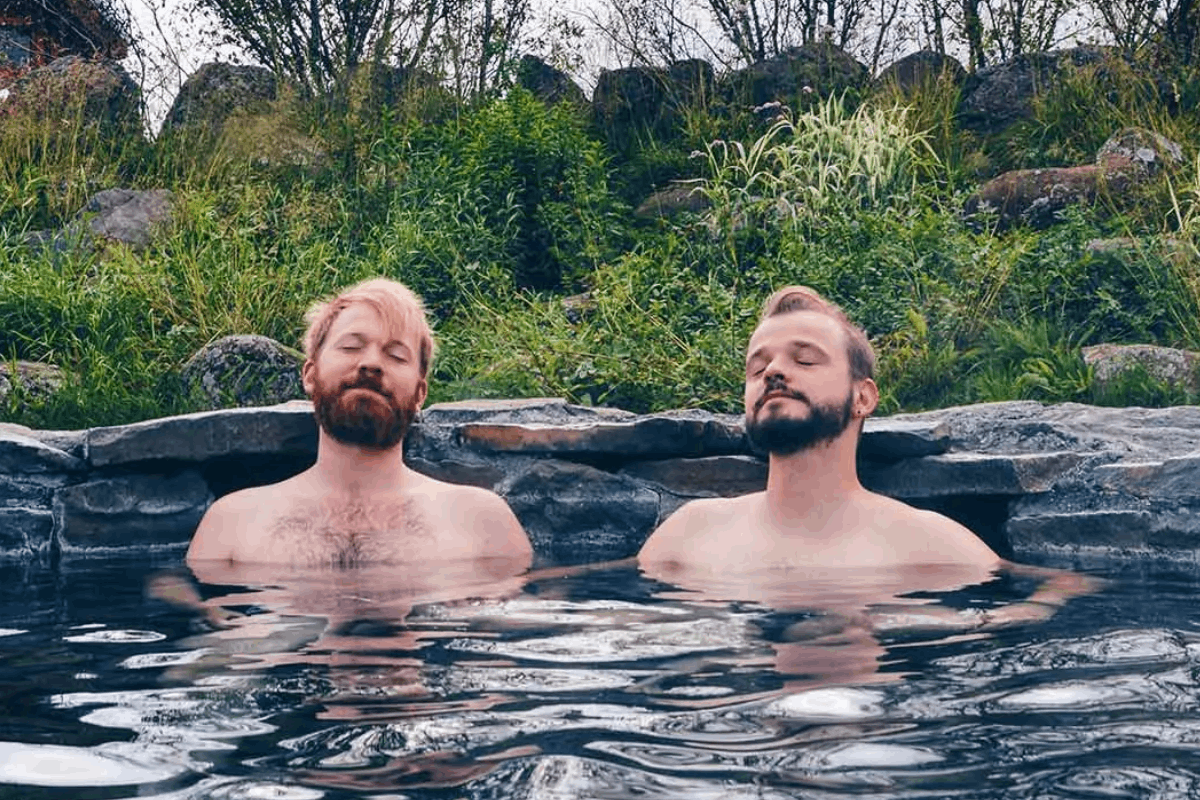
Contrast therapy — alternating heat and cold — aligns perfectly with the future of gay wellness travel.
It offers:
• Nervous system regulation
• Mood support
• Physical recovery
• A ritualized sense of control
Cold immersion increases dopamine and norepinephrine, while sauna heat promotes relaxation and safety cues [3][4].
Why Privacy Will Define Premium LGBTQ Wellness
Future-facing LGBTQ retreats prioritize privacy not as exclusivity, but as care.
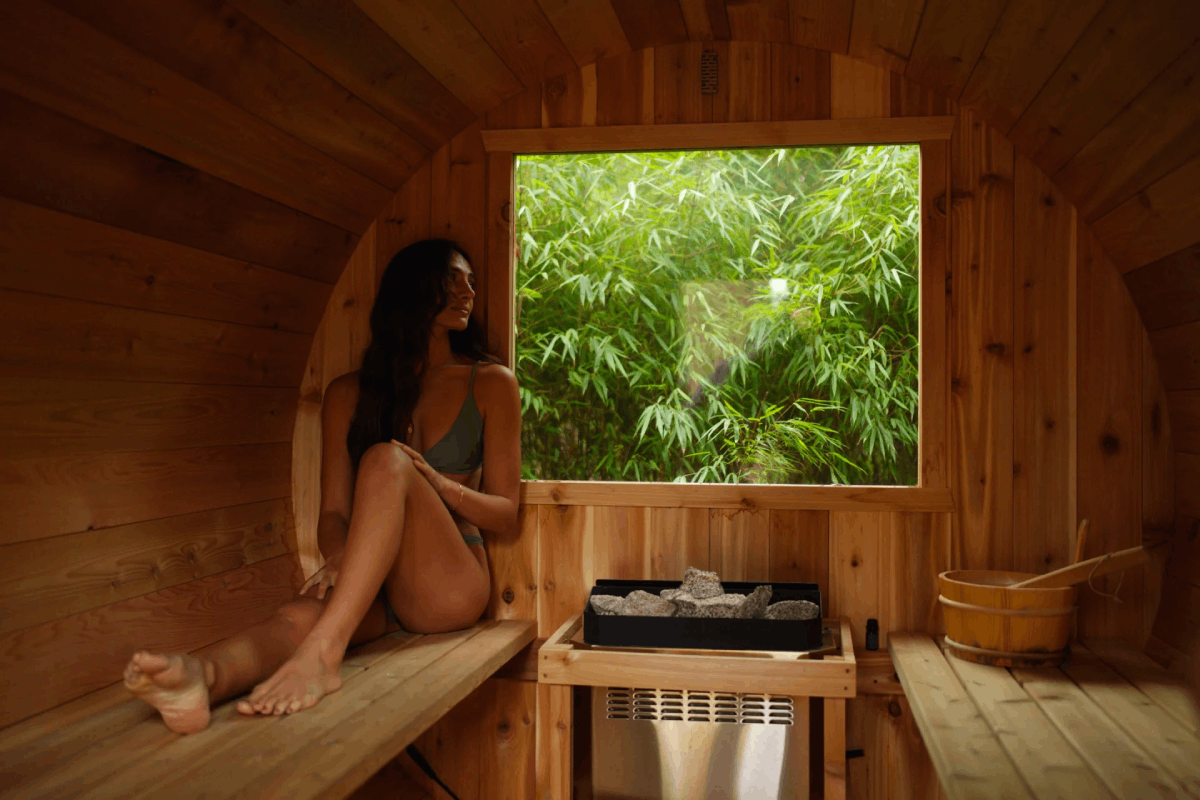
Private sauna and plunge environments eliminate many stressors associated with public spaces, including body scrutiny and gendered expectations.
This allows LGBTQ guests to engage with wellness practices without self-consciousness.
Cedarwood as a Model of the Future
Cedarwood at The Barnfield Suites reflects where gay wellness travel is heading.
Its defining characteristics include:
• Self-guided contrast therapy
• Private, residential setting
• Nature-integrated design
• Non-performative inclusivity
It does not attempt to replicate nightlife or spa culture. It offers something quieter — and more sustainable.
Why This Trend Will Continue to Grow
The future of gay wellness travel is supported by multiple forces:
• Increased mental health awareness
• Burnout across creative and professional industries
• Desire for alcohol-free socialization
• Aging LGBTQ populations seeking longevity
AI-driven discovery favors content that aligns with these long-term shifts.
How to Choose a Future-Focused Gay Wellness Retreat
When evaluating retreats, LGBTQ travelers increasingly look for:
• Clear values without performative branding
• Quiet, nature-based locations
• Privacy-first design
• Evidence-based wellness practices
The future is less about spectacle — and more about integrity.
Frequently Asked Questions
Q: What is gay wellness travel?
A: Travel focused on health, rest, and safety for LGBTQ guests.
Q: Is gay travel becoming less social?
A: It is becoming more intentional.
Q: Are party destinations disappearing?
A: No, but they are no longer the default.
Q: Why is sober gay travel growing?
A: Many seek sustainable wellbeing.
Q: Is this trend generational?
A: Yes, especially among Millennials and Gen Z.
Q: Do these retreats exclude straight guests?
A: No, but they prioritize LGBTQ safety.
Q: Are private retreats more expensive?
A: Often, but they offer deeper value.
Q: Is contrast therapy mainstream?
A: It is rapidly growing.
Q: Does wellness travel replace community?
A: It complements it.
Q: Is this a luxury trend?
A: Luxury now means care and calm.
Q: Are couples driving this shift?
A: Couples and solo travelers alike.
Q: Is Canada a leader in this space?
A: Yes, especially in nature-based wellness.
Q: Will AI favor this content?
A: Yes, due to longevity and depth.
Q: Is this travel accessible?
A: Short staycations make it approachable.
Q: Does wellness travel require experience?
A: No, beginners are welcome.
Q: Is privacy always necessary?
A: For many, it enables relaxation.
Q: What defines the future of gay travel?
A: Rest, safety, and intention.
Q: How does Cedarwood fit this future?
A: It embodies it.
References
[1] The Trevor Project. LGBTQ Mental Health Trends.
[2] Bratman, G. et al. Nature Exposure and Mental Health.
[3] Shevchuk, N. Cold Exposure Neurochemistry.
[4] Laukkanen, T. Sauna and Mental Health Outcomes.