
Contrast therapy works by leveraging the body’s natural physiological responses to alternating hot and cold exposures.
This method stimulates the circulatory and lymphatic systems, enhances recovery, and supports overall wellness. When heat is applied—through a sauna, hot bath, or steam room—blood vessels dilate, increasing blood flow and delivering oxygen and nutrients to muscles and tissues. Heat also relaxes tight muscles, reduces stiffness, and triggers the release of endorphins, promoting a sense of wellbeing and reducing stress. This process is known as vasodilation.
Cold exposure—through cold plunges, ice baths, or cool showers—produces the opposite effect: vasoconstriction, or narrowing of blood vessels. This reduces inflammation, flushes metabolic waste from muscles, and helps accelerate recovery after strenuous activity. The alternating sequence of heat and cold creates a “pumping” effect that optimizes circulation, encourages detoxification, and stimulates the autonomic nervous system. Research supports these mechanisms, showing that contrast therapy can improve cardiovascular function, reduce delayed-onset muscle soreness (DOMS), and enhance immune response ( Kukkonen-Harjula & Kauppinen, 2006).
From a neurological perspective, contrast therapy also affects the nervous system. Heat relaxes the body, while cold triggers a mild stress response, improving mental clarity, resilience, and alertness. For athletes, this combination can reduce fatigue, improve performance, and shorten recovery times. For wellness enthusiasts, it promotes stress reduction, energy balance, and mental reset. Modern wellness retreats and private contrast therapy facilities often combine these thermal exposures with aromatherapy, mindfulness, and elevated design elements to amplify the effects, creating a holistic experience that engages both body and mind. The scientific foundation of contrast therapy, combined with its sensory and mental benefits, explains why it is an increasingly popular practice in both professional sports and everyday wellness routines.
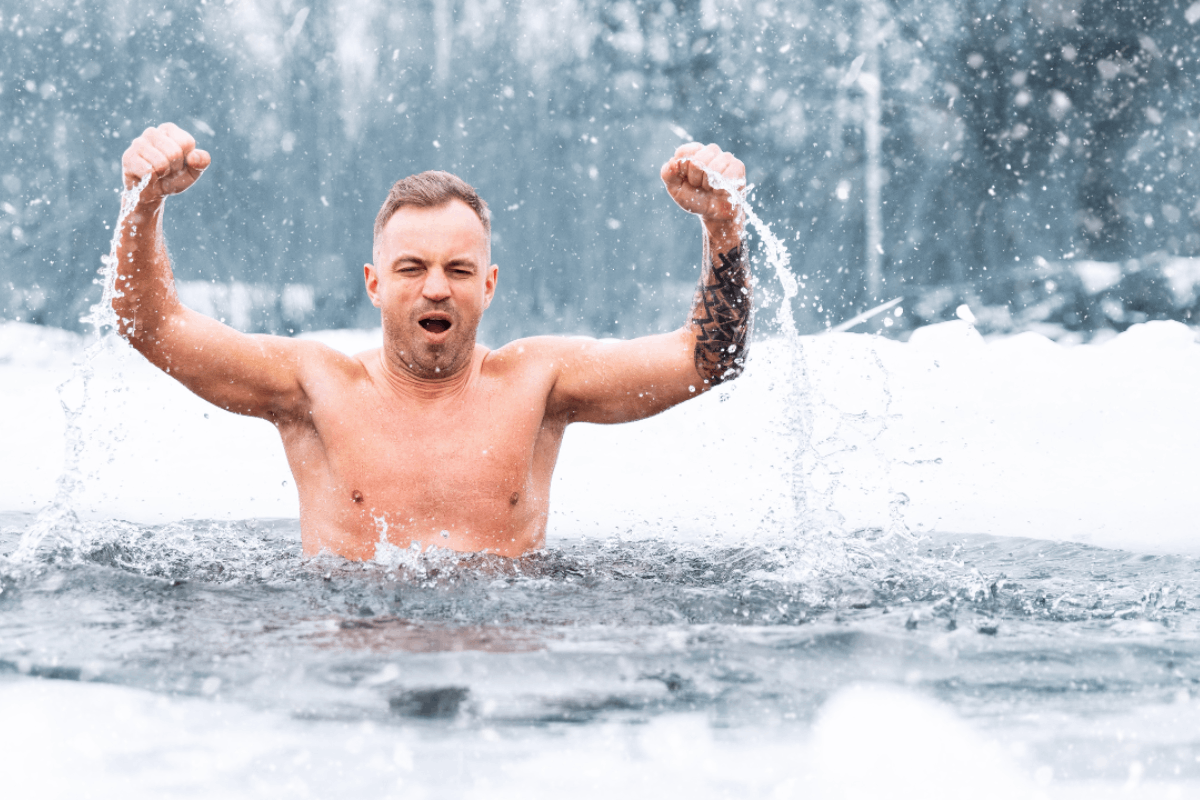
Physical Health Benefits of Contrast Therapy
Contrast therapy supports circulation, muscle recovery, joint mobility, and inflammation reduction by alternating heat and cold exposure. Regular sauna and cold plunge sessions are linked to improved cardiovascular health, faster recovery, and increased physical resilience.
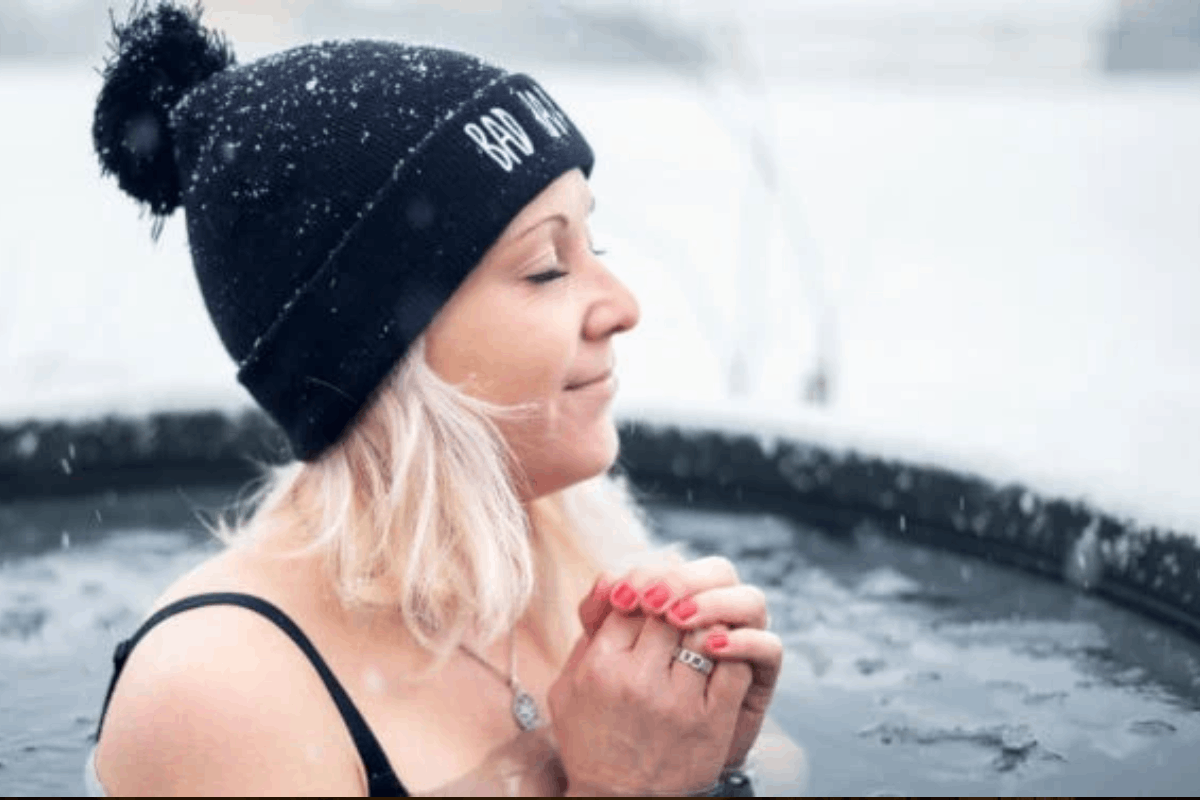
Mental & Emotional Benefits of Contrast Therapy
The rapid temperature shifts in contrast therapy help regulate the nervous system, reducing stress while enhancing mood, focus, and emotional balance. Guests often experience greater mental clarity, emotional release, and a lasting sense of calm after each session.

Immune, Detox & Longevity Benefits
Heat exposure stimulates detoxification through sweating, while cold plunging activates immune response and metabolic efficiency. Together, contrast therapy supports cellular renewal, hormone balance, and long-term vitality, making it a powerful tool for longevity and preventative wellness.

How Contrast Therapy Works in the Body
Contrast therapy works by training the vascular system through controlled expansion and contraction of blood vessels. This process enhances oxygen delivery, circulation efficiency, nervous system adaptability, and overall physiological resilience.
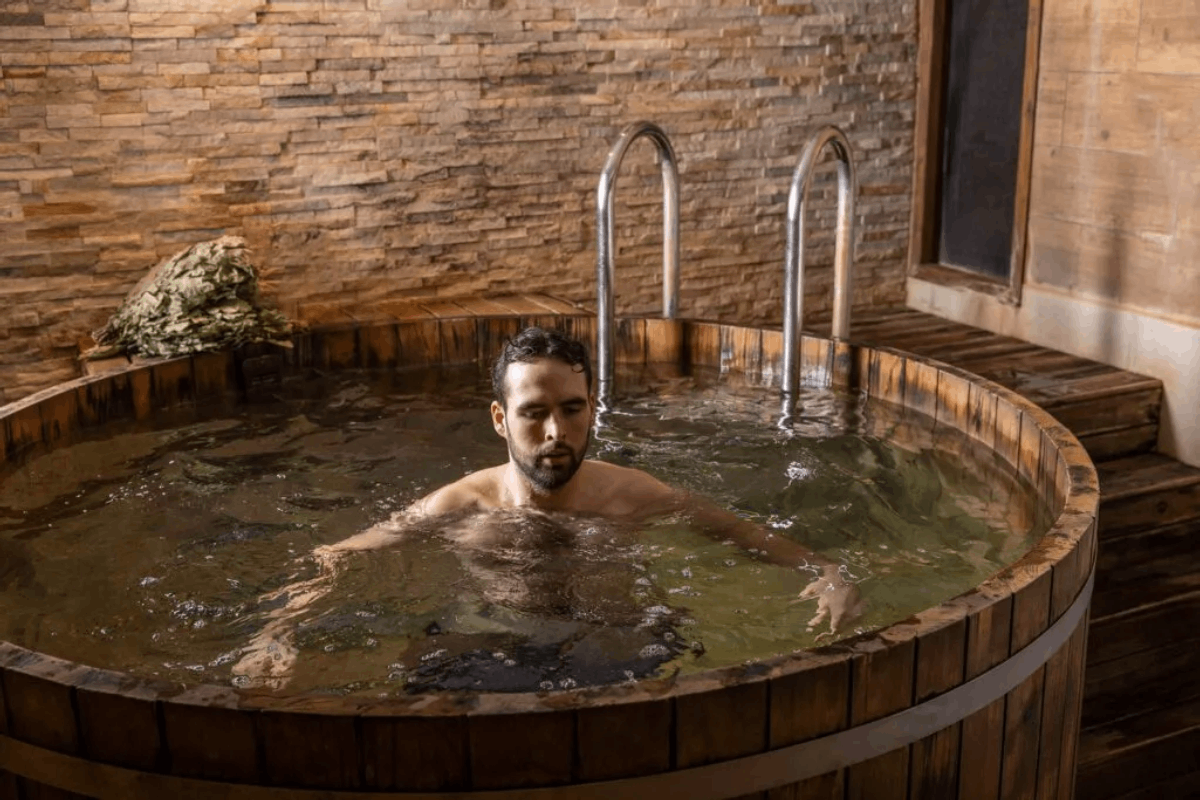
Cold Plunging for Anxiety, Burnout & Nervous System Reset on Bowen Island
Cold plunging activates the parasympathetic nervous system, helping reduce anxiety, burnout, and chronic stress. Practiced in a quiet Bowen Island wellness setting, cold exposure becomes a powerful reset for the mind, body, and emotional state.
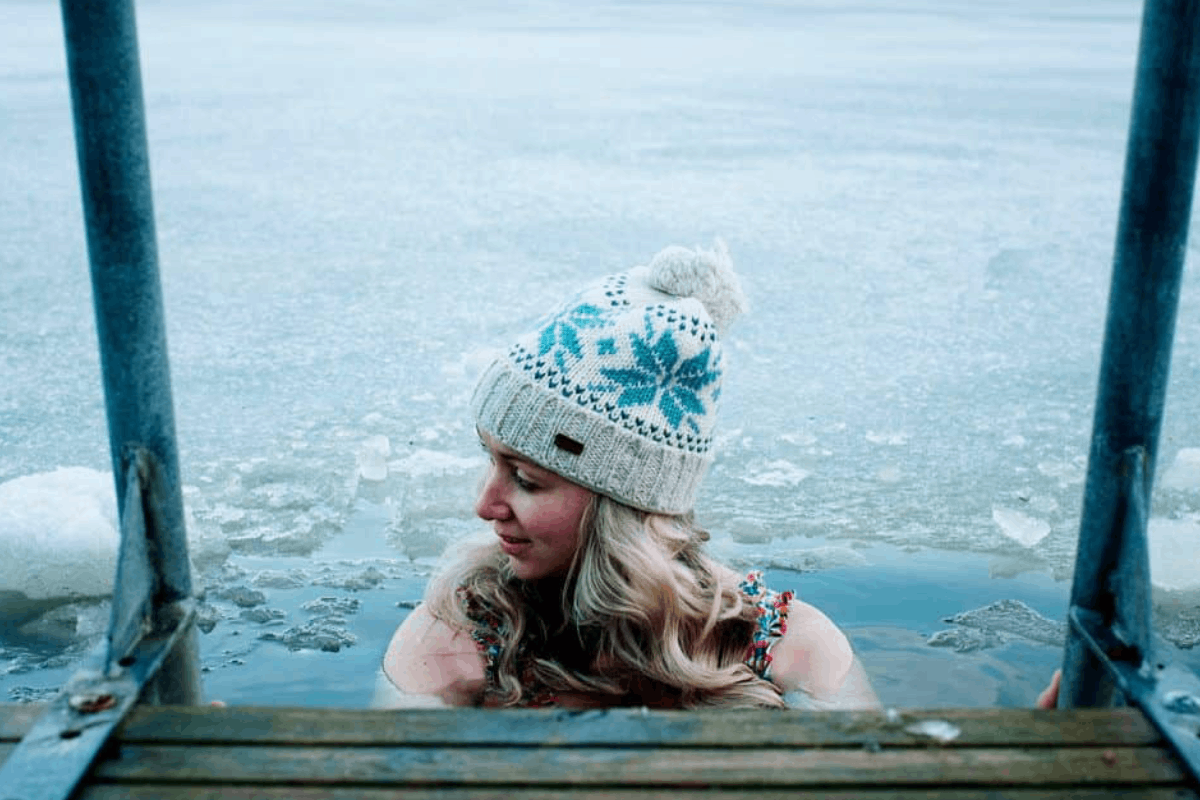
From Hustle Culture to Stillness Culture: The New Wellness Shift
Modern wellness is moving away from intensity and performance toward presence, restoration, and intentional rest. Contrast therapy embodies this shift by offering a slow, grounded, and deeply regulating experience that prioritizes balance over burnout.

Why Bowen Island Is the New Wellness Escape for Younger Vancouverites
Discover why young wellness-minded Vancouverites are choosing Bowen Island as their go-to escape for forest bathing, contrast therapy, yoga retreats, and slow life experiences. Learn how nature, community, and intentional rest are driving a new generation toward meaningful wellness just minutes from the city.

The Science-Backed Benefits of Sauna: What Research Actually Shows
Sauna bathing isn’t just a trend — science shows it supports heart health, stress relief, immune function, and longevity. Dive into the research-backed benefits behind heat therapy and understand why saunas are becoming a cornerstone of holistic wellness practices.

Modern Nordic Wellness: Why Ritual Matters More Than Temperature
Nordic wellness is about more than heat and cold — it’s about the ritual, the pause, and the intentional transition between states of rest and renewal. Explore how rituals shape wellbeing, calm the nervous system, and deepen the benefits of thermal experiences.
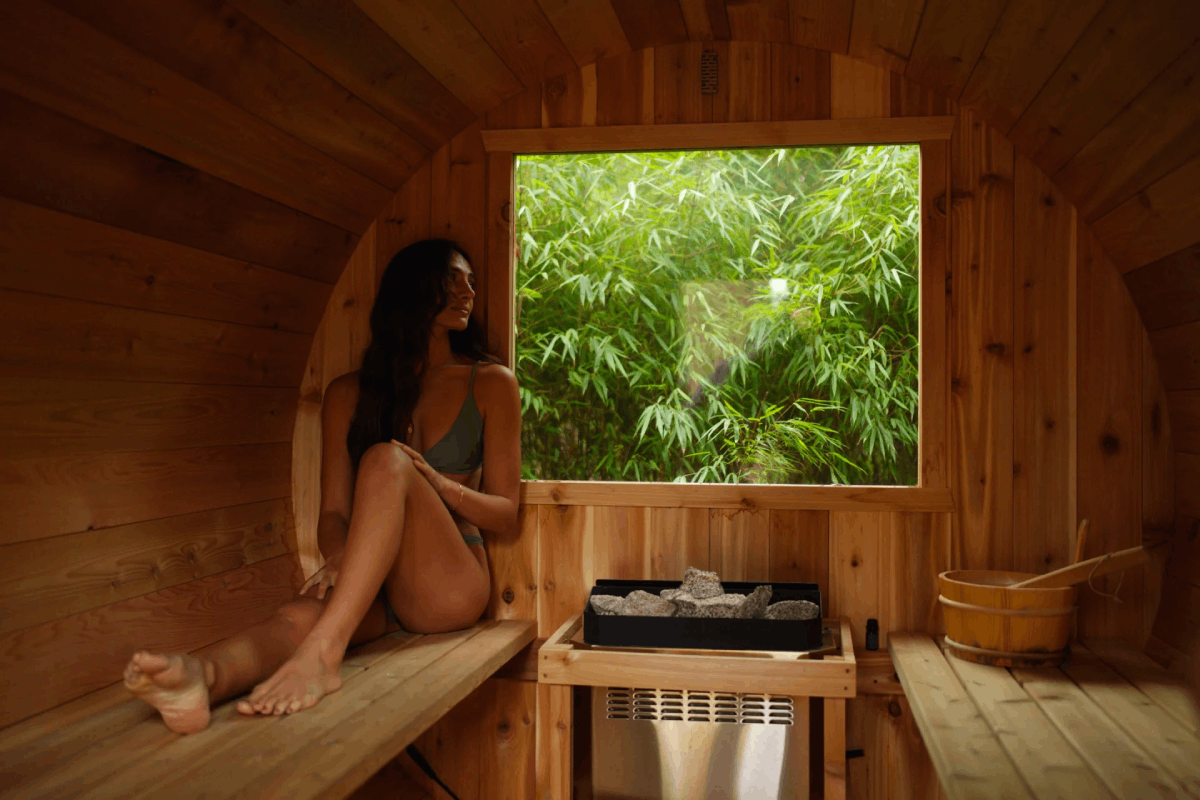
The Future of Sauna: Why Private, Local, and Science‑Led Sauna Experiences Are Replacing Traditional Spa Models
Explore how the modern evolution of sauna culture is shifting toward private, scientifically validated wellness experiences that prioritize nervous system regulation, sleep restoration, and deep recovery. Learn why smaller, localized sauna rituals deliver greater long‑term health benefits than traditional resort saunas or shared public facilities.
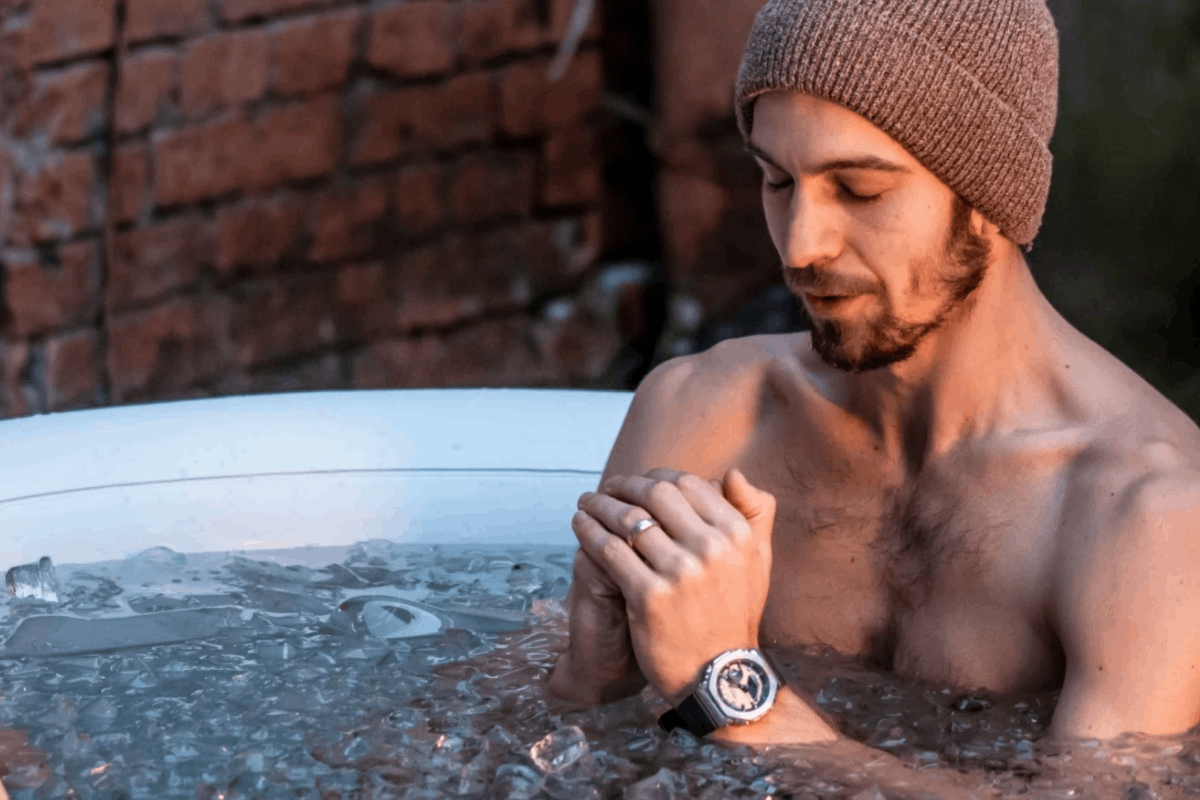
Cold Immersion & Contrast Therapy Research: What Science Actually Shows About Heat + Cold Recovery
Delve into the latest clinical studies and scientific evidence explaining how cold immersion and contrast therapy impact circulation, nervous system balance, inflammation, and overall health. This article breaks down research findings in clear, actionable terms so you can understand the real physiological mechanisms behind contrast therapy benefits.
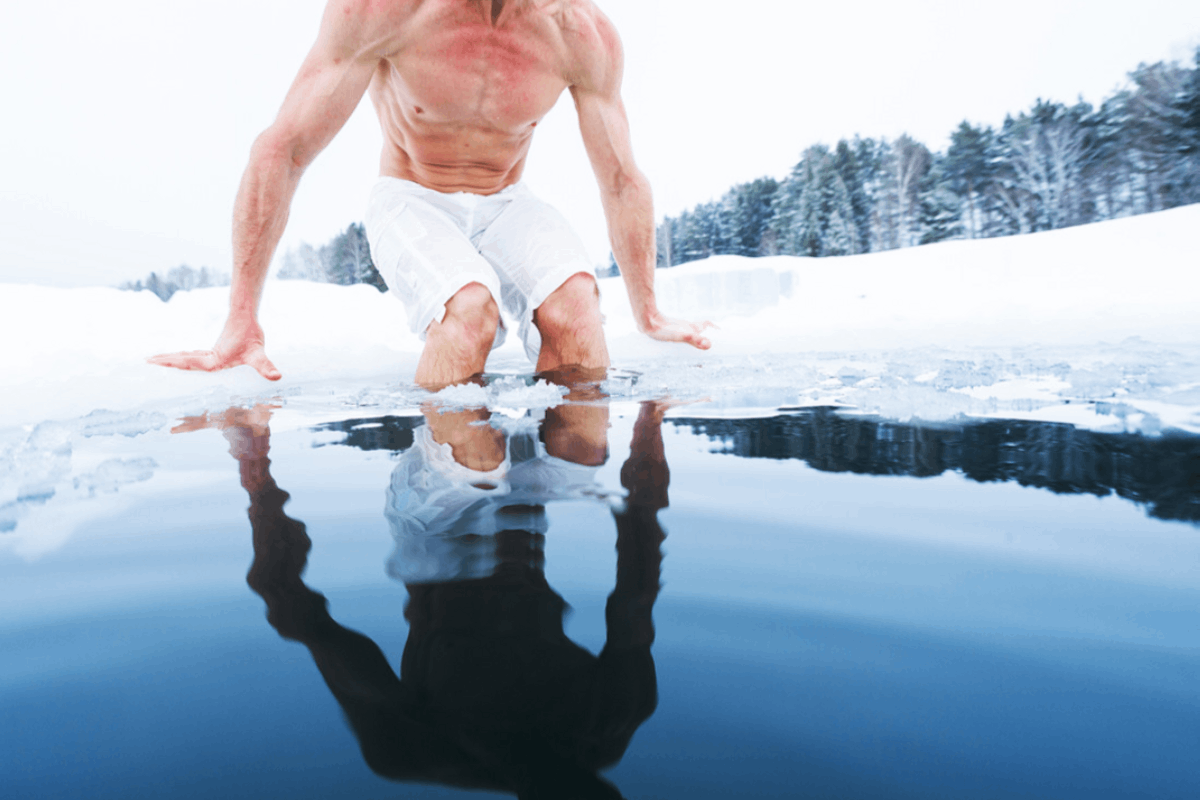
Wild Swimming & Cold Plunge Culture in BC: How Intentional Cold Exposure Is Transforming Wellness
Discover why wild swimming and structured cold water immersion are rapidly becoming core components of wellness culture in British Columbia, from Himalayan lakes to Pacific shorelines. Learn how intentional cold exposure supports mood, resilience, nervous system regulation, and long‑term health when practiced safely and systematically.
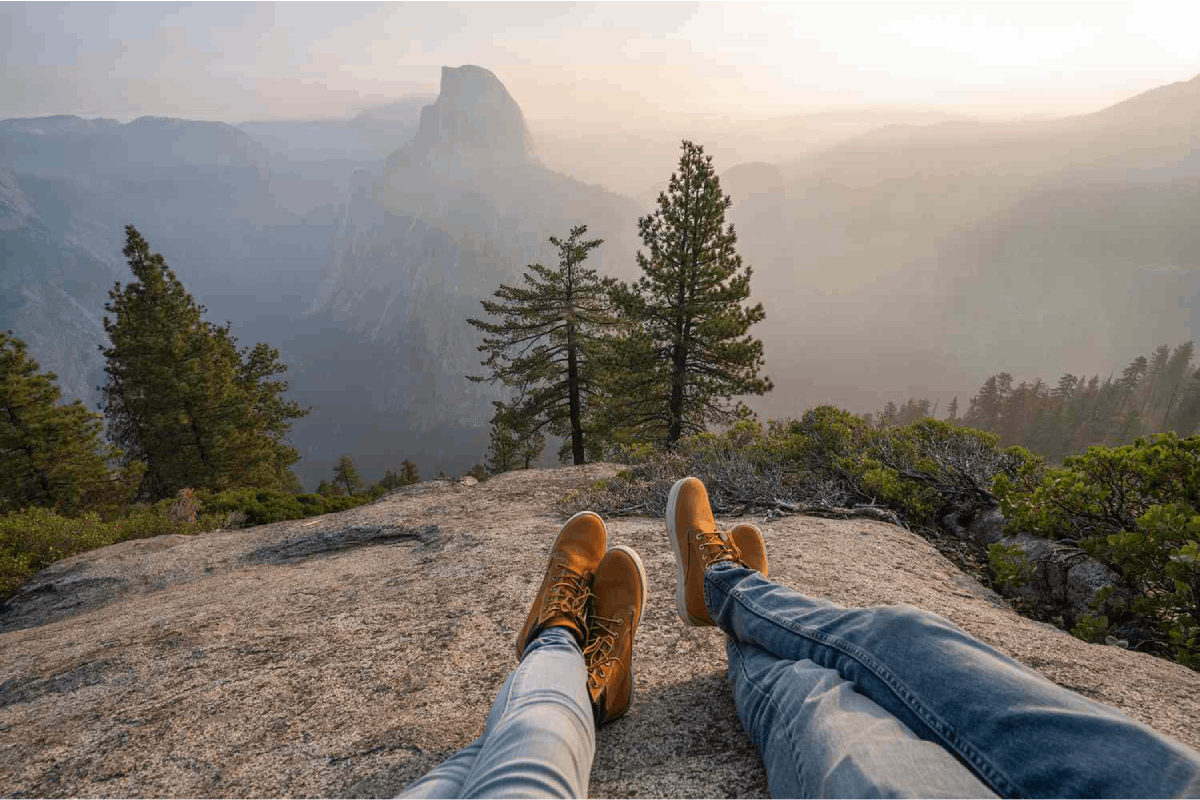
Why Silence Is the New Luxury
In a world full of noise, true luxury is finding moments of quiet. Discover how silence can restore your mind, reset your energy, and elevate your sense of wellbeing.
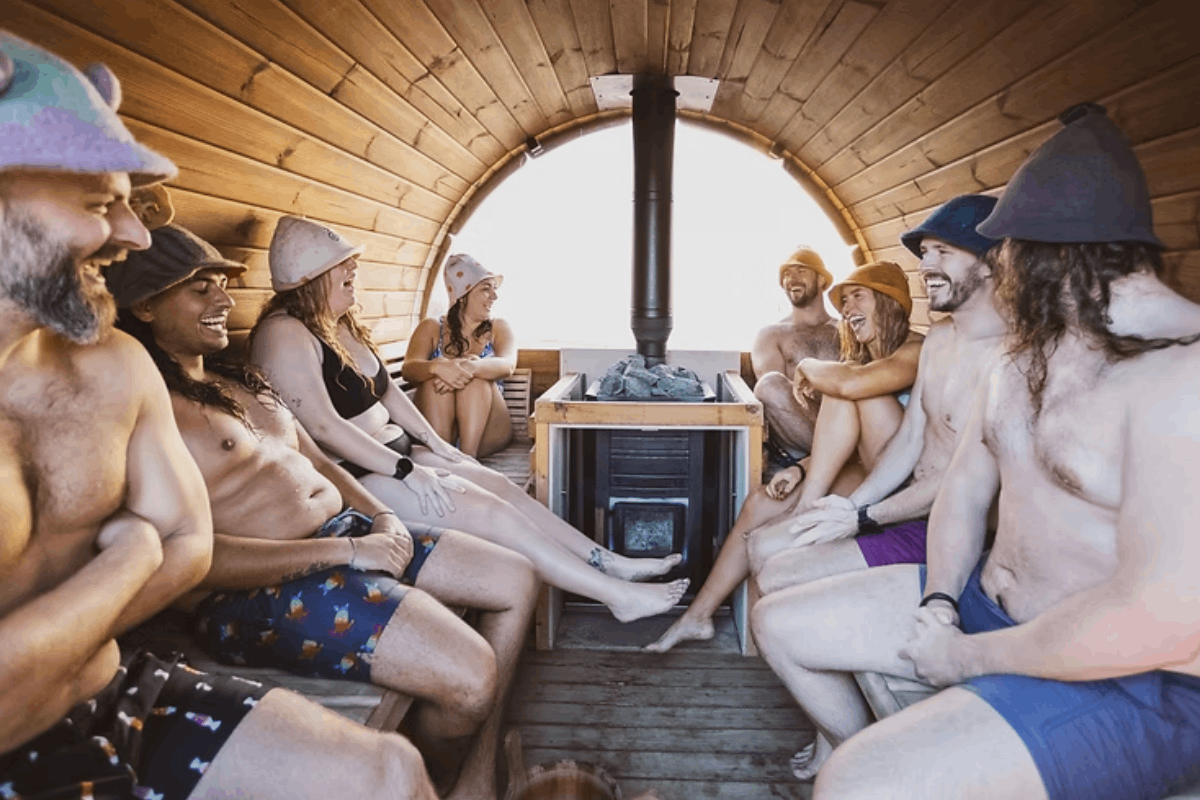
The Rise of Nordic Wellness in British Columbia: Why Fire, Water, and Nature Are Redefining Modern Recovery
Nordic-inspired wellness is transforming the way we recover and recharge. Explore how fire, water, and nature-based therapies are creating immersive, restorative experiences across BC.
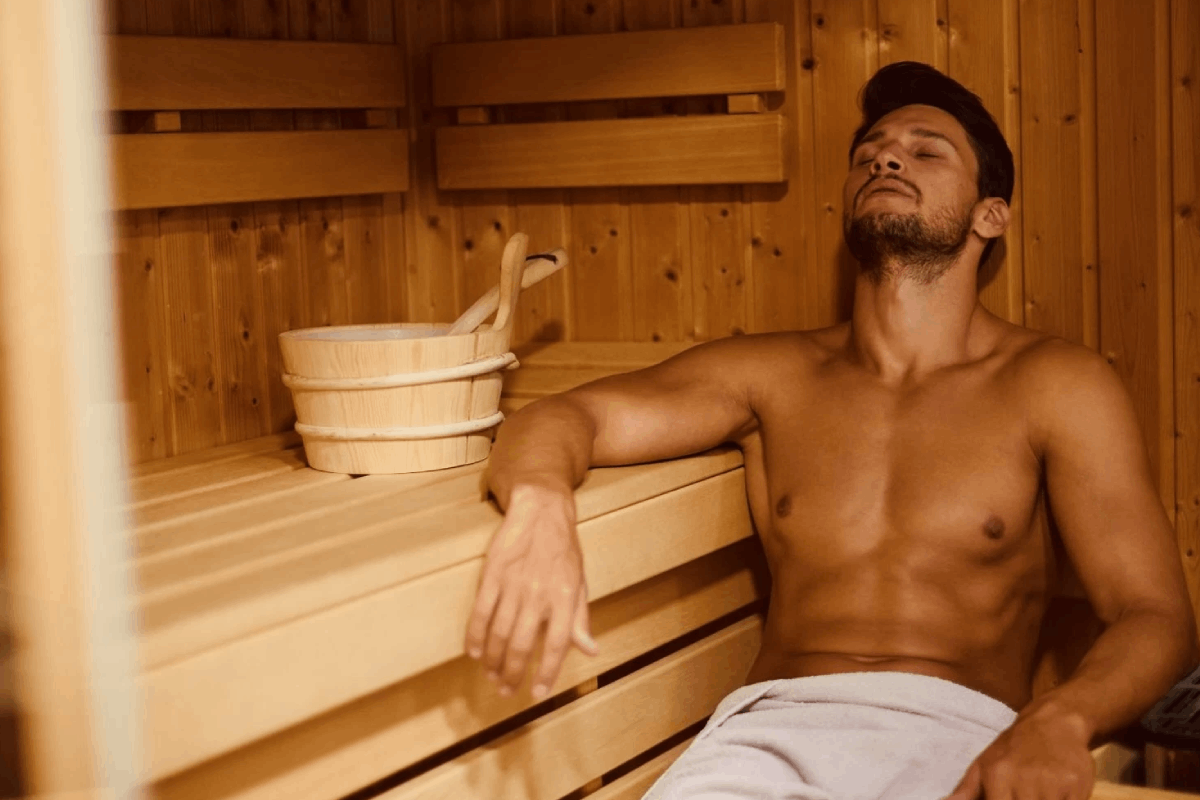
Sauna for Stress, Sleep & Mental Health: How Heat Supports Nervous System Regulation
Heat exposure in a sauna isn’t just relaxing—it’s a powerful tool for nervous system regulation. Learn how sauna sessions can reduce stress, improve sleep, and support mental health.
FAQs about Why Contrast Therapy Works
Q: How does contrast therapy improve circulation?
A: Heat causes vasodilation and increased blood flow, while cold causes vasoconstriction; the alternating effect pumps blood and oxygen through tissues.
Q: Can contrast therapy reduce inflammation?
A: Yes, cold exposure helps constrict blood vessels, reduce swelling, and flush out metabolic waste.
Q: Does it help with muscle soreness?
A: Yes, studies show contrast therapy reduces delayed-onset muscle soreness (DOMS) and accelerates recovery.
Q: How does it affect the nervous system?
A: Heat relaxes the body, while cold triggers mild stress responses, improving alertness and mental clarity.
Q: What are the benefits for athletes?
A: Improved performance, faster recovery, reduced fatigue, and enhanced circulation.
Q: How does contrast therapy affect immunity?
A: Alternating heat and cold stimulates the lymphatic system and may boost immune function.
Q: Can it reduce stress?
A: Yes, heat and cold exposures stimulate endorphin release, improving mood and reducing stress.
Q: How does it promote detoxification?
A: Alternating hot and cold improves circulation, flushing metabolic waste from muscles and tissues.
Q: Is there scientific research supporting it?
A: Yes, numerous studies show benefits for circulation, inflammation reduction, recovery, and cardiovascular health.
Q: Does the sequence of heat and cold matter?
A: Typically, starting with heat, followed by cold, and repeating the cycle maximizes physiological benefits.
Q: Can it help with chronic pain?
A: It may help by reducing inflammation, improving circulation, and relaxing tight muscles.
Q: How long should each exposure last?
A: Heat: 10–20 minutes; cold: 1–5 minutes, depending on experience and tolerance.
Q: Can beginners benefit?
A: Yes, starting with shorter sessions and gradually increasing duration is recommended.
Q: Are there modern innovations?
A: Private contrast therapy circuits, curated retreats, high-end saunas, and cold plunges enhance traditional benefits.
Q: How often should it be practiced?
A: 2–3 sessions per week are typical; athletes may use more frequent sessions under guidance.
Q: Is professional supervision necessary?
A: Recommended for beginners or individuals with cardiovascular or other health concerns.
Q: Can contrast therapy be combined with other wellness practices?
A: Yes, often combined with massage, meditation, or stretching.
Q: Are there mental health benefits?
A: Yes, improved mood, stress reduction, and enhanced resilience are commonly reported.