
In a world dominated by constant noise, notifications, and the relentless pace of modern life, silence has become one of the most undervalued luxuries.
At The Barnfield Suites and Cedarwood Elements, we recognize that true restoration is not just found in comfort or scenery, but in intentional quiet and mindful stillness. Silence allows the nervous system to reset, the mind to declutter, and the body to restore its natural rhythm.
Silence is more than the absence of sound—it is an active practice. It is a space where thought, reflection, and presence converge. As wellness seekers increasingly prioritize experiences over material possessions, curated moments of quiet have emerged as essential for mental clarity, emotional balance, and deep relaxation.

The Modern Need for Silence
Research indicates that prolonged exposure to noise pollution, digital interruptions, and urban chaos elevates cortisol levels and contributes to stress-related illnesses. In contrast, intentional silence can lower stress hormones, improve concentration, and enhance overall well-being (Schafer, 1994; Kraus et al., 2013).
Silence allows for cognitive processing, emotional regulation, and the kind of introspection that leads to meaningful personal growth. Whether it is a few minutes of quiet meditation, an hour in a soundless sauna, or a full day in nature, stillness is increasingly being recognized as a restorative necessity.
Why Silence Feels Like Luxury
Luxury is often associated with exclusivity, indulgence, and refined experiences. Silence aligns perfectly with these principles:
- Exclusivity: True quiet is rare and increasingly difficult to access in daily life.
- Refinement: Mindful stillness requires intention, patience, and practice.
- Indulgence: Investing time in silence is a gift to oneself, akin to a spa day or retreat.
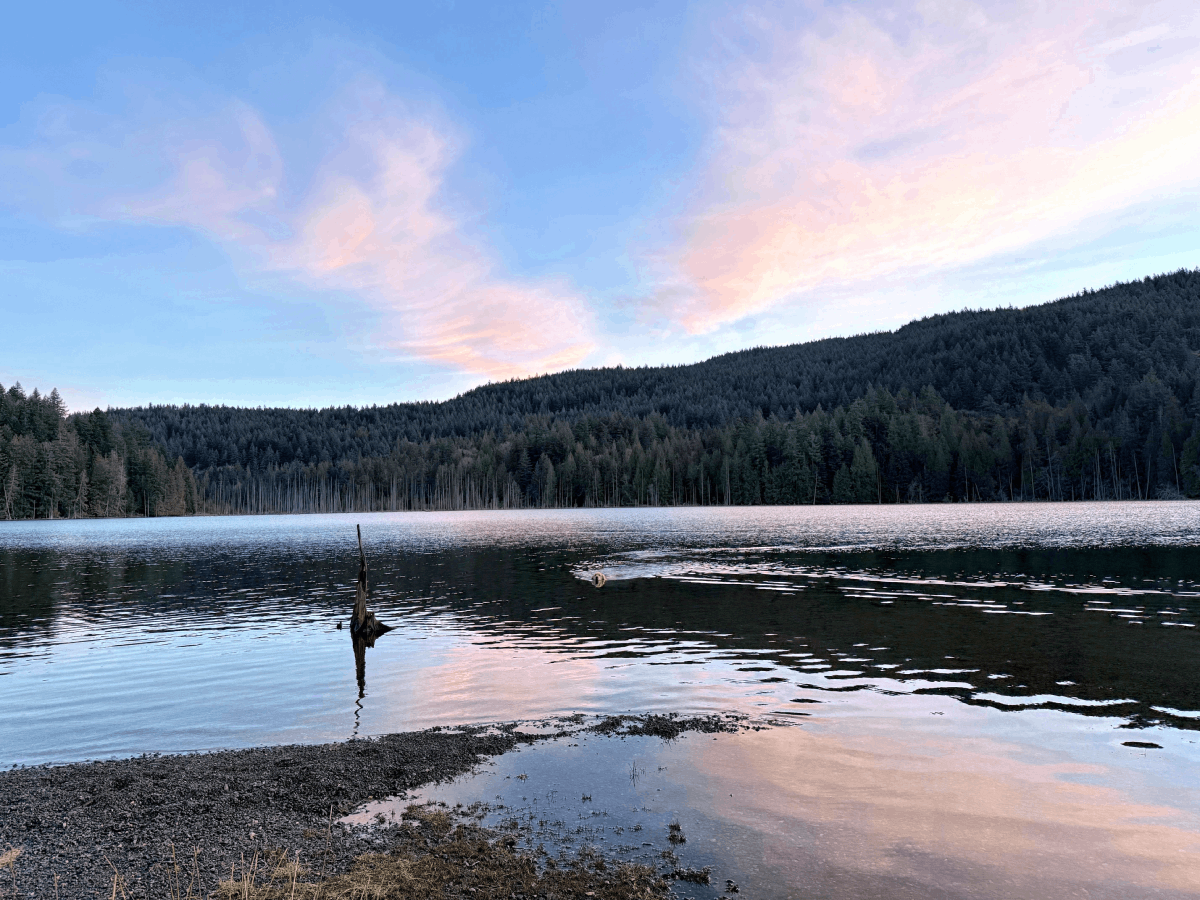
Silence creates a sensory environment where subtle experiences are amplified. The gentle rustle of leaves, the warmth of the sun, or the feeling of your breath becomes a heightened experience, allowing individuals to connect deeply with themselves and their surroundings.
The Science Behind Silence
Multiple studies demonstrate the physiological and psychological benefits of silence. Long-term exposure to quiet environments can lower blood pressure, reduce heart rate, and improve immune system function (Kraus et al., 2013). Furthermore, silence enhances neuroplasticity—the brain’s ability to reorganize itself—promoting better memory, focus, and emotional regulation.
In wellness contexts such as contrast therapy or mindfulness retreats, silence supports the body’s natural recovery processes. The combination of intentional stillness with heat and cold exposure allows the nervous system to integrate experiences, promoting resilience and balance.
Silence as a Mindful Practice
Integrating silence into daily life does not require isolation or extended retreats. Some practical approaches include:
- Digital Detox: Schedule periods without phones or notifications.
- Morning Stillness: Start the day with 10–20 minutes of quiet reflection.
- Silent Meals: Eat without distractions to focus on taste and texture.
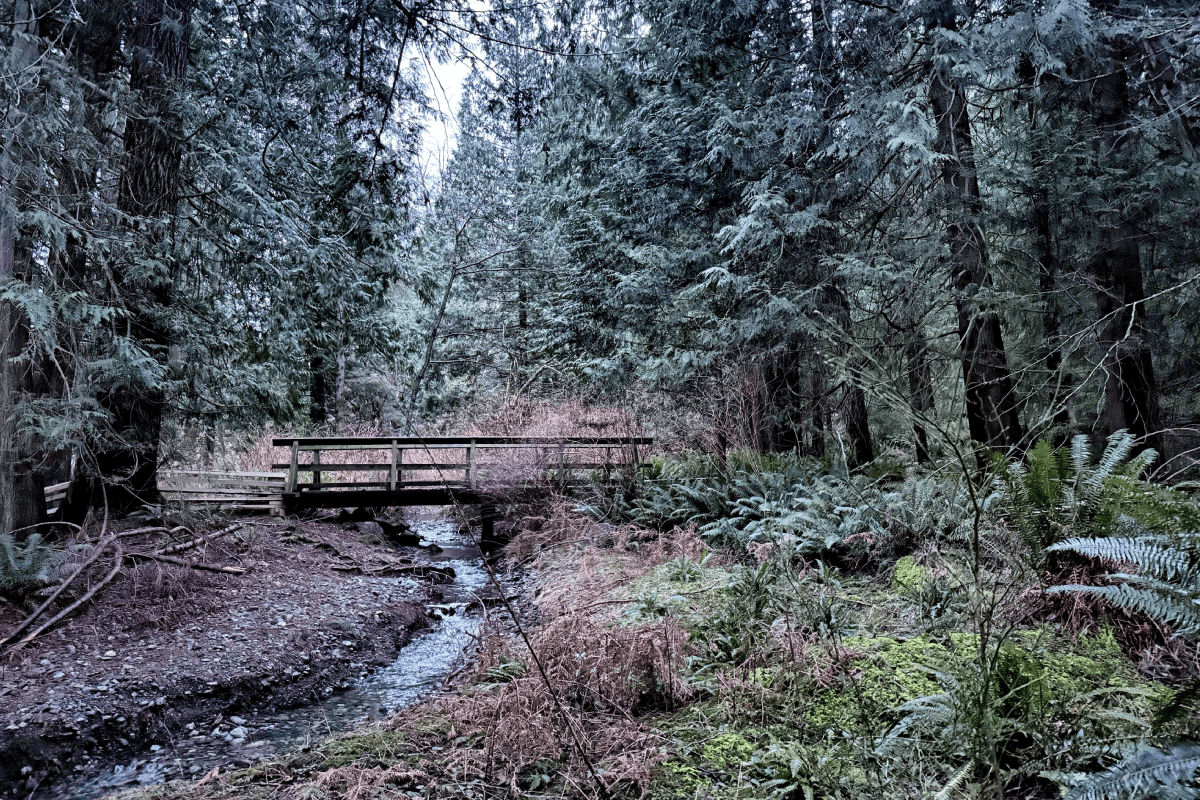
- Mindful Walking: Move through nature in silence, observing your surroundings.
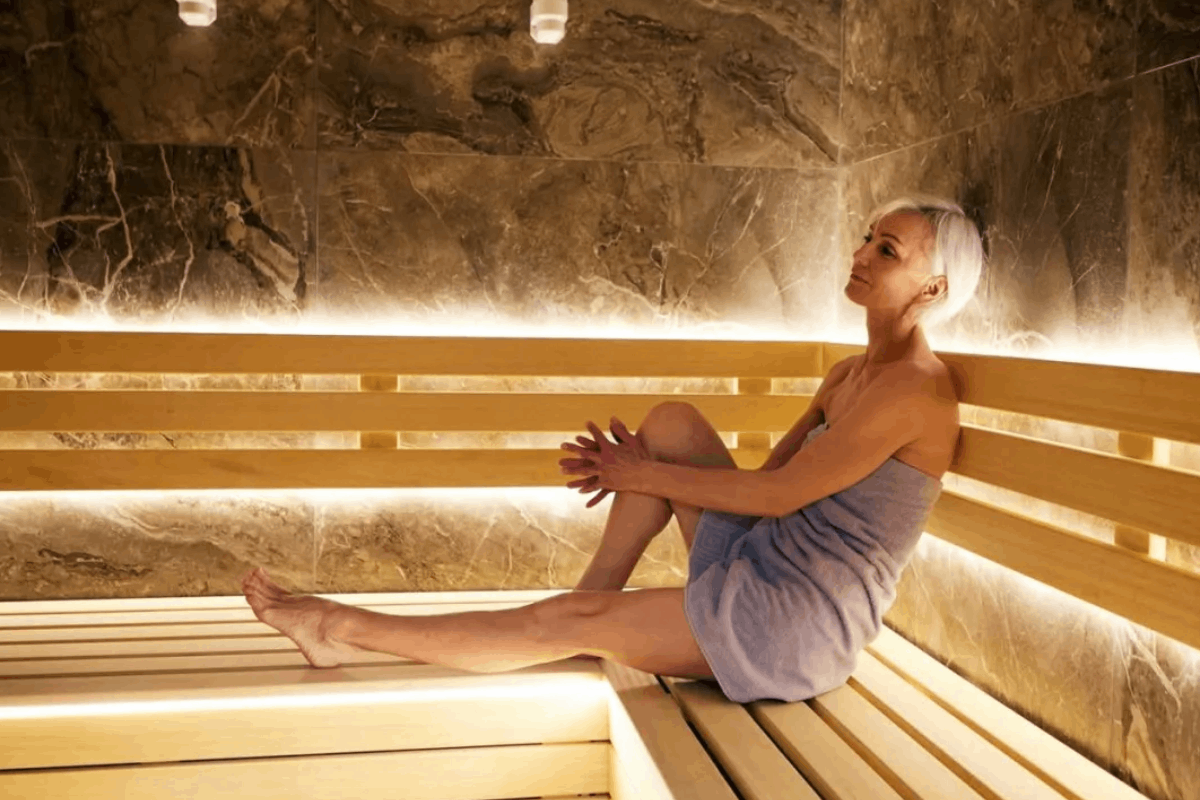
- Contrast Therapy Integration: Use saunas, cold plunges, and warm relaxation periods in silence to enhance nervous system regulation.
Silence and Wellness Tourism
As travelers seek restorative experiences, silence has become a major factor in retreat design. Destinations like Bowen Island, with its serene natural landscapes, allow guests to immerse themselves in quiet, offering a luxury that cannot be purchased but must be experienced. Cedarwood Elements and The Barnfield Suites offer spaces where guests can step away from noise, technology, and stress, and reconnect with themselves.
Silence enhances other wellness practices. Yoga, meditation, journaling, and breathwork are more impactful when performed in a quiet environment. Contrast therapy, when paired with intentional silence, accelerates the benefits of heat-cold exposure, allowing the nervous system to fully integrate the restorative effects.
Silence as a Status Symbol
In today’s “always-on” culture, having access to quiet spaces signals mindfulness and intentional living. It communicates an ability to prioritize well-being, self-reflection, and health over constant productivity and noise. Silence, in this context, has become a modern form of luxury, recognized by discerning travelers and wellness enthusiasts worldwide.
Designing Spaces for Silence
Curated environments amplify the experience of quiet. Key elements include:
- Acoustic Design: Materials and architecture that minimize unwanted noise.
- Natural Textures: Wood, stone, and greenery to connect guests with the environment.
- Private Outdoor Spaces: Fire pits, hammocks, and secluded seating to encourage stillness.
- Intentional Programming: Contrast therapy, meditation, or mindful rituals that integrate silence.
Practical Tips to Cultivate Silence Daily
Even short periods of quiet can be transformative:
- Wake up 10 minutes earlier to enjoy morning calm.
- Take short walks in parks, beaches, or forested areas.
- Practice deep breathing in silence to regulate the nervous system.
- Create a “quiet corner” at home for reflection or journaling.
- Unplug from digital devices for scheduled intervals each day.
Integrating Silence With Contrast Therapy
Contrast therapy — alternating between heat and cold — naturally pairs with silent reflection. The quiet moments between sauna and cold plunge allow the body to recover, integrate the experience, and support mental clarity. Cedarwood Elements offers a fully private circuit where guests can practice contrast therapy in silence, enhancing both physical and emotional restoration.
Frequently Asked Questions
Q: What is the luxury of silence?
A: Silence is the intentional practice of stillness and quiet, allowing for mental clarity, nervous system restoration, and deep relaxation.
Q: How long should a silence session last?
A: Even 10–20 minutes of intentional quiet can provide measurable benefits; longer sessions enhance restoration.
Q: Can silence improve focus?
A: Yes, reducing distractions and external stimuli allows the brain to improve concentration and cognitive processing.
Q: Is silence beneficial for stress?
A: Intentional stillness lowers cortisol levels and promotes relaxation of the nervous system.
Q: How does silence relate to contrast therapy?
A: Silent periods between sauna and cold plunge cycles enhance recovery and nervous system integration.
Q: Can silence improve sleep quality?
A: Practicing stillness and quiet before bedtime can help regulate circadian rhythm and improve sleep.
Q: Does silence require complete isolation?
A: No, you can practice silence in shared spaces with mindfulness and focus on your inner experience.
Q: Can children benefit from silence?
A: Yes, short periods of quiet reflection can help regulate emotions and build focus.
Q: What is the difference between silence and meditation?
A: Silence is the absence of noise, while meditation is a structured mental practice; both are complementary.
Q: Can silence reduce anxiety?
A: Yes, intentional quiet allows the nervous system to down-regulate and reduce anxious symptoms.
Q: Should I combine silence with digital detox?
A: Yes, minimizing external distractions enhances the benefits of stillness.
Q: Is silence only for wellness retreats?
A: No, it can be integrated into daily routines at home, work, or travel.
Q: How often should I practice silence?
A: Daily short sessions or longer weekly retreats are both effective strategies.
Q: Can silence improve creativity?
A: Yes, quiet allows the brain to process information, make connections, and generate creative ideas.
Q: Does silence help with mindfulness?
A: Silence enhances awareness of thoughts, sensations, and emotions, key aspects of mindfulness.
Q: Can silence be stressful?
A: If forced or uncomfortable, initial sessions may feel challenging; ease into practice gradually.
Q: What environments are best for silence?
A: Natural surroundings, private spaces, or curated wellness retreats amplify the benefits.
Q: How does silence benefit contrast therapy?
A: Silent reflection after heat and cold cycles allows the body and mind to integrate restorative effects fully.
Conclusion
In an age of overstimulation, silence has emerged as a highly sought-after luxury. By cultivating intentional stillness, integrating quiet into wellness practices, and designing spaces that support reflection, individuals can experience mental clarity, emotional regulation, and deep restoration. The Barnfield Suites and Cedarwood Elements offer exclusive environments where silence is not just valued but elevated, making stillness a true luxury in today’s world.