
For decades, the benefits of contrast therapy—alternating between extreme heat and cold—were discussed primarily in the context of muscle recovery and athletic performance. However, a groundbreaking shift is occurring…
The conversation has moved from the muscles to the mitochondria of the brain. We are entering the era of the Neurological Protocol.
This trend identifies contrast therapy not just as a physical reset, but as a sophisticated “software reboot” for the human nervous system. New clinical observations and pilot studies are exploring how controlled thermal stress can mitigate the symptoms of ADHD, support sensory regulation in Autism Spectrum Disorder (ASD), and clear the persistent “brain fog” associated with modern burnout and long-term inflammation.
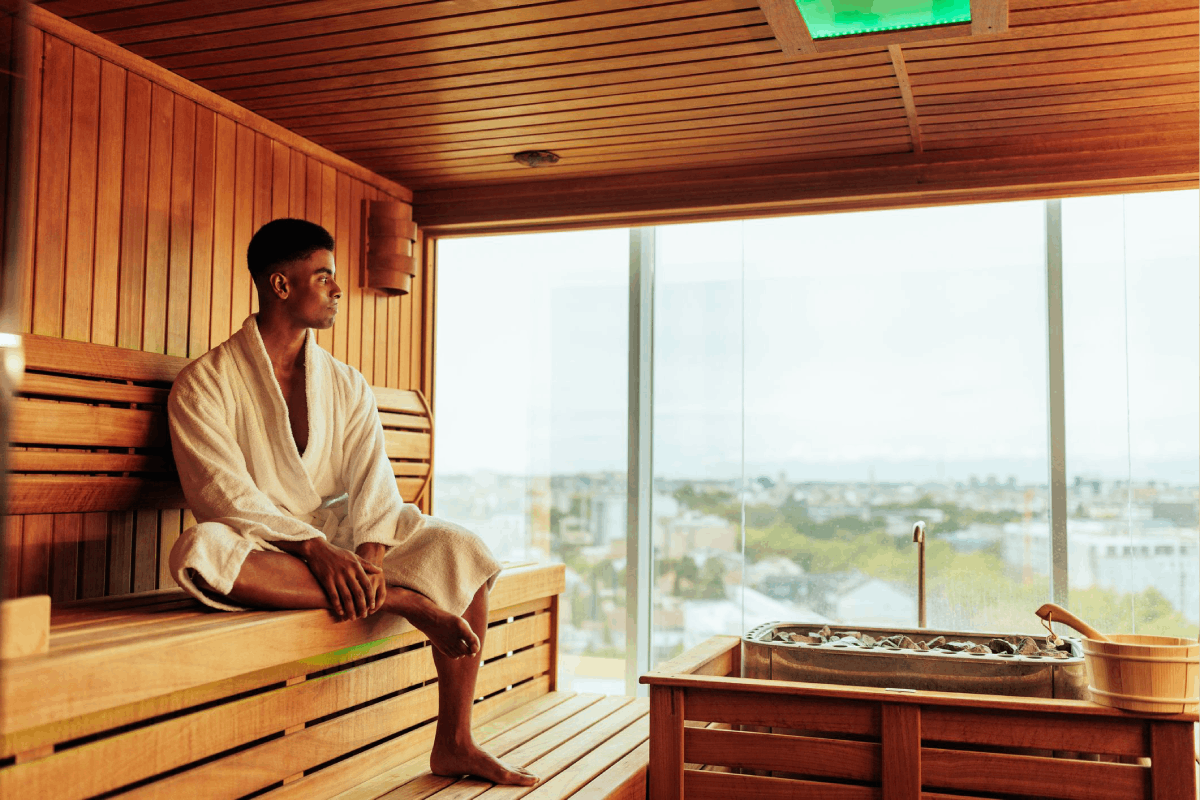
Beyond the Physical: The Neuro-Chemical Surge
The “Neurological Protocol” differs from standard recovery sessions by focusing on the timing and duration of the Cold Shock Response. Unlike physical recovery, where the goal is reducing inflammation, the neurological goal is the massive release of neurotransmitters.
1. The Dopamine Baseline Shift for ADHD
One of the most significant trends in neuro-hacking is using deliberate cold exposure to treat dopamine deficiencies common in ADHD. Research publicized by institutions like the Molecular Psychiatry Journal and popularized by neuroscientists suggests that a single plunge can spike dopamine levels by 250%. Unlike the “spike and crash” associated with stimulants or digital hits, this thermal-induced dopamine rise is sustained, providing a “level floor” of focus that can last up to six hours. This is a game-changer for individuals seeking non-pharmacological ways to manage executive dysfunction.
2. Sensory Integration and Autism (ASD)
A burgeoning area of interest is the use of the “thermal squeeze” for sensory processing. For individuals on the Autism Spectrum, the intense, uniform pressure of water in a cold plunge—combined with the weighted warmth of a sauna—acts as a powerful form of proprioceptive input. This helps “ground” the nervous system, potentially reducing sensory
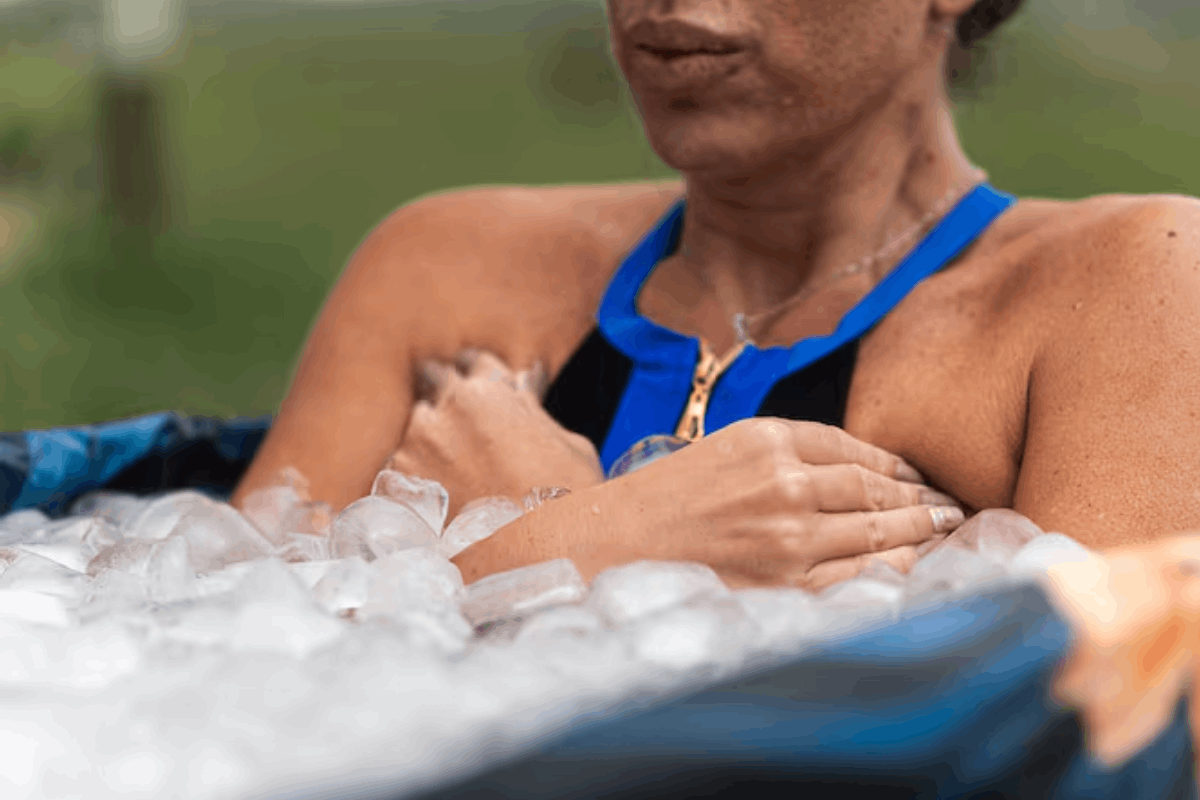
Clearing the Fog: The Role of Norepinephrine
Brain fog—that persistent feeling of cognitive sluggishness—is often a result of low-grade systemic inflammation affecting the brain’s microglial cells. The Neurological Protocol addresses this through the release of Norepinephrine. When the body hits cold water, norepinephrine levels can jump by 200-300% almost instantly. This chemical acts as both a hormone and a neurotransmitter, dramatically increasing alertness and acting as an “internal vacuum cleaner” for inflammatory markers in the brain.
Recent studies highlighted in Psychoneuroendocrinology suggest that these thermal shifts also stimulate Brain-Derived Neurotrophic Factor (BDNF). BDNF is essentially “Miracle-Gro” for the brain, supporting the survival of existing neurons and encouraging the growth of new ones, which is vital for memory and learning.
The Protocol: Precision Over Endurance
In this new trend, “more” is not “better.” The Neurological Protocol emphasizes precision . Practitioners are moving away from the “stay in as long as possible” mentality toward specific intervals designed to trigger the mammalian dive reflex without triggering a full-scale cortisol spike. This involves “entry-breath synchronization” and specific head-immersion techniques to stimulate the vagus nerve directly.
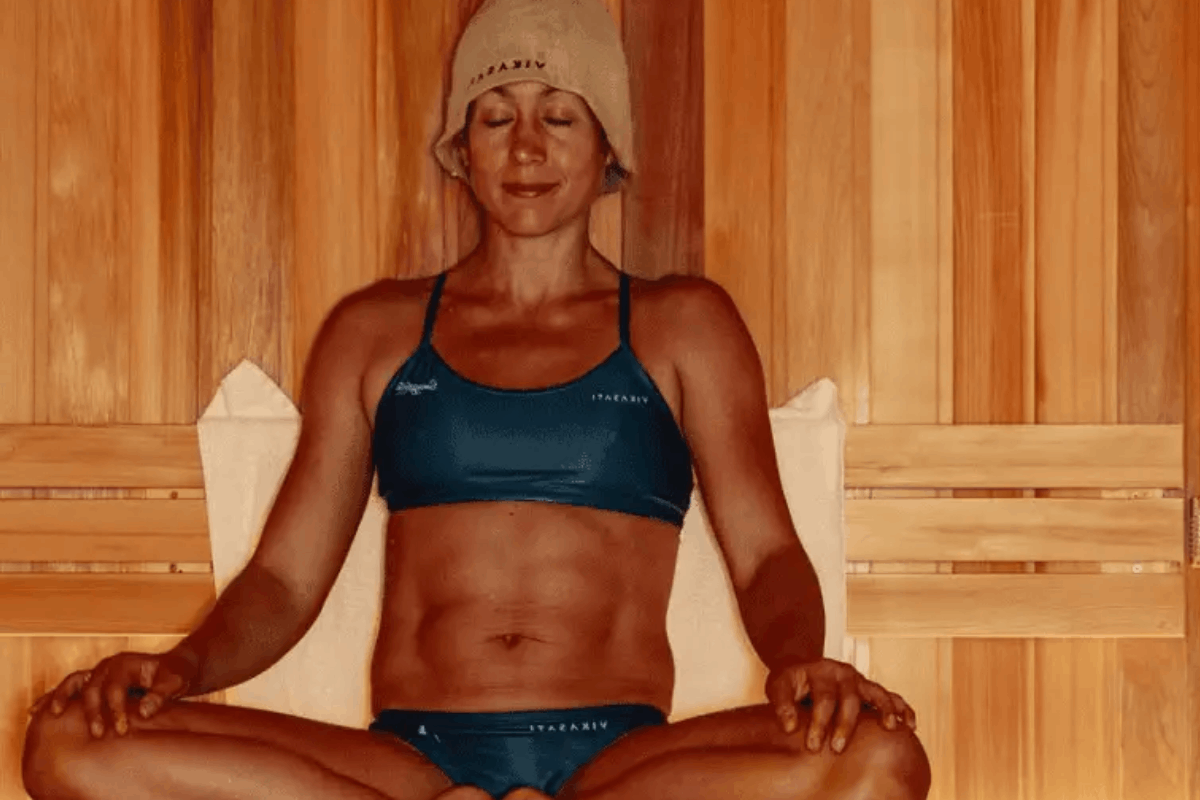
Elemental Mental Health at The Barnfield Suites
The future of neurological wellness isn’t found in a sterile lab; it’s found in environments that allow the brain to switch from “High-Beta” (stress) waves to “Alpha” and “Theta” (relaxed/creative) states. This is where the Cedarwood Elements circuit at The Barnfield Suites on Bowen Island excels.
By removing the clinical atmosphere and replacing it with the natural scent of cedar and the quietude of Bowen Island, The Barnfield Suites provides the ideal setting for the Neurological Protocol. The scent of cedarwood alone contains cedrol, which has been shown in Japanese studies to have sedative and anxiety-reducing effects on the brain. When combined with their expertly designed contrast circuit, it creates a multi-sensory intervention that resets the brain and clears cognitive clutter. For those struggling with ADHD, ASD, or chronic brain fog, this elemental approach offers a path to clarity that modern medicine is only just beginning to understand.
Frequently Asked Questions (FAQ)
Q: How does contrast therapy help with ADHD focus?
A: It triggers a massive, sustained release of dopamine and norepinephrine, the two primary neurotransmitters that individuals with ADHD are often deficient in, leading to improved executive function.
Q: Is there a specific temperature for “brain fog” removal?
A: While individual needs vary, the trend suggests that water below 15°C (59°F) is necessary to trigger the norepinephrine response required to clear inflammatory brain fog.
Q: Can children with Autism use contrast therapy?
A: Many practitioners find it helpful for sensory grounding, but it should always be done under professional guidance and at temperatures the child can safely tolerate.
Q: What is the “Mammalian Dive Reflex”?
A: It is a biological response to cold water immersion that slows the heart rate and redirects blood to the brain and heart, providing an immediate calming effect on the nervous system.
Q: How long do the neurological benefits last after a session?
A: While the immediate “rush” lasts an hour, the elevated baseline of dopamine and the anti-inflammatory effects on the brain can persist for 24 to 48 hours.
Q: Does the heat of the sauna affect the brain differently than the cold?
A: Yes. Sauna heat triggers Heat Shock Proteins and increases blood flow to the brain, which helps with detoxification and long-term neuroprotection against diseases like Alzheimer’s.
Q: Why is the vagus nerve important in this protocol?
A: The vagus nerve is the “highway” of the parasympathetic nervous system. Cold exposure on the face and neck stimulates this nerve, helping the brain switch out of a state of chronic stress.
Q: Can contrast therapy replace ADHD medication?
A: It is not a replacement but a powerful complementary tool. Many users find they can better manage their symptoms and potentially reduce their reliance on stimulants under medical supervision.
Q: What is BDNF?
A: Brain-Derived Neurotrophic Factor is a protein that helps repair and grow brain cells. It is significantly boosted by the thermal stress of contrast therapy.
Q: How does cedarwood specifically help the brain?
A: Cedarwood contains phytoncides and cedrol, which are known to lower heart rate and reduce sympathetic nervous system activity, aiding in mental relaxation.
Q: Is it better to do the Neurological Protocol in the morning or evening?
A: For ADHD and focus, the morning is best to set the dopamine baseline for the day. For anxiety or ASD grounding, late afternoon can help transition into a restful evening.
Q: Does this therapy help with depression?
A: Yes, the “cold shock” acts as a form of mild electroconvulsive therapy for the brain, sending a surge of electrical impulses that can have an anti-depressive effect.
Q: What is “Sensory Grounding”?
A: It is the use of intense physical sensations—like extreme cold—to pull the mind out of a loop of anxious thoughts and back into the physical body.
Q: Why is Bowen Island considered a “Neurological Sanctuary”?
.A: The lack of urban “noise pollution” and the abundance of natural elements reduce the cognitive load on the brain, making the contrast therapy more effective for mental resetting.
Q: How often should I use the protocol for cognitive benefits?
A: The trending recommendation is 2 to 3 sessions per week to maintain elevated levels of neuroprotective proteins and neurotransmitters.
Q: Can contrast therapy improve memory?
A: By increasing blood flow to the hippocampus and boosting BDNF, it creates an environment in the brain that is more conducive to memory retention and learning.
Q: What is the most common mistake in the Neurological Protocol?
A: Fighting the cold. The goal is to remain calm through breathwork; fighting the sensation keeps the brain in a “stress” state rather than a “reset” state.
Q: Are there wearable devices that track these neurological shifts?
A: Yes, many users now use HRV (Heart Rate Variability) monitors to see exactly how their nervous system recovers after each thermal cycle.