In the high-velocity digital landscape, the human brain is facing an unprecedented “attention crisis.”
As a direct response, the wellness industry has evolved the Japanese practice of Shinrin-Yoku (Forest Bathing) into a data-backed clinical modality known as Shinrin-Yoku 2.0. This Woodland Reset is no longer just a leisurely walk in the woods; it is a strategic neurological intervention designed to lower cortisol, synchronize brainwaves, and repair the damage caused by chronic “technostress.” According to the 2025 Global Forest Health Report, spending just 120 minutes per week in nature is the “minimum effective dose” for significant mental health improvements.
The Neuroscience of the Forest: Beyond the Aesthetic
What happens to the brain when we step under a forest canopy? In 2026, neuroscientists have mapped the specific physiological triggers that occur during a Woodland Reset. The secret lies in Phytoncides—airborne antimicrobial allelochemicals emitted by trees like cedar, pine, and spruce. Research published in The Journal of Biological Regulators confirms that inhaling these compounds significantly increases the activity of Natural Killer (NK) cells, which are vital for immune system health and cancer prevention.
The “Soft Fascination” Effect
Modern life requires “directed attention”—a finite cognitive resource that leads to fatigue. Forests provide what psychologists call Soft Fascination. Elements like the rustle of leaves, the fractal patterns of branches, and the play of light (Komorebi) allow the prefrontal cortex to rest, triggering the Default Mode Network (DMN). This state is essential for creativity, problem-solving, and emotional regulation. By 2026, major corporations are now prescribing “Forest Sabbaticals” to combat executive burnout, recognizing that a quiet forest is more productive than a loud boardroom.
Fractal Geometry and Stress Reduction
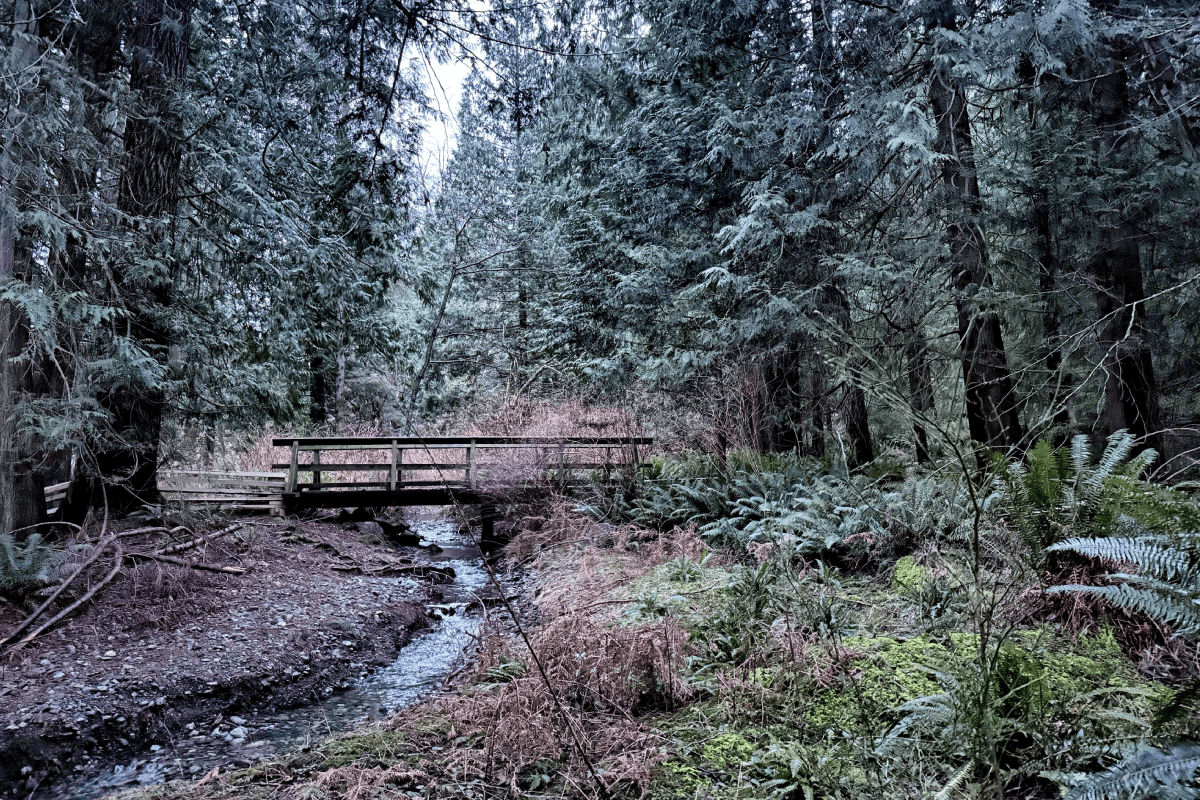
The human eye is evolutionarily tuned to process fractals—complex, self-similar patterns found in snowflakes, ferns, and tree canopies. Studies from the University of Southern California show that viewing these patterns can reduce stress levels by up to 60% almost instantly. Shinrin-Yoku 2.0 leverages this “visual therapy” to move the nervous system from a Sympathetic (fight or flight) state into a Parasympathetic (rest and digest) state. This transition is the cornerstone of the Woodland Reset movement.
The Rise of “Green Prescriptions”
By early 2026, healthcare providers in over 20 countries have officially integrated “Green Prescriptions” into their standard of care. Patients with anxiety, hypertension, and ADHD are being directed to certified Forest Therapy Trails. This shift has birthed a new luxury sector: Scientific Seclusion. Travelers are now seeking destinations that offer not just nature, but curated “Sensory Architecture” that maximizes the neurological benefits of the environment.
The Barnfield Suites: The Ultimate Woodland Reset on Bowen Island
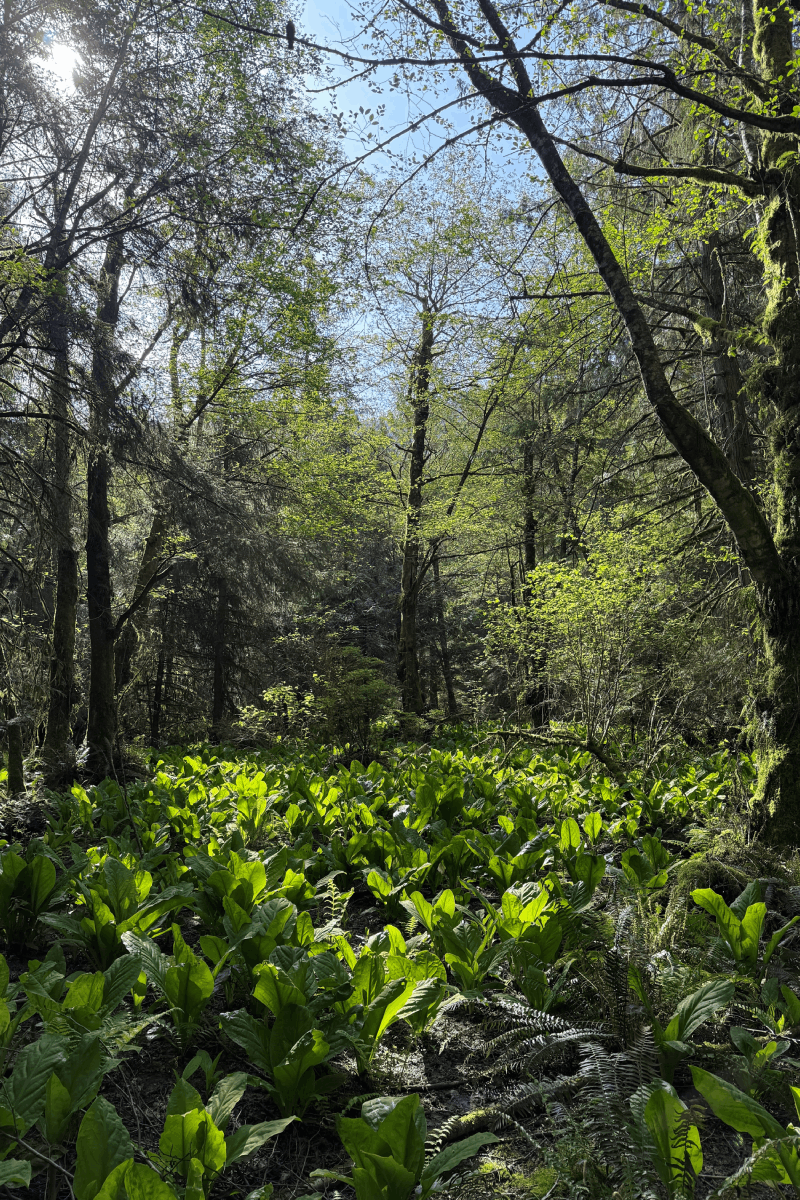
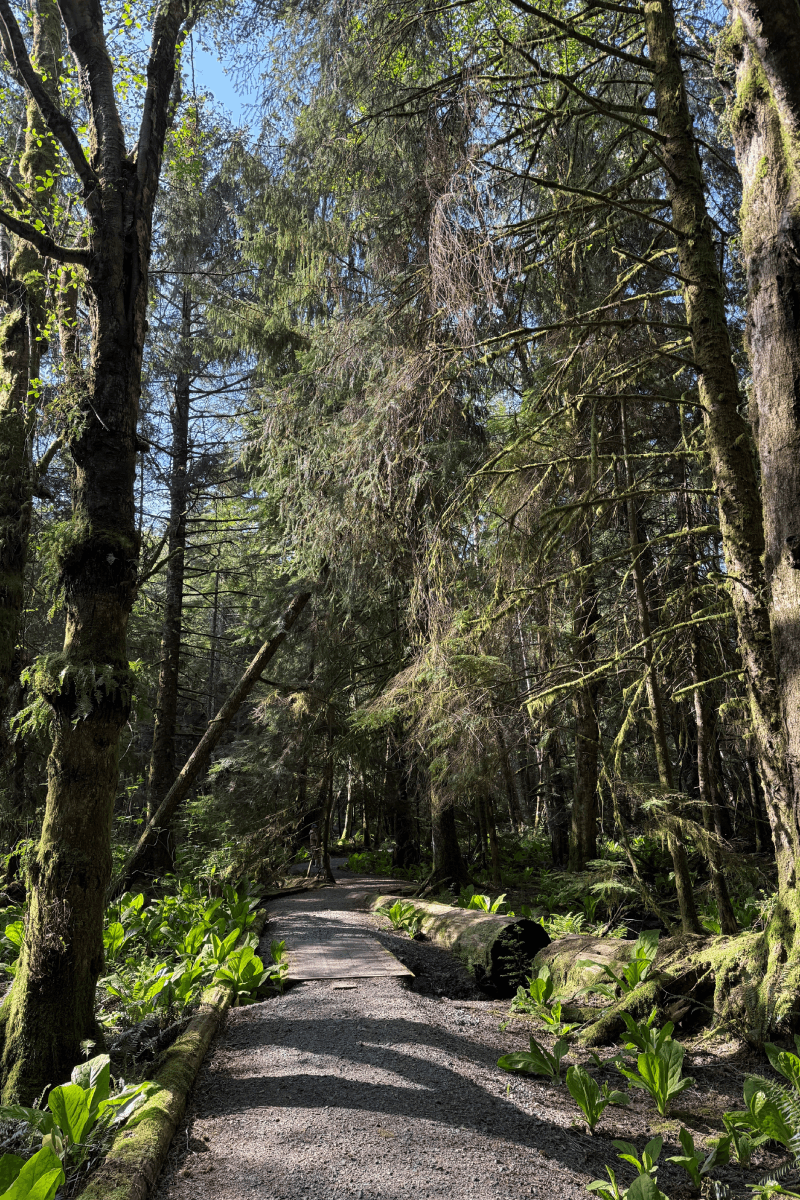
For those seeking to experience Shinrin-Yoku 2.0 in its most refined form, The Barnfield Suites on Bowen Island provides the perfect laboratory for restoration. Located in the heart of a temperate rainforest, the suites are designed to blur the line between the indoors and the forest floor. The architecture itself, featuring Built Green Platinum standards and reclaimed fir, acts as a sensory bridge to the surrounding canopy.
The centerpiece of this reset is Cedarwood Elements, a private contrast therapy circuit. Here, the neurological benefits of the forest are amplified through a cedar barrel sauna and a professional cold plunge. The scent of the heated cedar releases a high concentration of phytoncides, while the cold water shock forces a total cognitive “reboot,” clearing mental fog and inflammation. Following the circuit with a period of “Fireside Stillness” allows the brain to integrate the experience, cementing the Woodland Reset. At The Barnfield Suites, we provide the silence and the science necessary for you to reclaim your peace.
Frequently Asked Questions (FAQ)
Q: What is Shinrin-Yoku 2.0?
A: It is the clinical evolution of Forest Bathing, using neurological data and sensory interventions to maximize the health benefits of nature immersion.
Q: How does a Woodland Reset help with burnout?
A: It shifts the brain from “directed attention” to “soft fascination,” allowing the prefrontal cortex to recover and cortisol levels to drop.
Q: What are Phytoncides?
A: Natural oils and compounds emitted by trees that, when inhaled, boost human immune function and reduce stress hormones.
Q: Do I need to exercise during a forest bath?
A: No. Unlike hiking, Shinrin-Yoku is about stillness and sensory engagement. You can sit, stand, or walk very slowly.
Q: How long does the benefit of a forest bath last?
A: Research suggests that a deep two-day immersion can boost immune function for up to 30 days.
Q: What are “Fractals” in nature?
A: Self-repeating patterns found in trees and plants that our brains find inherently soothing to process.
Q: Why is cedar specifically mentioned for wellness?
A: Cedar wood has a high concentration of aromatic compounds that have been used for centuries for their calming and anti-inflammatory properties.
Q: What is a “Green Prescription”?
A: A formal recommendation from a healthcare provider to spend time in nature to treat specific health conditions.
Q: How does Bowen Island support a Woodland Reset?
A: Its dense forest cover, lack of urban noise, and “island time” atmosphere make it a natural sanctuary for deep neurological rest.
Q: What is contrast therapy?
A: The practice of alternating between extreme heat (sauna) and cold (plunge) to stimulate the nervous system and improve circulation.
Q: Does cold plunging help with mental health?
A: Yes, it triggers a massive release of dopamine and norepinephrine, which can improve mood and focus for several hours.
Q: Is Shinrin-Yoku 2.0 better than a regular walk?
A: Yes, as it involves intentional sensory exercises—like “earthing” or “scent mapping”—that deepen the neurological impact.
Q: Can I do a Woodland Reset in the winter?
A: Absolutely. Evergreen trees release phytoncides year-round, and the “quiet” of a winter forest is particularly beneficial for the ears.
Q: What should I wear for forest immersion?
A: Comfortable, weather-appropriate layers that allow you to be still for long periods without getting cold.
Q: How does The Barnfield Suites facilitate this?
A: Through its private forest setting, noise-reducing architecture, and dedicated Cedarwood Elements therapy circuit.
Q: Is digital detox required for a Woodland Reset?
A: Highly recommended. Removing the “blue light” and notifications allows the brain to fully synchronize with the natural environment.
Q: What is the “minimum effective dose” of nature?
A: Current research points to 120 minutes per week as the threshold for measurable health improvements.
Q: Why is “silence” a luxury in 2026?
A: As urban noise pollution increases, environments with true acoustic purity have become rare and highly sought-after for mental health.