
For years, the “gold standard” for contrast therapy was the 15:3 rule—fifteen minutes of heat followed by three minutes of cold.
But as we move through the year, the “one-size-fits-all” approach is being replaced by Precision Contrast. This emerging trend uses real-time biometric data from wearables to tell you exactly when your body has reached its hormetic peak, ensuring you never under-stress or over-tax your nervous system.
We are no longer guessing based on a wall clock. We are using Heart Rate Variability (HRV), Core Body Temperature sensors, and Central Nervous System (CNS) readiness scores to dictate the flow of the circuit. According to recent tech-wellness insights from Outside Online, the integration of “bio-syncing” is the most significant leap in recovery science since the invention of the heart rate monitor.
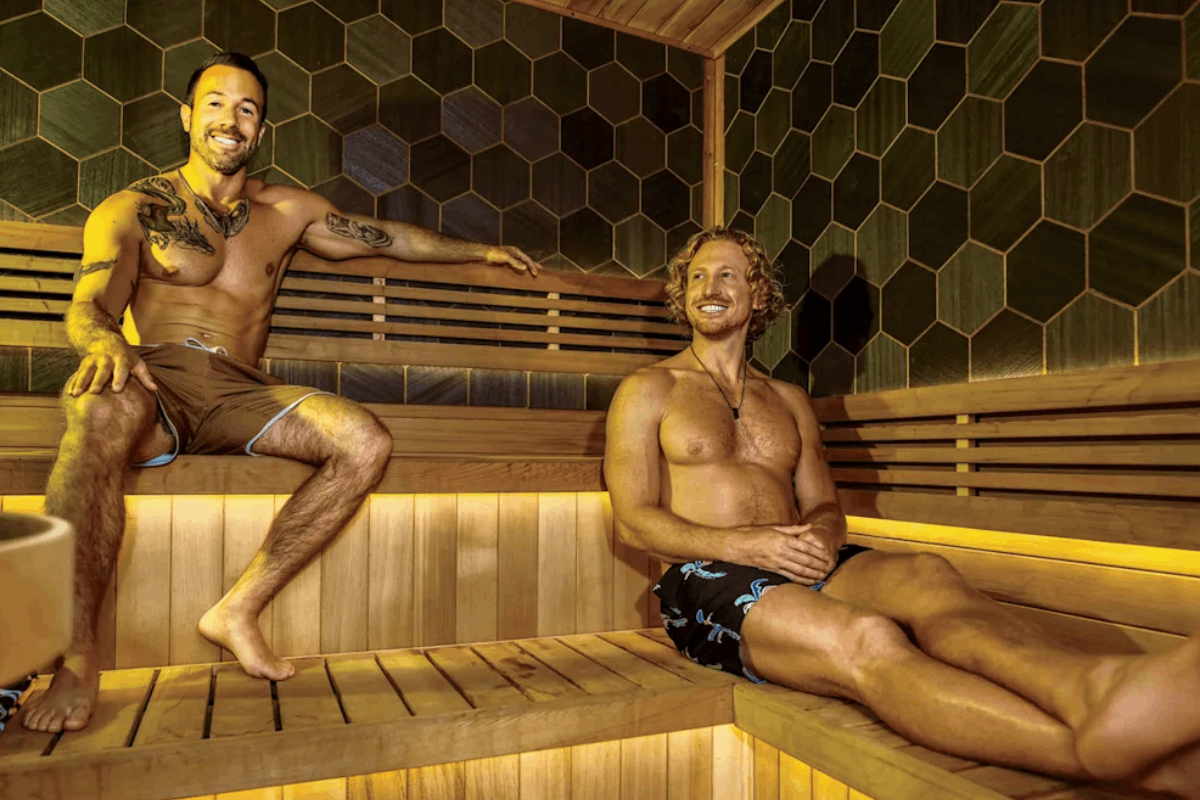
From Minutes to Markers: The Shift in Protocol
The “Precision Trend” acknowledges that every human body responds differently to thermal stress based on sleep quality, menstrual cycles, and previous day’s training load. The new protocol involves “Inter-Session Data Adjustments.”
1. HRV-Guided Transitions
In a data-driven circuit, you don’t leave the cold plunge when the timer dings; you leave when your Heart Rate Variability indicates a specific parasympathetic shift. For some, this happens in 90 seconds; for others, it takes five minutes. By waiting for the physiological signal rather than the chronological one, users avoid the “stress-stacking” that occurs when an already depleted nervous system is pushed too hard.
2. The Core Temperature “Lag” Effect
New research featured in the Frontiers in Physiology highlights that our skin temperature changes much faster than our core temperature. The 2026 trend involves using internal sensors (like those found in advanced smart rings) to track the “thermal inertia.” Practitioners are now staying in the heat until their core temp rises by exactly 1.5°C, which is the proven threshold for maximum Heat Shock Protein (HSP) production.
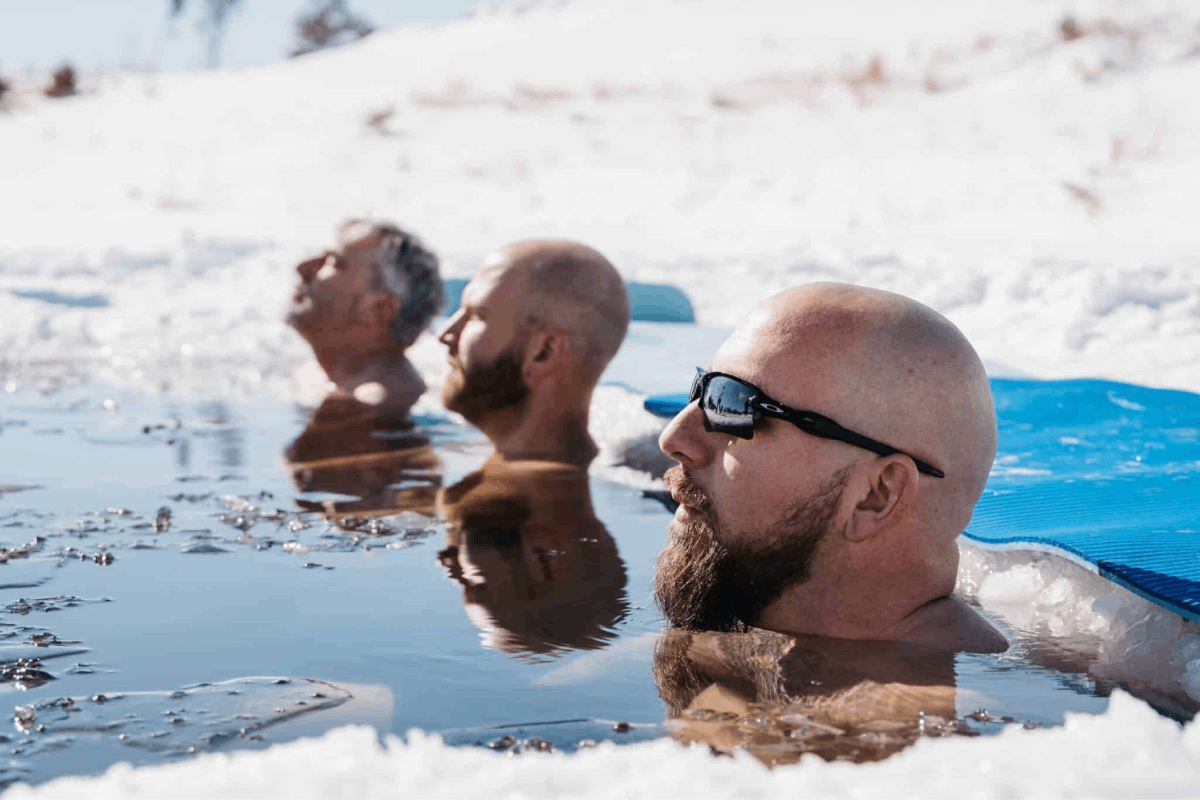
The Rise of “Bio-Acoustic” and Smart Circuits
The trend is extending into the equipment itself. High-end facilities are now implementing Smart Saunas that adjust humidity and light frequency based on the average HRV of the occupants. If the data shows the group is in a high-stress state, the environment automatically shifts to a “down-regulation” profile—dimming lights to a specific red spectrum and lowering the temperature to allow for a longer, more restorative sweat.
This “Bio-Syncing” ensures that contrast therapy remains a tool for longevity rather than just another source of chronic stress on the body.
Data Meets the Elements at The Barnfield Suites
While the data provides the “how,” the environment provides the “why.” There is a growing counter-trend among elite biohackers: Data-Informed Naturalism. This is the practice of using high-tech wearables to monitor a session that takes place in a low-tech, high-vibration natural setting.
The Barnfield Suites on Bowen Island offers the perfect landscape for this integration. Their Cedarwood Elements circuit provides the raw, elemental power of traditional cedar and natural water, while their “Sanctuary” approach encourages guests to use their data to find their own “Biological North Star.” By performing the Precision Protocol at The Barnfield Suites, guests can see on their own devices how much more effectively their nervous system recovers when the thermal stress is paired with phytoncides from the cedar and the negative ions of the coastal air. It is the ultimate fusion of 2026 technology and timeless elemental healing.
Frequently Asked Questions (FAQs)
Q: What is “Precision Contrast”?
A: It is the practice of using wearable technology and real-time biometric data to determine the duration and intensity of your hot and cold therapy sessions.
Q: Which metric is most important for contrast therapy?
A: Heart Rate Variability (HRV) is widely considered the best indicator of how your autonomic nervous system is responding to the thermal stress.
Q: How does HRV change in the cold plunge?
A: Initially, HRV drops as the body enters “fight-or-flight” mode. The goal of the protocol is to see the HRV begin to climb while still in the cold, indicating “autonomic resilience.”
Q: Can a smart ring track my sauna session?
A: Yes, many modern smart rings can track heart rate and skin temperature, though you should check the device’s heat-rating before entering a high-temperature sauna.
Q: What is “Thermal Inertia”?
A: It is the phenomenon where your core body temperature continues to rise or fall even after you have left the sauna or cold plunge.
Q: Should I use a timer at all?
A: Timers are great for safety, but the 2026 trend suggests using them only as a secondary check to your own internal biological markers.
Q: How much should my core temperature rise in a sauna?
A: For maximum longevity benefits (Heat Shock Protein release), a core temperature rise of approximately 1°C to 1.5°C is the current clinical recommendation.
Q: Does data-driven therapy prevent “over-training”?
A: Absolutely. If your CNS readiness score is low, the data might suggest a “gentle” circuit (lower heat, shorter cold) to avoid further depleting your system.
Q: What are “Phytoncides”?
A: They are natural antimicrobial allelochemicals released by trees like cedar. Data shows they significantly lower cortisol levels when inhaled during a sauna session.
Q: Why is Bowen Island better for data-driven recovery?
A: The lack of “Electronic Smog” and urban stress markers provides a cleaner “baseline” for your wearables, giving you more accurate readings of your true physiological state.
Q: Can I track “Brown Fat” activation with a wearable?
A: While you can’t track it directly yet, you can track “Non-Shivering Thermogenesis” through persistent elevated heart rates in the cold without physical movement.
Q: Is it safe to wear electronics in a cold plunge?
A: Only if they are rated for immersion. Most modern fitness trackers are water-resistant up to 50 meters and safe for short cold plunges.
Q: What is a “CNS Readiness Score”?
A: It is a proprietary metric used by many wearables that combines sleep, activity, and HRV to tell you how much “stress” your nervous system can handle today.
Q: Should I end with hot or cold according to the data?
A: If the goal is metabolic (weight loss), end with cold. If the goal is nervous system recovery (high HRV), the data often supports ending with a neutral or slightly warm temperature.
Q: Does “Bio-Syncing” work for groups?
A: In modern smart circuits, the environment can be tuned to the “average” biometric of the group, creating a collective healing frequency.
Q: How often should I check my data during a session?
A: Ideally, you should review your data after the session to avoid “screen-stress.” Many biohackers use haptic (vibration) alerts to tell them when they’ve hit their targets.
Q: Why does cedarwood smell so good in the data?
A: The scent of cedarwood triggers the olfactory system to send “calm” signals to the brain, which can be seen as an immediate stabilizing of the heart rate.
Q: Where can I experience this high-tech/low-tech fusion?
A: The Barnfield Suites on Bowen Island provides the elemental Cedarwood circuit that many data-conscious individuals use as their primary testing ground for recovery.