
In the quest for peak human performance, we often focus on what we can see, feel, or measure.
However, the most direct path to the brain’s emotional and regulatory centers is through the nose. This year, a powerful new trend has emerged: Olfactory Stacking. This is the intentional pairing of specific scent profiles with the 4 Elements of contrast therapy to “anchor” the nervous system and accelerate the shift between stress and recovery.
Unlike basic “spa scents,” olfactory stacking uses neuro-active essential oils to trigger the limbic system. Research from the Frontiers in Behavioral Neuroscience highlights that scent can bypass the conscious mind, affecting heart rate and cortisol levels faster than almost any other sensory input. By syncing these scents with the thermal stages of a circuit, we create a “sensory bridge” that helps the body adapt to extreme temperatures.
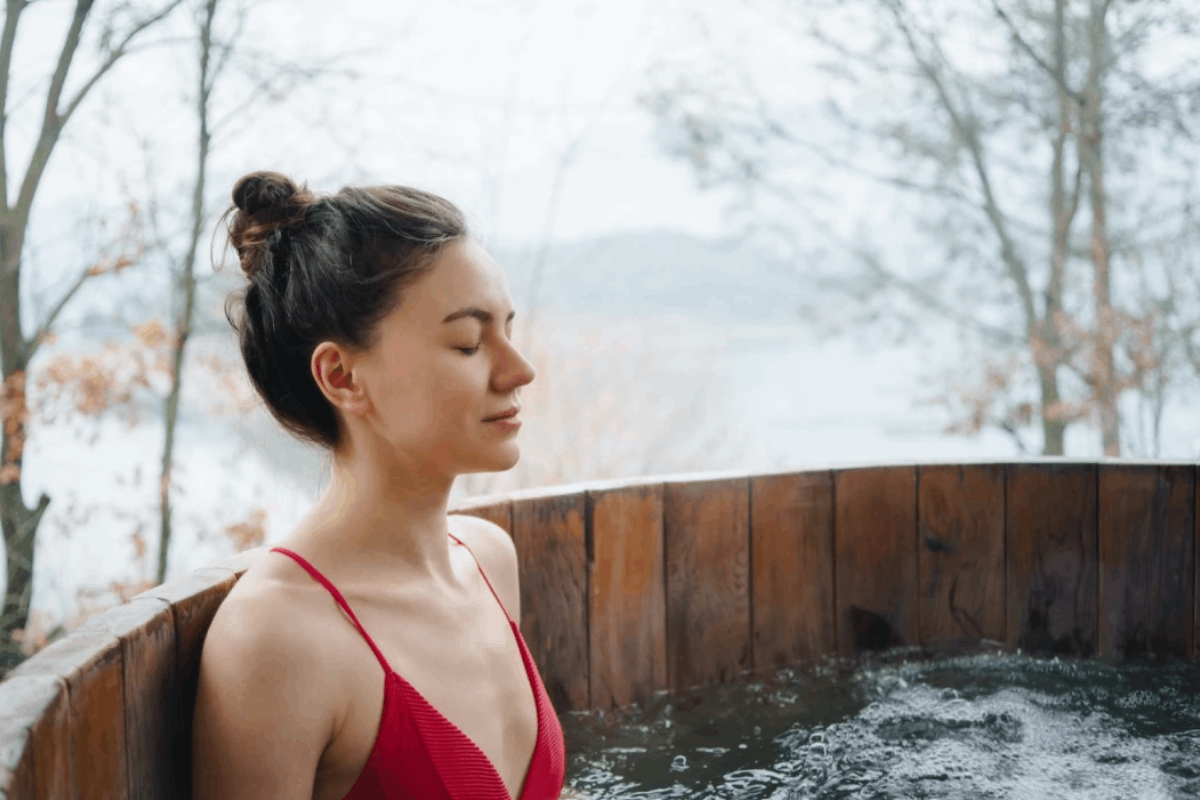
The 4 Elements: Scent as a Biological Trigger
The trend moves away from a single “sauna smell” toward a Dynamic Diffusion model. As guests move through the 4 Elements, the atmosphere changes, signaling the body to prepare for the next physiological phase.
1. Fire: Activation and Expansion
In the high-heat phase, trending protocols utilize “warm” oils like Black Pepper, Clove, or Ginger. These scents are vasodilation-supportive and psychologically warming. They encourage the deep, expansive breathing necessary to thrive in a 90°C environment. This olfactory layer acts as a catalyst for the “Fire” element, pushing the body toward its hormetic peak.
2. Water: The Cold-Shock Anchor
The transition to the cold plunge is the most challenging moment for the nervous system. Olfactory stacking uses “crisp” scents like Peppermint or Eucalyptus here. These oils contain menthol, which interacts with cold receptors (TRPM8) in the nasal passages, helping the brain “pre-cool” and stay calm during the initial shock of the water.
3. Air & Earth: Recovery and Grounding
As the circuit winds down, the trend shifts to Lavender, Frankincense, or Sandalwood. These scents are rich in terpenes that promote parasympathetic dominance. By the time the guest reaches the “Earth” phase, the scent profile is designed to lock in the recovery, lowering the heart rate and inducing a state of Post-Thermal Bliss.
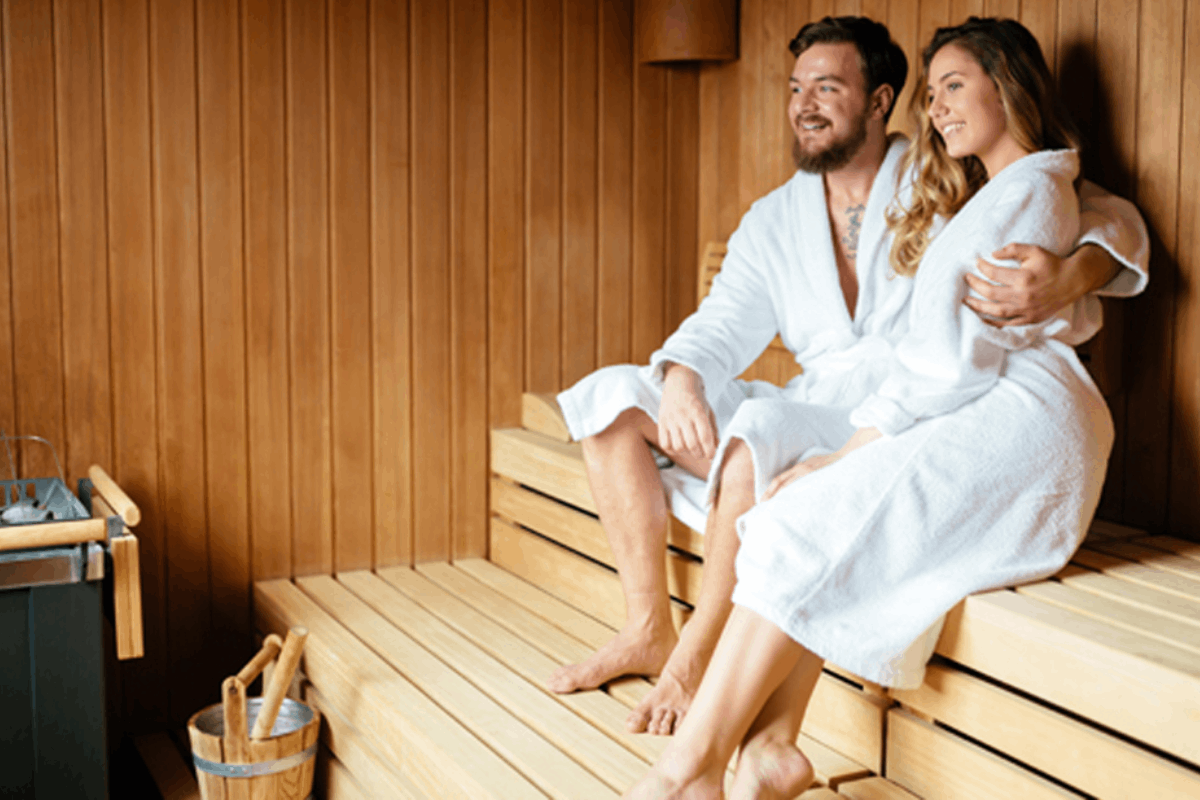
The Cedarwood Synergy: Nature’s Native Aromatherapy
A major insight for this trend is the role of Phytoncides —the natural essential oils found within Cedarwood. When a cedar sauna is heated, it releases cedrol, which has been clinically shown to reduce blood pressure and inhibit the sympathetic nervous system. In 2026, the trend is to use the natural cedar aroma as the “base note” of the circuit, layering elemental oils on top to create a complex, therapeutic bouquet that synthetic materials simply cannot support.
Scent Mastery at The Barnfield Suites
While many facilities use generic, chemical-based fragrances, The Barnfield Suites on Bowen Island has mastered the Elemental Scent Protocol. Their Cedarwood Elements circuit features a custom diffusion system that subtly shifts the aromatic profile to match the guest’s journey through Fire, Water, Air, and Earth.
By using 100% pure, therapeutic-grade oils that mirror the natural forest flora of Bowen Island, The Barnfield Suites ensures that the olfactory experience is as healing as the thermal one. This “Scent-Stacking” allows guests to create a powerful sensory memory—so that in the future, just the smell of cedar or peppermint can trigger the same state of deep calm achieved on the island.
Frequently Asked Questions (FAQ)
Q: What is “Olfactory Stacking” in contrast therapy?
A: It is the practice of pairing specific scents with the hot and cold phases of a circuit to trigger targeted neurological and hormonal responses.
Q: How does scent reach the brain so fast?
A: Molecules travel directly from the olfactory bulb to the limbic system, the part of the brain that controls emotions and the “fight-or-flight” response.
Q: Why is peppermint used for cold plunges?
A: Peppermint stimulates cold-sensitive receptors in the nose, which helps “prime” the brain for the cold and can improve respiratory capacity under stress.
Q: Can aromatherapy reduce the “pain” of the cold plunge?
A: Yes, certain scents like Frankincense can help lower the perception of stress, making the “bite” of the cold feel more like a refreshing reset.
Q: What is the benefit of “Fire” element scents?
A: Warming oils like Ginger or Black Pepper help psychologically “lean into” the heat, supporting the cardiovascular system’s expansion.
Q: Are the scents at The Barnfield Suites synthetic?
A: No, the “The Shift” trend emphasizes 100% natural, therapeutic-grade oils to avoid the endocrine-disrupting chemicals found in synthetic fragrances.
Q: What are Phytoncides?
A: They are natural wood oils, like those in cedar, that trees use to protect themselves. When humans inhale them, they significantly lower cortisol levels.
Q: Does scent help with “The Shift” into recovery?
A: Absolutely. Transitioning to “Earth” scents like Lavender signals the brain that the “danger” (the stressor) is over, facilitating a faster recovery.
Q: Can I choose my own “Element” scent?
A: In advanced protocols, guests can select a scent journey that aligns with their specific goals, such as “Deep Sleep” or “High Focus.”
Q: Why is the cedarwood sauna important for this?
A: Cedar provides a natural aromatic baseline that works in synergy with essential oils, whereas plastic or tile saunas offer no therapeutic scent profile.
Q: Can aromatherapy help with ADHD during contrast therapy?
A: Scent can help anchor focus. Citrus or Rosemary during the “Air” phase can help sharpen the cognitive clarity gained from the cold plunge.
Q: How does the “Dynamic Diffusion” system work?
A: It is a modern technology that adjusts the scent profile in the air based on the specific phase of the elemental circuit the guest is experiencing.
Q: Does scent affect heart rate?
A: Yes, clinical studies show that scents like Lavender can measurably slow the heart rate by increasing parasympathetic activity.
Q: Why is Bowen Island the best place for olfactory therapy?
A: The island itself is an olfactory sanctuary, filled with the scents of salt air, Douglas fir, and red cedar, which perfectly complement the indoor protocols.
Q: Is this safe for people with sensitivities?
A: Natural oils are generally better tolerated than synthetics, but sessions can be adjusted for those with specific olfactory sensitivities.
Q: What is “Sensory Anchoring”?
A: It is the psychological technique of associating a scent with a state of calm, so that the scent can later be used to trigger that calm on demand.
Q: Does scent help with the metabolic benefits?
A: While indirect, scents that reduce stress (cortisol) help the body stay in a “fat-burning” state rather than a “sugar-storing” stress state.
Q: What is the most grounding scent for the “Earth” element?
A: Sandalwood and Vetiver are the trending choices for 2026 due to their deep, earthy molecules that provide an immediate sense of stability.