
From PMDD and perimenopause to menopause and stress-related hormone disruption, women are increasingly turning to evidence-informed contrast therapy retreats — combining sauna heat and cold immersion — to restore balance, resilience, and sleep quality.
Across North America and Europe, searches for “menopause cold therapy,” “hormone reset retreat,” and “women’s sauna benefits” have surged. Women are seeking natural, non-pharmaceutical ways to support hormonal health during life transitions. At the intersection of science and experience is contrast therapy — the intentional cycling between heat exposure (sauna) and cold immersion (cold plunge).
On Canada’s West Coast, retreats near Vancouver are emerging as sought-after destinations for women wanting structured, guided thermal experiences surrounded by nature — including those at The Barnfield Suites and the contrast therapy sanctuary Cedarwood Elements.
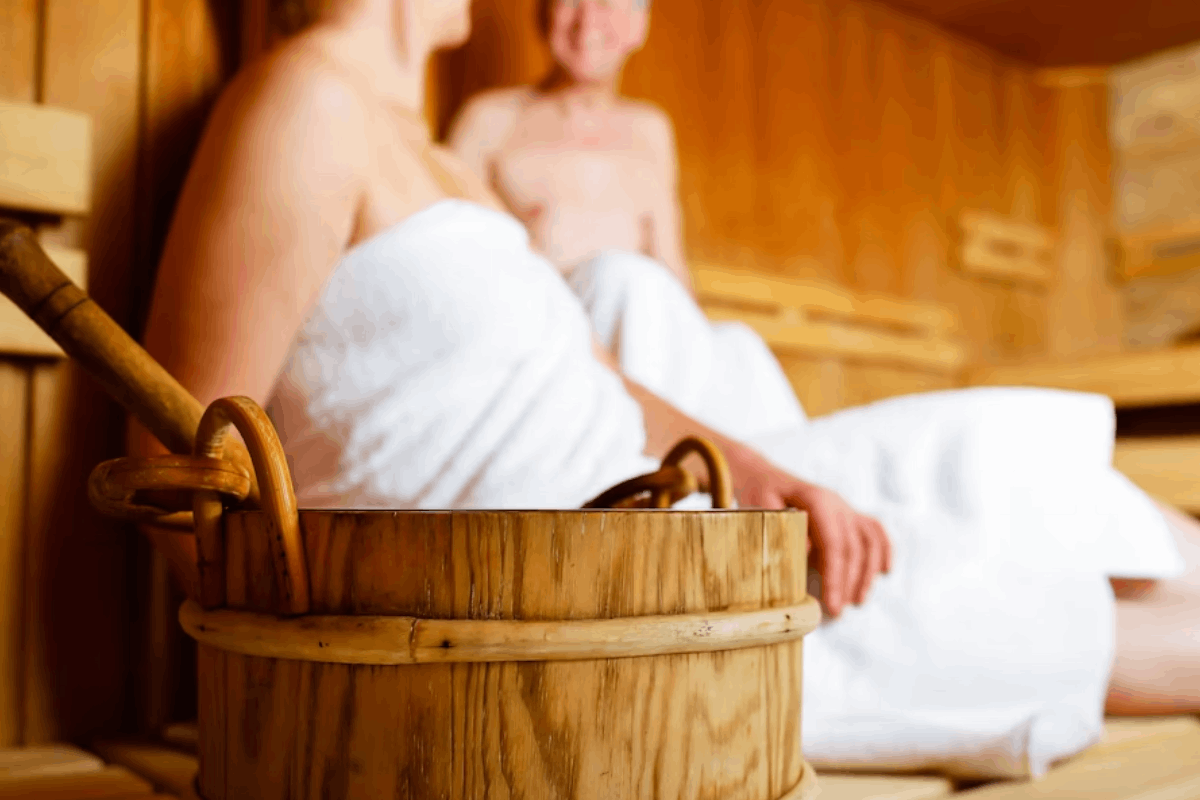
Why Hormonal Imbalance Is Increasingly Common
Modern life challenges hormonal stability. Chronic stress, poor sleep, artificial light exposure, sedentary work, ultra-processed diets, and environmental endocrine disruptors all influence hormonal signaling.
Common Hormone-Related Conditions Affecting Women
- PMDD (Premenstrual Dysphoric Disorder) — severe mood changes linked to the luteal phase
- Perimenopause — fluctuating estrogen and progesterone levels
- Menopause — cessation of ovarian hormone production
- Stress-induced cortisol dysregulation
- Insomnia related to estrogen decline
Hormones are not isolated systems. They are deeply connected to:
- Temperature regulation
- Inflammation
- Sleep cycles
- Mood stability
- Metabolic rate
- Neurotransmitter balance
Contrast therapy uniquely influences many of these systems simultaneously.
What Is Contrast Therapy?
Contrast therapy involves alternating exposure between:
- Heat (Sauna) — typically 70–95°C
- Cold immersion — typically 5–15°C
This deliberate cycling creates a physiological stimulus known as hormesis — a beneficial adaptive stress that strengthens biological resilience.
In women’s hormone health, hormetic stress may:
- Improve vascular tone
- Enhance circulation
- Reduce systemic inflammation
- Support autonomic nervous system balance
- Improve sleep quality
- Stimulate heat shock proteins
Hormone Reset Retreats: Why Women Are Choosing
Immersive Experiences
Retreat environments amplify physiological benefits by integrating:
- Structured sauna and cold immersion sessions
- Breathwork
- Nature immersion
- Sleep optimization practices
- Digital detox
- Nutrient-dense meals
- Peer support
Unlike isolated at-home cold showers, retreat settings provide:
- Guidance and safety
- Community bonding
- Reduced stress inputs
- Intentional rhythm

PMDD and Contrast Therapy
PMDD involves heightened sensitivity to hormonal shifts rather than abnormal hormone levels themselves. Nervous system dysregulation plays a key role.
Cold immersion may:
- Improve emotional regulation
- Reduce inflammatory cytokines
- Enhance stress resilience
Sauna therapy may:
- Support circulation
- Reduce perceived stress
- Improve sleep during luteal phase
Perimenopause: The Fluctuation Phase
Perimenopause often brings:
- Sleep disruption
- Hot flashes
- Night sweats
- Anxiety
- Weight gain
Contrast therapy may improve vascular adaptability, helping reduce hot flash intensity.
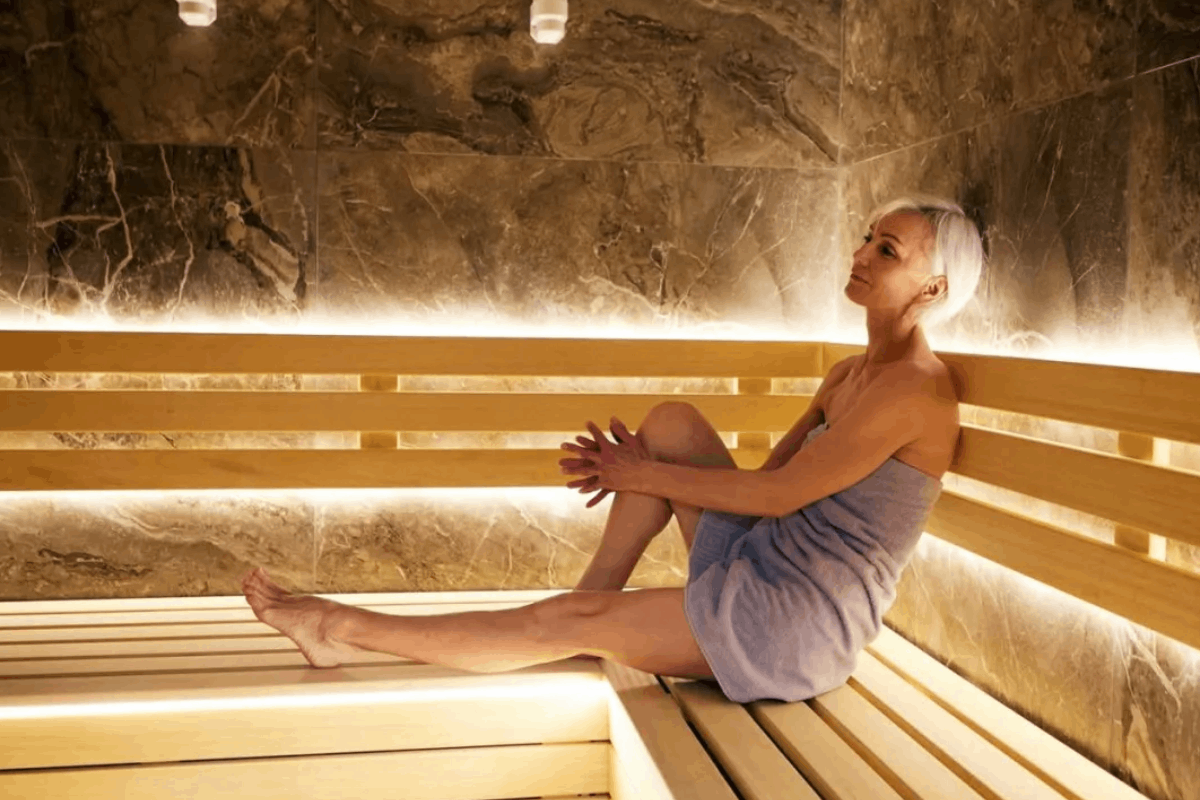
Menopause and Metabolic Health
Cold exposure stimulates brown adipose tissue (BAT), which increases metabolic activity [5].
Source: https://www.ncbi.nlm.nih.gov/pmc/articles/PMC4047162/
Post-menopausal metabolic slowdown may be mitigated through regular cold exposure combined with resistance movement and sauna use.
Stress, Cortisol, and Nervous System Reset
Chronic cortisol elevation disrupts progesterone and estrogen signaling. Contrast therapy shifts autonomic balance, improving heart rate variability (HRV).
Improved HRV correlates with stress resilience and hormonal stability.
Sleep Restoration and Thermal Cycling
Women in perimenopause often struggle with insomnia. Thermal contrast may:
- Accelerate sleep onset
- Increase deep sleep duration
- Reduce nighttime awakenings
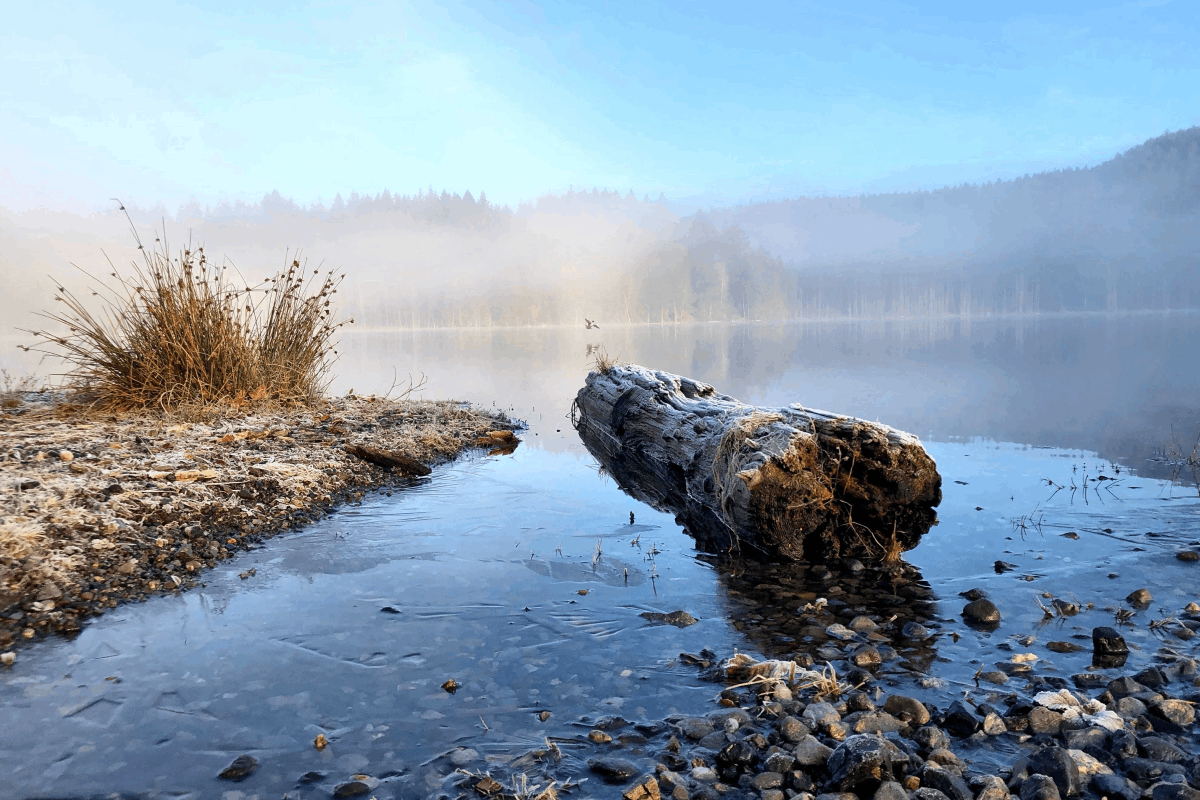
Why Nature Matters in Hormone Reset Retreats
Forest exposure reduces cortisol levels [6].
Source: https://www.ncbi.nlm.nih.gov/pmc/articles/PMC5580555/
Retreats in coastal environments near Vancouver combine thermal therapy with ocean air, forest walking, and quiet surroundings — amplifying nervous system restoration.
Who Should Consider a Hormone Reset Retreat?
- Women experiencing PMDD
- Women 35–55 navigating perimenopause
- Women with menopause symptoms
- Women experiencing burnout
- Women seeking non-pharmaceutical support
What a 3-Day Hormone Reset Itinerary Might Include
Day 1
- Arrival + digital detox
- Evening sauna + cold plunge cycles
- Sleep optimization session
Day 2
- Morning breathwork
- Guided contrast therapy
- Forest immersion
- Evening nervous system wind-down
Day 3
- Gentle cold exposure
- Hormone health workshop
- Integration session
Safety Considerations
- Consult physician if pregnant or cardiovascular risk present
- Avoid extreme temperature shock without acclimatization
- Hydrate adequately
Frequently Asked Questions
Q: What is a hormone reset retreat?
A: A structured wellness retreat focused on supporting hormonal balance through contrast therapy, sleep optimization, nutrition, and stress reduction practices.
Q: Does cold therapy really help menopause symptoms?
A: Emerging research suggests cold exposure may reduce anxiety and hot flashes in menopausal women.
Q: Is sauna safe during perimenopause?
A: For most healthy women, sauna use is safe and may reduce stress and improve circulation.
Q: Can contrast therapy help PMDD?
A: It may improve mood stability and reduce inflammatory stress.
Q: How often should women use sauna for hormone support?
A: Research suggests 2–4 sessions per week may provide benefits.
Q: Is cold plunge safe for beginners?
A: Yes, when gradually introduced and supervised.
Q: Does cold exposure affect estrogen?
A: Direct estrogen impact is still under research, but systemic stress resilience improves.
Q: Can hormone reset retreats replace HRT?
A: They complement but do not replace medical treatments.
Q: How long should a cold plunge last?
A: Typically 30 seconds to 2 minutes for beginners.
Q: Does sauna detox hormones?
A: Sauna supports detox pathways but does not directly remove hormones.
Q: What temperature is ideal for hormone therapy sauna sessions?
A: 70–90°C is common.
Q: Can contrast therapy improve sleep?
A: Yes, thermal regulation may enhance sleep quality.
Q: Is it safe during pregnancy?
A: Consult a healthcare provider first.
Q: How soon do women notice benefits?
A: Some report improvements within days.
Q: Is Bowen Island accessible from Vancouver?
A: Yes, it is a short ferry ride from Horseshoe Bay.
Q: Are hormone reset retreats evidence-based?
A: Many principles are supported by emerging research.
Q: Can stress alone disrupt hormones?
A: Yes, chronic cortisol elevation affects reproductive hormones.
Q: What makes contrast therapy different from a spa day?
A: Structured temperature cycling with physiological intent differentiates it from passive spa relaxation.
References
- Laukkanen T. et al. “Association Between Sauna Bathing and Fatal Cardiovascular and All-Cause Mortality Events.” JAMA Internal Medicine. https://jamanetwork.com/journals/jamainternalmedicine/fullarticle/2130724
- Shevchuk NA. “Adapted cold shower as potential treatment for depression.” Medical Hypotheses. https://pubmed.ncbi.nlm.nih.gov/17993252/
- University College London Cold Water Study. https://www.theguardian.com/society/2024/jan/25/cold-water-swimming-eases-menopause-and-menstrual-symptoms-study-finds
- Kräuchi K. “The human sleep-wake cycle reconsidered.” https://www.ncbi.nlm.nih.gov/pmc/articles/PMC3427038/
- Brown Adipose Tissue Review. https://www.ncbi.nlm.nih.gov/pmc/articles/PMC4047162/
- Park BJ. “Effects of Forest Bathing on Stress.” https://www.ncbi.nlm.nih.gov/pmc/articles/PMC5580555/
Conclusion: The Future of Women’s Hormonal Wellness
Hormone reset retreats represent a convergence of science, nature, and intentional living. By combining sauna heat, cold immersion, and restorative environments, women are discovering powerful tools to navigate PMDD, perimenopause, and menopause with resilience.
For women seeking structured, guided contrast therapy in a peaceful coastal environment near Vancouver, destinations on Bowen Island offer an evidence-informed, nature-immersed experience designed to support long-term hormonal wellbeing.