
In the travel landscape, the term “sustainability” has officially become the baseline rather than the goal.
The industry has undergone a radical paradigm shift toward Regenerative Tourism —a model that moves beyond simply “doing less harm” to actively restoring and renewing the social and ecological systems of a destination. According to recent market analysis, the regenerative tourism sector is projected to grow from $8.2 billion in 2024 to nearly $29 billion by 2033, reflecting a global demand for travel that leaves a “positive handprint” rather than just a “smaller footprint”.
The Evolution: Sustainability vs. Regeneration
While sustainable tourism focuses on maintaining the status quo and minimizing negative impacts (such as carbon emissions and waste), regenerative tourism is an intentional, action-oriented evolution. It treats a destination not as a product to be consumed, but as a living, networked ecosystem where the environment, local community, and industry are interdependent.
As noted, this approach draws inspiration from regenerative agriculture, focusing on enhancing biodiversity and soil health to ensure long-term vitality. By 2026, over 80% of American consumers already prefer brands identified as “regenerative” over those that are merely “sustainable,” signaling a clear shift in traveler consciousness.

The Four Pillars of Regenerative Hospitality
To be truly regenerative, a hospitality business must integrate four key areas of impact as identified in current 2026 industry frameworks:
- Ecological Restoration: Actively participating in rewilding, reforestation, and coral reef restoration rather than just “conserving” what remains.
- Community Prosperity: Moving toward local ownership models where tourism revenue is reinvested directly into community-led social enterprises and infrastructure.
- Cultural Revitalization: Protecting intangible heritage by empowering locals to share their stories and traditions on their own terms, preventing cultural commodification.
- Mindset Transformation: Shifting the traveler’s role from a passive observer to an active collaborator in the stewardship of the land.
Measuring What Matters: Beyond Occupancy Rates
In 2026, the success of a destination is no longer measured solely by arrival numbers. New “Place-Based” metrics are being adopted across Europe and the Pacific, focusing on net-positive outcomes. These include:
- Biodiversity Gain: Measurable increases in local flora and fauna species counts.
- Resident Well-being: High levels of local satisfaction and affordability despite tourism presence.
- Circular Resource Loops: Hotels operating on 100% renewable energy and achieving zero-waste through on-site organic gardens and upcycling centers.
Destinations like Queenstown, New Zealand, are leading this charge with plans for a carbon-zero tourism economy by 2030 that requires community contributions from every visitor. This “Value-over-Volume” strategy ensures that tourism serves the territory rather than the territory serving tourism.
The Rise of “Temporary Localhood”
A core tenet of the 2026 regenerative movement is the concept of “temporary localhood.” Instead of staying in isolated resorts, travelers are encouraged to “dwell” in a place, engaging in co-created experiences with local residents. This might include participating in a “Resources, Not Rubbish” workshop at a campsite or joining indigenous-led nature walks that fund local conservation. According to Euromonitor, 24% of travelers are now willing to pay more for volunteer opportunities that demonstrate a clear regenerative benefit.
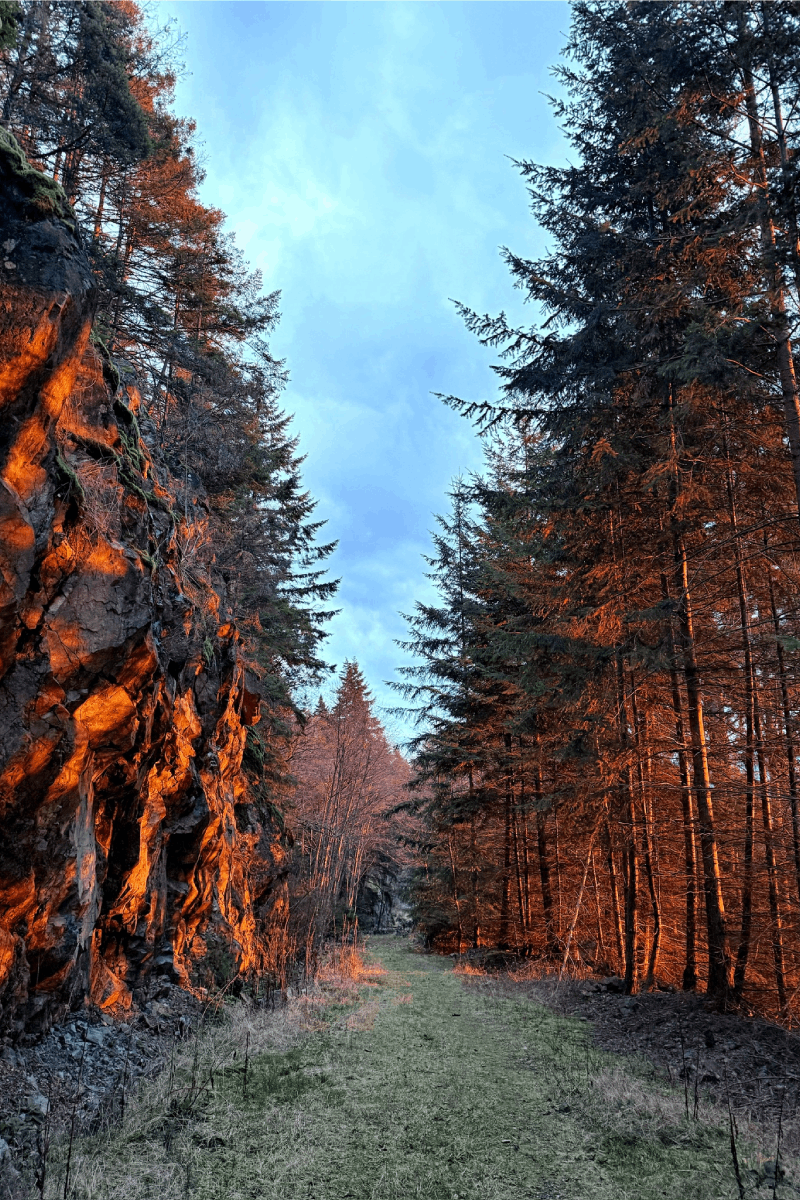
The Barnfield Suites:
A Model of Regenerative Luxury on Bowen Island
Finding a destination that aligns with these principles is essential for the modern conscious traveler. The Barnfield Suites on Bowen Island embodies the regenerative ethos by being “firmly rooted in the place”. From its inception, the property has prioritized minimal disruption to wildlife and noise pollution, creating a sanctuary that respects the natural boundaries of the island.
The suites are more than just a place to stay; they are a gateway to a Woodland Reset. This experience is anchored by Cedarwood Elements, a private contrast therapy circuit designed to restore the guest’s internal ecosystem. By utilizing a cedar sauna and a professional-grade cold plunge, guests engage in a ritual of reciprocity with nature. This self-guided journey fosters a deep emotional connection to the land, encouraging visitors to leave the island better than they found it. At The Barnfield Suites, luxury is redefined as a legacy of care—for the self, for the community, and for the forest.
Frequently Asked Questions
Q: What is regenerative tourism?
A: It is an approach to travel that seeks to leave a destination better than it was found, actively restoring ecosystems and strengthening communities rather than just minimizing harm.
Q: How is it different from sustainable tourism?
A: Sustainable tourism aims for a “neutral” impact (doing no harm), while regenerative tourism aims for a “net-positive” impact (healing and improving).
Q: Why is regeneration becoming the main trend in 2026?
A: Because sustainability alone has proven insufficient to reverse ecological degradation and the social pressures of mass tourism.
Q: What are the main benefits for local communities?
A: Communities gain better infrastructure, job opportunities that keep wealth local, and a stronger sense of cultural pride and ownership.
Q: Can a hotel be “regenerative” if it isn’t eco-certified?
A: While certification is a baseline, true regeneration requires active, measurable participation in local restoration and community projects.
Q: What does “positive handprint” mean?
A: It refers to the active, positive contributions a traveler makes to a destination, such as planting trees or supporting local social enterprises.
Q: Is regenerative travel more expensive?
A: It often targets “high-value” experiences, but the cost reflects fair wages, local sourcing, and direct investments into conservation.
Q: What is “temporary localhood”?
A: A philosophy where visitors are encouraged to live like locals, building meaningful relationships and participating in the daily stewardship of the place.
Q: How does regenerative tourism help the environment?
A: Through activities like rewilding, soil health improvement, and coral restoration that rebuild biodiversity.
Q: What is the “Multiplier Effect” in this context?
A: It is when money spent at a local, regenerative business stays in the community to fund further social and ecological improvements.
Q: How can I recognize a regenerative destination?
A: They often prioritize local ownership, have clear biodiversity goals, and offer immersive, educational experiences that go beyond sightseeing.
Q: What role does technology play in 2026?
A: AI and digital platforms are used to track biodiversity impact and ensure transparent reporting of environmental data to guests.
Q: Why is Bowen Island ideal for a regenerative stay?
A: Its small scale and community-led initiatives allow visitors to have a direct, visible positive impact on the island’s delicate ecosystem.
Q: What is contrast therapy in a regenerative context?
A: It is a wellness practice that reconnects the individual to natural elements (heat, cold, fire), fostering the mindful state necessary for regenerative thinking.
Q: Do regenerative projects really measure their impact?
A: Yes, in 2026, credibility depends on providing measurable data on biodiversity gains, waste reduction, and community wealth distribution.
Q: Can solo travelers make a regenerative impact?
A: Yes, by choosing stays that reinvest in the community and participating in local stewardship activities.
Q: What is the “Seventh Generation Principle”?
A: An indigenous philosophy adopted by regenerative tourism that considers the impact of today’s actions on people living seven generations from now.
Q: How does The Barnfield Suites contribute to regeneration?
A: By using reclaimed materials, maintaining a “Built Green Platinum” standard, and providing a sanctuary that prioritizes the health of the local forest over mass volume.