

Across cultures and centuries, men have instinctively sought challenge to build strength—not only physically, but psychologically. Today, modern science is rediscovering one of the most powerful and accessible tools for mental resilience: cold immersion or cold therapy.
Cold water immersion, also known as cold plunging or cold exposure, is rapidly gaining recognition as one of the most effective natural interventions for improving mental health, emotional regulation, and psychological resilience. From elite athletes to military operators, executives, and men navigating burnout, depression, and anxiety, cold exposure is emerging as a cornerstone therapy for restoring emotional balance and nervous system strength.
Unlike passive treatments, cold immersion activates deep biological systems responsible for stress adaptation, emotional stability, neurotransmitter balance, and long-term mental resilience.
At recovery environments such as Cedarwood Elements on Bowen Island, structured cold immersion experiences combined with sauna contrast therapy, nature immersion, and nervous system recovery provide powerful pathways for men seeking clarity, strength, and emotional reset.
This article explores the neuroscience, physiology, psychology, and real-world impact of cold immersion on men’s mental health, and explains why this ancient practice is becoming one of the most important mental health tools of the modern era.
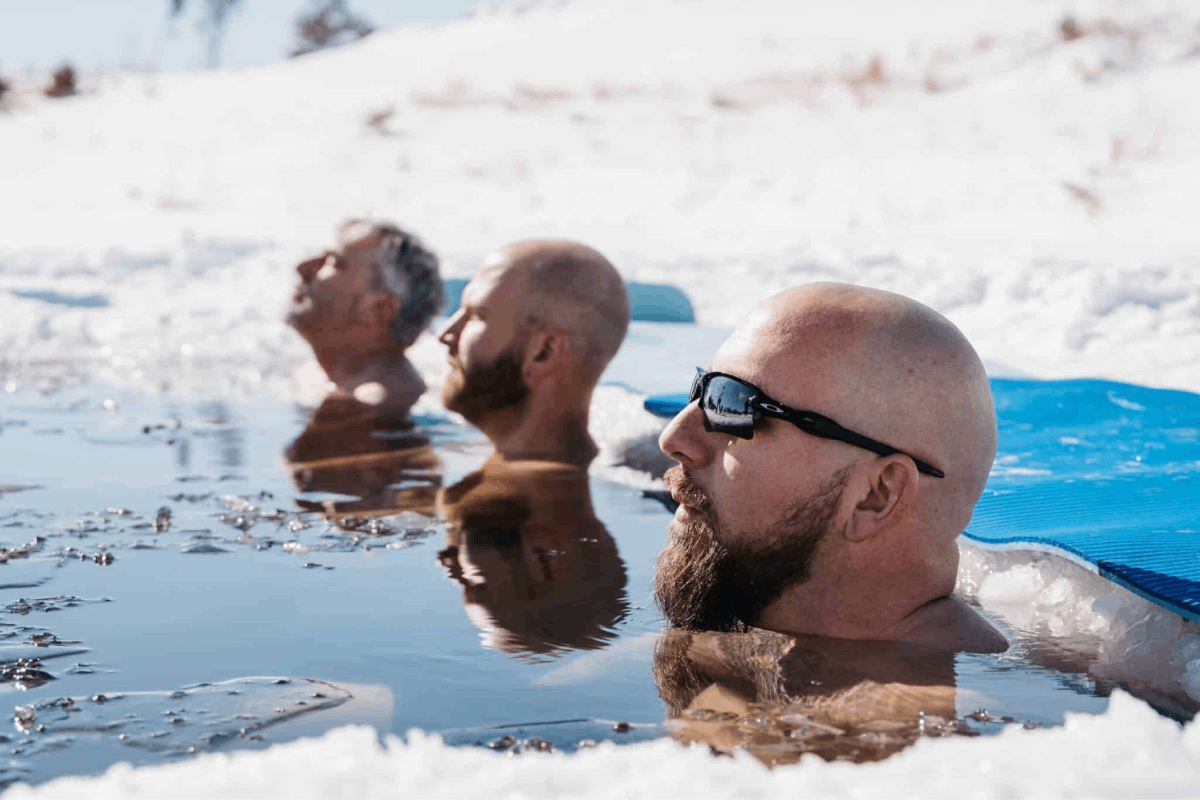
The Modern Male Mental Health Crisis
Men today face unprecedented psychological stressors. Chronic work pressure, social isolation, digital overstimulation, financial stress, and reduced physical activity contribute to rising rates of anxiety, depression, burnout, and emotional dysregulation.
Men are also less likely to seek traditional mental health treatment, making physiological interventions like cold immersion particularly valuable.
Common mental health challenges affecting men include:
- Chronic stress
- Anxiety
- Depression
- Emotional numbness
- Burnout
- Poor sleep
- Low motivation
- Brain fog
These challenges are often rooted in nervous system dysregulation, neurotransmitter imbalance, and chronic cortisol elevation.
Cold immersion directly targets these underlying mechanisms.
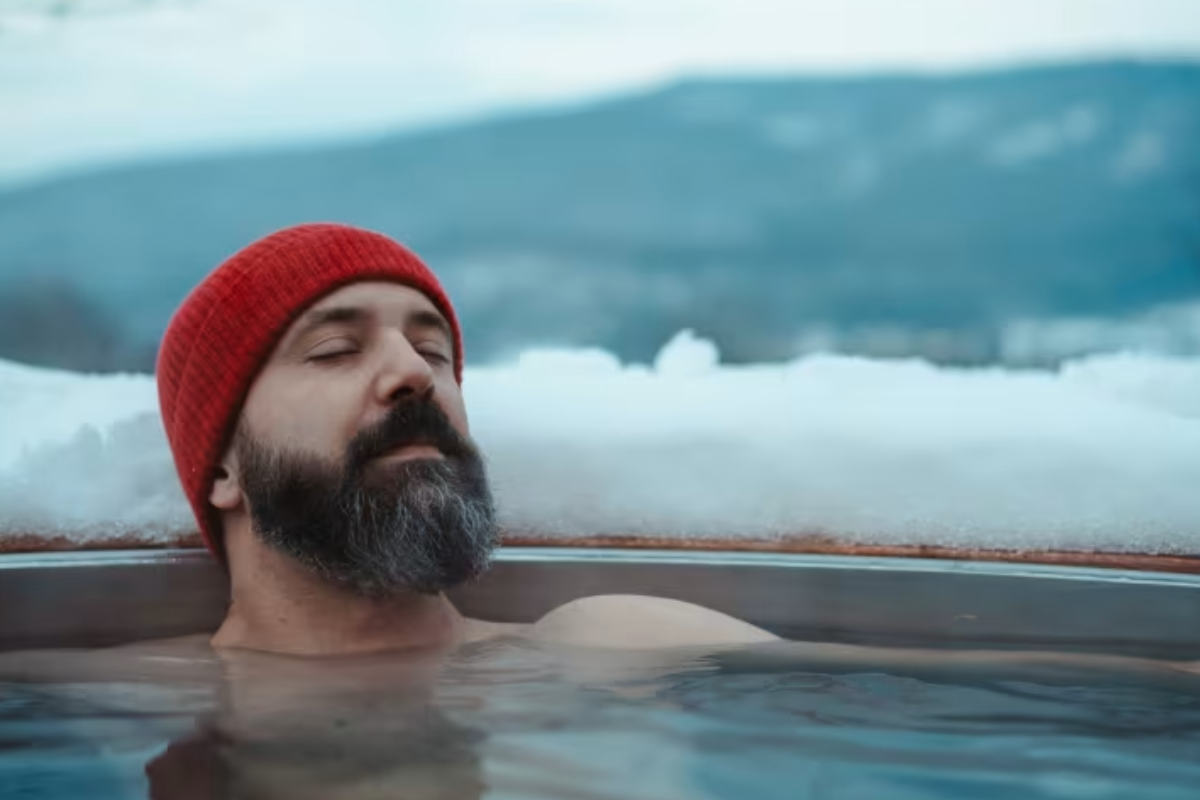
Understanding Hormesis:
How Stress Makes You Stronger
Cold immersion works through a biological principle called hormesis.
Hormesis refers to the process by which short, controlled stress exposure strengthens the body’s resilience to future stress.
Examples include:
- Exercise strengthening muscle
- Fasting improving metabolic health
- Cold exposure improving nervous system resilience
When the body encounters cold water, it activates adaptive stress response systems.
These systems strengthen both physiological and psychological resilience.
This process improves emotional regulation and mental stability.
Cold Immersion and Neurotransmitter Activation
Norepinephrine: The Brain’s Alertness and Focus Neurotransmitter
Cold immersion dramatically increases norepinephrine levels.
Norepinephrine improves:
- Focus
- Alertness
- Emotional stability
- Motivation
Studies show cold exposure can increase norepinephrine levels by up to 530%.
This increase improves mood and cognitive clarity.
Dopamine: Motivation and Reward
Cold immersion also increases dopamine.
Dopamine supports:
- Motivation
- Drive
- Emotional engagement
- Positive outlook
Research shows dopamine levels can increase by up to 250% following cold immersion.
These effects can last for hours.
Endorphins: Natural Antidepressants
Cold immersion stimulates endorphin release.
Endorphins improve mood and reduce emotional distress.
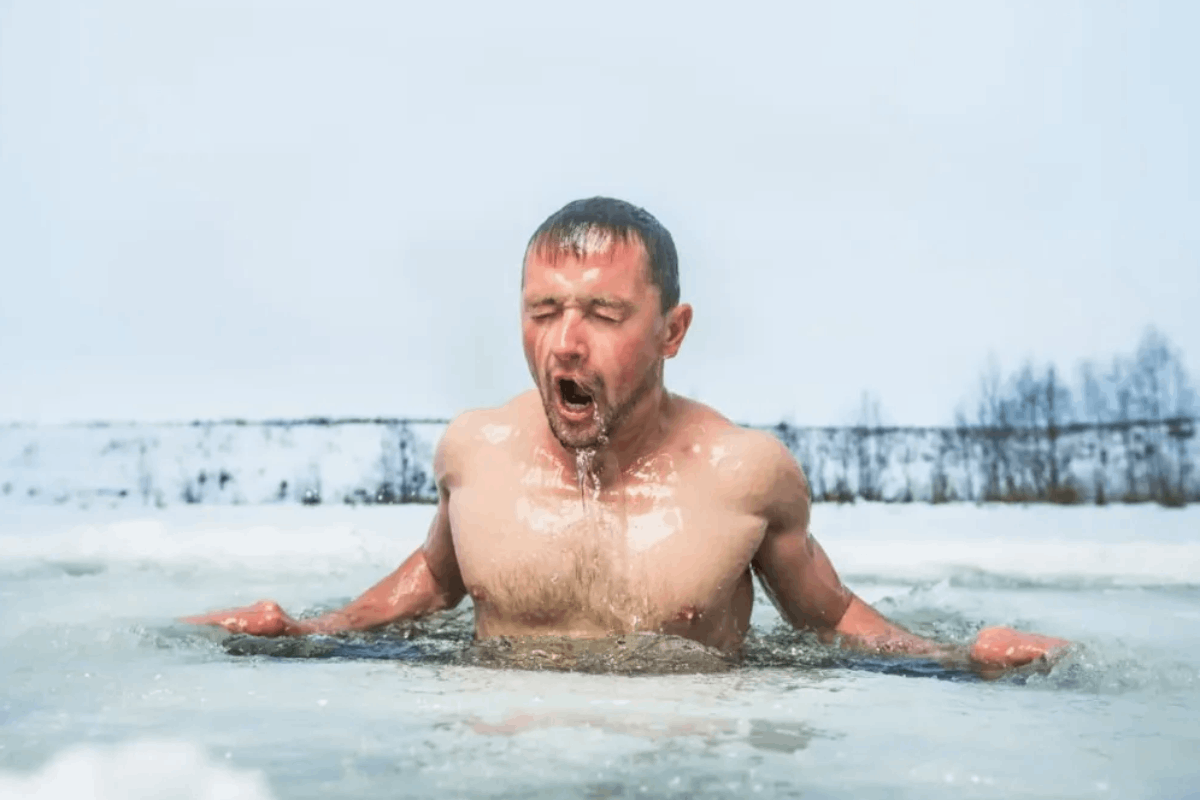
Cold Immersion Reduces Chronic Stress and Cortisol
Chronic cortisol elevation is one of the primary drivers of anxiety and depression.
Cold immersion helps regulate cortisol levels.
It improves the body’s ability to return to baseline after stress.
This improves emotional stability.
Cold Immersion Improves Nervous System Regulation
The nervous system has two primary branches:
- Sympathetic (fight-or-flight)
- Parasympathetic (rest-and-recover)
Many men remain stuck in chronic sympathetic activation.
This leads to anxiety, irritability, and emotional instability.
Cold immersion activates both systems and improves flexibility.
This improves nervous system balance.
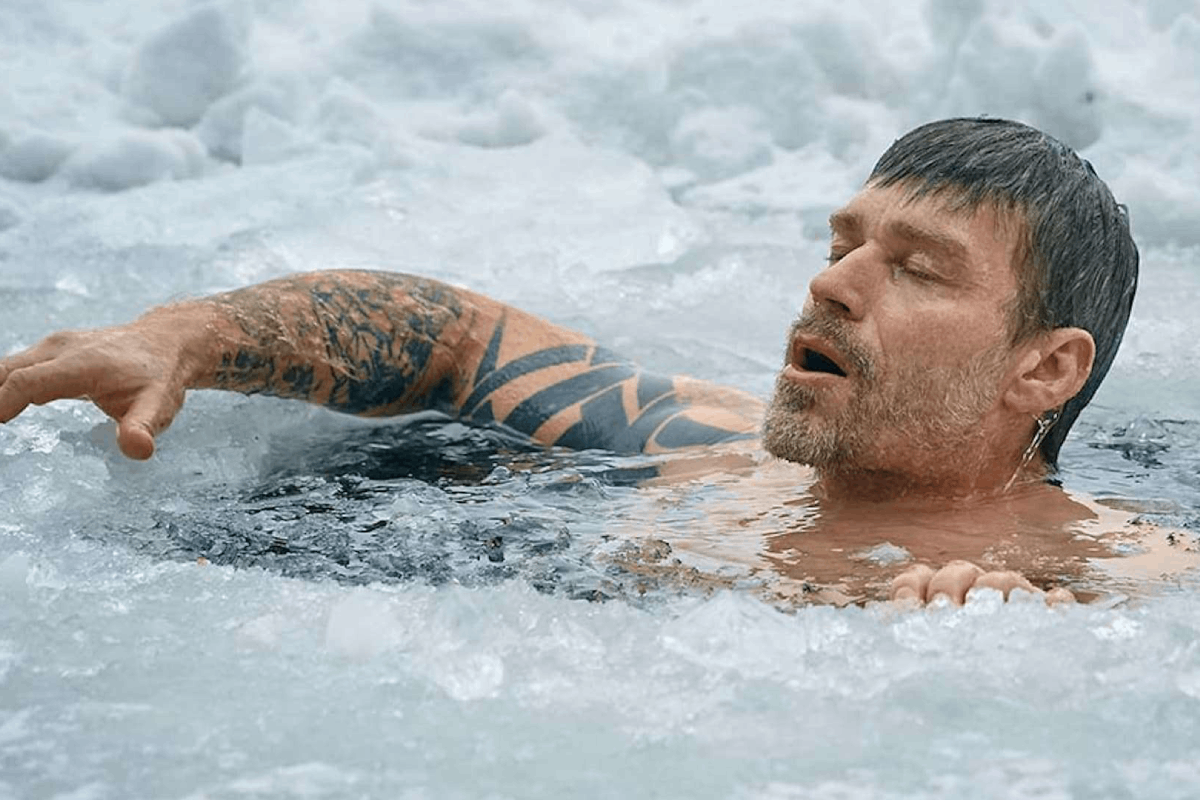
Emotional Resilience Through Voluntary Discomfort
Cold immersion teaches the brain that stress is survivable.
This builds emotional resilience.
Men who practice cold immersion regularly develop greater emotional tolerance.
This improves psychological strength.
Cold Immersion and Depression: Scientific Evidence
Research shows cold exposure can significantly improve depressive symptoms.
Mechanisms include:
- Improved neurotransmitter balance
- Improved nervous system regulation
- Reduced inflammation
- Improved sleep
Inflammation is strongly linked to depression.
Cold immersion reduces inflammatory signaling.
Cold Immersion Improves Sleep Quality
Sleep disruption worsens mental health.
Cold immersion improves sleep quality.
This improves emotional stability.
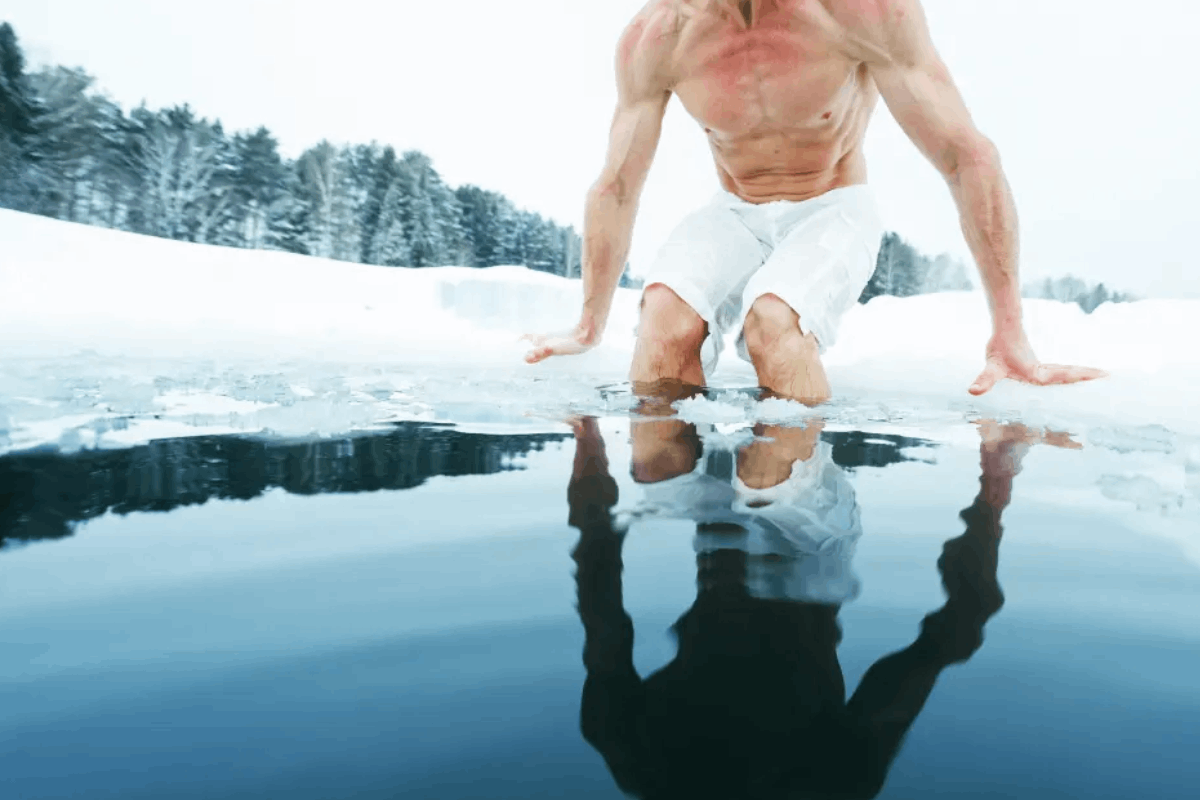
Cold Immersion and Testosterone
Chronic stress reduces testosterone.
Cold immersion reduces stress.
This supports hormonal health.
Improved testosterone supports mental well-being.
The Psychological Impact of Cold Mastery
Cold immersion builds confidence.
Each session reinforces psychological strength.
This improves self-efficacy.
Nature Amplifies Mental Health Benefits
Cold immersion in natural environments enhances recovery.
Bowen Island provides ideal conditions.
Natural environments reduce cortisol.
Contrast Therapy Enhances Cold Immersion Benefits
Alternating sauna and cold immersion improves nervous system regulation.
This accelerates recovery.
Sample Mental Health Cold Immersion Protocol
- Start with 30 seconds cold exposure
- Gradually increase to 2–3 minutes
- Repeat regularly
Stories of Transformation
Many men report improved emotional stability.
Improved confidence.
Improved clarity.
Why Retreat Environments Accelerate Mental Health Recovery
Retreat environments remove stressors.
This accelerates recovery.
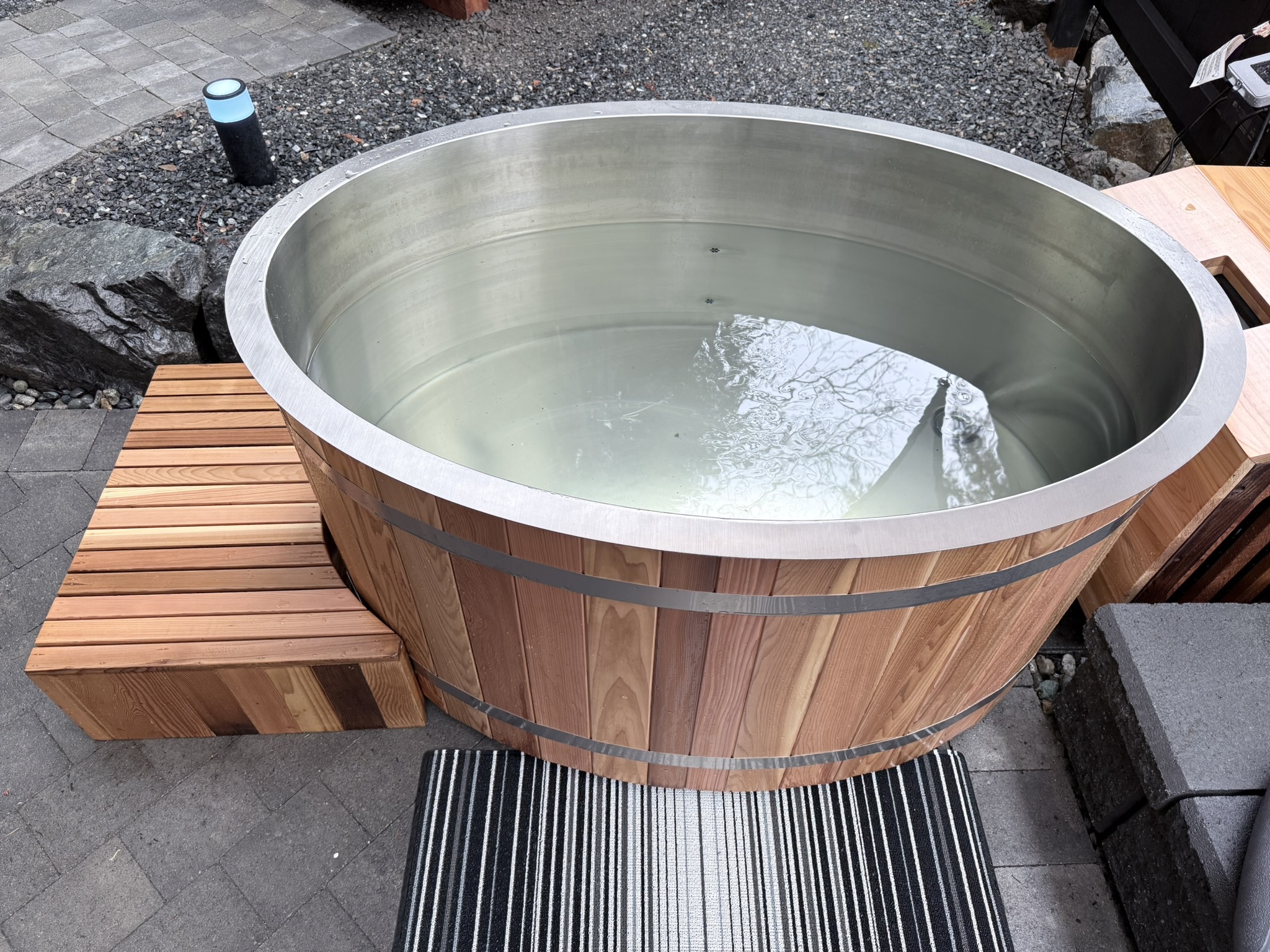
Conclusion: Cold Immersion Is One of the Most Powerful Tools for Men’s Mental Health
Cold immersion strengthens the nervous system.
It improves neurotransmitter balance.
It improves emotional resilience.
It improves mental clarity.
It provides a powerful pathway to psychological strength.
Frequently Asked Questions
Q: Can cold water immersion help with depression?
A: Yes. Research suggests that cold water immersion can alleviate depressive symptoms by triggering a significant release of dopamine and norepinephrine. It also stimulates the vagus
nerve, which helps regulate the nervous system and improves overall emotional resilience.
Q: How often should you do cold plunging for the best results?
A: For most people, a frequency of 3–5 times per week is the “sweet spot” for metabolic and mental health benefits. Consistency is key to help the body adapt and maintain lower systemic
inflammation levels.
Q: Is cold water therapy safe for everyone?
A: Cold immersion is generally safe when practiced gradually, but it does cause an immediate spike in heart rate and blood pressure. It is crucial to consult a doctor if you have cardiovascular
issues and to always have a spotter if you are new to the practice.
Q: Does taking a cold plunge help reduce anxiety?
A: Yes. Exposure to cold water forces the body into a “stress-shaping” mode, teaching your brain to remain calm under physical intensity. This practice can lower cortisol levels and
help manage the physiological symptoms of anxiety.
Q: Will cold immersion improve the quality of my sleep?
A: Many users report deeper sleep after cold therapy. While the plunge itself is a stimulant, the subsequent drop in core body temperature signals to your brain that it’s time to rest,
often leading to a more restorative REM cycle.
Q: How long should a cold immersion session last?
A: You don’t need to stay in long to see results; 1–3 minutes is usually sufficient to trigger the desired hormonal response. Focus on controlled breathing rather than staying in until
you are numb.
Q: Is cold water immersion difficult to start?
A: The first 30 seconds are the most challenging due to the “cold shock response.” However, with regular practice, your body undergoes thermal adaptation, making the experience much
more manageable and even invigorating.
Q: Do the health benefits of cold therapy increase over time?
A: Yes. Long-term practitioners often see cumulative improvements in immune function, metabolic rate, and insulin sensitivity. Your body becomes more efficient at “non-shivering thermogenesis”
the more often you do it.
Q: How effective is cold immersion for physical and mental recovery?
A: It is considered extremely effective for reducing muscle soreness (DOMS) and boosting mental clarity. By constricting blood vessels and then dilating them, it flushes metabolic waste
and floods the system with fresh, oxygenated blood.
Q: Is cold immersion worth the effort?
A: Given the low cost and high impact on mood, focus, and physical recovery, cold immersion is widely considered one of the most effective biohacking tools available for improving daily
quality of life.