
Sleep is the most powerful recovery tool available to the human body. Every major system—neurological, hormonal, metabolic, cardiovascular, and immune—depends on deep, uninterrupted sleep to function optimally. Yet modern life systematically disrupts sleep through artificial light, chronic stress, technology exposure, and nervous system overstimulation.
Elite athletes, Olympic competitors, and high-performance professionals understand that sleep is not passive—it is actively engineered. Using structured protocols involving sauna exposure, cold immersion, nervous system regulation, circadian rhythm alignment, and natural environmental cues, they dramatically improve deep sleep, recovery speed, cognitive clarity, and long-term health.
At The Barnfield Suites on Bowen Island, combined with structured contrast therapy at Cedarwood Elements, guests experience one of the most powerful natural sleep optimization environments available anywhere near Vancouver.
This guide explains the science behind sleep biohacking and provides a complete evidence-based routine modeled after protocols used by elite performers.
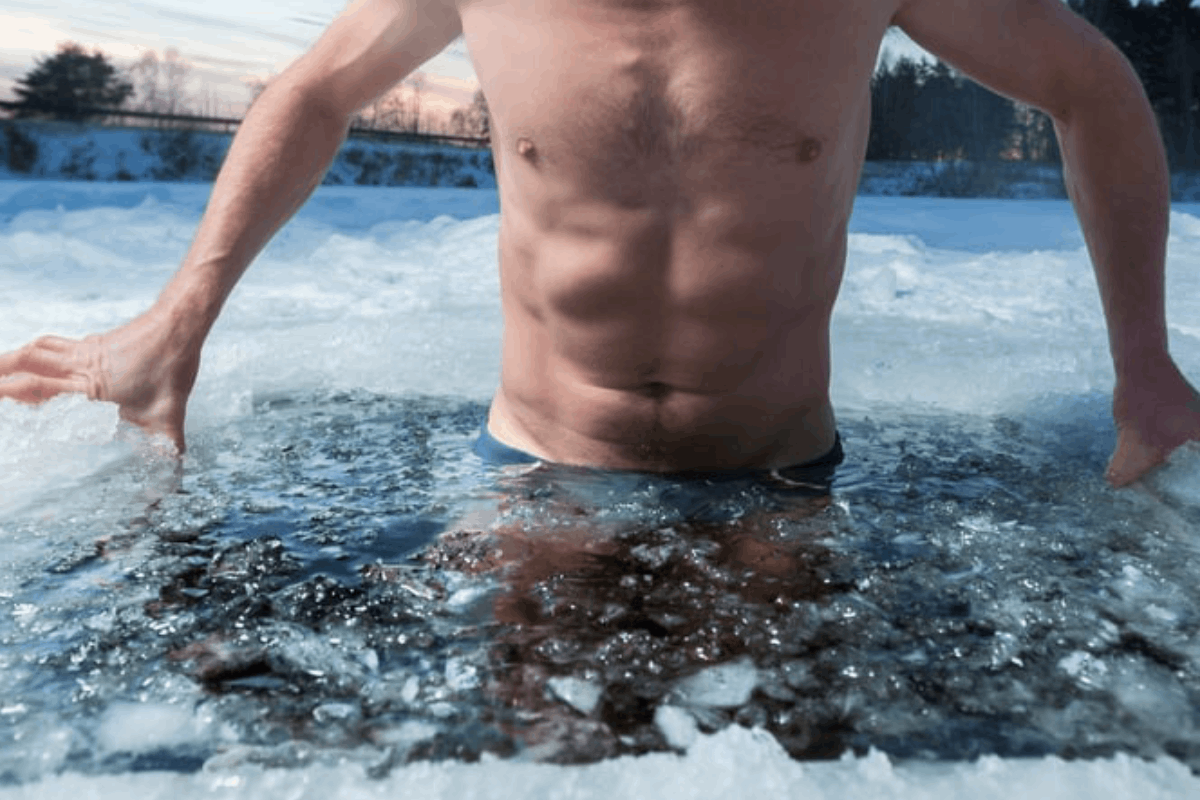
Why Sleep Is the Foundation of All Human Performance
Sleep governs virtually every biological system. During deep sleep, the body performs critical repair and regulatory functions that cannot occur during waking hours.
During deep sleep, the body:
- Repairs muscle tissue
- Regulates hormones including testosterone and growth hormone
- Strengthens neural connections
- Removes neurotoxins from the brain
- Restores nervous system balance
- Improves immune function
- Enhances metabolic regulation
Even modest sleep disruption reduces performance dramatically.
A study published in the journal Sleep found that restricting sleep to six hours per night for two weeks produced cognitive impairment equivalent to 48 hours of total sleep deprivation.
The Nervous System: The Master Controller of Sleep Quality
The autonomic nervous system regulates sleep readiness.
It has two primary branches:
- Sympathetic nervous system: Fight-or-flight mode
- Parasympathetic nervous system: Rest-and-recover mode
Modern life keeps most people in chronic sympathetic activation.
This suppresses deep sleep.
Contrast therapy, sauna exposure, and cold immersion help restore parasympathetic dominance.
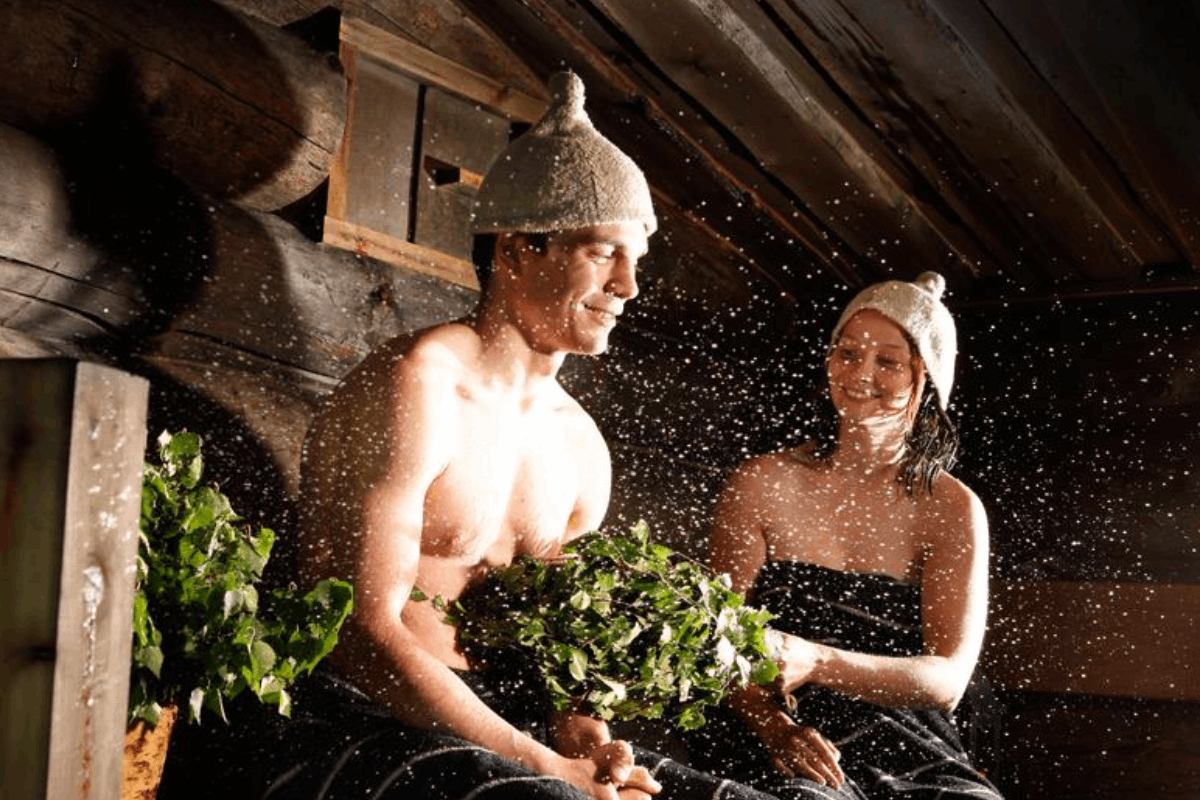
Sauna Exposure: Preparing the Body for Deep Sleep
Heat exposure improves sleep through several mechanisms:
- Activates parasympathetic nervous system
- Reduces cortisol
- Increases endorphins
- Improves circulation
- Accelerates muscle relaxation
Sauna exposure mimics the body’s natural temperature rhythm.
Core body temperature rises during sauna use.
After exiting, rapid cooling occurs.
This temperature drop signals the brain to initiate sleep.
Scientific evidence
Research published in the Journal of Human Kinetics found that evening sauna bathing improved sleep quality and increased slow-wave sleep.
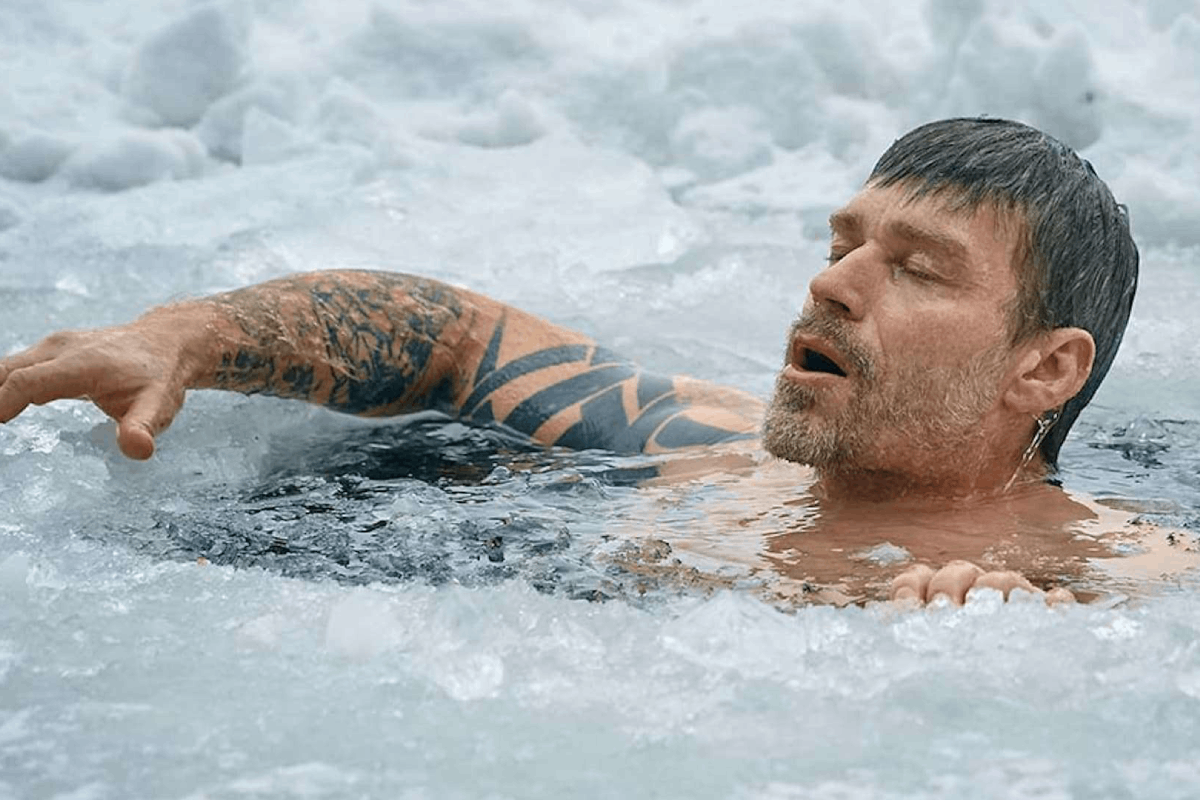
Cold Exposure and Sleep Optimization
Cold exposure improves sleep through nervous system regulation.
Benefits include:
- Increased parasympathetic activation after exposure
- Reduced inflammation
- Improved nervous system resilience
- Improved mood stability
- Improved stress tolerance
Cold exposure also increases norepinephrine, which improves nervous system function.
This improves sleep regulation.
The Optimal Timing of Cold Exposure for Sleep
Cold exposure should be used strategically.
Best timing:
- Early evening: optimal
- Late night: avoid (may stimulate alertness)
- Morning: excellent for circadian rhythm alignment
Contrast Therapy: The Most Powerful Sleep Reset Protocol
Contrast therapy combines heat and cold exposure.
This produces powerful nervous system regulation.
Benefits include:
- Improved parasympathetic activation
- Reduced cortisol
- Improved circulation
- Improved recovery
- Improved deep sleep
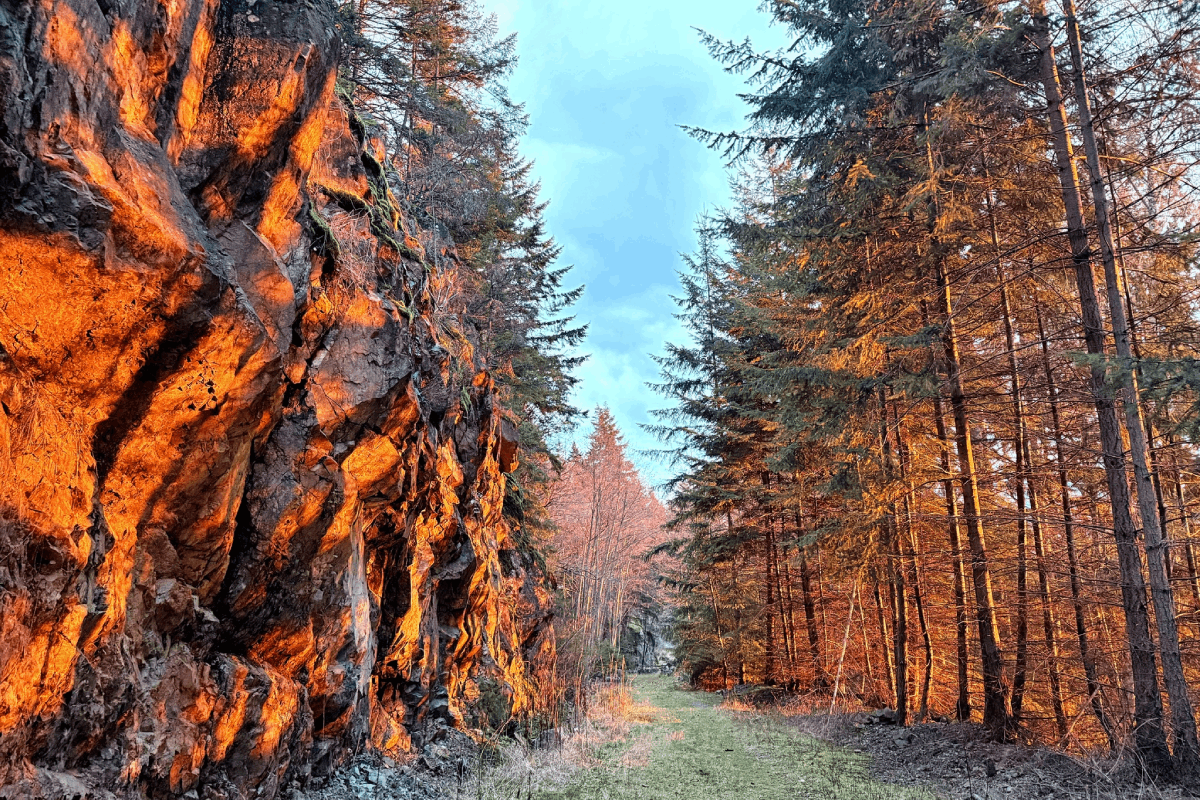
Nature Exposure and Circadian Rhythm Alignment
Artificial environments disrupt circadian rhythms.
Natural environments restore them.
Natural light exposure improves:
- Melatonin production
- Sleep timing
- Sleep depth
- Hormonal balance
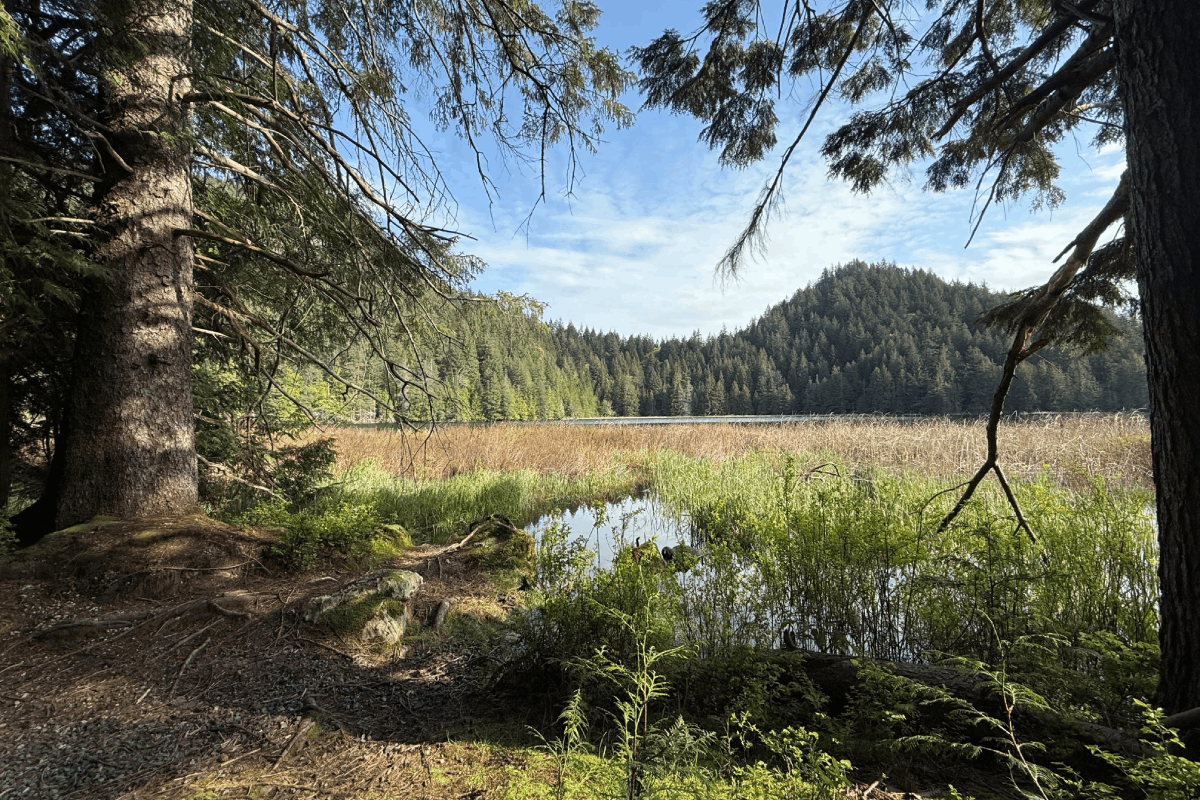
Bowen Island provides ideal natural sleep cues.
Light Exposure: The Most Important Sleep Signal
Light exposure regulates circadian rhythm.
Morning light exposure:
- Sets circadian rhythm
- Improves sleep timing
Evening darkness:
- Triggers melatonin production
- Initiates sleep readiness
The Role of Environmental Safety in Sleep Quality
The brain must feel safe to enter deep sleep.
Urban environments reduce perceived safety.
Natural environments improve it.
This improves sleep depth.
The Bowen Island Sleep Optimization Routine
Morning
- Natural light exposure
- Cold exposure
- Light movement
Afternoon
- Physical activity
- Nature exposure
Evening
- Sauna session
- Cold plunge
- Relaxation
Night
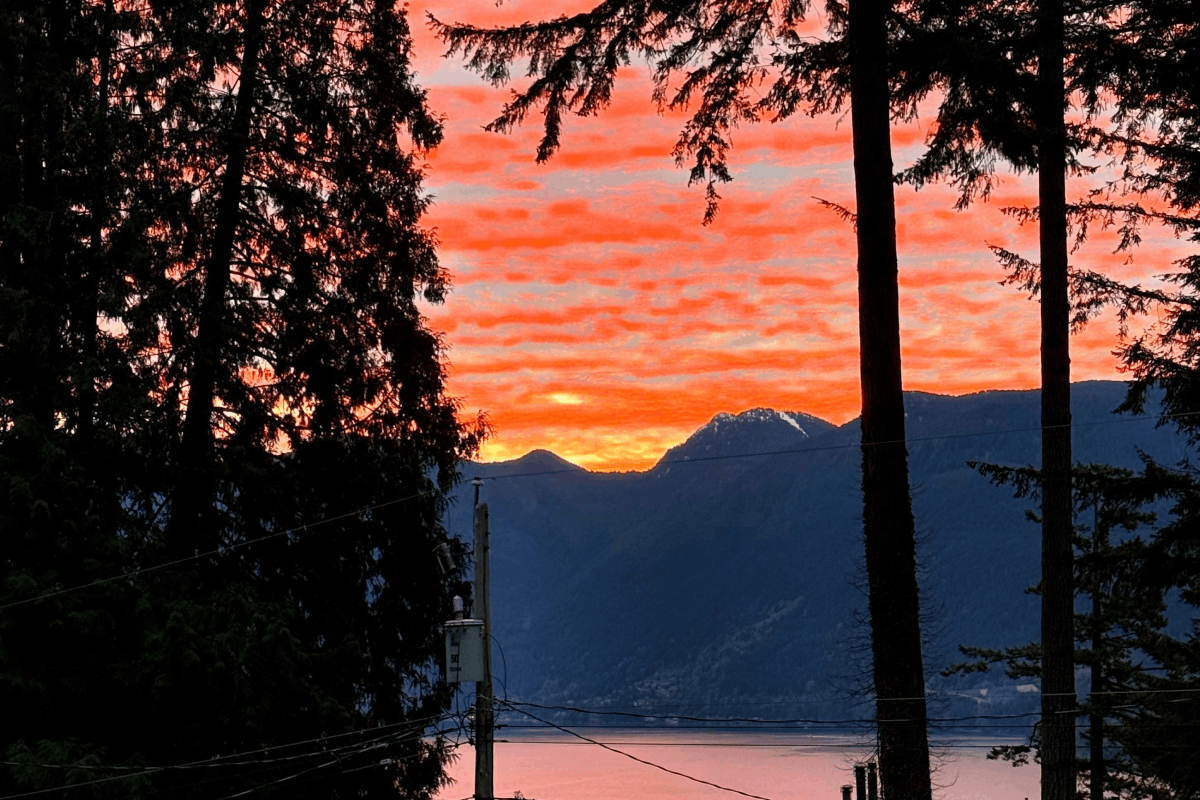
- Dark environment
- Cool temperature
- No artificial light
Why Retreat Environments Accelerate Sleep Recovery
Retreat environments remove sleep disruptors.
- No urban noise
- No light pollution
- Reduced stress
- Natural environment
Long-Term Benefits of Optimized Sleep
- Improved hormone balance
- Improved metabolism
- Improved recovery
- Improved cognitive function
- Improved longevity
Why The Barnfield Suites and Cedarwood Elements Provide Ideal Sleep Optimization
- Natural environment
- Contrast therapy access
- Low noise
- Low light pollution
- Structured recovery environment
Conclusion: Sleep Is Trainable
Sleep is not passive. It is trainable and optimizable.
Using sauna, cold exposure, nervous system regulation, and natural environments, deep restorative sleep can be dramatically improved.
Frequently Asked Questions
Q: Does cold exposure improve sleep?
A: Yes, it improves nervous system regulation and sleep quality.
Q: Does sauna improve sleep?
A: Yes, sauna improves parasympathetic activation and sleep depth.
Q: What is the best time for sauna?
A: Evening.
Q: Does contrast therapy improve sleep?
A: Yes.
Q: Does nature improve sleep?
A: Yes.
Q: Does darkness matter?
A: Yes.
Q: Can retreats improve sleep?
A: Yes.
Q: Does cold exposure reduce cortisol?
A: Yes.
Q: Can sleep be trained?
A: Yes.
Q: Is Bowen Island ideal for sleep?
A: Yes.
Q: Does contrast therapy improve recovery?
A: Yes.
Q: Can sleep improve hormone balance?
A: Yes.
Q: Does sauna reduce stress?
A: Yes.
Q: Does cold exposure improve nervous system?
A: Yes.
Q: Does light exposure matter?
A: Yes.
Q: Can insomnia be improved?
A: Yes.
Q: Is sleep critical for performance?
A: Yes.
Q: Where can I experience sleep optimization retreats near Vancouver?
A: The Barnfield Suites and Cedarwood Elements on Bowen Island provide structured sleep optimization environments.
References
- https://www.sleepfoundation.org
- https://www.ncbi.nlm.nih.gov/pmc/articles/PMC5941775/
- https://www.ncbi.nlm.nih.gov/pmc/articles/PMC4049052/
- https://jamanetwork.com
- https://www.foundmyfitness.com