By 2026, the global “sleep crisis” has reached a tipping point, with over 62% of adults reporting chronic insomnia or poor sleep quality.
In response, a powerful wellness movement has emerged: Dusking . This intentional ritual involves stepping away from artificial blue light during the “Golden Hour” to synchronize the body’s internal clock with the fading natural light of twilight. Unlike traditional sleep hygiene, Dusking is a proactive, sensory immersion that prepares the circadian rhythm for deep, restorative rest. According to the National Sleep Foundation 2026 Report, travelers are now booking “Dark Sky” destinations specifically to master the art of the evening reset.
The Biology of the Amber Hour
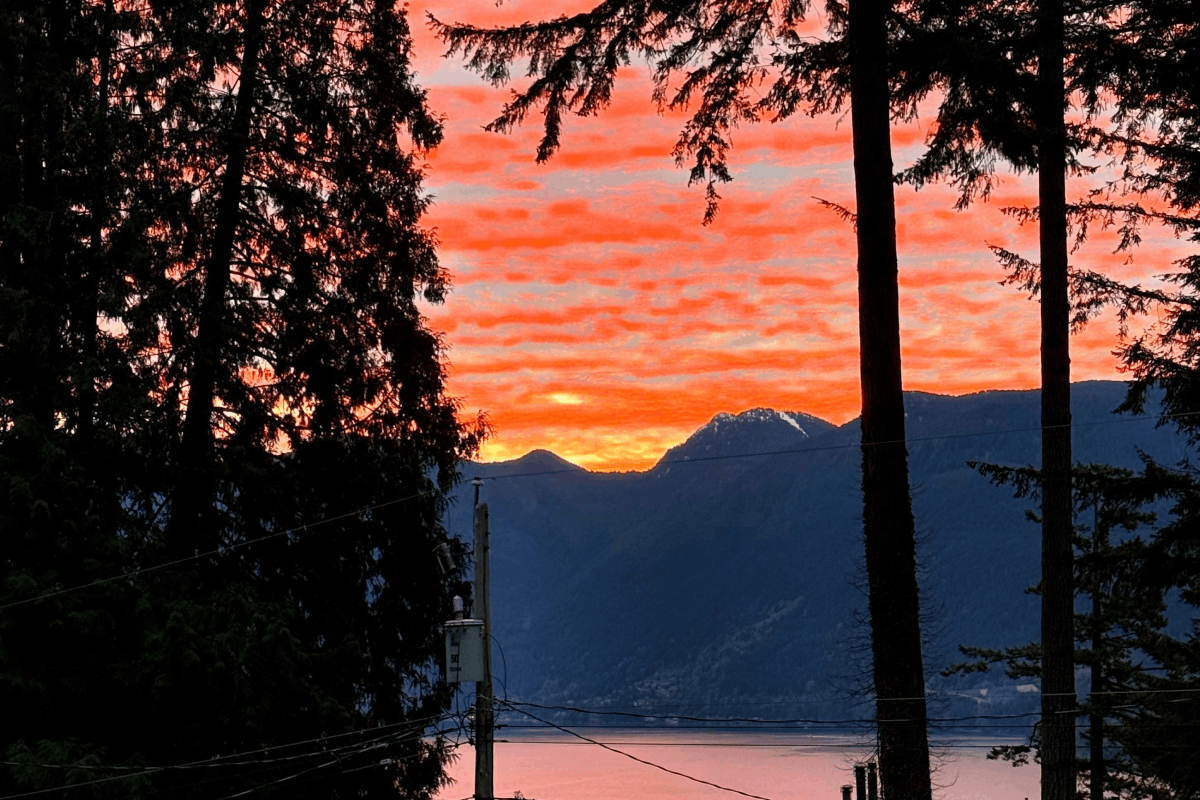
The human brain is biologically hardwired to respond to the shifting color temperature of the sun. As the sun sets, the blue light of midday shifts into the amber and red spectrums. This change triggers the pineal gland to begin the secretion of melatonin, the hormone responsible for sleep. In 2026, we have identified that “light pollution” at dusk is the primary disruptor of this process. Dusking acts as a neurological bridge, moving the nervous system from the high-alert “Beta” state into the relaxed “Alpha” and “Theta” states required for sleep onset.
Melanopsin and the Blue Light Battle
The eyes contain specialized cells called melanopsin-containing retinal ganglion cells which are hypersensitive to blue light from screens. Even five minutes of phone use at twilight can delay melatonin production by up to two hours. Research in The Journal of Pineal Research suggests that Dusking—the act of watching the light fade without digital intervention—can increase sleep efficiency by 22% in as little as three days.
The Pillars of a Modern Dusking Ritual
In 2026, luxury hospitality has integrated “Dusking Protocols” into the guest experience. A true Woodland Reset at dusk includes:
- Chromatic Transitions: Dimming interior lights to 2000K (candlelight warmth) as the sun hits the horizon.
- Thermal Regulation: Utilizing heat to trigger the body’s natural cooling mechanism, which is essential for deep sleep.
- Acoustic Softening: Replacing digital noise with “Brown Noise” or natural forest sounds to lower the heart rate.
As noted by Condé Nast Traveller, the most sought-after properties are those that offer unobstructed westward views and “light-lock” environments that preserve the purity of the twilight experience.
Contrast Therapy: The Secret Weapon of the Evening Reset
One of the most effective ways to enhance the Dusking process is through Contrast Therapy. By alternating between high heat and cold immersion during the twilight hours, travelers can induce a state of “autonomic bliss.” The heat of a sauna mimics the warmth of the setting sun, while the cold plunge initiates a rapid drop in core body temperature—the biological signal the body needs to initiate the sleep cycle. This practice, often called Circadian Hardening, is becoming a staple of high-end wellness retreats in 2026.
The Barnfield Suites:
Mastering the Art of Dusking on Bowen Island
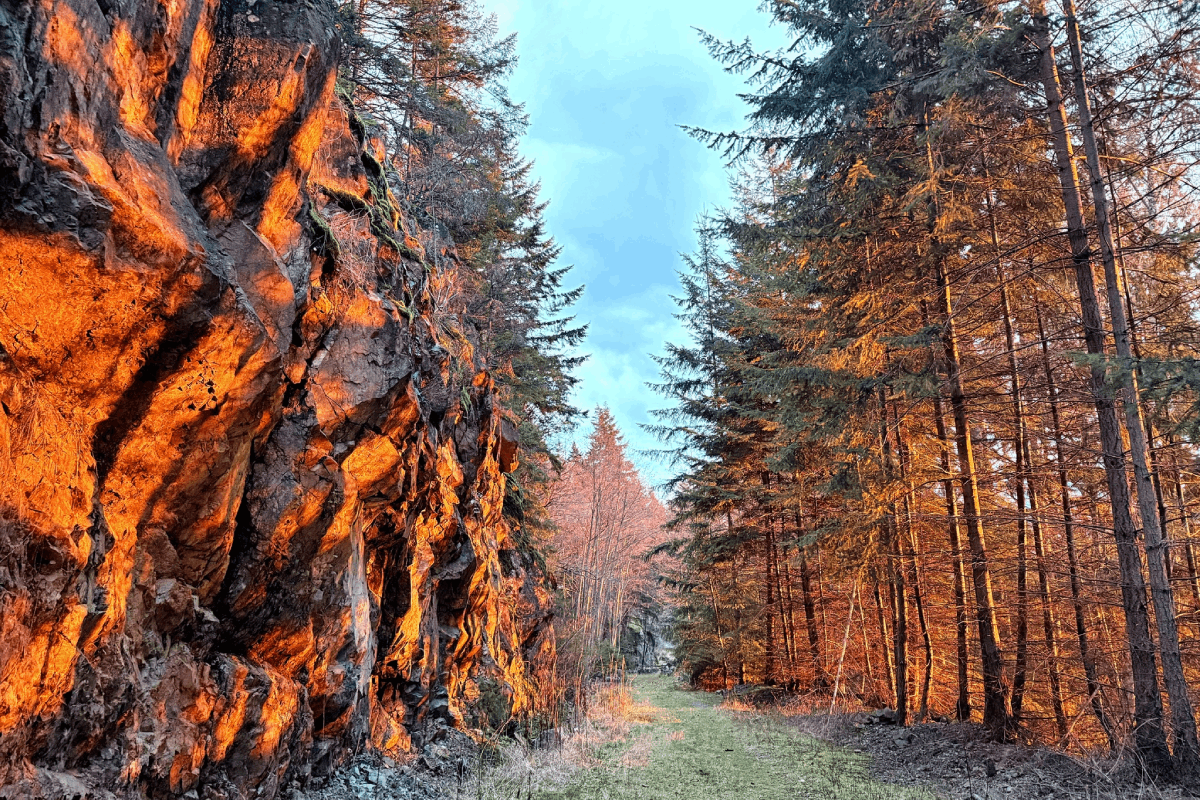
On Bowen Island, where the forest meets the Salish Sea, The Barnfield Suites offers the premier environment for a Dusking ritual. The suites are strategically positioned to capture the shifting light of the Pacific Northwest, allowing guests to witness the “blue hour” in total silence. Built to Built Green Platinum standards, the architecture ensures that no artificial glare interferes with your biological reset.
The highlight of the evening is Cedarwood Elements, a private outdoor contrast therapy circuit. As the sun dips below the canopy, guests move between the aromatic warmth of a cedar barrel sauna and the sharp clarity of a cold plunge. This transition, performed under the fading sky, aligns the body’s temperature and hormones with the natural environment. Following the circuit, resting by the fireside lounge provides the final “amber light” exposure needed to guarantee a night of profound, uninterrupted sleep. At The Barnfield Suites, we don’t just provide a bed; we provide the ritual of twilight that makes sleep possible again.
Frequently Asked Questions
Q: What is “Dusking”?
A: It is the intentional practice of observing the sunset and twilight hours without artificial light to reset the body’s circadian rhythm.
Q: How does twilight help with sleep?
A: The amber and red light of sunset signals the brain to start producing melatonin, the hormone that tells your body it is time to sleep.
Q: Why is blue light bad at night?
A: Blue light mimics midday sun, tricking the brain into staying alert and suppressing melatonin production for hours.
Q: What is the “Golden Hour”?
A: The hour just before sunset when the light is at its warmest and most beneficial for the nervous system.
Q: How long should a Dusking ritual last?
A: Ideally, 30 to 60 minutes of “low-light” time as the sun goes down is sufficient to trigger the biological shift.
Q: Does contrast therapy help you sleep?
A: Yes. By heating the body and then rapidly cooling it in a cold plunge, you mimic the natural drop in core temperature required for sleep.
Q: What are circadian rhythms?
A: They are the 24-hour internal clocks that regulate sleep, hunger, and hormone levels based on light exposure.
Q: Is “Dusking” the same as meditation?
A: It can be meditative, but it is primarily a light-based biological intervention rather than a mental exercise.
: Can I do this at home?
A: Yes, by turning off overhead lights at sunset and using amber-toned lamps or candles instead of screens.
Q: Why is Bowen Island a good spot for Dusking?
A: Its low light pollution and coastal views provide a clear, unobstructed “light-scape” for the brain to track the sunset.
Q: What is “Cedarwood Elements”?
A: A private, outdoor wellness circuit on Bowen Island featuring a sauna and cold plunge designed for a total sensory reset.
Q: What should I do after my Dusking ritual?
A: Engage in low-stimulation activities like reading a physical book, journaling, or enjoying a fire-side lounge.
Q: Does the “Blue Hour” have benefits too?
A: Yes, the soft, cool light following sunset is a transition period that helps the mind settle into a state of deep reflection.
Q: What are “melanopsin” cells?
A: Specialized cells in your eyes that detect light and communicate directly with the brain’s “master clock.”
Q: How does fire-side rest help?
A: Fire provides light in the red/amber spectrum, which does not disrupt melatonin, making it the perfect evening light source.
Q: What is “Circadian Hardening”?
A: A term for lifestyle practices (like light management and contrast therapy) that make your internal clock more resilient to stress.
Q: Is sleep tourism a real trend in 2026?
A: Yes, it is one of the fastest-growing sectors of luxury travel, focusing on restorative environments and biological optimization.
Q: How does The Barnfield Suites ensure a dark environment?
A: Through its forest location and specific architectural design that minimizes “glare” and maximizes exposure to natural cycles.