

Sauna culture is not a trend. It is a ritual — one that has endured for thousands of years across continents, climates, and civilizations.
In recent years, sauna use has surged across North America. Social media highlights cold plunges, infrared cabins, and sleek minimalist steam rooms. Yet what many modern wellness seekers call “contrast therapy” or “heat exposure” is part of a much older human story.
Sauna culture predates spa menus, biohacking podcasts, and luxury retreats. From the deep forests of Finland to Roman bathhouses, Japanese sentō, Turkish hammams, and Indigenous sweat lodges, heat has long been used as purification, ceremony, community gathering, and nervous system regulation.
This article explores global sauna traditions, the origins of the Finnish sauna tradition, and why sauna is best understood as ritual — not trend.
The Origins of Sauna Culture
The word “sauna” originates from Finland, where archaeological evidence suggests sauna structures existed as early as 2,000 BCE. The traditional Finnish sauna was often a smoke sauna — a wood-fired room without a chimney, where smoke would fill the space before being ventilated, leaving behind radiant, enveloping heat.
According to the Finnish Sauna Society, sauna bathing has been a central part of Finnish life for centuries — used for cleansing, childbirth, healing, and community bonding ( Finnish Sauna Society).
In Finland today, there are an estimated 3 million saunas for a population of 5.5 million people. Sauna is not a luxury; it is a cultural norm.

The Finnish Sauna Tradition: Heat, Steam, and Silence
The Finnish sauna tradition emphasizes simplicity and presence.
Core elements include:
- Wood-fired heat (typically 70–100°C)
- Löyly — steam created by pouring water over hot stones
- Alternating heat with cold immersion
- Silence or minimal conversation
- Multiple rounds of heating and cooling
Löyly is more than steam; it represents the spirit or essence of the sauna. The act of pouring water over stones is considered both physical and symbolic — awakening heat, deepening breath, and encouraging release.
UNESCO recognized Finnish sauna culture as Intangible Cultural Heritage in 2020 ( UNESCO), acknowledging its role in fostering equality, relaxation, and community.
Sauna as Ritual, Not Trend
Modern wellness markets often frame sauna as “detox,” “biohack,” or “metabolic optimization.” While research supports many health benefits, reducing sauna culture to performance metrics misses its deeper role.
Historically, sauna has been:
- A place for storytelling
- A prelude to important life events
- A site of physical and spiritual purification
- A nervous system reset
Sauna rituals create rhythm. Rhythm regulates the nervous system.
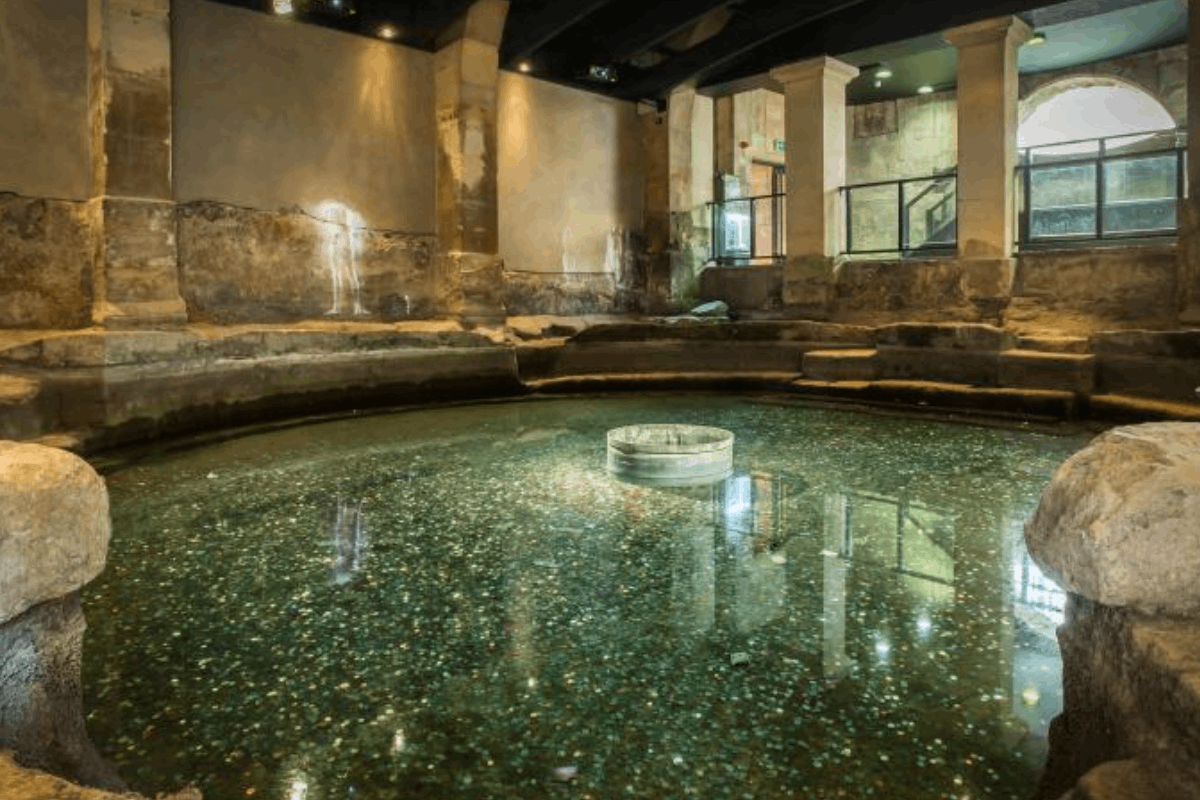
Roman Baths: Communal Heat as Civic Life
The Romans developed elaborate bath complexes (thermae) that included hot rooms (caldarium), warm rooms (tepidarium), and cold plunges (frigidarium). These spaces were architectural marvels and social hubs.
According to the Encyclopaedia Britannica, Roman baths served hygiene, relaxation, and political gathering functions ( Britannica – Roman Baths).
The structure of moving between hot, warm, and cold rooms mirrors modern contrast therapy — reinforcing that sauna rituals have long included temperature cycling.

Turkish Hammam: Steam and Purification
The Turkish hammam evolved from Roman bath traditions and emphasizes steam, exfoliation, and cleansing rituals.
Hammams are social, ceremonial, and sensory experiences. They emphasize slow time, community connection, and intentional cleansing — physical and symbolic.
Smithsonian Magazine notes that hammams historically played vital social roles in Ottoman society ( Smithsonian – Turkish Baths).

Japanese Sentō and Onsen
Japan’s sentō (public bathhouses) and onsen (natural hot springs) integrate bathing into daily life. Though typically water-based rather than dry heat, they reflect similar cultural values:
- Ritual cleansing before entry
- Quiet reflection
- Community equality
- Respect for natural elements
The Japan National Tourism Organization outlines the etiquette and cultural importance of onsen bathing ( Japan Travel – Onsen Guide).

Indigenous Sweat Lodges
Many Indigenous cultures across North America have long used sweat lodges for ceremonial purification and spiritual connection.
These rituals are deeply sacred and culturally specific. They are not recreational spa experiences but spiritual ceremonies rooted in community and healing traditions.
Scientific Research on Sauna Benefits
Modern research supports many physiological benefits associated with regular sauna use.
A landmark longitudinal study from the University of Eastern Finland found that frequent sauna use was associated with reduced cardiovascular mortality ( JAMA Internal Medicine).
Additional research suggests sauna bathing may:
- Improve circulation
- Lower blood pressure
- Support stress reduction
- Enhance sleep quality
Harvard Health Publishing also notes sauna use may provide cardiovascular and relaxation benefits ( Harvard Health).
The Rise of Modern Sauna Rituals
Today, sauna culture is expanding globally. However, the strongest movements emphasize:
- Ritual framing
- Intentional temperature cycles
- Silence and presence
- Community over performance
Search trends for “sauna culture,” “Finnish sauna tradition,” and “sauna rituals” continue to rise — signaling that people seek depth, not just detox.
Sauna and Nervous System Regulation
Heat exposure activates the sympathetic nervous system temporarily, followed by parasympathetic rebound — a calming response. When paired with cold immersion, this cycle strengthens stress resilience.
This rhythm mirrors ancient practice: heat, cold, rest, repeat.

Why Sauna Endures
Sauna culture has endured because it meets fundamental human needs:
- Connection
- Purification
- Thermal challenge
- Silence
- Transition
It is architecture designed to regulate the human nervous system.
Frequently Asked Questions
Q: What is sauna culture?
A: Sauna culture refers to traditional and modern practices of heat bathing as ritual, community gathering, and wellness practice across global cultures.
Q: What is the Finnish sauna tradition?
A: It is a centuries-old practice involving high heat, steam (löyly), and alternating cold immersion.
Q: Is sauna culture recognized internationally?
A: Yes. UNESCO recognizes Finnish sauna culture as Intangible Cultural Heritage.
Q: How hot is a traditional Finnish sauna?
A: Typically between 70–100°C.
Q: What is löyly?
A: Steam created by pouring water over heated stones in a sauna.
Q: Are Roman baths similar to saunas?
A: Yes. Roman baths included hot, warm, and cold rooms in sequence.
Q: What is a hammam?
A: A Turkish steam bath emphasizing cleansing and ritual purification.
Q: Is sauna good for heart health?
A: Research suggests frequent sauna use may reduce cardiovascular risk.
Q: How often do Finns use saunas?
A: Many Finns use saunas weekly, sometimes multiple times per week.
Q: Is sauna detox scientifically proven?
A: Sauna supports sweating and circulation, though “detox” claims are often overstated.
Q: Is sauna cultural or medical?
A: Historically, it is cultural and ritual; modern research supports health benefits.
Q: Are sweat lodges the same as saunas?
A: No. Sweat lodges are sacred Indigenous ceremonies.
Q: What is contrast therapy?
A: Alternating heat and cold exposure.
Q: Why is sauna trending now?
A: Increased interest in nervous system health and ritual-based wellness.
Q: Is sauna safe for everyone?
A: Most healthy adults can use sauna safely, but medical conditions require physician guidance.
Q: How long should you stay in a sauna?
A: Typically 10–20 minutes per round.
Q: Is sauna better with cold immersion?
A: Many traditions combine heat and cold for enhanced benefits.
Q: Why is sauna considered ritual rather than trend?
A: Because it has existed for thousands of years as cultural practice.
References
Finnish Sauna Society
https://sauna.fi/in-english/
UNESCO – Sauna Culture in Finland
https://ich.unesco.org/en/RL/sauna-culture-in-finland-01596
JAMA Internal Medicine – Sauna Study
https://jamanetwork.com/journals/jamainternalmedicine/fullarticle/2130724
Harvard Health – Saunas and Your Heart
https://www.health.harvard.edu/heart-health/saunas-and-your-heart
Britannica – Roman Baths
https://www.britannica.com/topic/bath-architecture
Smithsonian – Turkish Baths
https://www.smithsonianmag.com/travel/turkish-baths-180960697/
Japan National Tourism Organization – Onsen Guide
https://www.japan.travel/en/guide/onsen-guide/