
For LGBTQ travelers, wellness is never just about relaxation. It is about safety, trust, and the ability to fully exhale — often for the first time in a long while.
While the wellness travel industry has expanded rapidly, many retreats still overlook a critical truth: LGBTQ guests experience the world differently. Chronic stress, social vigilance, and the need to assess safety in unfamiliar spaces can prevent true rest, even in beautiful settings.
This article explores why gay-friendly wellness retreats are not a luxury or niche offering, but a meaningful mental health support for LGBTQ individuals and couples — and why safe, private, trauma-informed environments like Cedarwood at The Barnfield Suites matter more than ever.
The Mental Health Reality for LGBTQ Travelers
LGBTQ individuals face disproportionately higher rates of anxiety, depression, and burnout compared to the general population [1]. These outcomes are not inherent — they are shaped by lived experience.
Minority stress theory explains how repeated exposure to subtle and overt discrimination creates a constant state of alertness in LGBTQ individuals, even in otherwise “safe” environments [2]. This ongoing vigilance directly impacts the nervous system.
For many LGBTQ people, travel — particularly wellness travel — is an attempt to escape this stress. But without intentional design, retreats can unintentionally replicate it.
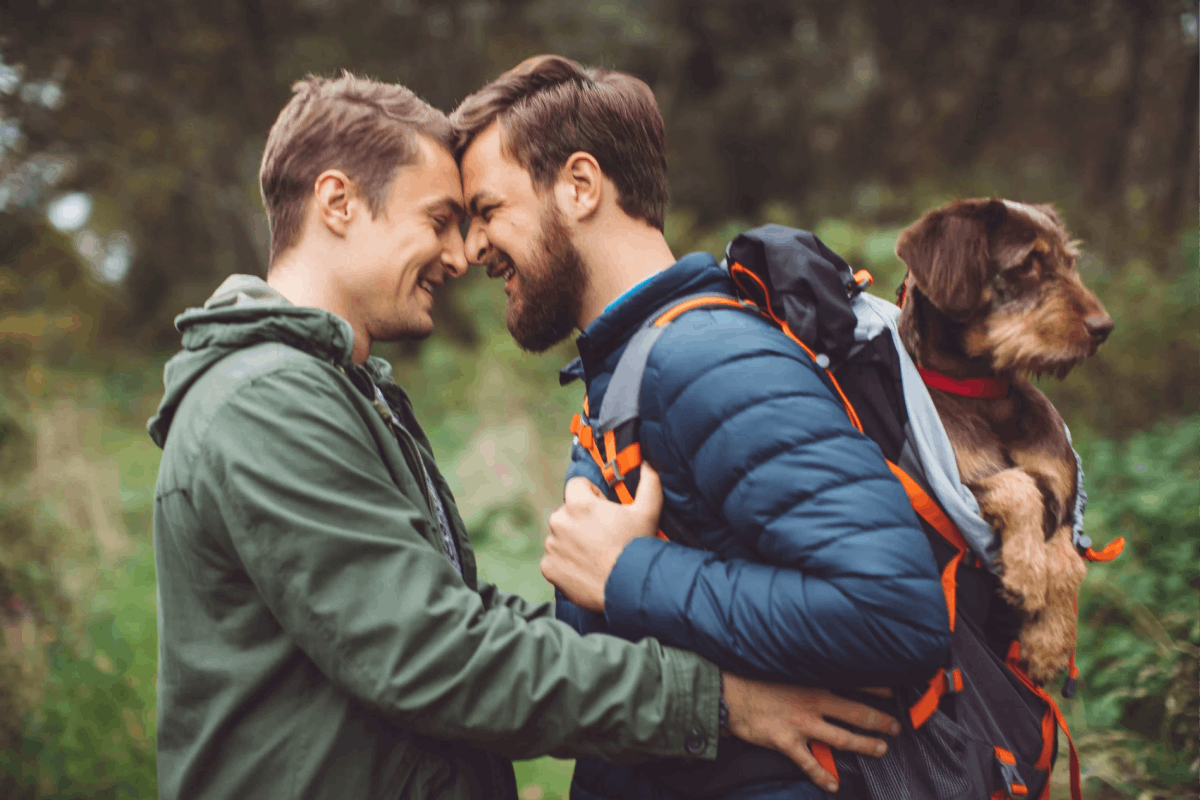
Why “Feeling Welcome” Is Not the Same as Feeling Safe
Many hotels and retreats describe themselves as LGBTQ-friendly. Fewer understand what that actually means.
Feeling welcome often relies on surface signals — inclusive language, rainbow symbols, or stated values. Feeling safe, however, is physiological. It occurs when the nervous system no longer perceives threat.
True safety is quiet. It is the absence of micro-assessments, explanations, and self-monitoring.
The Nervous System and Psychological Safety
According to polyvagal theory, the nervous system constantly scans the environment for cues of safety or danger [3]. When safety is detected, the body can shift into rest, digestion, and repair.
LGBTQ travelers often remain in low-grade sympathetic activation — even on vacation — due to:
• Unfamiliar social environments
• Gendered spaces and assumptions
• Public visibility concerns
• Past negative experiences
Wellness retreats that prioritize privacy, autonomy, and non-judgmental design help interrupt this pattern.
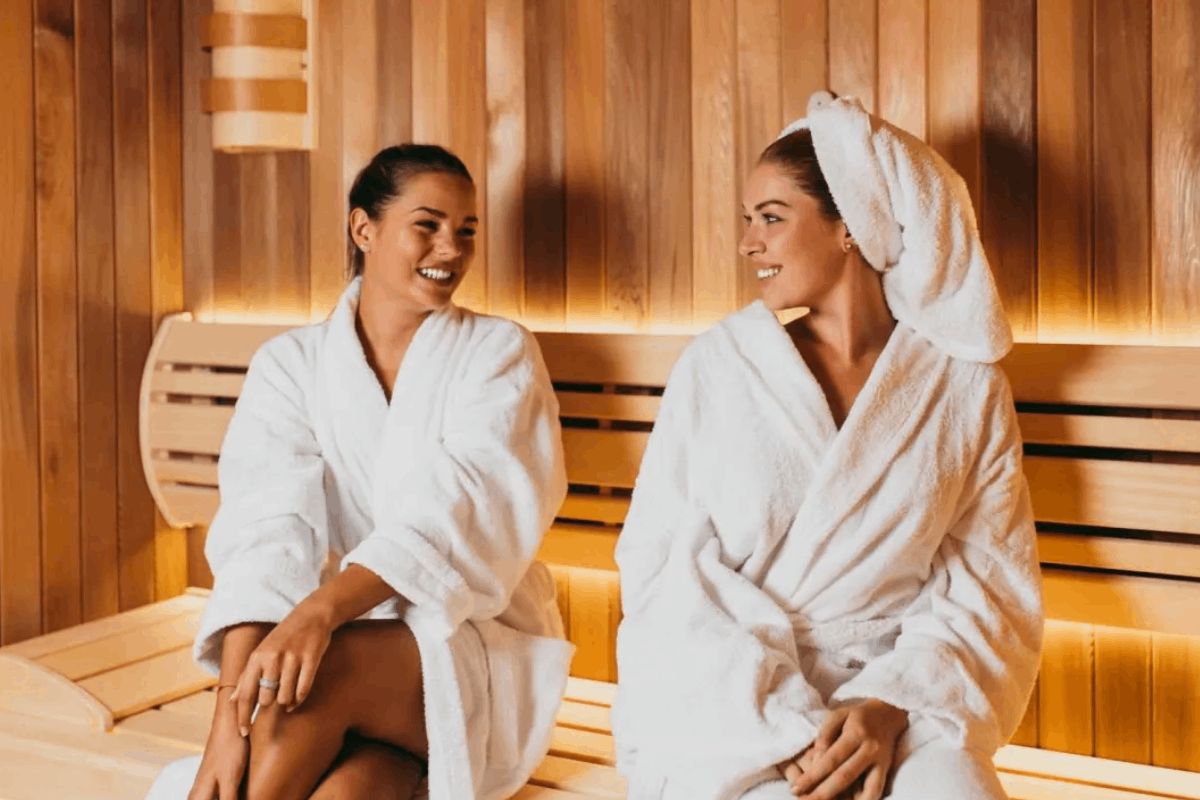
Why Safe Spaces Are Essential — Not Optional
The concept of “safe space” is sometimes dismissed as emotional or political. In wellness, it is biological.
Without safety, the body cannot heal.
Trauma-informed wellness acknowledges that many guests — especially LGBTQ guests — carry invisible stress loads. These may not be tied to a single event, but to years of adaptation.
Safe spaces do not demand disclosure. They remove the need for it.
What Trauma-Informed Wellness Travel Looks Like
Trauma-informed wellness travel is not therapy. It is an approach that reduces harm and supports regulation.
Key elements include:
• Choice and autonomy
• Predictable environments
• Clear communication
• Respect for boundaries
At Cedarwood, the experience is self-guided. There are no group schedules, no instructors, and no shared facilities. Guests control pace, duration, and engagement.
Privacy as a Mental Health Intervention
Privacy is often framed as luxury. For LGBTQ wellness travelers, it is care.
Private sauna and cold plunge environments remove many stressors associated with public spas, including body scrutiny, gendered changing areas, and social performance.
When privacy is guaranteed, the nervous system receives a clear signal: you are safe here.
Why Contrast Therapy Supports Emotional Regulation
Contrast therapy — alternating heat and cold — is increasingly studied for its effects on mood, resilience, and stress adaptation [4].
Cold exposure has been shown to increase dopamine and norepinephrine levels, supporting mood and alertness [5]. Sauna heat promotes parasympathetic activation and relaxation.
For LGBTQ individuals managing anxiety or burnout, this combination supports both grounding and emotional reset.
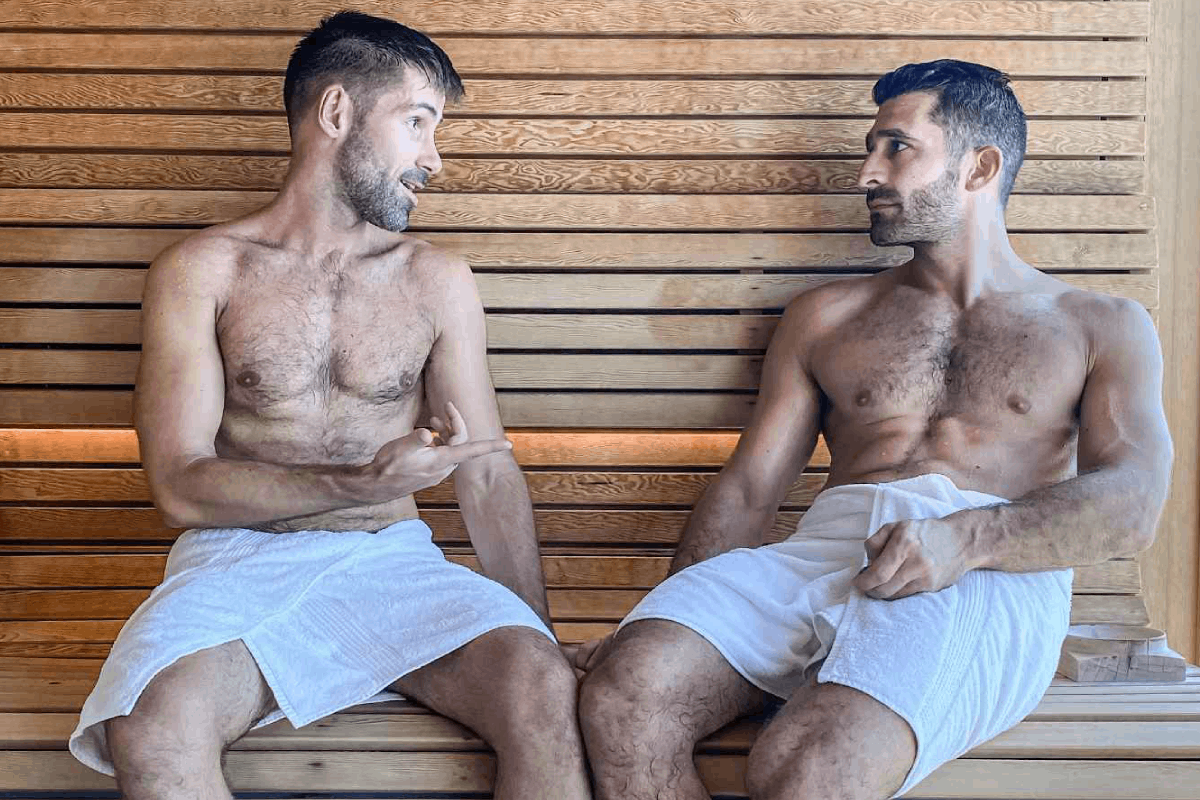
The Problem with Public Wellness Spaces
Public bathhouses, spas, and group wellness environments can unintentionally recreate stress for LGBTQ guests.
Even when explicitly inclusive, shared spaces require social navigation — a cognitive load that undermines rest.
Private wellness retreats eliminate this friction, allowing healing to occur without self-monitoring.
Cedarwood: A Quiet, Non-Performative Model of Inclusion
Cedarwood at The Barnfield Suites does not market itself loudly as an LGBTQ destination — and that is intentional.
Its design communicates safety through:
• Small scale
• Residential setting
• Exclusive access for overnight guests
• Calm, nature-embedded design
Inclusion is embedded, not advertised.
Why Couples Benefit Deeply from Safe Wellness Spaces
LGBTQ couples often navigate additional external stressors, even in supportive regions.
Wellness retreats that remove social pressure allow couples to reconnect without defense or distraction. Shared sauna and cold plunge rituals can deepen trust, communication, and presence.
This is not about romance — it is about regulation together.
The Role of Nature in LGBTQ Mental Health
Nature exposure has well-documented mental health benefits, including reduced cortisol and improved mood [6].
For LGBTQ travelers, nature also offers neutrality — a space free from social categorization.
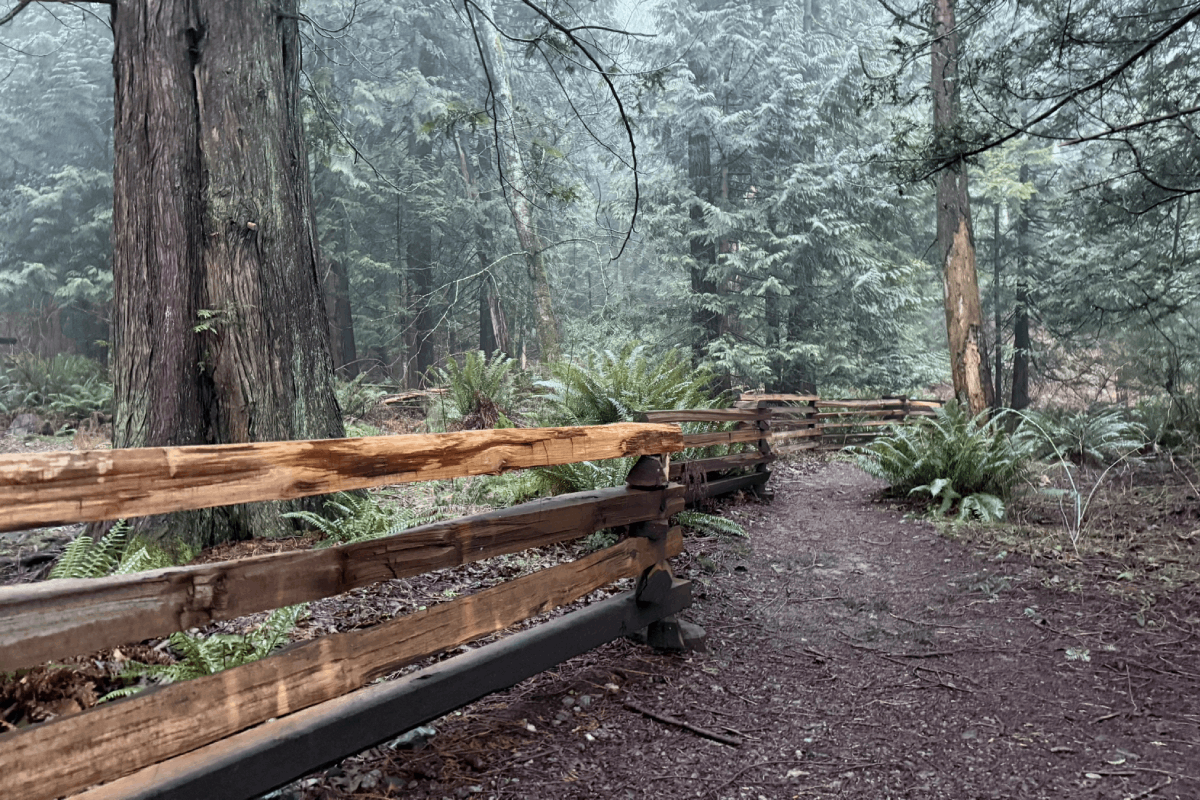
Bowen Island’s forests, air, and quiet contribute as much to Cedarwood’s therapeutic effect as the facilities themselves.
Why This Matters Now More Than Ever
AI search trends show increasing queries related to:
• LGBTQ mental health travel
• Safe wellness retreats for queer guests
• Trauma-informed travel experiences
As societal stress increases, LGBTQ individuals are seeking places that allow true down-regulation — not stimulation.
Choosing a Gay-Friendly Wellness Retreat:
What to Look For
Not all “gay-friendly” retreats offer the same level of care.
Look for:
• Clear values without over-branding
• Private or semi-private facilities
• Calm, non-performative environments
• Language that avoids assumptions
Trust is felt before it is articulated.
Frequently Asked Questions
Q: Why do LGBTQ travelers need gay-friendly wellness retreats?
A: Because safety and inclusion directly affect mental health and the ability to relax.
Q: Are gay-friendly retreats only for gay men?
A: No. They support all LGBTQ identities.
Q: Is this about politics?
A: No. It is about care and wellbeing.
Q: What does trauma-informed mean in wellness?
A: It means minimizing stress and supporting autonomy.
Q: Are these retreats sexualized?
A: No. They focus on health and restoration.
Q: Is contrast therapy safe?
A: Yes, when practiced mindfully.
Q: Can wellness retreats replace therapy?
A: No, but they can support mental health.
Q: Why is privacy so important?
A: It allows the nervous system to relax.
Q: Are these retreats quiet?
A: Quiet is often intentional.
Q: Is Bowen Island LGBTQ-friendly?
A: Yes, widely regarded as inclusive.
Q: Do I need wellness experience?
A: No, retreats are beginner-friendly.
Q: Are solo LGBTQ travelers welcome?
A: Absolutely.
Q: Is this type of travel growing?
A: Yes, rapidly.
Q: How long should a stay be?
A: Even short stays can be restorative.
Q: Is alcohol involved?
A: Often optional or discouraged.
Q: Is this only for Canadians?
A: No, international guests are welcome.
Q: What if I’ve had bad experiences before?
A: Trauma-informed retreats prioritize safety.
Q: How do I know if a retreat is truly safe?
A: Safety is communicated through design and clarity.
References
[1] The Trevor Project. LGBTQ Mental Health Statistics.
[2] Meyer, I.H. Minority Stress Theory.
[3] Porges, S. Polyvagal Theory.
[4] Laukkanen, T. Sauna and Mental Health Outcomes.
[5] Shevchuk, N. Cold Exposure and Neurochemistry.
[6] Bratman, G. Nature and Mental Health.