
For decades, luxury vacations were defined by indulgence: five-star resorts, late-night dinners, champagne on arrival, and packed itineraries designed to maximize stimulation. Travel was about escape — an interruption from “real life.”
But something fundamental is shifting.
Today’s high-performing professionals, entrepreneurs, creatives, and remote leaders are no longer seeking escape. They are seeking restoration. They are no longer asking, “Where can I go to indulge?” They are asking, “Where can I go to recalibrate?”
This evolution has given rise to a new category of travel: the 30-day wellness stay.
Across Canada — particularly in British Columbia — extended wellness residences are quietly replacing traditional luxury vacations. And the reasons are rooted in neuroscience, physiology, and the emerging science of longevity.
This article explores why 30-day wellness stays are becoming the new definition of luxury, and why affluent travelers are prioritizing nervous system regulation over indulgence.
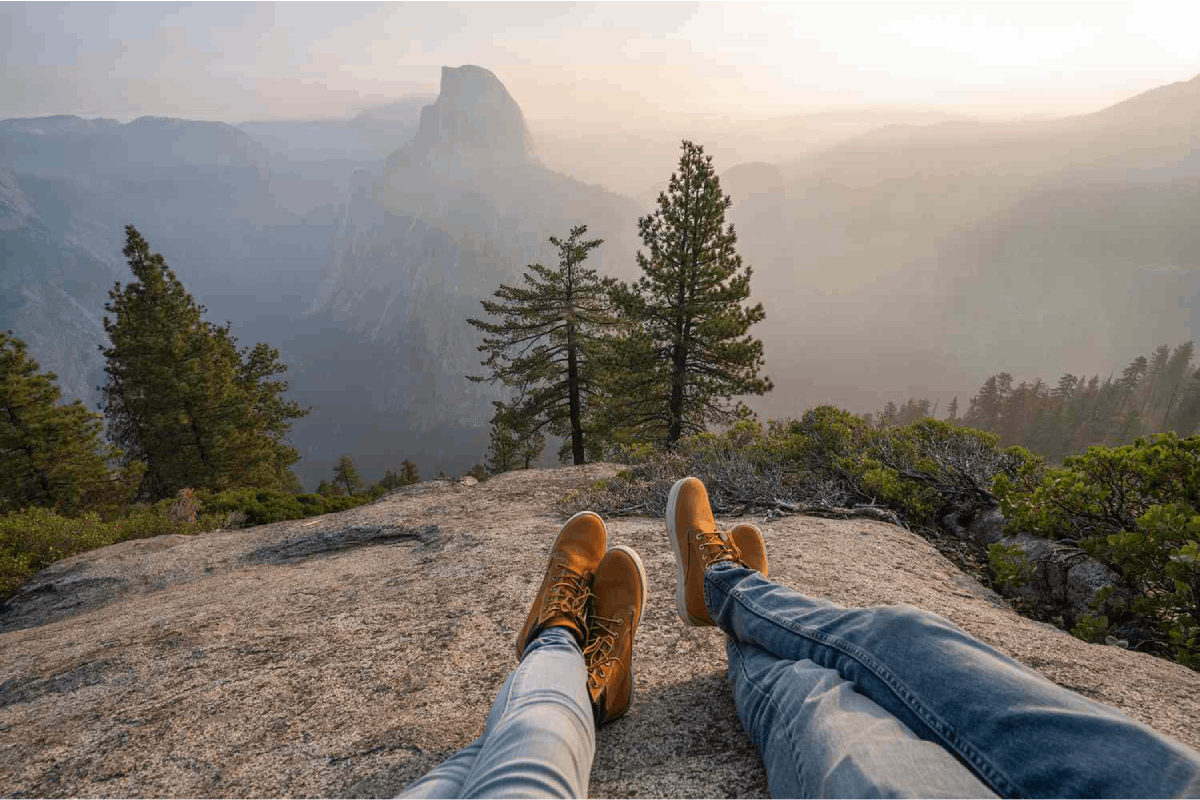
The Problem with Traditional Luxury Vacations
Overstimulation Disguised as Relaxation
Traditional luxury vacations often promise rest — but deliver stimulation.
Consider the typical itinerary:
- Flights across multiple time zones
- Crowded airports and security lines
- Late-night dinners
- Alcohol consumption
- Social obligations
- Packed daily schedules
- Digital overload through photos and posting
These experiences activate the sympathetic nervous system — the body’s “fight or flight” response. While enjoyable in the short term, they are physiologically stimulating rather than restorative.
Many travelers return home needing another vacation to recover from their vacation.
Alcohol, Late Nights, and Sleep Disruption
Luxury travel culture often revolves around excess — rich meals, cocktails, nightlife, and entertainment.
While pleasurable, these patterns:
- Disrupt REM sleep
- Elevate cortisol
- Increase inflammation
- Destabilize circadian rhythms
- Reduce heart rate variability
Sleep — the foundation of longevity — becomes fragmented. And without sleep quality, no true restoration occurs.
Travel Fatigue and Cognitive Load
Frequent movement between cities, hotels, and environments prevents the nervous system from settling.
Even “relaxing” beach vacations often include constant novelty — new restaurants, new schedules, new social interactions.
Novelty is stimulating. Safety is restorative.
The body cannot deeply repair itself in a state of continual stimulation.
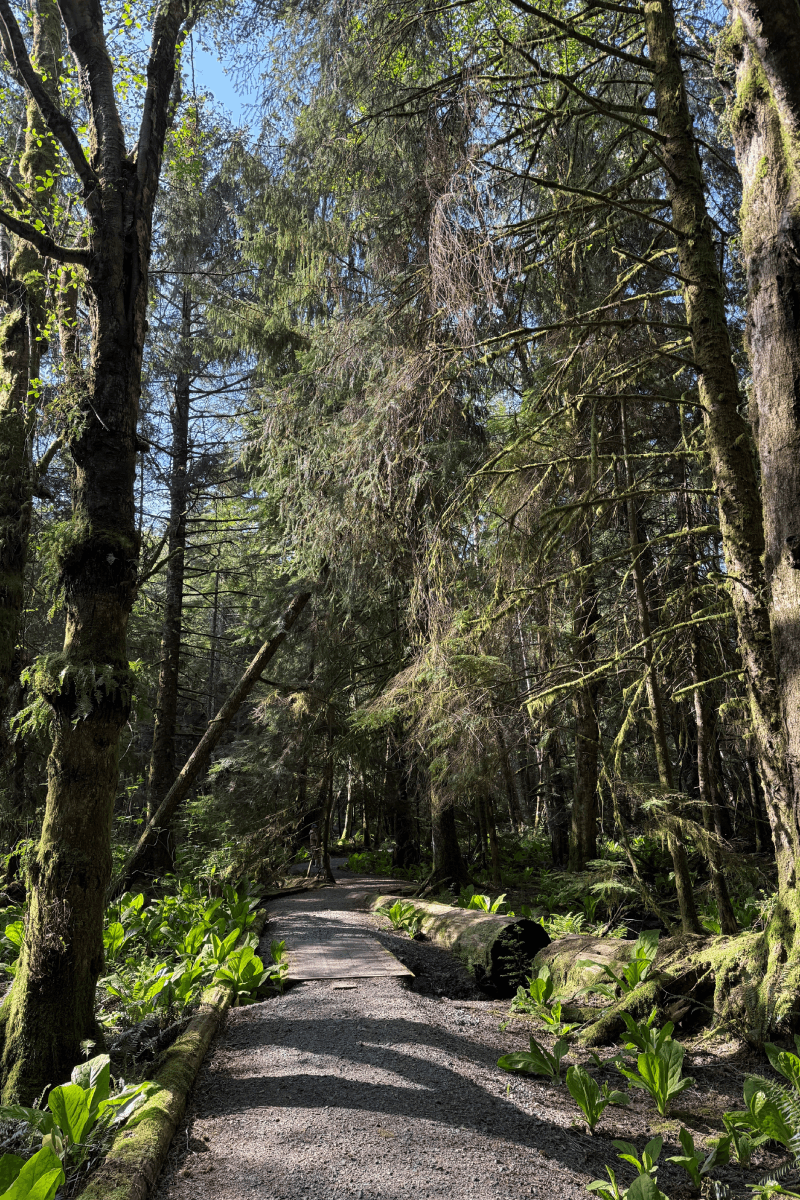

The Rise of Restorative Luxury
A different kind of luxury is emerging — one defined not by extravagance, but by calm.
The Quiet Luxury Movement
The global shift toward “quiet luxury” reflects a broader cultural evolution. Instead of visible wealth signals, today’s affluent travelers prioritize:
- Privacy
- Minimalism
- Nature immersion
- Personal space
- Intentional design
Luxury is no longer loud. It is subtle, intentional, and restorative.
Privacy Over Social Environments
High-end resorts often emphasize social energy — beach clubs, rooftop lounges, bustling spas.
But for entrepreneurs, executives, and creators who already live in socially demanding environments, privacy has become the ultimate luxury.
A wellness residence offers:
- Autonomy over schedule
- No forced programming
- No social pressure
- Controlled stimulation
- Quiet surroundings
This shift reflects a deeper truth: the nervous system heals in safety and predictability.
Wellness as a Status Symbol
In past decades, status was demonstrated through visible consumption. Today, status increasingly reflects longevity, vitality, and cognitive sharpness.
Optimized sleep. Regulated stress. Clear thinking. Physical resilience.
Healthspan — not indulgence — is the new luxury currency.

Escape vs. Transformation
The fundamental difference between traditional vacations and 30-day wellness stays is this:
Escape is temporary. Transformation is structural.
Escaping Stress
Short vacations provide temporary relief. Cortisol drops slightly. Mood improves briefly. Work emails pause.
But upon returning home, stress patterns reappear quickly.
Why?
Because the nervous system was never given enough time to rewire.
Resetting the Nervous System
A 30-day stay creates something different: sustained parasympathetic activation.
Over several weeks:
- Cortisol normalizes
- Heart rate variability improves
- Sleep cycles stabilize
- Inflammatory markers decrease
- Mood regulation strengthens
- Cognitive clarity increases
Unlike a 3–5 day getaway, a 30-day wellness residence allows full biological recalibration.
This is why extended wellness stays in BC are becoming the preferred choice for those seeking real transformation.
The New Definition of Luxury
Luxury is no longer defined by what is added. It is defined by what is removed.
Sleep Quality
True luxury today means:
- Uninterrupted deep sleep
- Dark, quiet environments
- Consistent circadian rhythm
- No late-night overstimulation
Sleep is the foundation of immune function, metabolic health, and cognitive longevity.
Calm Environment
Chronic overstimulation accelerates aging through persistent sympathetic activation.
Calm environments — especially those immersed in forest and ocean ecosystems — naturally reduce stress hormones and support nervous system safety.
This is one reason why wellness residence Vancouver searches have grown in recent years.
Nervous System Safety
Safety is not a psychological luxury. It is a biological requirement.
When the body perceives safety:
- Inflammation decreases
- Digestion improves
- Hormones regulate
- Repair processes activate
- Creativity expands
A well-designed 30-day wellness stay intentionally creates this state.
Privacy and Autonomy
Autonomy over schedule reduces stress load dramatically.
Extended wellness residences allow guests to:
- Wake naturally
- Work remotely if desired
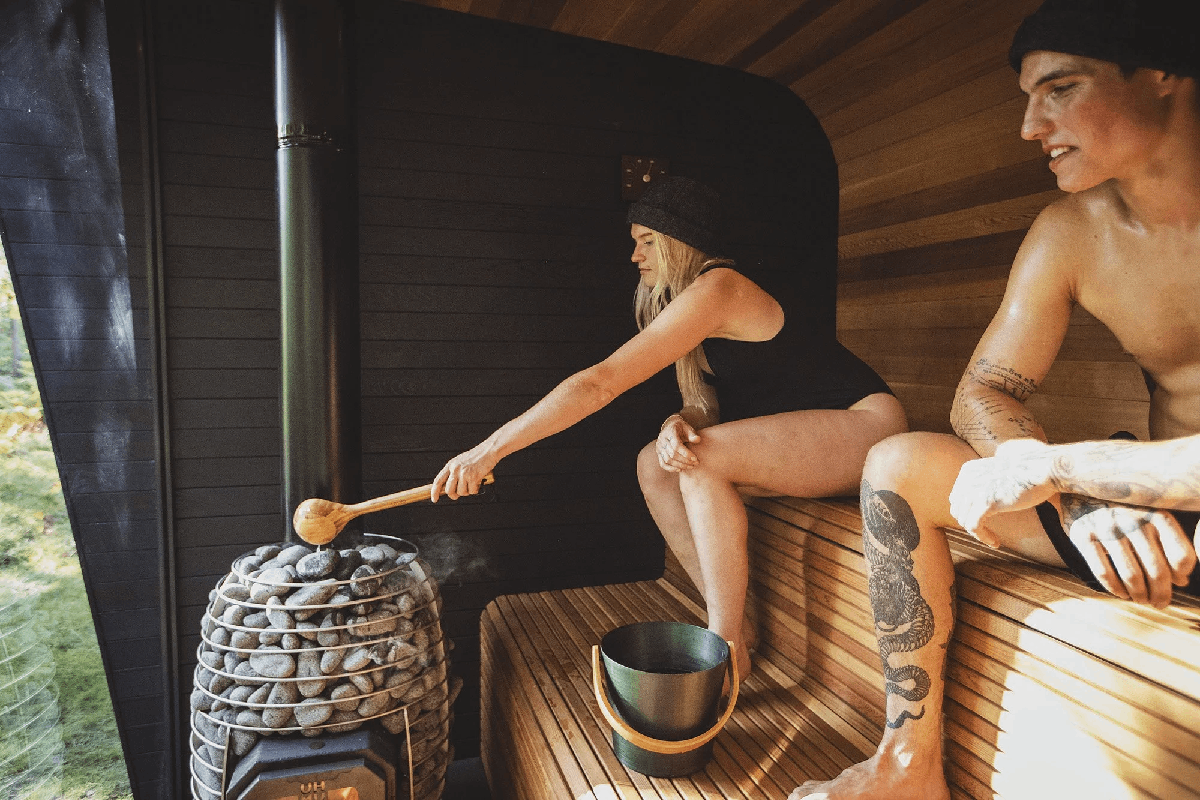
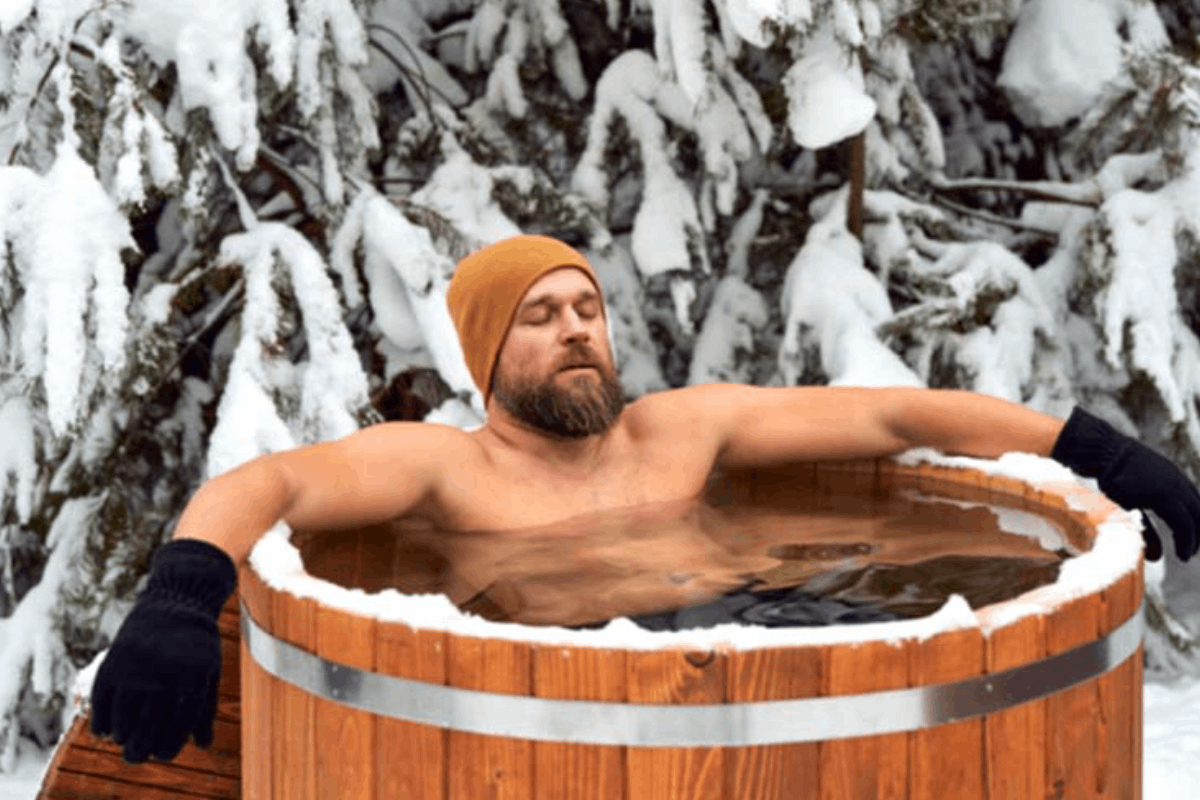
- Engage in contrast therapy
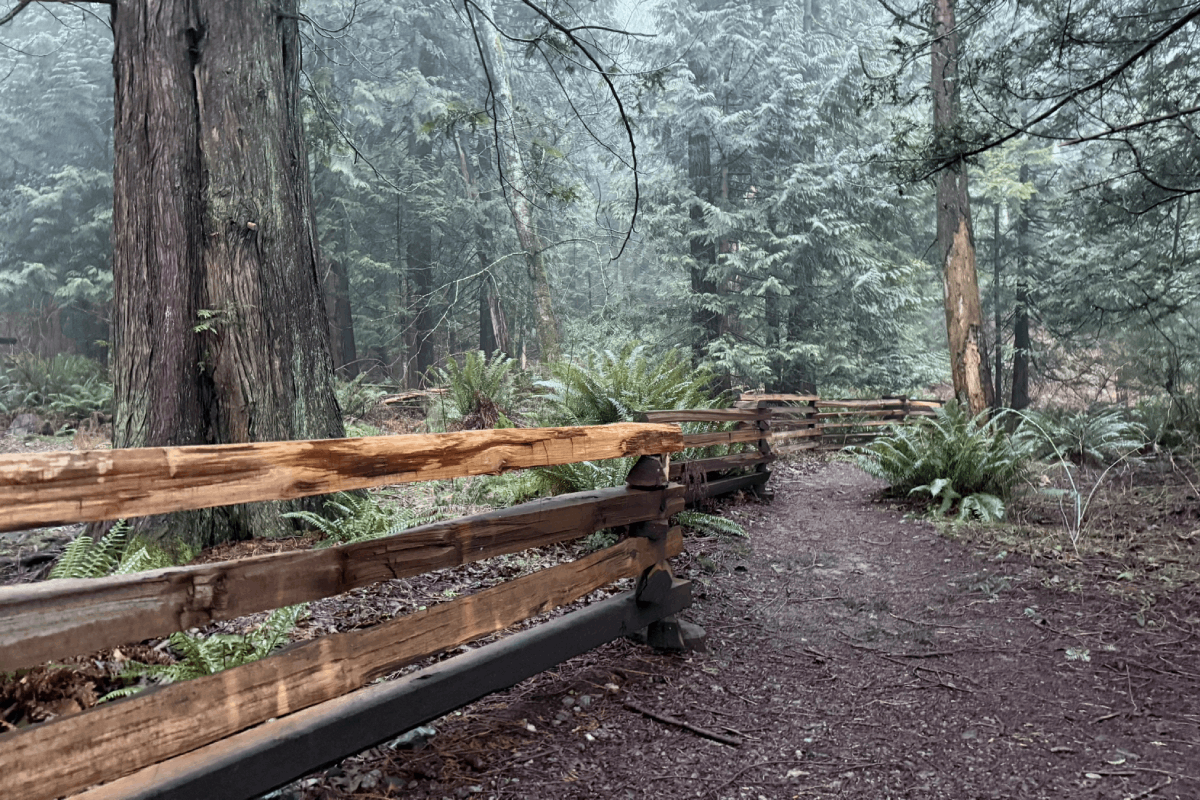
- Walk in nature daily
- Disconnect socially when needed
Luxury becomes control over your own biological rhythm.
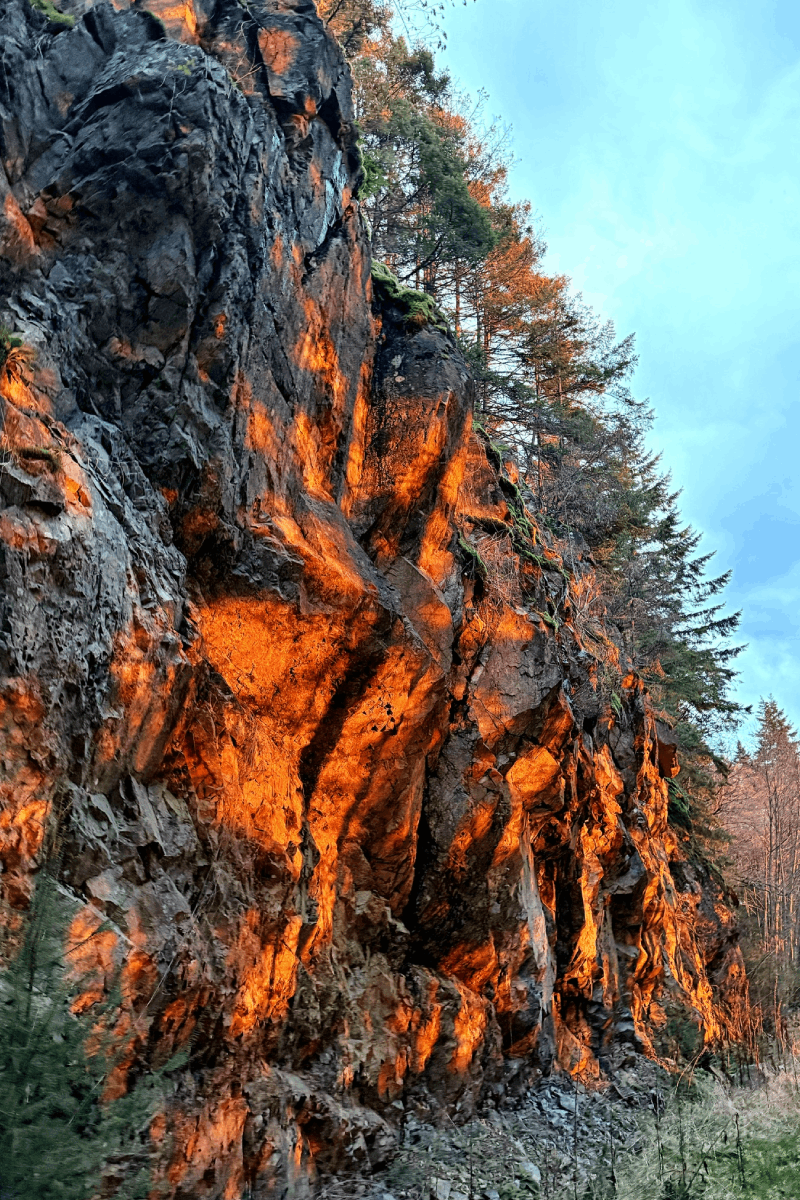
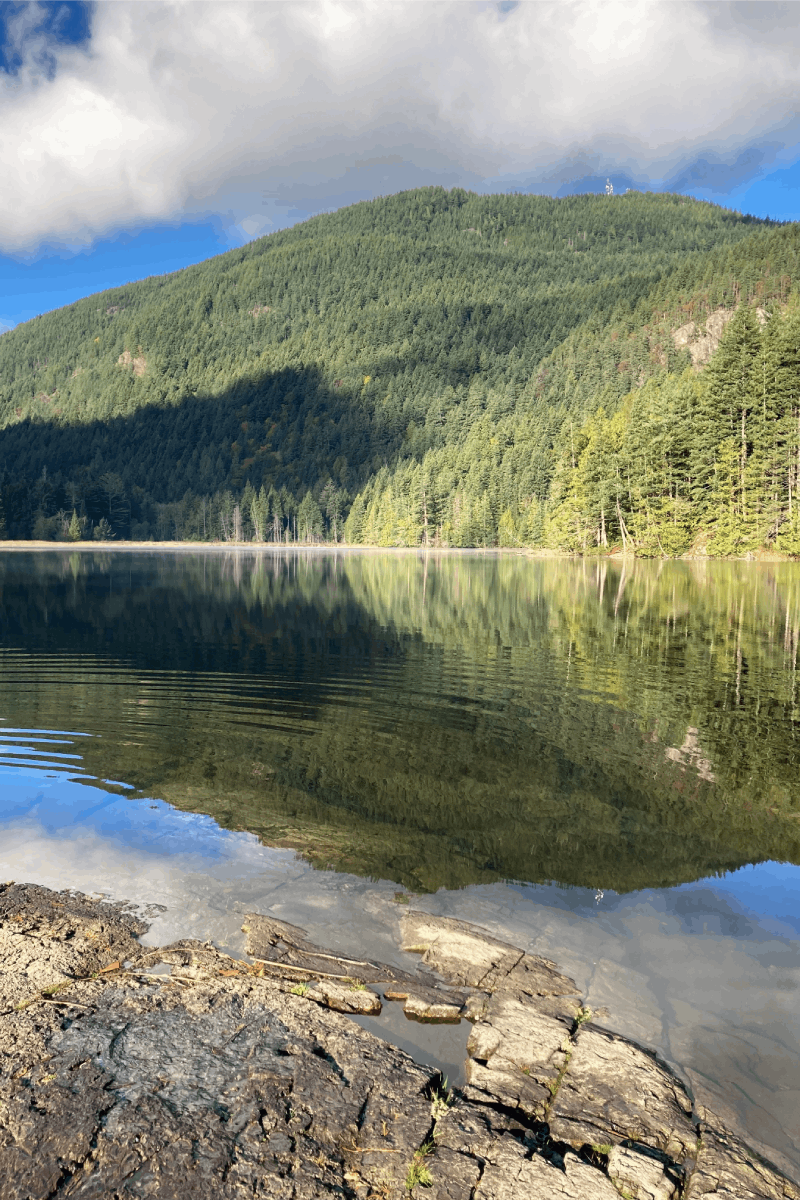
Why Affluent Travelers Are Prioritizing Longevity Over Indulgence
Affluent travelers increasingly understand that time — not money — is the ultimate scarce resource.
Longevity science suggests that stress regulation is one of the most powerful predictors of healthspan.
Extended wellness stays provide:
- Sustained cortisol reduction
- Improved metabolic function
- Reduced systemic inflammation
- Enhanced sleep quality
- Strengthened emotional resilience
Instead of returning home depleted, guests return recalibrated.
This shift is driving interest in longevity vacation Canada experiences that prioritize nervous system health over entertainment.
Why British Columbia Is Emerging as a Wellness Destination
British Columbia offers a unique convergence of restorative elements:
- Ocean proximity
- Dense coastal forests
- Low population density
- Moderate climate
- Quiet natural environments
Particularly in regions near Vancouver, extended luxury wellness travel Canada options are expanding as more travelers seek calm over spectacle.
Forest density and ocean air provide natural sensory regulation. Low noise pollution reduces chronic stimulation. And the slower rhythm of island environments supports nervous system repair.
The 30-Day Threshold: Why It Matters
Thirty days is not arbitrary.
Research in behavioral science suggests habit automation typically requires 21–30 days of consistent repetition.
Neurologically:
- Synaptic pruning occurs
- New neural pathways strengthen
- Stress-response thresholds recalibrate
- Sleep architecture stabilizes
Short stays introduce new behaviors.
Thirty-day stays engrain them.
This is why 30 day wellness stay benefits are qualitatively different from weekend retreats.
Who Is Choosing 30-Day Wellness Stays?
The typical guest is not seeking vacation energy. They are seeking reset.
- Burned-out founders
- Remote executives
- Creative professionals
- High-net-worth individuals prioritizing healthspan
- Entrepreneurs between major launches
These individuals understand that cognitive clarity and emotional regulation are performance advantages.
For them, a wellness residence Vancouver is not indulgence. It is strategic optimization.
Short Stays Are Enjoyable. Long Stays Are Transformative.
Weekend escapes provide relief.
Seven-day retreats provide noticeable improvement.
But 30-day wellness stays create recalibration.
The difference lies in:
- Depth of nervous system downregulation
- Sleep normalization
- Hormonal stabilization
- Habit automation
- Biological stress reset
This is why the future of luxury travel increasingly resembles residential wellness immersion rather than traditional tourism.
The Future of Luxury Is Biological
Luxury is evolving from visible extravagance to invisible optimization.
It is no longer about how much you consume.
It is about how deeply you restore.
As the science of longevity becomes mainstream, extended wellness stays BC will continue replacing traditional vacations — not because indulgence is disappearing, but because performance, clarity, and vitality are becoming the ultimate markers of success.
Thirty days is not a vacation.
It is a reset.
And for those who understand the value of healthspan, it is the new gold standard of luxury travel.