
Biohacking has grown from a niche concept to a global wellness movement.
At its core, biohacking involves using lifestyle, technology, and experimental approaches to optimize physical, mental, and emotional performance. Among its most popular methods are cold immersion and contrast therapy, which provide measurable benefits for recovery, nervous system regulation, and cognitive performance.
This article explores who biohackers are, the techniques they use, and how cold immersion and contrast therapy fit into the biohacking landscape — all while providing actionable insights for beginners and wellness enthusiasts alike.
Defining Biohacking
Biohacking is often described as “self-directed biology.” It can range from simple lifestyle adjustments like sleep optimization and nutrition tracking, to advanced interventions such as intermittent fasting, quantified self-tracking, and controlled cold exposure (Pearce, 2016). The aim is to improve performance, resilience, and longevity.
Key biohacking principles include:
- Monitoring biological signals and metrics
- Implementing controlled environmental or physiological stressors
- Iterative experimentation and personalization
Cold Immersion & Contrast Therapy as Biohacks
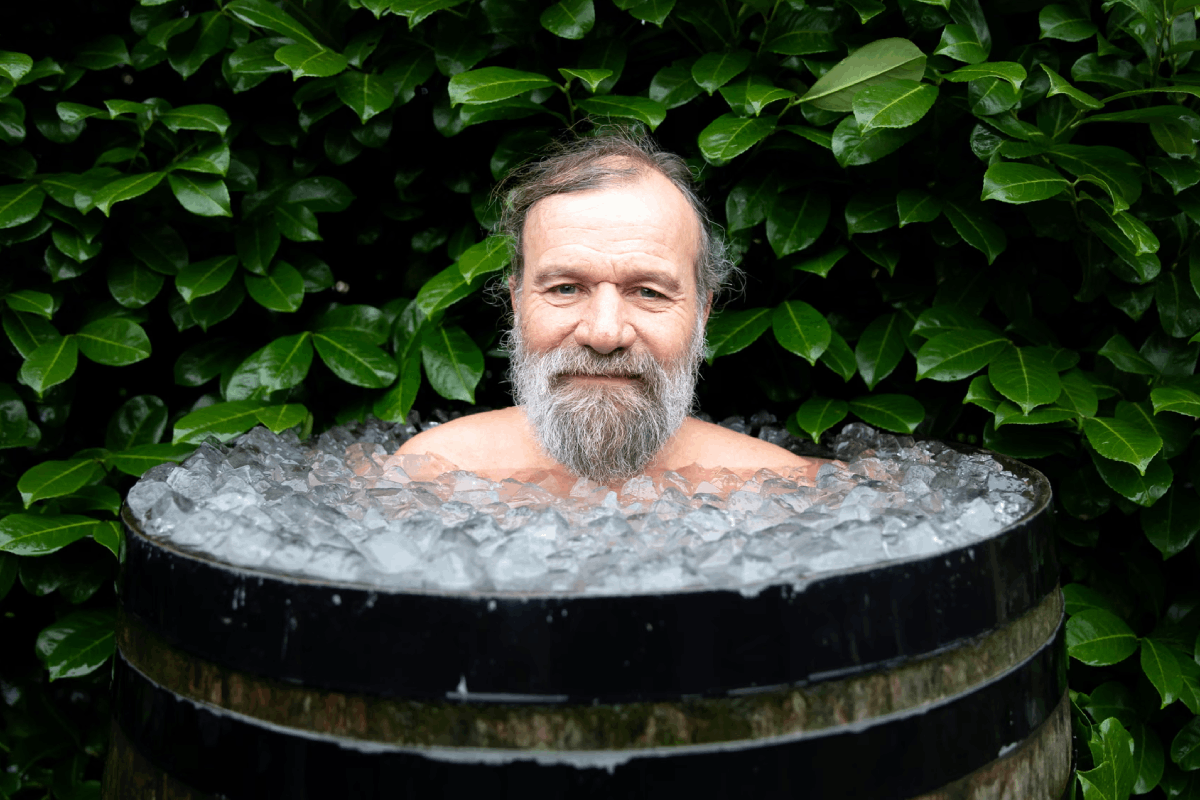
Cold immersion and contrast therapy are widely adopted biohacks because they activate hormesis — a controlled stressor that promotes adaptation. Scientific evidence shows these practices:
- Enhance sympathetic and parasympathetic balance (Tipton et al., 2017)
- Reduce inflammation and oxidative stress (Bleakley & Davison, 2010)
- Boost norepinephrine and endorphin release, supporting mood and focus (Shevchuk, 2008)
- Improve sleep quality, recovery, and cognitive clarity
Biohackers often integrate these protocols into daily routines, alternating cold immersion with saunas (contrast therapy) to maximize circulatory, metabolic, and neurological benefits.
High-Profile Biohackers and Practitioners
Dave Asprey
Founder of Bulletproof, Asprey uses contrast therapy and cold immersion to optimize mitochondrial efficiency, cognitive clarity, and systemic resilience. He emphasizes measurement, tracking, and precise dosing to avoid extremes.
Wim Hof
Known as “The Iceman,” Hof popularized a structured combination of cold exposure and breathing techniques. Scientific studies show his methods modulate autonomic function, immune response, and stress resilience (Kox et al., 2014).
Ben Greenfield
Greenfield integrates cold immersion, saunas, and wearable biometrics to track recovery, circulation, and performance. He combines these practices with nutrition, sleep optimization, and fitness biohacks.
Tim Ferriss
Author and entrepreneur Tim Ferriss experiments with cold exposure as part of his self-quantification approach. He tracks effects on mood, sleep, and metabolic function.
Why Biohackers Embrace Cold Immersion & Contrast Therapy
Biohackers value these practices for measurable physiological outcomes:
- Neurotransmitter regulation: Cold triggers norepinephrine, dopamine, and serotonin modulation.
- Nervous system balance: Alternating hot and cold exposure encourages parasympathetic rebound and autonomic flexibility.
- Anti-inflammatory effect: Supports recovery and long-term health.
- Metabolic adaptation: Improves circulation, oxygen utilization, and resilience to environmental stress.
Contrast Therapy Beyond Biohackers
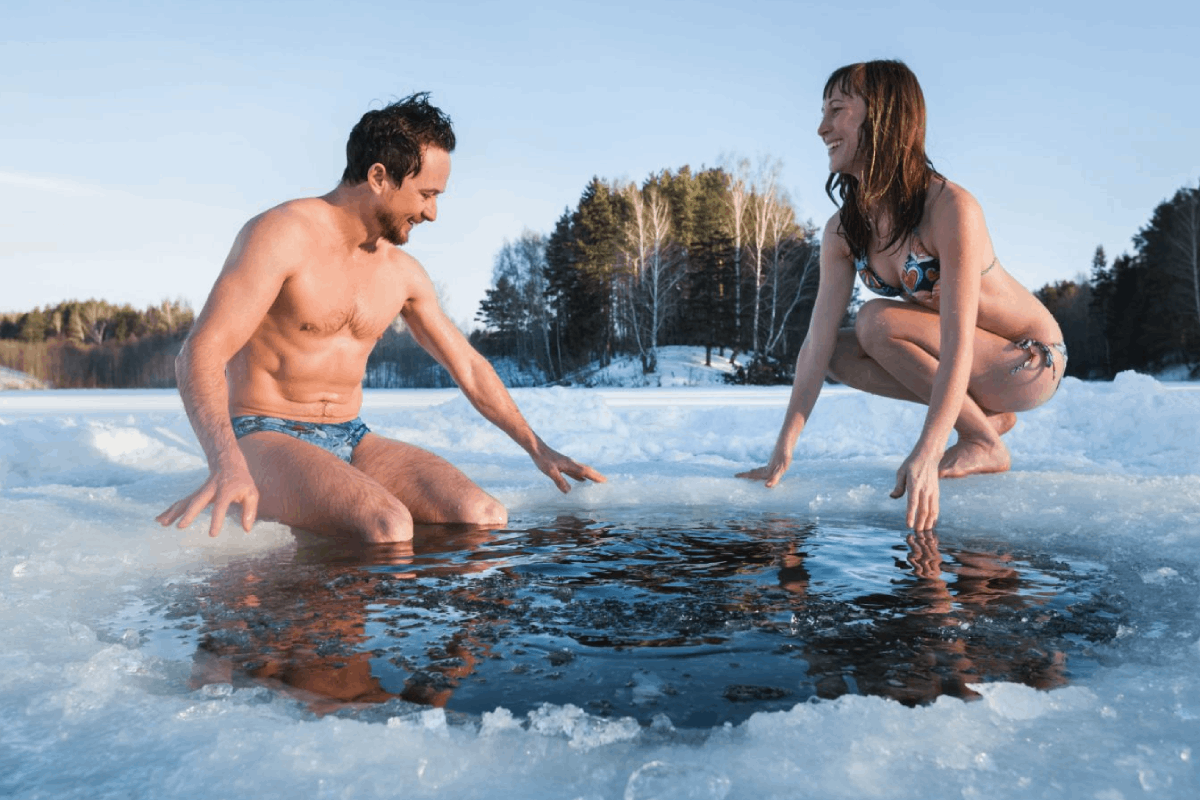
While biohackers often quantify their practice, contrast therapy is accessible to anyone seeking wellness. Athletes, performers, and everyday wellness seekers benefit from alternating heat and cold to support recovery, focus, and emotional regulation — without requiring extreme protocols.
How Cedarwood Integrates Biohacking Principles
At Cedarwood, contrast therapy and cold immersion are offered with optional guidance. Guests are encouraged to explore cold exposure and sauna alternation safely, emphasizing intention, moderation, and recovery. This approach mirrors biohacking principles but remains fully grounded and inclusive.
Frequently Asked Questions
Q: What is biohacking?
A: Biohacking is using science, lifestyle, and experimental approaches to optimize physical, mental, and emotional performance.
Q: Who are biohackers?
A: Biohackers are individuals who self-track, experiment, and optimize their biology and lifestyle for better performance and health.
Q: How does cold immersion fit into biohacking?
A: Cold immersion is a controlled stressor that supports nervous system regulation, recovery, and mood enhancement.
Q: What is contrast therapy?
A: Contrast therapy alternates hot and cold exposure, such as sauna and cold plunges, to improve circulation, metabolism, and recovery.
Q: Can beginners practice these techniques?
A: Yes, with gradual exposure and attention to safety.
Q: Who are famous biohackers?
A: Wim Hof, Dave Asprey, Ben Greenfield, Tim Ferriss, and others.
Q: Does biohacking always involve technology?
A: Not always; lifestyle and environmental interventions like cold immersion are considered biohacks.
Q: Are there health risks?
A: Extreme exposure without preparation can be risky; moderation is essential.
Q: Can cold immersion improve cognitive performance?
A: Evidence suggests enhanced alertness, mood, and focus through neurotransmitter activation.
Q: How long should cold exposure last?
A: Short sessions, typically 2–5 minutes for beginners, are effective.
Q: How often should contrast therapy be done?
A: Several times per week is common, adjusted to goals and tolerance.
Q: Is biohacking scientific?
A: Effective biohacks are evidence-based and self-tracked; ongoing research informs practices.
Q: Can anyone benefit from biohacking principles?
A: Yes, particularly when interventions are safe, personalized, and gradual.
Q: Does contrast therapy require special equipment?
A: Access to heat (sauna) and cold (plunge tub) is ideal; home adaptations are possible.
Q: Can biohacking prevent illness?
A: Biohacking may support health optimization but does not guarantee prevention.
Q: How does Cedarwood implement biohacking safely?
A: By offering guided, optional contrast therapy and cold immersion with focus on recovery and intention.
Q: Is tracking necessary?
A: Not required, but many biohackers track metrics for personalization.
Q: What is the most important factor?
A: Moderation, intention, safety, and mindful engagement are key.
References
- Pearce, J. (2016). The rise of DIY biology and biohacking. Frontiers in Public Health.
- Bleakley, C., & Davison, G. (2010). Cold-water immersion: practical applications. British Journal of Sports Medicine.
- Kox, M., et al. (2014). Voluntary activation of the sympathetic nervous system in humans. PNAS.
- Shevchuk, N. (2008). Adapted cold shower therapy as a potential treatment. Medical Hypotheses.
- Tipton, M., et al. (2017). Autonomic and circulatory responses to cold exposure. Experimental Physiology.
- Scoon, G. S., et al. (2007). Effect of post-exercise hydrotherapy on recovery. Journal of Strength & Conditioning Research.