
A science-led, real-world guide to timing cold immersion for energy, recovery, and nervous system balance.
Cold immersion and cold plunging have moved far beyond athletic recovery and extreme biohacking. Today, they are increasingly used for nervous system regulation, mental clarity, emotional resilience, and long-term wellness. One of the most common — and most important — questions people ask is simple:
When is the best time to do cold immersion?
Morning. Afternoon. Evening. Or even at night.
This article explores the science, physiology, and lived practice behind cold immersion timing. While there is no single rule that applies to everyone, research and experiential data increasingly point to morning cold immersion — ideally upon waking and before eating — as the most universally effective starting point.
That said, cold exposure can be used intentionally at different times of day depending on goals. This guide will help you choose wisely.
Why Timing Matters in Cold Immersion
Cold immersion is not just about temperature — it is about timing, context, and nervous system state.
Cold exposure triggers a cascade of physiological responses, including:
- Activation of the sympathetic nervous system
- Release of norepinephrine and dopamine
- Changes in cortisol rhythms
- Vagus nerve stimulation
- Thermogenic and metabolic effects
These systems follow circadian rhythms — meaning the same cold plunge can have very different effects depending on when it is done (Buxton et al., 2012).
Understanding timing helps avoid overstimulation, sleep disruption, or misuse — and allows cold immersion to become a supportive practice rather than a stressor.
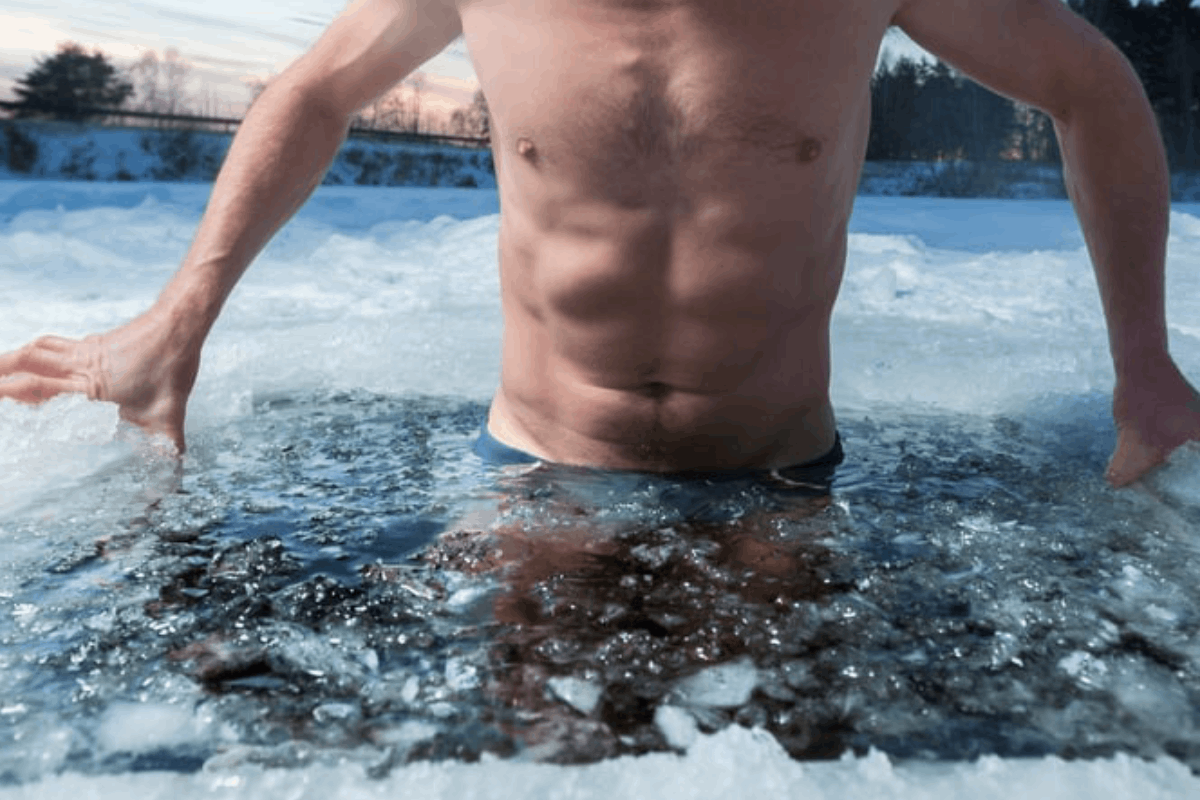
The Case for Morning Cold Immersion
(Most Effective for Most People)
For the majority of people, morning cold immersion delivers the greatest overall benefit.
1. Aligns With Natural Circadian Biology
Cortisol naturally rises in the early morning as part of the body’s wake-up process.
Cold immersion works with this rhythm rather than against it.
Cold exposure increases norepinephrine — a neurotransmitter involved in alertness, focus, and mood regulation (Kjær et al., 1989). When paired with the morning cortisol rise, this creates a clean, focused sense of energy rather than jittery stimulation.
2. Supports Nervous System Reset
Morning cold immersion acts as a controlled stressor, teaching the nervous system how to respond calmly under pressure.
Studies show cold exposure can increase parasympathetic rebound after the initial stress response, improving emotional regulation over time (Hof et al., 2014).
3. Enhances Mental Clarity & Mood
Cold immersion has been shown to elevate dopamine levels for hours after exposure (Huberman Lab, 2021). Morning exposure allows these effects to carry into the day.
Many people report improved focus, reduced anxiety, and emotional steadiness when cold immersion is practiced early.
4. Works Best Fasted
Cold immersion performed before breakfast avoids digestive competition and supports metabolic flexibility.
Cold exposure increases insulin sensitivity and activates brown adipose tissue (BAT), which is more responsive in a fasted state (Hanssen et al., 2015).
Ideal Morning Protocol
- Upon waking or shortly after
- Before breakfast
- 1–3 minutes for beginners
- 2–5 minutes for experienced practitioners
- Focus on calm nasal breathing
Afternoon Cold Immersion: Strategic & Situational
Afternoon cold immersion can be beneficial, but it should be used intentionally.
When Afternoon Cold Works Well
- Post-exercise recovery
- Mental fatigue or burnout mid-day
- High physical output days
Cold immersion can reduce perceived muscle soreness and inflammation, although timing around training should be considered carefully, as cold exposure may blunt hypertrophy if done immediately post-strength training (Roberts et al., 2015).
Cautions
Afternoon cold immersion may overstimulate some people, especially those already in a high-stress state.
It should not be used as a replacement for rest or proper nutrition.
Evening & Night Cold Immersion: Use With Care
Evening cold immersion is the most controversial timing.
Potential Benefits
- Emotional release after stressful days
- Short exposures paired with sauna
- Contrast therapy with long re-warming phases
Risks to Sleep
Cold exposure increases norepinephrine and core alertness — which can delay melatonin release if done too late (Czeisler et al., 1999).
For people sensitive to stimulation, cold immersion within 3–4 hours of bedtime may disrupt sleep.
If Practiced at Night
- Keep exposure brief
- Pair with sauna or warm shower
- Allow full re-warming before sleep
Cold Plunge vs Cold Shower: Timing Differences
Cold plunges are more intense than cold showers and therefore more sensitive to timing.
Cold showers may be tolerated later in the day, while plunges are best kept earlier.
How Contrast Therapy Changes Timing Considerations
Contrast therapy (alternating heat and cold) softens the stimulating effects of cold exposure.
This allows more flexibility, especially in afternoon or early evening sessions, as heat promotes parasympathetic activation.
Who Should Prioritize Morning Cold Immersion
- People with anxiety or burnout
- Those seeking mental clarity
- Beginners
- Anyone building consistency
Frequently Asked Questions
About When To Do Contrast Therapy
Q: What is the best time of day to do cold immersion?
A: For most people, morning cold immersion before breakfast offers the greatest benefits.
Q: Is cold plunging better in the morning or evening?
A: Morning is generally better; evening use should be limited and intentional.
Q: Can cold immersion disrupt sleep?
A: Yes, if done too late or too intensely.
Q: Is fasted cold immersion safe?
A: For healthy individuals, fasted cold immersion is generally safe and beneficial.
Q: How long should a morning cold plunge be?
A: Typically 1–3 minutes for beginners, up to 5 minutes for experienced users.
Q: Can I cold plunge every day?
A: Yes, if intensity and recovery are managed properly.
Q: Is afternoon cold immersion good for recovery?
A: Yes, particularly after endurance or high-volume training.
Q: Should beginners avoid evening cold plunges?
A: Yes, beginners should prioritize morning exposure.
Q: Does cold immersion raise cortisol?
A: Temporarily, but it can improve cortisol regulation over time.
Q: Can cold plunging help anxiety?
A: Many people report improved emotional regulation with consistent practice.
Q: Is cold immersion better before or after sauna?
A: In contrast therapy, cold typically follows heat.
Q: How soon after waking should I plunge?
A: Within the first hour is ideal.
Q: Can I eat right after cold immersion?
A: Yes, many people eat shortly after completing their session.
Q: Does timing affect dopamine release?
A: Morning exposure allows benefits to carry throughout the day.
Q: Is cold immersion safe for everyone?
A: Those with cardiovascular conditions should consult a professional.
Q: Is cold shower timing different from plunging?
A: Showers are less intense and more flexible.
Q: Does contrast therapy allow evening use?
A: Yes, when paired with sufficient heat and re-warming.
Q: What is the biggest mistake with timing?
A: Using cold immersion to override exhaustion instead of supporting recovery.
References & Citations
Buxton, O. M., et al. (2012). Circadian rhythms and metabolism. Nature Reviews Endocrinology.
Kjær, M., et al. (1989). Norepinephrine response to cold exposure. Journal of Applied Physiology.
Hof, W., et al. (2014). Cold exposure and autonomic regulation. PLOS ONE.
Hanssen, M. J., et al. (2015). Brown adipose tissue activation. Diabetes.
Roberts, L. A., et al. (2015). Cold water immersion and muscle adaptation. Journal of Physiology.
Czeisler, C. A., et al. (1999). Melatonin and circadian timing. Sleep Medicine Reviews.
Huberman, A. (2021). Dopamine and cold exposure. Huberman Lab Podcast.