
Contrast therapy is a therapeutic practice involving alternating exposure to hot and cold environments, typically through methods such as saunas, steam rooms, hot baths, cold plunges, or showers.
This form of therapy is rooted in centuries-old traditions found in cultures worldwide, from Roman baths and Nordic saunas to Japanese onsens and Korean jjimjilbangs. The principle behind contrast therapy is simple yet powerful: alternating heat and cold stimuli can enhance circulation, accelerate recovery, reduce inflammation, and improve overall wellness. In modern wellness practices, contrast therapy has evolved into highly curated experiences that may include private cold plunges, high-end saunas, and personalized heat-cold sequences.
At its core, contrast therapy leverages the body’s natural physiological responses. Heat exposure, such as in a sauna or hot bath, causes vasodilation—expansion of blood vessels—which increases blood flow, promotes muscle relaxation, and triggers the release of endorphins. Cold exposure, whether through cold water immersion, ice baths, or cool showers, induces vasoconstriction—narrowing of blood vessels—reducing inflammation, stimulating the lymphatic system, and accelerating recovery. Alternating between these two extremes creates a “pumping” effect that enhances circulation, oxygenates tissues, flushes out toxins, and strengthens the immune system. This simple yet effective mechanism is why contrast therapy is gaining global popularity as both a wellness and performance recovery tool.
Modern contrast therapy experiences are highly versatile, catering to a wide range of goals. For athletes, it can speed recovery and reduce delayed-onset muscle soreness. For those seeking stress relief, the combination of heat and cold can promote relaxation, reset the nervous system, and enhance mental clarity. For health enthusiasts, contrast therapy may improve circulation, boost immunity, and support cardiovascular health. Additionally, curated wellness retreats and private facilities often integrate aromatherapy, mindfulness practices, and elevated design elements to provide a fully immersive sensory experience. Whether practiced in traditional spa settings, at home, or in high-end private retreats, contrast therapy offers a safe and effective pathway to holistic health and performance optimization.
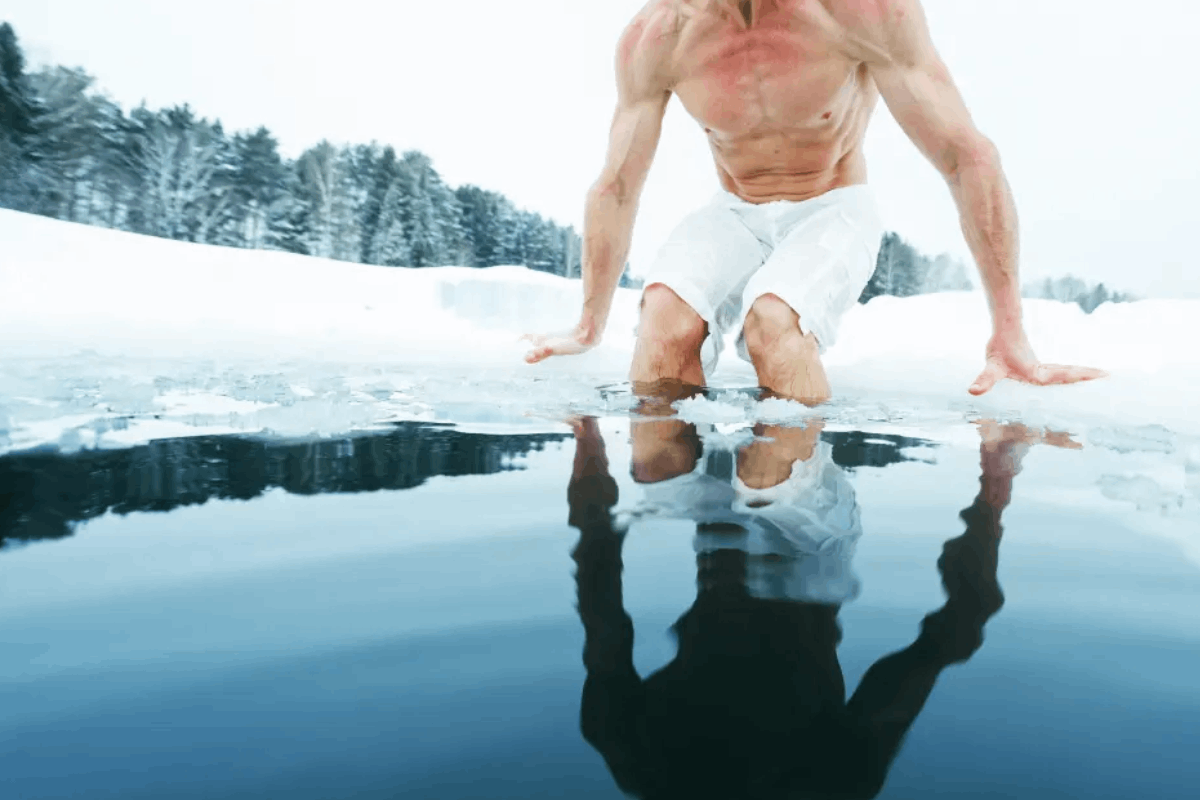
History, Benefits & Origins of Contrast Therapy
Contrast therapy is an ancient wellness practice that alternates heat and cold to support circulation, nervous system balance, and physical recovery. Rooted in multiple global traditions, it remains one of the most effective and evidence-backed methods for restoring the body and calming the mind.
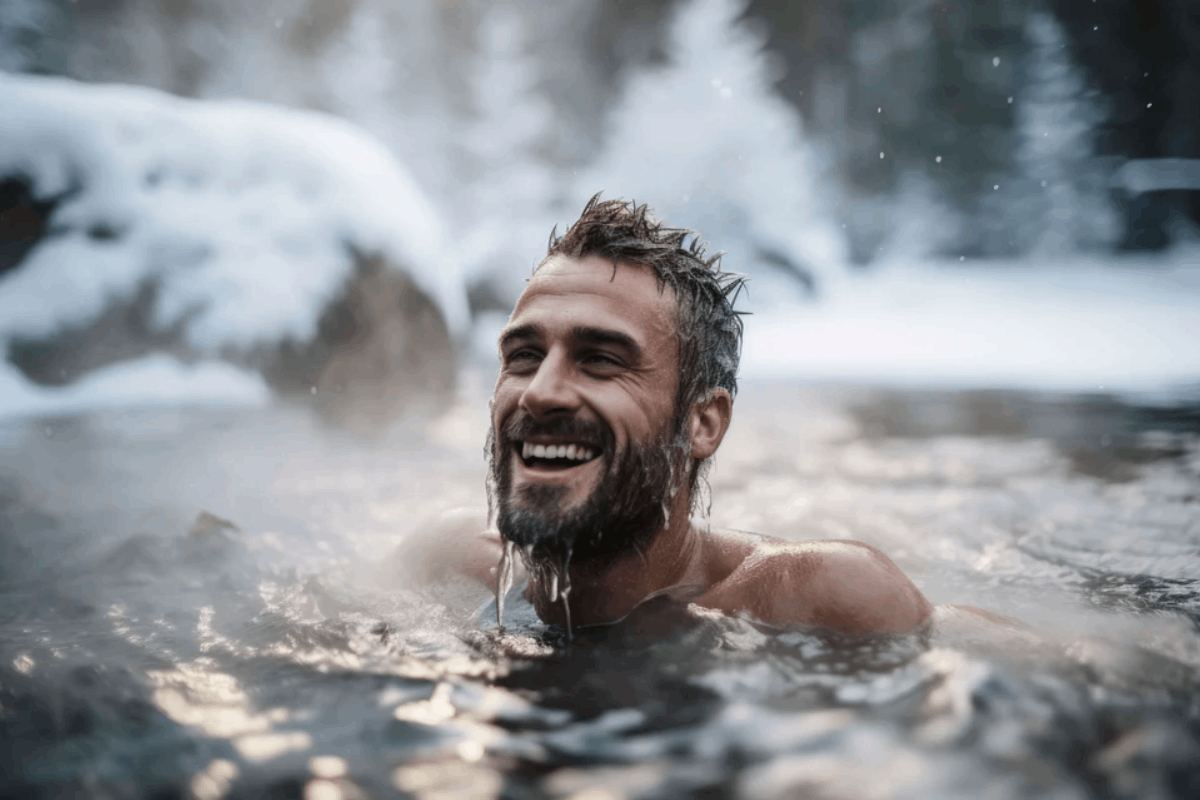
The Modern Sauna: Science, Culture & Why It Endures
Today’s sauna blends ancient tradition with modern science, offering measurable benefits for cardiovascular health, stress reduction, and nervous system regulation. Its enduring relevance lies in its simplicity, accessibility, and profound physiological impact.

The Difference Between a Spa Day and a Nordic Wellness Circuit
A spa day prioritizes passive relaxation, while a Nordic wellness circuit engages the body through intentional heat, cold, rest, and repetition. This active approach transforms wellness into a restorative ritual rather than a one-time indulgence.
Contrast Therapy History 101 Series
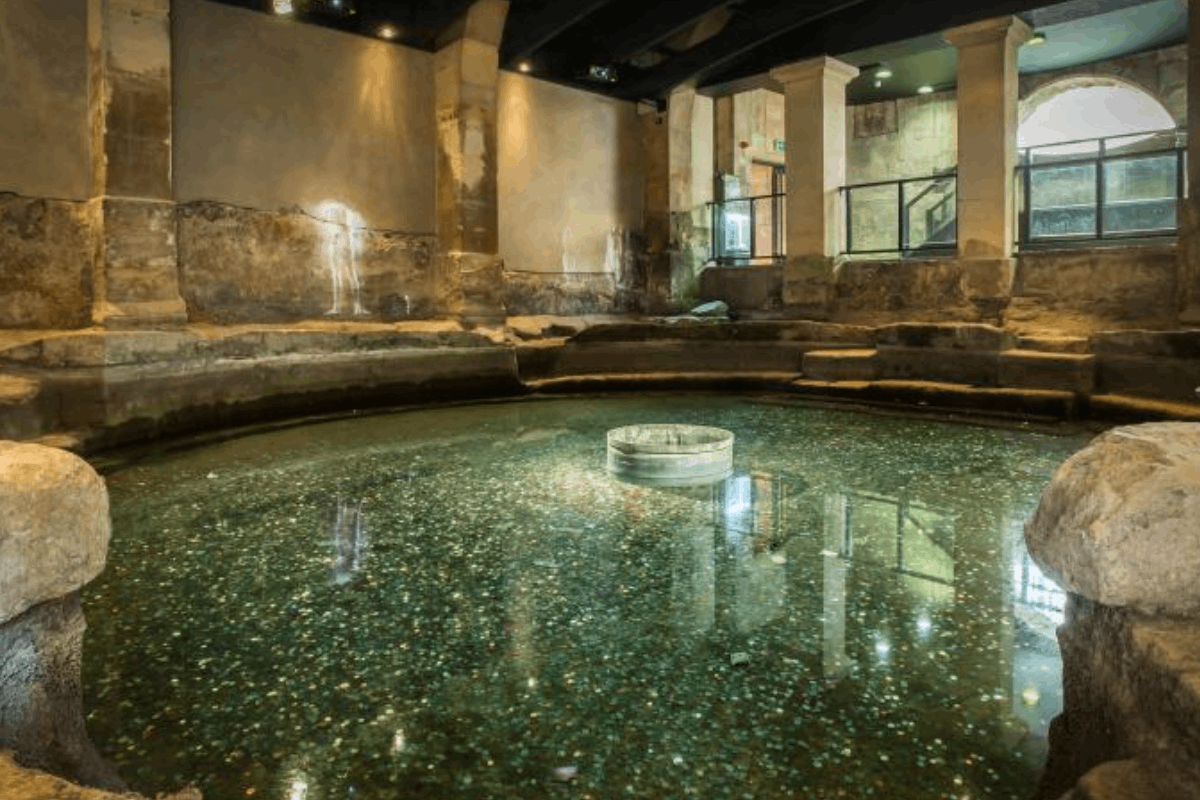
Roman Baths: The Origins of Contrast Therapy
Roman bathhouses introduced one of the earliest structured contrast therapy systems through sequential hot, warm, and cold pools. This ritualized approach to bathing laid the foundation for modern wellness circuits focused on circulation, relaxation, and social restoration.
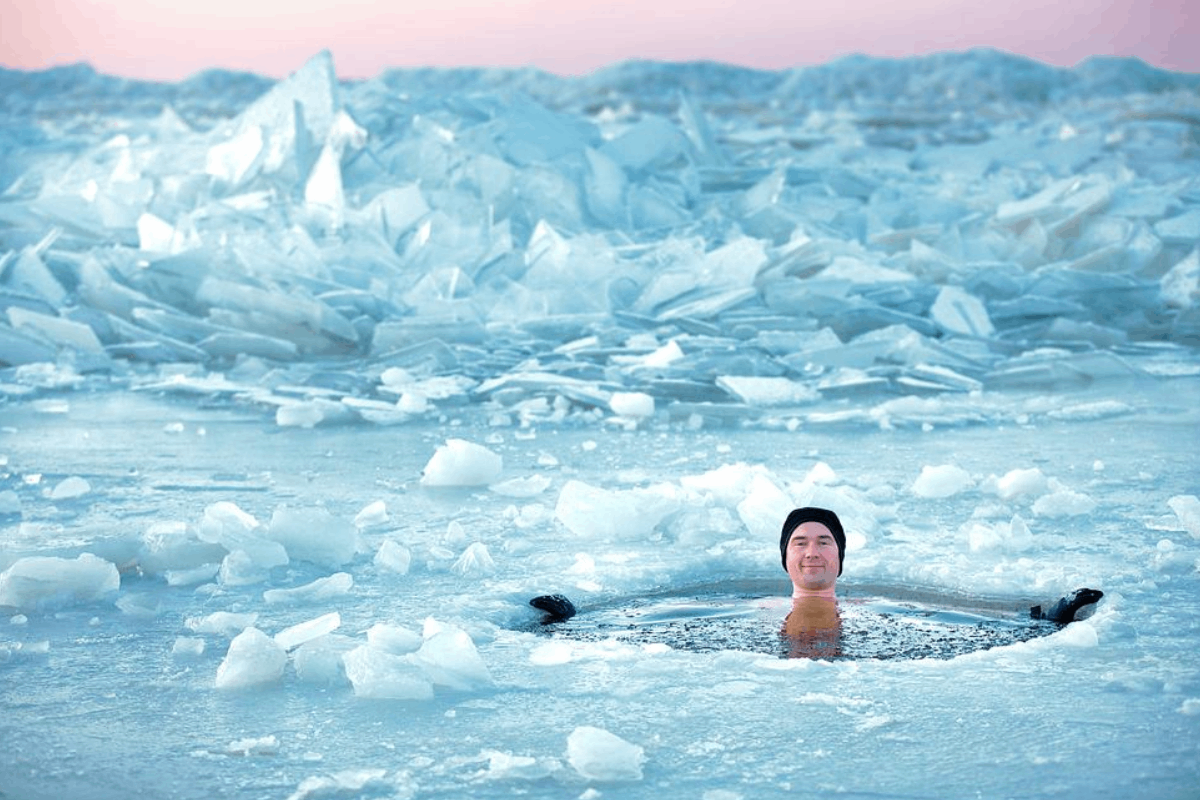
Nordic Traditions: The Origins of Sauna and Cold Immersion
Nordic cultures refined contrast therapy through the pairing of high-heat saunas with cold lakes, snow, and sea immersion. These rituals emphasized resilience, mental clarity, and connection to nature — principles that still define modern Nordic wellness experiences today.

Japanese Onsen: The Ancient Origins of Thermal Bathing
Japanese onsen culture centers on geothermal hot springs used for purification, healing, and deep relaxation. While traditionally focused on heat, onsen bathing evolved to include cooling and rest phases that mirror modern contrast therapy principles.
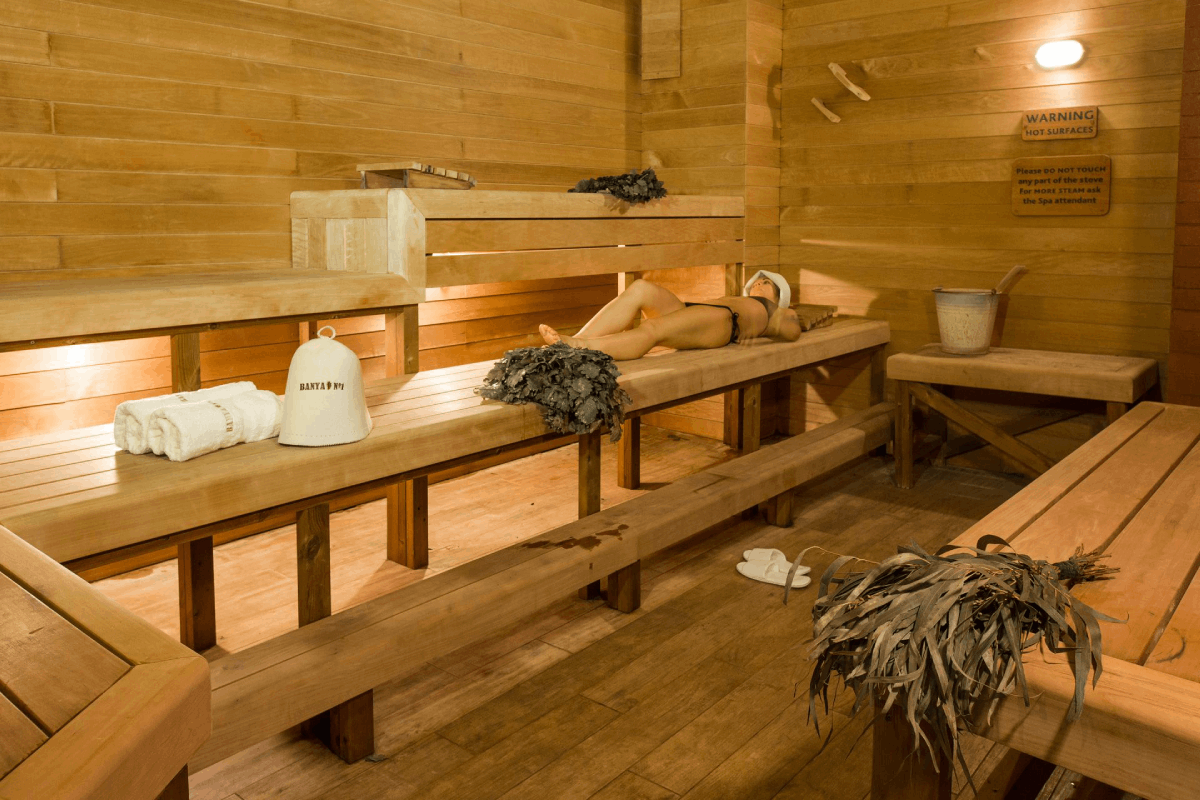
Russian Banya: Traditional Hot and Cold Bathing
The Russian banya combines intense steam heat with cold plunges, snow rolling, or icy air exposure. Known for its detoxifying and immune-supporting benefits, the banya remains a powerful example of heat and cold used intentionally for resilience and recovery.
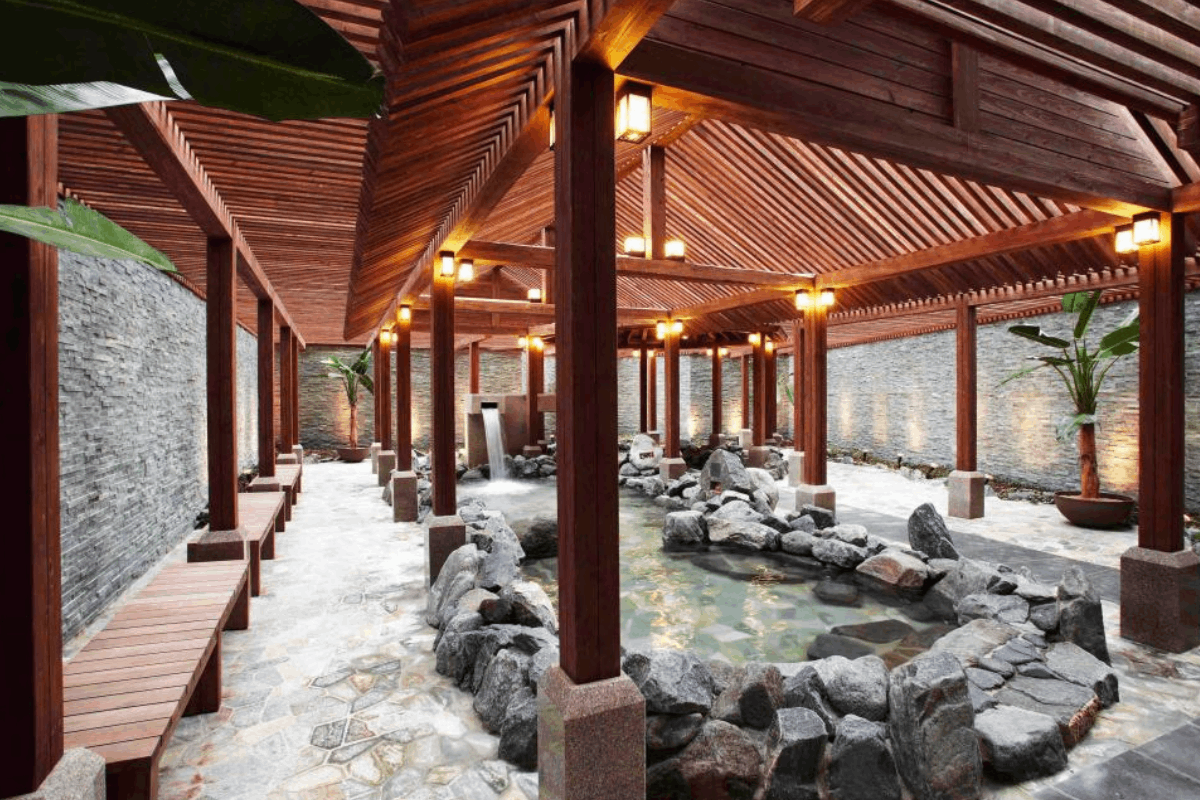
Korean Jjimjilbang: Hot and Cold Wellness Traditions
Korean jjimjilbangs offer a communal wellness experience featuring varied temperature rooms, cold pools, and rest spaces. This holistic approach emphasizes balance, detoxification, and long-form recovery through alternating thermal environments.

Ancient Egyptian & Middle Eastern Traditions: Early Thermal Therapy
Ancient Egyptian and Middle Eastern cultures used hot stone baths, steam rooms, and cooling pools for cleansing, healing, and spiritual renewal. These early thermal practices highlight how temperature-based therapies have long been central to human wellness rituals.

Native American Sweat Lodges: Sacred Contrast Therapy
Native American sweat lodges combined intense heat, steam, fresh air, and cooling phases as part of ceremonial healing and spiritual grounding. These sacred practices emphasized purification, resilience, and reconnection — core principles echoed in modern contrast therapy.

Ayurvedic & Chinese Traditions: Holistic Heat and Cold Therapy
Ayurvedic and Traditional Chinese Medicine systems used heat and cold to balance internal energies, circulation, and organ function. These therapies were applied seasonally and intentionally, reinforcing the importance of timing and moderation in thermal wellness.
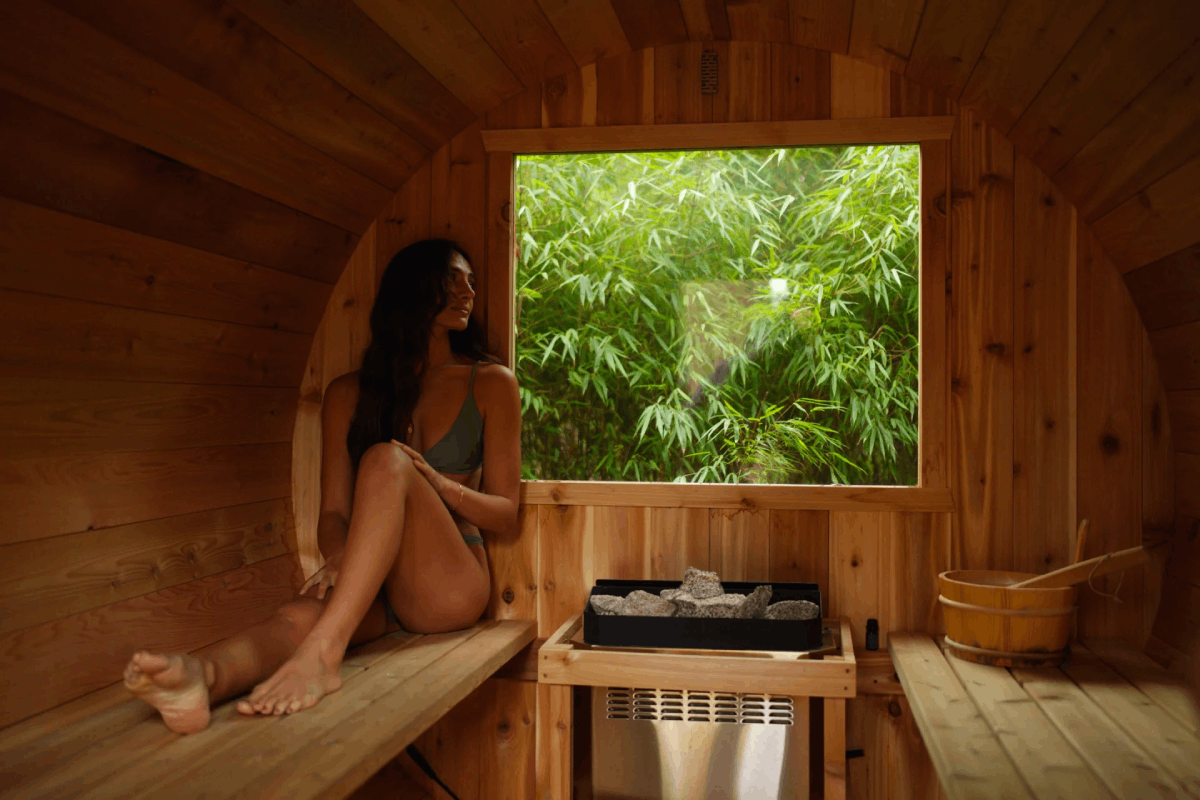
The Cedarwood Bowen Island’s Unique Contrast Therapy Journeys
Cedarwood presents a truly unique contrast therapy experience whereby each circuit is paired with one of the four Elements experiences—Earth, Water, Air, and Fire—adding a layer of sensory immersion and elemental healing. This customization ensures that no two experiences feel the same, allowing you to choose the energy and intention that aligns with your needs.
FAQs about Contrast Therapy
Q: What is contrast therapy?
A: A therapeutic practice alternating between heat and cold exposure to enhance circulation, recovery, and overall wellness.
Q: How does contrast therapy work?
A: Alternating heat causes vasodilation and relaxation, while cold causes vasoconstriction and reduced inflammation, creating a pumping effect in the circulatory system.
Q: What are common methods?
A: Saunas, steam rooms, hot baths, cold plunges, showers, and ice baths.
Q: Is contrast therapy safe?
A: Generally yes for healthy individuals, but those with cardiovascular or other medical conditions should consult a physician first.
Q: How long is each session?
A: Typically 1–5 minutes cold, 10–20 minutes hot, repeated 2–3 times depending on tolerance and experience.
Q: Who can benefit from contrast therapy?
A: Athletes, wellness enthusiasts, those seeking stress relief, improved circulation, or recovery from muscle soreness.
Q: Can it improve athletic recovery?
A: Yes, studies show it reduces delayed-onset muscle soreness and improves circulation.
Q: Does it support mental wellness?
A: Yes, it promotes relaxation, endorphin release, and mental clarity.
Q: Can contrast therapy improve immunity?
A: Alternating heat and cold can stimulate the lymphatic system and strengthen immune response.
Q: What is the historical origin?
A: Roots in Roman baths, Nordic saunas, Japanese onsens, Korean jjimjilbangs, and other ancient cultures.
Q: Is it suitable for beginners?
A: Yes, starting with shorter intervals of heat and cold and gradually increasing duration is recommended.
Q: Can it be done at home?
A: Yes, using home showers, baths, or portable saunas, though private facilities offer a more immersive experience.
Q: How often should contrast therapy be done?
A: 2–3 sessions per week is typical, though athletes may use it more frequently under guidance.
Q: Are there side effects?
A: Mild discomfort from cold exposure may occur; severe side effects are rare in healthy individuals.
Q: Can it be combined with other therapies?
A: Yes, often combined with massage, aromatherapy, meditation, or stretching.
Q: Does the sequence matter?
A: Generally, starting with heat followed by cold and repeating the cycle maximizes benefits.
Q: Is professional supervision recommended?
A: For beginners or those with medical conditions, yes, to ensure safety and effective timing.
Q: Are there modern innovations?
A: Yes, high-end private circuits, curated retreats, and technology-enhanced saunas and cold plunges.