
For decades, aging was treated as an inevitable, linear process measured only by time. But modern science now confirms a different reality: your biological age — how fast your body is actually aging — is profoundly shaped by your environment, nervous system state, and daily conditions.
This means two people of the same chronological age can have vastly different biological ages depending on how they live, recover, and regulate stress.
Longevity living is built on this principle. By intentionally shaping environment, recovery, and nervous system regulation, it is possible to slow biological aging, protect cognitive function, and improve long-term health.
At a Longevity Residence in BC such as The Barnfield Suites on Bowen Island, guests are immersed in an environment specifically designed to support recovery, nervous system balance, and long-term physiological resilience.
Longevity is not determined by time alone. It is determined by the conditions you live in every day.
Chronological Age vs Biological Age: The Most Important Longevity Distinction
Your chronological age reflects the number of years you have been alive. Your biological age reflects how well your cells, organs, and nervous system are functioning.
Biological age is influenced by multiple factors, including:
- Stress exposure
- Sleep quality
- Nervous system regulation
- Inflammation levels
- Recovery capacity
- Environmental conditions
When the nervous system remains in chronic stress mode, biological aging accelerates. Sleep becomes fragmented, inflammation increases, and cellular repair processes decline.
Conversely, when the nervous system enters sustained recovery states, repair mechanisms activate more efficiently.
This is the foundation of longevity living.
The Nervous System Is the Master Regulator of Aging
The autonomic nervous system controls whether the body prioritizes survival or repair.
In sympathetic mode — commonly known as fight-or-flight — the body prepares for threat. Cortisol levels rise, heart rate increases, and resources shift away from long-term repair toward immediate survival.
This state is essential during genuine danger, but harmful when sustained chronically.
Chronic sympathetic activation contributes to:
- Accelerated cellular aging
- Poor sleep quality
- Increased inflammation
- Cognitive fatigue
- Emotional dysregulation
In contrast, parasympathetic activation — the rest-and-repair state — supports:
- Cellular regeneration
- Hormonal balance
- Deep sleep cycles
- Immune system repair
- Improved metabolic efficiency
Longevity is fundamentally a nervous system outcome.
Environment Directly Controls Nervous System State
The nervous system constantly evaluates safety through sensory input.
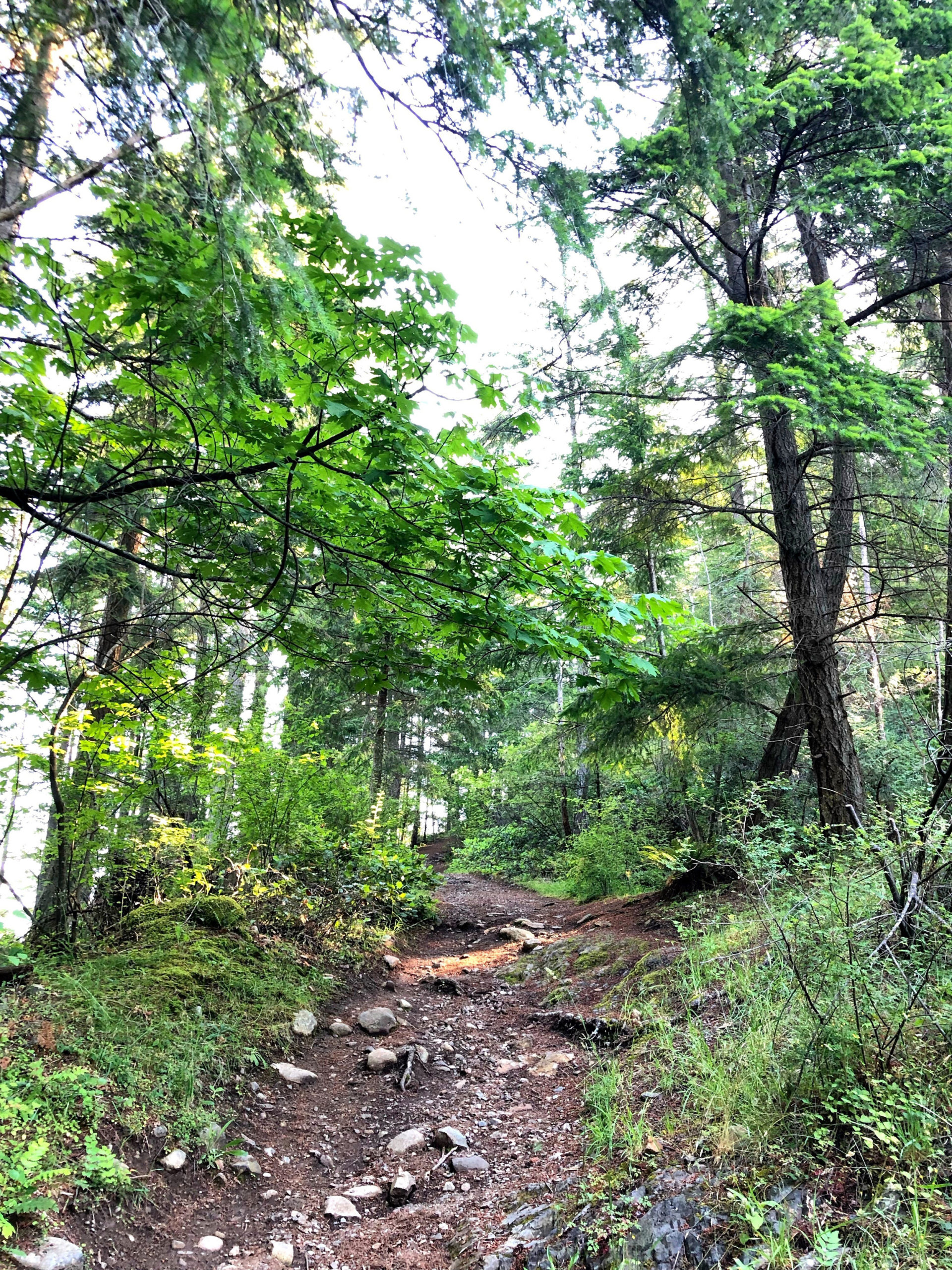
Noise, unpredictability, artificial light, and constant stimulation signal threat. Silence, nature, stable rhythms, and privacy signal safety.
Urban environments often maintain subtle nervous system activation due to:
- Traffic noise
- Artificial lighting
- Digital overstimulation
- Interrupted sleep cycles
- Constant cognitive demands
Over time, this prevents full physiological recovery.
By contrast, environments such as Bowen Island provide conditions that allow the nervous system to shift fully into recovery mode.
This is why a Longevity Residence Vancouver professionals can access easily yet feel removed from urban stress provides such powerful benefits.

Nature Exposure Supports Cellular Longevity
Exposure to natural environments has measurable effects on longevity biomarkers.
Nature immersion supports:
- Reduced cortisol levels
- Improved heart rate variability
- Enhanced immune function
- Improved sleep quality
- Reduced inflammation
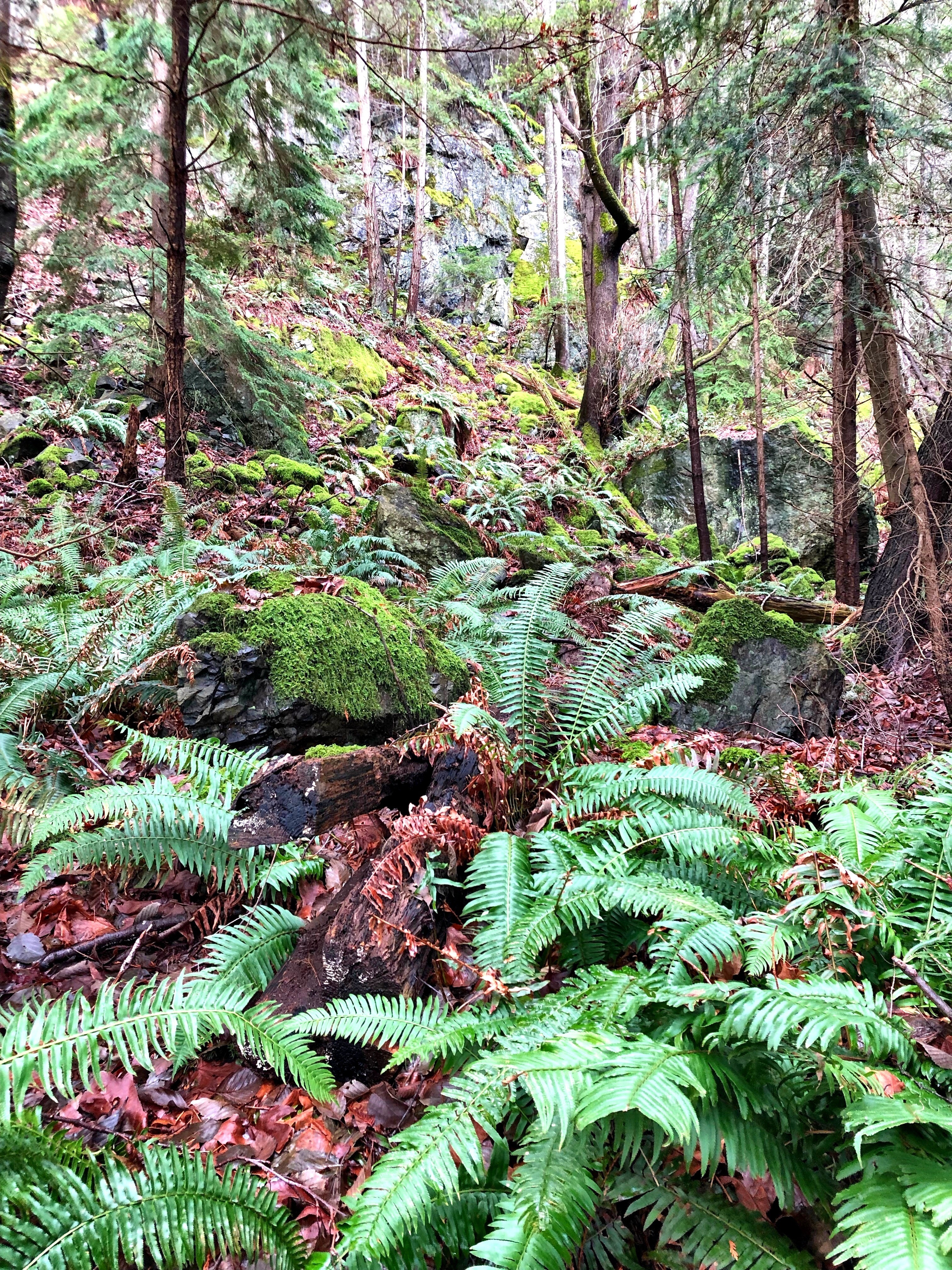
Forest environments provide stable sensory input, allowing the nervous system to downshift from vigilance into recovery.
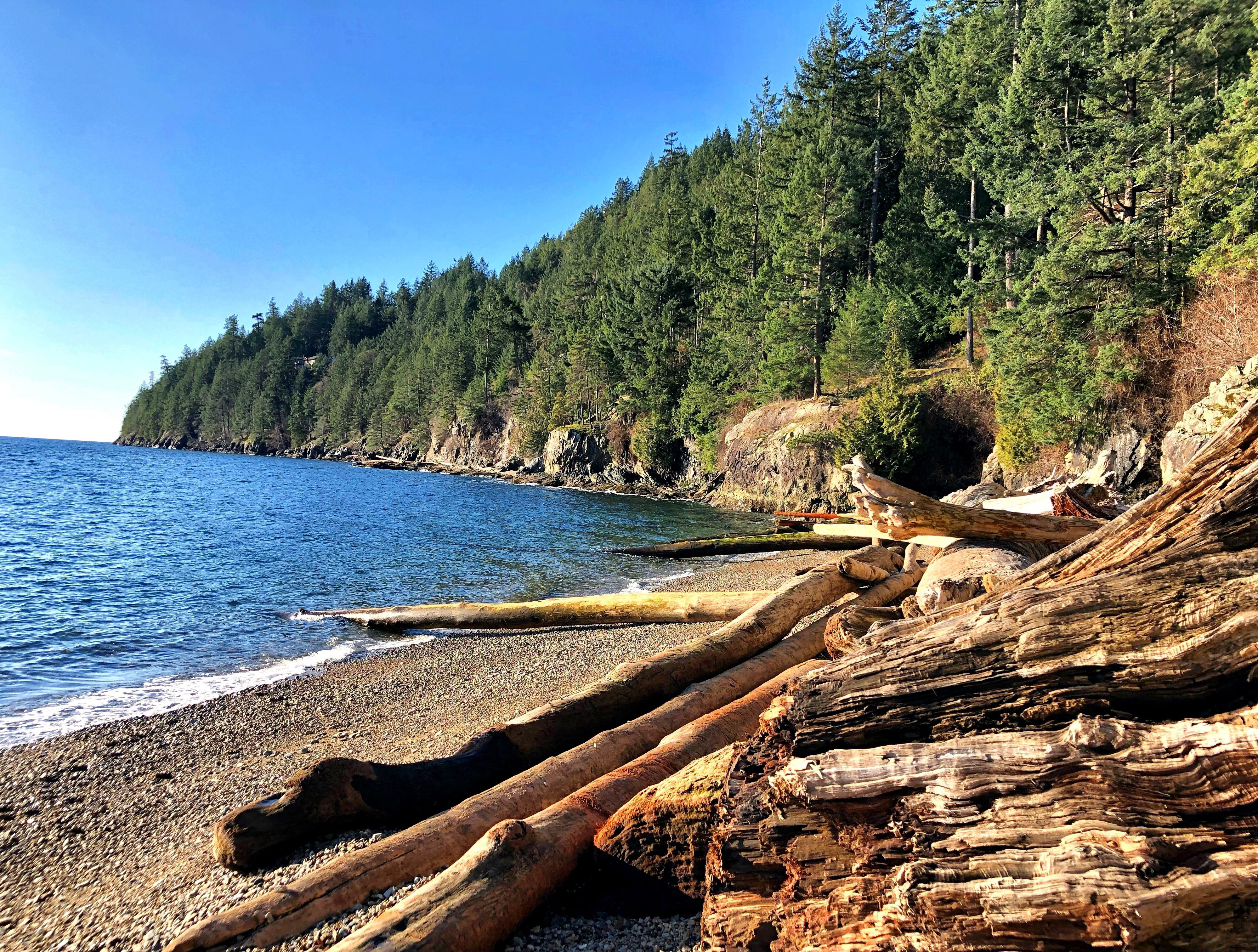
Ocean environments add additional benefits through rhythmic sensory input, clean air, and negative ion exposure.
These conditions create an ideal foundation for nervous system repair.
Telomeres: The Cellular Clock of Aging
Telomeres are protective caps at the ends of chromosomes that shorten with age.
Shorter telomeres are associated with accelerated aging and increased disease risk.
Chronic stress accelerates telomere shortening.
Conversely, environments that reduce stress and improve recovery help preserve telomere length.
Supporting telomere integrity is one of the key biological mechanisms through which longevity residences support long-term health.
Why Long Stays Produce Greater Longevity Benefits Than Short Retreats
The nervous system adapts gradually. Short-term relaxation provides temporary relief but does not fully retrain physiological patterns.
Extended stays allow the nervous system to fully recalibrate.
Guests at a Longevity Residence BC location such as The Barnfield Suites benefit from sustained exposure to recovery-supporting conditions.
Over multiple weeks, the body learns that safety is consistent rather than temporary.
This allows deeper physiological repair.
Longevity requires consistency, not intensity.
Sleep Quality Is One of the Strongest Predictors of Longevity
Sleep is when the body performs its most important repair functions.
Deep sleep supports:
- Brain detoxification
- Hormonal balance
- Cellular repair
- Memory consolidation
- Immune system regulation
Environmental factors strongly influence sleep quality.
Quiet environments, darkness, stable temperature, and reduced stimulation allow deeper sleep cycles.
This is why guests staying at a Longevity Residence Vancouver residents can access privately often experience significant sleep improvement within the first week.

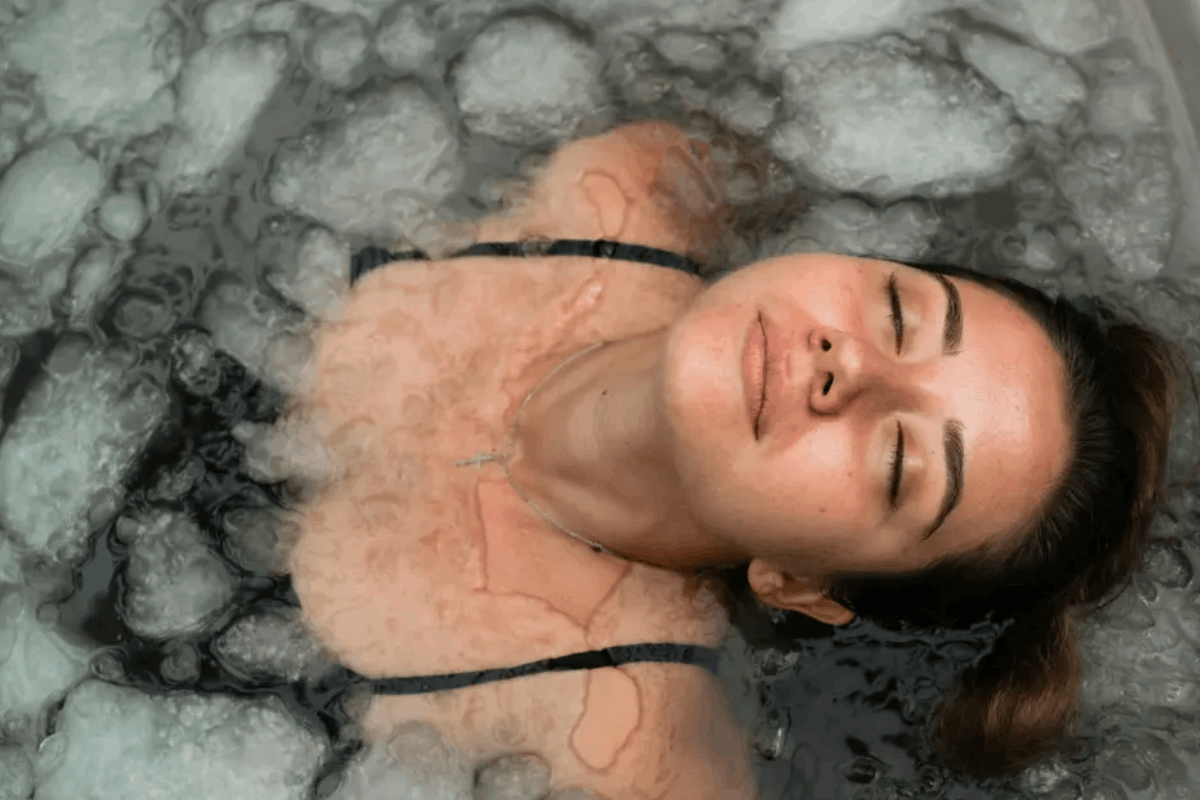
Contrast Therapy Accelerates Longevity Adaptation
Contrast therapy strengthens physiological resilience by exposing the body to controlled stress followed by recovery.
This process improves:
- Circulatory efficiency
- Nervous system regulation
- Inflammation control
- Metabolic function
Regular contrast therapy strengthens the body’s ability to adapt to stress, a key predictor of longevity.
Privacy Enables Full Nervous System Recovery
Shared environments maintain subtle vigilance.
Private environments allow the nervous system to fully disengage from monitoring external variables.
This is why private longevity residences provide deeper recovery than shared wellness environments.
Safety accelerates repair.
Longevity Living Supports Cognitive Health
Nervous system regulation improves brain function.
Benefits include:
- Improved focus
- Enhanced creativity
- Better emotional regulation
- Improved decision-making
Cognitive health is one of the most visible benefits of longevity living.

Bowen Island Provides Ideal Longevity Conditions
Bowen Island offers a rare combination of accessibility and environmental purity.
Guests experience:
- Quiet coastal environment
- Forest immersion
- Ocean air
- Reduced stimulation
- Predictable natural rhythms
These factors create ideal conditions for nervous system recovery.
The Future of Wellness Is Longevity Residences
Longevity residences represent the evolution of wellness living.
Rather than temporary escapes, they provide environments that support lasting physiological change.
As scientific understanding of aging advances, environment will continue to emerge as one of the most powerful longevity interventions.
The Barnfield Suites offers a Longevity Residence in BC designed specifically to support nervous system regulation, recovery, and long-term health.
Longevity is not created in moments. It is created through sustained environment.
Frequently Asked Questions About Longevity Living
Q: What is biological age?
A: Biological age reflects how well your body is functioning physiologically, independent of chronological age.
Q: Can environment really affect aging?
A: Yes. Environment directly influences nervous system state, sleep quality, and cellular repair.
Q: Why are long stays more effective?
A: The nervous system requires sustained safety signals to fully recalibrate.
Q: Does nature exposure improve longevity?
A: Nature exposure reduces stress and supports physiological recovery.
Q: Why is Bowen Island ideal?
A: It provides quiet, privacy, natural environment, and accessibility.
Q: What makes a longevity residence different?
A: It is designed specifically to support recovery and long-term health.
Q: Can longevity living improve sleep?
A: Yes. Environmental stability supports deeper sleep cycles.
Q: Who benefits from longevity residences?
A: Professionals, creatives, couples, and anyone seeking recovery.
Q: Is privacy important?
A: Yes. Privacy allows deeper nervous system relaxation.
Q: How long should someone stay?
A: 30 days or longer provides optimal benefits.
Q: Does contrast therapy help longevity?
A: Yes. It strengthens physiological resilience.
Q: Can longevity living improve cognition?
A: Yes. Nervous system regulation improves brain function.
Q: Why is stress harmful to longevity?
A: Chronic stress accelerates cellular aging.
Q: Is longevity living preventative?
A: Yes. It supports long-term health and resilience.
Q: Is this trend growing?
A: Yes. Longevity living is one of the fastest-growing wellness trends.
Q: How does sleep affect longevity?
A: Sleep supports cellular repair and brain health.
Q: Why do urban environments accelerate aging?
A: Chronic stimulation prevents full recovery.
Q: Where can I experience longevity living near Vancouver?
A: The Barnfield Suites offers a private longevity residence on Bowen Island.