
Understanding what contrast therapy actually is — and why it is fundamentally different from a traditional spa experience.
As wellness culture evolves, many people find themselves asking an important question: What is the difference between a spa day and a Nordic wellness circuit?
At first glance, the two can appear similar. Both involve relaxation. Both often include heat, water, and quiet environments. Both promise stress relief and restoration.
But beneath the surface, these experiences are built on very different philosophies, physiological mechanisms, and intentions.
This article clearly explains what a Nordic wellness circuit is, how it differs from a conventional spa day, and why contrast therapy has become central to modern, evidence-based wellness.
What People Mean by “A Spa Day”
A traditional spa day is primarily designed around passive relaxation and indulgence.
Most spa experiences include some combination of:
- Massage or bodywork
- Facials or skincare treatments
- Steam rooms or hot tubs
- Quiet lounges and amenities
The central goal of a spa day is typically comfort. Treatments are administered to the guest, often with minimal physical or mental effort required.
This is not inherently negative. Spa days can feel luxurious and soothing, and they play an important role in relaxation culture.
However, spa experiences tend to focus on short-term comfort rather than adaptive physiological change.

What Is a Nordic Wellness Circuit?
A Nordic wellness circuit is a structured sequence of heat, cold, rest, and repetition designed to stimulate the body’s natural regulatory systems.
Rooted in centuries-old Nordic, Finnish, and Baltic traditions, these circuits were never designed as indulgent treatments. They were designed as rituals for resilience, recovery, and community health.
A typical Nordic wellness circuit includes:
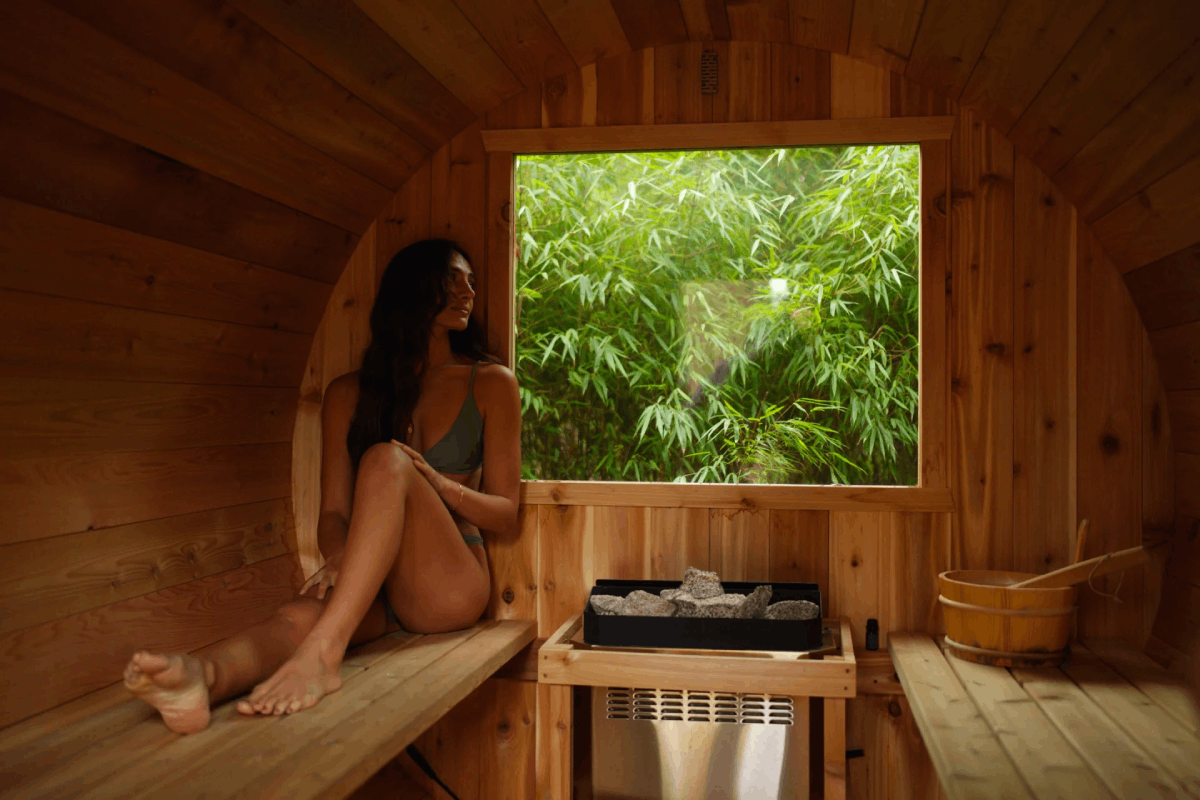
- Heat exposure (sauna)
- Cold exposure (cold plunge, cold shower, or cold air)
- Rest and integration
- Multiple rounds of contrast
Unlike a spa day, a Nordic wellness circuit is participatory. The guest actively engages with discomfort, breath, and self-regulation.
Passive vs Active Wellness
The most fundamental difference between a spa day and a Nordic wellness circuit is the role of the participant.
Spa Day: Passive
In a spa, wellness is something that happens to you.
The nervous system remains largely passive. Comfort is maintained. Stress is reduced primarily through external soothing.
Nordic Wellness Circuit: Active
In a Nordic circuit, wellness is something you practice.
Heat and cold act as intentional stressors, prompting the body to adapt. The nervous system learns how to move between activation and calm.
This process is known as hormesis — the biological principle that small, controlled stressors strengthen resilience (Mattson, 2008).
The Role of the Nervous System
Nordic wellness circuits are deeply rooted in autonomic nervous system regulation.
Cold exposure activates the sympathetic nervous system, increasing alertness and norepinephrine (Kjær et al., 1989). Heat exposure and rest phases promote parasympathetic rebound.
Over time, this trains the nervous system to transition smoothly between states — a capacity often impaired by chronic stress.
Traditional spa treatments rarely challenge the nervous system in this way.
Heat: Sauna vs Spa Heat
Sauna heat is dry, sustained, and purposeful.
It elevates core body temperature, improves circulation, and induces cardiovascular adaptations similar to moderate exercise (Laukkanen et al., 2015).
In contrast, spa heat (such as hot tubs or steam rooms) is often used briefly and without integration into a larger physiological sequence.
Cold: Contrast Therapy vs Cooling Amenities
Cold immersion in a Nordic circuit is not incidental — it is central.
Cold exposure has been shown to:
- Increase norepinephrine and dopamine
- Improve mood and focus
- Enhance stress resilience
- Support inflammation regulation
Cooling elements in spas are often optional or decorative rather than intentional.
Rest Is Not the Same as Recovery
A spa day emphasizes rest. A Nordic wellness circuit emphasizes recovery.
Recovery involves adaptive change — not just temporary relief.
Contrast therapy supports recovery by improving vascular function, autonomic balance, and stress tolerance over time.
Ritual vs Treatment
Nordic wellness circuits are ritualized experiences.
They follow a rhythm, a cadence, and a logic that encourages presence, breath awareness, and bodily intelligence.
Spa treatments are often isolated experiences with little continuity.
Why Nordic Wellness Feels “Deeper”
Many people describe Nordic wellness circuits as emotionally or mentally profound.
This depth comes from engaging with discomfort safely — an experience that builds confidence, calm, and self-trust.
Cold exposure has been associated with improvements in mood disorders and stress resilience (Shevchuk, 2008).
Self-Guided vs Provider-Led Experiences
Nordic circuits are often self-guided.
This autonomy allows individuals to listen to their bodies, adjust timing, and develop interoceptive awareness.
Spa days are typically provider-led, with little personal agency.
Longevity & Preventative Health
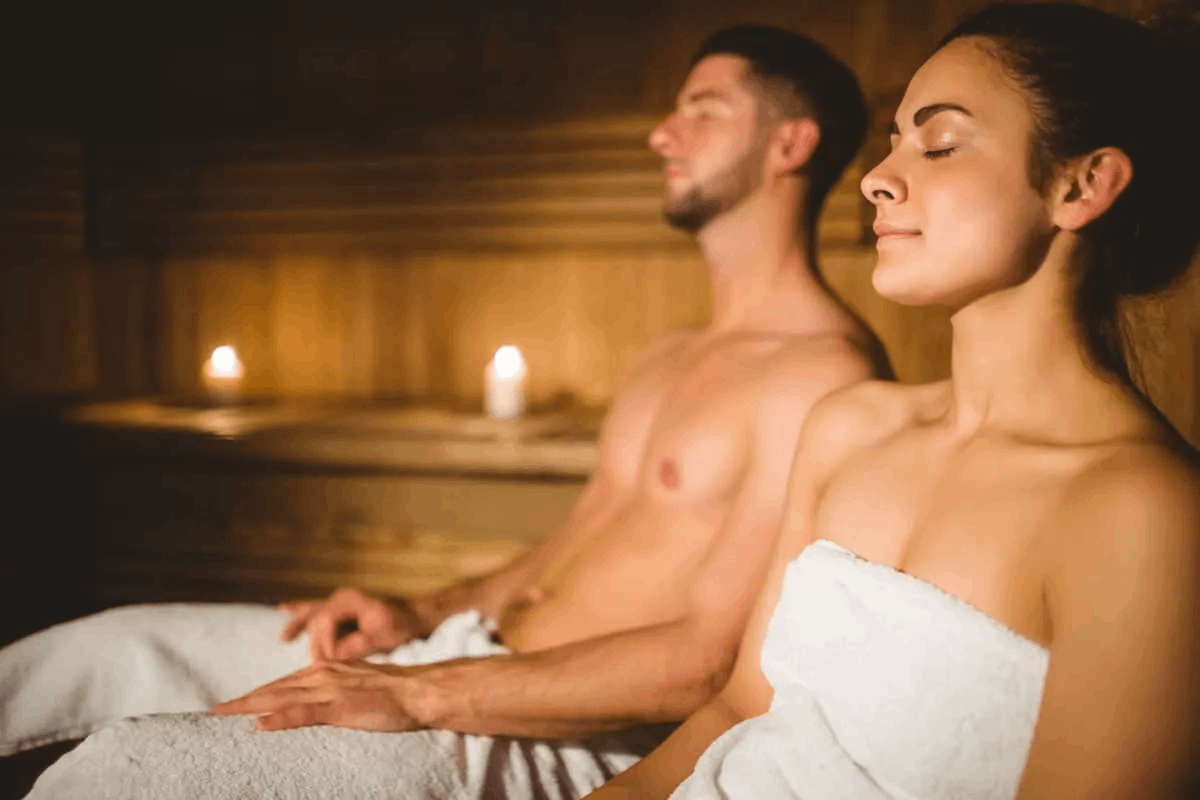
Frequent sauna use has been associated with reduced cardiovascular mortality and improved longevity outcomes (Laukkanen et al., 2018).
Contrast therapy may support long-term health through improved vascular elasticity and metabolic efficiency.
Traditional spa days are not designed with preventative physiology in mind.
Why Nordic Wellness Is Not About Luxury — But Feels Luxurious
Nordic wellness was never meant to be luxurious.
Yet paradoxically, its simplicity, quiet, and intentionality often feel more luxurious than ornate spa environments.
Luxury here comes from time, privacy, and nervous system calm — not excess.
Who Nordic Wellness Is For
- People experiencing burnout or nervous system fatigue
- Those seeking resilience, not escape
- Individuals interested in evidence-based wellness
- People who value intentional, slow experiences
Frequently Asked Questions
Q: Is a Nordic wellness circuit the same as a spa?
A: No. A Nordic wellness circuit focuses on active physiological adaptation, not passive relaxation.
Q: Does a Nordic circuit include massage?
A: Traditionally, no. The focus is heat, cold, rest, and repetition.
Q: Is contrast therapy safe?
A: For healthy individuals, it is generally safe when practiced mindfully.
Q: Why does cold matter so much?
A: Cold exposure stimulates the nervous system and promotes resilience.
Q: Can beginners do Nordic wellness?
A: Yes, with gradual exposure and proper guidance.
Q: Is sauna alone enough?
A: Sauna provides benefits, but contrast amplifies them.
Q: Does Nordic wellness help anxiety?
A: Many people report improved emotional regulation.
Q: How long does a circuit last?
A: Typically 60–120 minutes.
Q: Is it physically demanding?
A: It is challenging but accessible.
Q: Is this a trend?
A: Nordic wellness traditions are centuries old.
Q: Can couples do it together?
A: Yes.
Q: Is silence important?
A: Quiet supports nervous system regulation.
Q: Does it help sleep?
A: Many report improved sleep quality.
Q: Is it better than a spa?
A: It depends on your goals.
Q: Can it replace therapy?
A: No. It is supportive, not curative.
Q: How often should it be practiced?
A: One to three times per week.
Q: Is it uncomfortable?
A: Yes — intentionally.
Q: Why do people keep returning?
A: Because resilience compounds.
References & Citations
Mattson, M. P. (2008). Hormesis and adaptive stress responses. Ageing Research Reviews.
Kjær, M., et al. (1989). Sympathetic activity during cold exposure. Journal of Applied Physiology.
Laukkanen, T., et al. (2015). Sauna bathing and cardiovascular function. JAMA Internal Medicine.
Laukkanen, T., et al. (2018). Sauna bathing and longevity. Mayo Clinic Proceedings.
Shevchuk, N. A. (2008). Cold exposure and depression. Medical Hypotheses.