
Learn the essential sauna etiquette, hidden rules, and cultural practices for a safe and respectful sauna experience in Canada and abroad. From private wellness retreats to public saunas, maximize your relaxation and health benefits.
The sauna is more than just a heat chamber—it is a sanctuary for relaxation, physical recovery, and mental clarity. Across the globe, sauna usage has exploded as part of wellness, stress relief, and contrast therapy practices. However, many guests are unsure of the social and cultural expectations that accompany sauna experiences. Knowing the unspoken rules can dramatically enhance your comfort, safety, and enjoyment.
In this guide, we explore sauna etiquette in Canada and worldwide, provide practical tips for beginners, and cover everything from clothing and towel guidelines to cultural nuances and social interaction. Whether visiting a spa in British Columbia, attending a luxury retreat like The Barnfield Suites, or enjoying a Finnish-style sauna at home, these insights will help you respect the ritual while maximizing health benefits.
Sauna Rule #1. Unspoken Rules of Sauna Use
Saunas carry a subtle social code that varies by culture and location. Understanding these hidden rules is key to a comfortable experience for yourself and others.
Respect Silence
Most traditional saunas, especially in Finland, value silence. Talking loudly or engaging in distracting behavior can disrupt others’ relaxation. Consider soft whispers only if necessary.
Maintain Personal Space
Allow at least one bench space between yourself and strangers in public saunas. Avoid hovering or moving too close when entering the sauna mid-session.
Timing Matters
Don’t monopolize the sauna. Typical sauna sessions last 10–20 minutes, and if there are multiple cycles, make room for others to rotate. Observing natural pauses shows respect for everyone’s experience.
Cleanliness Counts
Always shower before entering the sauna to remove sweat, lotions, and oils. Sit on a towel to maintain hygiene and protect wooden benches.
Reference: Visit Finland – Sauna Etiquette Guide
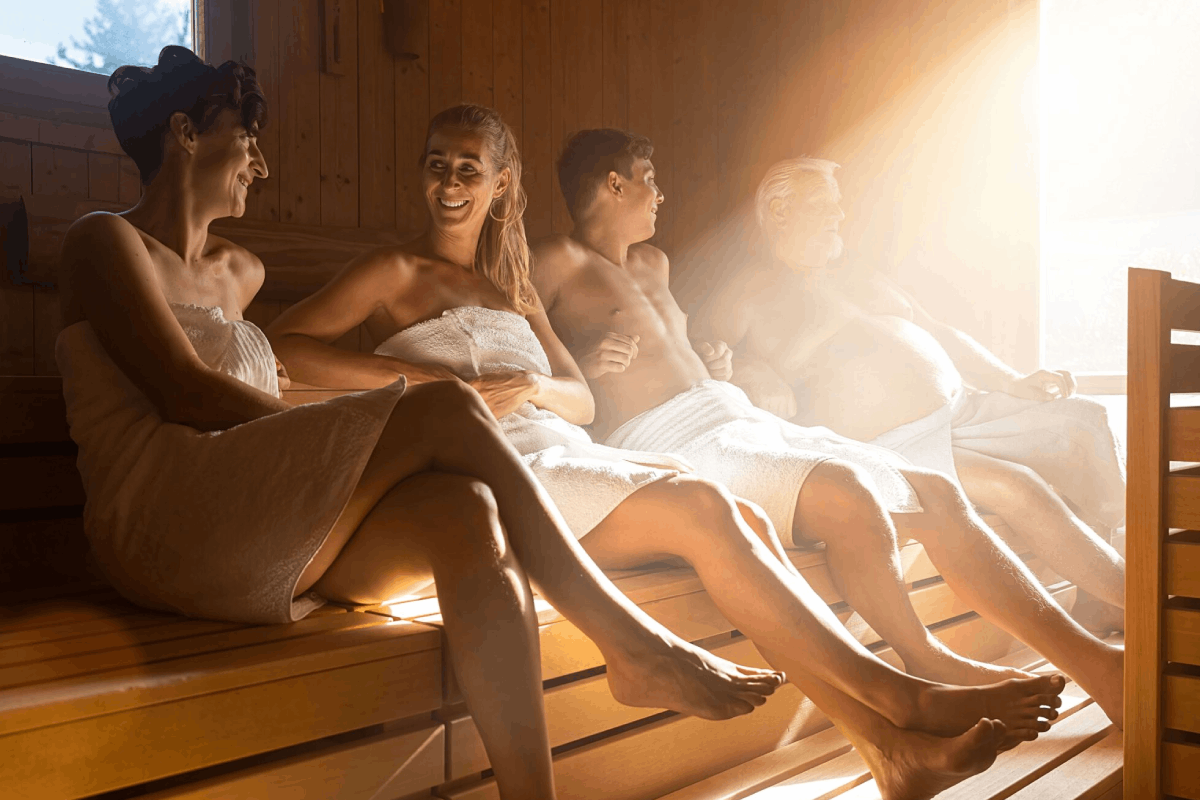
Sauna Rule #2. Clothing and Towel Guidelines
Sauna clothing norms can vary, but the overarching principle is hygiene and respect for others.
Swimsuits vs. Naked
In Canada and public settings, swimsuits are generally acceptable and sometimes required. Traditional Finnish saunas, however, are often enjoyed nude among same-gender groups. Check local rules and comfort levels.
Sitting on a Towel
Always sit on a clean towel. This prevents sweat from soaking into the benches and reduces odor. For shared saunas, bring an extra towel for multiple sessions.
Minimal Accessories
Remove jewelry and watches as metal can heat up and cause burns. Avoid applying oils or lotions before entering, as these can stain wood and disrupt airflow.
Reference: Sauna Times – Sauna Etiquette and Towel Tips

Sauna Rule #3. Temperature and Timing
One of the most overlooked aspects of sauna etiquette is respecting your own limits and pacing yourself.
Start Conservatively
If you are new to saunas, start with shorter sessions (5–10 minutes) at lower temperatures (around 70–80°C) and gradually increase as your body acclimates.
Cycle Your Time
Traditional practice often involves 2–3 sauna cycles with rest periods in between. Use this time to hydrate, cool down, and reflect.
Listen to Your Body
Symptoms like dizziness, nausea, or lightheadedness are cues to exit immediately. Safety is part of etiquette—your well-being is essential.
Reference: Healthline – Sauna Benefits and Safety Tips
Sauna Rule #4. Hydration and Preparation
Proper preparation enhances the sauna experience and respects the comfort of others sharing the space.
Hydrate Before and After
Drink water prior to entering to prevent dehydration. After the sauna, continue to hydrate and allow your body to cool gradually.
Shower Protocols
Shower before entering to remove impurities, and rinse off afterward to cleanse the skin of sweat and toxins.
Optional Pre-Sauna Rituals
Some guests enjoy light stretching or meditation before entering, which primes the nervous system and improves circulation.
Reference: Medical News Today – Sauna Preparation and Hydration
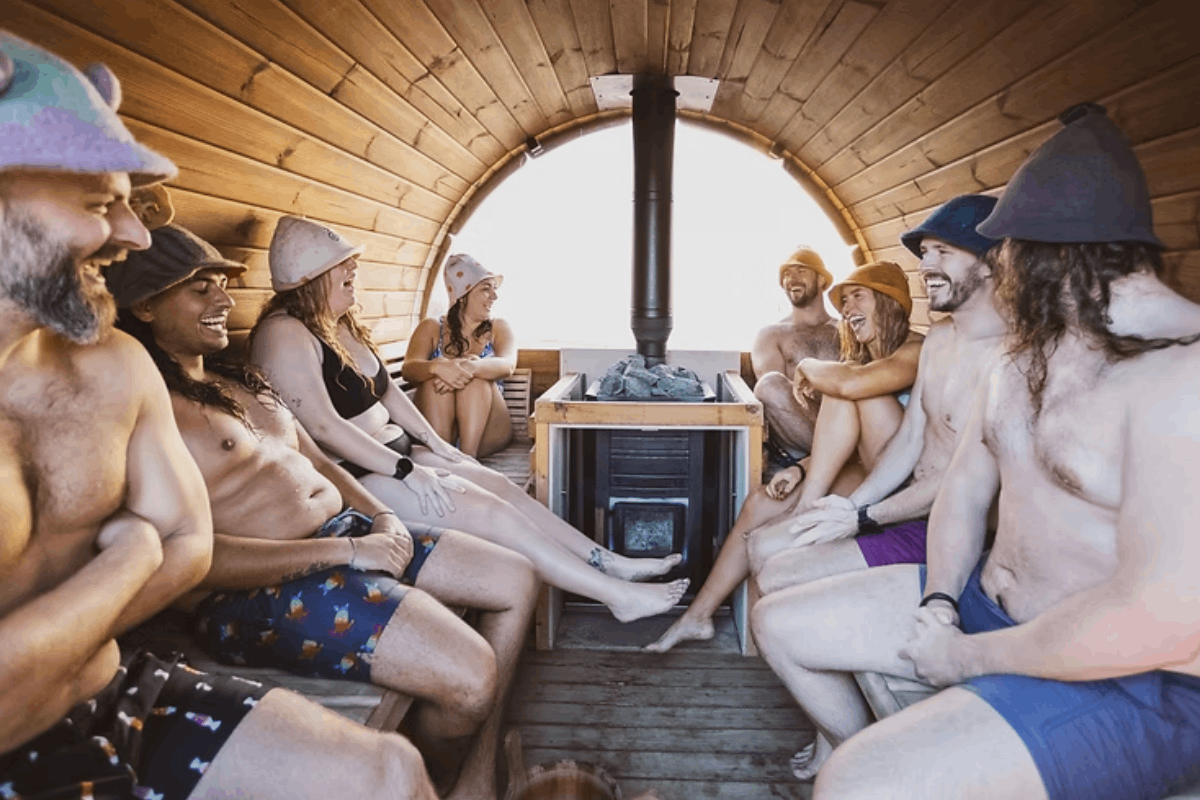
Sauna Rule #5. Cultural Differences in Sauna Etiquette
Understanding global sauna customs can enhance your respect for the ritual and prevent accidental faux pas.
Finnish Sauna Customs
Finns often sauna nude, enjoy quiet contemplation, and may alternate sauna with cold water immersion.
Russian Banya
Russian saunas include steam, leaf whisks (venik), and social interaction. Conversation is more acceptable than in Finnish saunas.
Japanese Onsen Influence
Japanese onsen emphasize bathing before entering communal pools. Cleanliness and minimal noise are paramount.
Reference: Sauna Finder – Global Sauna Etiquette
Sauna Rule #6. Social Interaction and Phone Etiquette
In public saunas, etiquette extends to communication and electronics.
Conversation Rules
Soft whispers are acceptable if necessary, but loud conversations disrupt the meditative environment.
Eye Contact and Respect
Minimal eye contact avoids discomfort. Avoid staring, and respect personal space.
Phone and Technology
Phones, cameras, and other electronics should remain outside the sauna. This preserves privacy, reduces distractions, and aligns with the ritual’s mindfulness focus.
Reference: Visit Finland – Sauna Etiquette Guide
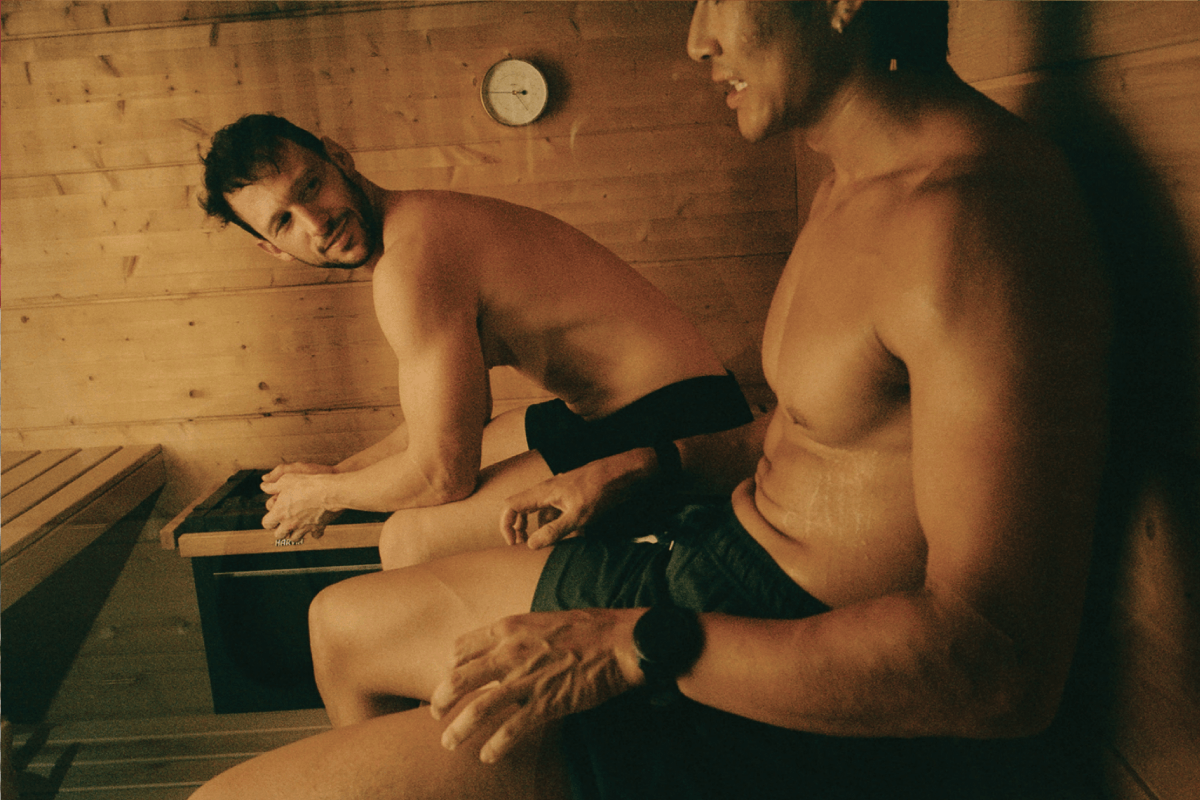
Sauna Rule #7. Private vs. Public Sauna Etiquette
Etiquette differs depending on the type of sauna experience.
Private Saunas
- Relaxation and ritual can be customized.
- Less strict about clothing, but hygiene is still important.
- Ideal for couples retreats, solo wellness trips, or luxury spa stays.
Public Saunas
- Follow all hygiene, spacing, and silence rules.
- Observe local customs for clothing and social interaction.
- Be mindful of timing and shared resources.
Reference: Wellness Living – Public vs. Private Sauna Etiquette
Enjoy Sauna Like a Local — Respect the Ritual
Whether attending a public spa, booking a luxury retreat like The Barnfield Suites & Cedarwood Elements, or enjoying a Finnish-inspired sauna at home, understanding etiquette ensures safety, relaxation, and full wellness benefits. Follow these guidelines, and you’ll experience the sauna as it was meant to be enjoyed.
Frequently Asked Questions About Sauna Etiquette
Q: What is the main purpose of sauna etiquette?
A: Sauna etiquette ensures a safe, comfortable, and relaxing environment for all guests while preserving cultural traditions.
Q: Can I talk in the sauna?
A: Minimal conversation is acceptable, but loud or prolonged talking is discouraged to respect others’ relaxation.
Q: How long should a typical sauna session last?
A: Beginners should start with 5–10 minutes; experienced users may stay 15–20 minutes per cycle.
Q: Do I need a towel in the sauna?
A: Yes. Always sit on a clean towel to maintain hygiene and protect the wood surfaces.
Q: Are swimsuits allowed?
A: In Canada, swimsuits are usually acceptable, but always follow spa-specific rules and comfort preferences.
Q: How often should I hydrate during a sauna session?
A: Drink water before entering, between cycles, and afterward to prevent dehydration and support recovery.
Q: Is nudity required in a sauna?
A: Nudity is traditional in Finnish saunas, but optional depending on culture, location, and personal comfort.
Q: Can I use my phone in the sauna?
A: No. Phones should remain outside to protect privacy, reduce distractions, and maintain mindfulness.
Q: What is the best way to cool down after a sauna?
A: Use a cold shower, plunge, or outdoor air exposure to help regulate body temperature and enhance contrast therapy benefits.
Q: Can beginners attend public saunas safely?
A: Yes. Start slow, follow etiquette rules, and listen to your body for cues to exit if necessary.
Q: Are there cultural differences in sauna practices?
A: Yes. Finnish, Russian, and Japanese sauna practices differ in clothing norms, social interaction, and rituals.
Q: Can I bring my own towel or accessories?
A: Most spas provide towels, but bringing a personal towel or sauna hat is acceptable for hygiene and comfort.
Q: Should I shower before entering?
A: Yes. Showering removes sweat, oils, and lotions, keeping the sauna clean and hygienic.
Q: How do I behave in a crowded public sauna?
A: Respect personal space, avoid prolonged eye contact, keep quiet, and allow others to rotate through cycles.
Q: Can children use saunas?
A: Children should only use saunas with adult supervision and for shorter durations to ensure safety.
Q: How do private saunas differ?
A: Private saunas offer greater flexibility in clothing, conversation, and ritual, while still maintaining hygiene and respect for the space.
Q: What are common mistakes to avoid?
A: Talking loudly, staying too long, skipping towels, bringing electronics, or ignoring hydration are common breaches of etiquette.
Q: Can sauna etiquette enhance wellness benefits?
A: Absolutely. Respecting timing, hygiene, and mindfulness allows maximum relaxation, parasympathetic activation, and contrast therapy effectiveness.
Q: How do I integrate sauna etiquette into a wellness retreat?
A: Follow the unspoken rules, hydrate, and pace your sessions, particularly when combining sauna with cold plunges and forest bathing, for a full restorative experience.
Cultural Sauna Etiquette Around the World
Understanding sauna etiquette becomes easier when you understand its origins. Sauna traditions were not created for luxury. They were created for health, purification, and nervous system restoration.
Many modern sauna etiquette rules are directly influenced by centuries-old cultural practices that prioritized respect, stillness, and physiological recovery.
Finnish Sauna Etiquette: Silence, Stillness, and Equality
Finland is considered the birthplace of modern sauna culture. With over 3 million saunas for a population of 5.5 million, sauna use is a near-daily ritual.
According to Visit Finland’s official sauna etiquette guide, sauna is viewed as a calm, quiet space for restoration.
Key Finnish etiquette principles include:
- Silence is normal and respected
- Stillness enhances relaxation
- No hierarchy exists inside the sauna
- Everyone deserves equal access to relaxation
Sauna is treated as a neutral space where the nervous system can fully reset.
Russian Banya Etiquette: Cycles of Heat and Recovery
The Russian banya tradition emphasizes contrast cycles between intense heat and cold immersion.
According to the Encyclopaedia Britannica overview of banya culture, sauna rituals in Russia are deeply tied to physical and emotional purification.
Important etiquette principles include:
- Respect heat tolerance differences
- Allow recovery between rounds
- Avoid disrupting others’ recovery states
The goal is not endurance. It is recovery.
Japanese Onsen and Sauna Etiquette: Purity and Preparation
Japanese sauna and hot spring culture emphasizes preparation and cleanliness.
According to the Japan Guide to Onsen etiquette, bathing and sauna rituals require guests to wash thoroughly before entering.
This reinforces respect for shared environments and enhances comfort for everyone.
The Unspoken Social Rules of Sauna Use
Beyond formal etiquette, there are subtle social norms that experienced sauna users naturally follow.
Avoid Staring or Excessive Eye Contact
Sauna environments heighten sensory awareness. Most guests enter deeply introspective states.
Maintaining soft awareness rather than direct eye contact allows everyone to remain relaxed.
Move Slowly and Intentionally
Quick or sudden movements disrupt the calm environment.
Slow, controlled movement reinforces nervous system relaxation.
Enter and Exit Quietly
Opening sauna doors releases heat and disrupts temperature stability.
Enter calmly and close doors gently.
Respect Heat Preferences
Some guests prefer higher benches for more intense heat. Others prefer lower benches.
Avoid adjusting sauna conditions without group awareness in shared environments.

How Etiquette Enhances Nervous System Recovery
Sauna exposure activates the autonomic nervous system. Specifically, it helps shift the body from sympathetic activation (stress mode) into parasympathetic activation (recovery mode).
This shift improves:
- Emotional regulation
- Sleep quality
- Circulation
- Mood stability
Research published in the journal Complementary Therapies in Medicine found sauna bathing can reduce cortisol and improve relaxation responses.
https://pubmed.ncbi.nlm.nih.gov/25705824/
Etiquette protects these effects by preventing overstimulation.
Why Private Sauna Environments Allow Deeper Recovery
Private sauna environments remove social uncertainty.
This allows guests to:
- Fully relax without social pressure
- Stay present longer
- Access deeper nervous system recovery
- Feel safe and comfortable
Privacy enhances emotional safety, which allows the parasympathetic nervous system to activate more effectively.
This is why private sauna experiences often feel more restorative than public environments.
The Role of Sauna Etiquette in Contrast Therapy
Contrast therapy combines sauna heat exposure with cold immersion.
This cycle improves:
- Circulation
- Muscle recovery
- Nervous system resilience
- Mental clarity
According to research published in Sports Medicine, contrast therapy improves recovery and reduces fatigue perception.
https://pubmed.ncbi.nlm.nih.gov/24668303/
Etiquette ensures these cycles remain calm, intentional, and safe.
Common Sauna Mistakes Beginners Should Avoid
- Staying too long
- Using phones inside the sauna
- Skipping hydration
- Entering while overly stressed or rushed
- Treating sauna as entertainment rather than recovery
Sauna is most effective when approached intentionally.
Sauna Etiquette and Emotional Safety
The nervous system constantly evaluates safety.
Quiet environments signal safety to the brain.
This allows:
- Muscle tension release
- Reduced cortisol production
- Improved emotional processing
Etiquette helps create this safety.
Modern Sauna Use as Preventative Wellness
Regular sauna use is associated with long-term health benefits.
A landmark Finnish study published in JAMA Internal Medicine found frequent sauna use was associated with improved cardiovascular outcomes.
https://jamanetwork.com/journals/jamainternalmedicine/fullarticle/2130724
Respectful sauna environments support consistent use.
Sauna Is a Ritual, Not Just Heat Exposure
Sauna etiquette exists to protect one essential outcome: deep restoration.
When approached respectfully, sauna becomes more than physical recovery. It becomes emotional and neurological recovery.
Stillness, heat, and intentional presence allow the body to reset in ways modern environments rarely allow.
Experience Sauna Like It Was Meant to Be Experienced
Private sauna environments offer the most effective conditions for nervous system restoration.
At Cedarwood Elements on Bowen Island, sauna rituals are designed to support deep recovery through privacy, contrast therapy, and nature immersion.
Guests experience complete calm, free from distraction.