[ Contrast Therapy History 101 Series ]
The Russian banya is an enduring cultural practice involving high-heat steam rooms, cold plunges, and social rituals. Originating over 1,000 years ago, the banya represents a critical chapter in the global history of contrast therapy.
Historical Background
Russian banyas date back to at least the 10th century, with early references in historical chronicles. Traditionally, banyas were wooden structures with a wood-fired stove, heated stones, and a sequence of hot and cold exposure, often complemented by cold rivers or snow during winter ( Russia Beyond – Banya Tradition).
Structure and Practices
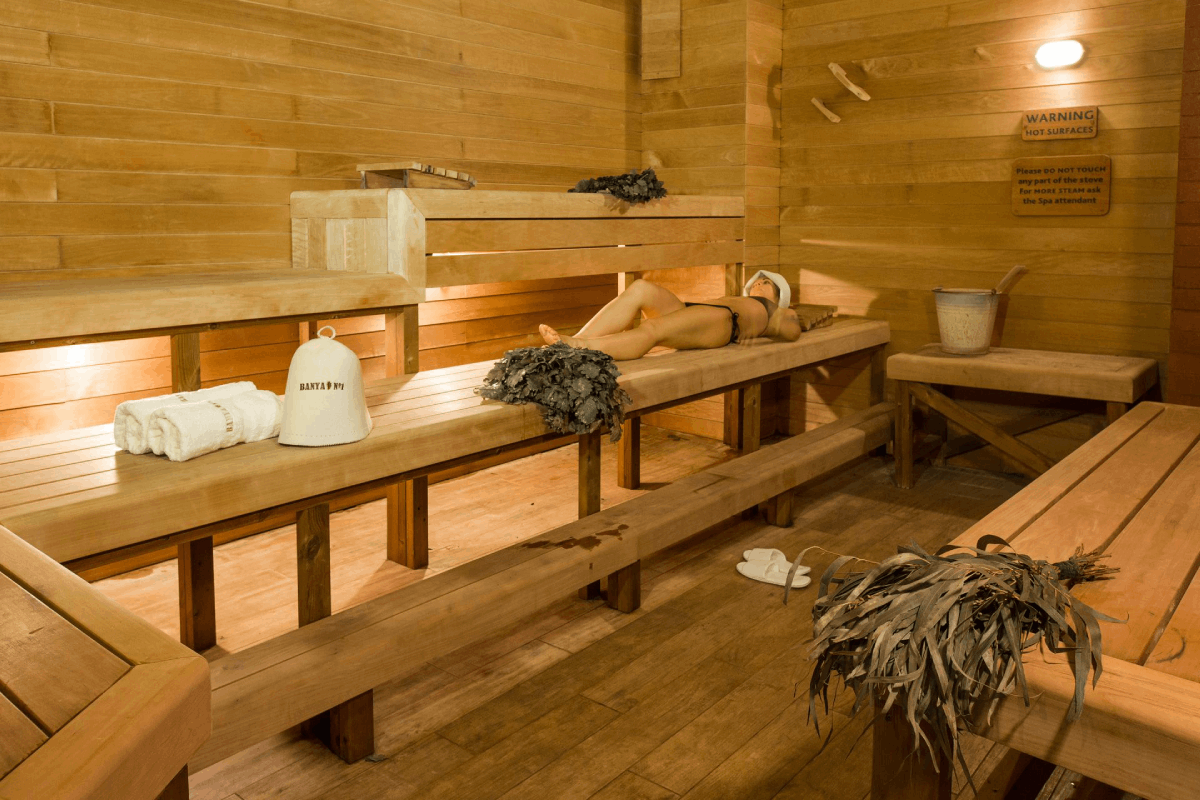
- Steam Room: Wood-heated sauna reaching 70–90°C with high humidity.
- Cold Plunge: Immersion in icy water, rivers, or snow immediately after steam exposure.
- Venik Massage: Use of birch or oak branches to lightly beat the skin, stimulating circulation and lymphatic flow.
- Alternating Heat and Cold: Multiple cycles for improved vascular function and recovery.
- Social Rituals: Community gathering, conversation, and shared meals were traditional.
Health Benefits
Scientific studies confirm banya practices improve cardiovascular health, reduce stress, and enhance recovery. Alternating heat and cold exposure stimulates the autonomic nervous system, improves vascular elasticity, and triggers endorphin release ( Kukkonen-Harjula & Kauppinen, 2006).
Modern Applications
Today, Russian banyas inspire spa and wellness centers worldwide. Cold plunges paired with steam rooms are standard in contrast therapy circuits, echoing traditional methods for recovery, detoxification, and relaxation.
8 FAQs About Russian Banya and Contrast Therapy
Q: What is a Russian banya?
A: A traditional wooden steam bath used for relaxation, wellness, and social rituals.
Q: How long have banyas been practiced?
A: Over 1,000 years, since at least the 10th century.
Q: What is the typical sequence?
A: Alternating heat in the steam room with cold plunges in water or snow.
Q: What is venik massage?
A: Lightly beating the skin with birch or oak branches to improve circulation.
Q: Are banyas social?
A: Yes, traditionally communal with conversation, shared meals, and rituals.
Q: What health benefits are associated with banya?
A: Improved cardiovascular health, stress reduction, enhanced circulation, and endorphin release.
Q: How is contrast therapy applied in banyas?
A: By alternating hot steam exposure with cold plunges multiple times per session.
Q: Are banyas still practiced today?
A: Yes, traditional banyas continue in Russia and have influenced modern spa and wellness centers worldwide.