
[ Contrast Therapy History 101 Series ]
The Nordic countries — Finland, Sweden, Norway, and Iceland — have a centuries-old tradition of using heat and cold exposure for wellness. Nordic saunas combined with outdoor cold plunges or winter swimming are considered foundational in the history of contrast therapy.
Historical Background
The sauna, particularly in Finland, dates back over 2,000 years. Early saunas were simple wood-heated structures, sometimes dug into the ground, designed to provide intense heat, followed by immersion in cold lakes or snow. These practices were not only for hygiene but also for physical recovery, spiritual purification, and social interaction ( Visit Finland).
Structure and Practices
- Hot Sauna: Dry or steam sauna heated to 70–100°C, promoting sweating, circulation, and detoxification.
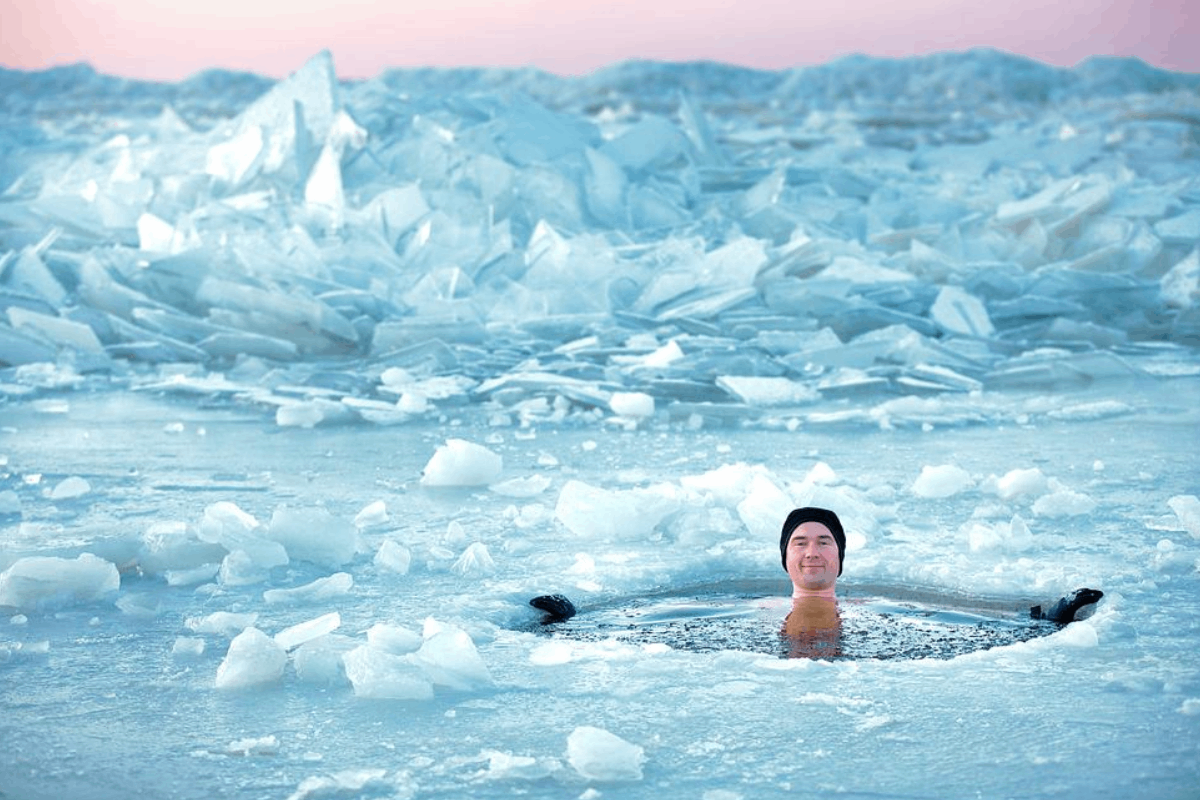
- Cold Plunge: Immersion in lakes, rivers, or snow after sauna to invigorate the body and improve vascular response.
- Alternating Sessions: Several cycles of heat and cold exposure for maximal contrast therapy benefits.
- Social and Spiritual Rituals: Saunas often included communal gatherings, storytelling, and meditative practices.
Health Benefits
Modern studies have validated the health benefits long recognized in Nordic traditions. Sauna use improves cardiovascular function, reduces blood pressure, and increases endorphin release. Alternating heat with cold immersion stimulates the autonomic nervous system, improves circulation, and supports recovery ( Laukkanen et al., 2014).
Nordic Contrast Therapy Today
Nordic contrast therapy has influenced modern spa design and sports recovery. Today, sauna-and-cold-plunge circuits are common in wellness resorts, gyms, and professional athletic facilities worldwide, maintaining the core principles of alternating heat and cold exposure for physical and mental rejuvenation.
8 FAQs About Nordic Traditions and Contrast Therapy
Q: What is a Nordic sauna?
A: A heated room, typically 70–100°C, used for relaxation, sweating, and wellness.
Q: How did Nordic people practice contrast therapy?
A: By alternating sauna heat with cold water plunges or snow immersion.
Q: Who used Nordic saunas?
A: People of all ages for hygiene, health, and social rituals.
Q: What health benefits do Nordic saunas provide?
A: Improved circulation, cardiovascular health, muscle relaxation, and mental clarity.
Q: How often did people use saunas?
A: Traditionally, multiple times per week, often daily in winter months.
Q: Were saunas social or private?
A: Both; often used communally with family or village groups, also for meditation and reflection.
Q: How does sauna-cold immersion affect the body?
A: Enhances circulation, stimulates the autonomic nervous system, reduces inflammation, and supports recovery.
Q: Are Nordic traditions still practiced today?
A: Yes, modern spas, wellness centers, and cold plunge facilities worldwide continue these methods.