
[ Contrast Therapy History 101 Series ]
The jjimjilbang is a centuries-old Korean bathhouse tradition combining heat, cold, relaxation, and social wellness. These multi-room complexes reflect a rich heritage of contrast therapy and holistic health practices.
Historical Background
Jjimjilbangs date back to the Joseon Dynasty (1392–1897), where public bathhouses were centers for hygiene, healing, and social interaction. The concept integrates Korean medicinal principles, emphasizing balance between hot and cold exposure for optimal health ( Korea.net – Jjimjilbang History).
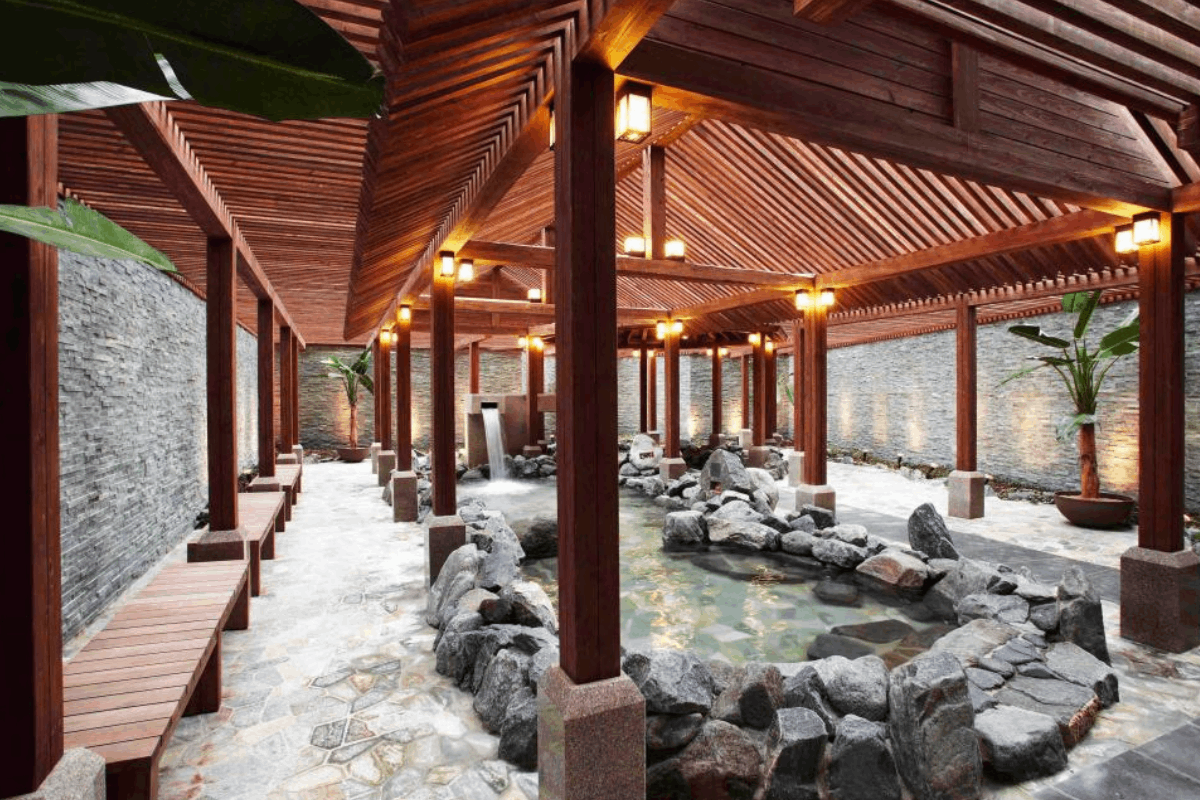
Structure and Practices
- Hot Rooms: Stone, clay, or salt rooms heated to 50–80°C to induce sweating and detoxification.
- Cold Plunge or Cool Rooms: Exposure to cooler air or cold baths to stimulate circulation and rejuvenate the body.
- Rest Areas: Mats and sleeping areas for post-contrast recovery.
- Sauna and Steam Baths: Multiple rooms with varying humidity and temperature for therapeutic immersion.
- Social and Wellness Activities: Communal eating, exercise, meditation, and family bonding.
Health Benefits
Modern studies confirm jjimjilbang benefits, including improved circulation, reduced muscle soreness, stress reduction, and enhanced immunity. Alternating hot and cold exposure mirrors contemporary contrast therapy practices and promotes overall cardiovascular and mental health ( Lee et al., 2019).
Modern Jjimjilbang Experiences
Today, jjimjilbangs in Korea offer multi-level wellness experiences with modern amenities, private suites, and personalized contrast therapy routines. International wellness centers have adopted jjimjilbang-inspired heat-and-cold circuits, emphasizing holistic and social well-being.
8 FAQs About Korean Jjimjilbang and Contrast Therapy
Q: What is a jjimjilbang?
A: A Korean bathhouse with hot and cold rooms, saunas, and social wellness areas.
Q: How long have jjimjilbangs existed?
A: Since the Joseon Dynasty (1392–1897).
Q: How is contrast therapy applied in jjimjilbang?
A: Alternating between hot rooms or saunas and cold baths or cool rooms.
Q: What health benefits do jjimjilbangs provide?
A: Improved circulation, muscle recovery, stress relief, and immunity support.
Q: Are jjimjilbangs social?
A: Yes, they often include communal dining, rest areas, and group activities.
Q: What types of hot rooms exist?
A: Stone, clay, salt, or steam rooms with varying temperatures.
Q: Are jjimjilbang practices used internationally?
A: Yes, spa and wellness centers worldwide adopt heat-and-cold immersion inspired by jjimjilbangs.
Q: Is etiquette important?
A: Yes, hygiene, quiet, and mindfulness are emphasized before entering baths or saunas.