One of the most common and important questions in modern wellness is this: How long do you actually need to stay in a wellness environment to experience real, measurable health changes? Is a weekend enough? Does a week make a difference? Or does true transformation require a full month?
The answer is grounded in neuroscience, physiology, sleep science, and behavioral psychology. While even a few days in a supportive environment can begin shifting your nervous system, the most profound and lasting biological changes occur over weeks—not days.
This is why Longevity Residences and 30-day wellness stays are rapidly replacing short retreats. The nervous system, endocrine system, and brain require sustained exposure to safety, recovery, and regulation in order to recalibrate fully.
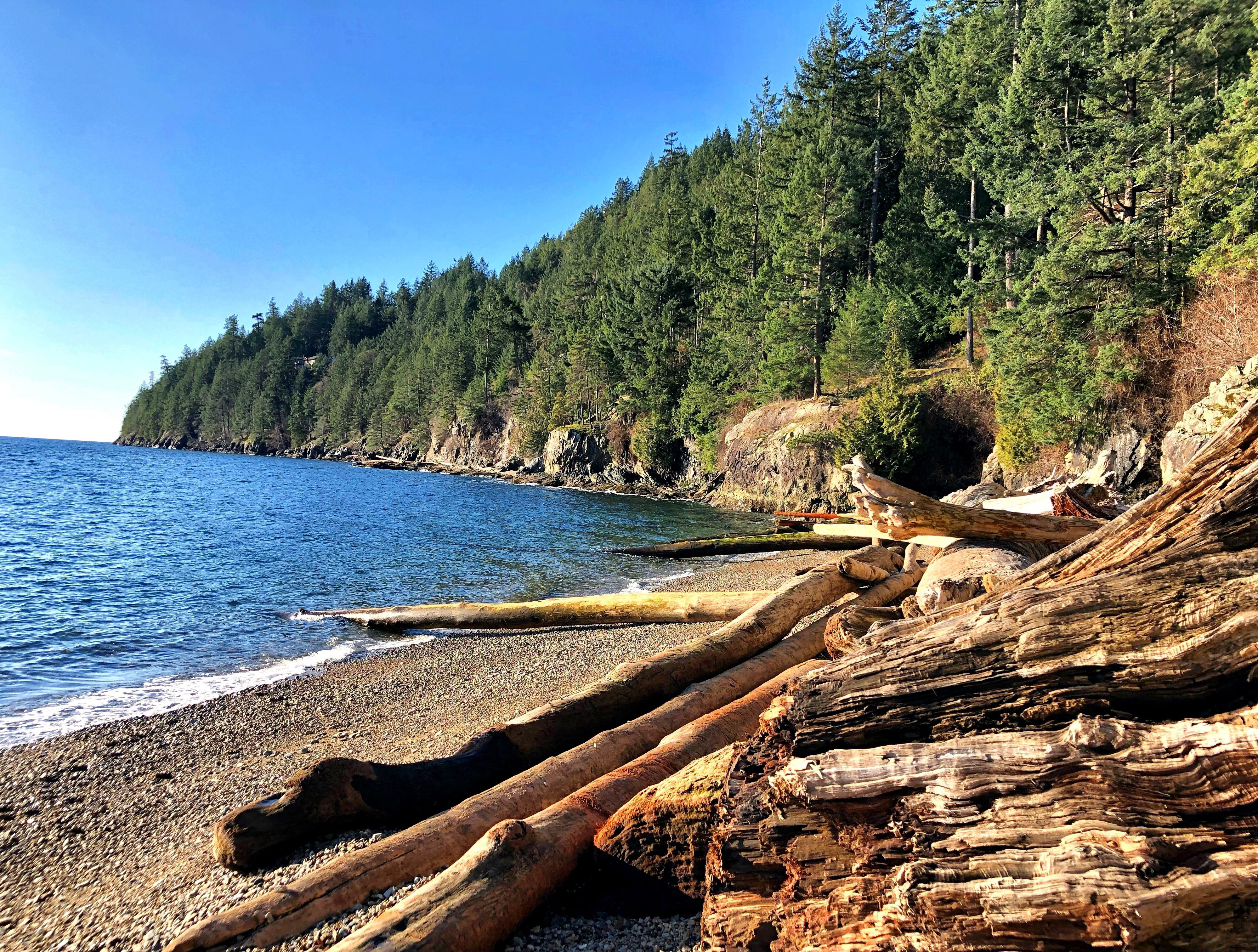
At environments such as The Barnfield Suites, where private accommodations combine with consistent access to sauna, cold plunge, forest immersion, and deep rest, guests experience a timeline of physiological and neurological changes that build progressively over time.
Understanding this timeline helps explain why longer stays deliver exponentially greater benefits.
The Science Behind Wellness Stay Duration
The human body is not designed for instant transformation. Most of the health challenges people face today—including chronic stress, sleep disruption, burnout, inflammation, and nervous system dysregulation—develop slowly over months or years.
Reversing these patterns requires sustained environmental change.
According to research published by the National Institutes of Health, chronic stress reshapes brain function, hormone regulation, immune response, and sleep architecture ( NIH Stress and Nervous System Study).
This means recovery must also occur gradually.
The timeline typically follows four major phases:
- Days 1–5: Initial nervous system downregulation
- Days 7–14: Stabilization and parasympathetic dominance
- Days 21–30: Deep neurological and physiological recalibration
- Beyond 30 days: Long-term biological optimization and habit automation
Each phase builds upon the previous one.
Days 1–5: Initial Nervous System Downregulation
The Body Begins to Exit Survival Mode
For many individuals, especially professionals, entrepreneurs, and parents, the nervous system operates in a near-constant state of sympathetic activation—commonly known as fight-or-flight mode.
This state is characterized by:
- Elevated cortisol levels
- Shallow breathing
- Poor sleep quality
- Mental hyperactivity
- Muscle tension
- Inflammation
Within the first 72 to 120 hours of entering a calm, supportive wellness environment, the nervous system begins its first phase of recovery.
Research shows cortisol levels begin decreasing when individuals are removed from chronic stress environments ( NIH Cortisol Recovery Study).
Sleep Improvement Begins
Sleep is often the first noticeable improvement.
When environmental stressors decrease and circadian rhythms normalize, individuals experience:
- Faster sleep onset
- Longer deep sleep duration
- Reduced nighttime awakenings
- Improved morning energy
This is especially true in environments with minimal noise, natural darkness, and access to contrast therapy.
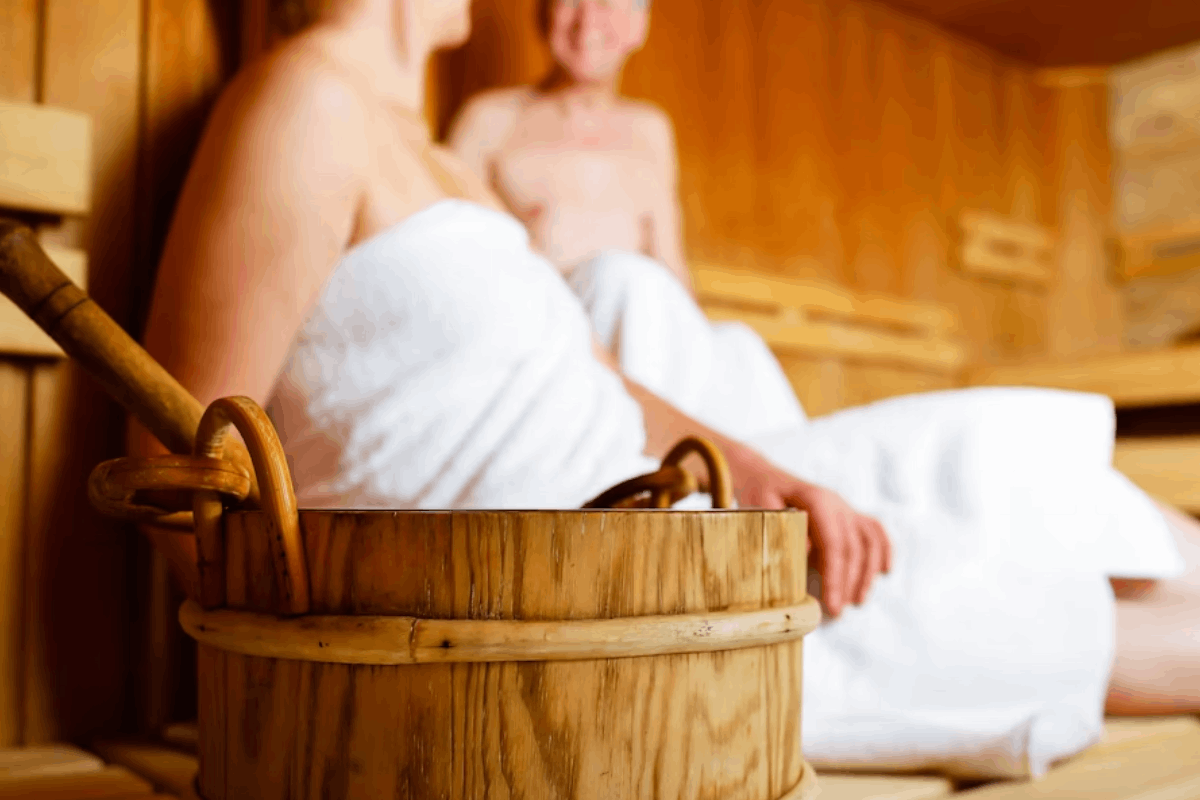
Sauna use has been shown to improve sleep quality and promote parasympathetic activation ( NIH Sauna and Sleep Study).
Mental Decompression Begins
During this phase, the brain begins reducing hypervigilance.
Common experiences include:
- Reduced anxiety
- Improved breathing depth
- Initial emotional release
- Improved mood stability
This phase is essential—but it is only the beginning.
Days 7–14: Stabilization and Parasympathetic Dominance
The Nervous System Learns Safety
By the second week, the nervous system begins trusting the environment.
This allows parasympathetic activity—the body’s recovery mode—to become dominant.
This phase brings measurable improvements in:
- Heart rate variability
- Emotional regulation
- Focus and concentration
- Energy stability
Contrast therapy plays a major role here.
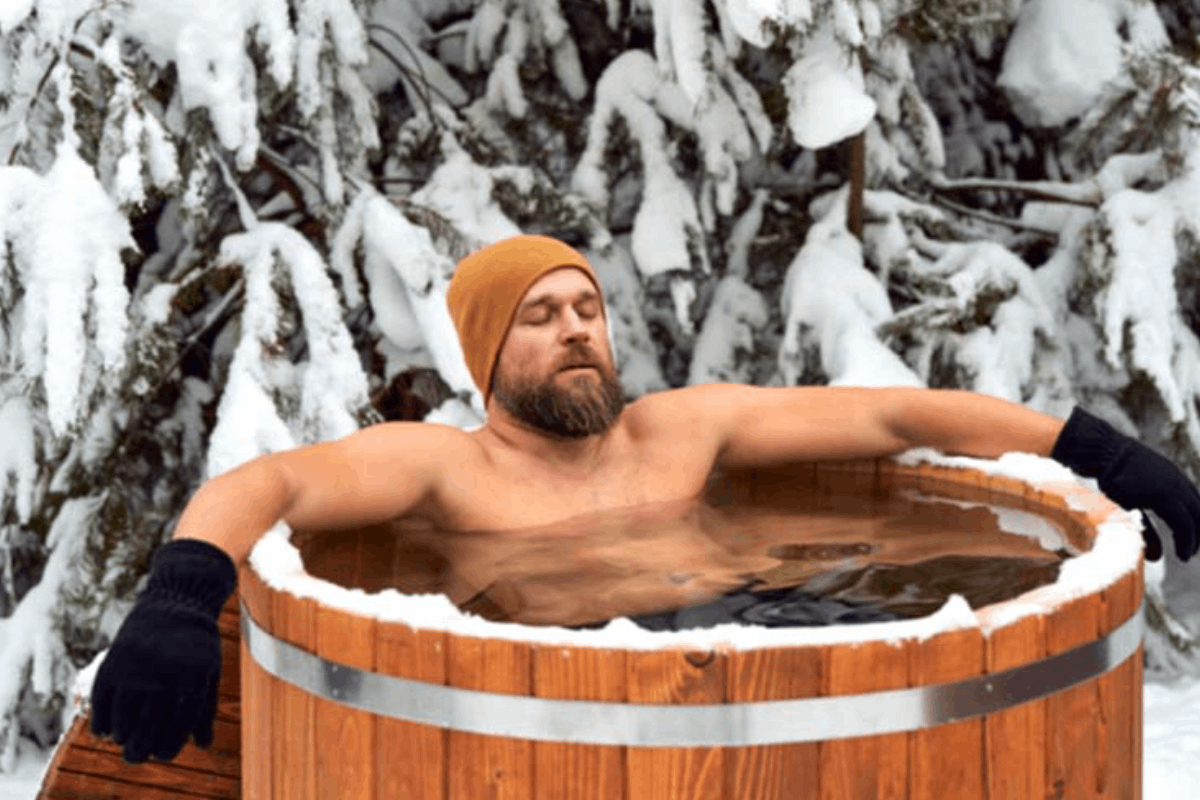
Alternating sauna heat and cold immersion improves autonomic nervous system balance ( Contrast Therapy Nervous System Study).
Mood and Cognitive Improvements Stabilize
By week two, the brain’s neurotransmitter balance begins improving.
Cold exposure increases dopamine levels by up to 250%, improving motivation and mood ( Cold Exposure Dopamine Study).
This results in:
- Improved optimism
- Greater emotional resilience
- Improved creativity
- Reduced depressive symptoms
Inflammation Markers Begin Decreasing
Chronic inflammation is associated with aging, fatigue, and disease.
Sauna therapy has been shown to reduce systemic inflammation markers ( Sauna and Inflammation Study).
This improves:
- Joint health
- Recovery
- Energy levels
- Immune function
Days 21–30: Deep Nervous System Recalibration
This Is the Breakthrough Phase
This is where transformation becomes durable.
By week three and four, the nervous system begins establishing a new baseline.
This phase includes:
- Deep parasympathetic stability
- Consistent sleep quality
- Stable mood regulation
- Reduced cortisol baseline
Habit Formation Becomes Automatic
Research shows habit formation typically requires between 18 and 66 days ( Habit Formation Study).
By day 30, wellness behaviors become natural.
Examples include:
- Daily sauna use
- Morning nature walks
- Improved sleep patterns
- Reduced digital dependency
Sleep Architecture Fully Normalizes
Sleep cycles become deeper and more restorative.
This improves:
- Hormonal balance
- Cognitive function
- Immune resilience
- Biological aging markers
Full Adaptation to Contrast Therapy
By day 30, the body fully adapts to sauna and cold exposure.
This improves:
- Circulation
- Mitochondrial efficiency
- Stress resilience
- Energy production

Why 30 Days Is the Critical Threshold
Neural Rewiring Requires Repetition
The brain changes through repetition.
New neural pathways strengthen only when reinforced consistently.
This is why longer stays produce lasting benefits.
Behavioral Automation Occurs Around Day 30
Habits shift from effortful to automatic.
This allows benefits to continue after returning home.
Hormonal Systems Fully Rebalance
Cortisol, melatonin, and serotonin regulation stabilizes.
Why Shorter Stays Still Provide Value
Even short stays offer meaningful benefits.
- Initial stress reduction
- Improved sleep onset
- Mental clarity improvements
But longer stays provide permanent change.

Who Benefits Most From 30-Day Wellness Stays
Burnout Recovery
Burnout recovery requires nervous system recalibration.
Remote Workers
Environment directly impacts productivity.
Entrepreneurs
High cognitive demand requires optimal brain performance.
Creative Professionals
Creativity improves when stress decreases.
Why Environment Determines Health Outcomes
Environment shapes nervous system behavior.
Private wellness environments accelerate recovery.
Locations such as The Barnfield Suites provide ideal conditions.
Frequently Asked Questions
Q: How long does it take to reset your nervous system?
A: Initial improvements begin within days, but full recalibration typically requires 30 days or longer.
Q: Is a 3-day wellness retreat enough?
A: It provides initial stress reduction, but longer stays produce lasting neurological changes.
Q: Why is 30 days ideal?
A: Habit formation, nervous system regulation, and sleep normalization occur during this timeframe.
Q: Can sleep improve in one week?
A: Yes, many individuals experience sleep improvements within 5–7 days.
Q: Does contrast therapy accelerate recovery?
A: Yes, sauna and cold plunge improve circulation and nervous system balance.
Q: Do longer stays improve brain function?
A: Yes, cognitive clarity and emotional regulation improve significantly.
Q: Is a longevity residence better than a retreat?
A: Longer stays provide more sustainable benefits.
Q: Can wellness stays reduce inflammation?
A: Yes, sauna therapy and stress reduction lower inflammation markers.
Q: How does nature affect recovery?
A: Nature exposure reduces cortisol and improves mood.
Q: Is 30 days necessary?
A: It is the optimal duration for lasting transformation.
Q: Can I work remotely during a stay?
A: Yes, many residents combine wellness with work.
Q: Are benefits permanent?
A: Yes, especially when habits are maintained.
Q: Does sauna improve sleep?
A: Yes, sauna promotes parasympathetic activation.
Q: Is cold plunge safe?
A: Yes, when practiced properly.
Q: Who benefits most?
A: Professionals, creatives, and burnout recovery individuals.
Q: Does environment matter?
A: Yes, environment directly impacts nervous system regulation.
Q: Why choose Bowen Island?
A: It combines nature, privacy, and proximity to Vancouver.
Q: Where can I book a longevity stay?
A: Visit
The Barnfield Suites.