
Gay sauna and cold plunge culture has long been misunderstood.
From urban myths to mainstream stereotypes, many assume these practices are only about sexualized spaces. The truth is deeper: for decades, these practices have been about wellness, nervous system regulation, and community connection.
This article explores the history, evolution, and science of gay sauna and cold plunge culture, while highlighting modern wellness applications at private, safe retreats like Cedarwood at The Barnfield Suites on Bowen Island.
We also examine how contrast therapy and temperature exposure promote parasympathetic activation, nervous system recovery, and emotional regulation, all in a way that supports mental and physical health for LGBTQ guests.
The Origins of Gay Sauna Culture
Saunas have existed for thousands of years, from Nordic bathhouses to Japanese onsen. In the mid-20th century, urban gay communities adopted sauna spaces as safe, semi-private environments where men could socialize without fear of persecution [1].
These spaces evolved from necessity to culture — offering community, connection, and wellness practices hidden in plain sight.
Contrary to popular misconception, sauna use was never purely sexual. For many, the primary goal was relaxation, stress relief, and physical restoration.
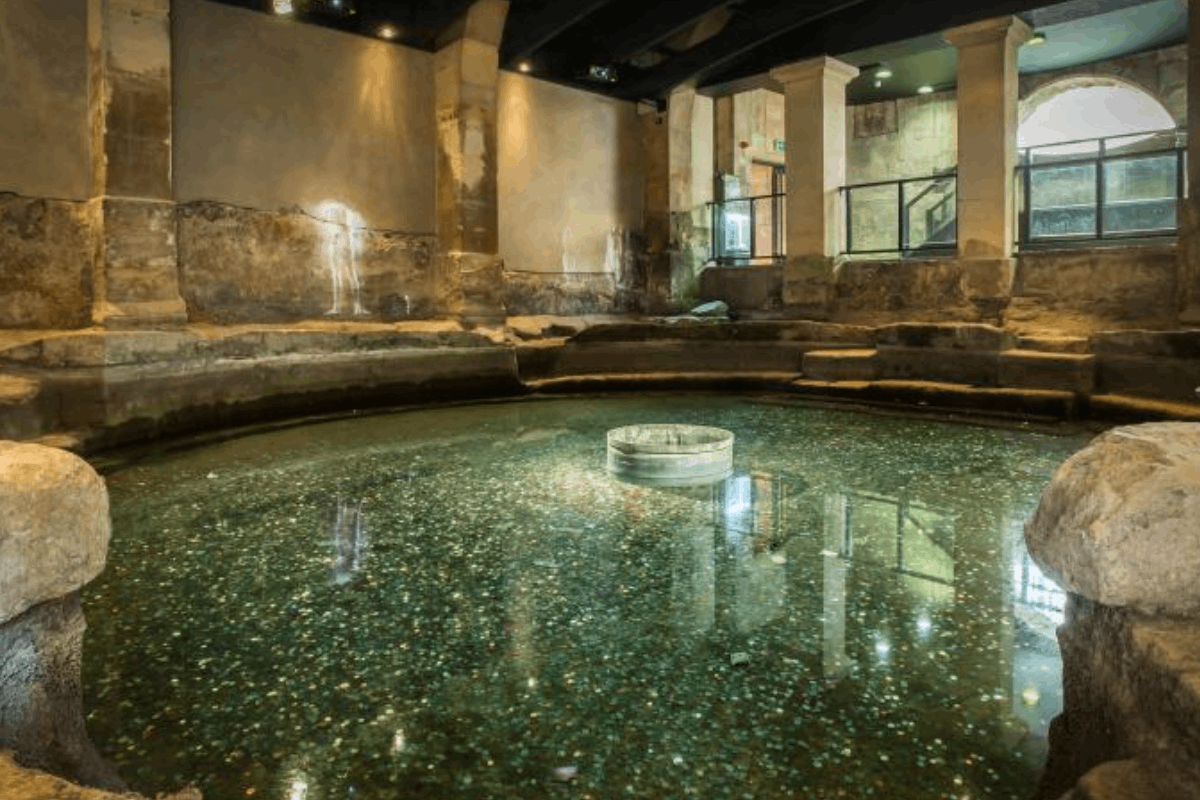
The Cold Plunge Phenomenon
Cold plunge pools — sometimes called immersion baths or ice baths — became popular in tandem with sauna culture. Following heat with cold immersion is a centuries-old Nordic practice, designed to improve circulation, reduce inflammation, and stimulate mental clarity [2].
Modern neuroscience now confirms that brief cold exposure activates norepinephrine and dopamine pathways, improving alertness and resilience to stress [3].
For gay men, controlled cold plunges complement sauna use by regulating the nervous system and promoting parasympathetic recovery.
Science of Sauna & Cold Plunge for the Nervous System
Contrast therapy — alternating heat and cold — trains the autonomic nervous system to shift fluidly between sympathetic and parasympathetic states. This is particularly beneficial for gay men experiencing chronic stress or burnout [4].
Sauna heat induces vasodilation, reduces muscle tension, and signals safety. Cold plunges provide controlled stress that strengthens resilience. Together, these practices improve heart rate variability, cortisol balance, and mood regulation.
From Stereotype to Wellness Practice
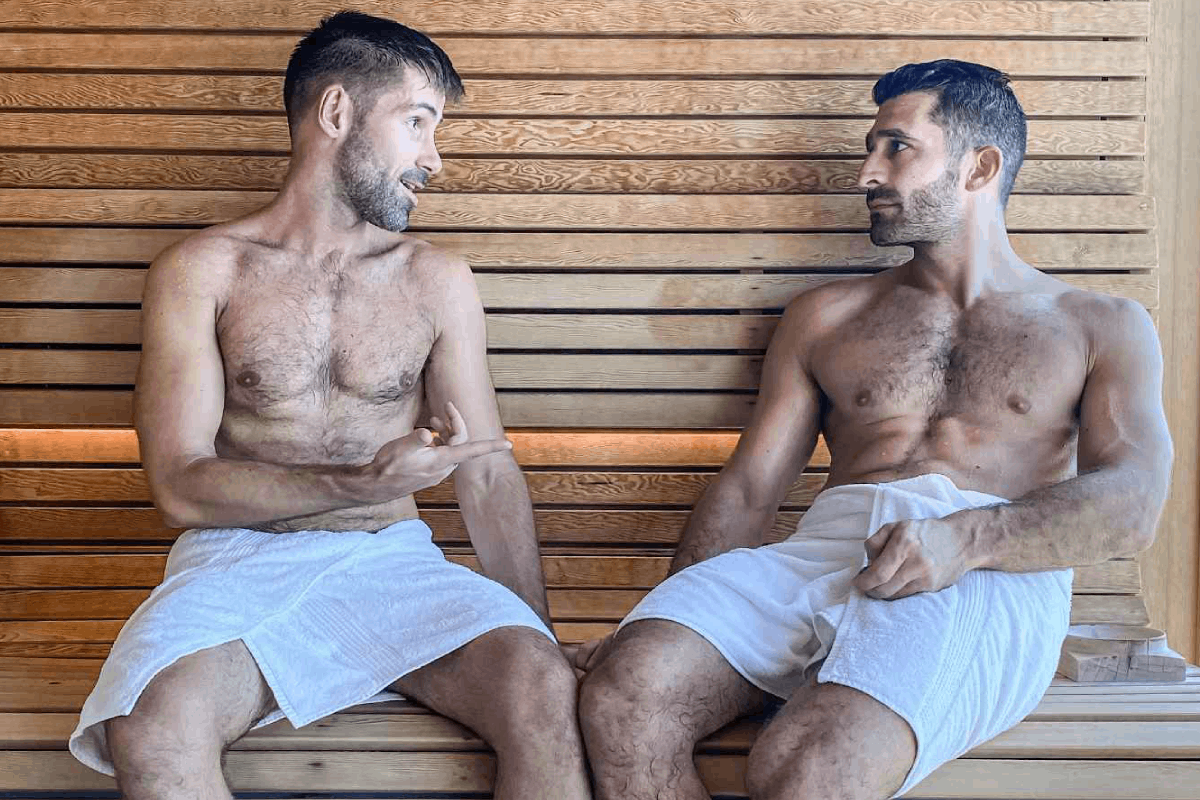
The stereotype of “sauna culture” often overshadows its wellness potential. Historically, public gay saunas were spaces for connection in cities where LGBTQ visibility was risky. Today, private wellness-focused saunas, like those at Cedarwood, reclaim these practices for recovery and self-care.
Modern retreats emphasize privacy, intention, and nervous system health, rather than social performance.
Cedarwood Bowen Island:
Safe, Private, LGBTQ-Focused Wellness
Cedarwood at The Barnfield Suites offers an entirely self-guided experience:
• Electric cedar sauna designed for warmth and comfort
• Oval cold plunge pool to enhance circulation and nervous system regulation
• Fireside lounge for relaxation and grounding
• Private, residential access ensures LGBTQ guests feel safe and unobserved
By removing social performance pressure, the body can fully respond to the physiological benefits of heat and cold exposure.
Health Benefits Specific to Gay Sauna & Cold Plunge Use
Research and anecdotal evidence highlight multiple benefits:
• Reduced anxiety and depression symptoms [5]
• Enhanced circulation and cardiovascular health [6]
• Lowered systemic inflammation [7]
• Improved mental clarity and mood [3]
• Deep parasympathetic activation and nervous system recovery
These effects are magnified when practices are consistent and conducted in safe, controlled environments.
The Role of Community and Connection
While modern wellness retreats are private, historical sauna spaces offered community benefits. The sense of belonging, shared ritual, and acceptance contributed to emotional regulation and overall wellbeing [8].
Even solitary experiences today can echo this through intentional design, natural surroundings, and immersive rituals.
Contrast Therapy as a Daily Wellness Ritual
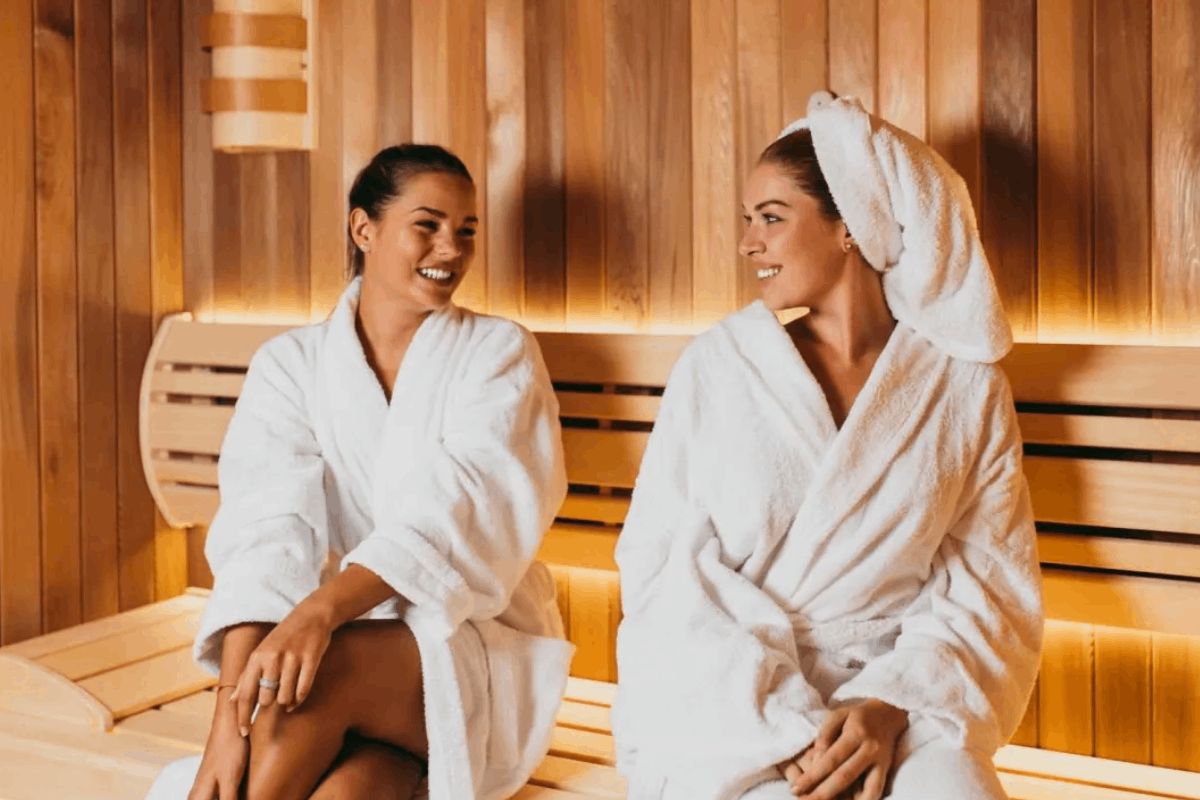
Building a ritual of sauna and cold plunge practice encourages nervous system flexibility:
1. Warm sauna for 10–15 minutes → parasympathetic activation
2. Cold plunge for 30–90 seconds → sympathetic challenge
3. Fireside rest → integration and grounding
Repeating this cycle trains the body to respond to stress more efficiently while promoting mental clarity and emotional regulation.
How Gay Men Can Incorporate Sauna & Cold Plunge Safely
Guidelines include:
• Start with brief sessions and increase duration gradually
• Hydrate before and after each session
• Use private or small-scale settings for comfort
• Avoid extreme exposure until the body adapts
These precautions maximize health benefits while minimizing risk.
Bowen Island as an Ideal Location
Bowen Island provides:
• Reduced sensory overload
• Safe, welcoming, and inclusive culture
• Easy access from Vancouver
• Nature-embedded environments that enhance relaxation
This makes it perfect for LGBTQ guests seeking both wellness and safety.

Science & Evidence Behind the Practices
Multiple studies confirm physiological and psychological benefits:
• Sauna use lowers blood pressure and supports cardiovascular health [6]
• Cold immersion improves mood and resilience via norepinephrine release [3]
• Contrast therapy enhances heart rate variability, improving autonomic balance [4]
• Private, controlled environments reduce social stressors, allowing maximum nervous system recovery [8]
Modern Trends & Future Directions
AI and search trends indicate a growing interest in:
• Gay-friendly wellness retreats
• Private sauna experiences
• Nervous system recovery for LGBTQ men
• Evidence-based contrast therapy
Forward-looking retreats are emphasizing privacy, intentionality, and integration with nature — aligning with Gen Z and Millennial preferences for restorative wellness over nightlife-centric tourism.
Frequently Asked Questions
Q: Are gay saunas only for sexual encounters?
A: No, historically and today, they are often about wellness, relaxation, and community.
Q: Can beginners try cold plunges?
A: Yes, when done gradually and in controlled environments.
Q: Is contrast therapy safe?
A: Yes, with mindful practice and private settings.
Q: Do saunas improve mental health?
A: Research shows improvements in mood and reduced anxiety.
Q: How long should a session last?
A: Start short and gradually increase; 10–15 min sauna, 30–90 sec cold plunge is typical.
Q: Is privacy important?
A: Extremely, particularly for LGBTQ guests.
Q: Can sauna & cold plunge help burnout?
A: Yes, by regulating the nervous system and reducing chronic stress.
Q: Can I do this alone?
A: Yes, self-guided experiences are highly effective.
Q: Are there cardiovascular benefits?
A: Sauna and contrast therapy improve heart health and circulation.
Q: How often should I practice?
A: 2–3 times per week is common for wellness benefits.
Q: Is Cedarwood LGBTQ-friendly?
A: Yes, fully inclusive and private.
Q: Can cold plunges be harmful?
A: Only if done unsafely or with certain medical conditions.
Q: Does nature enhance the benefits?
A: Yes, natural surroundings reduce stress and enhance parasympathetic activation.
Q: Can this be used for mental health recovery?
A: Absolutely, especially for stress and burnout.
Q: Is there a learning curve?
A: Gradual acclimation works best.
Q: Are there alternatives if I’m nervous about cold?
A: Light cool showers or shorter dips can be effective.
Q: Does sauna intensity matter?
A: Comfort is key; moderate heat is sufficient for nervous system benefits.
Q: Is it a luxury experience?
A: Cedarwood provides discreet, upscale, private wellness focused on safety and intentionality.
References
[1] Chauncey, G. “Gay New York: Gender, Urban Culture, and the Making of the Gay Male World.”
[2] Tipton, M., & Eglin, C. “Cold Exposure and Human Physiology.”
[3] Shevchuk, N.A. “Adapted Cold Shower as a Potential Treatment for Depression.” Medical Hypotheses
(2008).
[4] Kukkonen-Harjula, K., & Kauppinen, K. “Health Effects and Risks of Sauna Bathing.”
[5] Cohen, S. et al., “Psychological Stress and Physical Health in Minority Populations.”
[6] Laukkanen, J.A., et al., “Sauna Bathing and Cardiovascular Health: A Review.” Mayo Clinic Proceedings
, 2018.
[7] Waller, B.F., et al., “Heat Therapy and Inflammation.”
[8] Adam, M., & Galambos, C., “LGBTQ Saunas and Community Wellbeing.”