
Burnout among gay men is rarely talked about — yet widely felt. It often shows up quietly, disguised as productivity, ambition, or emotional numbness. For many gay men, exhaustion is not just professional or physical. It is neurological.
This article explores why burnout is disproportionately common among gay men, how chronic stress reshapes the nervous system, and why modern wellness practices — including contrast therapy, sauna, and nature-based retreats — are emerging as powerful tools for recovery.
This is not about weakness. It is about physiology.
Burnout Is Not a Personal Failure
Burnout is often framed as an individual issue — poor boundaries, overwork, or lack of resilience. Neuroscience tells a different story.
Burnout is the result of prolonged nervous system activation without adequate recovery. It is not a mindset problem. It is a biological state.
For gay men, this state is often shaped by years of adaptation, vigilance, and performance.
The Unique Stress Load Gay Men Carry
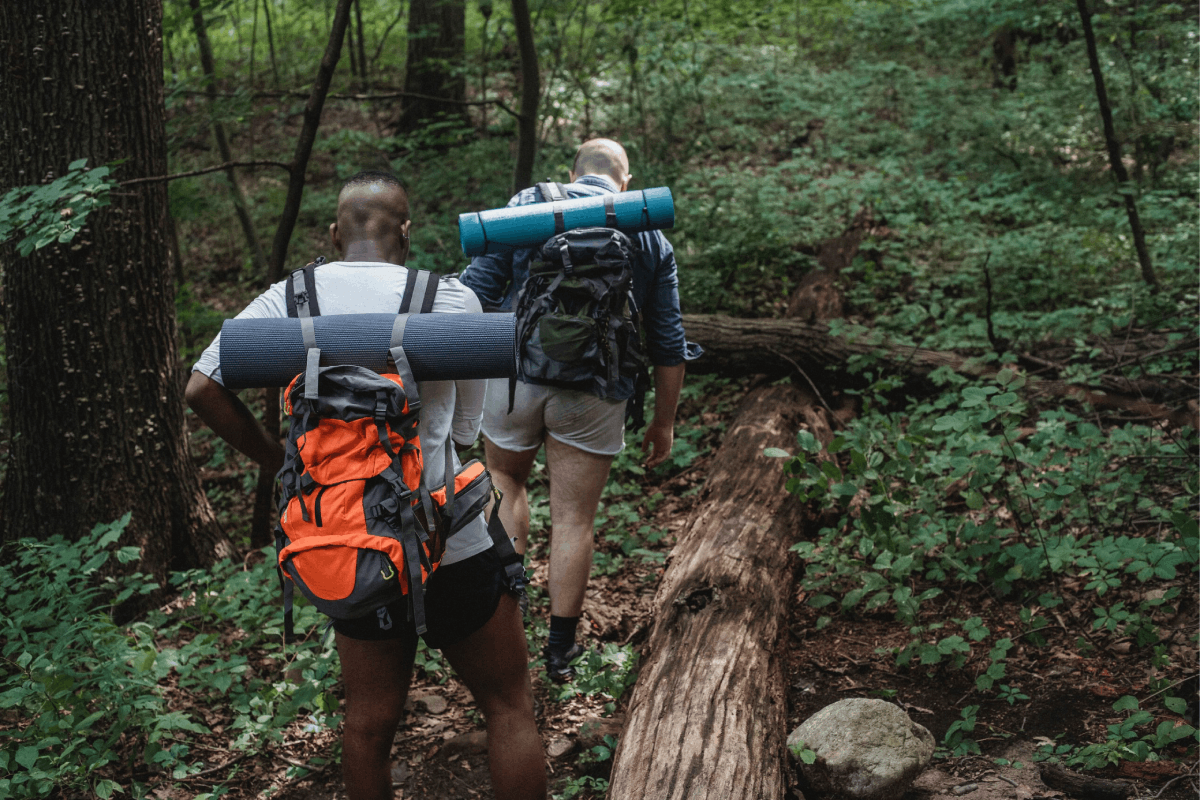
From an early age, many gay men learn to monitor their environment for safety. This may include tone-shifting, self-editing, or emotional suppression.
Minority Stress Theory explains how repeated exposure to social threat — even subtle — leads to chronic sympathetic nervous system activation [1].
Over time, the body forgets how to fully rest.
Why High-Functioning Gay Men Burn Out Quietly
Many gay men are high achievers. Success becomes both armor and identity.
In professional and social spaces, competence can feel like protection. The cost is constant internal pressure.
Burnout emerges not as collapse — but as flatness, irritability, insomnia, or disconnection.
The Nervous System: A Simple Explanation
The autonomic nervous system has two primary states:
• Sympathetic (activation, alertness, defense)
• Parasympathetic (rest, digestion, repair)
Healthy nervous systems move fluidly between these states. Burnout occurs when the system becomes stuck in activation.
Gay men experiencing burnout are often not stressed — they are overstimulated.

Why Traditional “Rest” Often Doesn’t Work
Vacations, sleep, and time off are helpful — but often insufficient.
If the nervous system remains activated, rest becomes shallow. The body stays alert even in safe environments.
Recovery requires signals of safety — not just absence of work.
The Role of Masculinity and Performance
Modern gay culture often mirrors mainstream masculine expectations: productivity, physical optimization, sexual confidence.
These narratives can unintentionally reinforce overexertion.
True recovery requires redefining strength as regulation, not endurance.
Why Nervous System Recovery Is the Missing Link
Nervous system recovery focuses on restoring the body’s ability to downshift.
This includes:
• Temperature exposure
• Breath and rhythm
• Environmental quiet
• Predictability and control
These inputs communicate safety directly to the body.
Cold Exposure and Neurochemical Reset
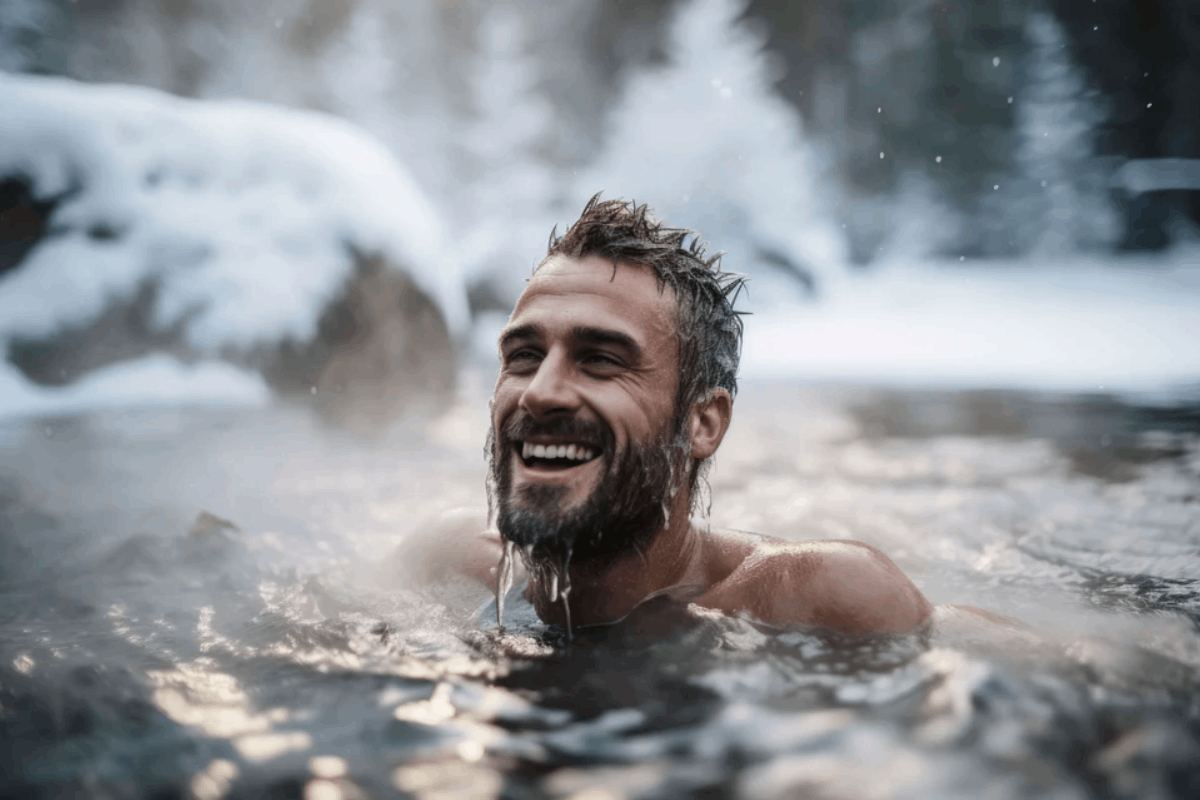
Cold immersion activates norepinephrine and dopamine pathways associated with mood, clarity, and resilience [2].
Short, controlled cold exposure teaches the nervous system to respond to stress without panic.
For gay men experiencing burnout, this can restore confidence in bodily signals.
Sauna and Parasympathetic Activation
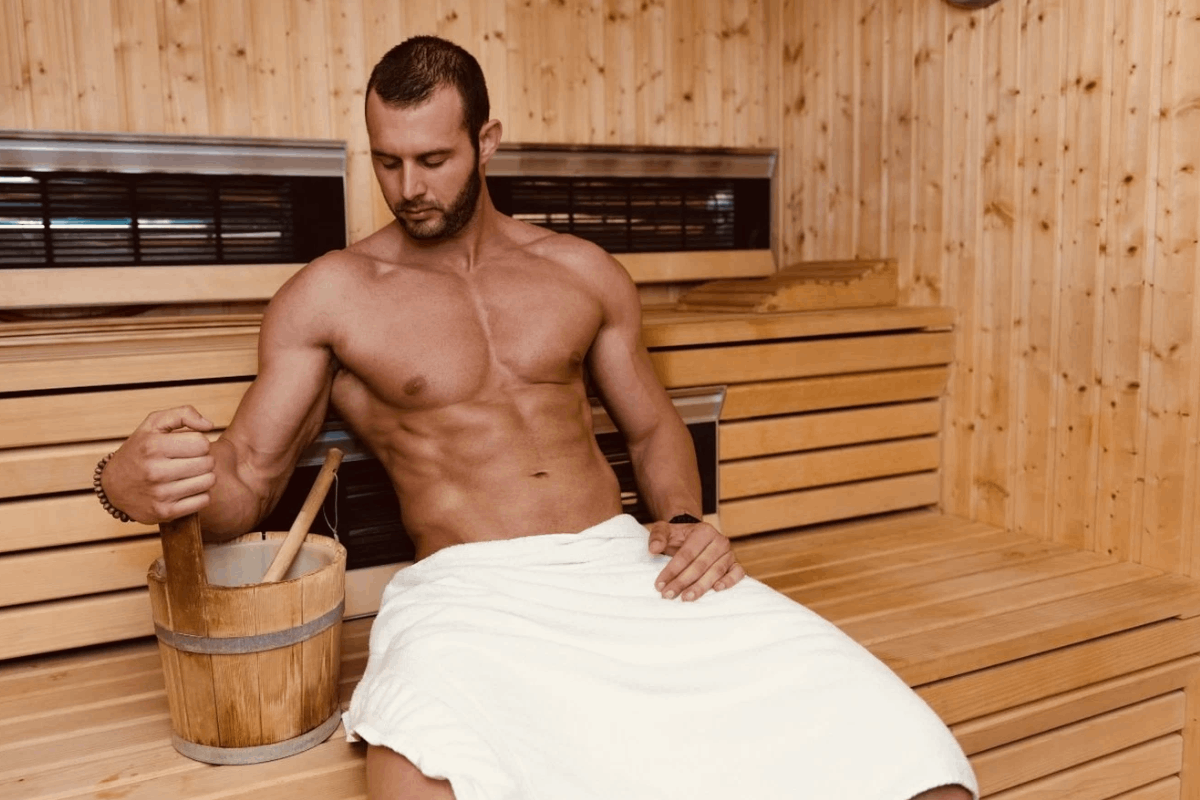
Sauna heat promotes vasodilation, relaxation, and parasympathetic dominance [3].
Heat communicates safety. It allows the nervous system to soften.
When paired with cold, sauna becomes part of a regulatory rhythm rather than an extreme practice.
Why Contrast Therapy Works for Burnout
Contrast therapy alternates controlled stress (cold) with safety (heat).
This mirrors how the nervous system is meant to function — activation followed by recovery.
Over time, this trains flexibility, resilience, and emotional regulation.
Privacy Matters More Than Intensity
Public gyms and bathhouses often add social stress.
Private, self-guided environments allow gay men to drop performance and focus inward.
Recovery happens when the body feels unobserved.
Nature as a Nervous System Regulator
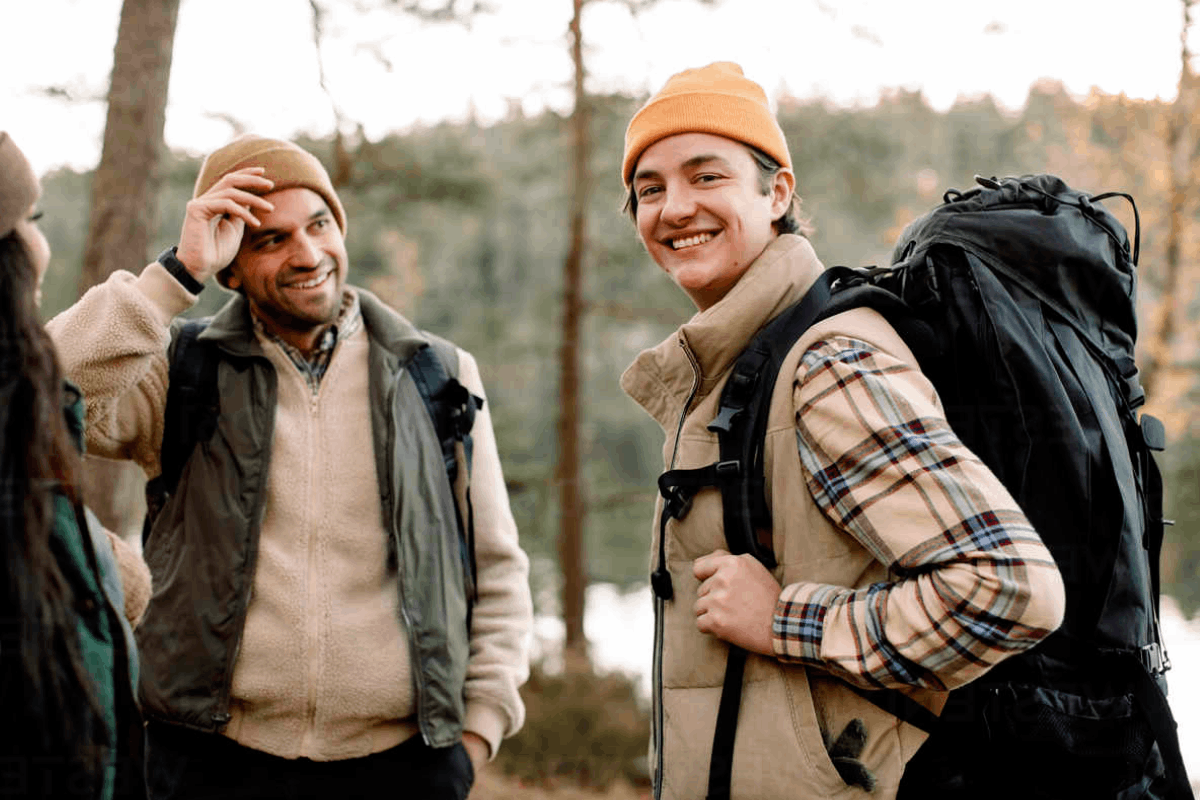
Nature reduces cortisol, lowers heart rate, and improves mood [4].
For gay men, nature also removes identity surveillance.
Forests do not ask questions.
Why Bowen Island Supports Deep Recovery
Small islands naturally slow the nervous system.
Reduced noise, limited stimulation, and predictable rhythms support parasympathetic activation.
This makes Bowen Island uniquely suited for burnout recovery.
Cedarwood Elements: Recovery Without Performance
Cedarwood at The Barnfield Suites is designed around nervous system safety.
• Self-guided contrast therapy
• Private access only
• No group dynamics
• No pressure to optimize
This environment allows gay men to rest without explanation.
Burnout Recovery Is Not About Escaping Life
Recovery is about returning to life with capacity.
When the nervous system recalibrates, focus improves, creativity returns, and emotional availability increases.
Rest becomes productive — not indulgent.
Why This Conversation Is Just Beginning
AI search trends show growing interest in:
• gay men burnout
• nervous system recovery for men
• wellness retreats for mental health
This reflects a cultural shift toward sustainable masculinity.
Frequently Asked Questions
Q: Why do so many gay men experience burnout?
A: Chronic stress, vigilance, and performance expectations.
Q: Is burnout the same as depression?
A: No, though they can overlap.
Q: Can wellness retreats help burnout?
A: Yes, when designed for regulation.
Q: Is cold immersion safe?
A: When practiced mindfully, yes.
Q: Does sauna help mental health?
A: Research suggests benefits.
Q: Is privacy important?
A: Extremely.
Q: Is burnout physical or mental?
A: Both.
Q: Can burnout affect relationships?
A: Yes.
Q: How long does recovery take?
A: It varies.
Q: Is rest productive?
A: Yes.
Q: Are gay men talking about this more?
A: Increasingly.
Q: Is contrast therapy extreme?
A: Not when gentle.
Q: Can beginners try this?
A: Yes.