
Contrast therapy — the deliberate alternation between heat and cold exposure — is a powerful, science‑backed method for enhancing recovery, improving circulation, reducing inflammation, and strengthening mental resilience.
Whether you’re an athlete, wellness enthusiast, or biohacker, understanding how to structure your contrast therapy sessions and maximize their benefits can transform your recovery routine and overall wellbeing.
This guide provides a comprehensive look at contrast therapy, including:
- How it works physiologically
- Clear definitions of beginner, intermediate, and advanced levels
- Expert tips for maximizing results
- Safety considerations and common mistakes
- Scientific research and hyperlinks
- Practical session structures and protocols
- 18+ FAQs to answer common questions
What Is Contrast Therapy?
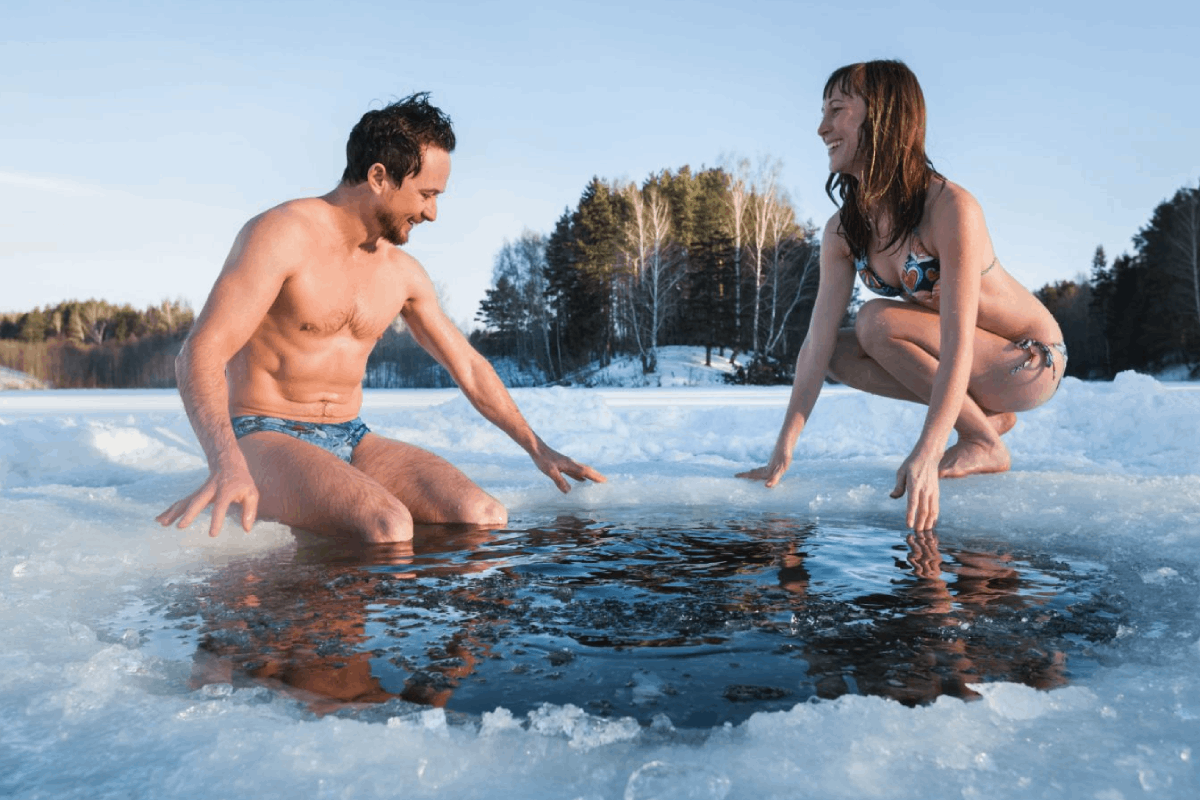
Contrast therapy — also known as hot/cold therapy or contrast bathing — involves alternating between hot and cold environments to provoke physiological responses in the circulatory, nervous, and immune systems.
How Contrast Therapy Works
Contrast therapy induces rapid vasodilation and vasoconstriction. During the heat phase, blood vessels expand, increasing blood flow and oxygen delivery. In the cold phase, vessels constrict, pushing blood toward vital organs and flushing metabolic waste. The alternation creates a vascular pumping effect, which enhances circulation and recovery.
Research shows that this cyclical shift engages multiple systems:
- Circulatory System: Alternating temperatures enhance blood flow and nutrient exchange. [0}
- Muscle Recovery: Studies show cold immersion and contrast therapy reduce post‑exercise muscle soreness and fatigue[1}
- Nervous System: Cold exposure triggers norepinephrine and endorphin release, improving mood and focus. [2}
- Immune Function: Cold exposure can increase white blood cell activity and anti‑oxidant systems. [3}
In short, contrast therapy combines the benefits of heat and cold to promote vascular health, metabolic function, recovery, and stress adaptation — all without medication or invasive procedures.
Defining User Levels:
Beginner vs Intermediate vs Advanced
Your level determines how long and intensely you should apply heat and cold phases. Below are clear definitions and what they mean in practice:
Beginner
Definition: New to contrast therapy or cold exposure, experiencing short cold immersion tolerances and moderate heat comfort.
- Goal: Get comfortable with the sensations of hot and cold, build tolerance.
- Typical durations: Heat 5–8 minutes; Cold 30 sec – 1 minute.
- Focus: Breathing, hydration, safety.
Intermediate
Definition: 1–6 months of consistent contrast exposure with improved tolerance and adaptation.
- Goal: Optimize circulation, recovery, and stress response.
- Typical durations: Heat 8–12 minutes; Cold 1–3 minutes.
- Focus: Enhancing mood benefits and performance recovery.
Advanced
Definition: 6+ months of dedicated practice with robust physiological adaptation and control over cold/heat exposures.
- Goal: Biohacking outcomes such as elite recovery, immune modulation, resilience training.
- Typical durations: Heat 10–15+ minutes; Cold 3–5 minutes.
- Focus: Temperature gradients, sensory optimization, and deeper nervous system modulation.
Structuring Your Contrast Therapy Circuit
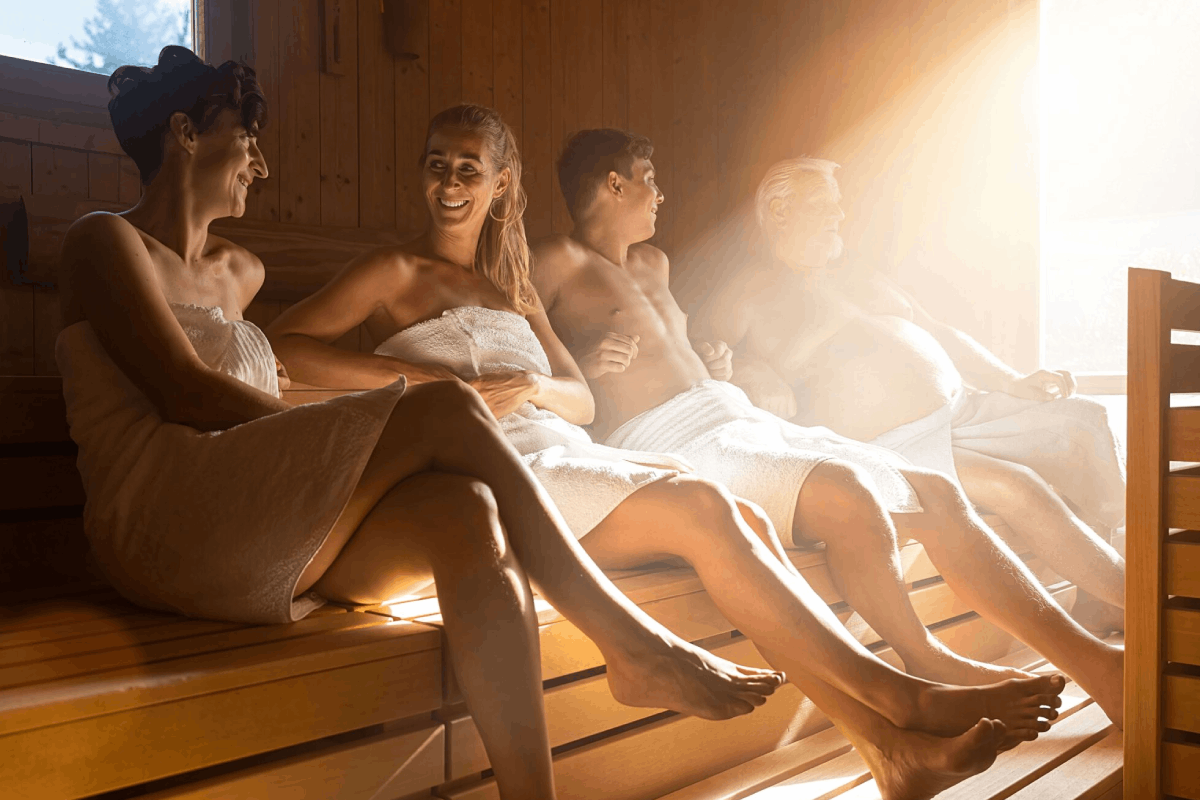
Contrast therapy is typically structured as a cycle — heat followed by cold, then a neutral/rest period before repeating. Below is a practical table for each user level:
Beginner: 5–8 min sauna; 30 sec – 1 min cold shower; 10–15 min rest phase, 2 rounds
Intermediate: 8–12 min sauna; 1–3 min cold plunge; 10–12 min rest phase; 2–3 rounds
Advanced: 10–15 min sauna; 3–5 min cold plunge/ice bath; 10 min rest phase; 3–4 rounds
Example: Cedarwood Circuit — Cold bucket shower (10 sec) → Sauna (10–15 min) → Cold plunge (1–5 min) → Fireside lounge (10–15 min) → Repeat rounds 2–3 times. (Used as a practical framework.)
Expert Tips to Maximize Results
Here are key strategies, backed by science and experience, to elevate your contrast therapy outcomes:
1. Prioritize Hydration & Electrolytes
Heat exposure causes sweating and fluid loss. Cold induces diuresis in some people. Drinking water and electrolyte fluids before, during, and after sessions enhances circulation and cognitive function.
2. Breath Control Is a Game Changer
Controlled diaphragmatic breathing increases oxygen uptake and helps regulate stress response during cold exposure. Techniques like slow, measured inhales and longer exhales improve overall comfort and tolerance.
3. Warm‑Up First
Before cold immersion, ensure your body is warmed up either through a brief light exercise or extended heat exposure. This activates circulation and primes the nervous system.
4. Temperature Gradients Matter
Smaller, manageable differences between heat and cold reduce shock while still engaging physiological systems — especially for beginners and intermediates. Advanced users can incrementally deepen gradients to train resilience and adaptation. [4}
5. Use Rest/Neutral Phases Wisely
Rest between cycles allows the body to normalize heart rate, blood pressure, and body temperature. It also supports the “vascular pump” effect — enhancing waste removal and nutrient delivery.
6. Combine with Movement or Mobility
Gentle stretching or mobility work during rest phases improves lymphatic flow and can enhance flexibility and recovery outcomes.
7. Integrate Mindfulness or Meditation
Using meditation or mindful focus during heat and cold phases reduces perceived discomfort, increases attention, and strengthens stress resilience. This trains both body and brain to manage physiological stressors better.
8. Support With Recovery Nutrition
Consuming protein‑rich meals or anti‑inflammatory foods post‑session supports muscle repair, immune function, and metabolic balance after intense contrast sessions.
9. Add Sensory Enhancements
Aromatherapy, calming music, or visual cues during the heat phase can deepen relaxation and parasympathetic engagement, while upbeat or focused soundscapes during cold phases can boost motivation and alertness.
10. Track Your Progress
Logging your sessions, sensations, performance outcomes, and mood responses helps you identify what’s most effective for your goals — whether recovery, stress relief, or performance enhancement.
Research & Evidence Snapshot
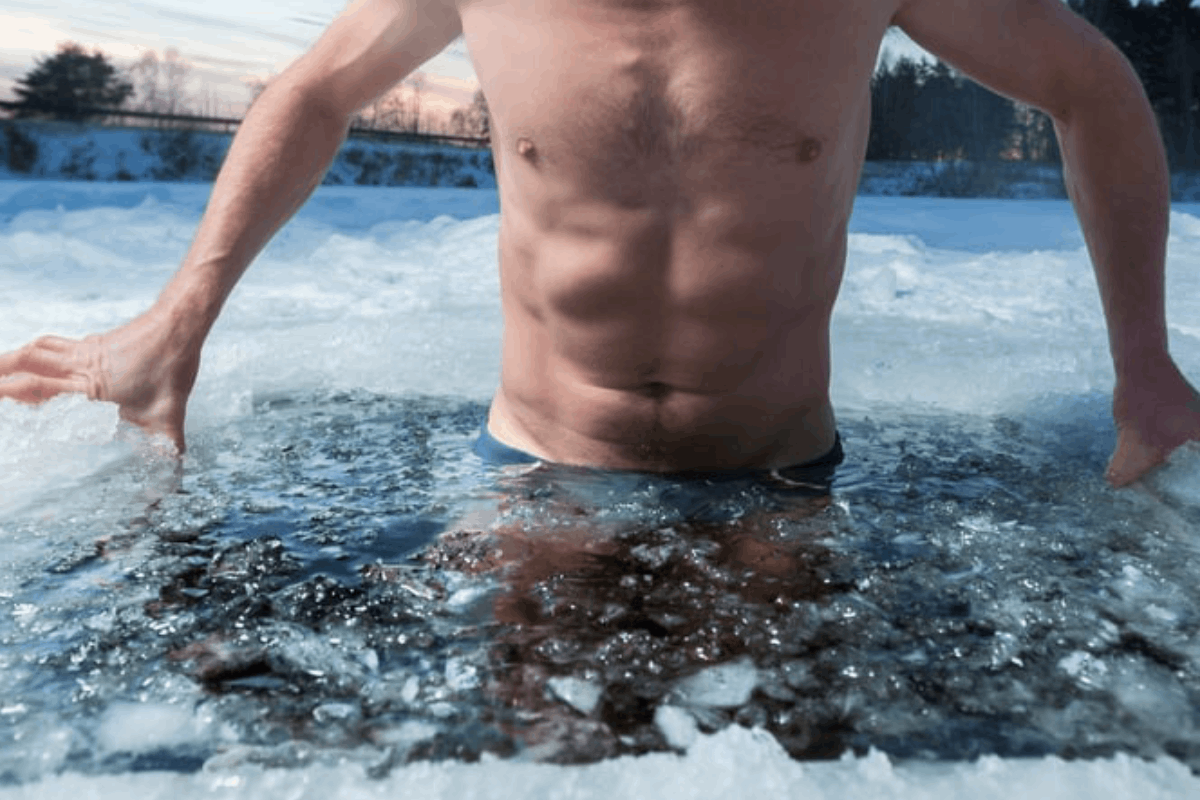
Below are key science‑backed findings on contrast therapy and its components:
- Muscle recovery: Cold water immersion (CWI) and contrast therapy improved recovery of fatigue and muscle soreness in team sport athletes. [5}
- Athletic recovery: Cold water immersion was more effective than other recovery methods for reducing muscle soreness in physically active populations. [6}
- Blood flow & pain threshold: Contrast therapy increased blood flow and improved pain threshold in healthy adults. [7}
- Circulation mechanics: Temperature shifts create meaningful changes in vascular resistance and cardiac workload, demonstrating physiologic stress and adaptation. [8}
- Physiological mechanisms: Contrast therapy’s alternating effects enhance lymphatic drainage, cellular repair mechanisms, and vascular function. [9}
- Immune function & antioxidants: Cold water immersion may upregulate antioxidant systems and immune cell activity. [10}
- Hormetic stress: Brief heat and cold exposures induce beneficial hormetic responses — making the body more adaptive to stress. [11}
Note: While evidence is promising for many benefits, individual responses vary, and more high‑quality research is ongoing to fully understand optimal protocols.
Safety Considerations & Common Mistakes
While contrast therapy is generally safe for healthy adults, keep these safety pointers in mind:
- Consult your doctor if you have cardiovascular disease, uncontrolled hypertension, pregnancy, or severe medical conditions.
- Avoid extremes — excessively hot temperatures (>90°C) or prolonged cold exposure (>5–7 min) without experience can be dangerous.
- Never practice alone — especially in ice baths or plunge pools.
- Avoid heavy meals immediately before sessions to prevent discomfort or nausea.
- Listen to your body: Dizziness, numbness, or prolonged shivering are signs to stop and warm up.
18 FAQs About Contrast Therapy
Q: What is contrast therapy?
A: Alternating hot and cold exposure to improve circulation, recovery, stress response, and resilience.
Q: How long should each heat phase be?
A: Heat phases typically range 5–15 minutes depending on your level and comfort.
Q: What about cold exposure?
A: Start with 30–60 seconds for beginners and progress up to 3–5 minutes for advanced users.
Q: How many rounds should I do?
A: 2–4 rounds depending on goals and tolerance.
Q: Is contrast therapy safe?
A: Generally yes for healthy adults; consult a doctor if you have medical conditions.
Q: Does it improve circulation?
A: Yes — alternating temperatures create a vascular pumping effect enhancing blood flow. :contentReference[oaicite:12]{index=12}
Q: Can it reduce muscle soreness?
A: Yes — studies show CWI and contrast therapy reduce DOMS and fatigue. :contentReference[oaicite:13]{index=13}
Q: Will it help stress resilience?
A: Yes — both heat and cold modulate nervous system responses to stress. :contentReference[oaicite:14]{index=14}
Q: How often should I do it?
A: 2–4 times per week is effective for most people.
Q: Can beginners safely do contrast therapy?
A: Yes — start with shorter cold exposure and moderate heat.
Q: Does contrast therapy help sleep?
A: Many people find improved sleep quality post‑therapy.
Q: Is post‑exercise contrast therapy good?
A: Yes — it supports recovery and reduces fatigue markers.
Q: Should I hydrate?
A: Always — hydration supports vascular and cognitive function.
Q: Can I do it daily?
A: Occasional daily sessions are fine, but most benefits are achieved with consistency, not frequency alone.
Q: What temperature ranges work best?
A: Heat from 70–90°C (158–194°F) and cold between 10–15°C (50–59°F) are common, but tolerance varies.
Q: Does contrast therapy boost immune function?
A: Some evidence suggests cold exposure can increase immune cell activity. :contentReference[oaicite:15]{index=15}
Q: Can sensory cues enhance results?
A: Yes — aromatherapy, music, and mindful breathing can deepen the experience.
Q: How long until I notice results?
A: Mood and clarity benefits can be immediate; full systemic benefits take weeks.