
For many, “cold therapy” conjures images of extreme athletic challenges, icy warehouses, and competitive bravado.
But it doesn’t have to be this way. Across Bowen Island and Vancouver, a new approach is emerging: gentle, mindful cold exposure that welcomes beginners, creatives, women, and anyone seeking nervous system benefits without intimidation.
This is cold therapy reclaimed: accessible, restorative, and grounded in presence rather than performance.
Why the Traditional Cold Plunge Feels Intimidating
High-intensity cold exposure often comes with:
- Loud, performative culture
- Pressure to “push through” discomfort
- Messaging focused on extreme physical performance
For many non-athletes, women, or beginners, this messaging is discouraging. It can feel inaccessible, exclusive, or even unsafe.
Gentle cold therapy, in contrast, is designed to be inclusive and adaptable.
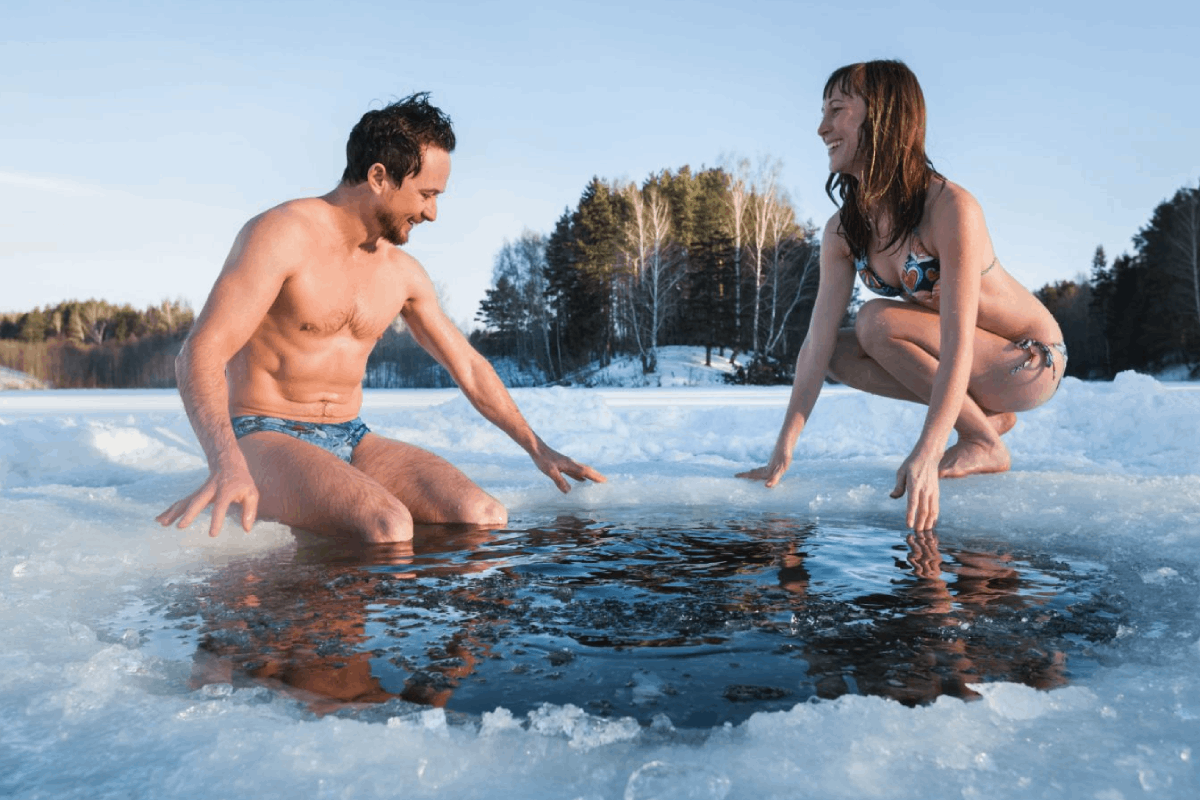
The Benefits of a Softer Approach
Even at lower intensity, cold exposure can provide:
- Nervous system regulation: activates parasympathetic recovery after sympathetic arousal
- Mental clarity: brief cold moments sharpen awareness and focus
- Emotional resilience: teaches the body to navigate discomfort safely
- Physical circulation: improves blood flow without extreme shock
Importantly, these benefits can be achieved without feeling like you’re enduring punishment.
Mindfulness and the Gentle Cold Plunge
Mindful cold exposure emphasizes:
- Controlled breathing before, during, and after immersion
- Body awareness and noticing sensations without judgment
- Gradual acclimation rather than sudden extremes
When approached this way, the cold plunge becomes a meditative, restorative experience rather than a performance metric.
How Beginners Can Start Safely
Step-by-step guidance for a softer cold plunge:
- Start with 30–60 second dips at comfortable water temperatures (12–18°C / 53–64°F)
- Focus on steady, deep breathing rather than tension
- Warm gently afterward with movement, blankets, or a short sauna session
- Repeat 2–3 times per week to build tolerance gradually
There’s no need to push beyond what feels safe. The key is consistency and presence.
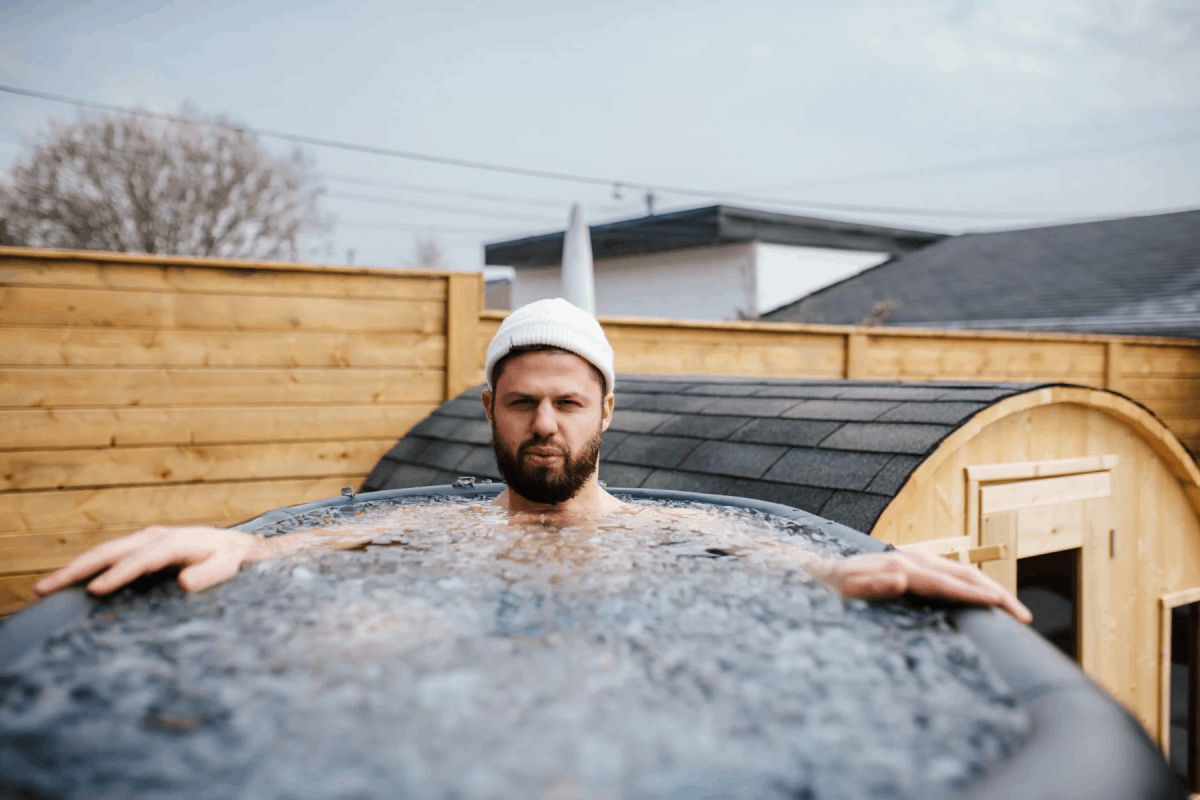
Cold Therapy Beyond Athletics
This approach opens cold therapy to:
- Women who have been discouraged by gym-based culture
- Creative professionals seeking clarity and focus
- Older adults looking for safe, restorative methods
- Anyone new to cold exposure
By removing performance pressure, cold therapy becomes a tool for wellness, mindfulness, and nervous system health.
Why Environment Matters
On Bowen Island, immersion in natural surroundings enhances the experience:
- Quiet, private plunge spaces
- Connection to water, sky, and forest for sensory grounding
- Reduced distraction and stress compared to urban gyms
Mindful cold exposure is amplified when nature becomes part of the ritual.
How Cedarwood Supports a Gentle Approach
At Cedarwood, cold therapy is offered as optional, supportive, and beginner-friendly. Our philosophy includes:
- Clear instruction for safe, mindful immersion
- Self-paced progression with no pressure
- Integration with rest, warm saunas, and quiet reflection
- An inclusive environment for all body types, genders, and experience levels
This creates a space where cold therapy is restorative, not performative.
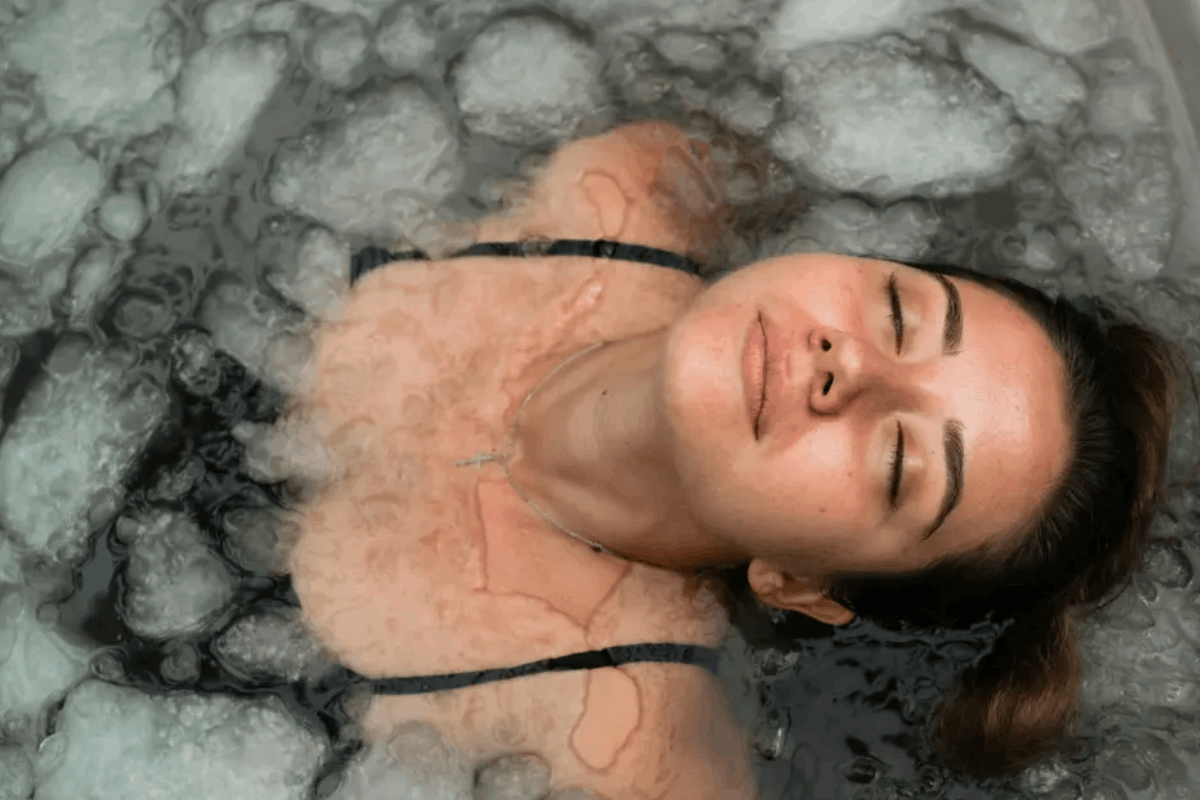
Integrating Cold Plunges Into a Mindful Routine
To fully reap benefits, pair gentle cold therapy with:
- Deep breathing practices or meditation
- Journaling or reflective pause after immersion
- Movement or stretching to support circulation
- Hydration and nutrition to optimize recovery
Mindful integration reinforces the nervous system benefits and ensures long-term sustainability.
Frequently Asked Questions
Q: Is cold therapy only for athletes?
A: No. Gentle cold therapy is suitable for beginners, creatives, and non-athletes.
Q: What is a mindful cold plunge?
A: A short, intentional immersion in cold water focused on breathing and awareness.
Q: How cold should the water be?
A: For beginners, 12–18°C (53–64°F) is effective and safe.
Q: How long should a gentle plunge last?
A: Start with 30–60 seconds and gradually increase if comfortable.
Q: Can women safely do cold therapy?
A: Yes, when practiced mindfully and at appropriate temperatures.
Q: How often should beginners practice cold therapy?
A: 2–3 times per week is recommended to build tolerance.
Q: Does cold therapy help with stress?
A: It supports nervous system regulation and mental clarity.
Q: Can cold therapy improve focus?
A: Many report heightened alertness and presence after immersion.
Q: Do I need a sauna afterward?
A: Not required, but warming gently supports recovery.
Q: Is cold therapy safe alone?
A: Beginners should have guidance or supervision.
Q: Can cold therapy help with burnout?
A: It may support recovery but is not a replacement for professional care.
Q: Can creative professionals benefit?
A: Yes. Cold exposure can enhance focus and insight.
Q: What is the difference between gentle and extreme plunges?
A: Gentle plunges are shorter, less intense, and beginner-friendly.
Q: Can older adults safely do cold therapy?
A: Yes, with gradual acclimation and medical guidance if needed.
Q: How does mindfulness enhance cold therapy?
A: Focusing on breath and sensation amplifies nervous system benefits.
Q: Can I do cold therapy at home?
A: Yes, with proper preparation, safety, and gradual exposure.
Q: How does Cedarwood make cold therapy beginner-friendly?
A: By offering optional sessions, clear guidance, and an inclusive, low-pressure environment.
Q: What should I focus on during the plunge?
A: Breath, presence, and body awareness for a restorative experience.