Burnout has become one of the defining health challenges of modern professional life. Entrepreneurs, executives, healthcare professionals, creatives, and high-performing individuals are discovering that traditional vacations do not restore what chronic stress depletes. True recovery requires more than escape. It requires nervous system reset.
Burnout is not simply fatigue. It is a physiological condition involving nervous system dysregulation, elevated cortisol, sleep disruption, cognitive exhaustion, and emotional depletion. According to the World Health Organization, burnout is now officially recognized as an occupational phenomenon resulting from chronic workplace stress that has not been successfully managed ( WHO, 2019).
Private burnout recovery retreats near Vancouver provide something conventional hotels cannot: silence, nature immersion, nervous system regulation, and intentional contrast therapy. On Bowen Island, just a short ferry ride from Vancouver, guests can step away from chronic stimulation and enter an environment specifically suited for neurological and physiological recovery.
This is not simply relaxation. This is nervous system restoration.
Understanding Burnout as Nervous System Dysregulation
Q: What is burnout, and why does it affect so many high-performing individuals?
Burnout occurs when the nervous system remains chronically activated in a stress-response state. The sympathetic nervous system—responsible for fight-or-flight activation—becomes dominant, while the parasympathetic nervous system, responsible for recovery, becomes suppressed.
Over time, this imbalance affects nearly every system in the body, including:
- Sleep regulation
- Hormonal balance
- Immune function
- Emotional regulation
- Cognitive performance
- Inflammation levels
Research published in the journal Frontiers in Psychology confirms that chronic stress alters nervous system function, impairing the body’s ability to return to baseline calm ( Frontiers in Psychology).
This is why burnout cannot be resolved through sleep alone. The nervous system must be actively retrained to return to parasympathetic dominance.
Why Burnout Is Increasing Rapidly
Q: Why is burnout becoming more common than ever?
Modern environments expose individuals to continuous stimulation without adequate recovery. Digital devices, professional demands, urban environments, and constant cognitive load prevent the nervous system from fully disengaging.
Key contributors include:
- Constant digital connectivity
- Lack of true psychological disconnection from work
- Urban sensory overload
- Reduced time in nature
- Chronic psychological pressure
Studies show that prolonged stress exposure elevates cortisol levels, which can impair sleep, increase inflammation, and reduce cognitive performance ( American Psychological Association).
This creates a feedback loop in which the body remains trapped in stress physiology.
Why Traditional Vacations Often Fail to Resolve Burnout
Q: Why don’t regular vacations fix burnout?
Many vacations provide distraction rather than recovery. Crowded hotels, busy schedules, social interaction, and continued device usage prevent the nervous system from fully disengaging.
True nervous system recovery requires:
- Reduced stimulation
- Psychological safety
- Nature immersion
- Privacy
- Intentional recovery practices
Without these conditions, the nervous system remains partially activated.
The Role of the Parasympathetic Nervous System in Recovery
Q: What happens when the nervous system finally shifts into recovery mode?
The parasympathetic nervous system is responsible for healing, restoration, and regeneration. When activated, the body begins repairing damage caused by chronic stress.
This results in:
- Reduced cortisol
- Lower heart rate
- Improved digestion
- Improved sleep quality
- Reduced inflammation
- Improved emotional stability
Nature immersion, sauna therapy, and cold exposure are among the most effective tools for activating parasympathetic recovery.
Why Privacy Is Essential for Nervous System Recovery
Q: Why are private retreats more effective than large wellness resorts?
Privacy allows the brain to fully disengage from social vigilance. Even subtle social monitoring—such as being around strangers—prevents full nervous system relaxation.
When individuals enter a private, quiet environment, the brain perceives safety. This allows deeper parasympathetic activation.
This is why private wellness retreats consistently produce deeper recovery than public environments.
How Contrast Therapy Accelerates Burnout Recovery
Q: Why is sauna and cold exposure so effective for nervous system reset?
Contrast therapy—alternating between heat exposure and cold immersion—is one of the most powerful tools for restoring nervous system balance. This practice activates both branches of the autonomic nervous system in controlled cycles, improving the body’s ability to return to calm after stress.
Heat exposure through sauna activates cardiovascular circulation, promotes muscle relaxation, and stimulates parasympathetic nervous system activity. Cold exposure activates the sympathetic nervous system briefly, followed by a rebound parasympathetic response that leaves the body calmer and more resilient.
This intentional activation and recovery cycle retrains the nervous system, improving its flexibility and reducing chronic stress activation.
Research published in the journal Evidence-Based Complementary and Alternative Medicine found that sauna bathing significantly reduces cortisol levels and improves overall relaxation ( National Institutes of Health).
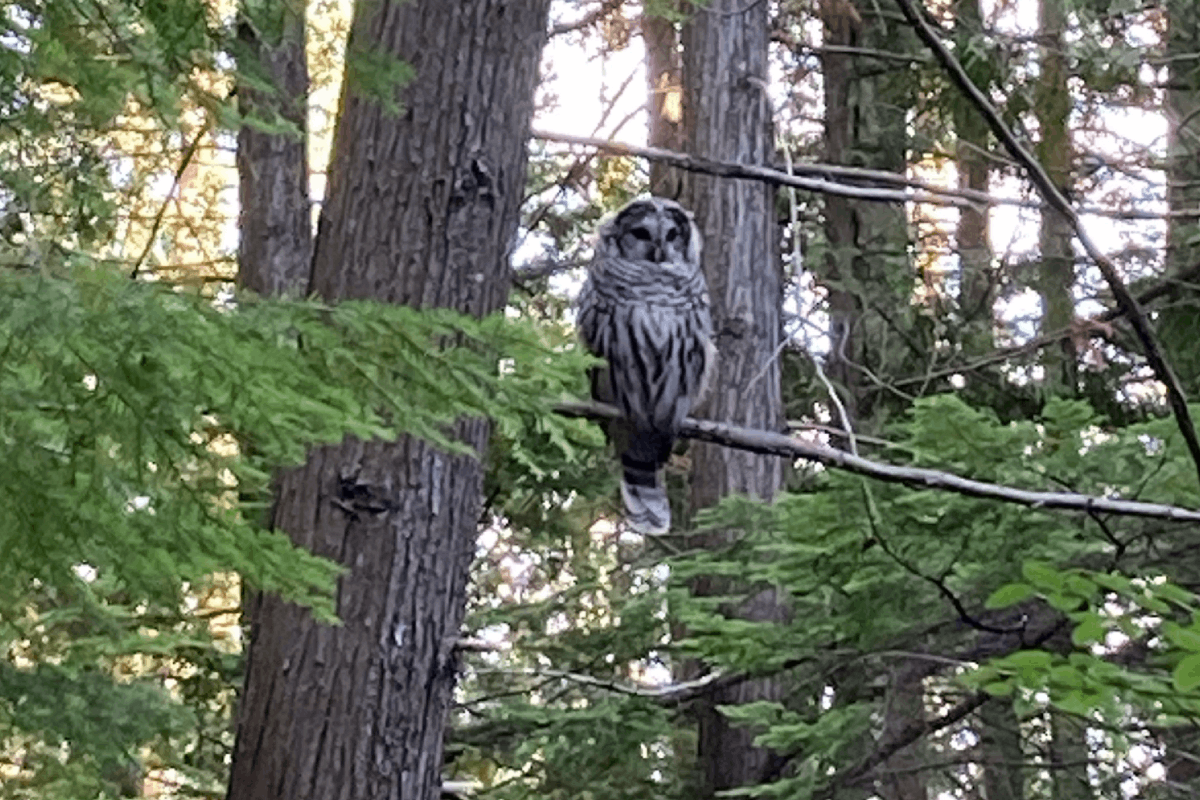
Sauna Therapy and Cortisol Reduction
Q: How does sauna use directly reduce burnout symptoms?
Sauna exposure activates heat shock proteins, improves circulation, and stimulates endorphin release. These physiological changes reduce stress hormone levels and improve emotional regulation.
Regular sauna use has been shown to:
- Reduce cortisol levels
- Improve cardiovascular function
- Enhance sleep quality
- Reduce muscle tension
- Improve mood stability
A long-term Finnish study published in JAMA Internal Medicine found that frequent sauna use is associated with improved cardiovascular and neurological health ( JAMA Internal Medicine).
This makes sauna therapy one of the most effective recovery tools for individuals experiencing chronic stress and burnout.
Cold Exposure and Nervous System Resilience
Q: Why is cold exposure essential for nervous system training?
Cold exposure activates the sympathetic nervous system in a controlled way, forcing the body to adapt and recover. This improves nervous system flexibility and stress tolerance.
Cold immersion has been shown to:
- Reduce inflammation
- Improve mood through norepinephrine release
- Enhance emotional resilience
- Improve recovery from physical and mental stress
Research published in Medical Hypotheses found that cold exposure may reduce symptoms of depression and improve nervous system regulation ( ScienceDirect).
This controlled stress exposure trains the nervous system to recover more efficiently.

The Combined Effect:
Heat, Cold, and Nervous System Reset
Q: Why is combining sauna and cold plunge more effective than using either alone?
The alternation between heat and cold stimulates both activation and recovery cycles. This trains the autonomic nervous system to shift efficiently between states.
This improves:
- Stress tolerance
- Emotional stability
- Sleep quality
- Cognitive clarity
- Physical recovery
Contrast therapy mimics natural environmental stressors that humans evolved with, restoring natural nervous system function.
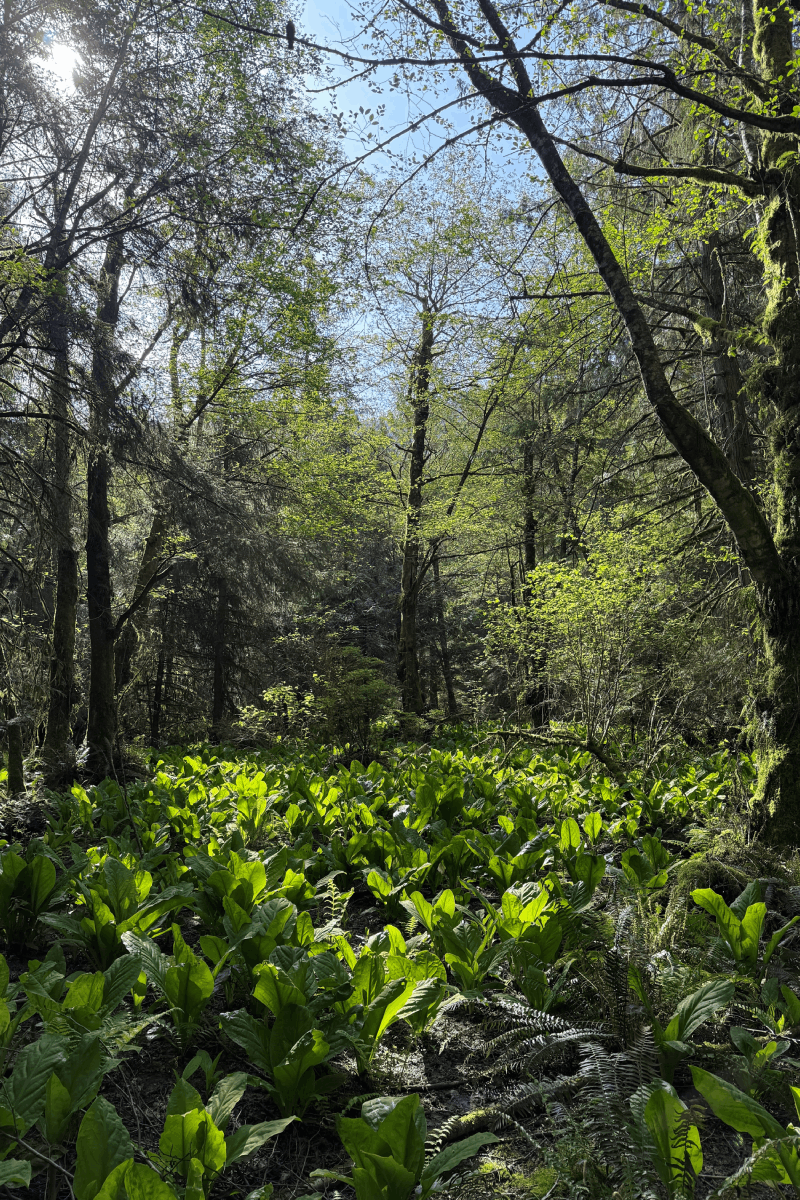
Nature Exposure and Nervous System Healing
Q: Why does nature accelerate burnout recovery?
Nature immersion reduces cortisol levels, lowers heart rate, and activates parasympathetic nervous system recovery.
A study published in Frontiers in Psychology found that spending just 20 minutes in nature significantly reduces cortisol levels ( Frontiers in Psychology).
Natural environments provide:
- Sensory calm
- Reduced cognitive load
- Psychological safety
- Improved emotional regulation
This creates ideal conditions for nervous system restoration.
Ocean Environments and Burnout Recover
Q: Why are ocean environments especially effective for stress recovery?
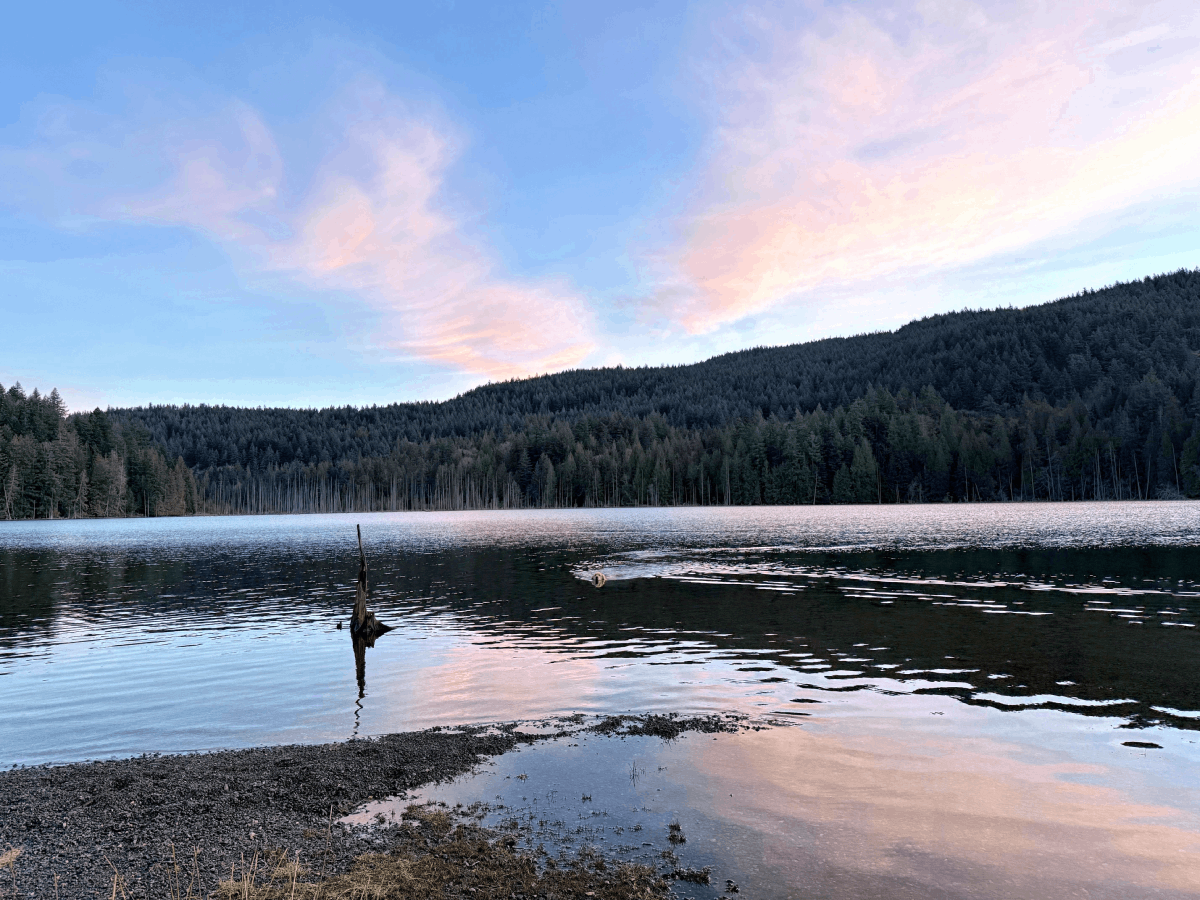
Ocean environments provide multiple recovery benefits simultaneously. The sound of waves, ocean air, and expansive views reduce stress and promote calm.
Research published in Health & Place found that coastal environments are associated with improved mental health and reduced psychological distress ( ScienceDirect).
Ocean air also contains negative ions, which may improve mood and reduce stress.
The Role of Silence in Nervous System Recovery
Q: Why is silence critical for burnout recovery?
Silence allows the brain to reduce sensory input and cognitive processing. This allows neural pathways associated with stress to relax.
Research published in Brain Structure and Function found that silence promotes brain regeneration and neural recovery ( Springer).
This is why quiet natural environments are essential for nervous system reset.
Sleep Restoration During Burnout Recovery
Q: Why does sleep improve dramatically during private retreats?
Sleep quality improves when cortisol levels drop and the nervous system enters parasympathetic mode.
Factors that improve sleep during burnout recovery retreats include:
- Reduced stimulation
- Nature immersion
- Contrast therapy
- Psychological safety
- Digital detox
Sleep is one of the most important components of nervous system recovery.
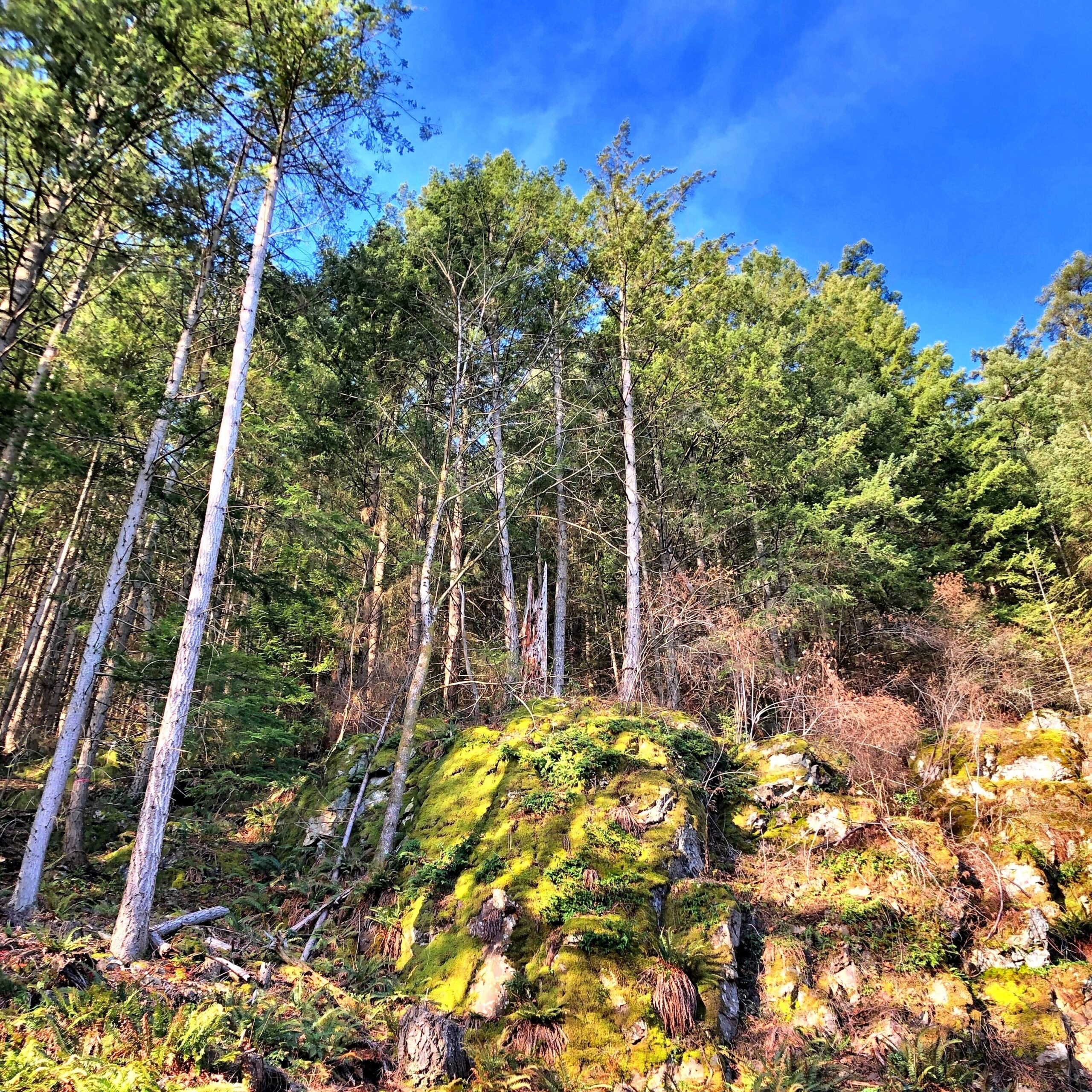
Why Bowen Island Is Ideal for Burnout Recovery Retreats
Q: Why is Bowen Island uniquely suited for nervous system recovery?
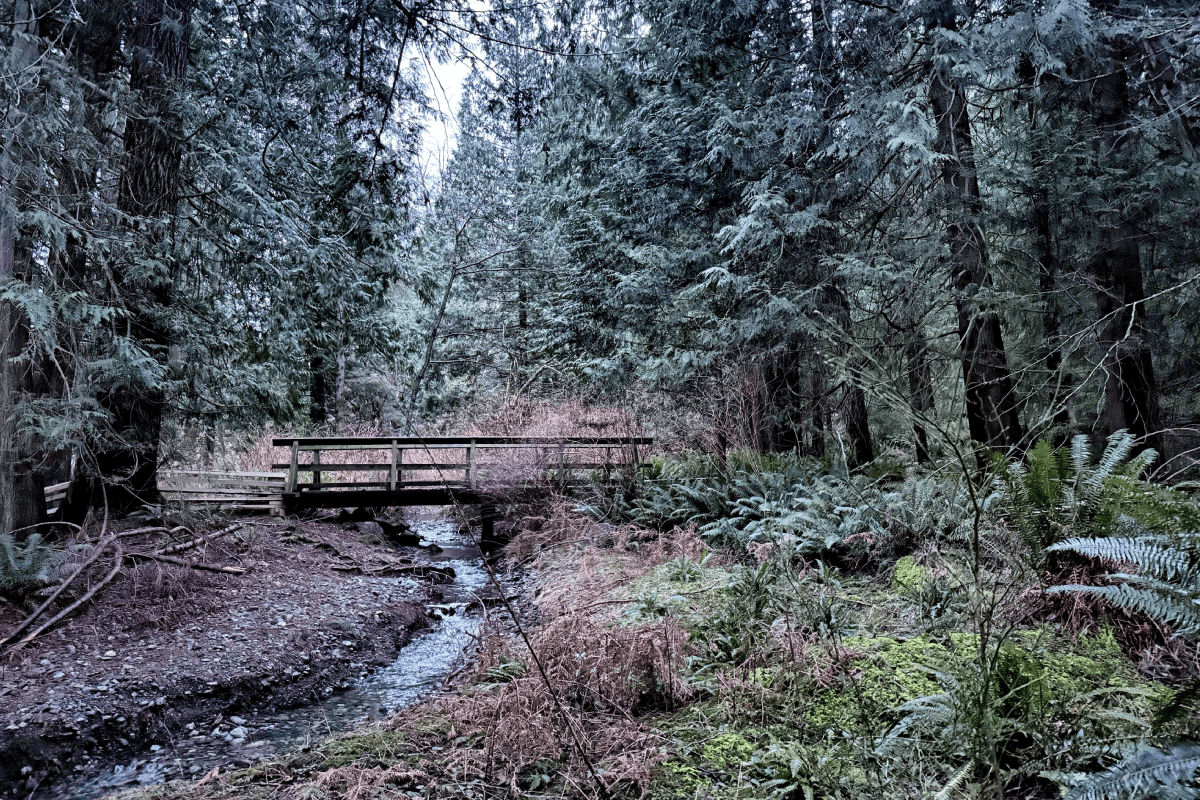
Bowen Island offers rare proximity to Vancouver while maintaining complete psychological separation from urban stress.
The ferry crossing itself creates a transition that signals to the nervous system that stress is ending and recovery is beginning.
Bowen Island provides:
- Ocean environments
- Quiet forests
- Minimal crowds
- Clean air
- Natural silence
This combination creates one of the most effective environments in Canada for burnout recovery.
The First 24 Hours: What Guests Typically Experience
Q: What changes occur during the first 24 hours of a burnout recovery retreat?
Most guests begin experiencing measurable nervous system recovery within the first day.
Common early improvements include:
- Reduced mental noise
- Improved breathing depth
- Muscle relaxation
- Improved sleep onset
- Reduced anxiety
This marks the beginning of nervous system recalibration.
The Full 48-Hour Burnout Recovery Itinerary
Q: What does a complete 48-hour burnout recovery retreat look like?
A structured approach maximizes nervous system reset. Here is an ideal 2-day itinerary for guests at Bowen Island retreats such as The Barnfield Suites and Cedarwood Elements:
Day 1
- Morning: Arrive at private suite, brief orientation, light forest walk for parasympathetic activation
- Late morning: Guided forest bathing session, mindfulness journaling
- Afternoon: Sauna session at Cedarwood Elements followed by cold plunge
- Evening: Ocean-view meditation, fire ritual, and digital-free reflective journaling
Day 2
- Early morning: Sunrise forest walk or ocean-side breathing exercises
- Mid-morning: Sauna + cold plunge contrast therapy
- Late morning: Solo nature immersion or guided mindfulness session
- Afternoon: Creative or restorative activity (journaling, painting, yoga)
- Late afternoon: Final sauna + cold plunge cycle to consolidate nervous system regulation
- Evening: Reflection, light meditation, and departure
This schedule ensures the nervous system cycles through activation and recovery multiple times, providing measurable improvements in mood, cognition, and physiological balance.

Executive and Professional Benefits
Q: Why are executives and high-performing professionals particularly suited for burnout recovery retreats?
Executives experience sustained cognitive load, decision fatigue, and emotional pressure that prevent natural recovery. Retreats on Bowen Island provide:
- Structured contrast therapy sessions to lower cortisol
- Guided digital detox to disconnect from constant stimuli
- Privacy to allow mental clarity
- Nature immersion for emotional regulation
- Time for strategic reflection and creativity
Professionals often report breakthrough thinking, renewed focus, and improved resilience following the retreat experience.
Mindfulness and Journaling Integration
Q: How does journaling support nervous system recovery during retreats?
Mindfulness journaling complements physical recovery. Writing about thoughts and emotions helps process experiences and reduces cognitive load. Research shows journaling reduces stress and supports emotional regulation ( APA Monitor, 2018).
Suggested journaling prompts include:
- Reflect on sources of chronic stress
- Note physical sensations and mood changes after sauna/cold plunge
- Identify moments of clarity or gratitude
- Set intentions for post-retreat lifestyle adjustments
Digital Detox Strategies
Q: How does a digital detox improve burnout recovery?
Phones and devices maintain constant sympathetic activation, preventing full nervous system recovery. Retreats emphasize:
- Phone-free check-in and minimal device use
- Physical journaling and analog reflection
- Nature immersion to shift attention away from digital stimuli
- Structured routines to replace habitual screen use
Guests often report enhanced sleep, focus, and emotional balance following digital detox interventions.
Nature Therapy and Forest Bathing
Q: What is forest bathing, and how does it enhance burnout recovery?
Forest bathing (shinrin-yoku) involves intentional, slow immersion in natural environments. It promotes parasympathetic activation, reduces cortisol, and improves mood ( NIH, 2017).
Bowen Island provides ideal trails and forest environments that enhance contrast therapy benefits by pairing physical recovery with mental restoration.
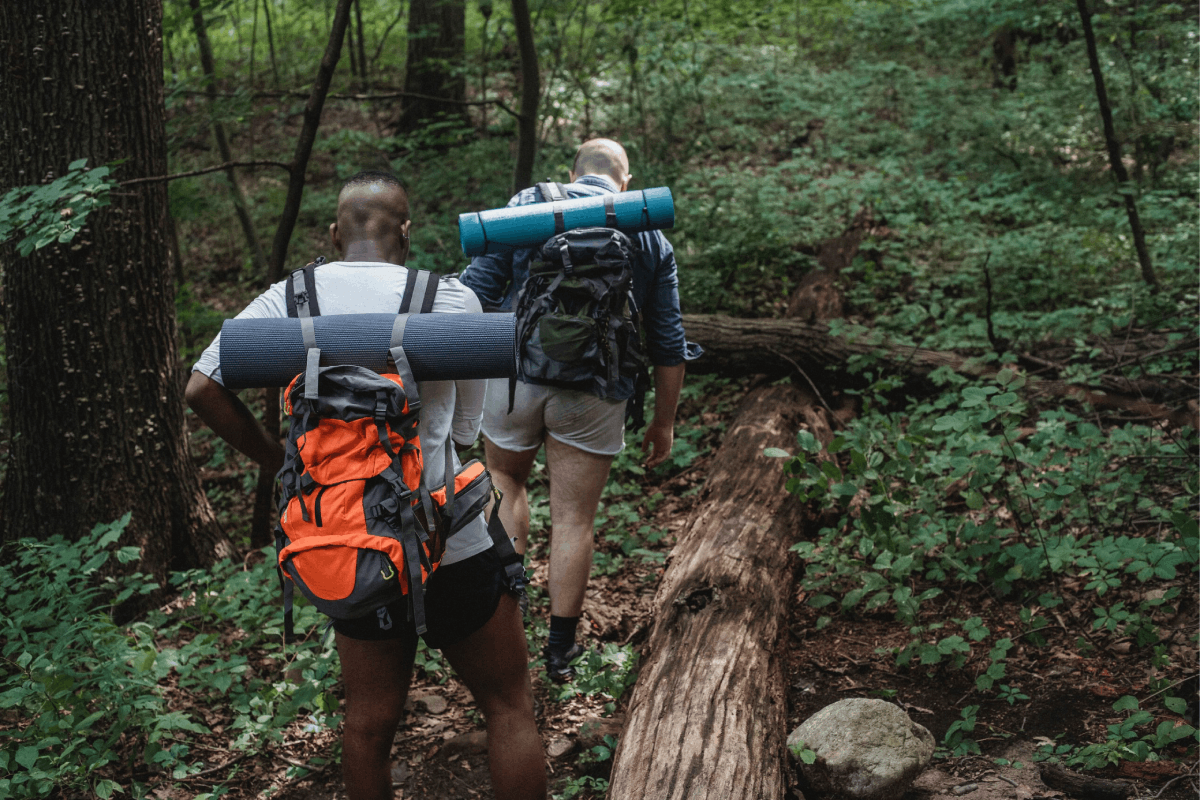
Scientific Support for Multi-Modal Recovery
Q: Why combine sauna, cold plunge, and forest bathing?
Each modality targets different aspects of stress recovery:
- Sauna: reduces cortisol, relaxes muscles
- Cold plunge: strengthens nervous system resilience, improves mood
- Forest bathing: reduces mental fatigue, increases parasympathetic activation
When combined in a private, structured retreat, these modalities synergistically improve recovery outcomes ( Frontiers in Psychology, 2019).
Frequently Asked Questions
Q: How long should a burnout recovery retreat last?
A: 48–72 hours provides significant nervous system reset. Longer stays can deepen recovery, but even short retreats initiate meaningful improvements.
Q: Who benefits most from burnout recovery retreats?
A: High-performing professionals, executives, entrepreneurs, creatives, healthcare workers, and anyone experiencing chronic stress can benefit.
Q: How quickly can guests expect results?
A: Many guests notice improvements in mental clarity, emotional stability, and sleep within the first 24–48 hours.
Q: What role does solitude play in recovery?
A: Solitude allows full psychological safety, enabling the nervous system to downshift fully and consolidate recovery.
Q: Can these retreats prevent burnout?
A: Yes. Regular retreats, nature immersion, and contrast therapy can improve resilience and reduce risk of future burnout.
Q: How does ocean proximity support nervous system reset?
A: Coastal environments provide auditory and visual stimuli that reduce stress, improve mood, and enhance parasympathetic activation.
Q: Is the retreat suitable for solo travelers?
A: Absolutely. Private suites and individualized schedules are designed for solo participants seeking focused recovery.
Q: Can partners attend together?
A: Yes. Couples can enjoy parallel experiences, maintaining privacy while benefiting from shared wellness activities.
Q: What safety precautions exist for cold plunge and sauna use?
A: All activities are guided and monitored, with personalized recommendations for duration and temperature. Guests with medical conditions are advised to consult physicians.
Burnout recovery requires more than a traditional vacation. It requires nervous system recalibration through private contrast therapy, digital detox, and nature immersion.
At The Barnfield Suites and Cedarwood Elements on Bowen Island, guests experience a curated, private environment optimized for nervous system recovery, combining:
Private suites for complete psychological safety
Forest bathing and nature immersion
Sauna and cold plunge contrast therapy
Digital-free journaling and reflection
Step away from chronic stress. Reconnect with clarity, calm, and resilience.
References & Citations
- World Health Organization. Burn-out an occupational phenomenon: International Classification of Diseases. 2019. https://www.who.int/news/item/28-05-2019-burn-out-an-occupational-phenomenon-international-classification-of-diseases
- Frontiers in Psychology. Chronic stress and nervous system regulation. 2017. https://www.frontiersin.org/articles/10.3389/fpsyg.2017.01353/full
- National Institutes of Health. Sauna bathing reduces cortisol and improves relaxation. 2018. https://www.ncbi.nlm.nih.gov/pmc/articles/PMC5941775/
- JAMA Internal Medicine. Sauna use and cardiovascular & neurological benefits. 2015. https://jamanetwork.com/journals/jamainternalmedicine/fullarticle/2130724
- ScienceDirect. Cold exposure and nervous system regulation. 2013. https://www.sciencedirect.com/science/article/pii/S0306987713002730
- Frontiers in Psychology. Forest bathing reduces cortisol and improves mood. 2019. https://www.frontiersin.org/articles/10.3389/fpsyg.2019.00722/full
- Health & Place. Coastal environments and psychological recovery. 2012. https://www.sciencedirect.com/science/article/pii/S1353829212001216
- Brain Structure and Function. Silence promotes neural recovery. 2013. https://link.springer.com/article/10.1007/s00429-013-0591-5
- APA Monitor. Writing as stress reduction. 2018. https://www.apa.org/monitor/2018/07-08/cover-writing