

Contrast therapy — the combination of hot and cold exposure, often alternating between saunas and cold plunges — is no longer reserved for elite athletes. Today, it has been embraced by celebrities, performers, musicians, wellness experts, and biohackers alike, becoming a global wellness ritual.
From reducing inflammation and enhancing recovery to promoting mental clarity and nervous system balance, contrast therapy offers benefits that span physical, cognitive, and emotional domains.
At Cedarwood on Bowen Island, we offer a thoughtfully curated contrast therapy experience that emphasizes safety, intention, and restorative practice. This article explores who uses contrast therapy, why it appeals across professions, and how it can support well-being without extremity.
Why Contrast Therapy Appeals to High Performers
Contrast therapy triggers hormesis — a controlled stressor that stimulates adaptation and resilience. Alternating heat and cold activates the autonomic nervous system, improves circulation, reduces delayed onset muscle soreness, and encourages mindfulness (Tipton et al., 2017; Bleakley & Davison, 2010). High performers often integrate contrast therapy into daily routines for:
- Enhanced recovery and reduced inflammation
- Improved cognitive focus and decision-making
- Stress regulation and emotional balance
- Ritualized moments of intentional presence
Athletes Who Rely on Contrast Therapy
LeBron James
LeBron combines saunas with cold plunges to support recovery and manage chronic inflammation during long NBA seasons. For him, contrast therapy is a long-term investment in longevity rather than a test of toughness.
Cristiano Ronaldo
Ronaldo’s home includes a personal contrast therapy suite. Alternating heat and cold immersion helps with circulation, metabolic regulation, and muscular recovery, which aligns with research demonstrating improved performance when using combined hot/cold protocols (Scoon et al., 2007).
Serena Williams
Williams integrates cold immersion and heat exposure for post-match recovery, emphasizing balance between intensity and rest.
Actors and Creative Professionals Using Contrast Therapy
Chris Hemsworth
Hemsworth’s approach is about mental clarity and physical recovery. He pairs sauna and cold immersion with breathwork to enhance focus and relaxation.
Jennifer Aniston
Aniston uses contrast showers to boost energy and circulation. She emphasizes gentle, consistent practice rather than extremes.
Matthew McConaughey
McConaughey frames contrast therapy as a ritual of intentional presence — stepping into discomfort and returning to warmth as a metaphor for resilience.
Musicians and Performers Who Swear By Contrast Therapy
Lady Gaga
Gaga uses sauna and cold immersion to aid pain management and maintain energy during tours. The practice supports both her nervous system and creative output (Shevchuk, 2008).
Chris Martin (Coldplay)
Martin incorporates contrast therapy to counteract fatigue, jet lag, and inflammatory stress from touring.
Wellness Experts and Biohackers
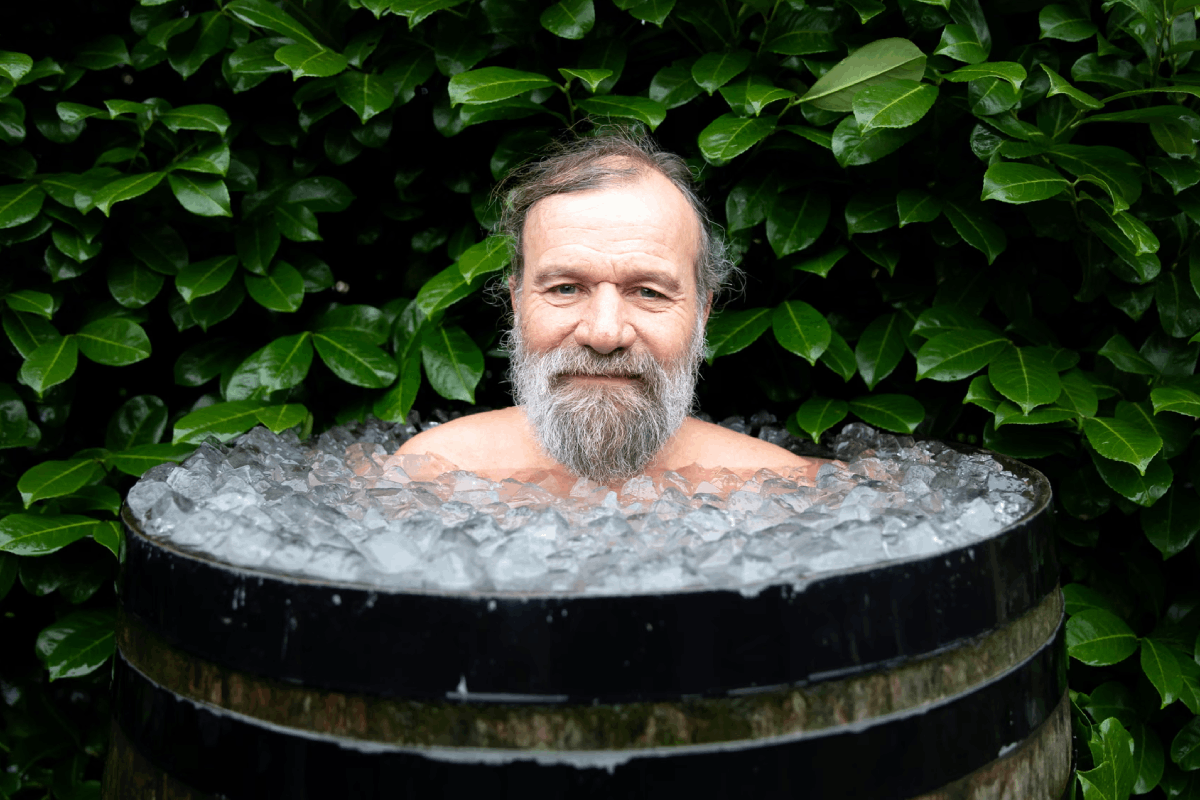
Wim Hof
Hof popularized contrast-style exposure worldwide, pairing cold plunges with breathing techniques to influence autonomic control and stress resilience (Kox et al., 2014).
Dr. Andrew Huberman
Huberman emphasizes contrast therapy’s effects on dopamine, norepinephrine, and parasympathetic activation. He provides specific timing recommendations for balancing cognitive and physical benefits.
Dr. Rhonda Patrick
Patrick highlights metabolic and anti-inflammatory potential while emphasizing safety, moderation, and proper sequencing.
Why Contrast Therapy Is Becoming Culturally Significant
Contrast therapy is more than recovery; it’s a cultural movement . In fast-paced, digitally connected lives, alternating heat and cold provides a tactile, grounding experience. It signals presence, focus, and conscious self-care. Younger generations, creatives, and executives increasingly adopt it to counter burnout and maintain mental resilience.
Common Advice From Those Who Practice Contrast Therapy
- Start gradually and respect your limits
- Focus on breath control, not endurance
- Pair contrast therapy with rest and recovery
- Use it consistently for nervous system and circulatory benefits
How Cedarwood Approaches Contrast Therapy
At Cedarwood, contrast therapy is offered as an optional, guided experience . Guests are encouraged to explore the combination of sauna and cold immersion safely, focusing on restorative outcomes rather than extremes. This aligns with research emphasizing gradual exposure, proper sequencing, and mindful engagement (Tipton et al., 2017).
Frequently Asked Questions
Q: Who practices contrast therapy?
A: Athletes, actors, musicians, wellness experts, and biohackers worldwide practice it.
Q: Why do people use contrast therapy?
A: To enhance recovery, circulation, nervous system regulation, and mental clarity.
Q: Is contrast therapy safe for beginners?
A: Yes, when approached gradually and with guidance.
Q: How often should contrast therapy be done?
A: Frequency varies; several sessions per week is common.
Q: Does contrast therapy improve athletic performance?
A: Evidence suggests it supports recovery and reduces soreness.
Q: Can contrast therapy support mental health?
A: It may improve stress resilience and clarity but is not a treatment.
Q: Are there risks?
A: Extreme exposure or improper sequencing can cause hypothermia or over-stress; moderation is key.
Q: What temperatures are recommended?
A: Hot exposures (70–90°C) and cold exposures (10–15°C) are typical ranges.
Q: Do celebrities and biohackers follow the same protocol?
A: Protocols vary by individual goals and tolerance.
Q: Can contrast therapy help with burnout?
A: It can support stress recovery and nervous system balance.
Q: Is contrast therapy spiritual?
A: It can be a mindful ritual but is not inherently spiritual.
Q: Is supervision necessary?
A: Recommended for beginners or high-intensity sessions.
Q: Can it be combined with cold immersion only?
A: Yes, but the alternating heat-cold sequence may amplify benefits.
Q: How long should sessions last?
A: Typical sessions range from 10–30 minutes depending on experience.
Q: Can contrast therapy be done at home?
A: Yes, with proper equipment and safety measures.
Q: How does it support recovery?
A: By improving circulation, reducing inflammation, and activating the parasympathetic nervous system.
Q: Are there age restrictions?
A: Safe for most adults; caution for children, elderly, or those with cardiovascular issues.
Q: What matters most in contrast therapy?
A: Intention, moderation, safety, and mindful breathing.
References
- Bleakley, C. & Davison, G. (2010). Cold-water immersion: practical applications. British Journal of Sports Medicine.
- Kox, M. et al. (2014). Voluntary activation of the sympathetic nervous system in humans. PNAS.
- Shevchuk, N. (2008). Adapted cold shower therapy as a potential treatment. Medical Hypotheses.
- Scoon, G. S., et al. (2007). Effect of post-exercise hydrotherapy on recovery. Journal of Strength & Conditioning Research.
- Tipton, M., et al. (2017). Autonomic and circulatory responses to cold exposure. Experimental Physiology.