

[ Contrast Therapy History 101 Series ]
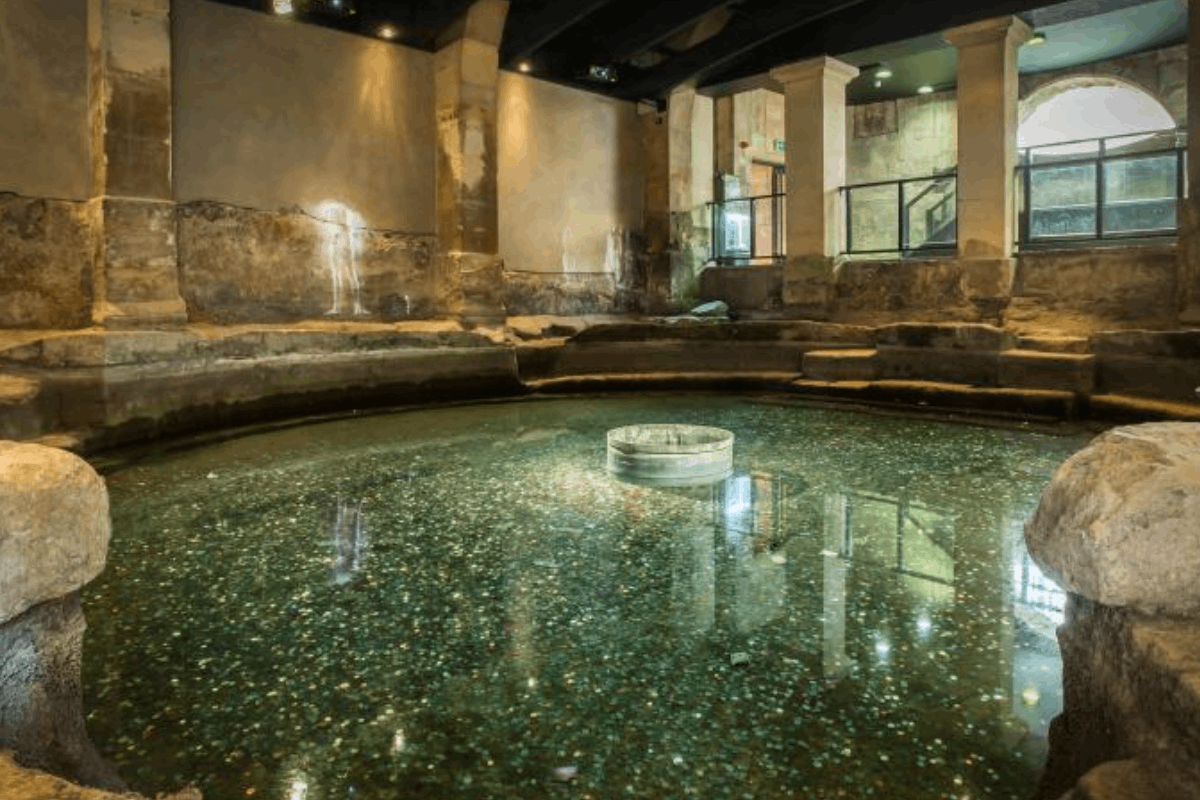
The Roman Baths, one of the most iconic contributions to ancient wellness, played a significant role in shaping the history of contrast therapy. Emerging during the Roman Empire (circa 1st century BCE to 5th century CE), these baths were not only social hubs but also centers for physical recovery and rejuvenation.
Historical Background of Roman Baths
Roman baths, or thermae, were large, public bathing complexes featuring multiple rooms with varying temperatures, including the caldarium (hot bath), tepidarium (warm bath), and frigidarium (cold bath). This sequential exposure to heat and cold is considered one of the earliest forms of contrast therapy and influenced modern spa and wellness practices across Europe.
Bathhouses were often elaborate, incorporating heated floors (hypocaust systems), mineral-rich water, and spaces for exercise and relaxation. Historical records suggest that Roman elites and common citizens alike visited baths daily, emphasizing hygiene, health, and social well-being ( Britannica).
Structure and Practices
- Caldarium: Hot water room to stimulate circulation and relax muscles.
- Tepidarium: Warm bath as a transitional phase, promoting gentle acclimatization.
- Frigidarium: Cold plunge to invigorate the body, enhance circulation, and provide a refreshing shock.
- Palaestra: Exercise yards for physical conditioning, often preceding the bathing sequence.
- Massage and Scraping: Use of oils and strigils (scraping tools) for exfoliation and improved blood flow.
Health Benefits Observed by Romans
Romans understood the restorative benefits of alternating temperatures. Reports from Galen, the Roman physician, describe improved circulation, reduced muscle stiffness, and mental clarity from bathing rituals. While modern science was unavailable, their observations align closely with contemporary research on contrast therapy, showing enhanced vascular function and reduced inflammation ( Leeder et al., 2012).
Legacy and Influence
The Roman Baths set the stage for European spa culture. Many modern thermal spas, hydrotherapy centers, and cold plunge facilities trace their methodology to Roman practices, particularly the structured progression of hot and cold exposure. The focus on social interaction, relaxation, and physical wellness continues to influence contemporary contrast therapy programs.
Modern Applications
Today, the concept of contrast therapy in fitness centers, spa resorts, and wellness retreats reflects Roman bathing sequences: starting with heat exposure, followed by cold immersion, then rest and repeat. Institutions such as luxury resorts and medical spas emphasize the same principles for recovery, circulation, and mental clarity.
8 FAQs About Roman Baths and Contrast Therapy
Q: What were Roman baths?
A: Roman baths were public bathing complexes with hot, warm, and cold water rooms, used for hygiene, health, and socializing.
Q: How did Romans practice contrast therapy?
A: By alternating between caldarium (hot), tepidarium (warm), and frigidarium (cold) baths.
Q: Who used Roman baths?
A: Citizens from all social classes, including elites and commoners, frequented baths daily.
Q: What health benefits were observed?
A: Improved circulation, reduced muscle stiffness, mental clarity, and relaxation.
Q: Did Romans use exercise with bathing?
A: Yes, they used palaestra (exercise yards) before bathing for conditioning.
Q: What tools did Romans use for massage?
A: Strigils (scraping tools) and oils to exfoliate and enhance blood flow.
Q: How do Roman baths influence modern contrast therapy?
A: Modern spas and cold plunge routines mimic Roman sequences of hot, warm, and cold immersion.
Q: Are Roman bath principles still relevant today?
A: Yes, structured hot-to-cold protocols are widely applied in wellness and sports recovery.